




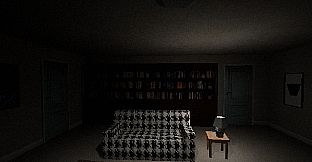
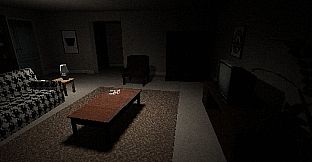
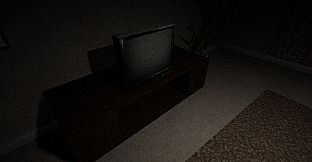
AnteDream is a first-person retro horror adventure game developed for PC. Players navigate a series of liminal worlds filled with impossible architecture and environmental puzzles, guided by a mysterious vision overlay that highlights paths and delivers cryptic messages while sometimes obscuring dangers.
Gameplay
The core loop centers on exploration and puzzle solving within disconnected liminal spaces. Each area presents empty rooms, corridors, and structures that defy normal logic, where exits lead to new locations rather than true progress. Players examine their surroundings for clues embedded in the environment, such as markings or objects that reveal the correct sequence or path forward. The vision system activates automatically, projecting overlays that mark viable routes, deliver fragmented text, or block views of certain elements to maintain tension. Movement feels deliberate in the low-fidelity PSX-style visuals, encouraging careful observation over speed. An unseen entity observes progress throughout, with hints that earning its attention requires completing specific challenges across multiple worlds. The experience builds unease through repetition of similar yet altered spaces and the constant sense of being monitored.
Game Modes
AnteDream operates exclusively as a single-player title. There are no multiplayer options, co-op sessions, or competitive modes. The entire game unfolds as a linear yet branching narrative journey through successive liminal environments, with progression tied directly to puzzle resolution and exit discovery. Players advance at their own pace without external timers or shared elements, focusing solely on personal navigation and interpretation of the vision overlays and environmental signals.
Visuals and Atmosphere
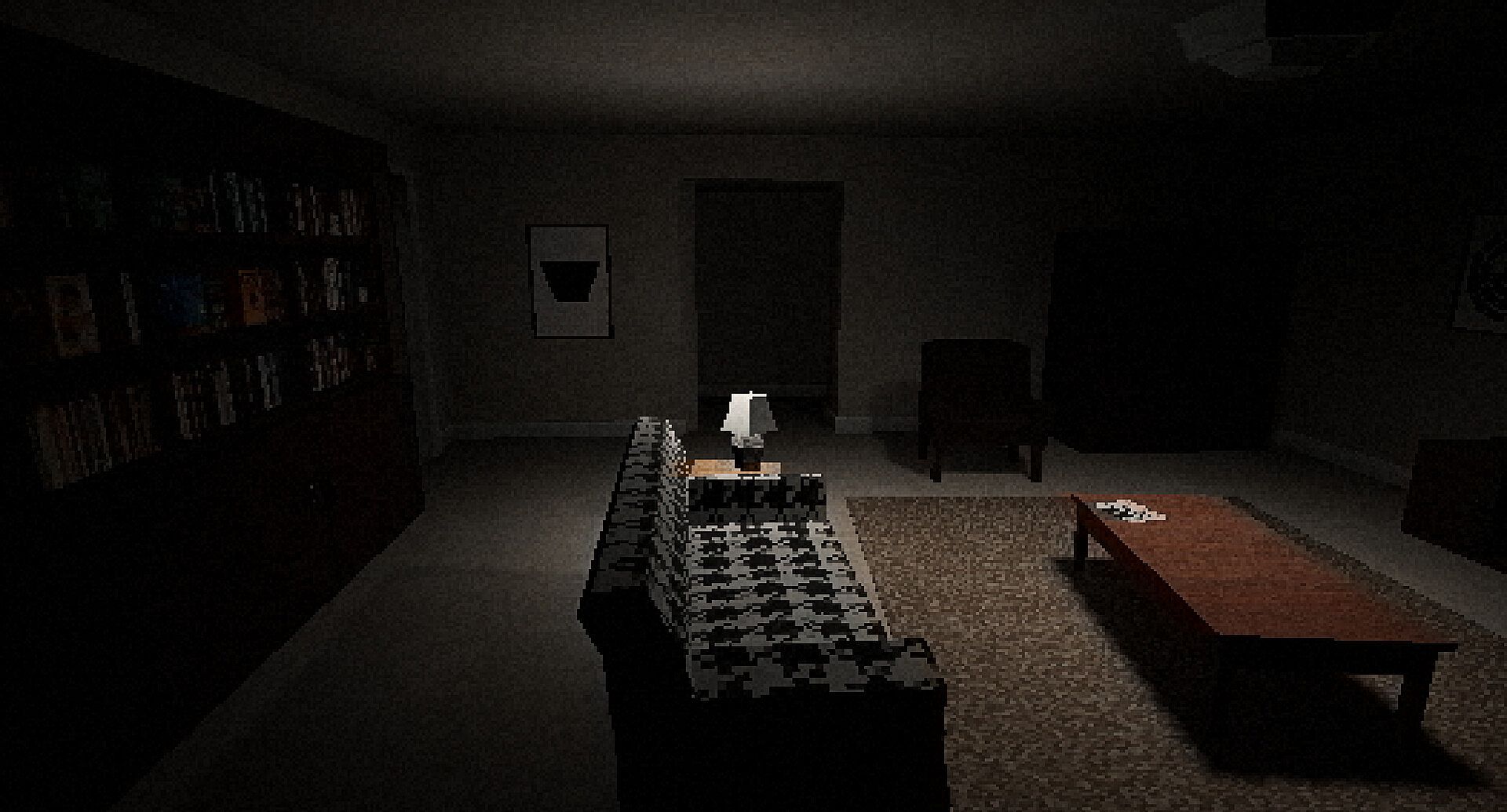
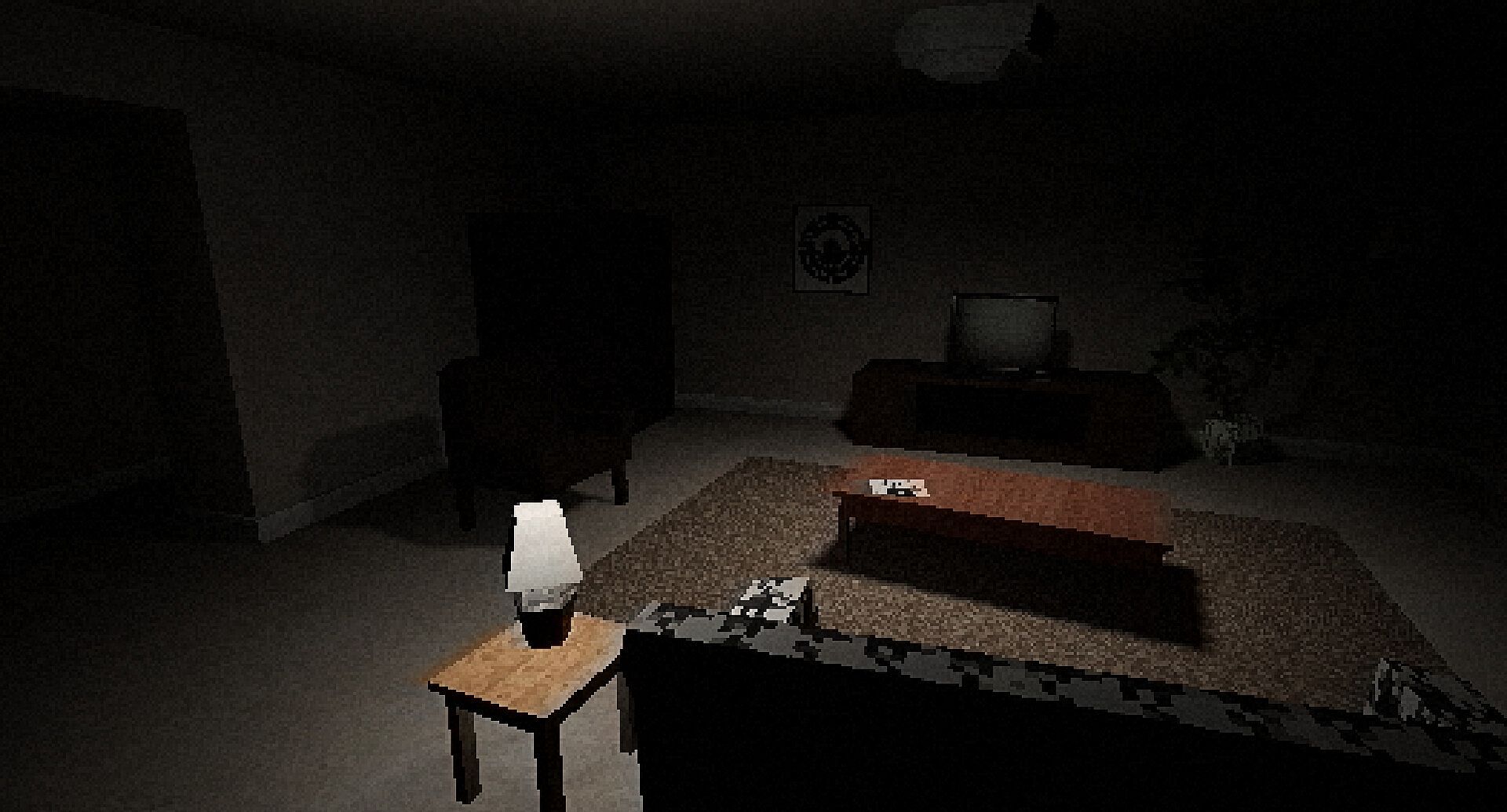
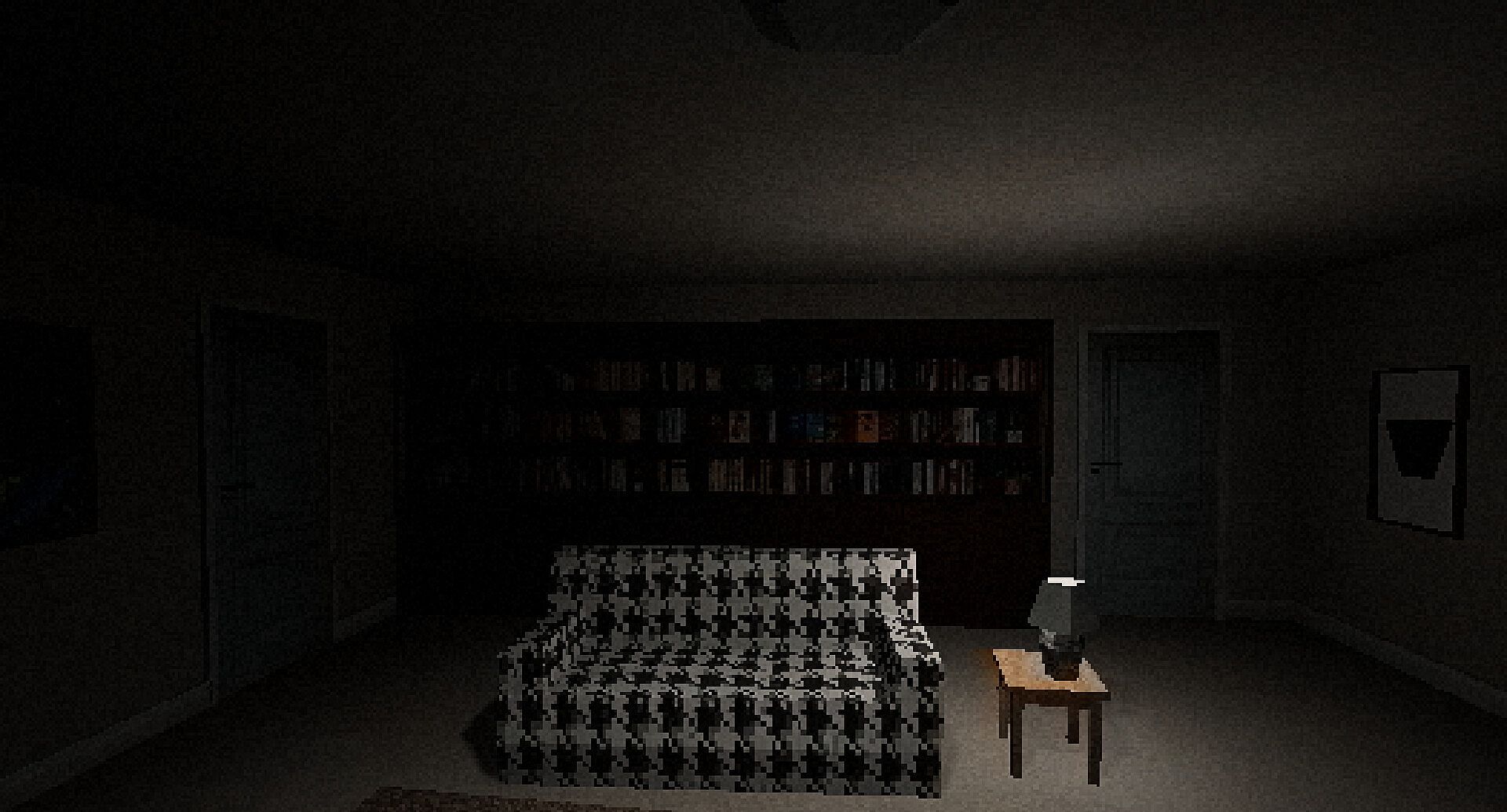
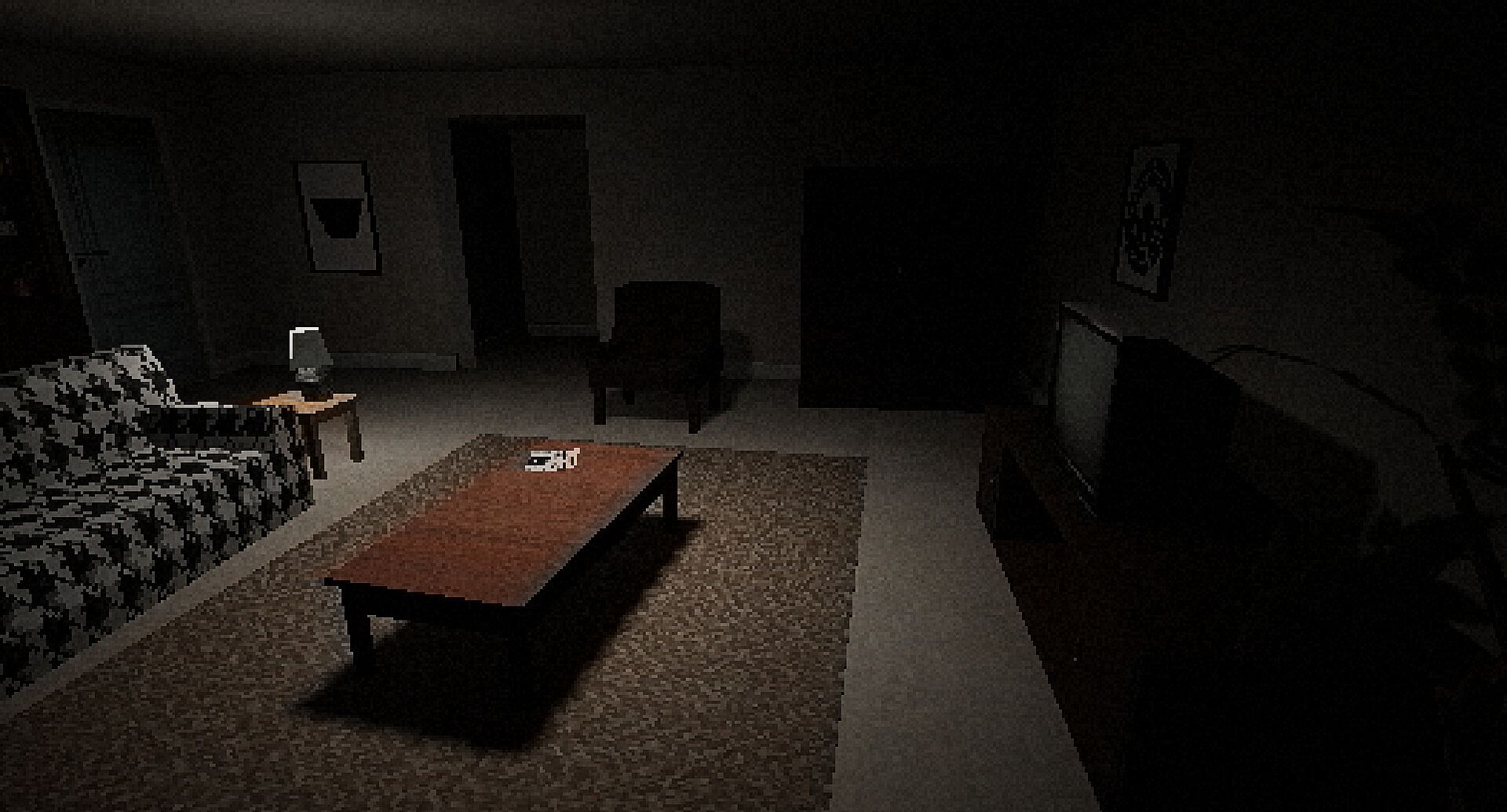
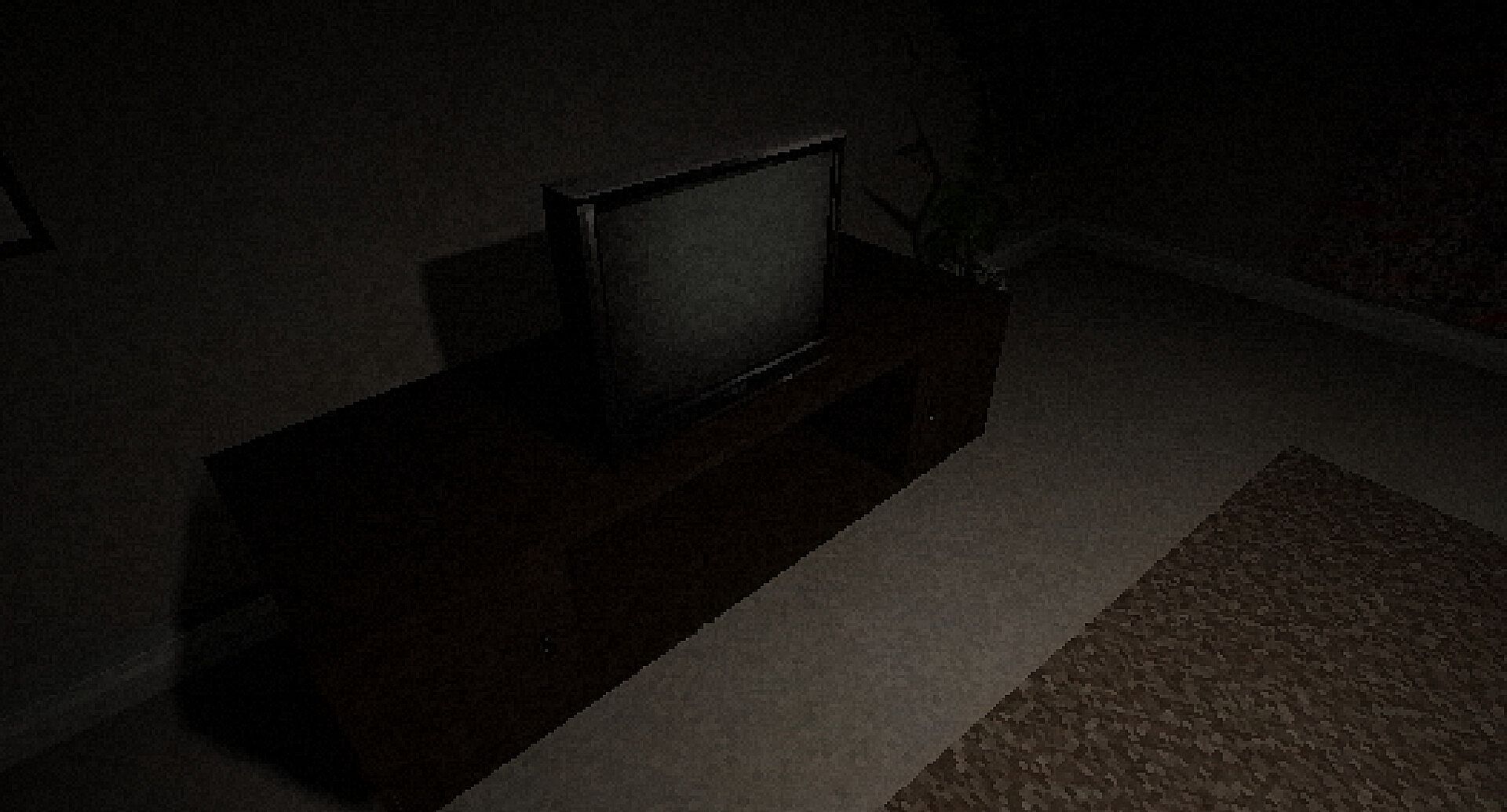
Retro PSX-era graphics define the presentation, using blocky textures, limited draw distances, and simple lighting to evoke early 3D console horror. Liminal spaces appear sterile and familiar yet wrong, with repeating patterns in floors, walls, and ceilings that stretch into infinity. The vision overlay adds a digital layer with glowing lines, text fragments, and occasional censorship effects that heighten the psychological pressure. Sound design supports the mood through sparse ambient tones and the occasional whisper or static from the overlay, keeping focus on isolation rather than overt scares.
Story and Themes
A brief premise sets the stage: a door opens, and the player steps through into a test orchestrated by an unknown presence. The narrative unfolds through environmental storytelling and the messages provided by the vision system rather than traditional cutscenes or dialogue. Themes of unworthiness, observation, and mental strain emerge as players uncover more layers of the worlds. The angel-like entity serves as a distant antagonist or judge, with the goal of earning visibility into its nature through sustained progress. No explicit backstory details or character development appear beyond this framework, leaving interpretation to the player.
Is It Worth Playing?
AnteDream remains in a coming soon state with no user reviews available yet. The described single-player structure and mechanics appeal directly to fans of atmospheric puzzle horror and liminal space exploration. Those who enjoy deliberate pacing, visual storytelling, and retro aesthetics may find the combination of environmental clues and the vision overlay compelling. Without released content or community feedback, any assessment stays limited to the confirmed features of puzzle navigation across multiple impossible worlds and the persistent presence of the watching entity. Players interested in this exact style of first-person indie horror should monitor its release for a clearer picture of length and depth.











