

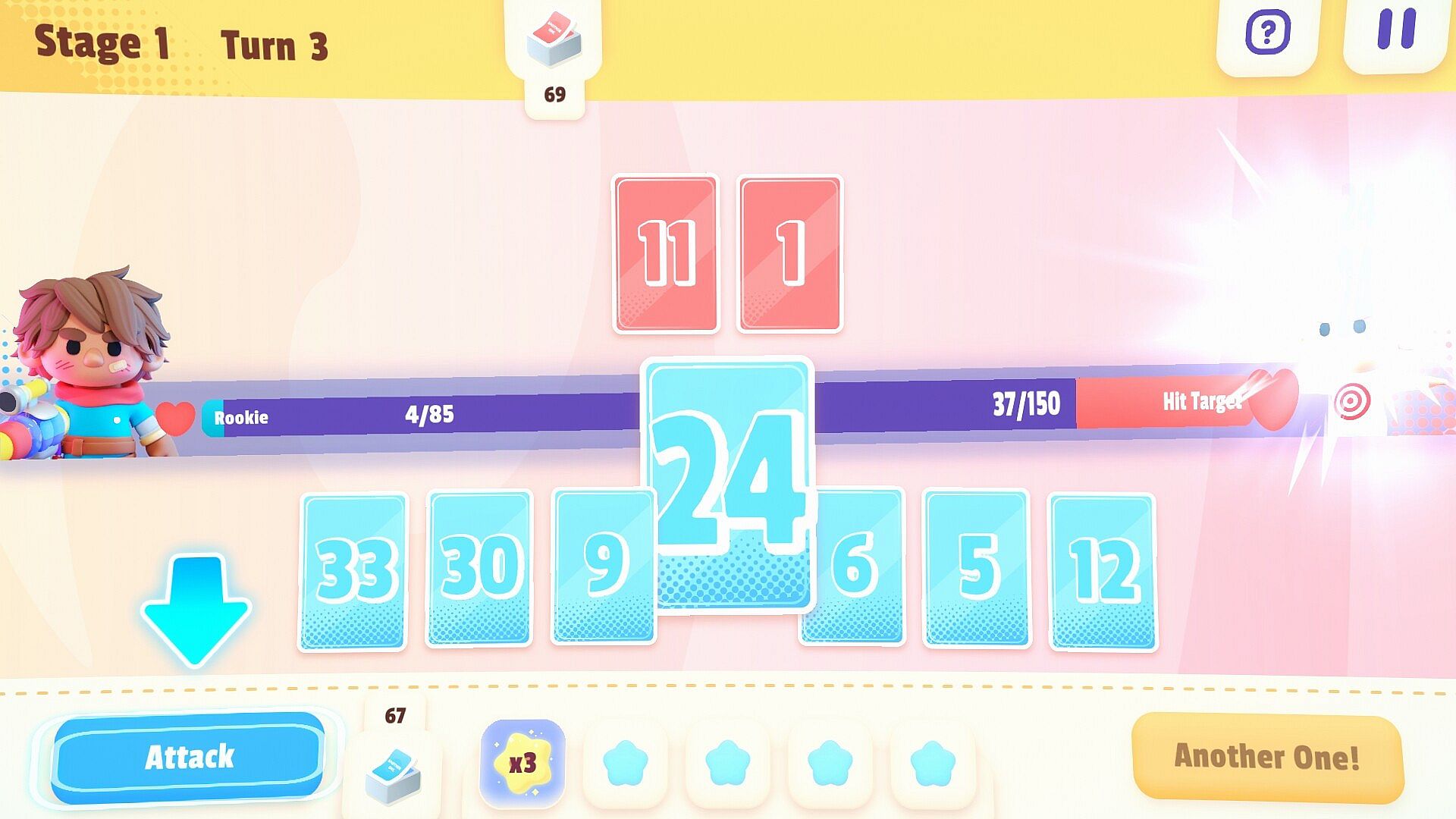
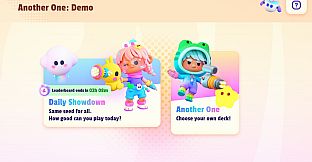
Another One is a single-player roguelike deckbuilder that combines strategy and casual play on PC through a simple yet punishing core loop. Players draw cards one at a time from unique hero decks, building a hand of distinct values to deal damage. Any repeat triggers an immediate bust that wipes the hand and ends the turn with zero output. The longer the streak of unique draws, the greater the damage potential, but risk grows with each additional card.
Gameplay
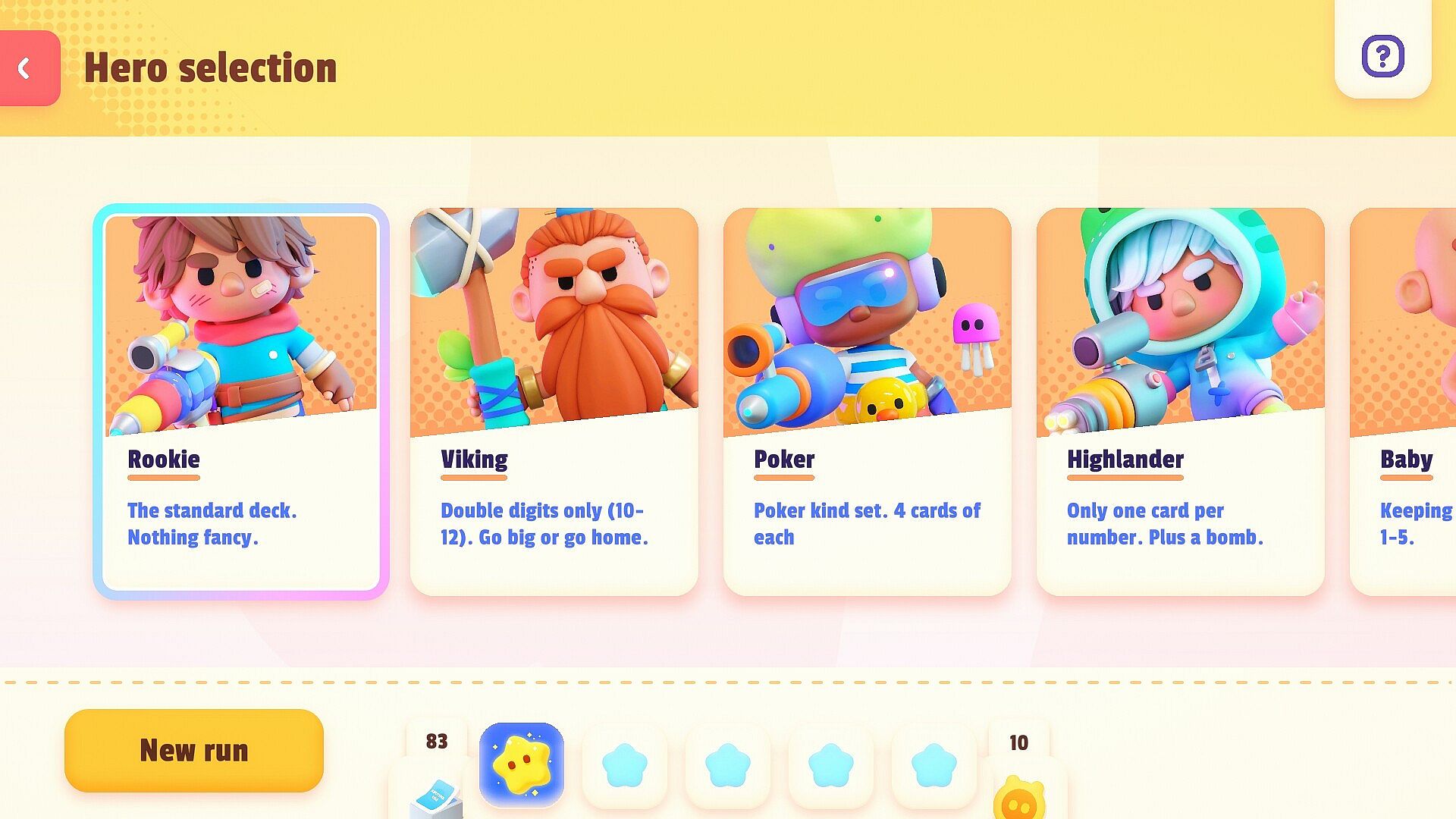
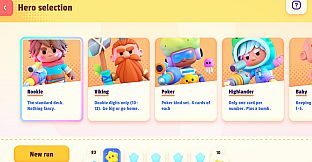
The central tension comes from deciding when to stand and accept current damage or continue drawing in hopes of reaching the seven-card threshold. At seven unique cards a booster activates, delivering powerful bonuses that can finish encounters outright. Each hero begins with a distinct deck that alters this decision-making process. The Rookie deck spans cards one through twelve for broad learning. The Viking deck restricts itself to double digits, favoring high damage at the cost of limited options. The Poker deck includes four copies of each value, making repeats far more common. The Highlander deck holds one of each card for theoretical stability, though it hides a disruptive element. The Baby deck limits itself to values one through five, relying on tight synergies despite smaller numbers.
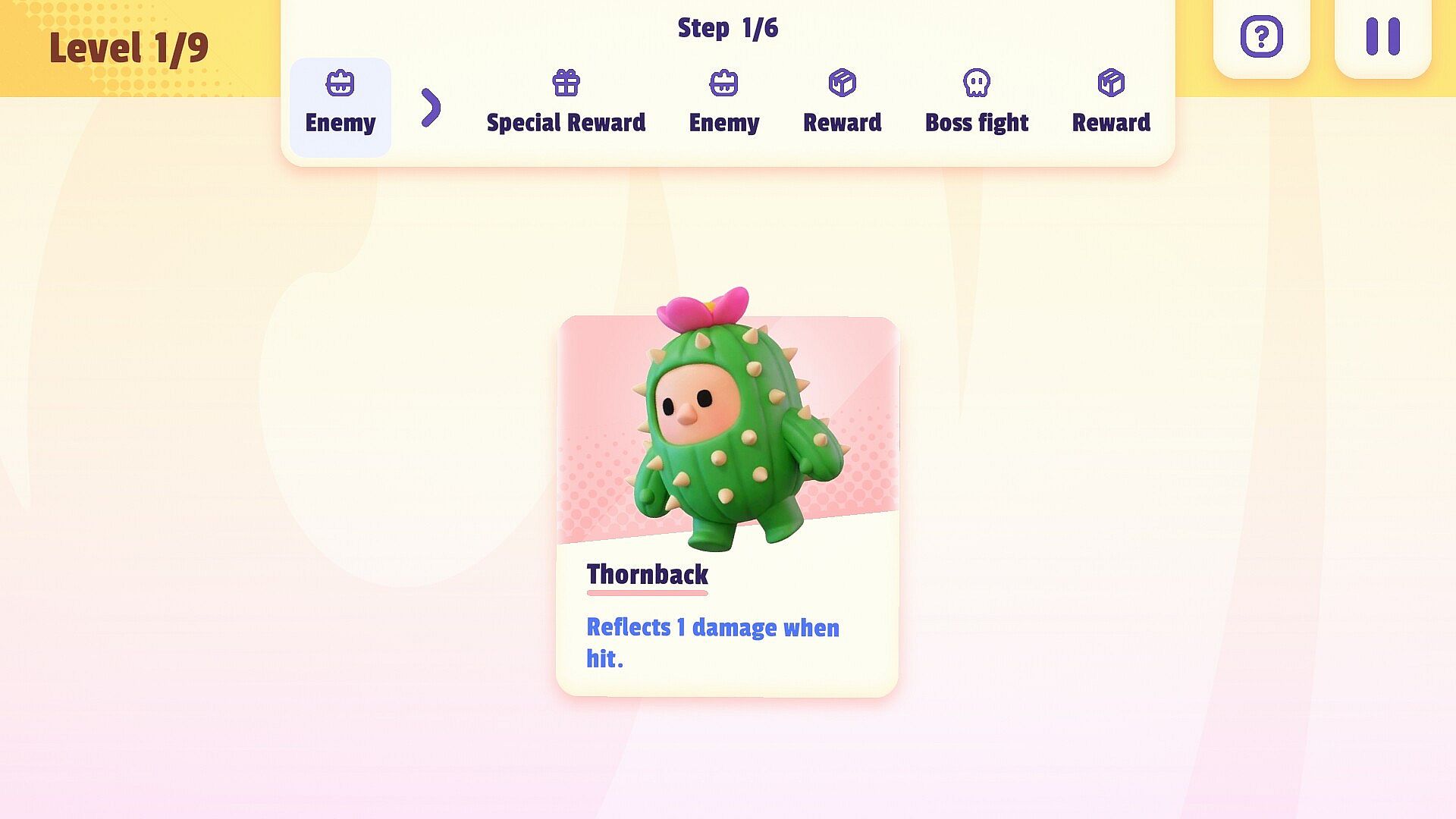
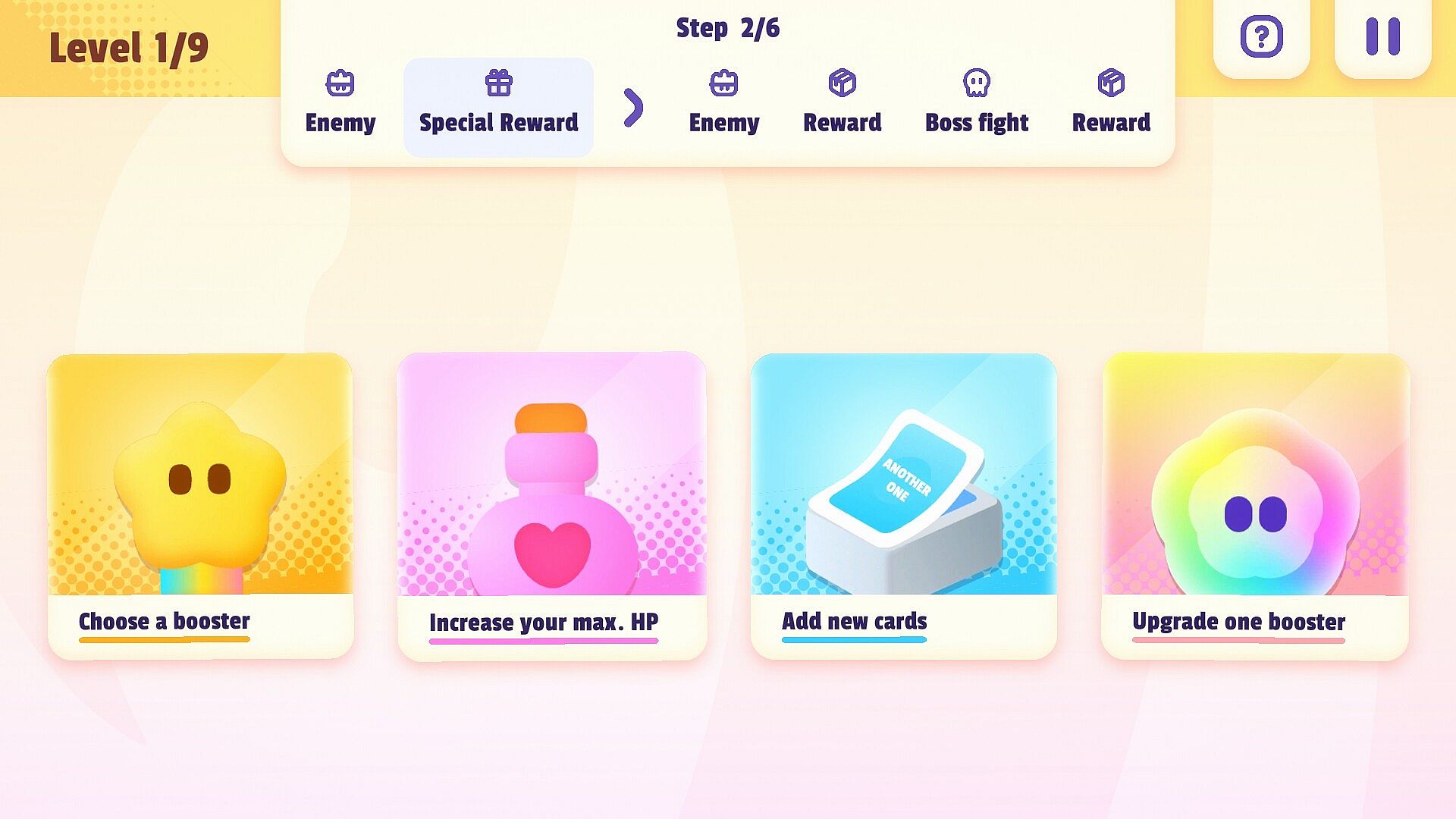
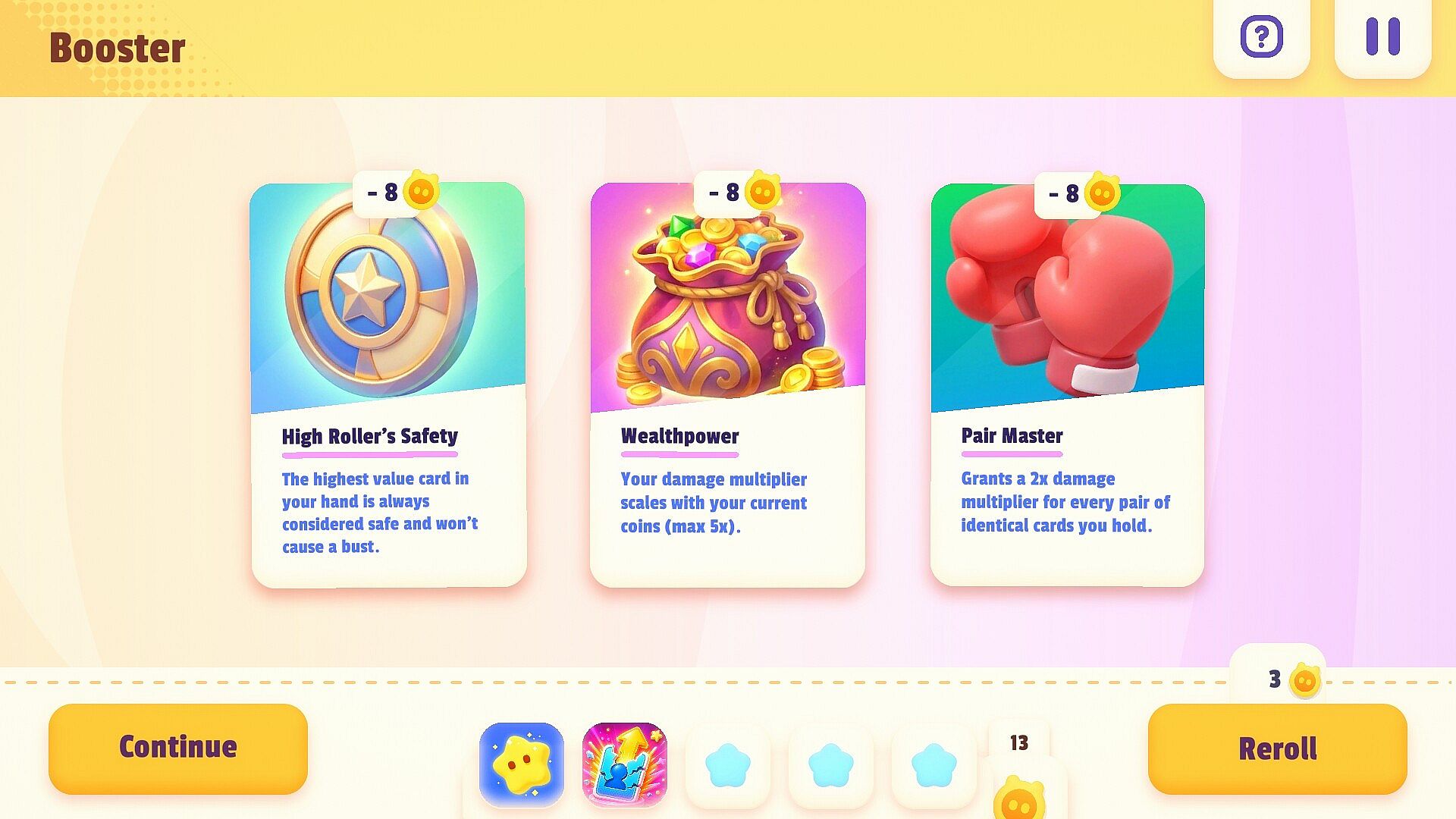
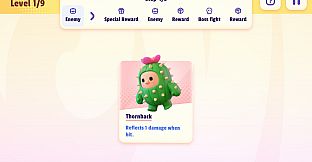
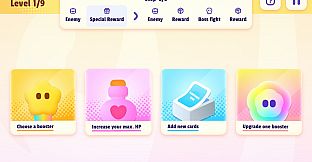
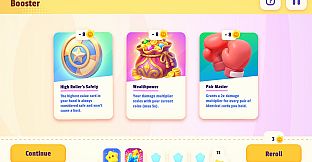
After every victory, players select from several reward types that reshape future runs. Options include adding a new booster that redefines hand evaluation, upgrading an existing booster for greater effect, forging specific cards to increase their impact, gaining maximum health for better survival, or selecting scaling mechanics that compound across the run. These choices ensure no two paths feel identical. Over twenty bosses each introduce rule changes during combat, such as stealing the highest card, hiding the hand at times, inserting instant-bust cards, healing on player busts, concealing early draws, or possessing doubled health. The result is a loop that rewards careful risk assessment while punishing overextension.
Game Modes
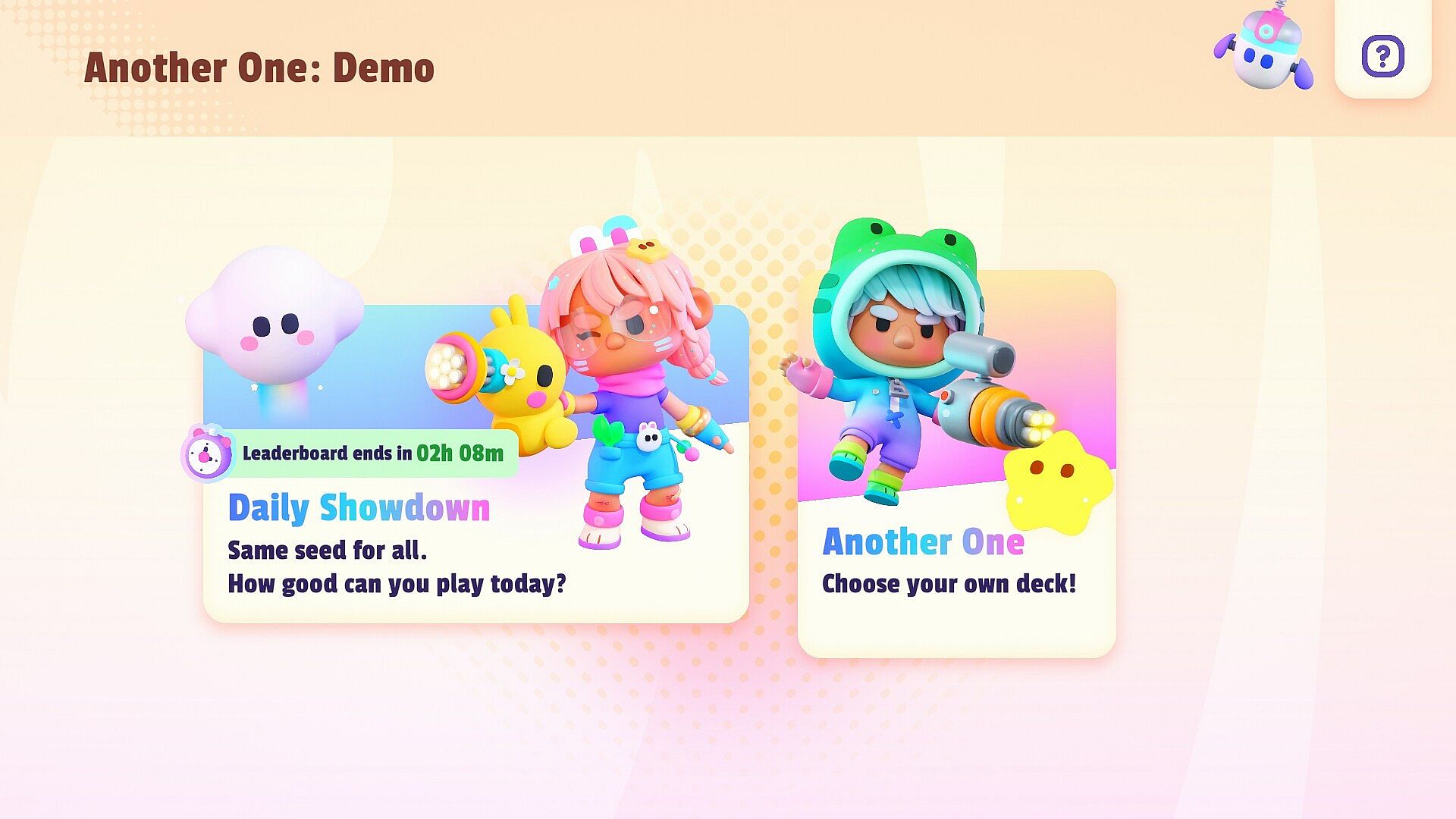
Two primary modes structure play sessions. Infinity Mode presents continuously scaling difficulty that tests how far a build can push as challenges intensify. The Daily Challenge provides a shared experience where every player receives the identical deck, bosses, and reward selections for that day. The run resets on each attempt but keeps the same seed, allowing repeated study and optimization. A global leaderboard tracks progress across all participants, with the challenge refreshing at midnight to create daily pressure and fresh opportunities for improvement.
Progression and Strategy
Success depends on adapting to each hero's constraints and the shifting demands of bosses. Early fights favor conservative draws, while later encounters reward aggressive pushes when boosters align. Reward selections compound over time, turning modest advantages into decisive edges through repeated upgrades or scaling effects. The single-developer origin emphasizes tight mechanical focus, with extensive testing on the satisfaction of hitting exactly seven unique cards. Art and designs incorporate AI assistance to support the presentation.
Is It Worth Playing?
Another One suits players who enjoy roguelike deckbuilders centered on push-your-luck decisions and single-player strategy. The five distinct hero decks and frequent rule-altering bosses create high replayability through varied runs. The Daily Challenge adds a competitive element via its shared seed and leaderboard, while Infinity Mode offers endless scaling for dedicated sessions. With no reviews available ahead of its 2026 release, the game appeals most to those drawn to precise risk management and short, repeatable encounters rather than expansive narratives or multiplayer features. Those who appreciate clear mechanical depth in a compact package will find the core loop engaging.