


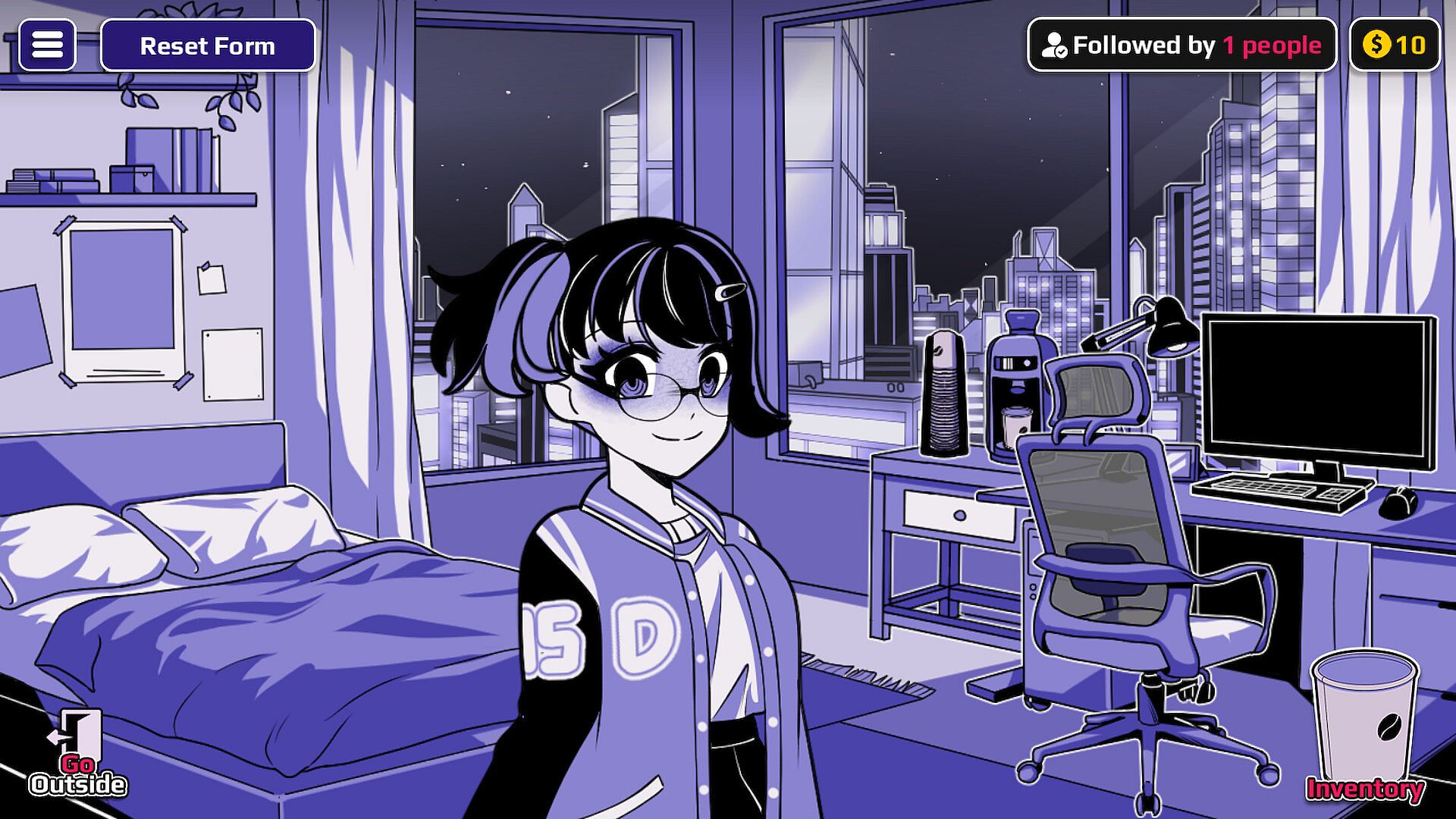
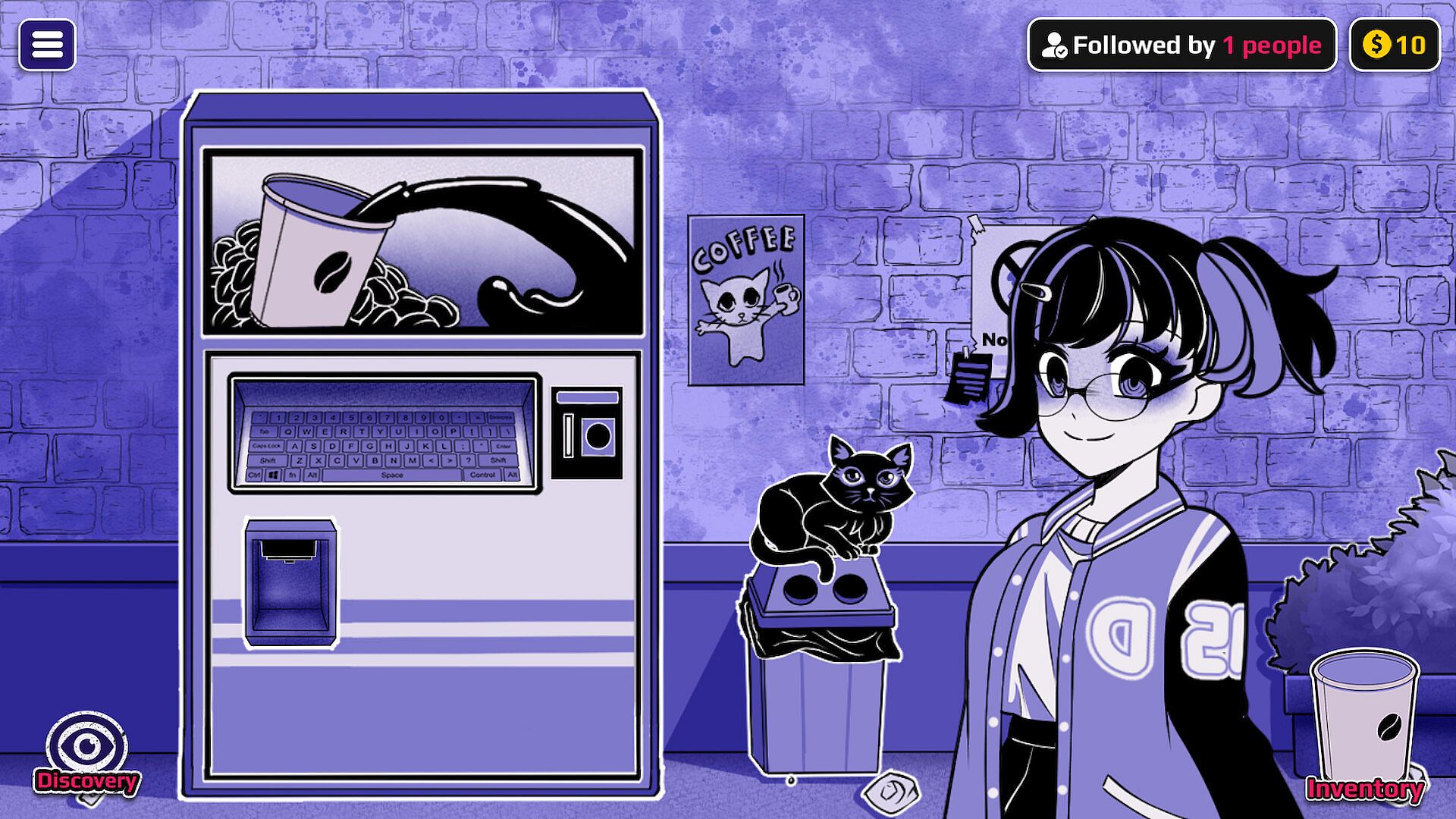
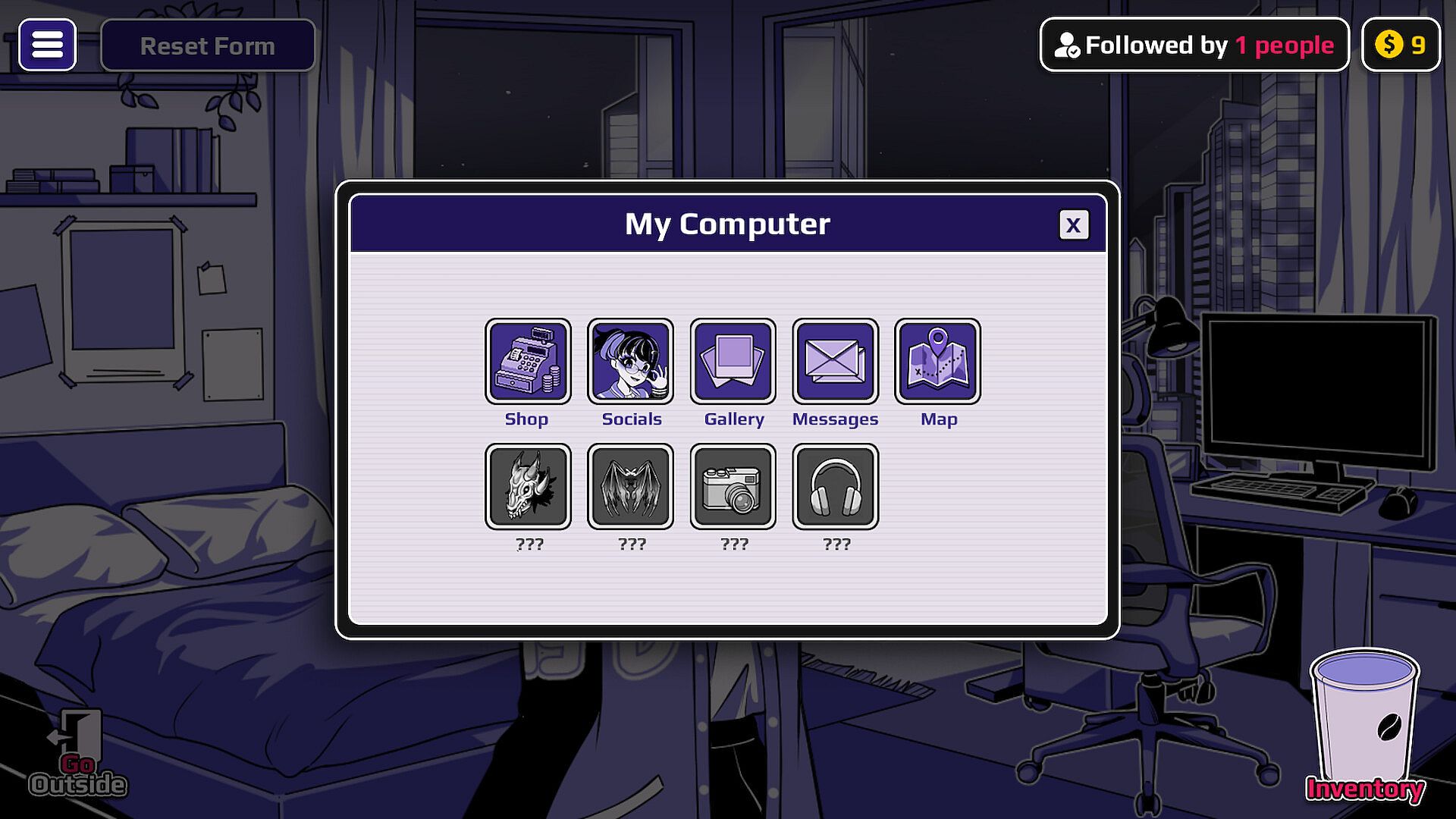


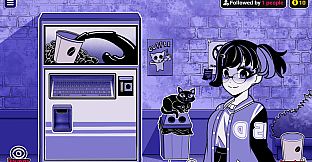

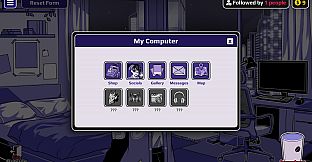
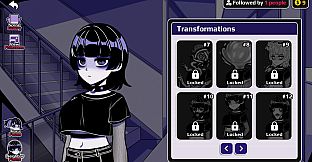

Anomalous Coffee Machine 3 is an indie simulation game for PC that places players in the role of Horu, a freelance game artist managing rent and daily expenses in a high-rise apartment. The story begins before the events of earlier entries in the series, focusing on the arrival of an outdated coffee machine in the stairwell between the twelfth and thirteenth floors. Players interact with this device by inserting coins and entering words to produce drinks that alter reality in unexpected ways, then package and sell the results through an online shop while monitoring customer feedback and expanding reach via social media posts.
Gameplay
The core loop centers on experimentation with the coffee machine to generate unique beverages. Each session involves selecting coins, inputting terms to trigger different outcomes, and observing the resulting anomalies that range from mundane to bizarre physical or perceptual changes. Players then prepare shipments of these drinks for online buyers, balancing production costs against earnings needed to cover living expenses and sustain further experiments.
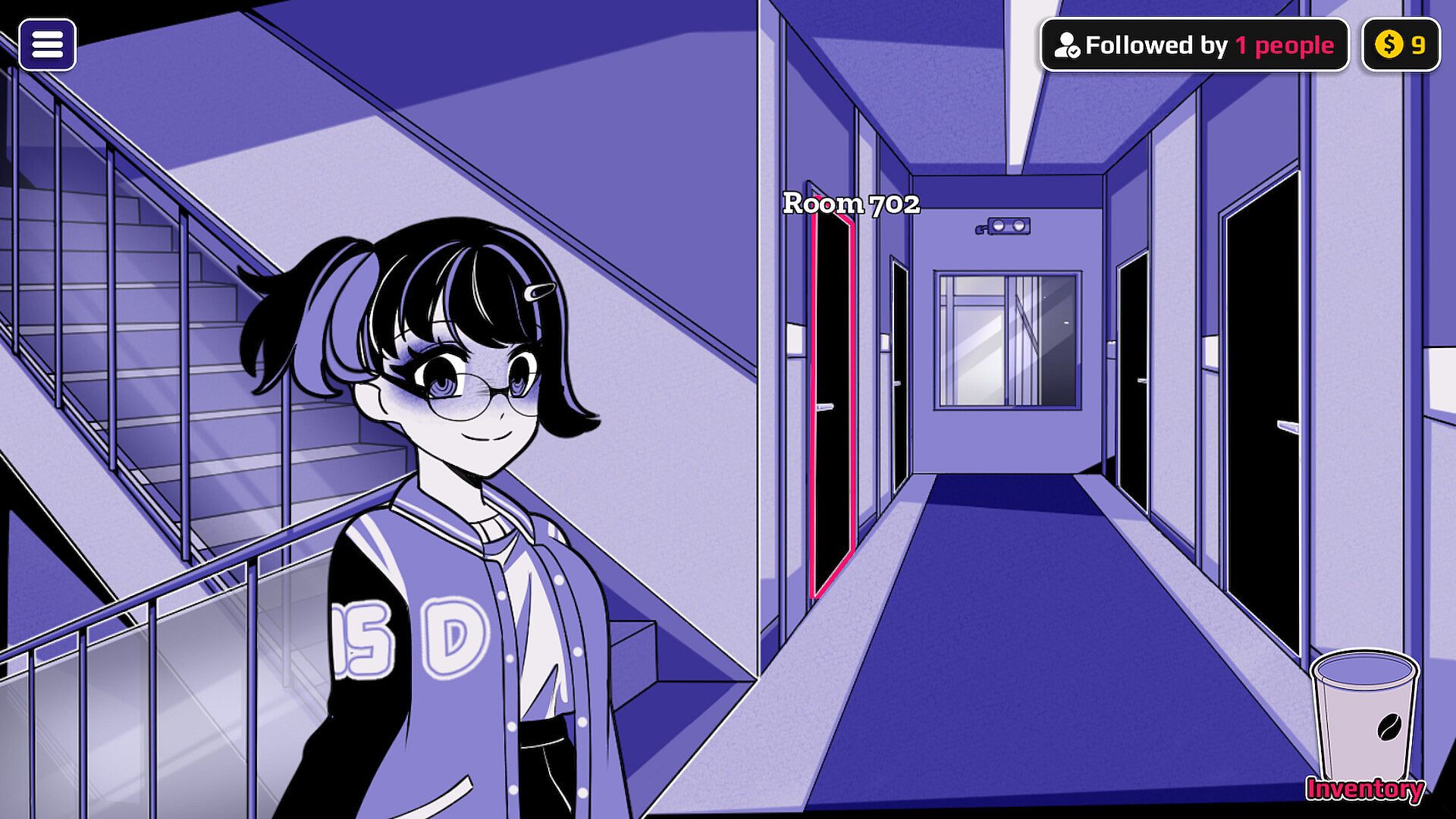
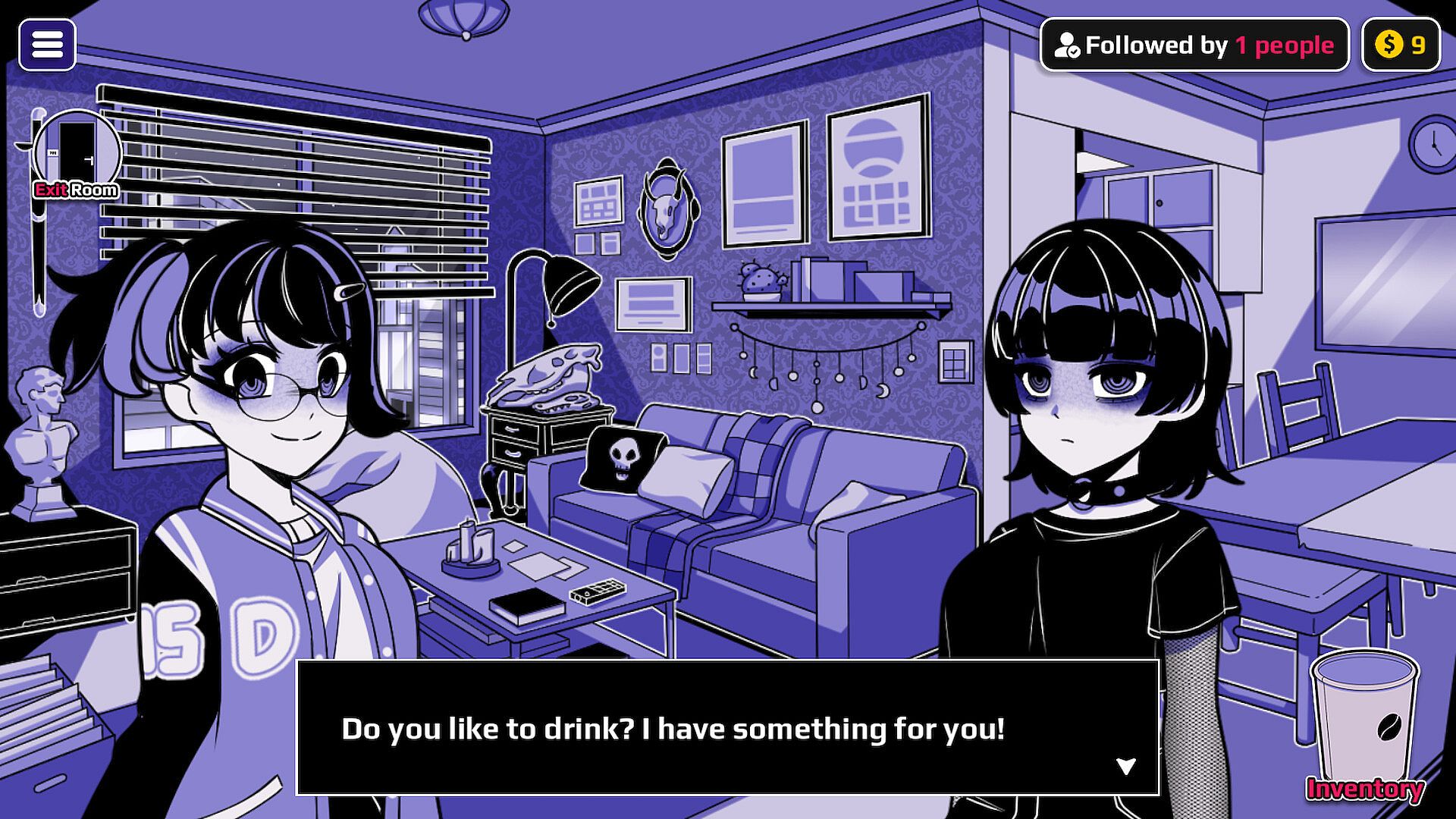
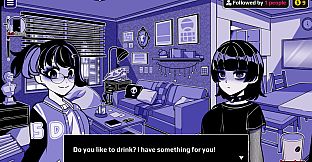
Customer interactions add layers through review systems that detail the effects experienced after consumption, often mixing humor with unsettling details. Social media elements require creating posts about daily activities and the shop to attract followers, which in turn influences sales volume and visibility. Exploration of the apartment building introduces opportunities to share samples with residents, leading to localized events that affect the broader environment and provide additional narrative threads.
Game Modes
The experience unfolds as a continuous single-player simulation without separate named modes or multiplayer components. Progress ties directly to resource management, where earnings from sales fund machine use and apartment interactions, while accumulating followers and handling reviews shape long-term outcomes. The structure encourages repeated playthroughs through vocabulary discovery and consequence tracking rather than distinct competitive or cooperative formats.
Key Mechanics and Progression
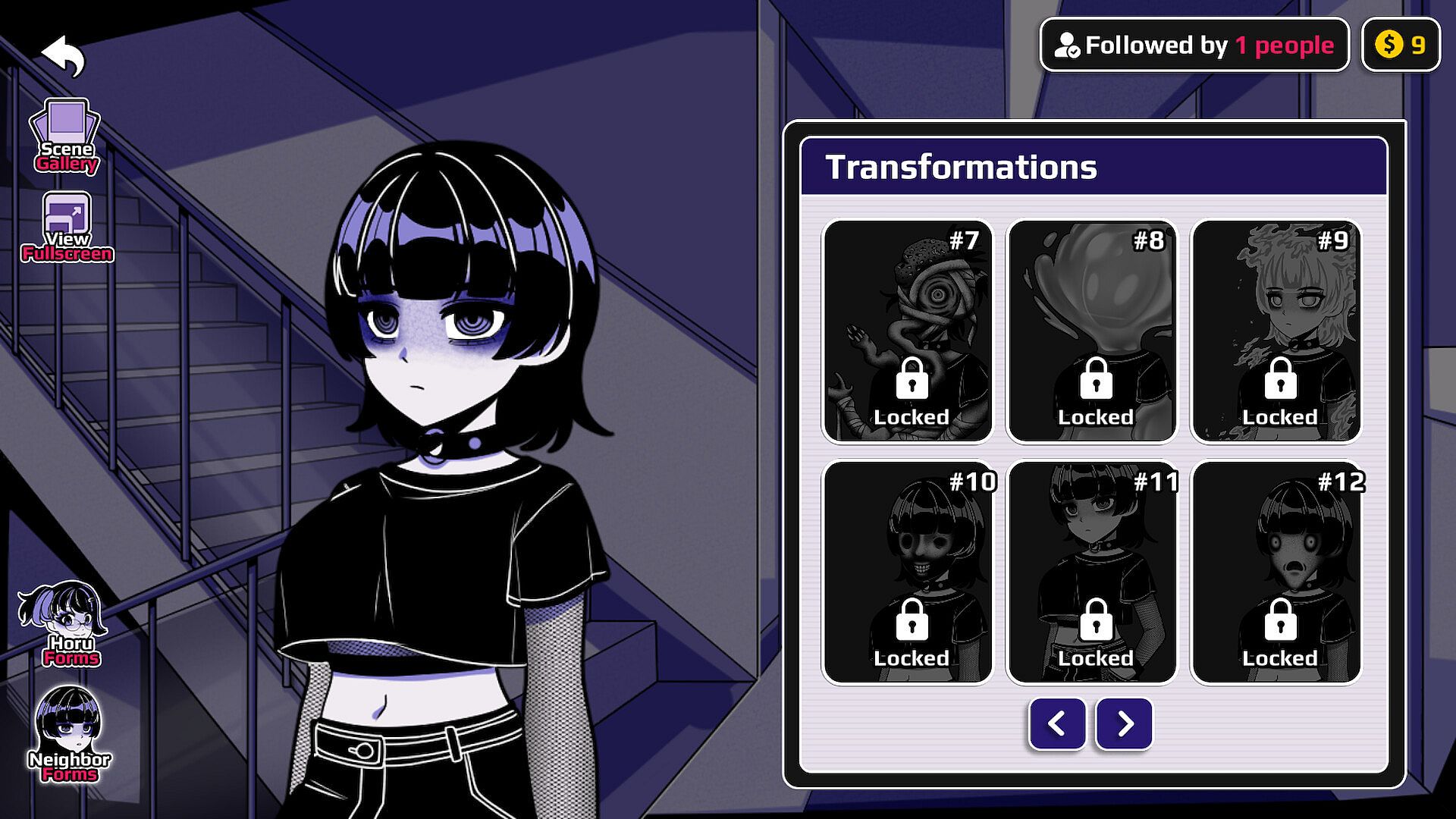
Progression builds around expanding the range of drink types by testing new word combinations, which unlocks varied beverage categories with distinct effects. Online sales form the economic backbone, requiring players to package items efficiently and respond to market signals from reviews and follower growth. Neighbor encounters add a social dimension, where sharing brews can trigger chain reactions that influence apartment life and open new dialogue options or side activities.
These systems interconnect so that successful monetization supports more machine experiments, while social efforts amplify reach and mitigate financial pressures. The prequel framing emphasizes Horu's initial struggles as an artist, grounding the anomalous elements in everyday financial and creative challenges.
Is It Worth Playing?
This title suits players interested in experimental simulation and narrative-driven indie experiences that blend creative input with management elements. The focus on word-based discovery and consequence observation rewards curiosity about cause-and-effect chains in a contained setting. Those who enjoy visual novel styles with simulation layers will find the apartment exploration and review reading provide ongoing engagement without requiring external coordination.
Availability remains limited to PC through standard digital storefronts, with the game positioned as a standalone entry accessible to newcomers to the series. Player interest centers on the unique premise of monetizing impossible items, though reception details remain sparse given the title's recent positioning in the lineup. It delivers a focused loop for those drawn to quirky resource loops and character-driven stories rather than high-action or competitive play.