



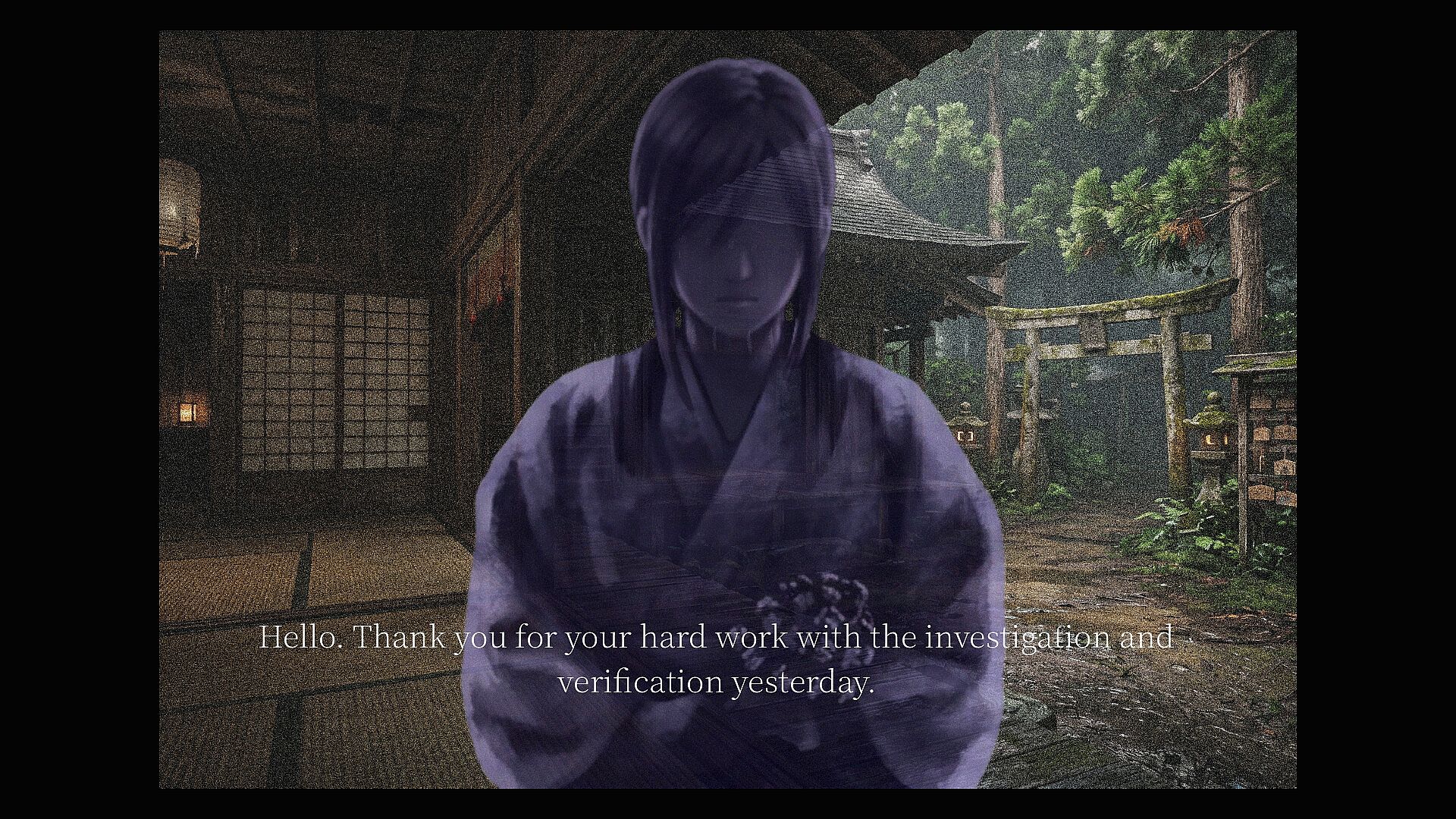
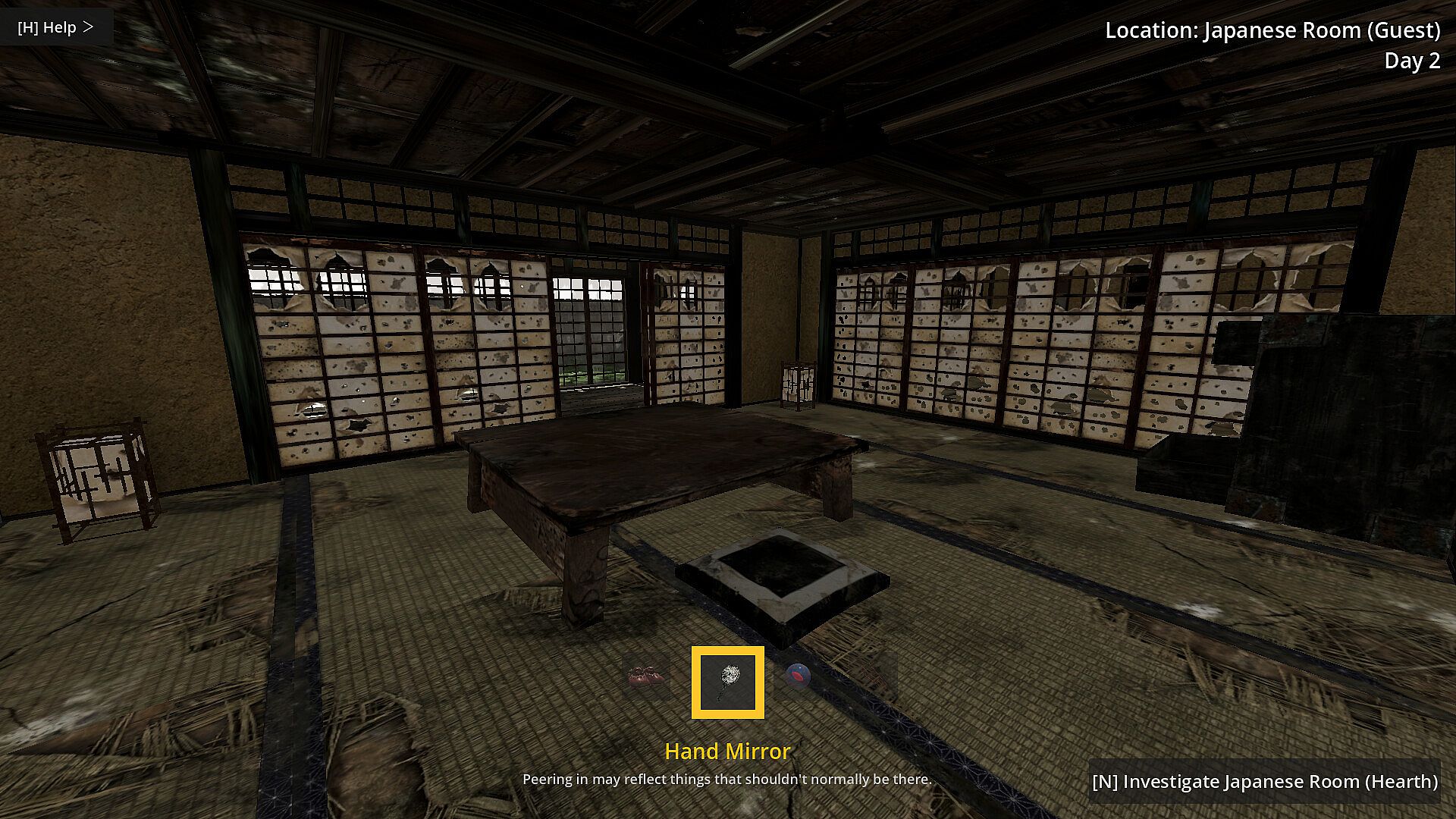
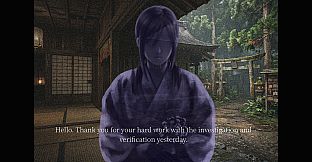
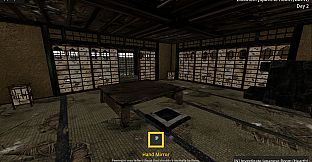
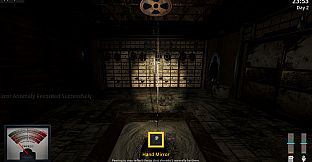
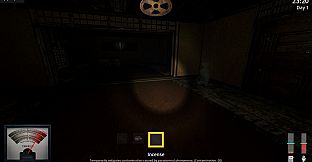
ANOMALOGIST: Inumaki Manor is an indie adventure game centered on paranormal investigation in a derelict mansion. Players take on the role of a specialist who documents supernatural activity rather than confronting it directly. The experience blends exploration, puzzle elements, and tense observation in a setting that mixes traditional Japanese and Western architecture from the Taisho era.
Gameplay
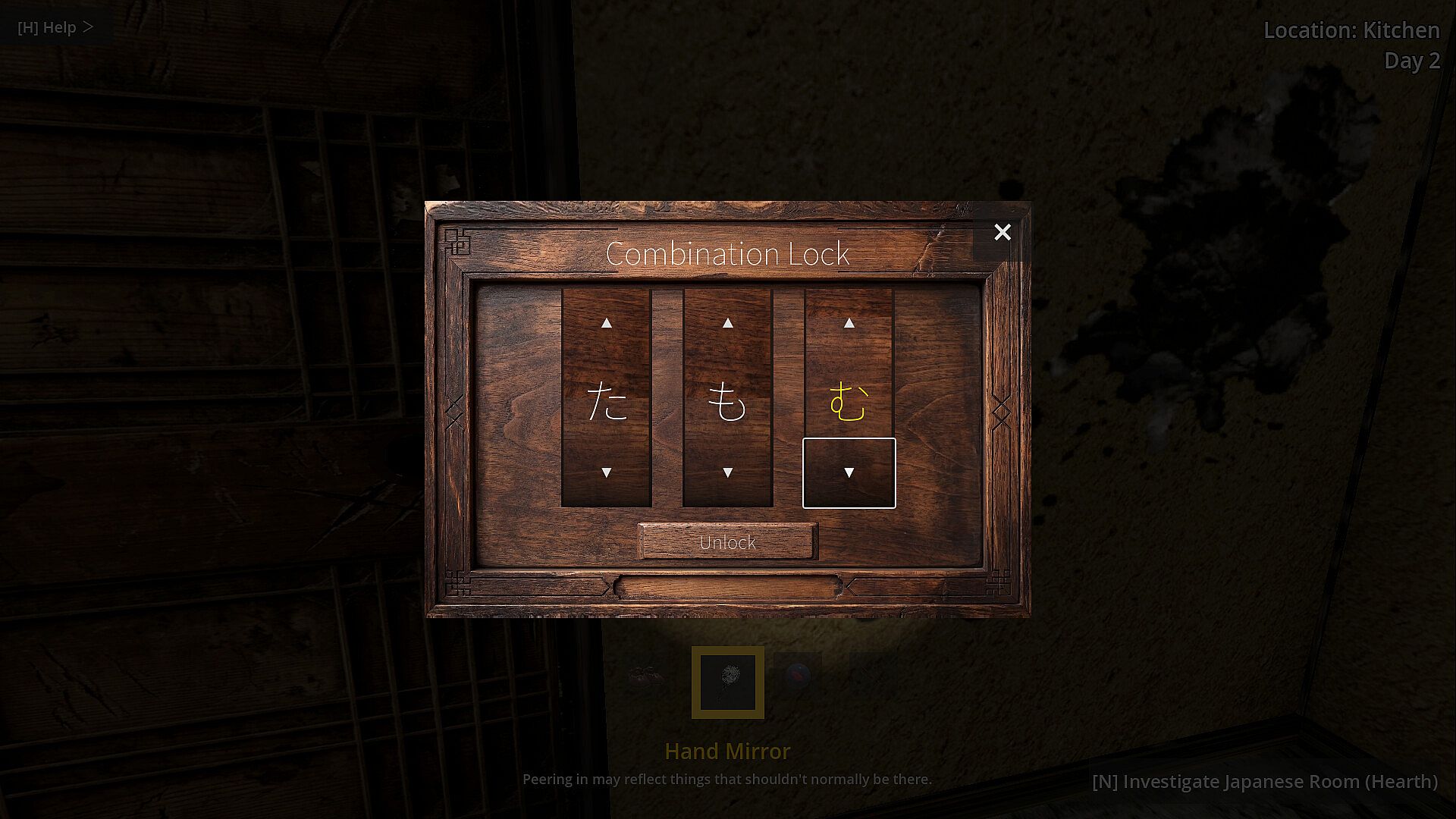
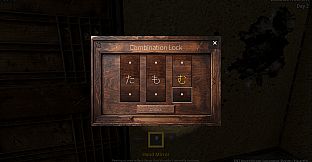
The core loop revolves around a dual-nature exploration system that shifts between daytime and nighttime phases inside the abandoned estate. During the day, the focus stays on careful searching through silent rooms to collect clues such as diaries, hidden riddles, and personal mementos left by former residents. These items provide context for the estate's history and help identify locations where stronger activity might occur later.
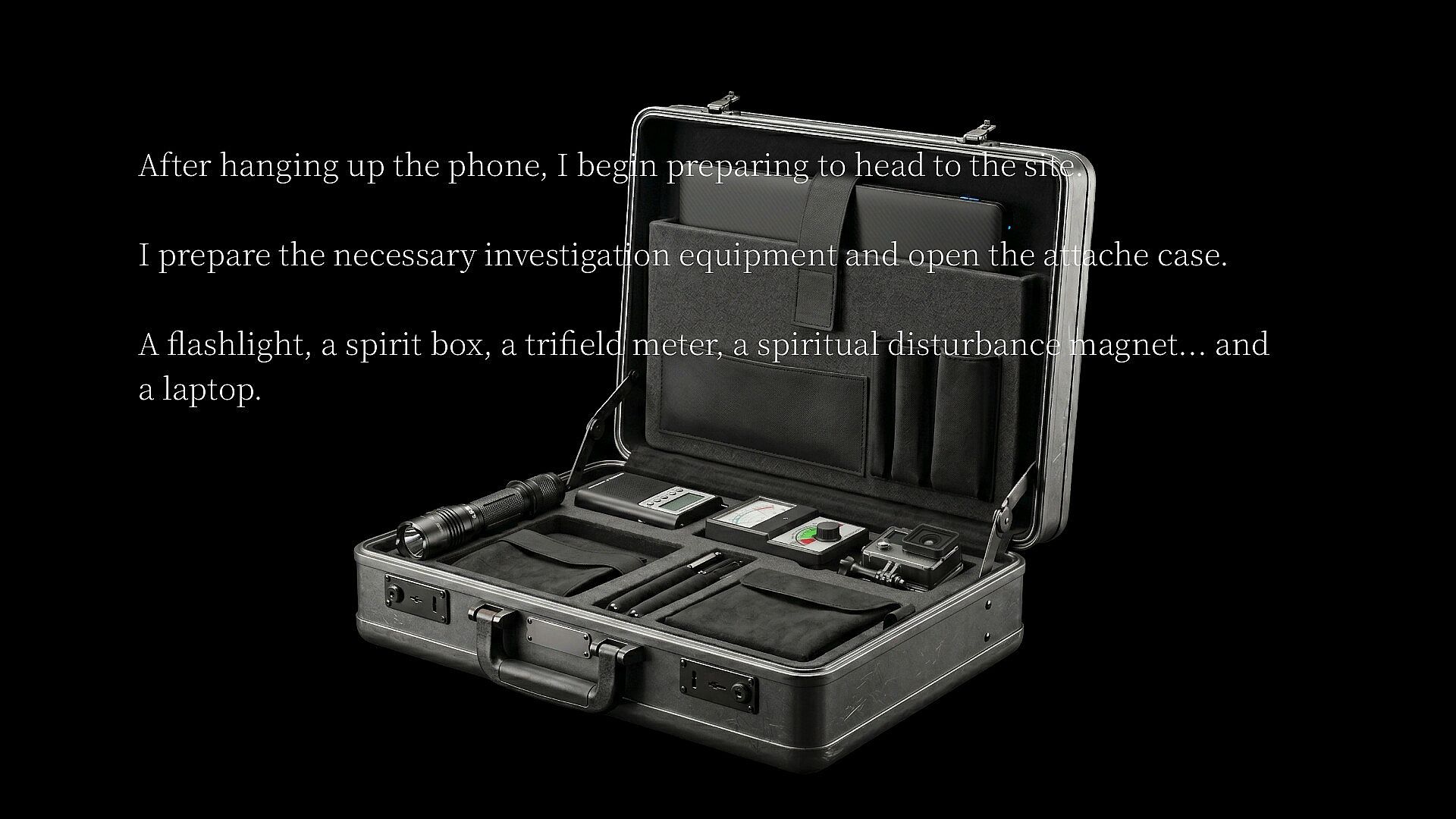
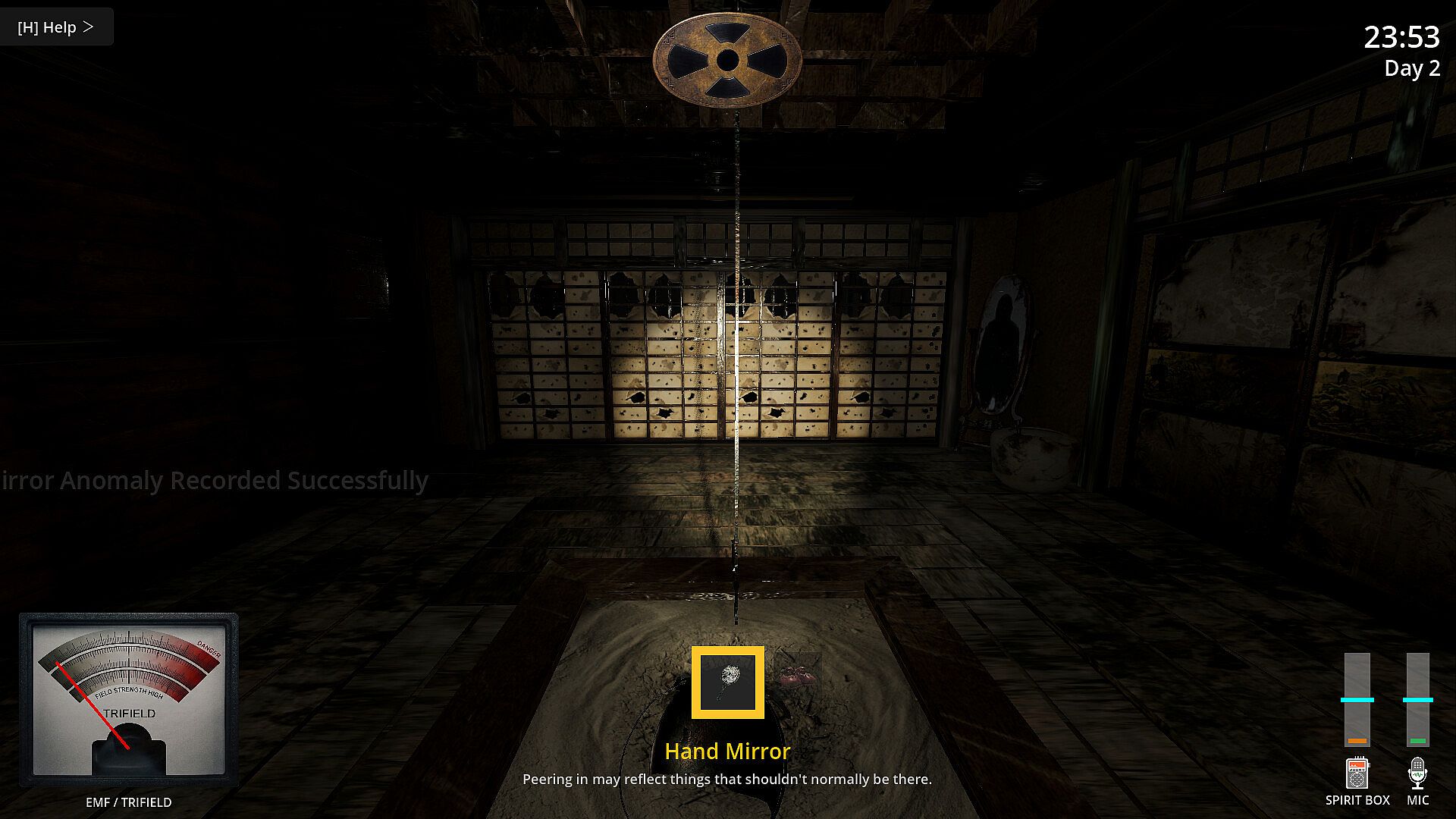
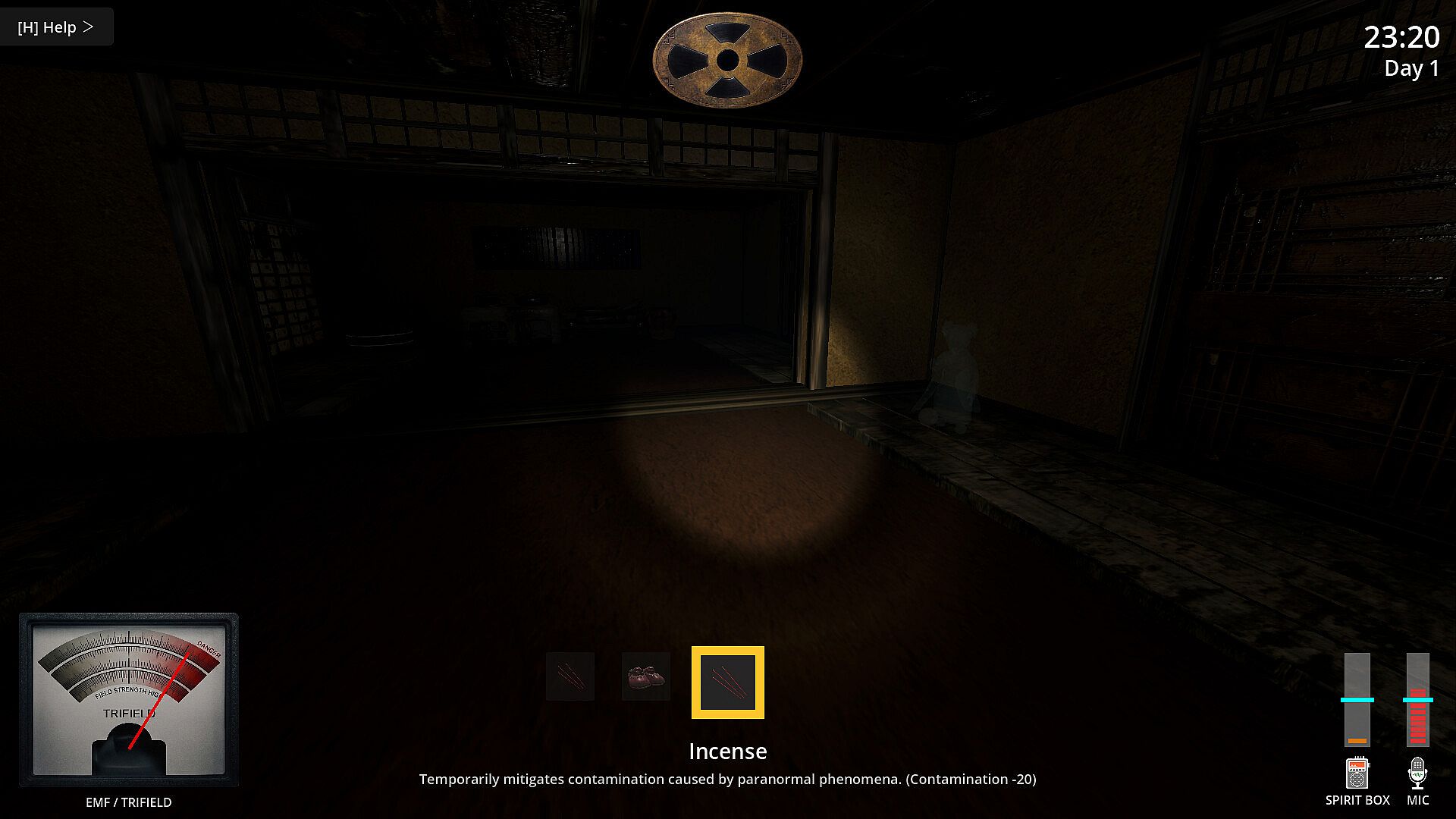
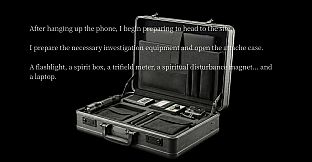
Once night falls, the investigation intensifies from midnight until 6 AM. Supernatural phenomena become more pronounced, requiring players to rely on specialized equipment to detect and capture evidence. Tools include a Trifield Meter that registers spirit presence through needle fluctuations, a Microphone Volume Meter for anomalous sounds, a Spirit Box that picks up voices amid radio static, a Ghost Compass that points toward activity, and lights such as a standard flashlight paired with UV illumination to reveal hidden traces. The goal centers on recording these events as digital data without attempting to remove or banish anything.
Found mementos can be placed in specific rooms to deliberately provoke more intense phenomena, allowing for richer recordings at the cost of increased risk. A contamination system tracks mental strain from prolonged exposure to active paranormal zones. Effects build through visual distortions, audio noise, and audible heartbeat cues. Reaching a critical threshold leads to loss of consciousness and an end to the session. Progress accumulates in an investigation report that compiles evidence and items, advancing the overall process by unlocking additional areas and layers of the estate's backstory.
Game Modes
The game operates as a single continuous experience without separate named modes. The day phase emphasizes methodical clue gathering and puzzle resolution across the hybrid mansion layout. Night phases shift emphasis to survival-oriented documentation, where equipment readings guide movement and timing decisions while phenomena escalate. The structure repeats across sessions as the report fills, gradually opening new sections of the property and revealing connections to events from two decades prior. All activity stays confined to solo play with no multiplayer components or alternate scenarios.
Key Mechanics and Atmosphere
Equipment serves as the primary interface for interaction during dark hours, turning abstract threats into measurable data points that players must interpret in real time. The mansion itself functions as both setting and puzzle, with its blend of architectural styles creating varied spaces that hide clues in different ways. The contamination mechanic adds a persistent layer of tension, forcing decisions about how long to linger in high-activity zones versus retreating to safer areas. Recording remains the sole objective, aligning with the specialist's stated role of gathering truths for later handling by others.
Players interested in J-horror will find the slow-building dread and focus on observation match common themes in that style. The absence of combat or direct confrontation keeps attention on environmental details, sound design, and equipment feedback. Exploration rewards patience, as scattered mementos and documents tie into the broader narrative of the estate's abandonment following construction accidents and the disappearance of its last resident.
Is It Worth Playing?
This title suits players who prefer horror built around investigation and documentation over action or combat. The day-to-night cycle creates a clear rhythm that encourages repeated visits to the same spaces under changing conditions. Equipment use and the contamination system provide tangible feedback that heightens immersion without relying on jump scares alone. Those drawn to realistic ghost-hunting simulations or stories uncovered through environmental storytelling will find the mechanics align closely with those interests. The game remains in active development with its Steam page recently available, so features may expand over time based on ongoing updates. Overall, it delivers a focused solo experience for audiences seeking atmospheric paranormal exploration in a detailed, abandoned setting.