


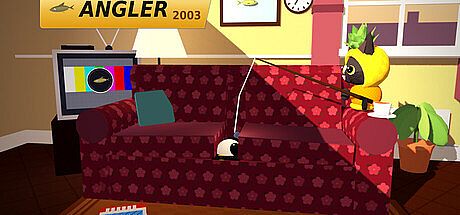


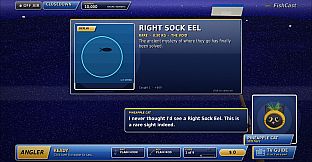
Angler 2003 is an indie casual simulation game set on PC that places players inside a fictional 2003 regional television fishing programme. The experience blends straightforward fishing mechanics with the quirks of live broadcast television, creating a self-contained world where every catch advances the show and reveals new locations suggested by viewer letters.
Gameplay
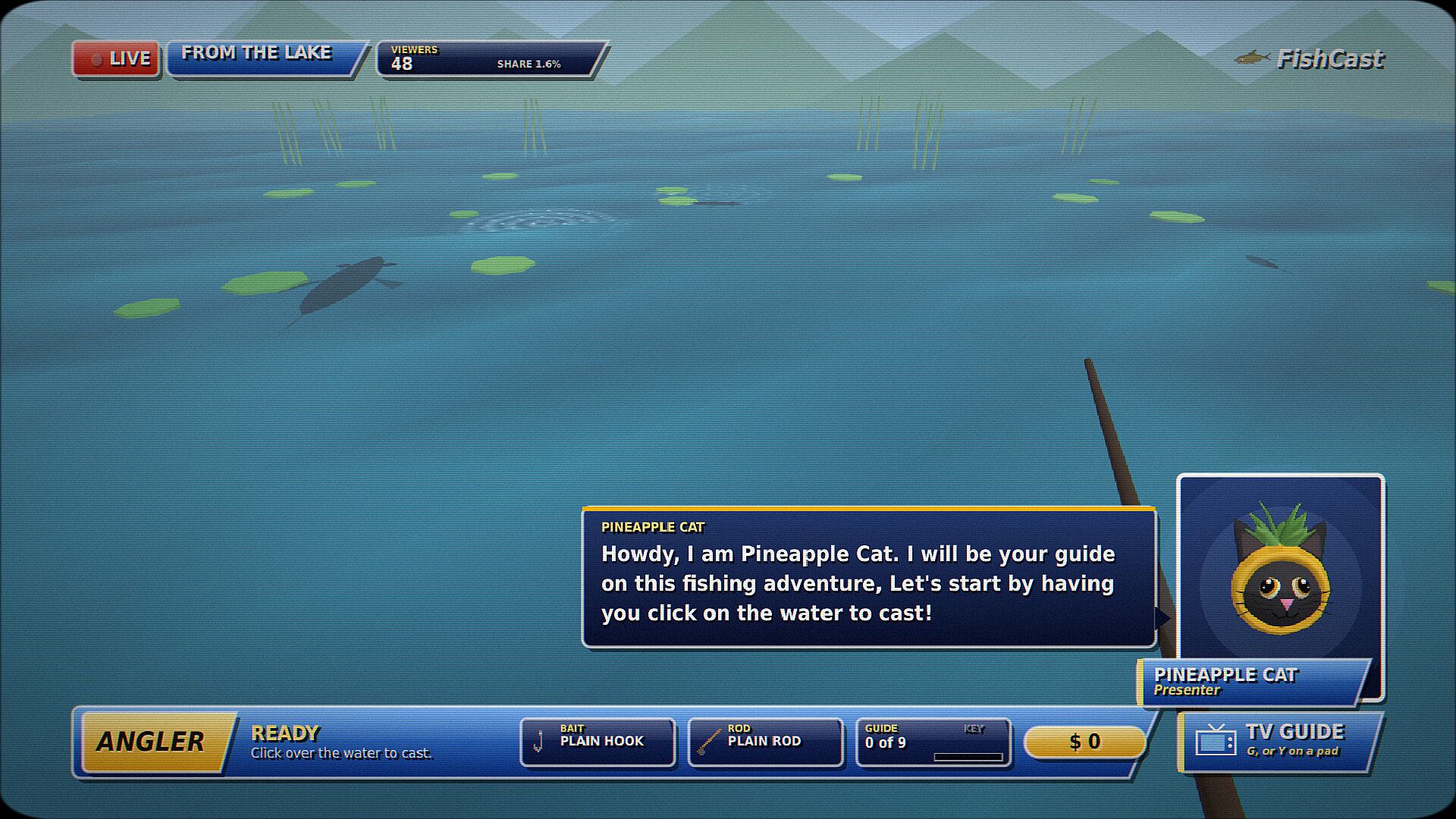
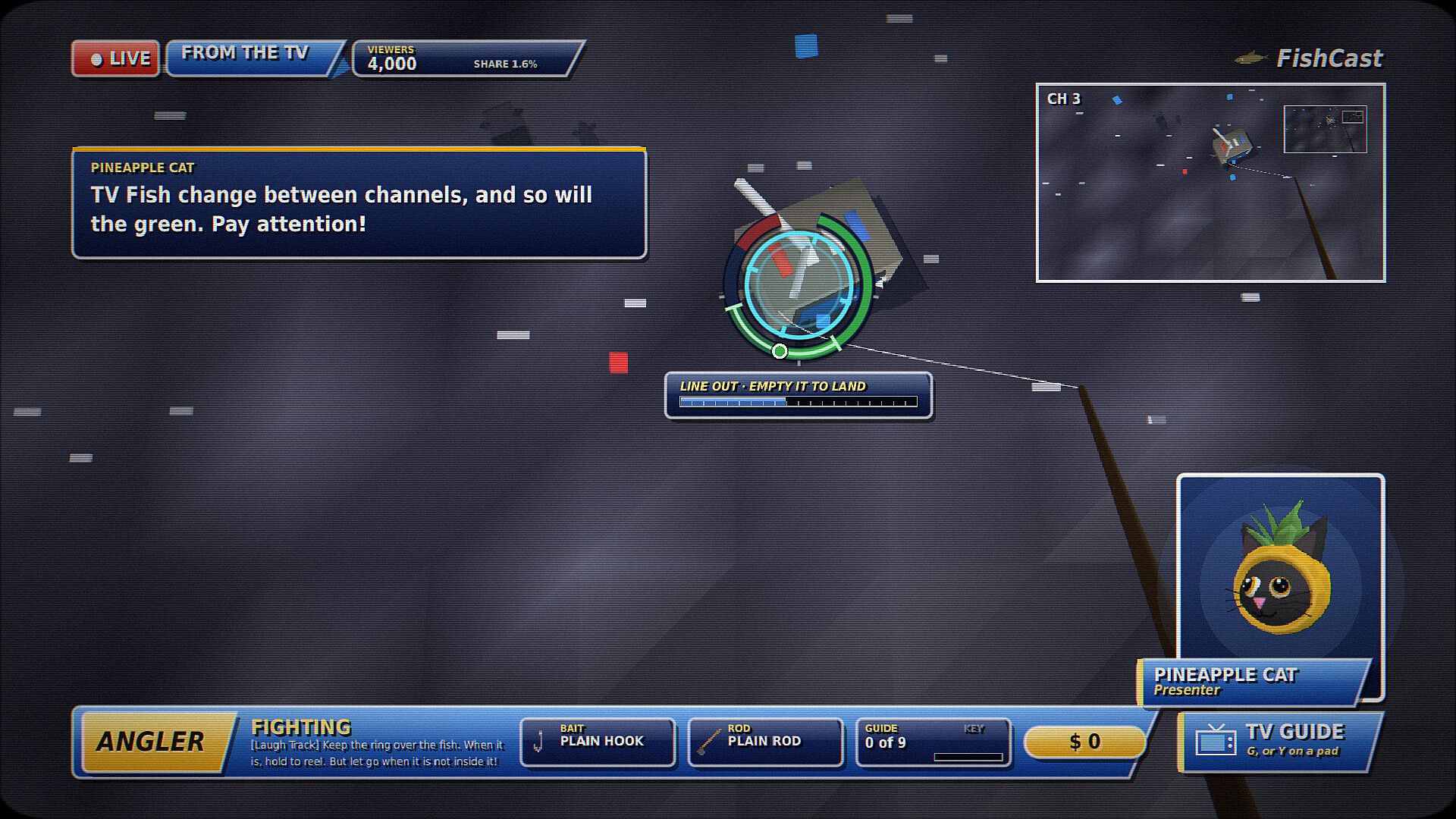
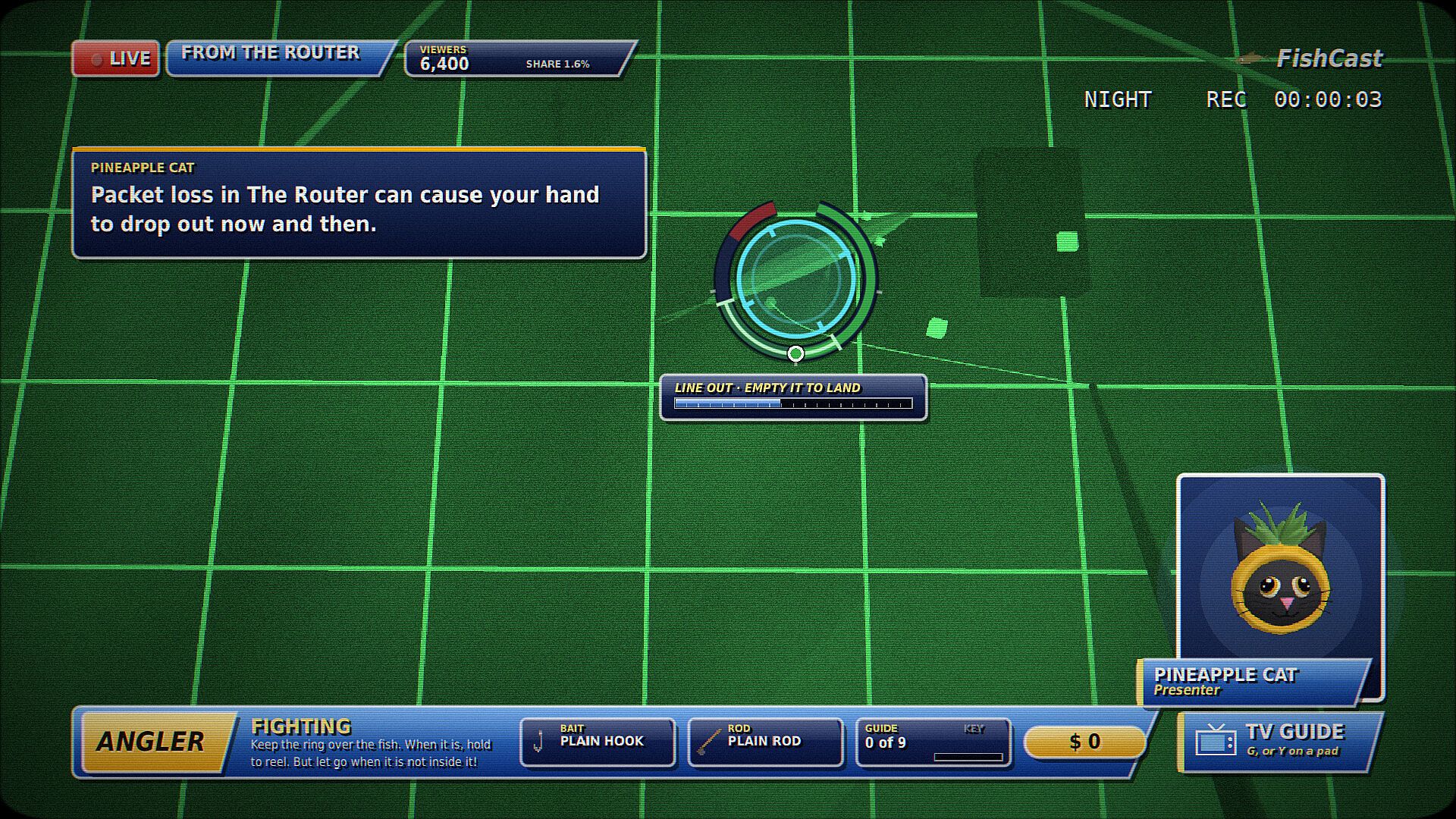
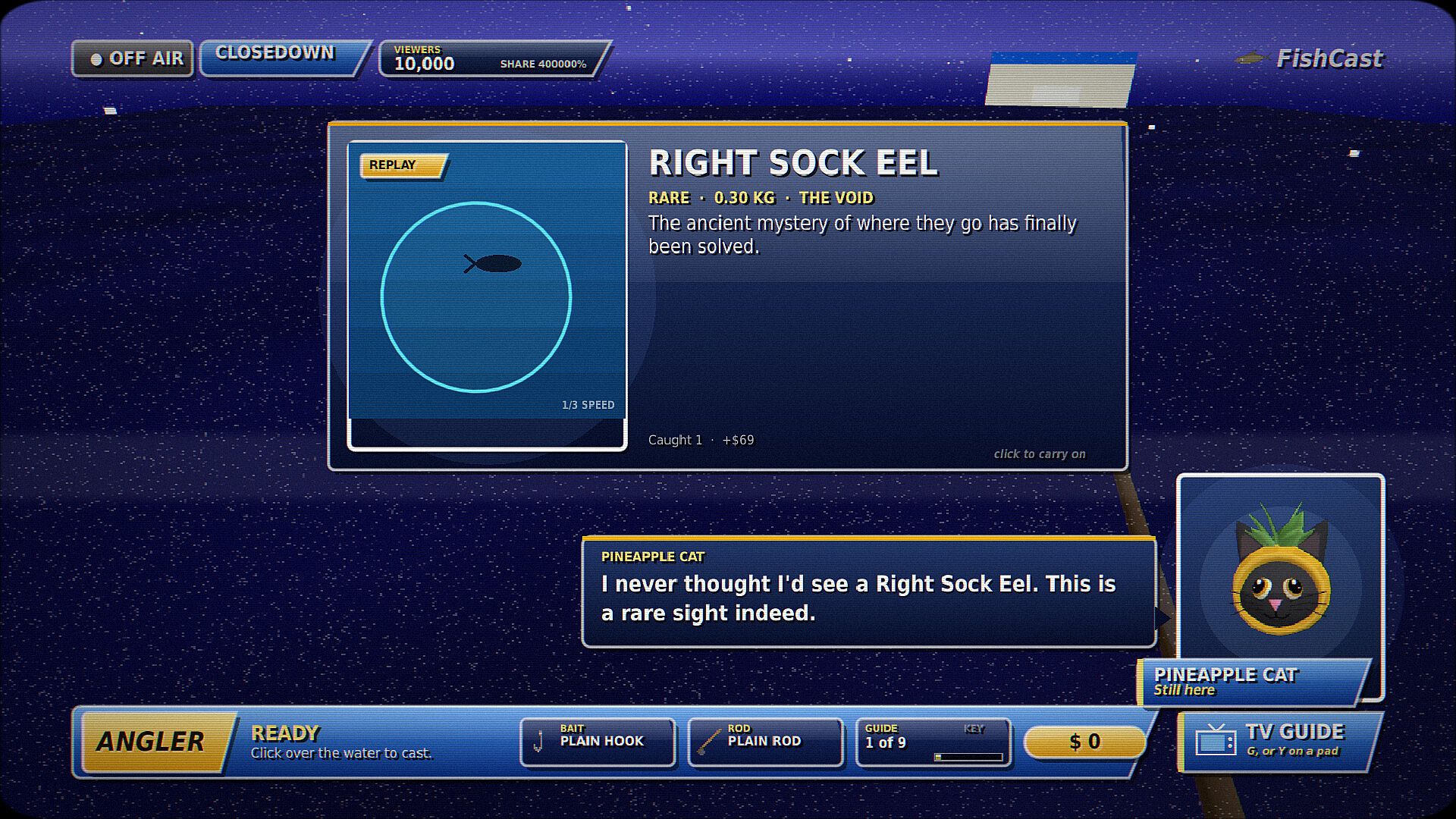
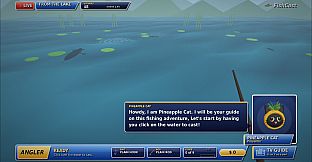
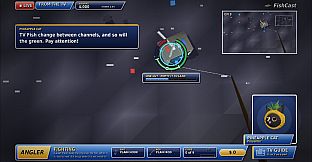
The core loop begins on a simple lake scene with common catches such as trout, perch, and pike. Players drag to cast the line, wait for the visual dip that signals a bite, then hook the fish and keep a ring aligned with its movements while it runs. Shorter fights suit quick species like trout, while larger ones demand sustained focus. The presentation stays rooted in low-poly, flat-shaded visuals rendered through a native 16:10 CRT filter that evokes the era.
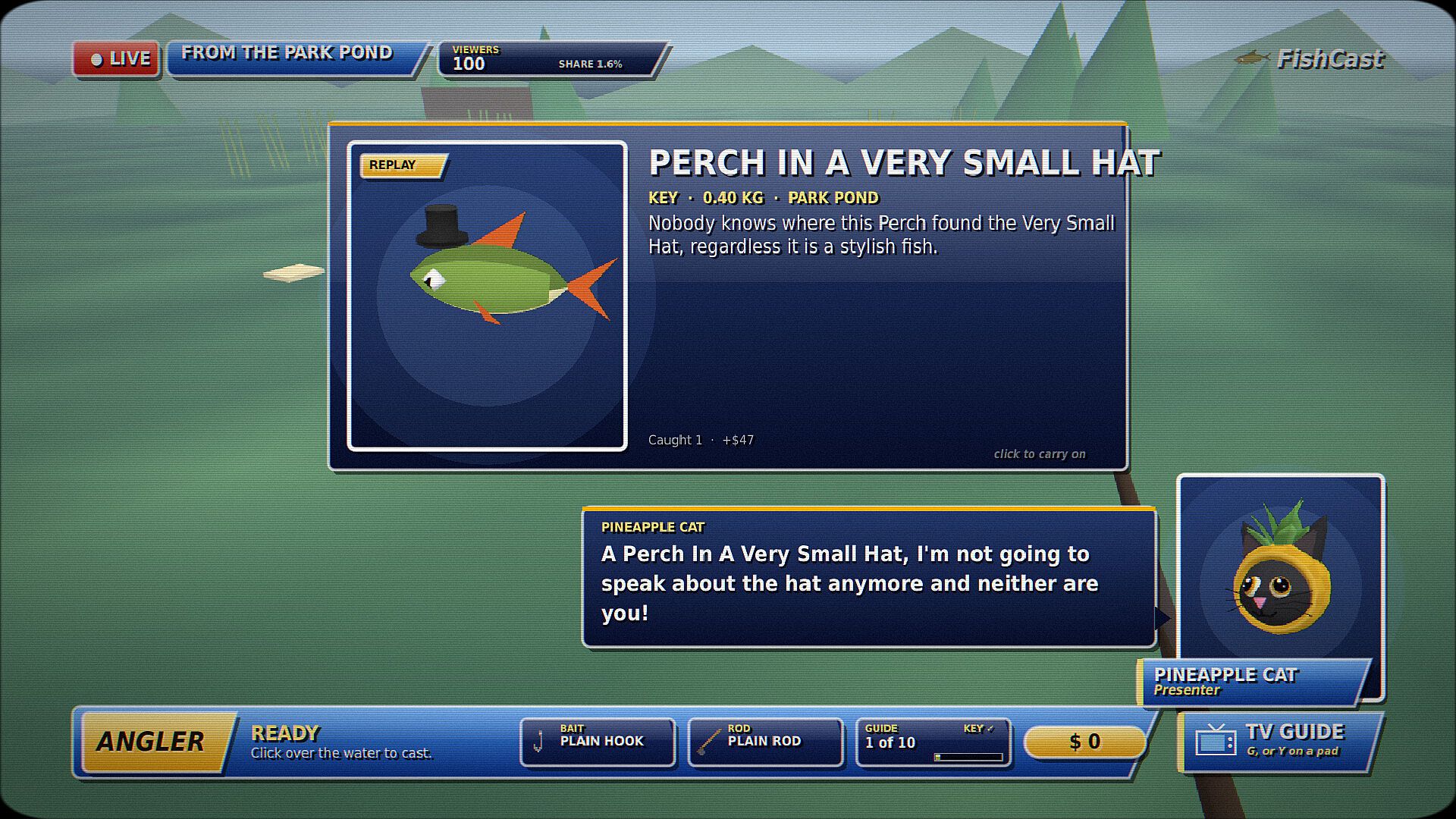
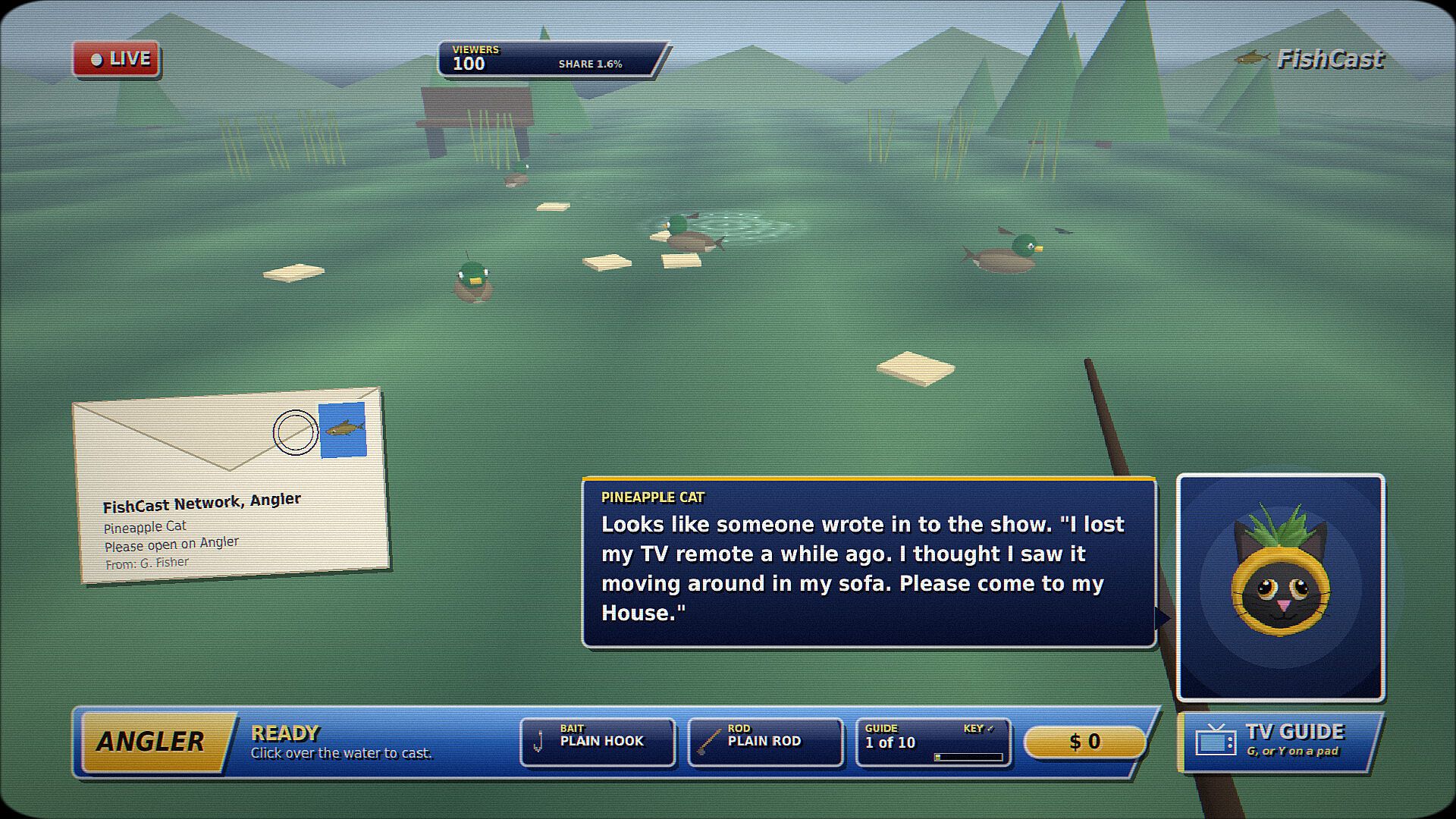
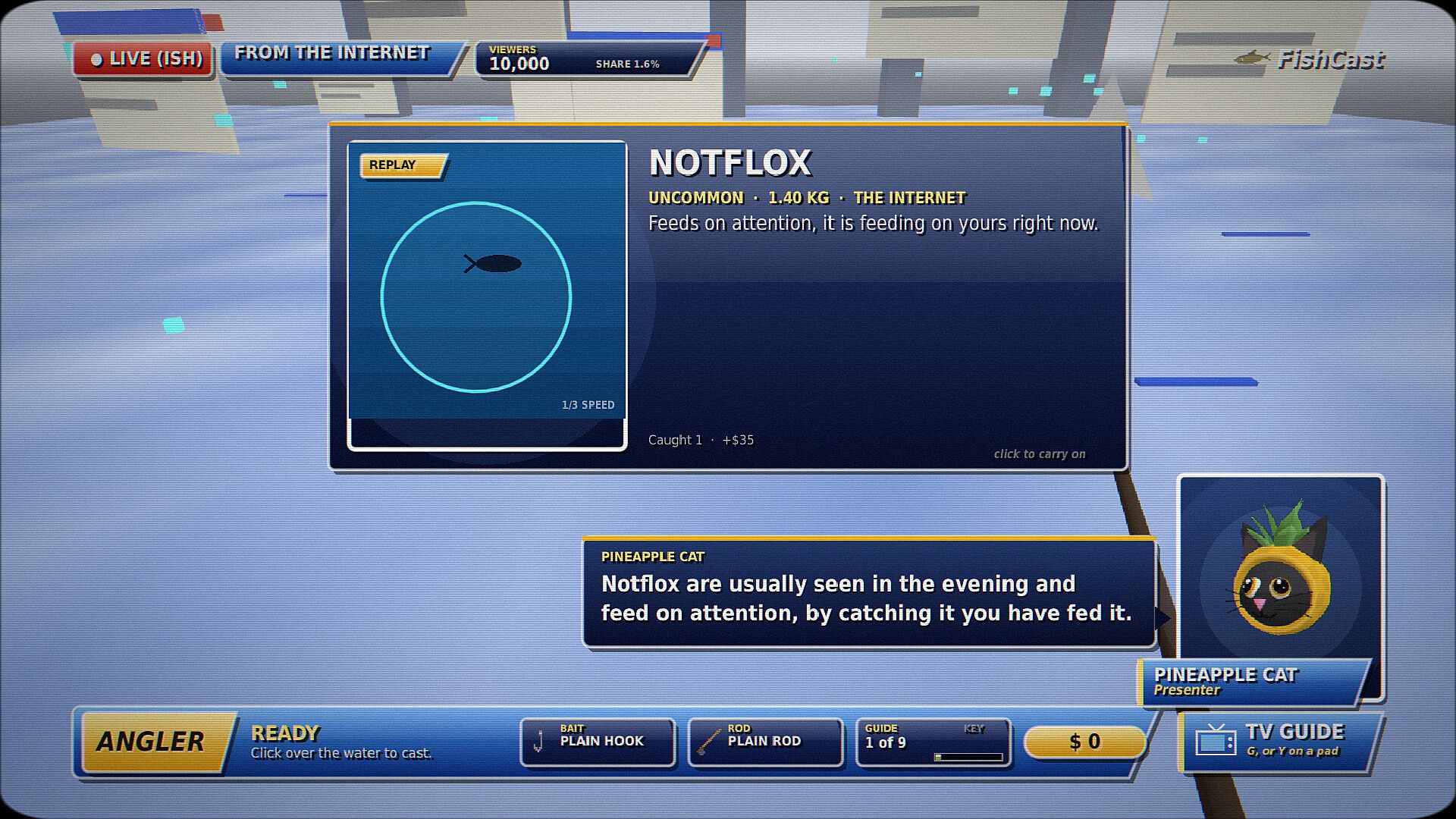
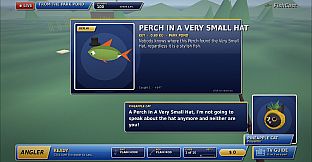
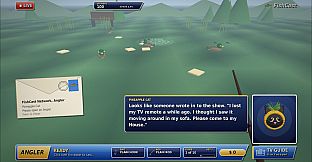
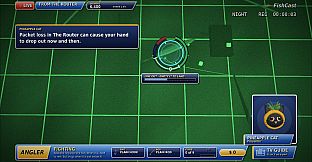
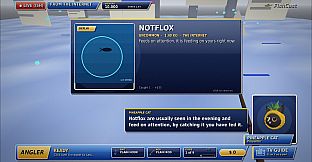
Progression ties directly to the programme format. A letter arrives at the top of each episode and redirects the action to new spots, including a park pond where a fish wears a hat, a harbour with swimming junk, a storm drain, a fountain, a pool containing a shark that belongs to someone's nephew, a viewer's bath, their sofa where the remote has sat the whole time, their television, the router, and finally the internet itself. Every catch counts as one of 135 species, all classified as fish even when they incorporate television components. Each entry in the Field Guide comes with its own distinct fight pattern and quirky dialogue delivered by Pineapple Cat, the show's presenter.
Control options suit different setups. Analog triggers handle reeling on compatible hardware, trackpad haptics provide feedback on the Steam Deck, and mouse-and-keyboard input works on standard PC. The entire audio and visual package was created in-house without external ads, purchases, or accounts required.
Game Modes
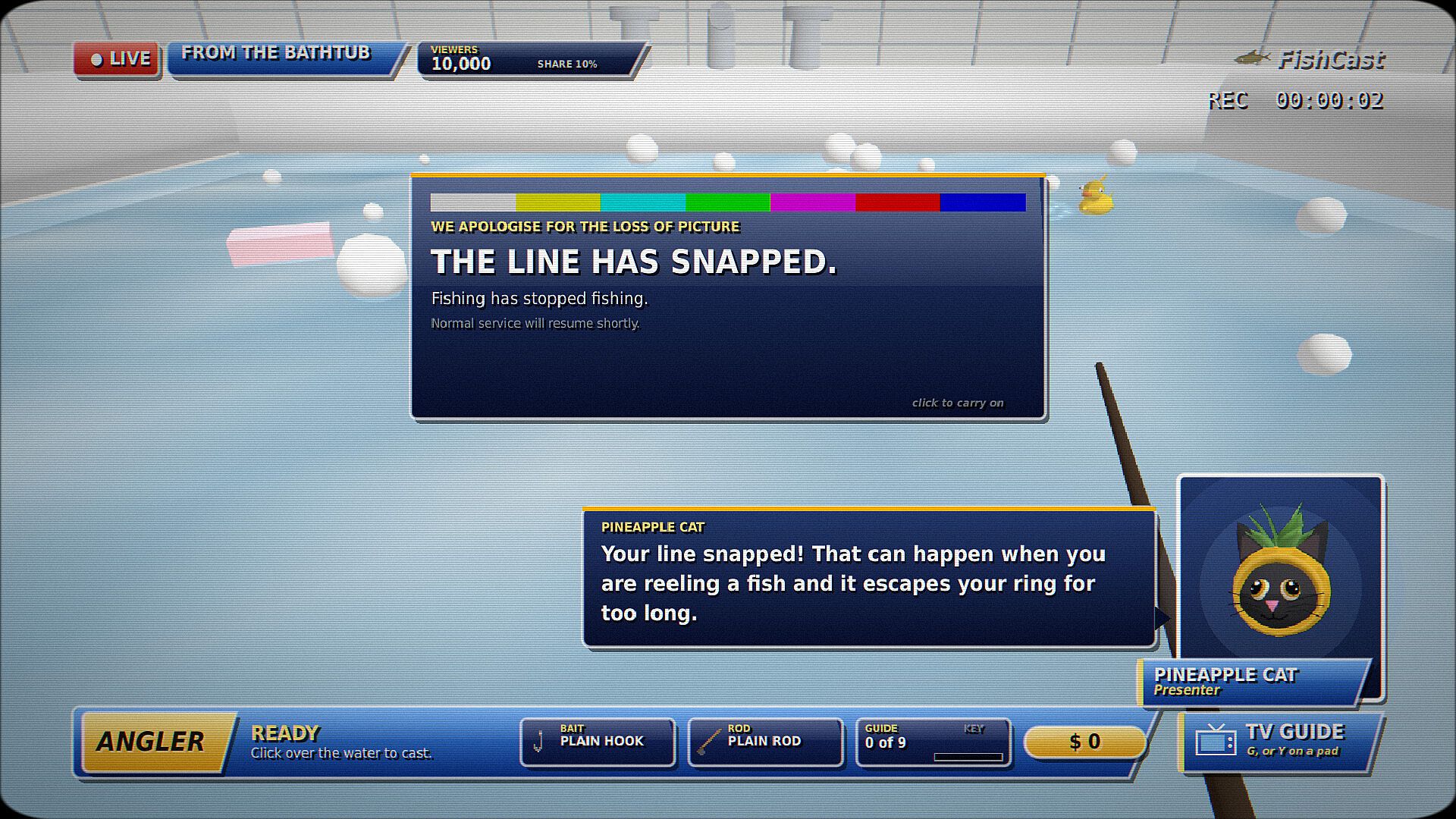
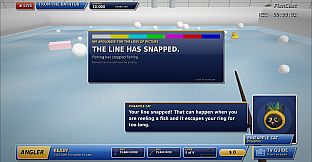
Angler 2003 structures its content around twelve episodes that grow slightly stranger with each installment. The main experience follows the live broadcast schedule, complete with a test card before the lake appears, an ad break that sells bait, a replay after a catch, viewer mail that changes the destination, and a closedown sequence when the set is left alone. Losing a fish causes the picture to drop, reinforcing the television theme.
Within each episode the fishing itself remains consistent yet adapts to the new environment. The programme format serves as the overarching structure rather than separate competitive or multiplayer modes, keeping the focus on solitary play that mimics tuning into a weekly Tuesday-at-seven slot on The FishCast Network.
The World and Presentation
Everything players encounter stays within the boundaries of the 2003 regional TV aesthetic. The channel forms part of the game, complete with its own test patterns and sign-off routines. Week by week the broadcast quality declines in small, unexpected ways that never follow a predictable pattern, mirroring the unpredictability of live television. All 135 species receive individual Field Guide entries that highlight their unique behaviors and the presenter's one-line commentary for each.
The setting expands through viewer correspondence that pulls the show into increasingly domestic and surreal locations. This progression keeps the fishing loop fresh without relying on traditional leveling or unlocks, instead leaning on narrative framing and environmental variety.
Is It Worth Playing?
Angler 2003 targets players who enjoy relaxed simulation experiences with a strong thematic hook. The absence of real-world advertisements, microtransactions, or account requirements keeps the focus entirely on the fishing and the television framing. Controls feel responsive across mouse, keyboard, and controller inputs, with particular attention paid to analog reeling and haptic feedback on portable hardware.
Those drawn to short, self-contained sessions will appreciate the episode structure and the way each catch advances the programme. The quirky presenter lines and the expanding list of technically-fish species add personality without complicating the core activity of reading the tension bar and maintaining the ring during fights. Because the game was built entirely in-house with a fixed twelve-episode run, it delivers a complete, one-time experience rather than an ongoing service.
Players who prefer straightforward fishing without grind or social features will find the package coherent and distinctive. The combination of precise casting and hooking mechanics with the surrounding broadcast elements creates a cohesive loop that rewards attention to timing and observation over button mashing. For anyone seeking a compact indie simulation that leans into its premise without excess, the game offers a focused alternative to more expansive fishing titles.











