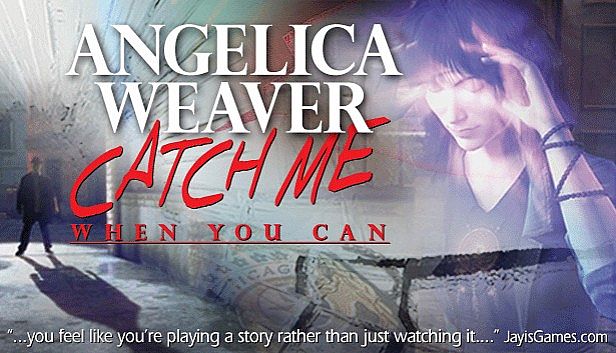














Angelica Weaver: Catch Me When You Can is a casual adventure game centered on hidden object puzzle mechanics. Players step into the role of a Chicago detective who uses supernatural visions to link crimes across two eras.
Gameplay
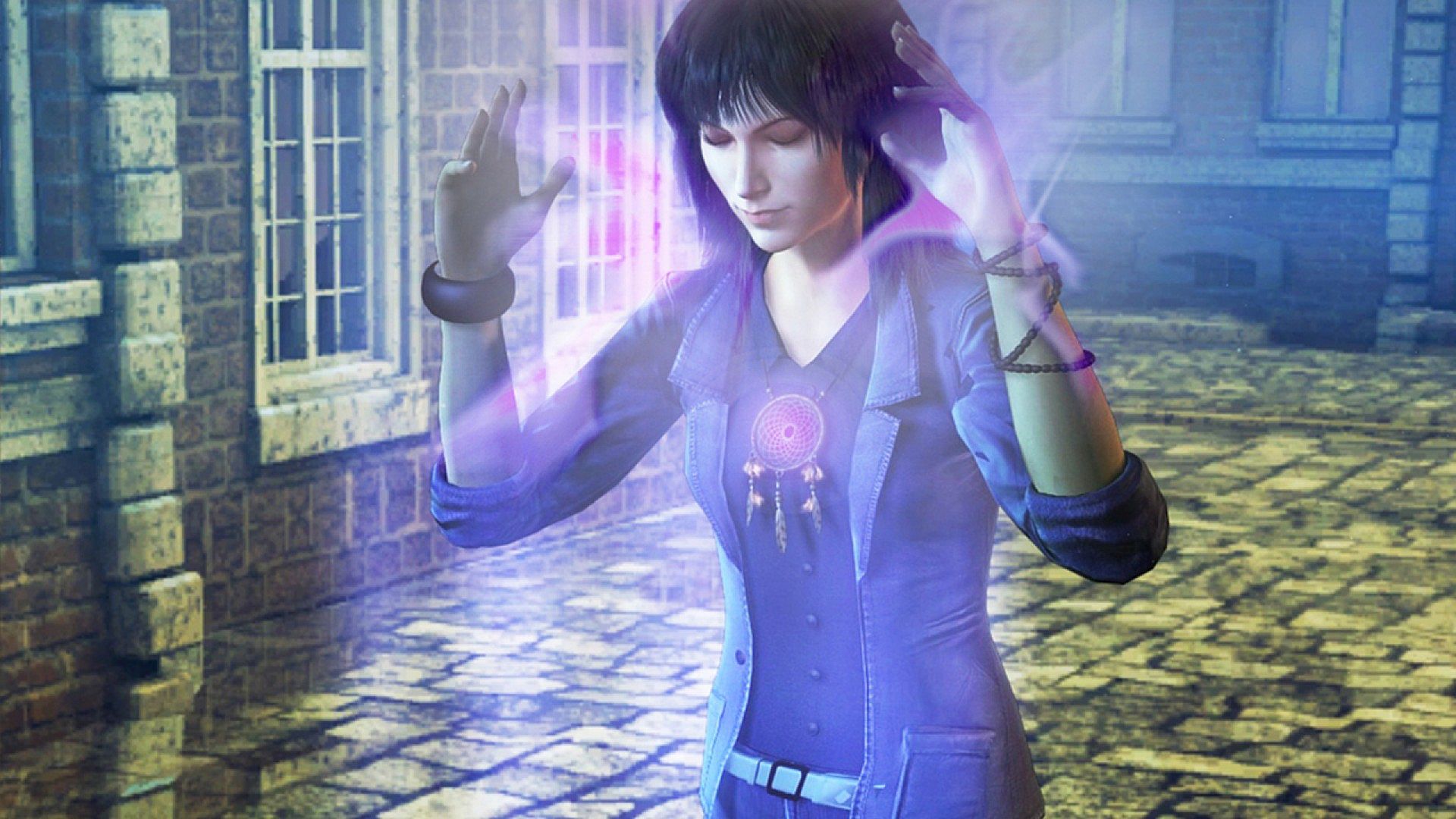
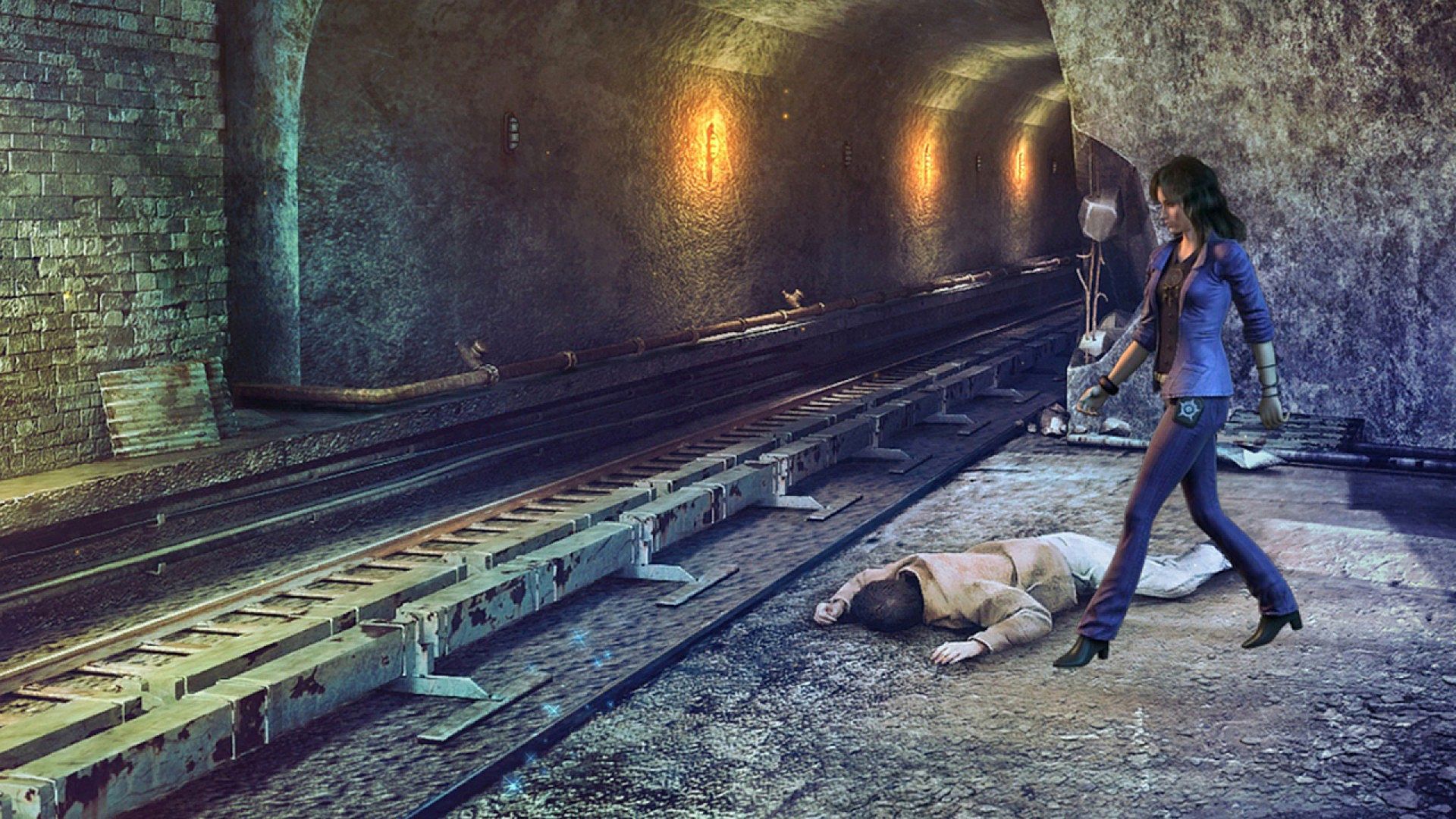
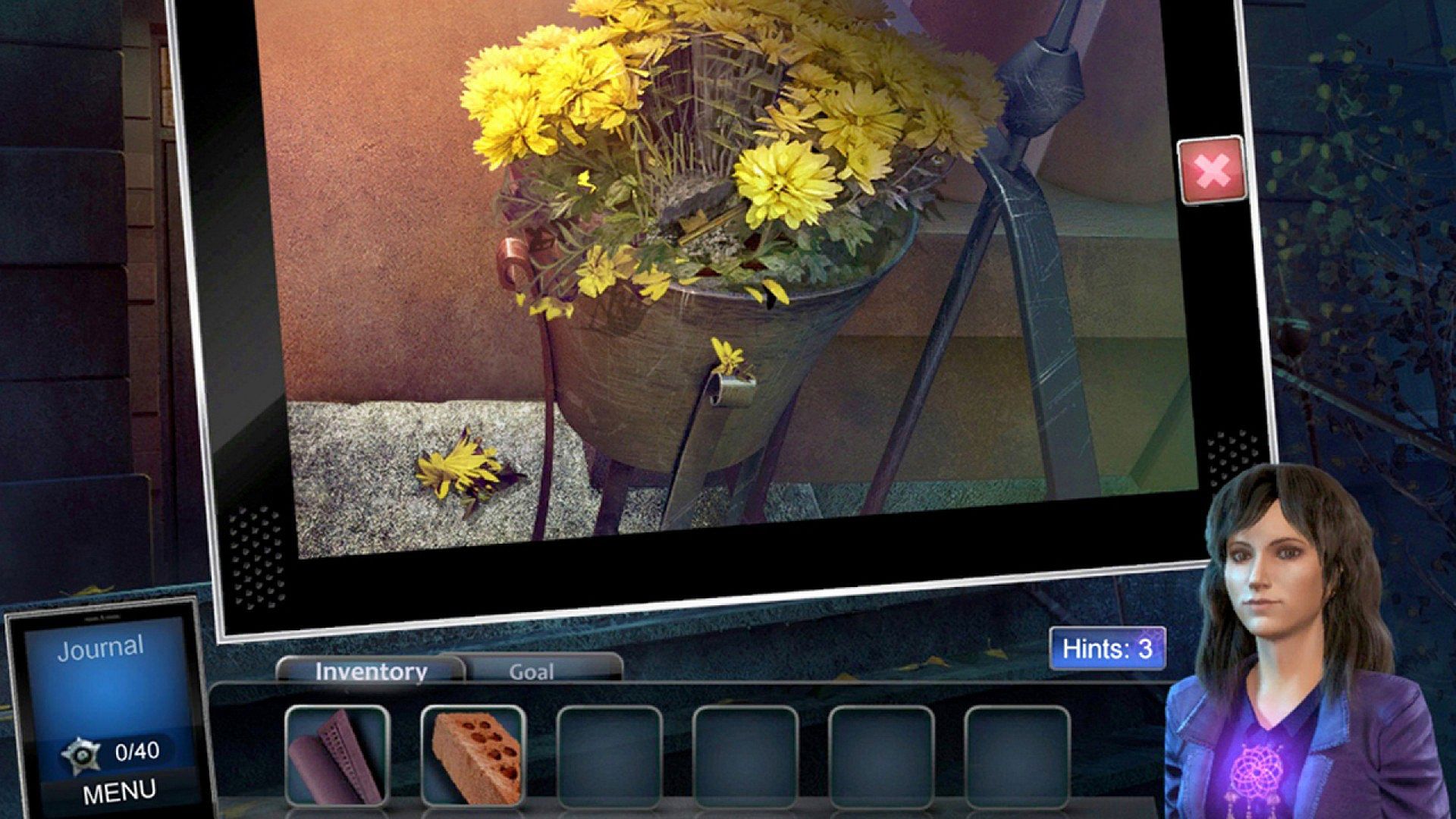
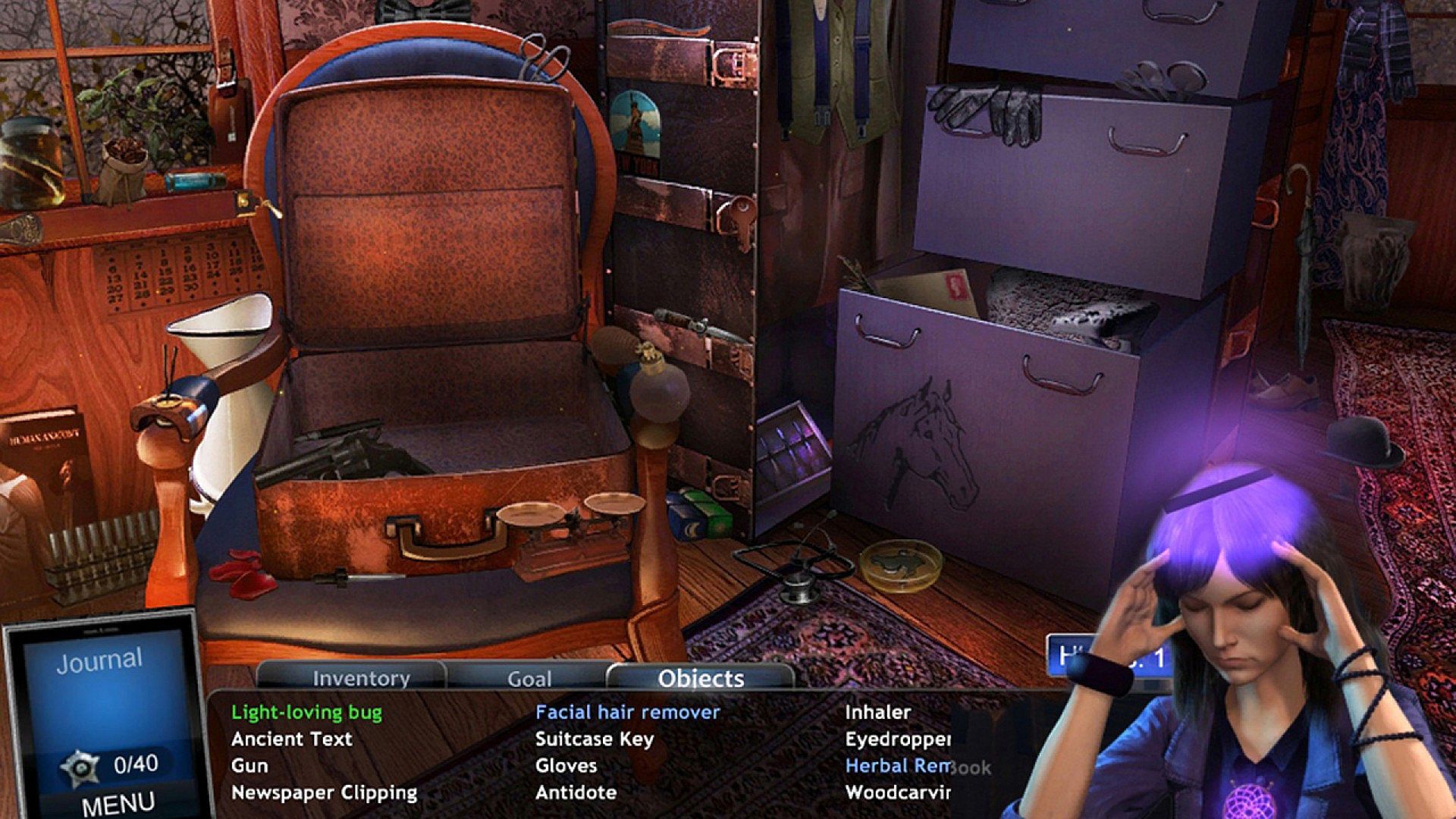
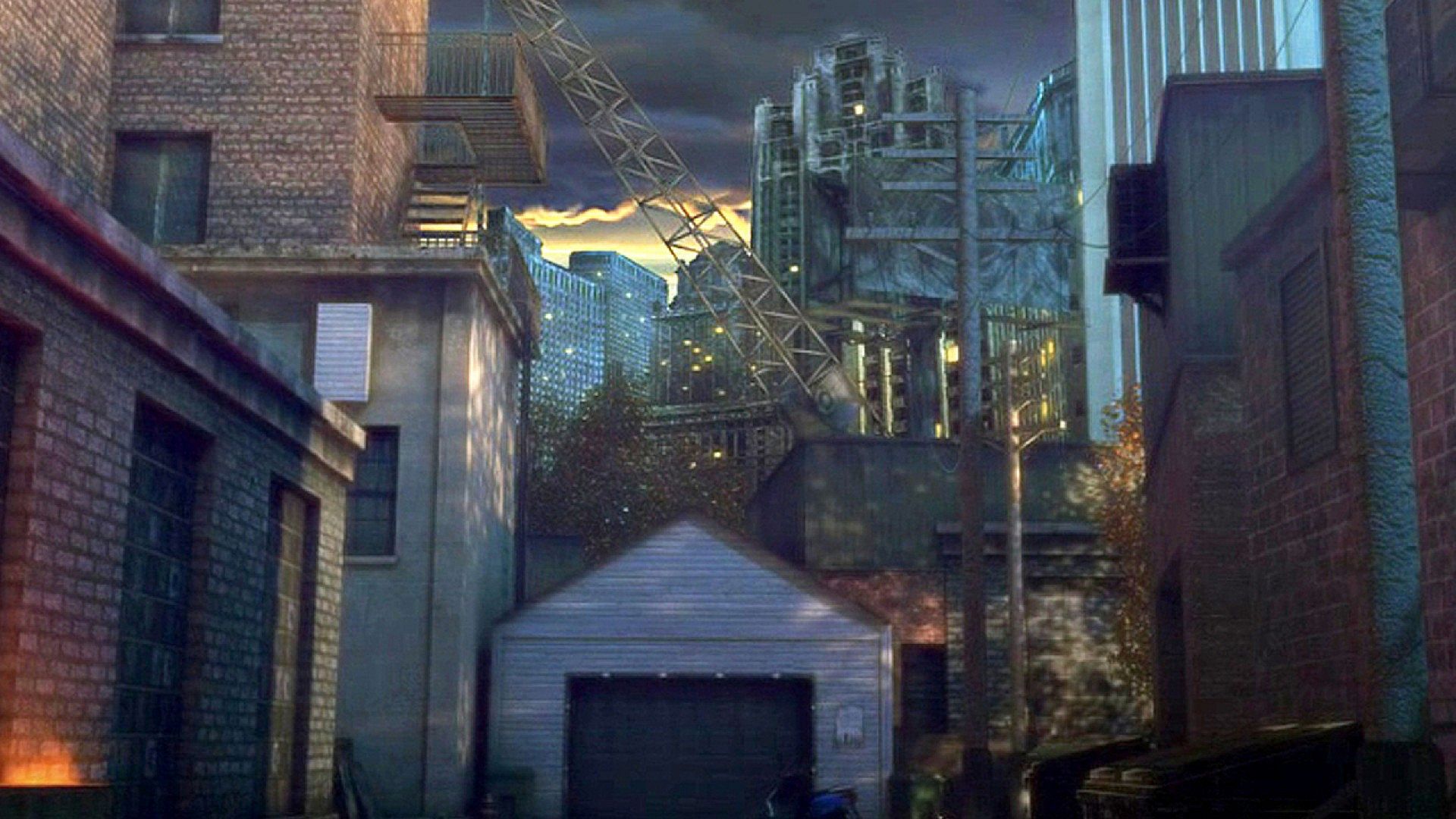
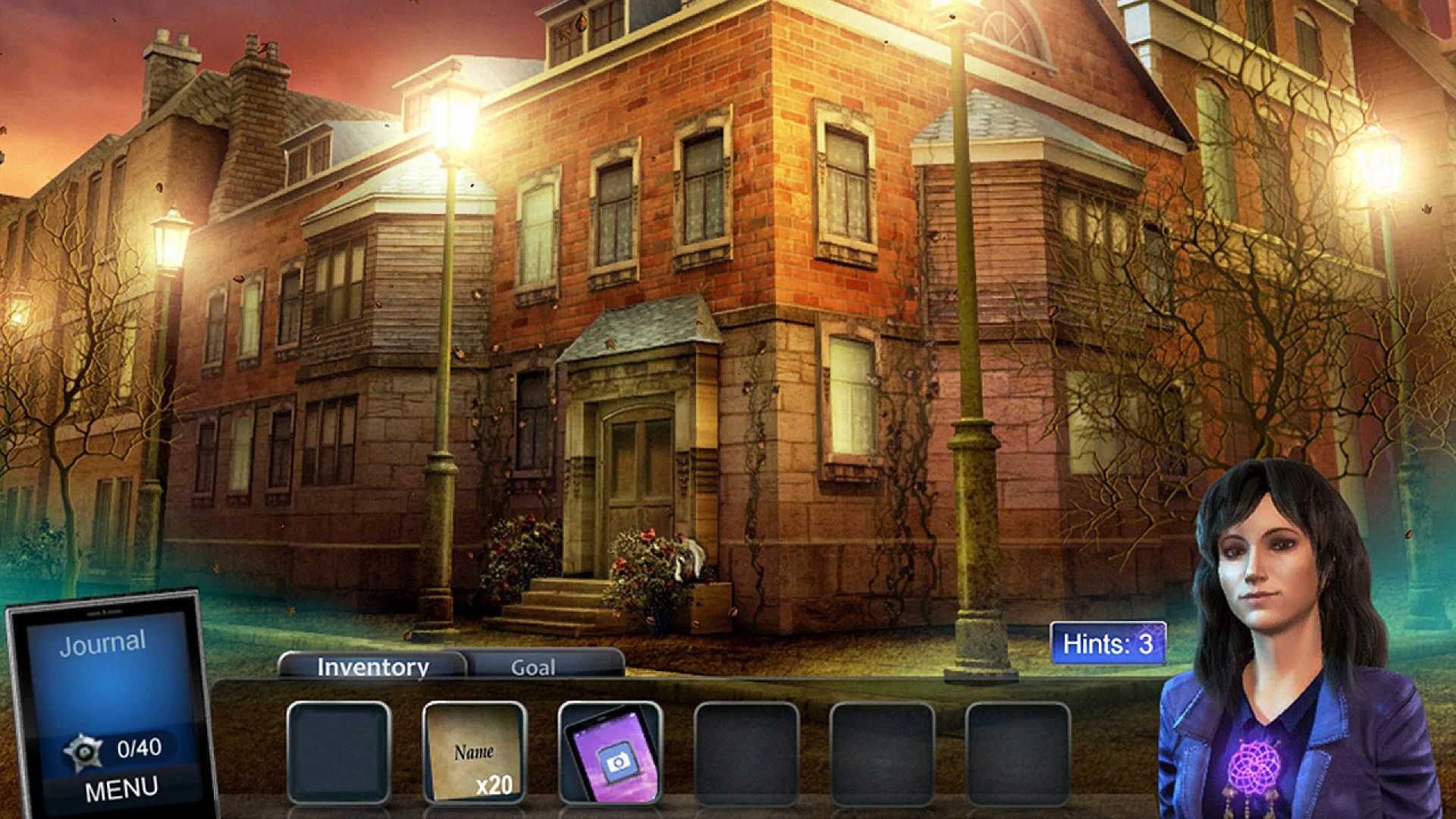
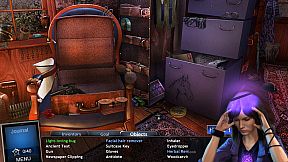
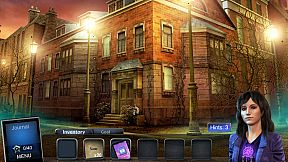
The core loop revolves around exploring detailed static scenes in both historic London and modern Chicago. Players search for hidden objects that serve as clues, then apply those items to advance the investigation through interactive elements in the environments. Angelica herself appears as an animated character who comments on findings and participates directly in the process.
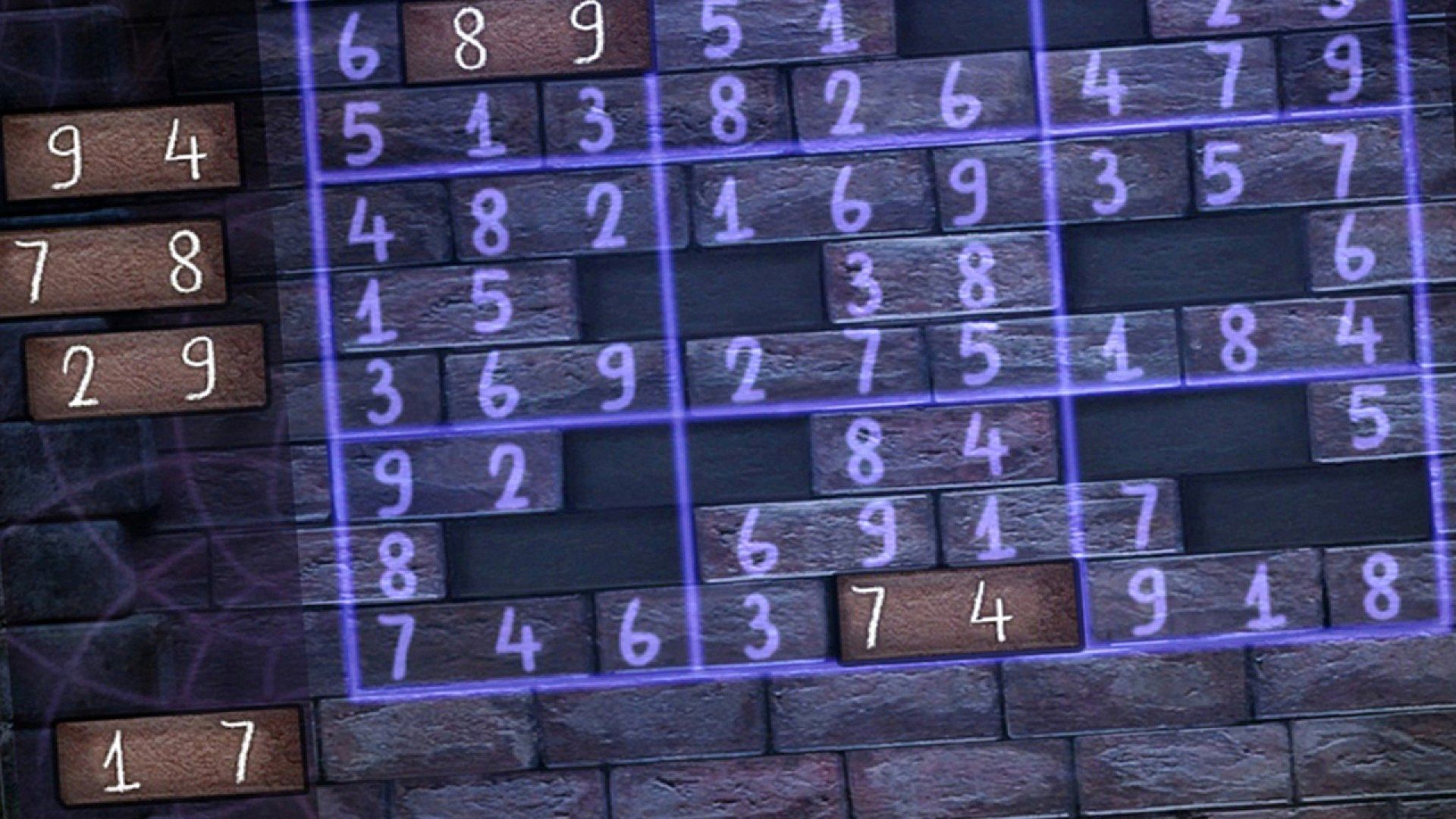
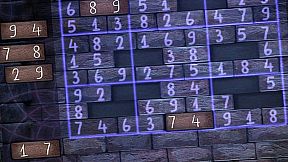
Progression relies on a journal that tracks collected evidence and objectives. A hint system assists when stuck, pointing toward relevant items or next steps without solving puzzles outright. Dozens of unique puzzles appear throughout, ranging from logic challenges to object manipulation tasks that tie directly into the narrative of identifying a century-old killer to prevent a present-day pattern.
Over 150 scenes provide the visual backbone, with voice acting delivering character dialogue during key moments. The time-jumping structure alternates between eras, requiring players to piece together information from both periods to reach conclusions.
Game Modes
The game operates entirely in single-player format. The main campaign follows the linear story of detective Angelica Weaver as she closes cases in the past and present. Exploration and puzzle-solving form the entirety of the experience, with no separate competitive or cooperative elements.
Progression moves chapter by chapter through the dual timelines, building toward an overarching mystery. All gameplay stays focused on the hidden object searches, environmental interactions, and story-driven challenges that connect the two settings.
Story and Setting
The narrative places Angelica on Chicago's Special Task Force, where she confronts a modern killer by first solving an unsolved murder from over a hundred years earlier. Supersensory visions allow direct interaction with victims at crime scenes in both eras, revealing final moments that supply critical details.
Twists emerge from the connections between the historic London events and contemporary Chicago crimes. The story unfolds through exploration and evidence gathering rather than combat or action sequences, emphasizing deduction and observation.
Is It Worth Playing?
Steam user reviews rate the game as Mostly Positive, with 74 percent approval from 31 total reviews. Players highlight the engaging storyline, unique puzzles, and solid integration of hidden object scenes with the dual-era plot.
This title suits fans of traditional hidden object adventure games who enjoy methodical clue collection and narrative progression without time pressure or complex controls. The 2013 release remains available as a complete single-player package on PC, with no ongoing updates or additional content required for the core experience.
Those seeking fast-paced action or multiplayer options will find little here, while players who appreciate voice-acted characters and puzzle variety tied to a mystery plot may find several hours of steady engagement. The game's age means it runs on older hardware specifications, making it accessible for those with modest systems.