







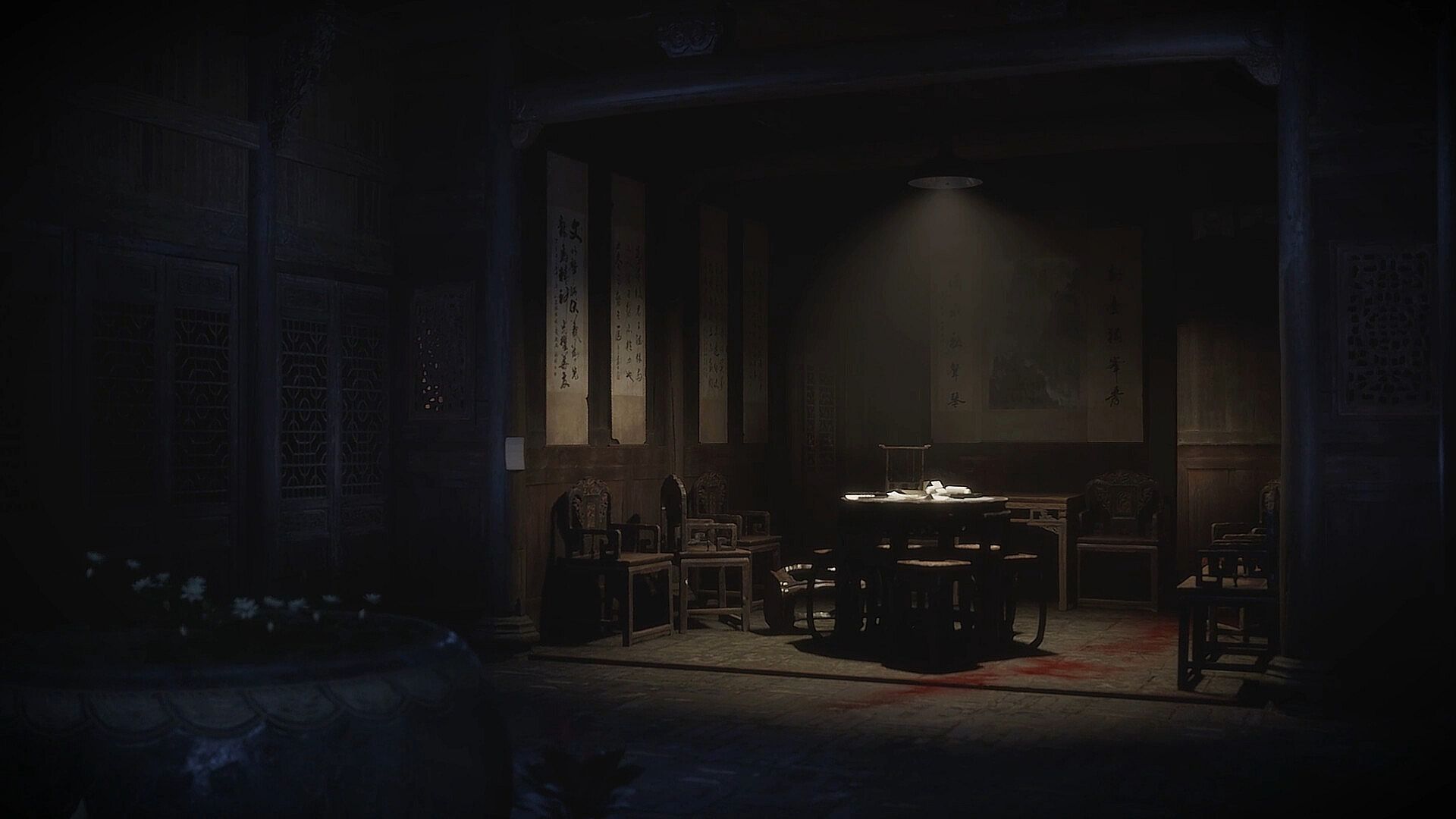
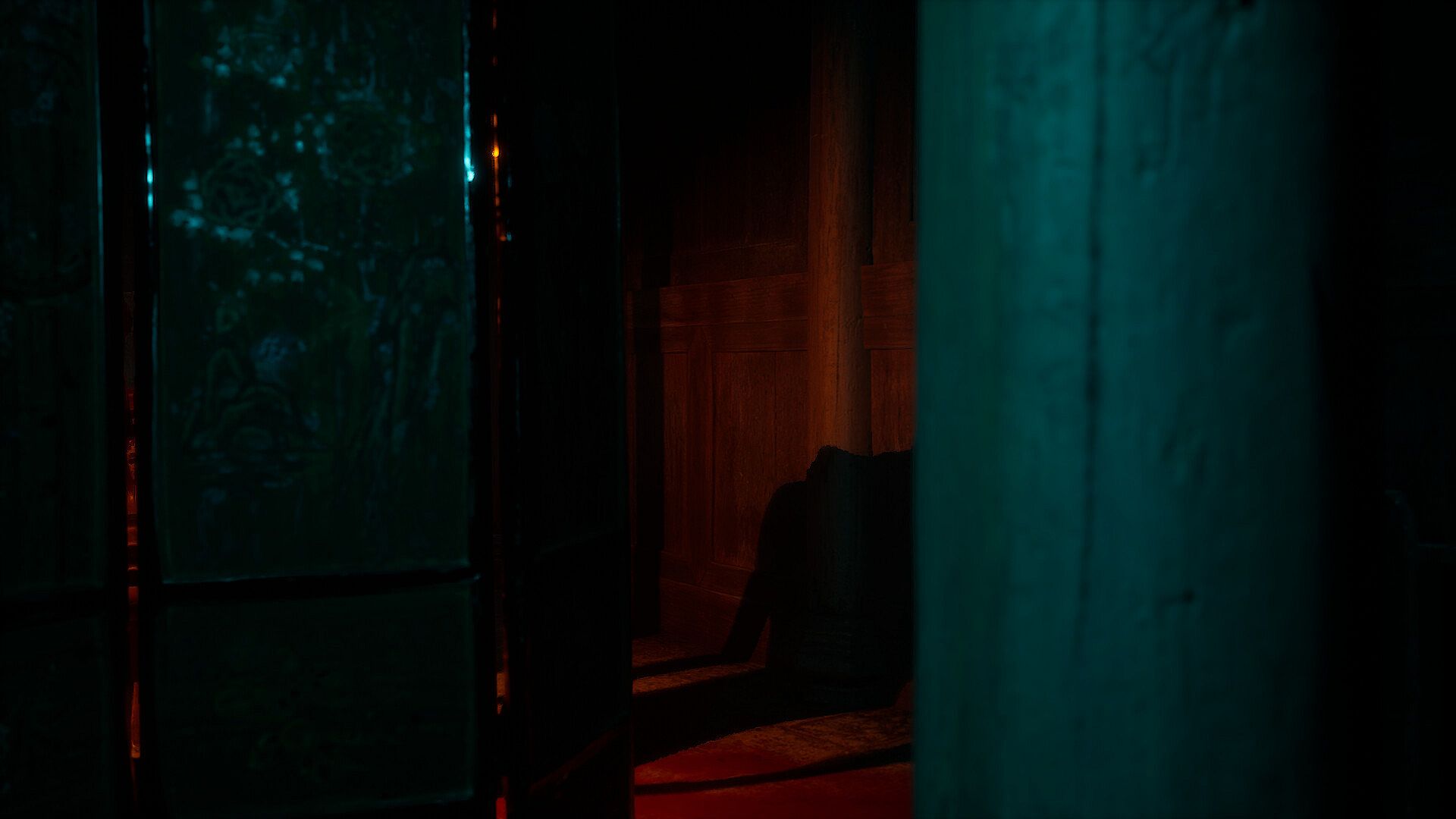
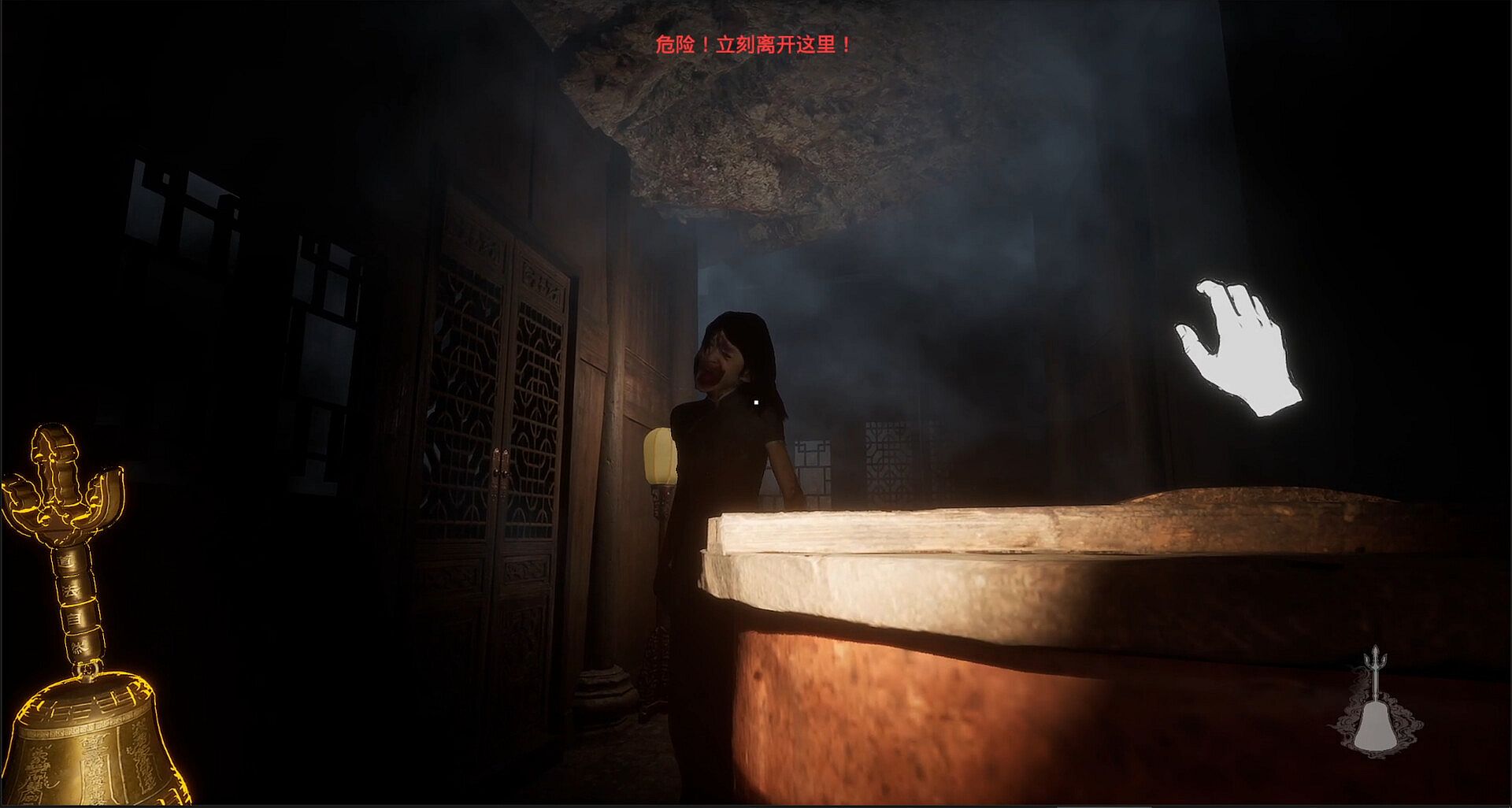
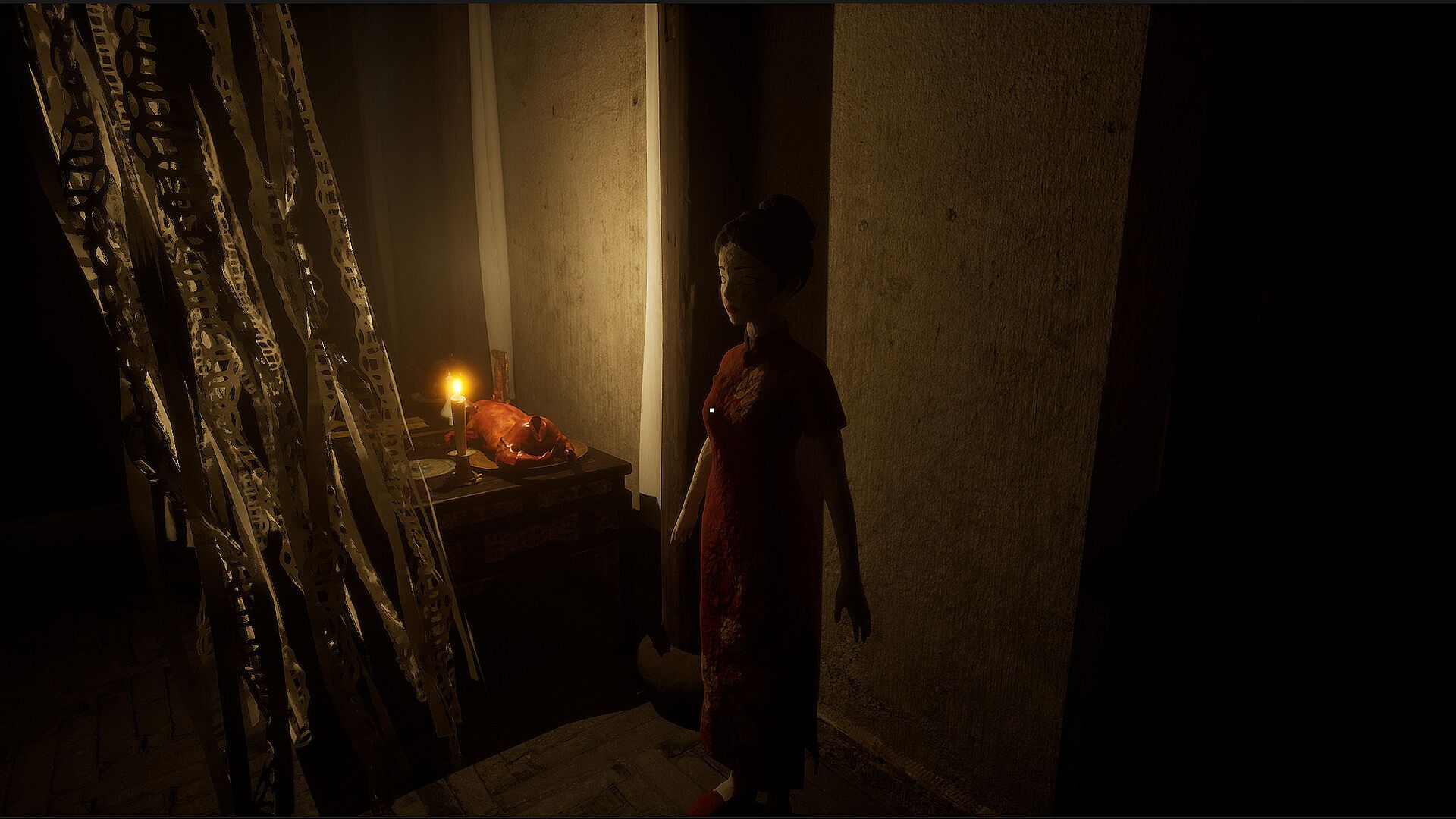
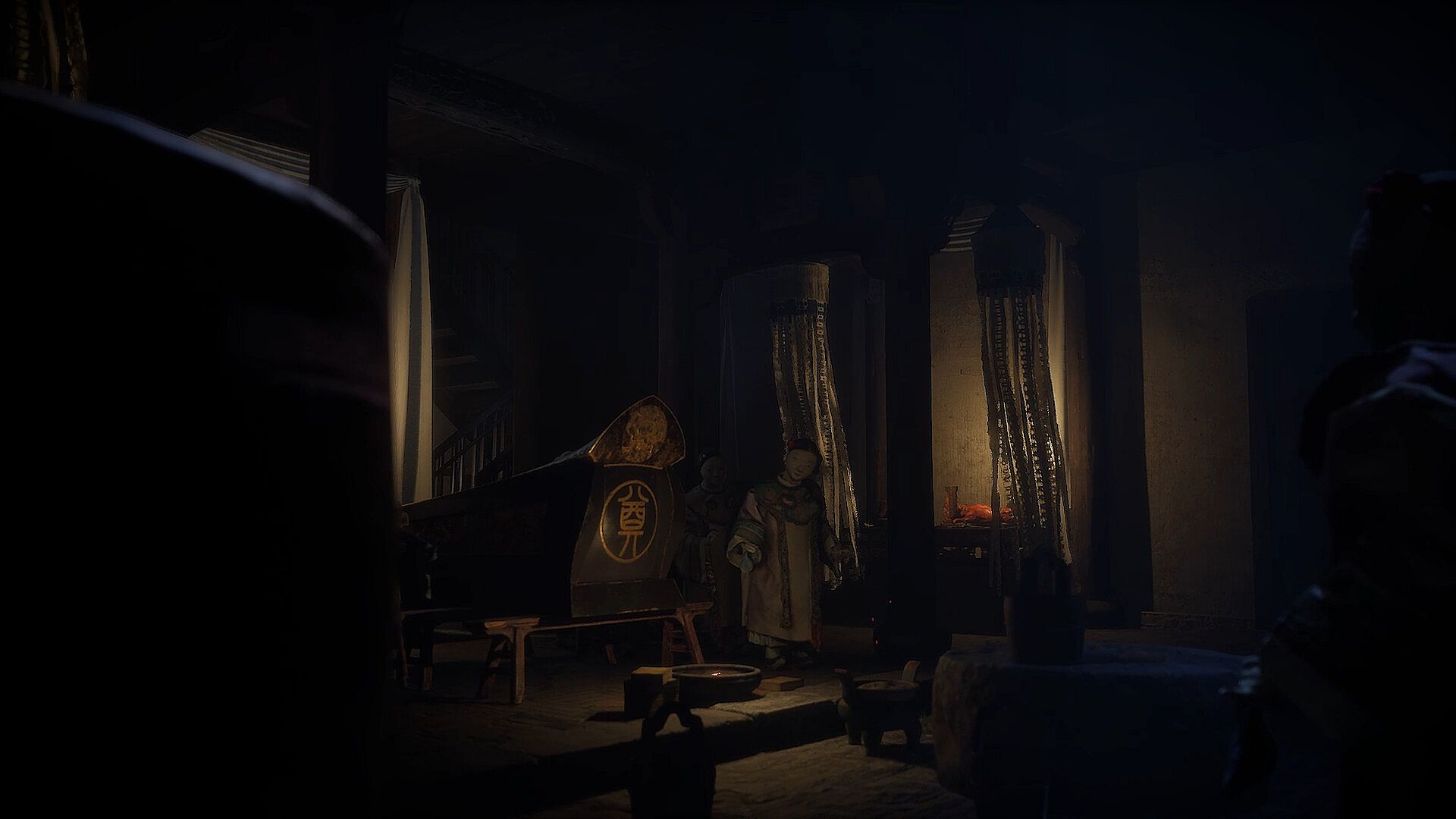
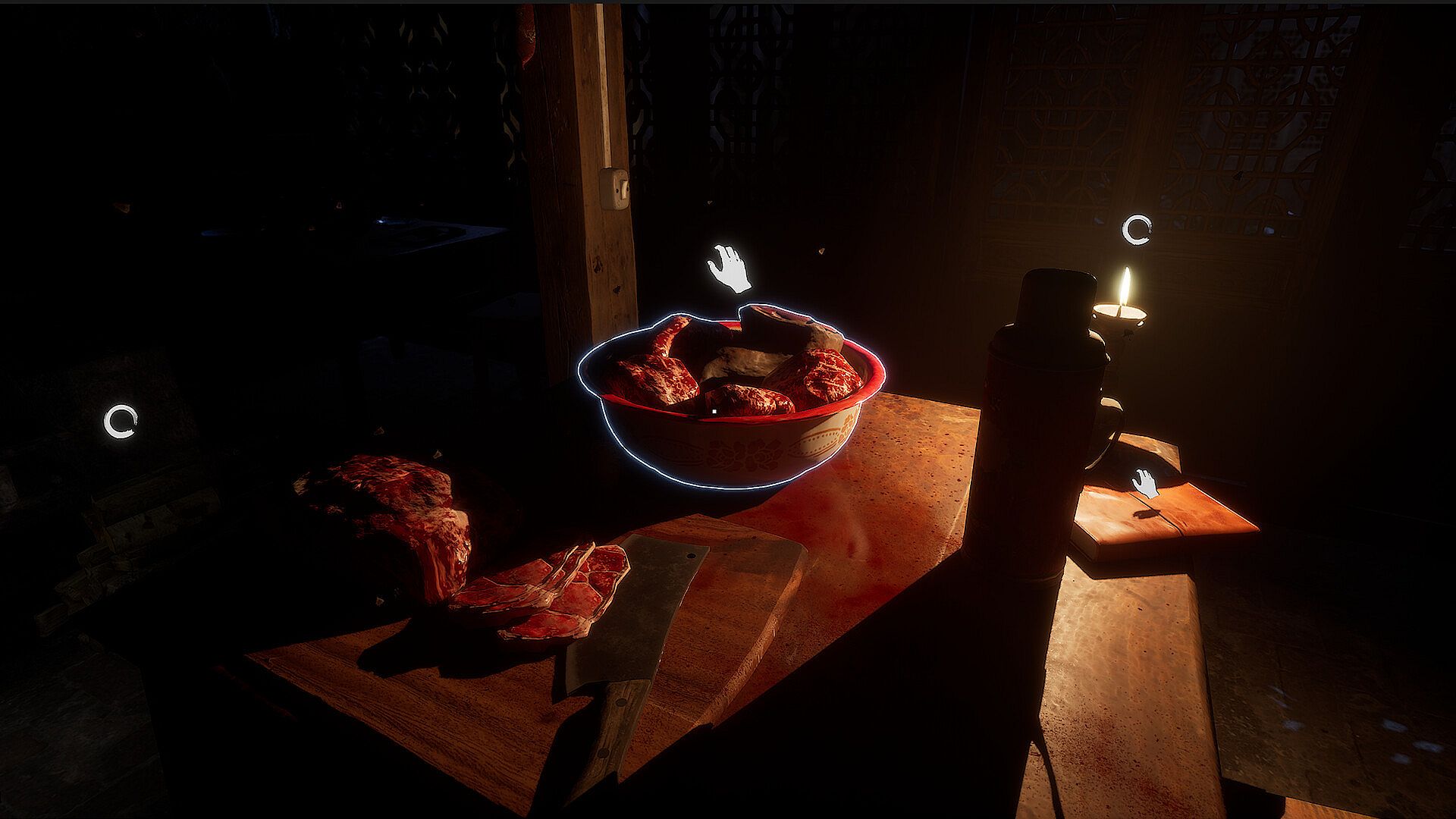
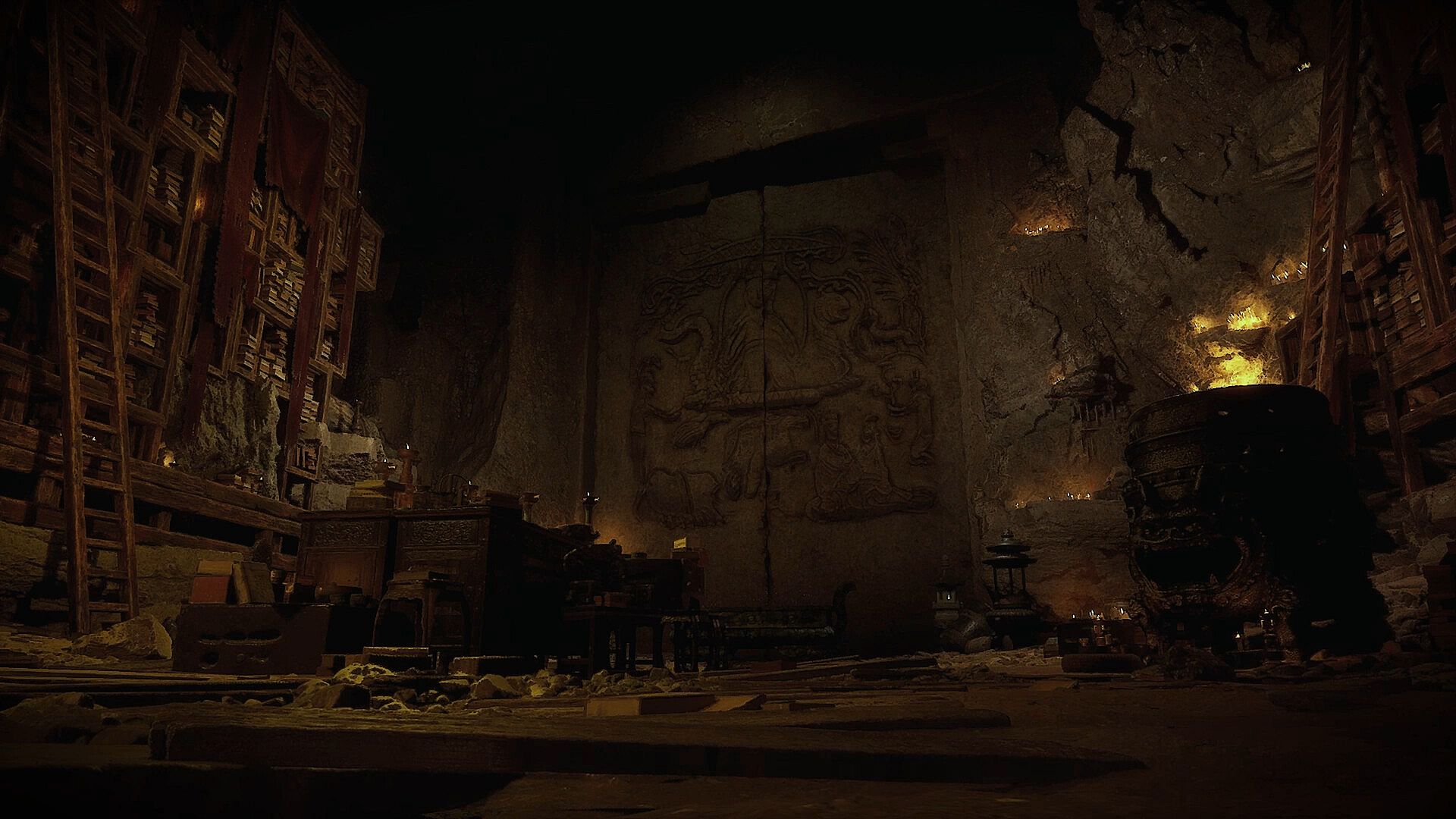
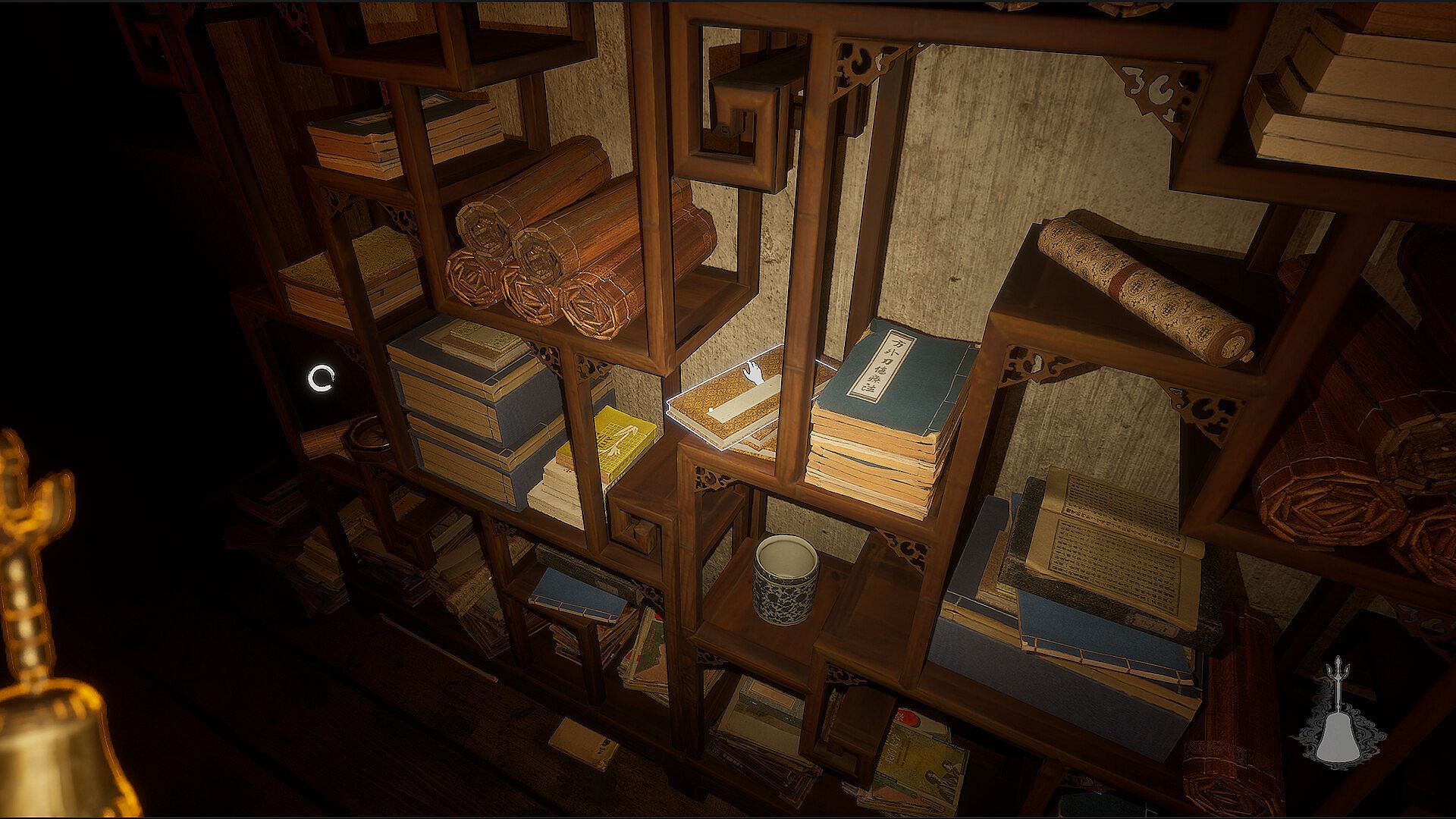
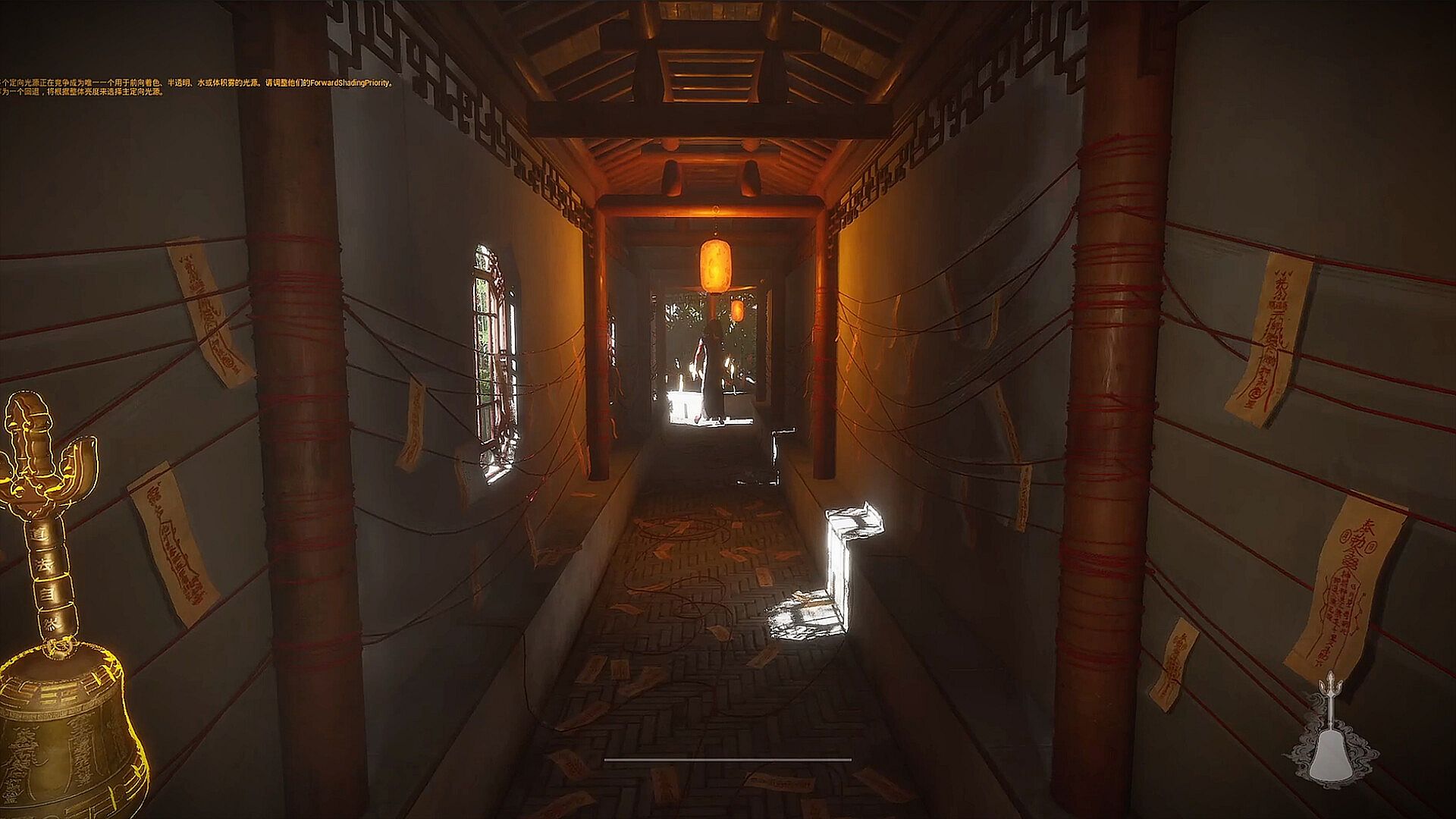


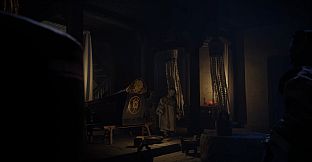
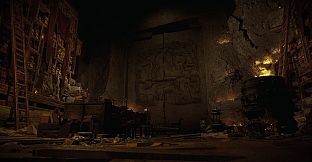
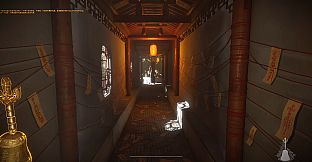
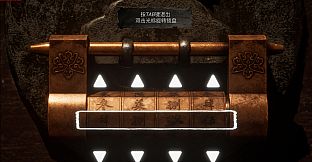
Ancestral Mansion is a first-person horror-adventure puzzle game set in a century-old Chinese ancestral residence. Players take on the role of Lin Xia, a college student who returns home to check on his ailing father and quickly finds himself trapped amid unsettling events that point to long-hidden family secrets. The experience blends exploration of dimly lit rooms and corridors with moments of stealth and careful puzzle-solving, all while drawing on elements of Chinese cultural traditions and folklore to shape the atmosphere and narrative.
Gameplay
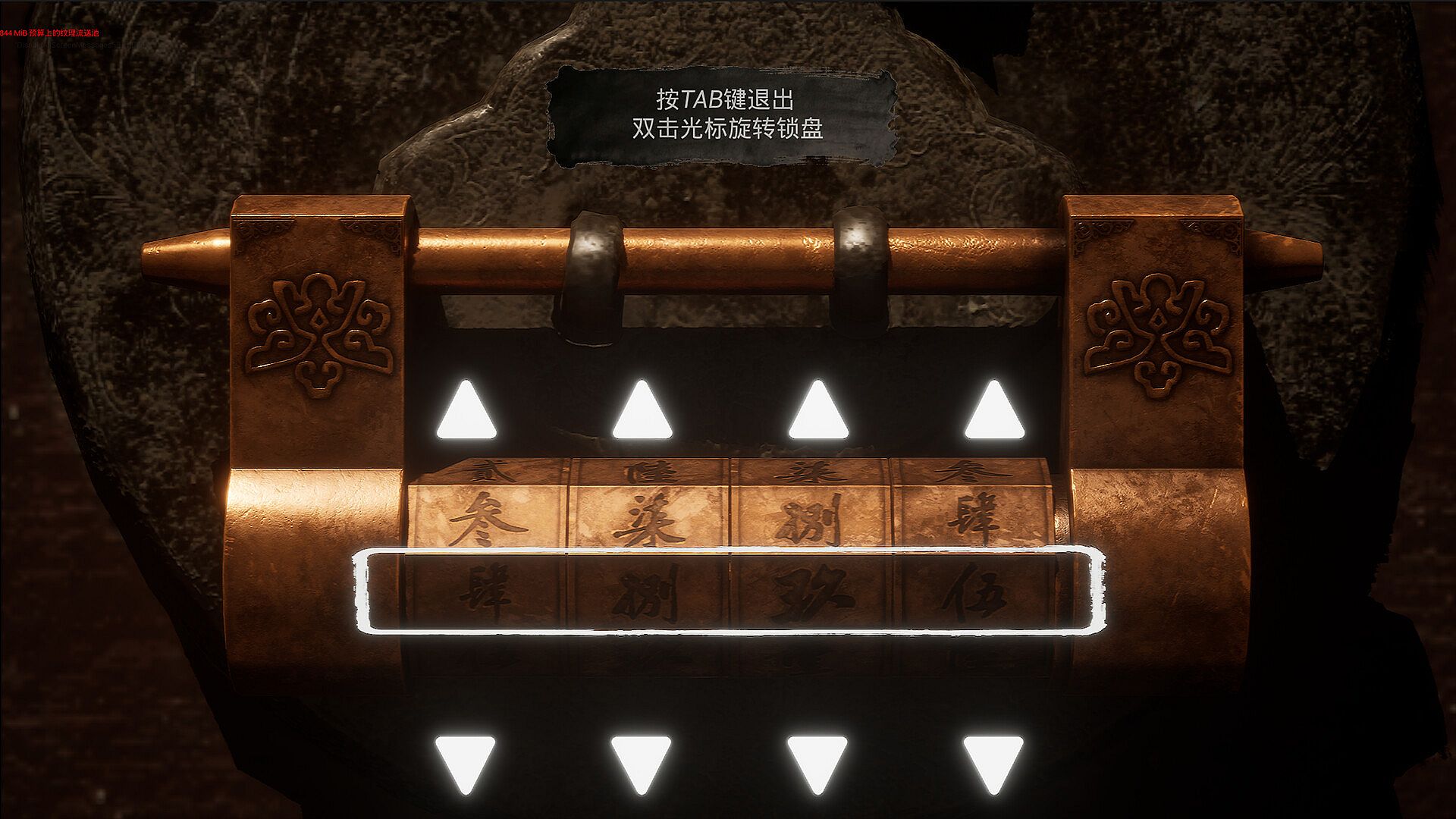
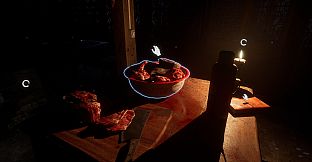
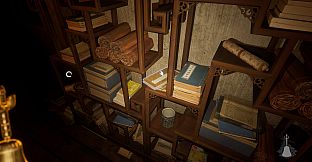
The core loop centers on navigating the Lin Family Mansion from a first-person perspective. Lin Xia begins locked in the kitchen with only fragmented memories of his arrival. Movement through the house reveals clues scattered in everyday objects, notes, and environmental details that gradually piece together the story of the Lin clan and the mansion's past. Stealth elements require players to avoid detection or navigate tense situations without alerting unseen presences. Puzzle-solving forms the backbone of progression, demanding observation of surroundings, item combination, and logical deduction to unlock new areas or reveal further backstory. The setting emphasizes cultural authenticity through architecture, family rituals, and symbolic elements tied to Chinese heritage, creating an intimate sense of unease rather than relying on overt jump scares.
Game Modes
Ancestral Mansion supports a single-player campaign focused entirely on the protagonist's personal journey. There are no multiplayer options or separate modes listed. The structure follows a linear narrative path through the mansion, with opportunities for backtracking and deeper investigation as new information comes to light. Players advance by escaping confinement, gathering insights into family members who have gone silent, and confronting the mansion's buried history one room at a time. This focused approach keeps the emphasis on atmosphere, discovery, and personal stakes without branching paths or competitive elements.
Story and Setting
The narrative unfolds through Lin Xia's disoriented awakening and his growing realization that the ancestral home holds more than just memories. His father's sudden illness coincides with the disappearance of contact with other relatives, prompting a search that exposes generational secrets rooted in the Lin surname and the mansion's long history. Environmental storytelling plays a key role, with details in the kitchen, hallways, and hidden spaces revealing fragments of the past. The Chinese cultural backdrop influences character motivations, symbolic objects, and the overall tone, grounding the horror in themes of legacy, isolation, and the weight of unspoken family truths.
Technical Aspects and Availability
Developed for PC, the game runs on standard Windows systems with modest hardware requirements that include a 64-bit processor, 8 GB of RAM, and a GeForce GTX 1060 or equivalent graphics card. It includes support for multiple languages in interface and subtitles. Features such as Steam Achievements, Steam Cloud saves, and family sharing are confirmed. As an indie title blending RPG, simulation, casual, and adventure genres, it targets players who appreciate deliberate pacing and thoughtful interaction over fast action.
Is It Worth Playing?
Ancestral Mansion appeals most to fans of narrative-driven first-person puzzle adventures that prioritize exploration and cultural context over combat or large-scale systems. Its single-player focus and emphasis on stealth, environmental puzzles, and unfolding family mysteries make it suitable for those who enjoy slow-burn horror experiences similar to other mansion-based mystery titles. Since the game remains in a pre-release state with no user reviews or post-launch updates available yet, potential players should monitor official announcements for confirmation of the final release date and any refinements. Those drawn to Chinese-themed storytelling and methodical investigation will likely find the premise engaging once it launches, provided the core mechanics deliver on the described blend of tension and discovery.












