


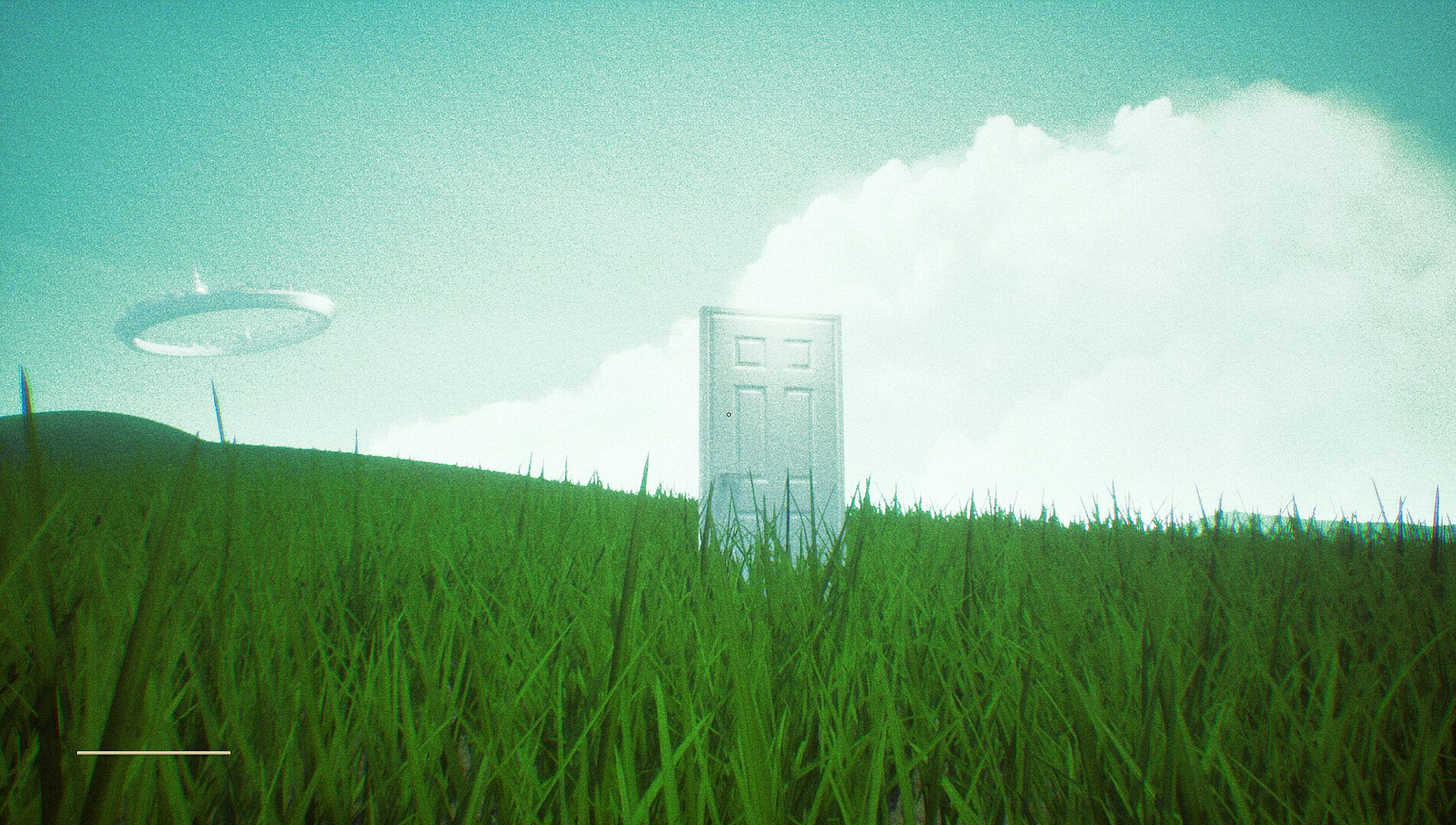


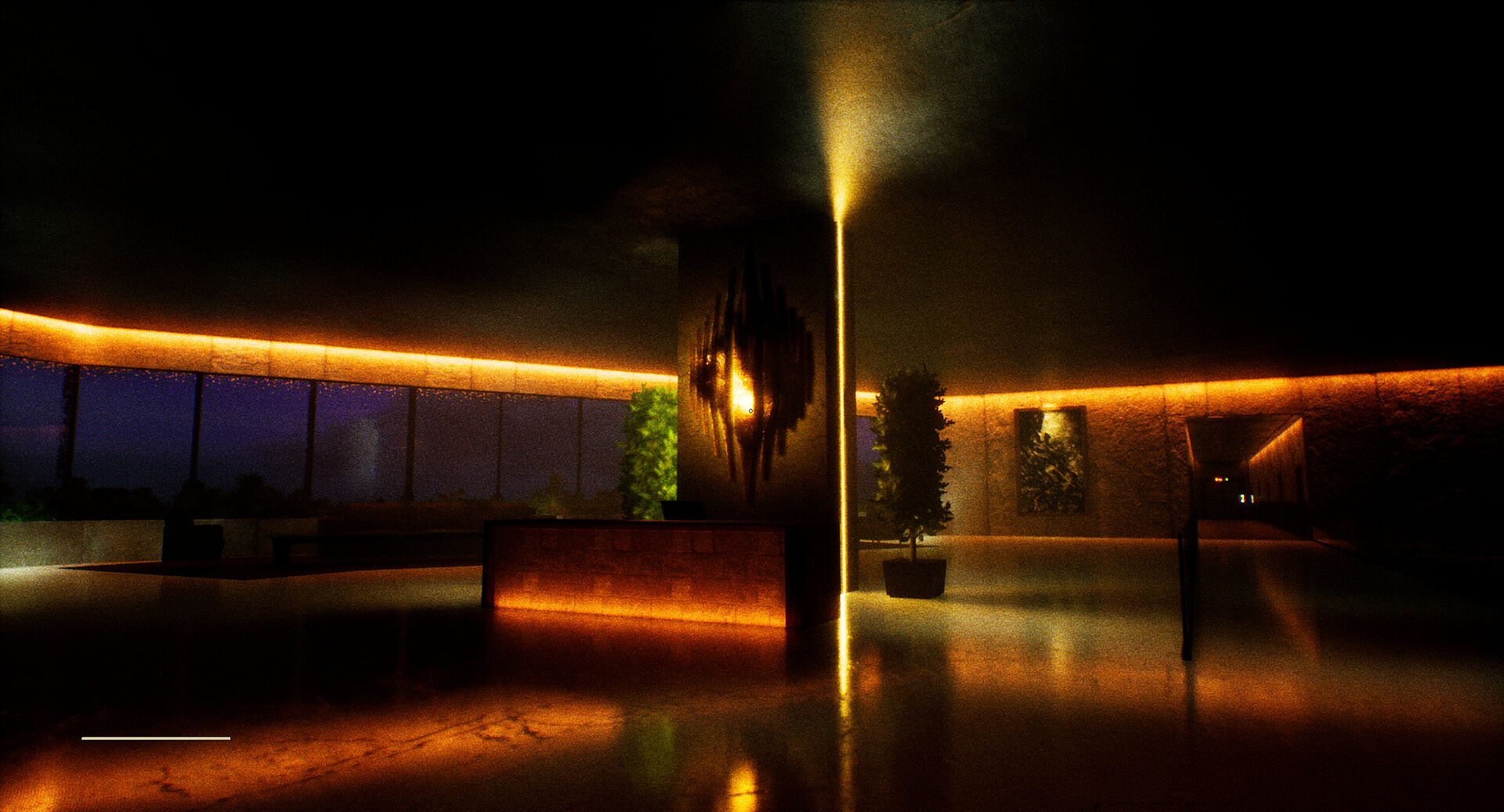
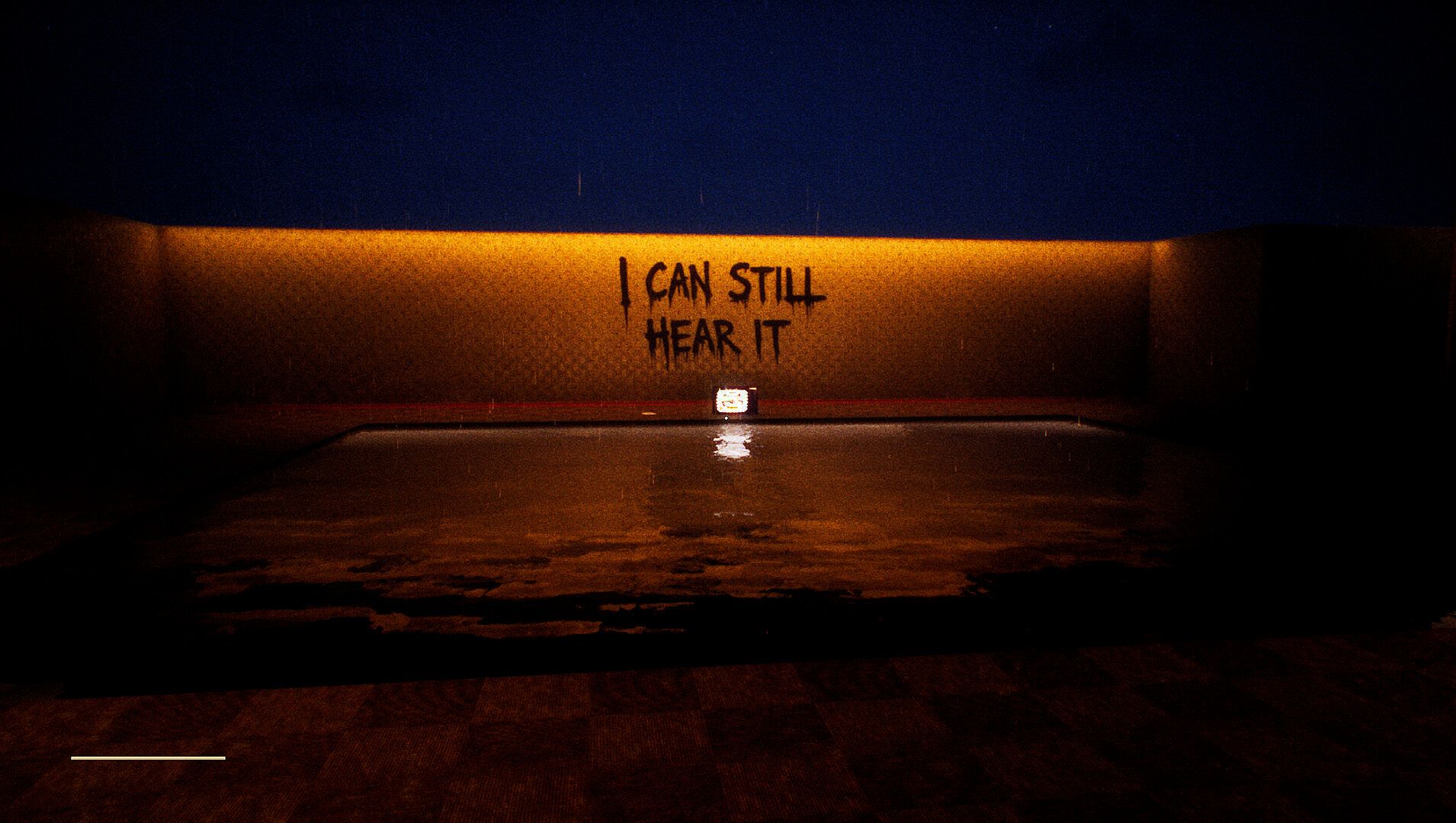


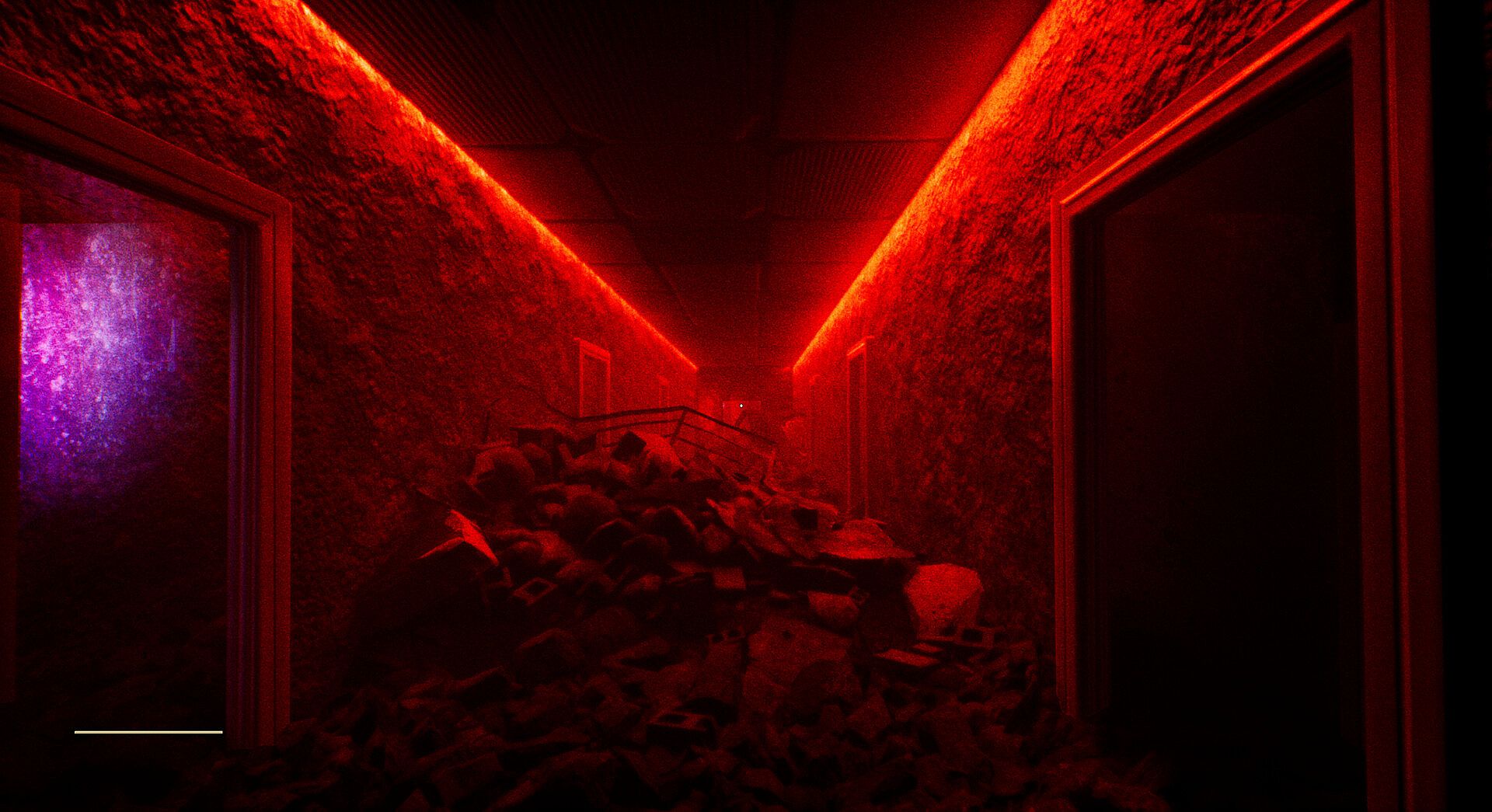








Anatomy of a Dream is a single-player indie psychological horror experience built around exploration and discovery on PC. Players awaken in a shifting Dreamscape where familiar spaces twist into impossible layouts, and the narrative unfolds through observation rather than direct exposition or combat.
Gameplay
The core loop centers on navigating vast liminal environments that blend everyday architecture with dream logic. Hallways extend into unexpected areas, rooms rearrange based on memory fragments, and hidden paths reward careful attention to detail. Progress comes from examining the surroundings, locating recordings, notes, and personal items left by previous visitors. These elements gradually reveal fragments of stories about those who entered before, showing how the space adapts to its inhabitants over time.
Traversal relies on walking and observing rather than complex controls or combat systems. The emphasis stays on piecing together clues scattered throughout the world, with each new area introducing fresh architectural impossibilities that maintain a sense of unease without relying on sudden threats. A handcrafted soundtrack supports the mood by layering subtle audio cues that shift between comforting familiarity and growing tension.
Game Modes
The game offers a single-player mode focused entirely on solo exploration of the Dreamscape. No multiplayer options, competitive elements, or additional modes appear in the available details. The experience remains linear in structure yet open to player-driven discovery, with the story delivered exclusively through environmental details and collected artifacts rather than dialogue or cutscenes.
Atmosphere and World Design
Environments draw from the strange comfort of dreams, creating spaces where beauty and discomfort sit side by side. Vast areas feature impossible geometry that feels both inviting and disorienting, encouraging players to linger and examine details. The Dreamscape itself functions as a living entity that accommodates those who enter, building new areas from their memories while preserving traces of earlier wanderers.
Storytelling avoids traditional markers and instead uses forgotten belongings, cryptic messages, and audio logs to convey the experiences of past visitors. This approach rewards patience and curiosity, allowing the world to communicate its history through what remains behind rather than explicit narration.
Is It Worth Playing?
Anatomy of a Dream targets players who enjoy atmospheric single-player experiences centered on exploration and subtle horror. The absence of jumpscares places the tension in the environment and sound design, making it suitable for those who prefer slow-burn dread over action or confrontation. Because the title remains in development with a coming-soon release date and no user reviews available yet, any decision to play rests on interest in its described style of environmental narrative and liminal spaces. Those drawn to games that unfold through observation and world details may find the approach compelling once it launches.