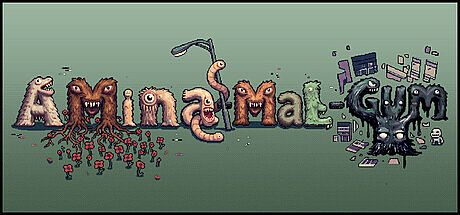


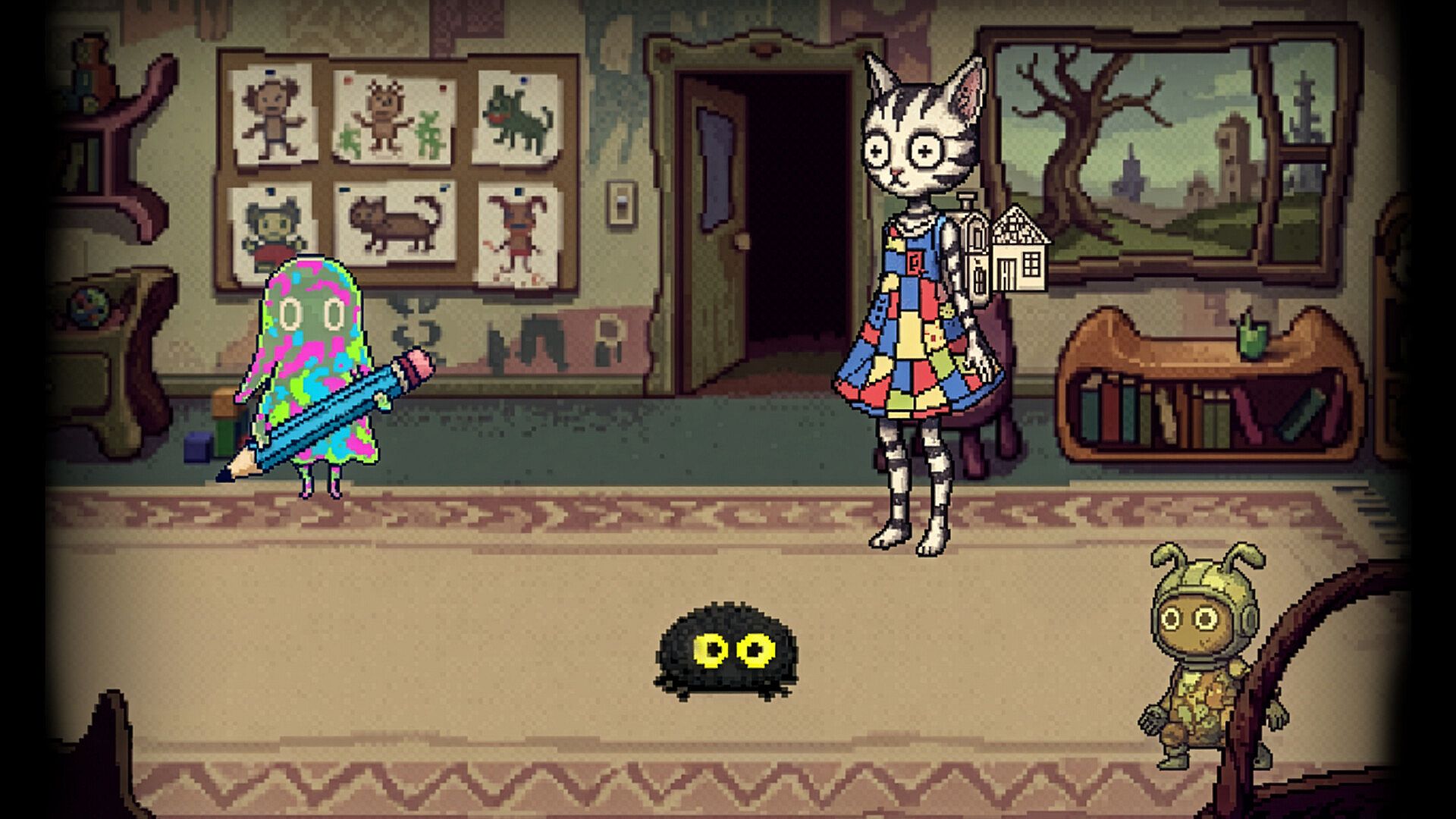
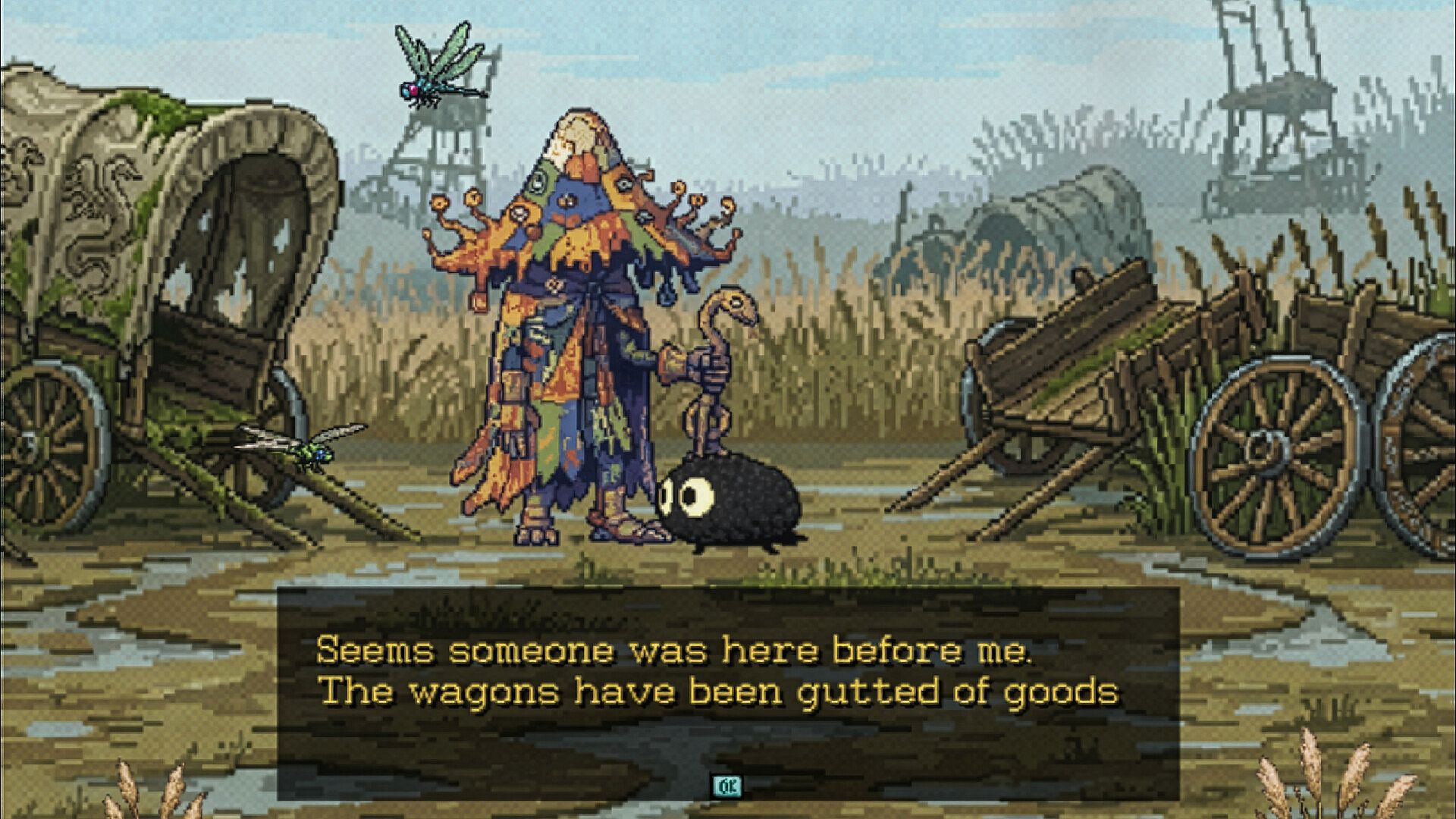

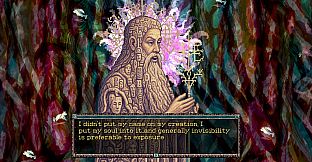
AMINA-MAL-GUM is a single-player turn-based RPG developed for PC by Omnitotus Interactive. Set in a surreal world where a fiery star signals upheaval, players begin as an unremarkable animal vagrant and navigate a society unraveling under its own contradictions. The title emphasizes personal transformation and exploration over conventional heroics, with mechanics that let the player reshape their form and interact with a responsive environment.
Gameplay
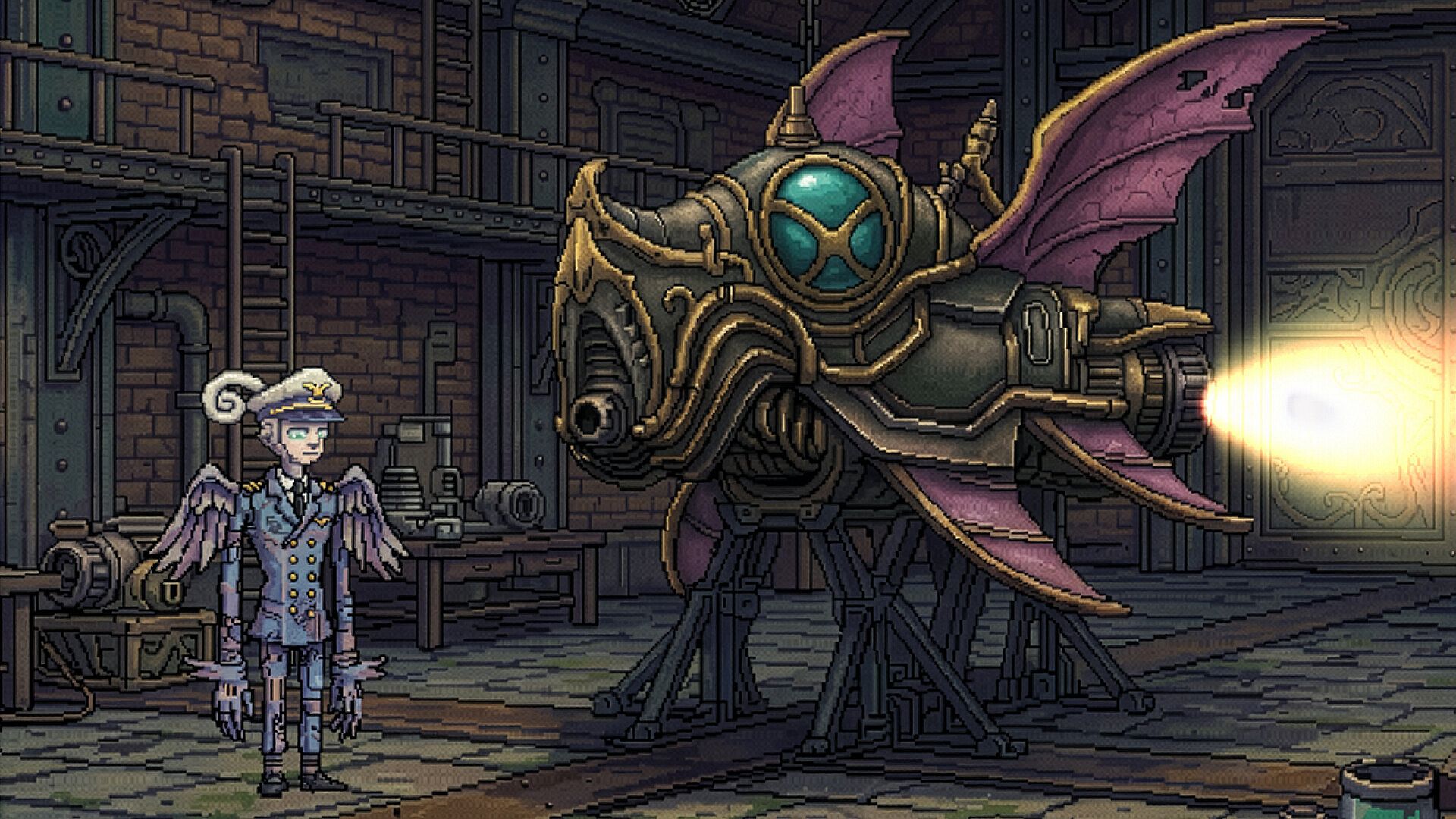
The core loop centers on metamorphosis and companionship. Players assemble their character from collected anatomical parts including heads, bodies, wings, tails, and organs. Each change alters abilities and may shift identity, allowing experimentation with draconic or angelic traits. This system encourages repeated playthroughs as different combinations yield distinct playstyles and narrative branches.
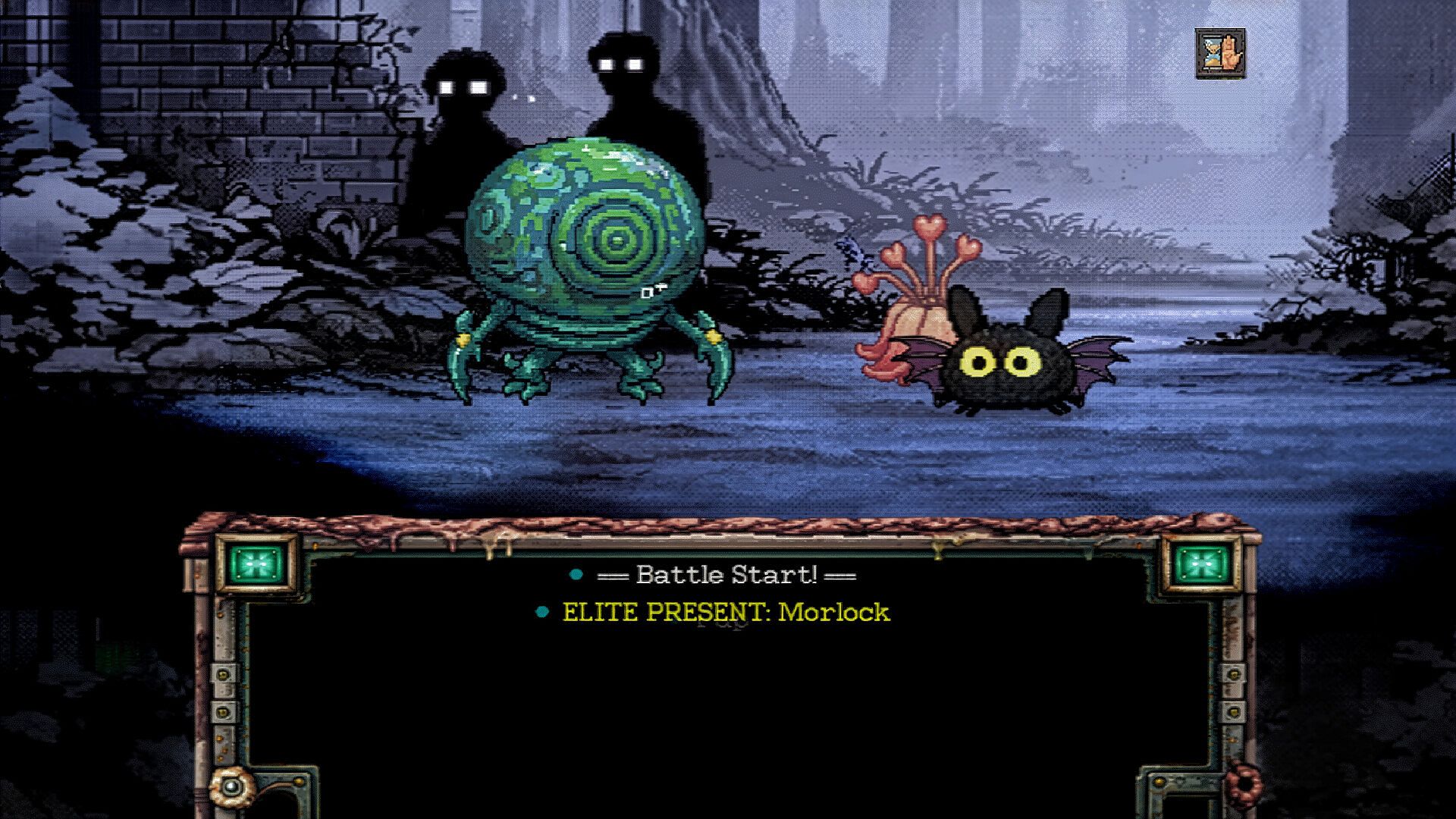
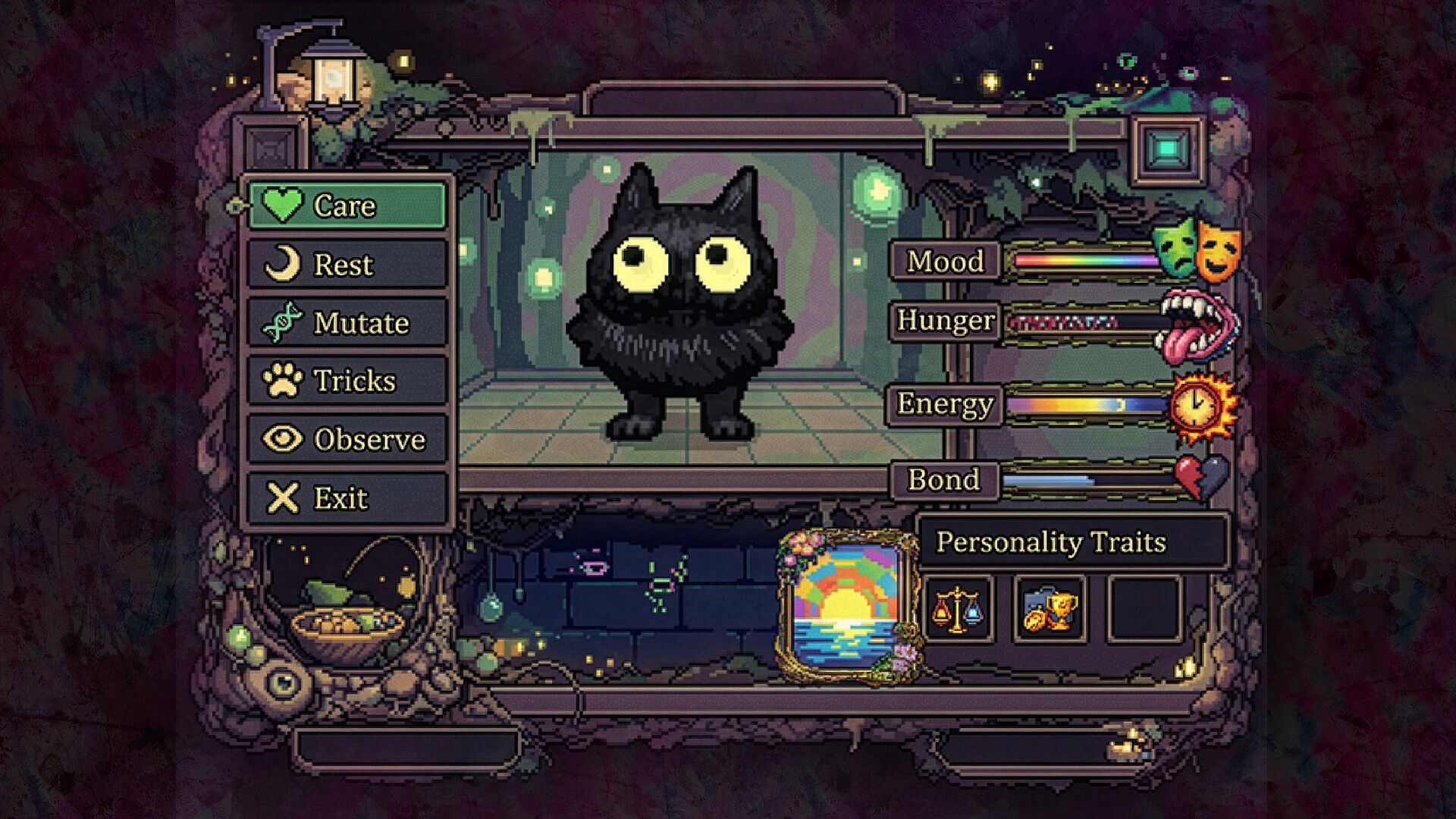
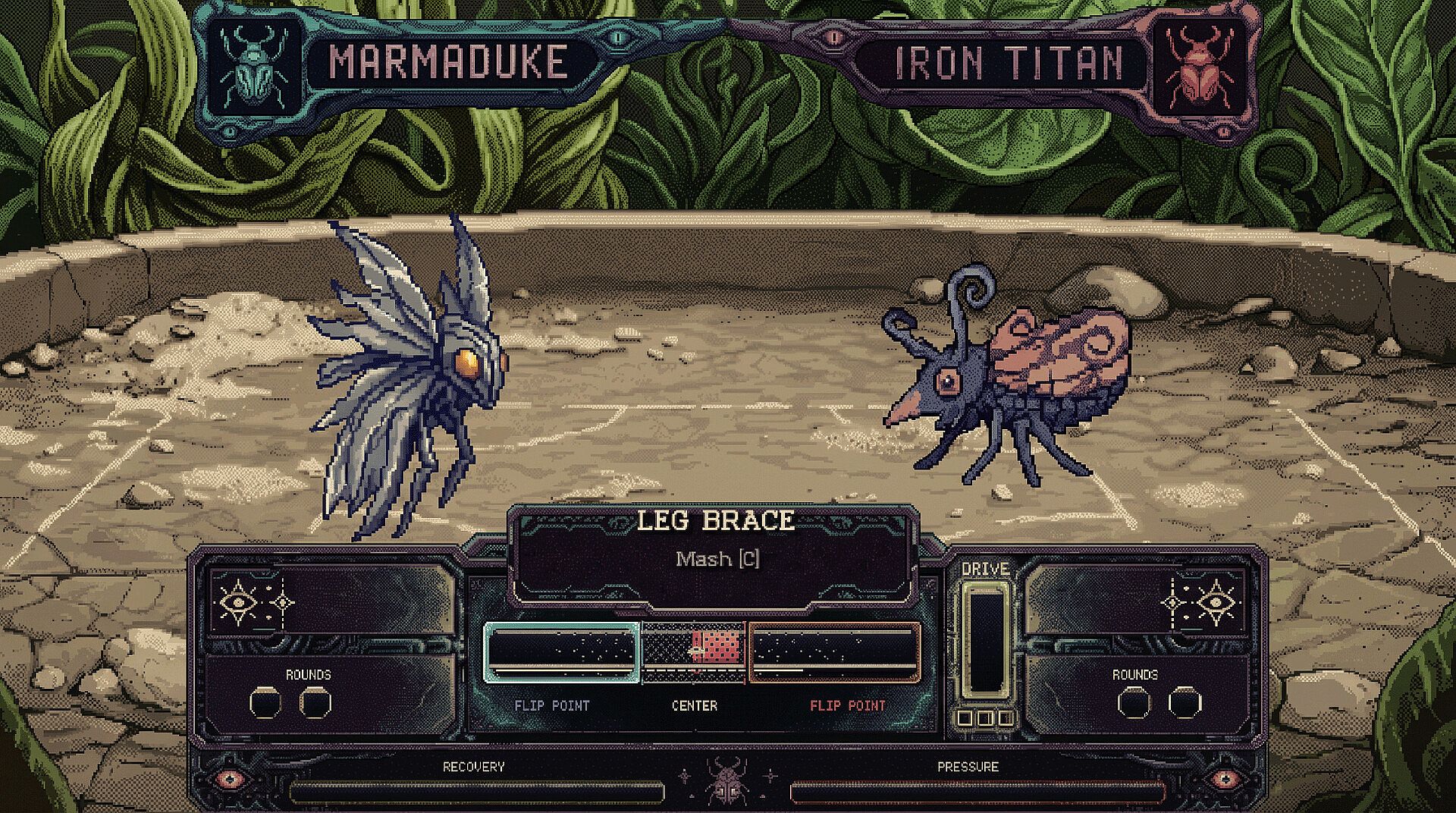
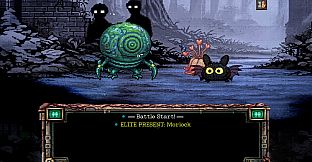
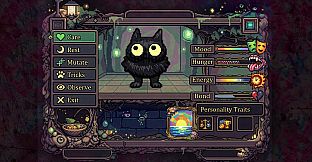
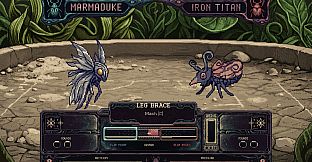
Recruitment forms another pillar. Strange lifeforms from unusual biological orders join the party. These companions require care through feeding, wound treatment, stamina management, and mood monitoring. Bonds develop over time, turning them into genuine partners rather than disposable tools. In combat, they operate with independent intelligence shaped by personality and experience. Smarter allies identify threats and exploit weaknesses, while less capable ones make believable errors that demand player intervention.
Control options expand gradually. Players can read intentions, issue directives, survey the battlefield, and override decisions when autonomy proves insufficient. The world itself advances on its own schedule. Days cycle, moons shift, weather changes, and populations follow routines. Hunger and other needs persist regardless of player action, and side activities like fishing can consume entire afternoons.
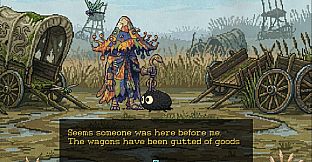
Exploration spans varied scales. The journey starts in humble settings such as reeds and nests, moves through cities and empires, ascends to the skies, and eventually reaches cosmological realms where conventional geography dissolves. Monsters exhibit behaviors like stalking, patrolling, fleeing, or defending territory before any fight begins. Dreams constitute separate landscapes with their own inhabitants and lasting effects upon waking.
Game Modes
AMINA-MAL-GUM offers a single-player experience only. No multiplayer or co-operative modes appear in the available information. The design focuses entirely on solitary progression through the metamorphic systems, companion management, and time-driven world events. Side activities such as theater participation, drag racing with biker gangs, abyssal fishing, fauna collection, necromancer consultations, and puzzle solving integrate directly into the main journey rather than forming separate modes.
World and Systems
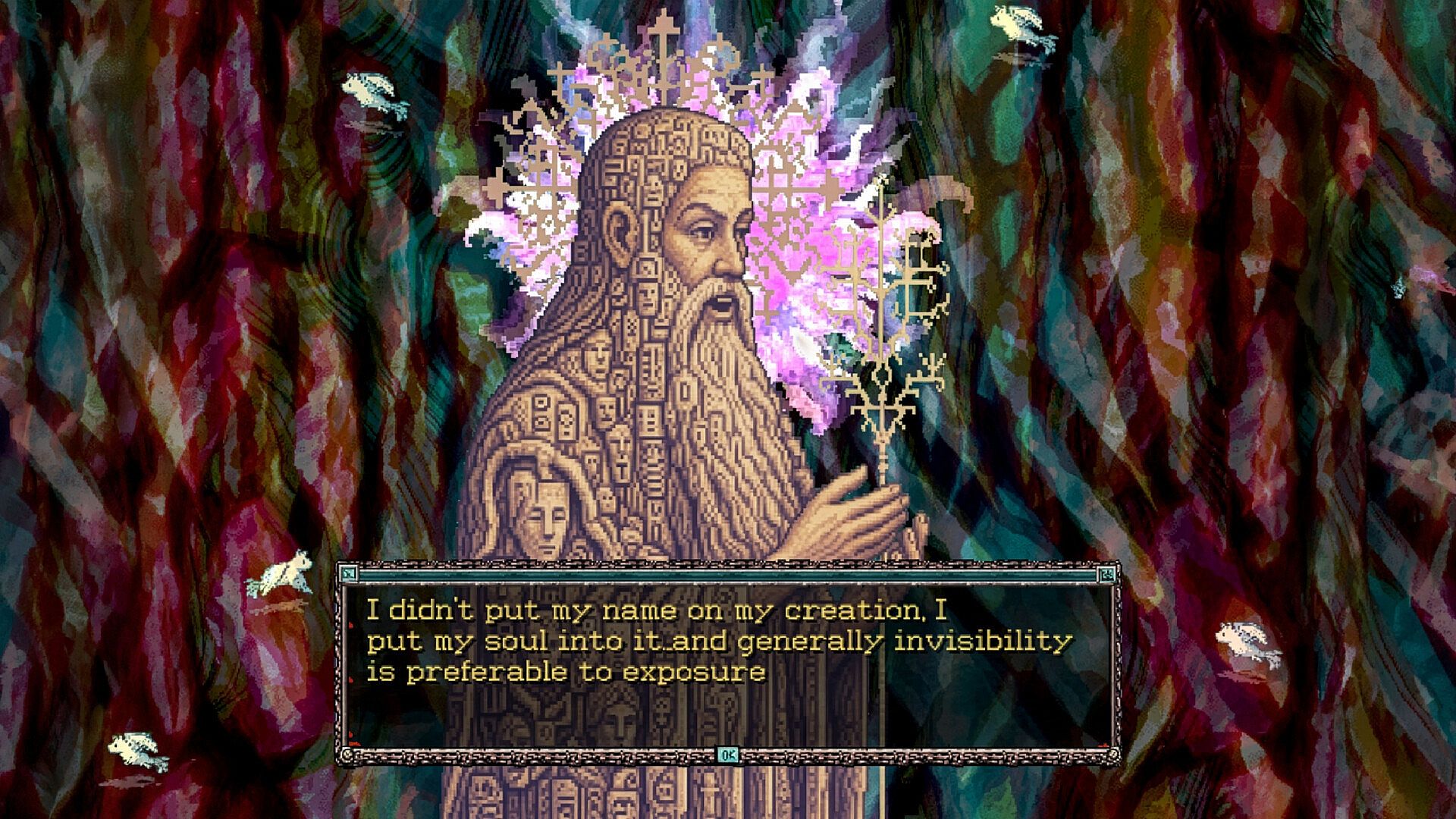
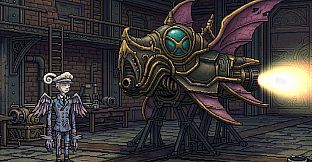
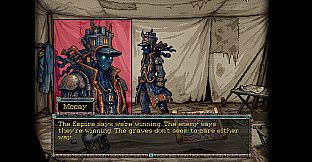
The setting blends cosmic omens with everyday absurdities. Objects gain inner lives and misuse them. Gods operate under layers of denial and authorization. Fortunes and omens persist beyond their initial consultation, sometimes returning in inconvenient ways. Mortality receives documentation in a ledger that records the circumstances of each death. These elements create a sense of a living, indifferent cosmos where player actions ripple without guaranteed importance.
Dream sequences add another layer. They possess independent geography and consequences, blurring the line between rest and reality. The scale of the world supports extensive side paths that function almost like miniature games, from puzzle solving to pursuit mechanics. A vast cast spans microscopic to macrocosmic entities, supported by dense lore that players encounter through exploration rather than exposition dumps.
Is It Worth Playing?
AMINA-MAL-GUM remains unreleased, with a planned launch in September 2027. No player reviews or ratings exist yet. The described systems appeal to those who enjoy unconventional single-player RPGs that prioritize autonomy, transformation, and a reactive environment over linear storytelling or competitive elements. Fans of games featuring companion AI, body customization, and persistent world time may find the mechanics compelling once available. Those seeking traditional turn-based combat or multiplayer options should look elsewhere. The emphasis on imperfect allies and a world that continues without the player suggests a thoughtful, sometimes frustrating experience suited to patient explorers of experimental design.