




















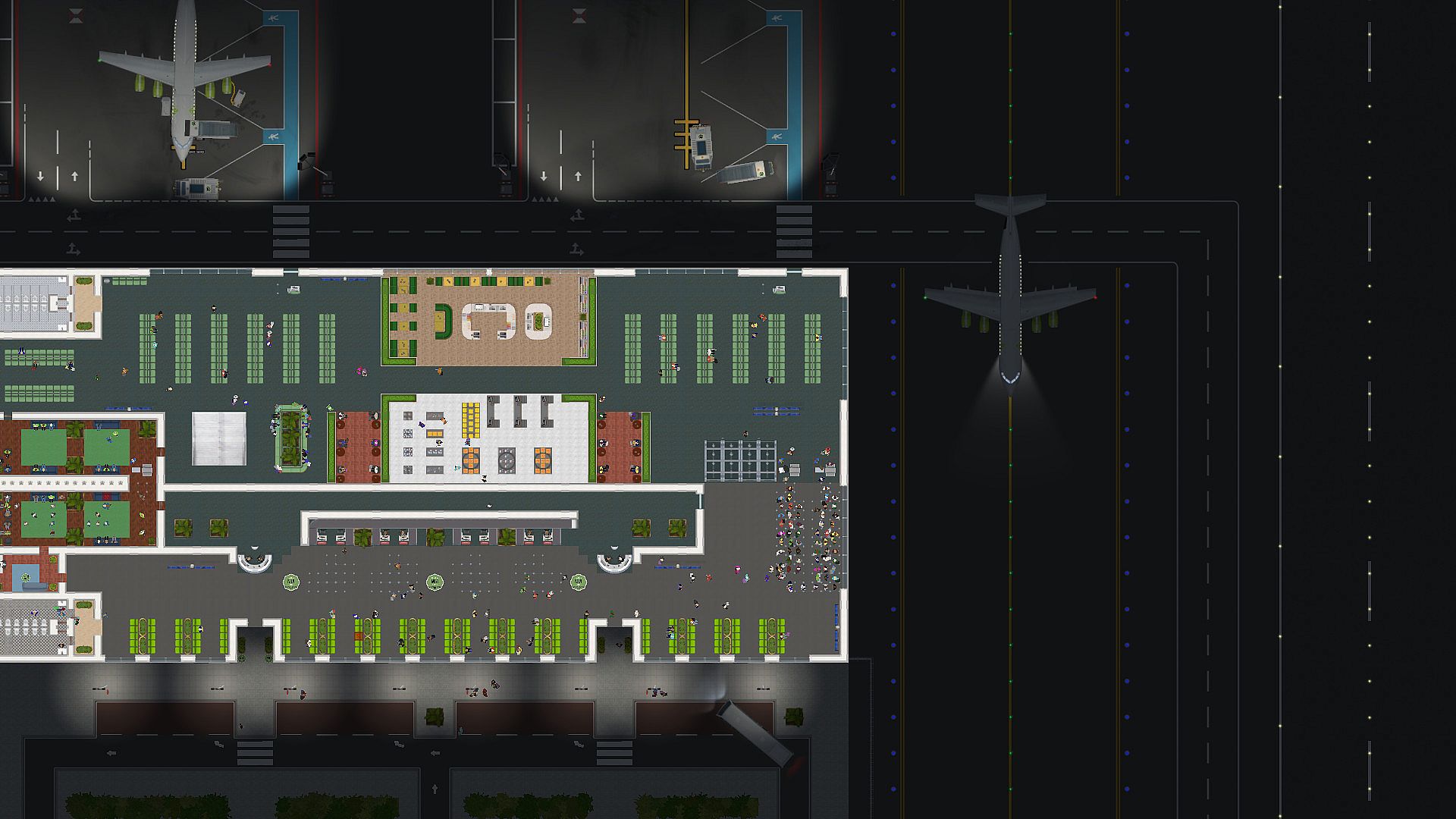
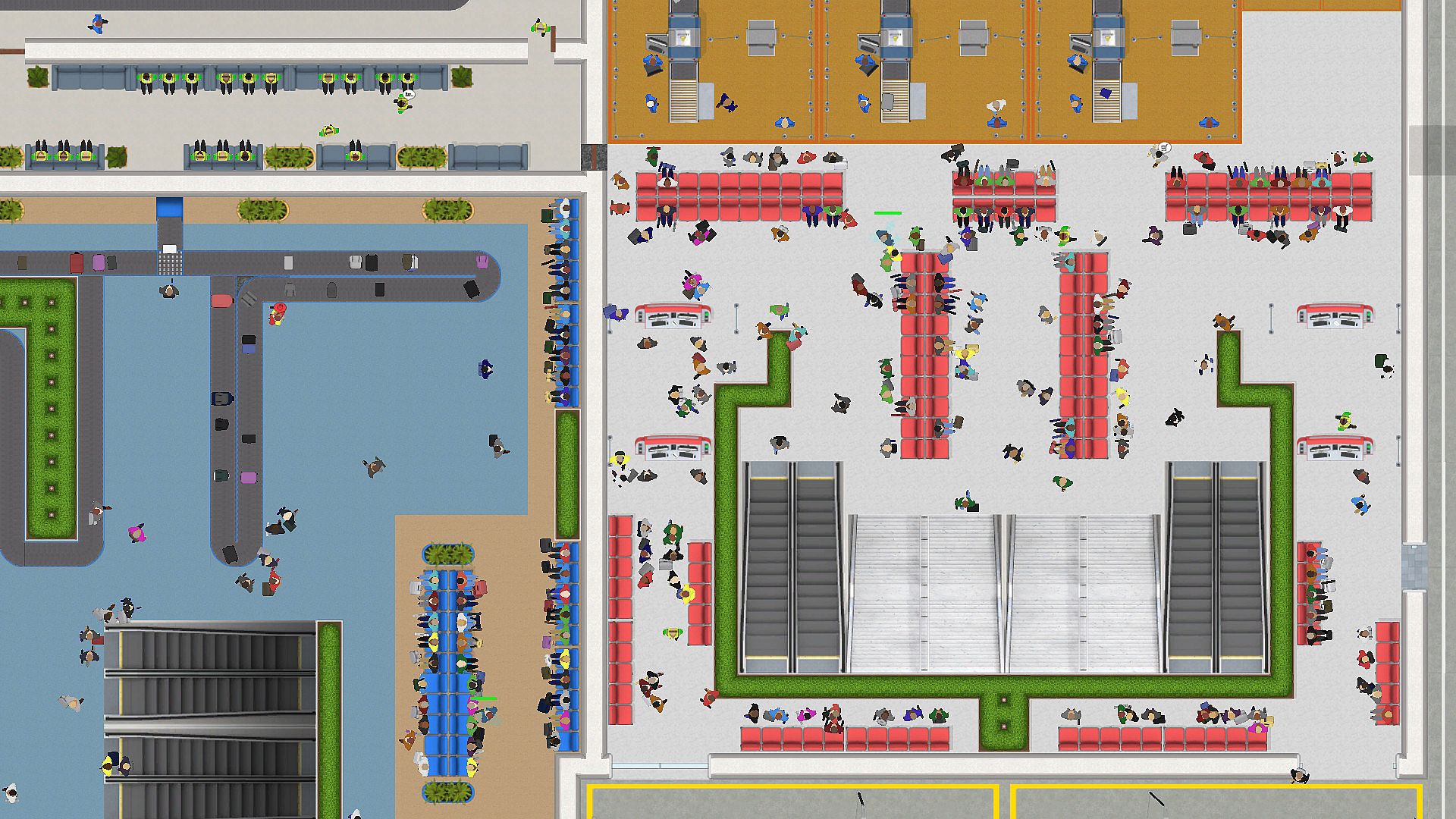
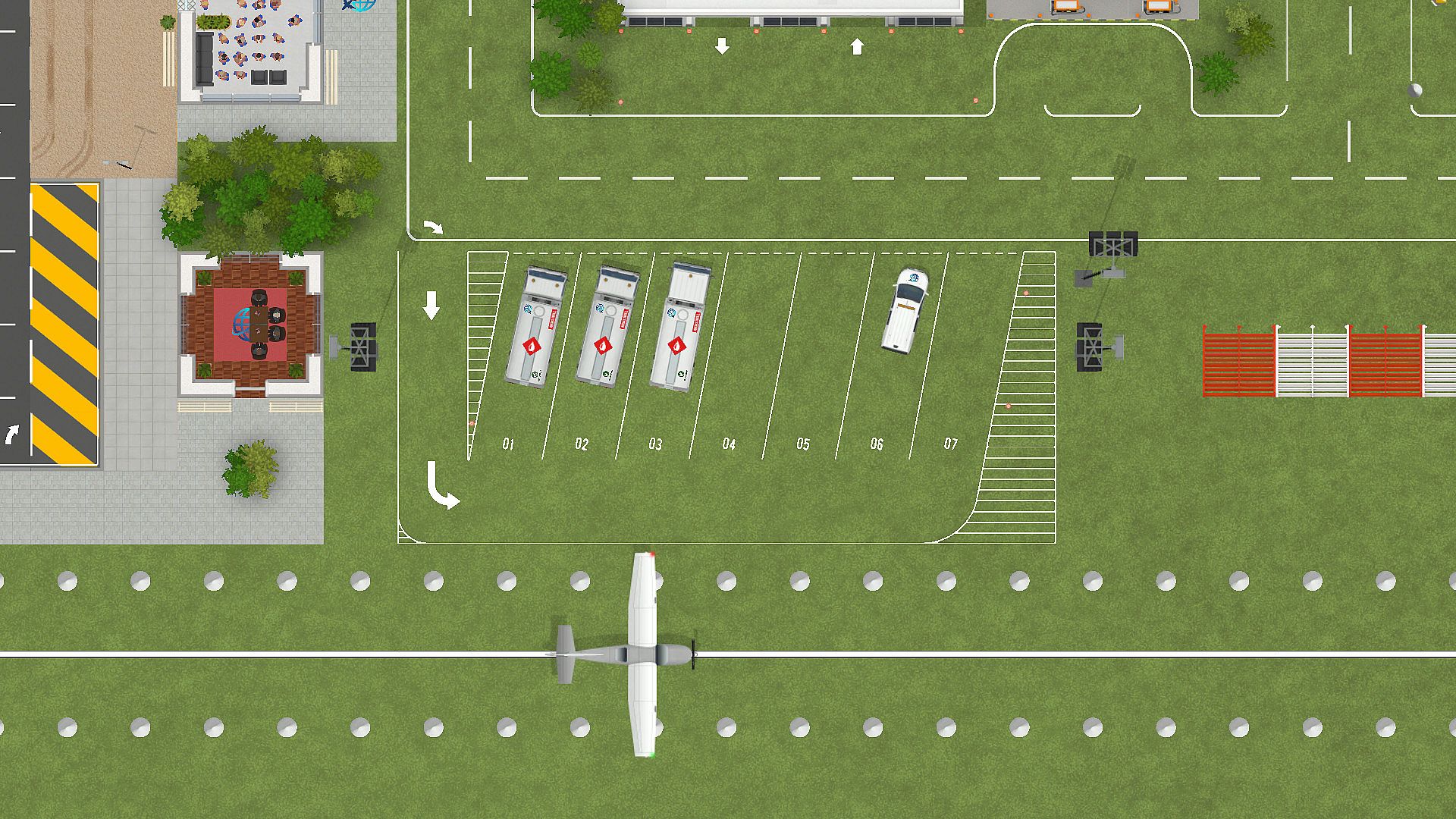
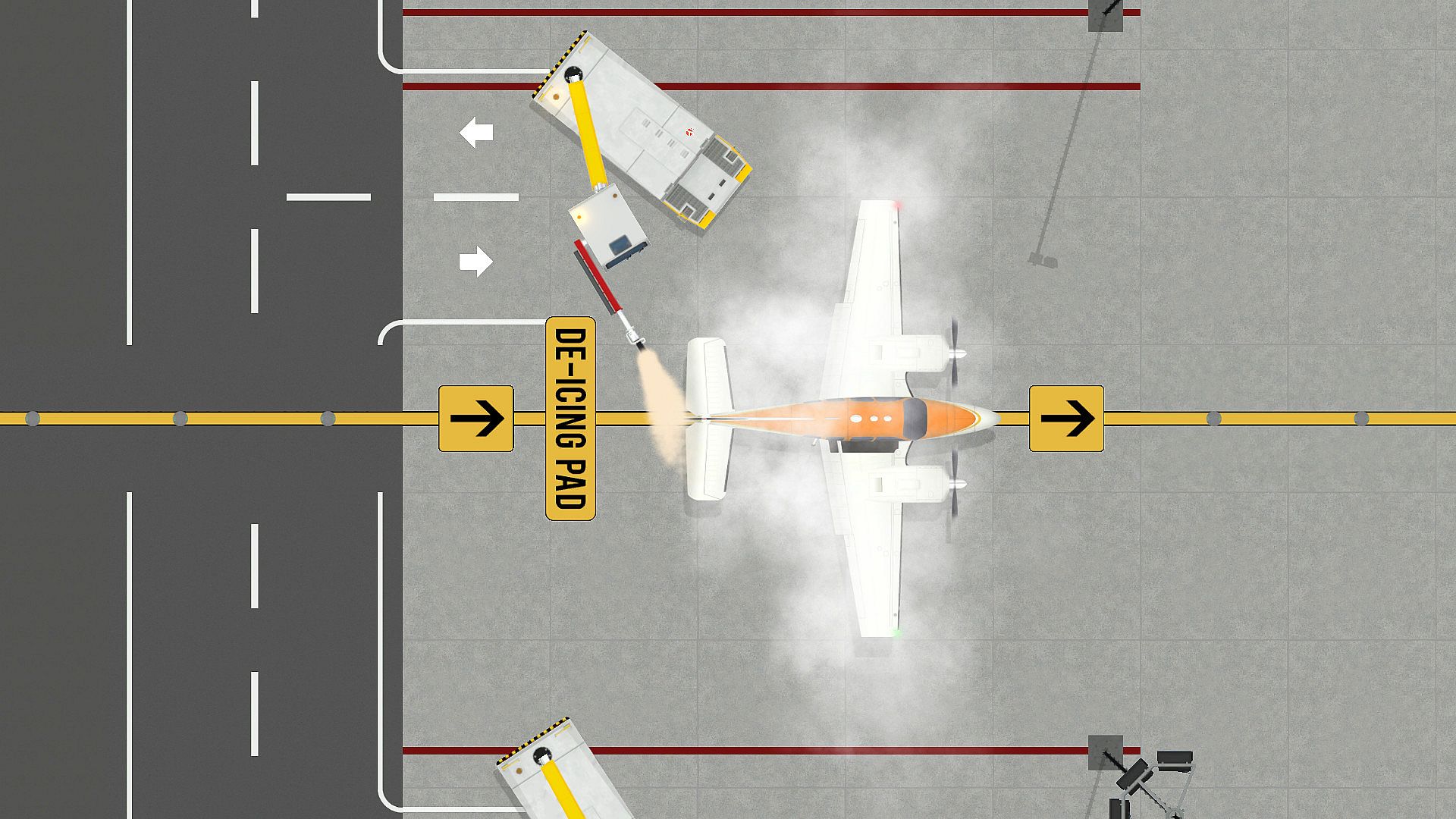
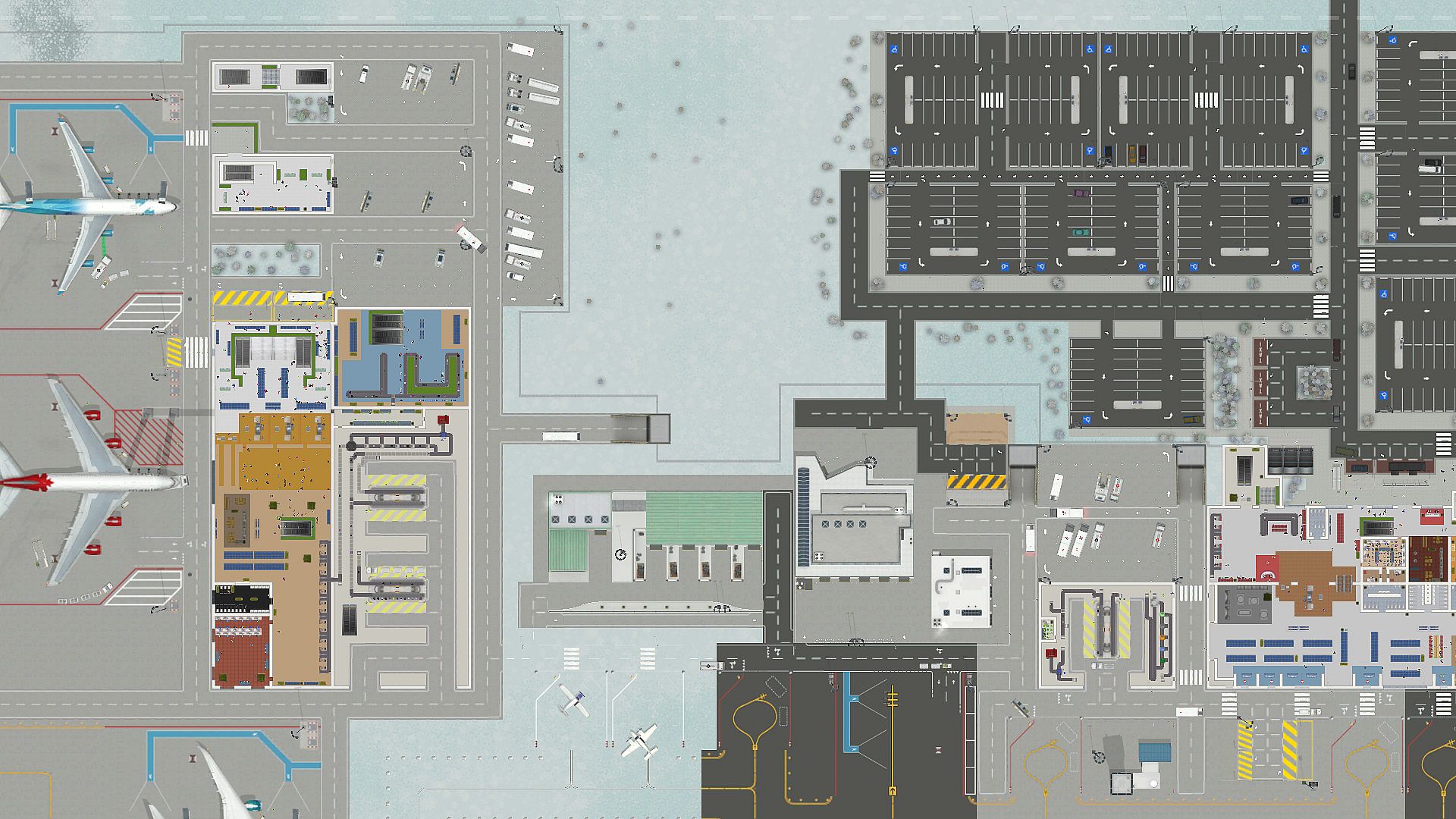
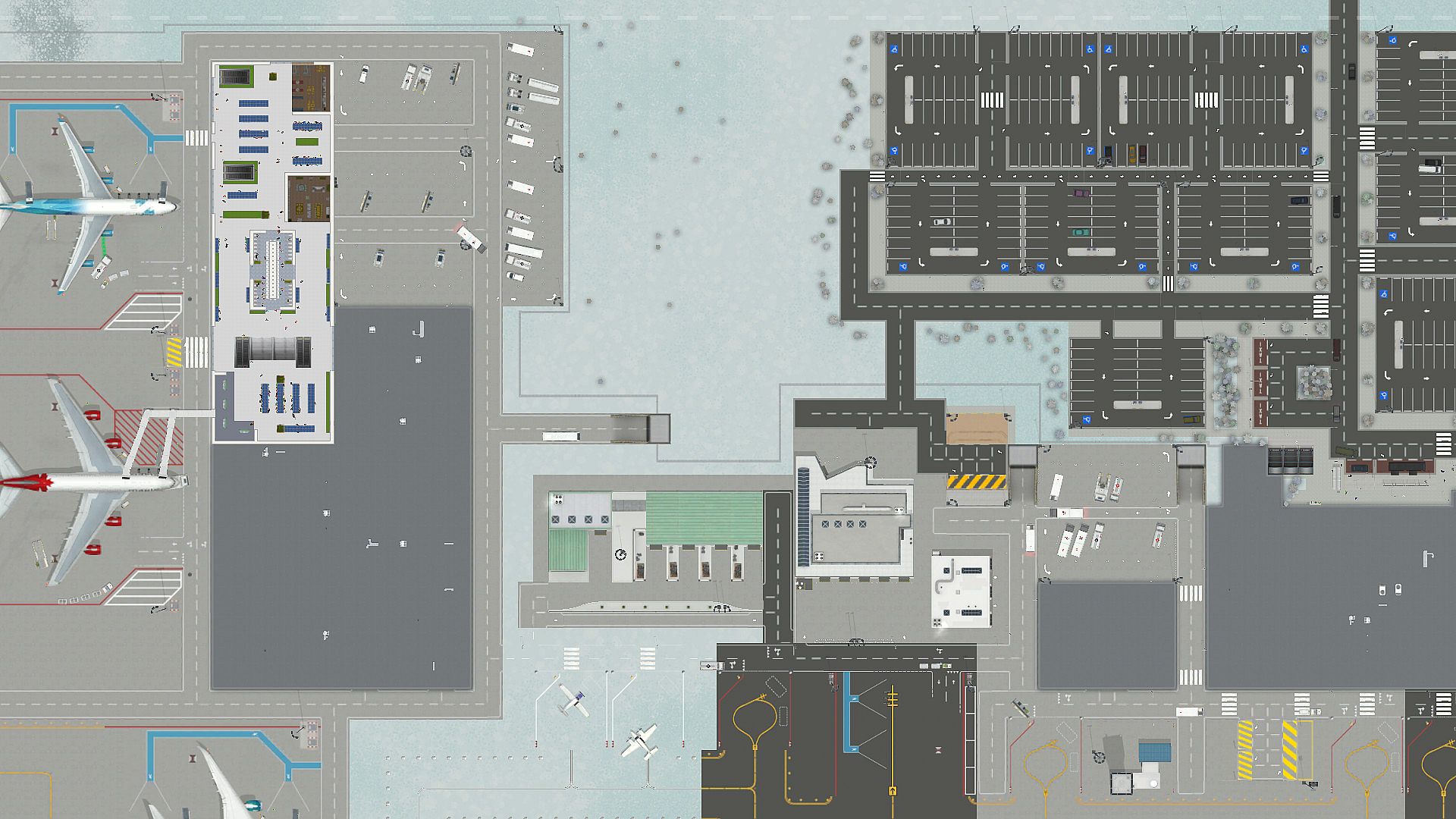
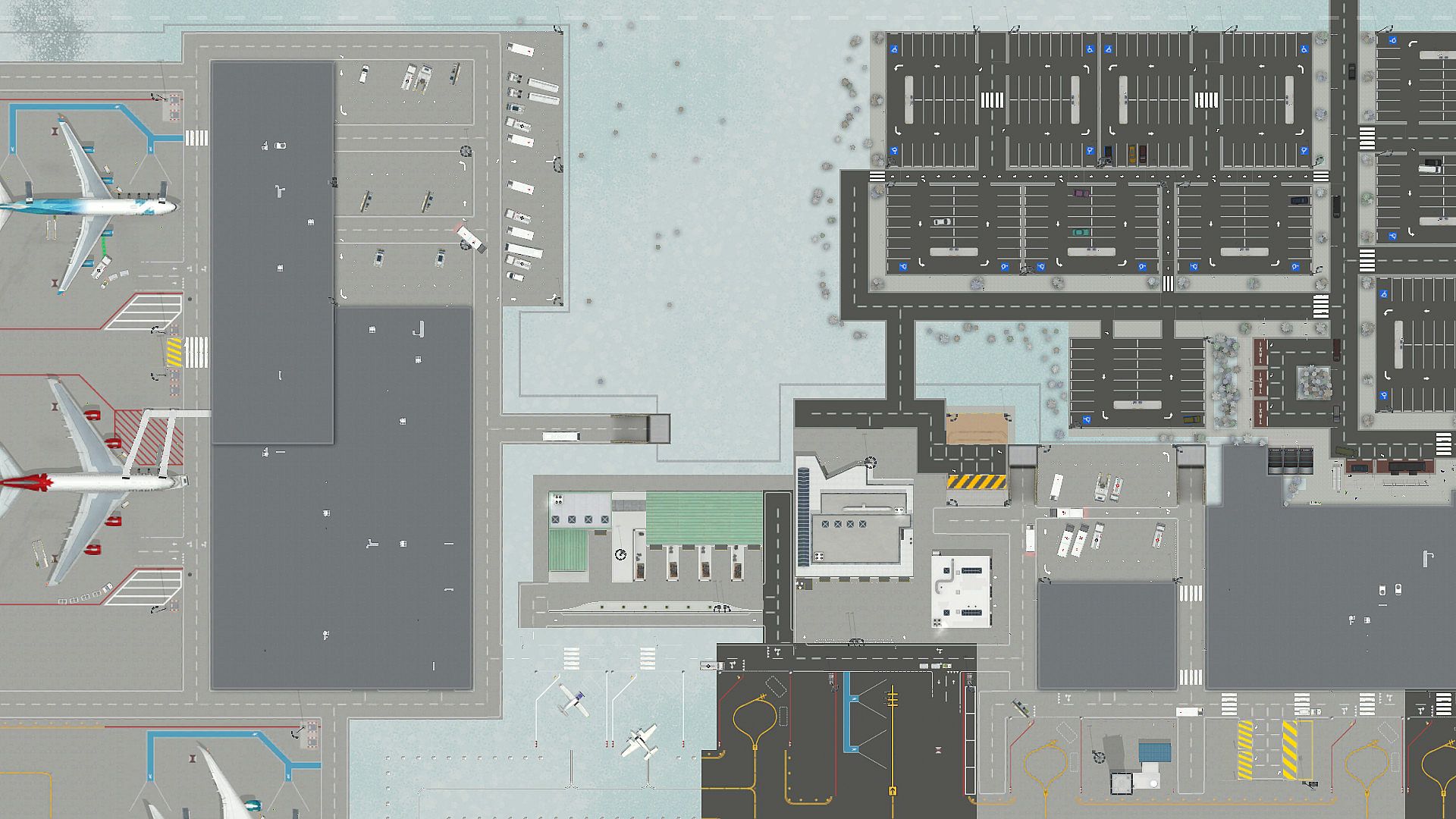
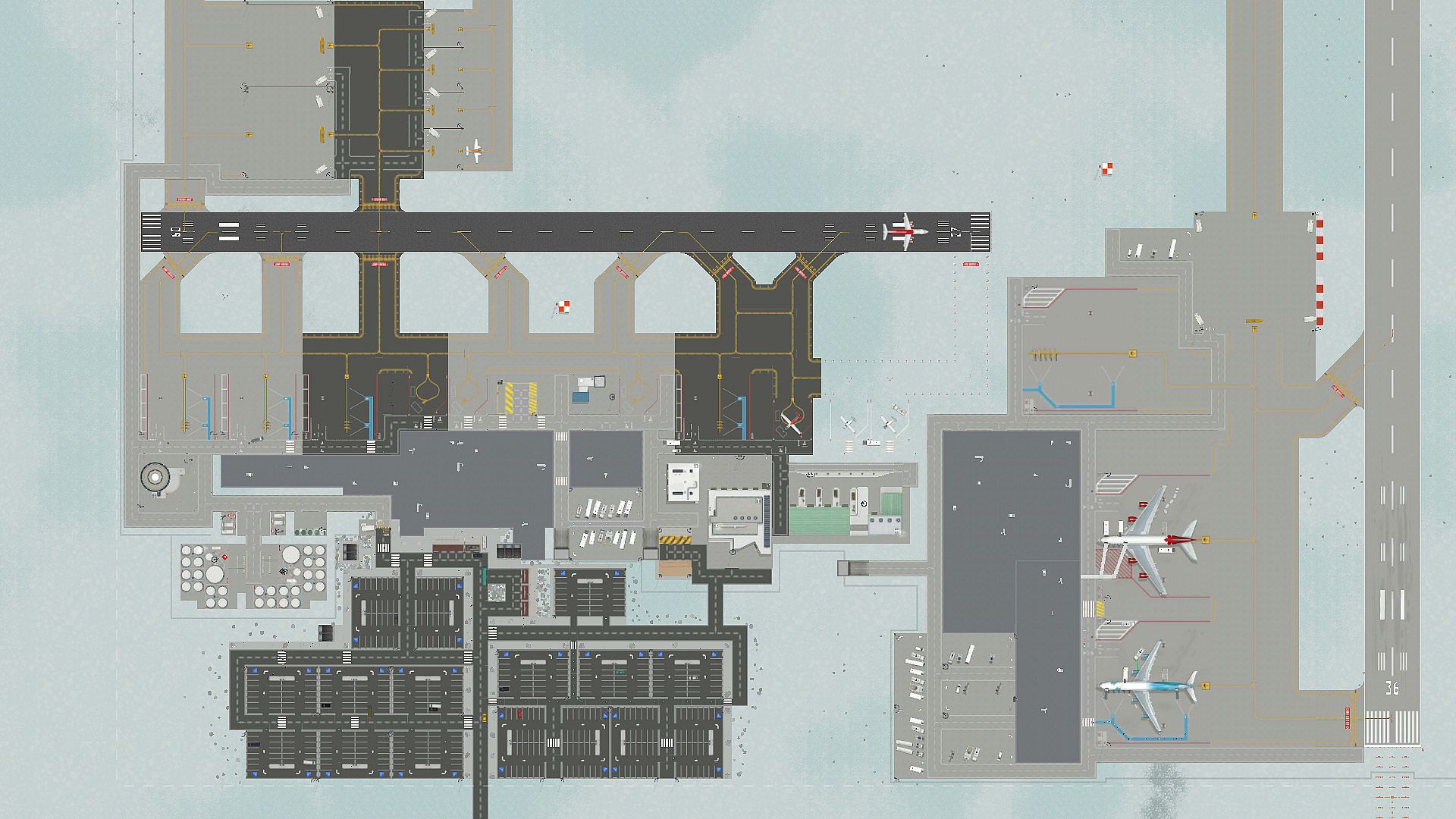
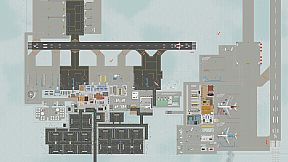
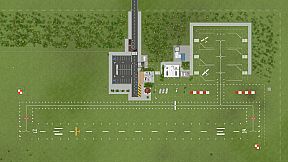
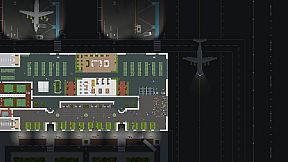
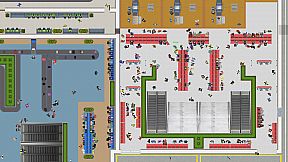
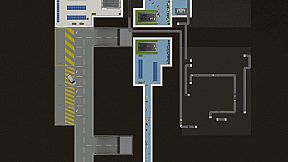
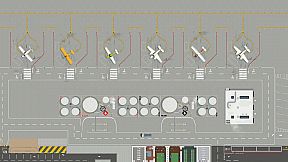
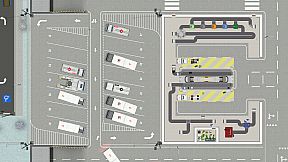
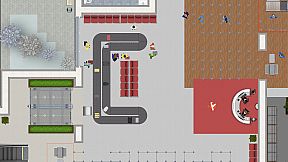
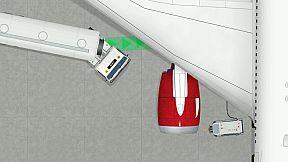
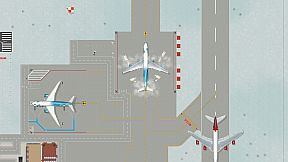
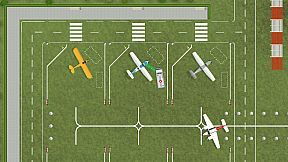
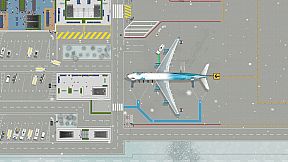
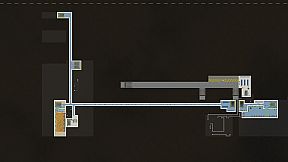
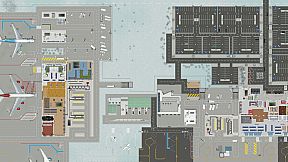
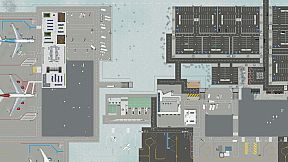
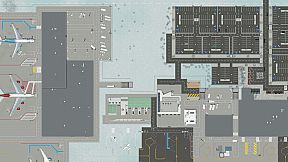
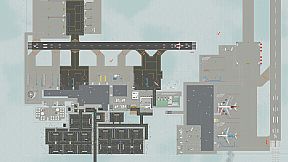
Airport CEO is a strategy, indie, and simulation game where players build and run their own airport from the ground up. The experience centers on designing infrastructure, balancing finances, and overseeing operations in a detailed management environment on PC.
Gameplay
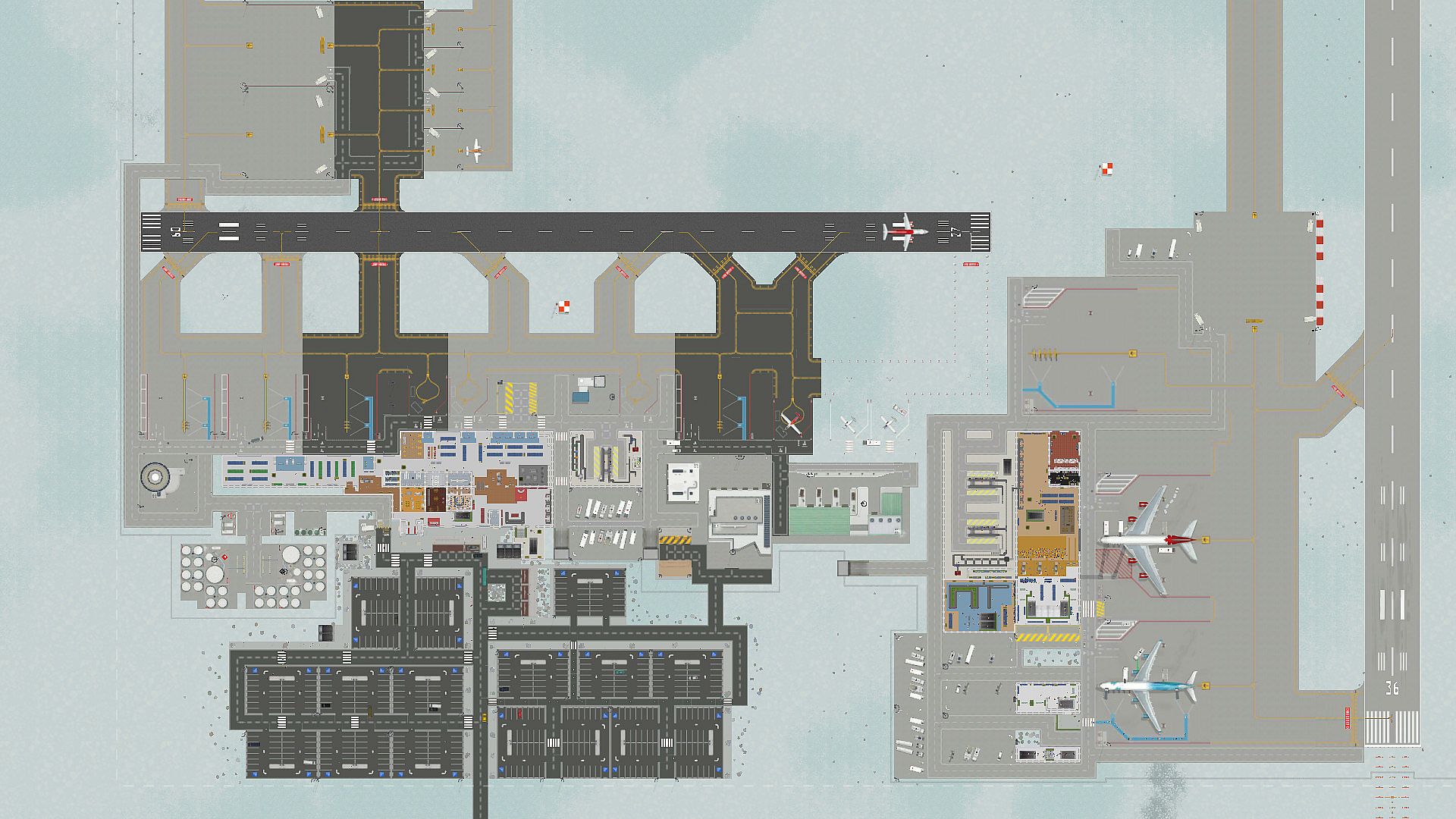
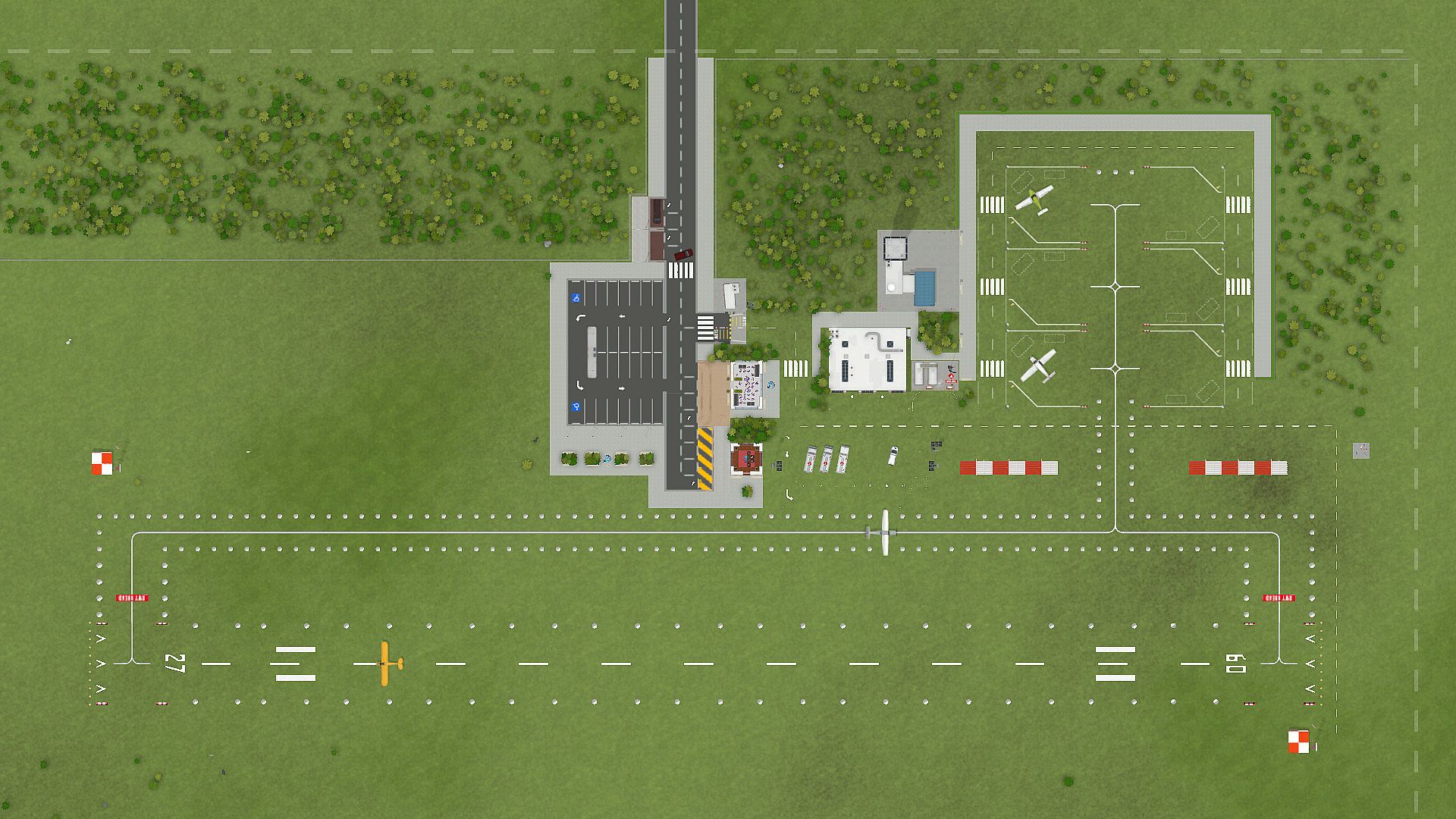
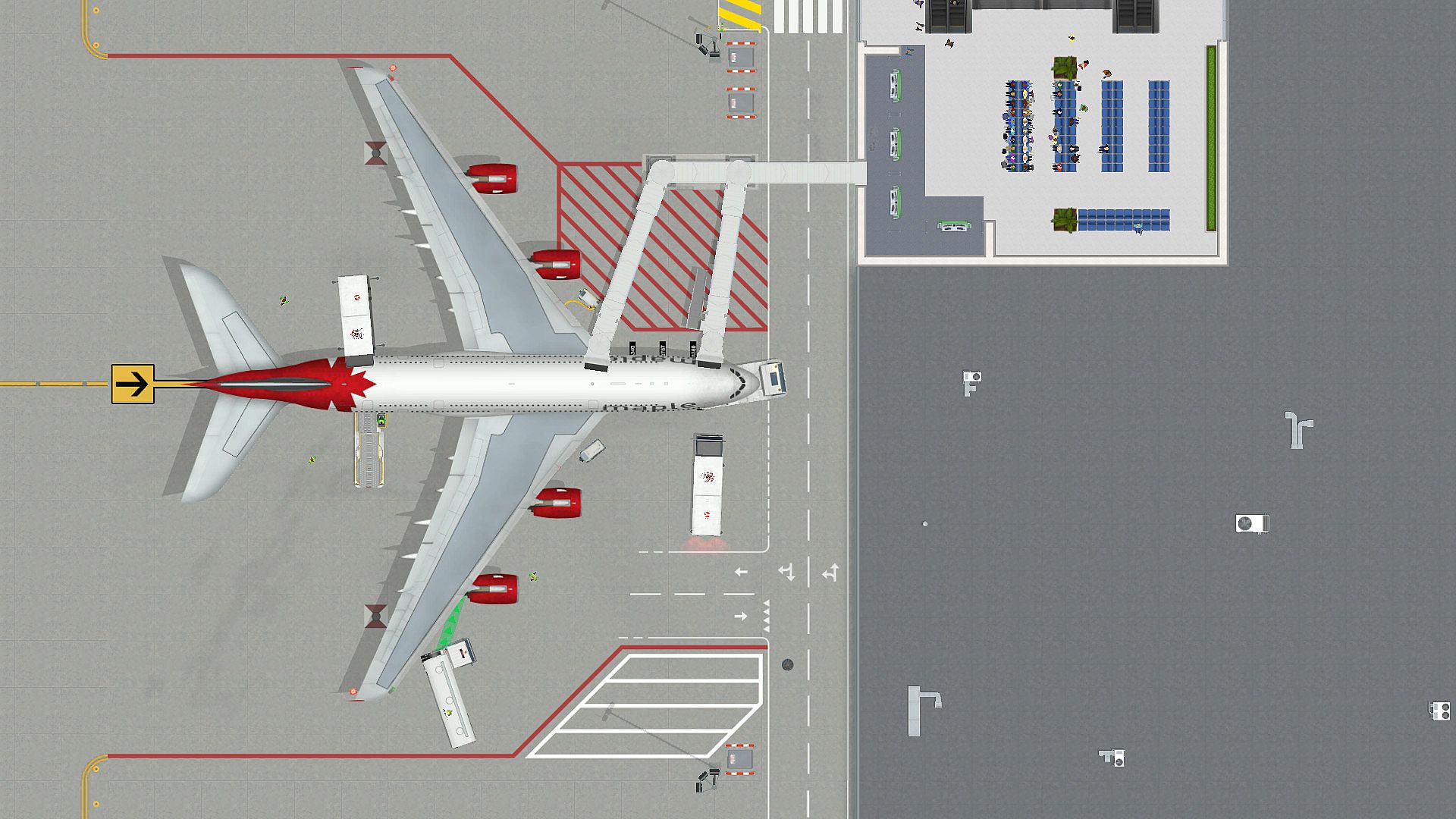
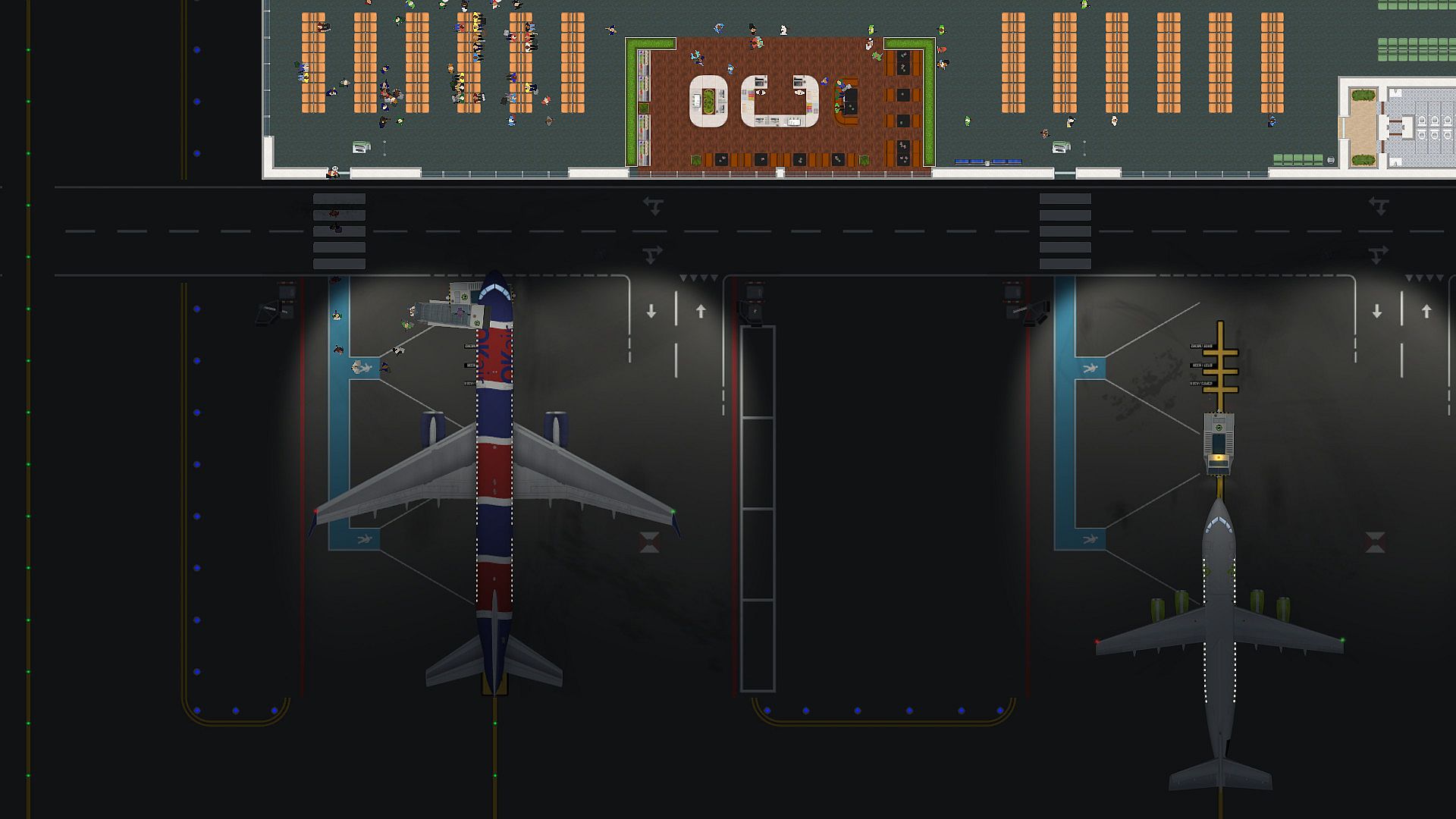
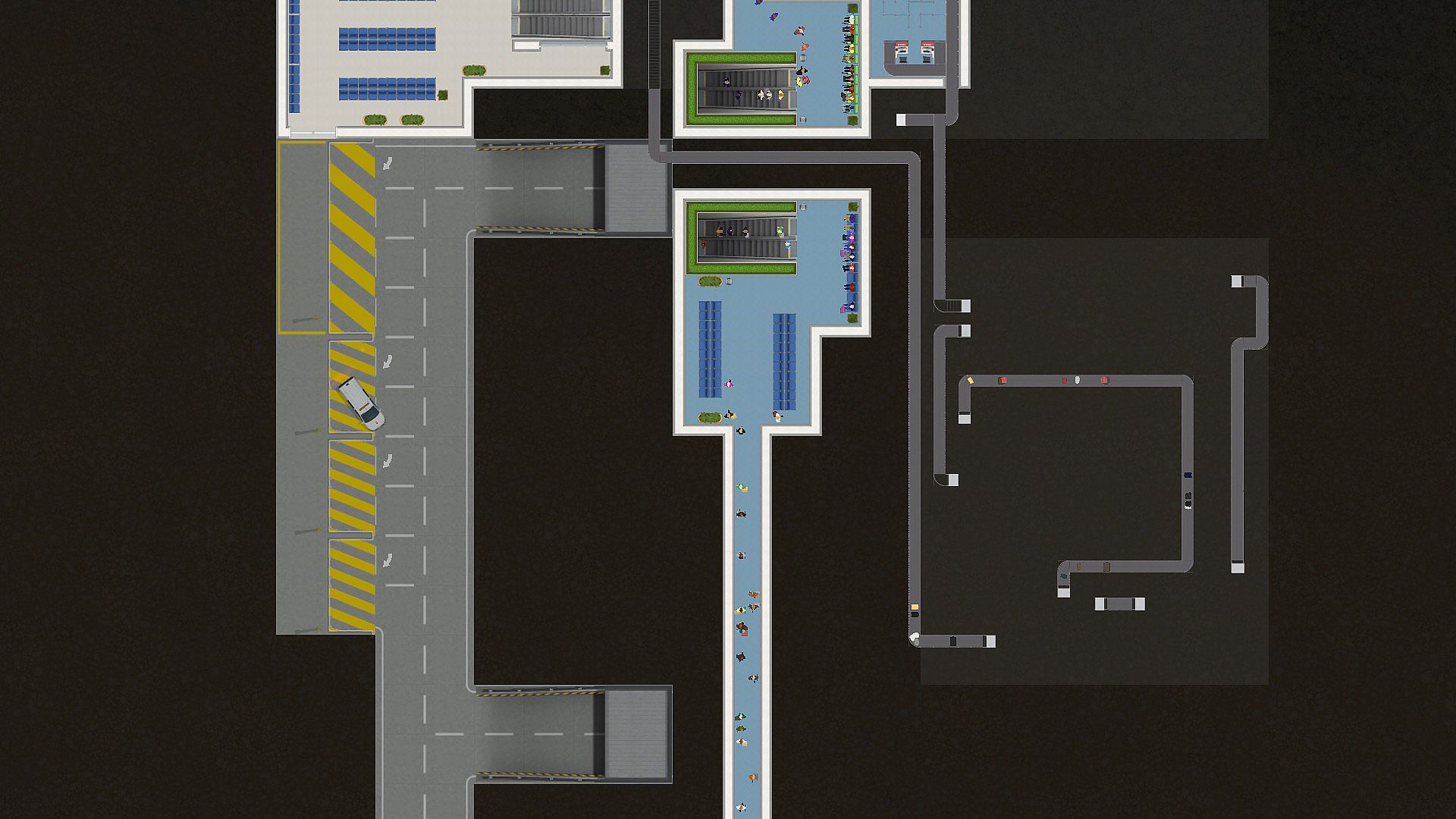
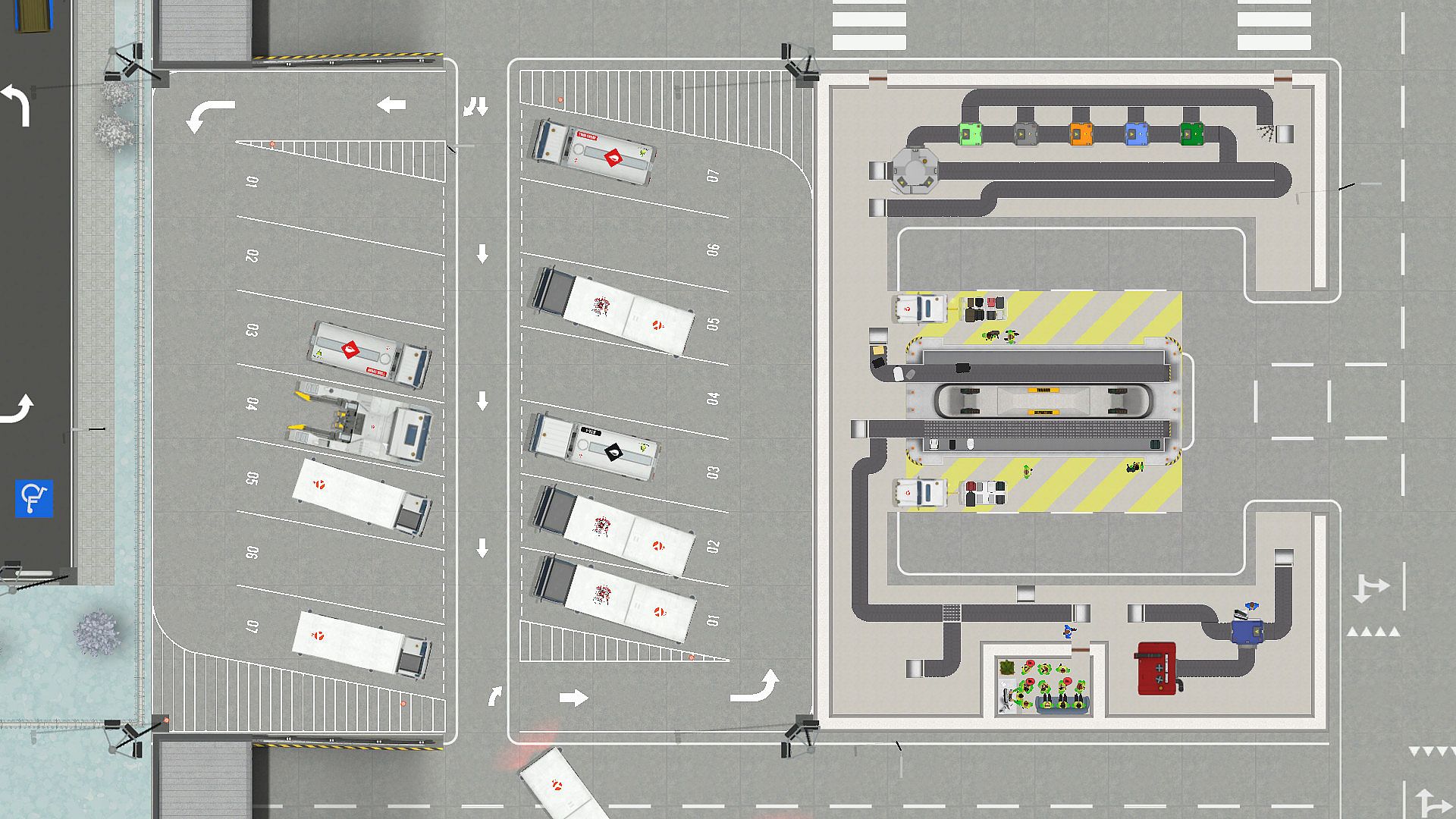
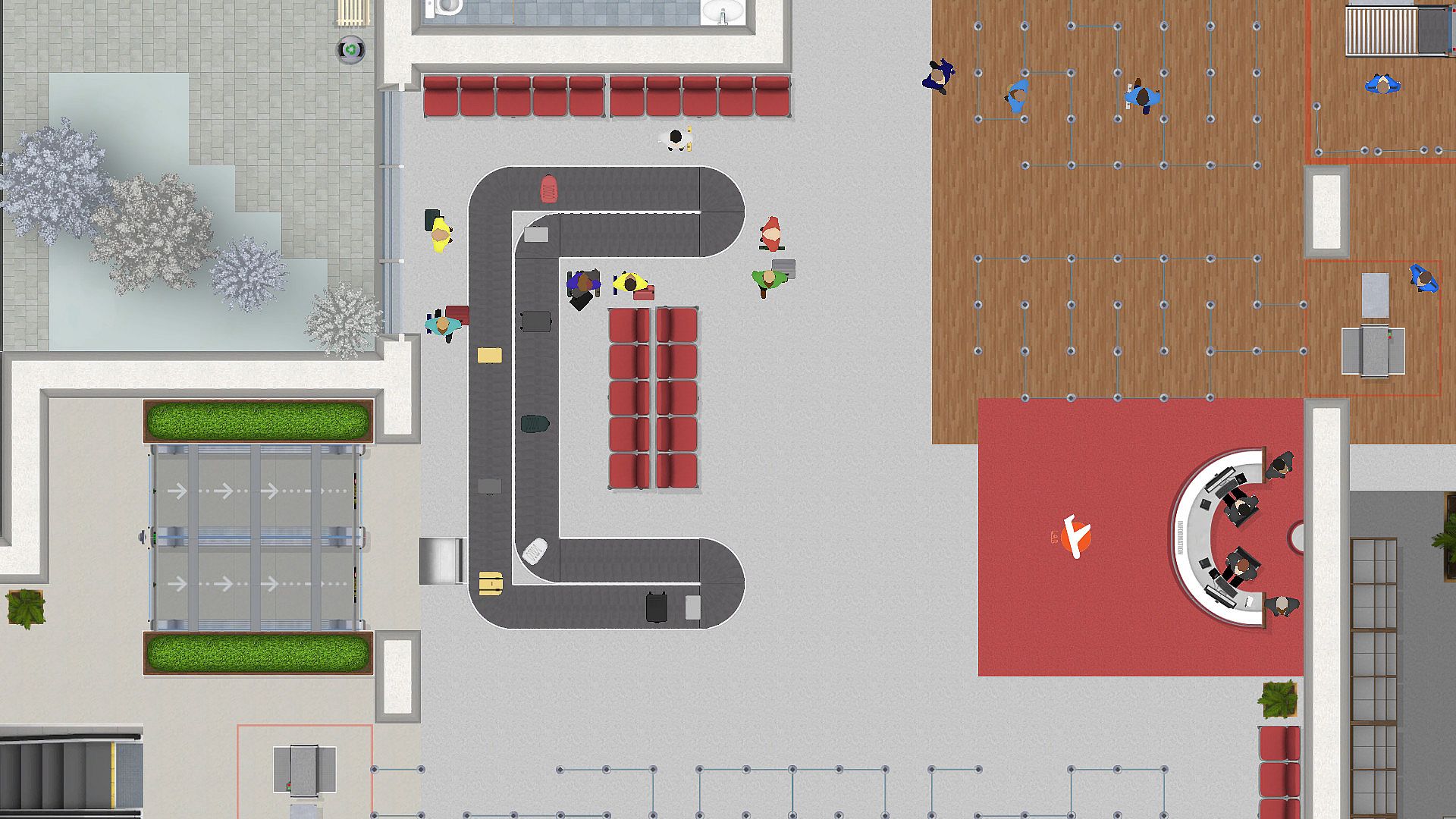
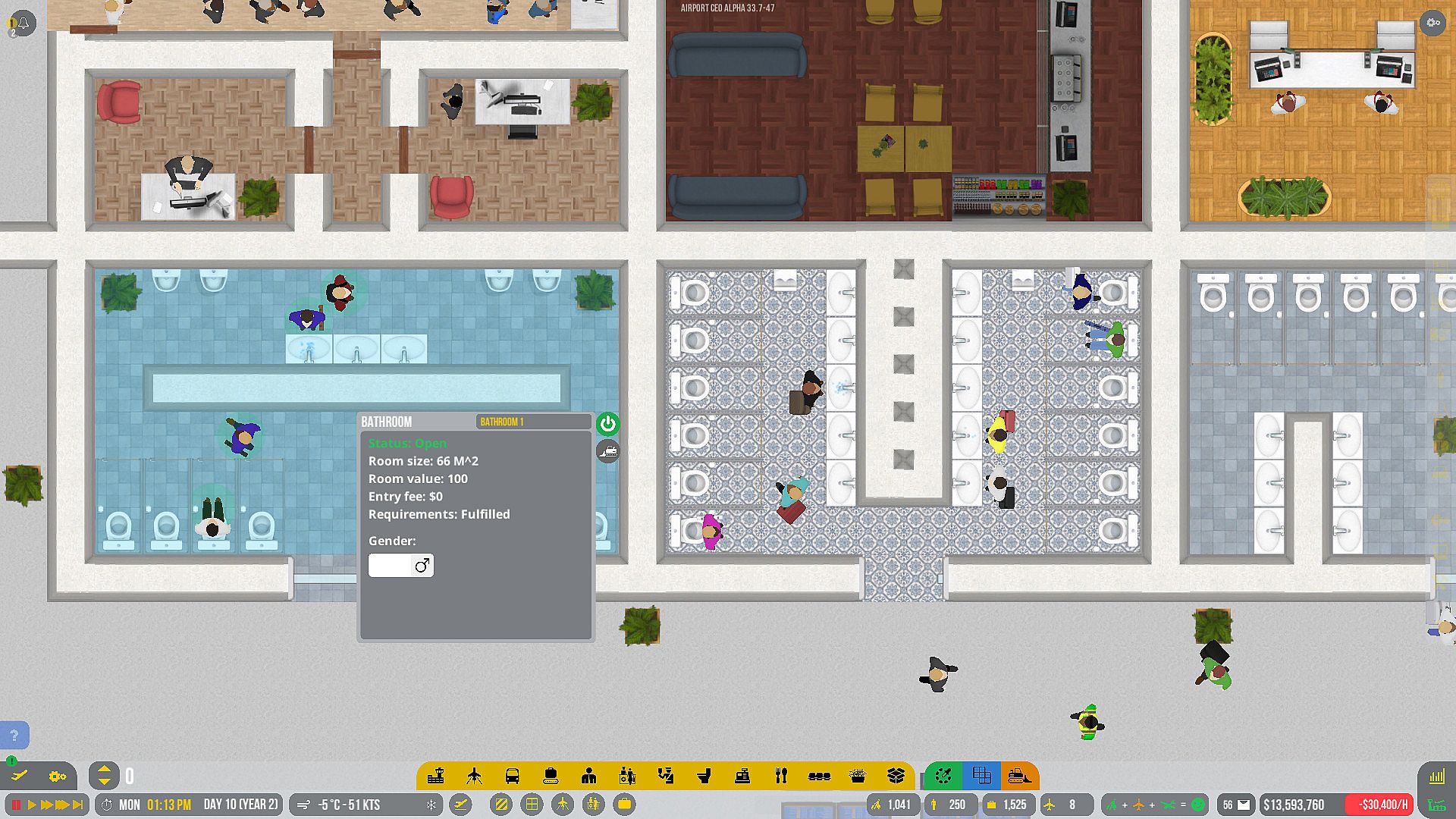
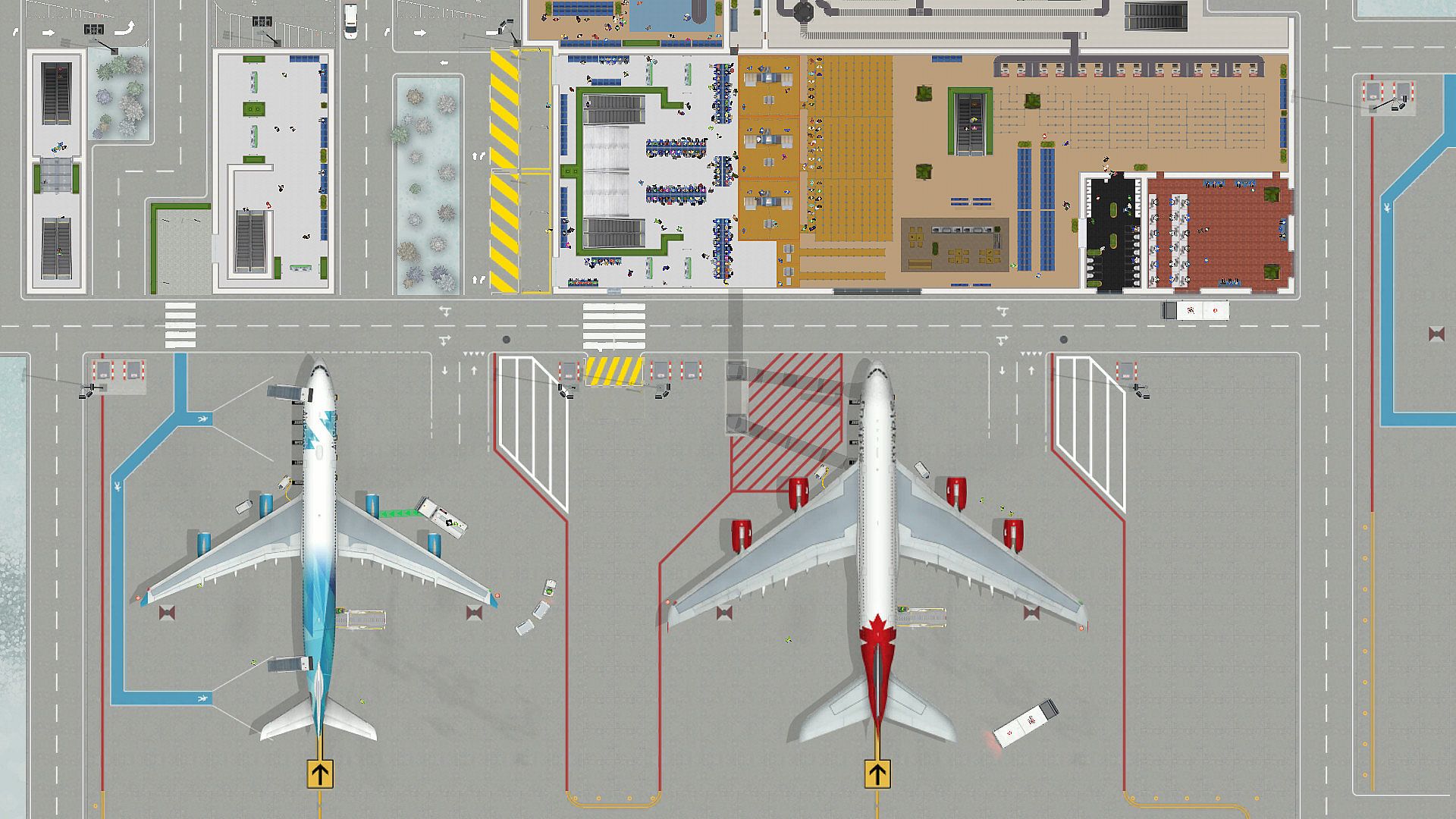
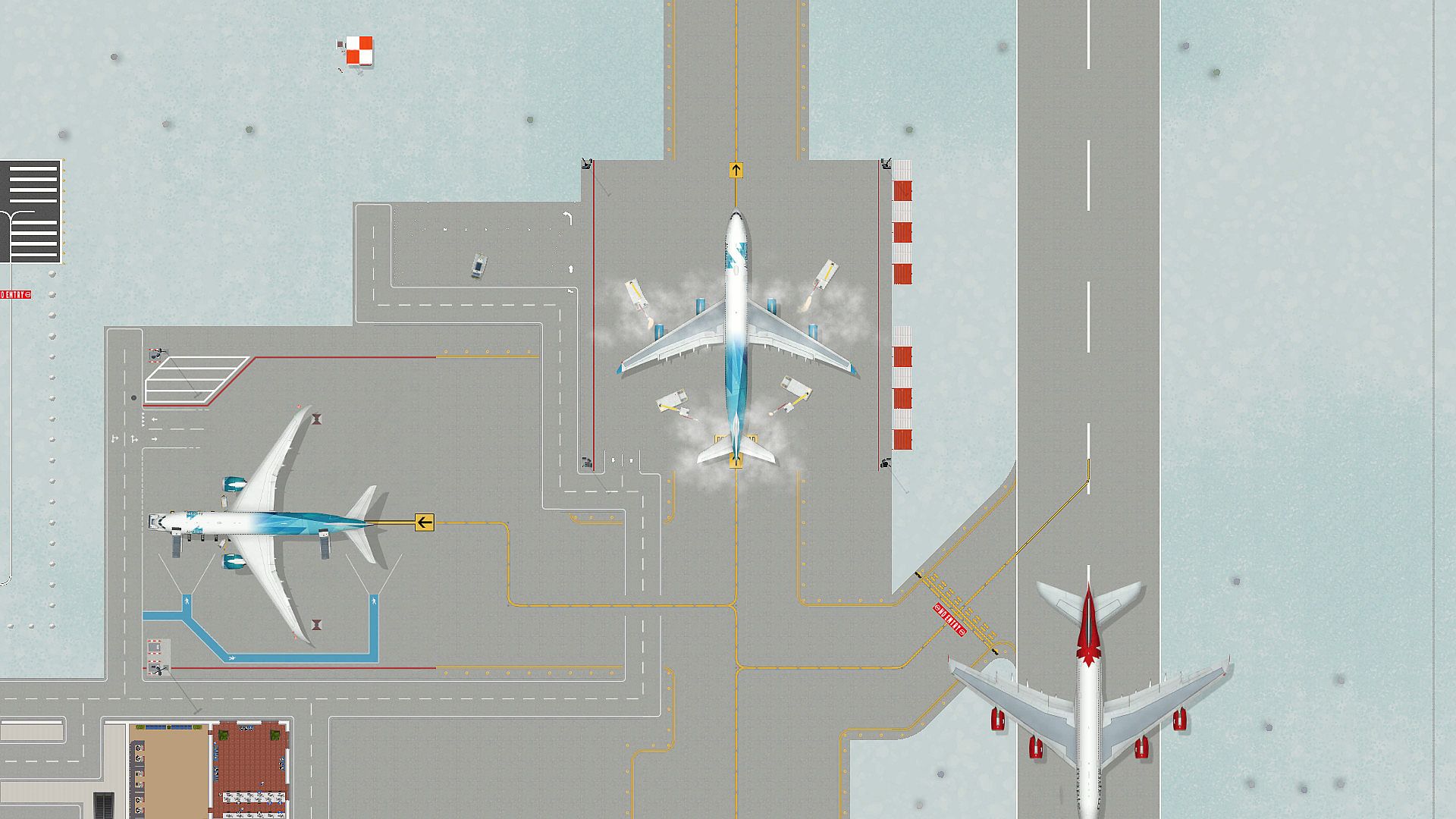
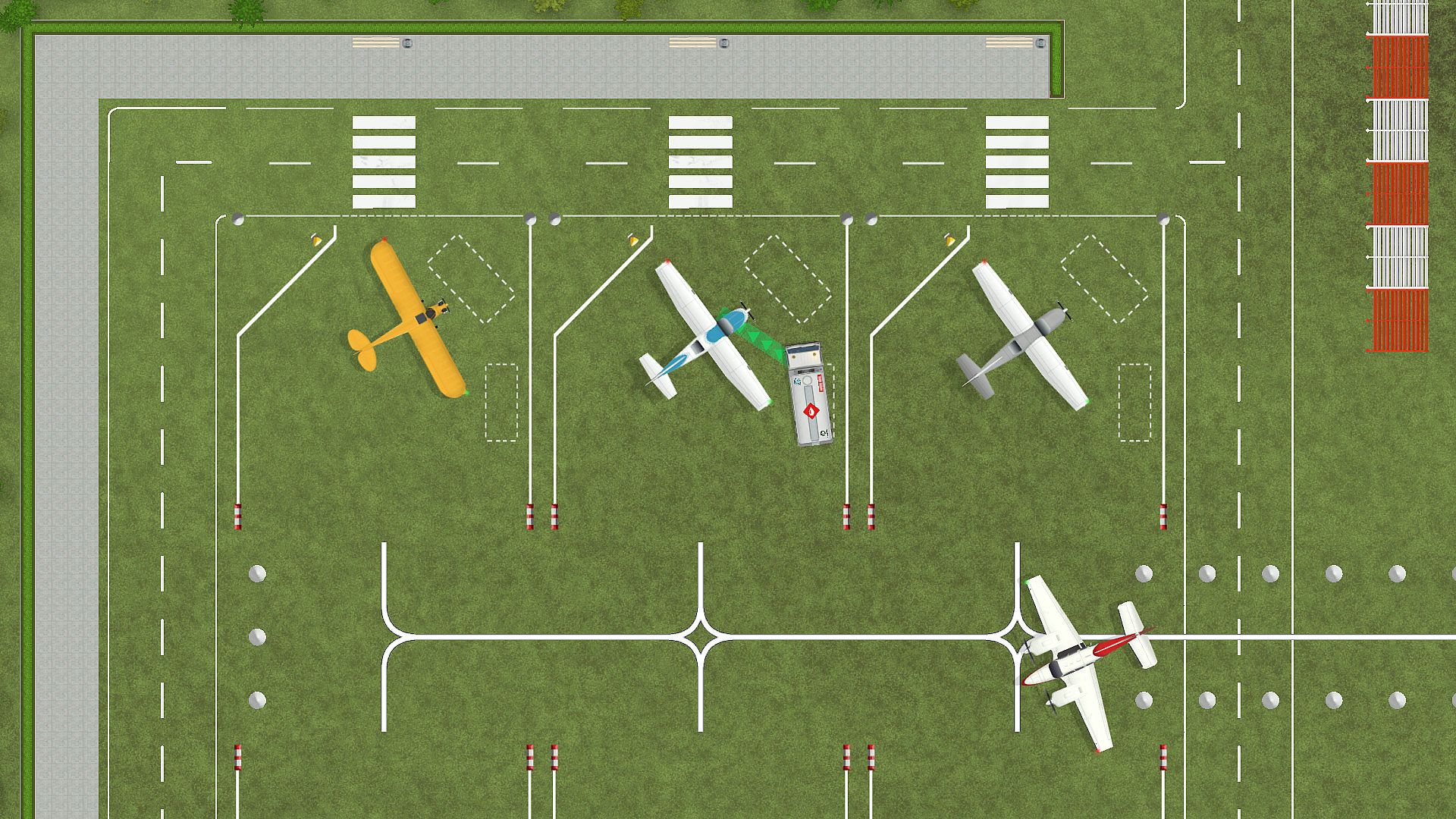
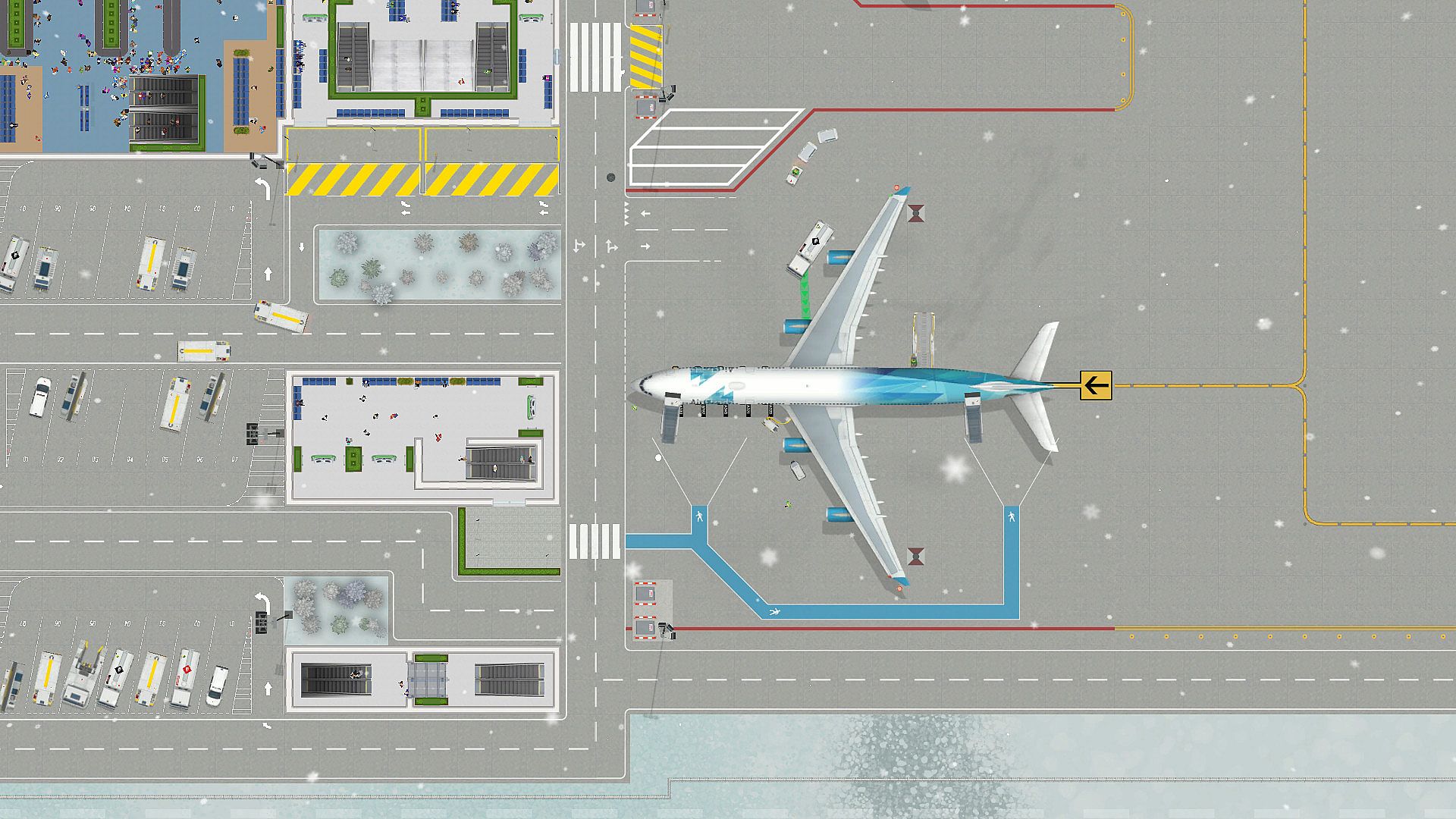
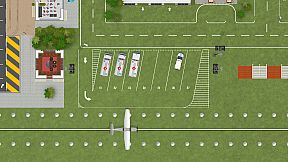
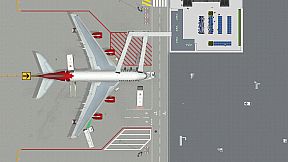
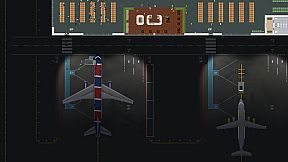
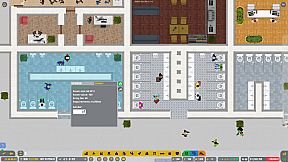
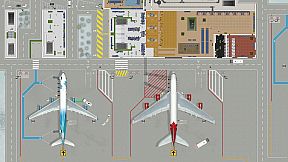
Players start by laying out the core elements of an airport, including runways, taxiways, gates, and aprons. Terminal construction follows with customizable floors, walls, doors, windows, and interior items such as check-in counters, security checkpoints, restaurants, and retail spaces. Every component receives simulation treatment, from baggage handling systems that must match passengers to their correct flights to the flow of arriving travelers through customs and baggage claim.
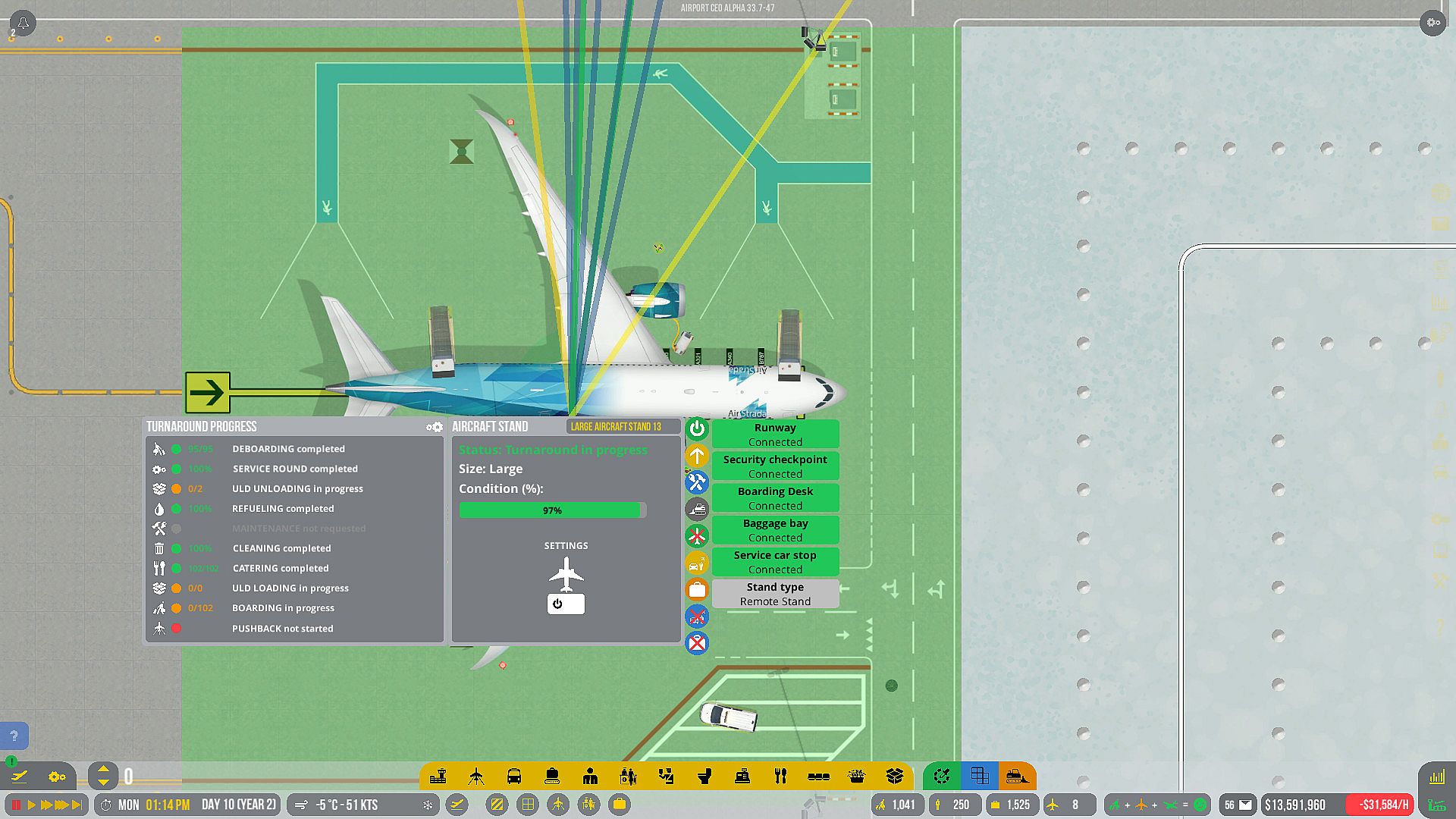
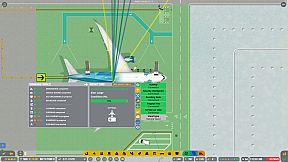
Airline contracts form the primary revenue source. Different carriers bring varying passenger volumes and impose specific requirements on facilities and services. Scheduling flights, meeting airline needs, and responding to disruptions like weather events or equipment issues fall under player responsibility. Passenger satisfaction depends on minimizing wait times, providing helpful staff, and offering amenities that encourage spending.
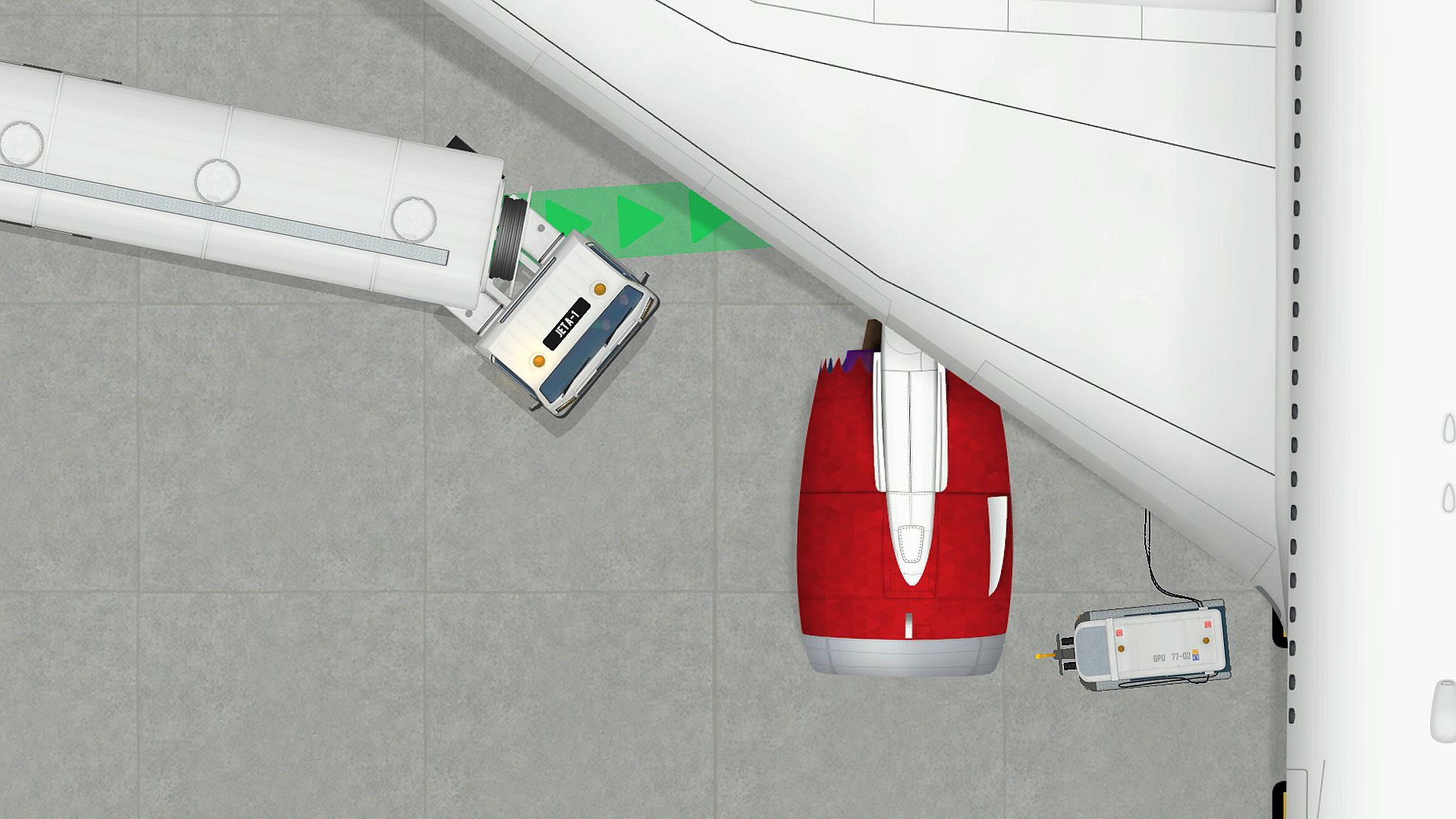
Employees handle day-to-day tasks across multiple roles. Passenger service agents manage lines and check-ins, security officers maintain safety, ramp agents and mechanics service aircraft, while janitors and administrators keep operations running. Hiring the right mix of staff and executives supports growth, and their individual behaviors influence service quality and error rates under pressure.
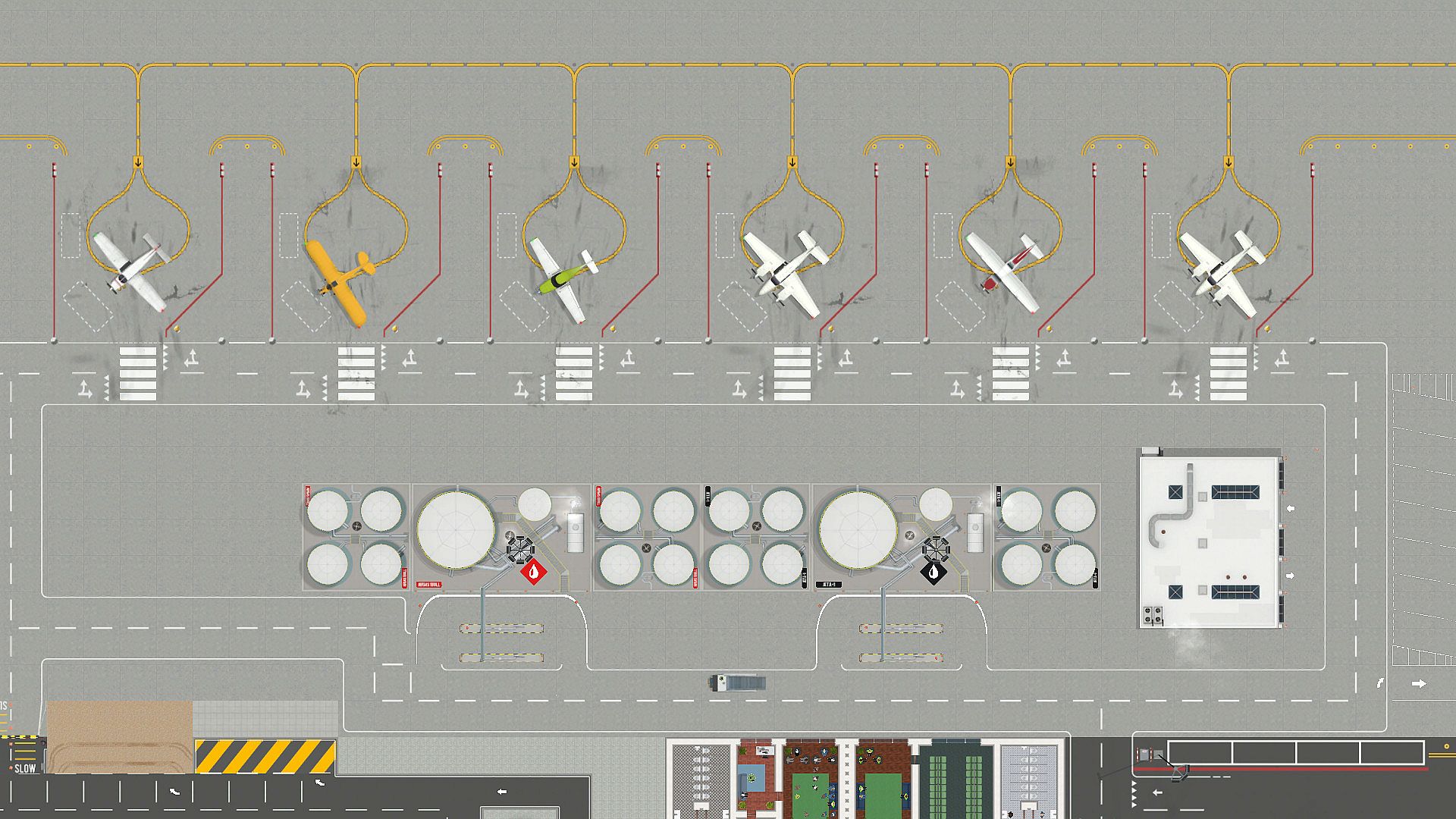
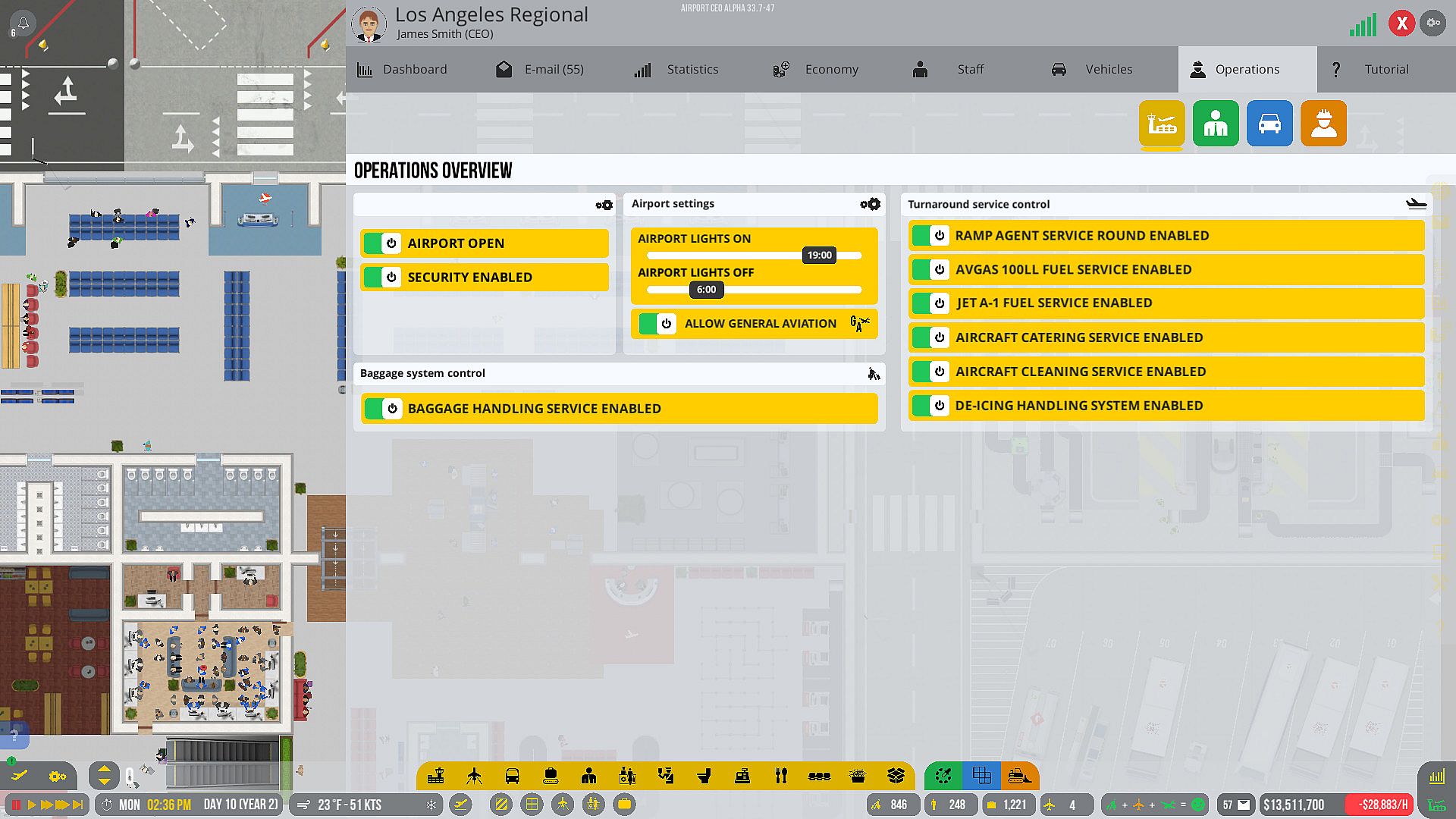
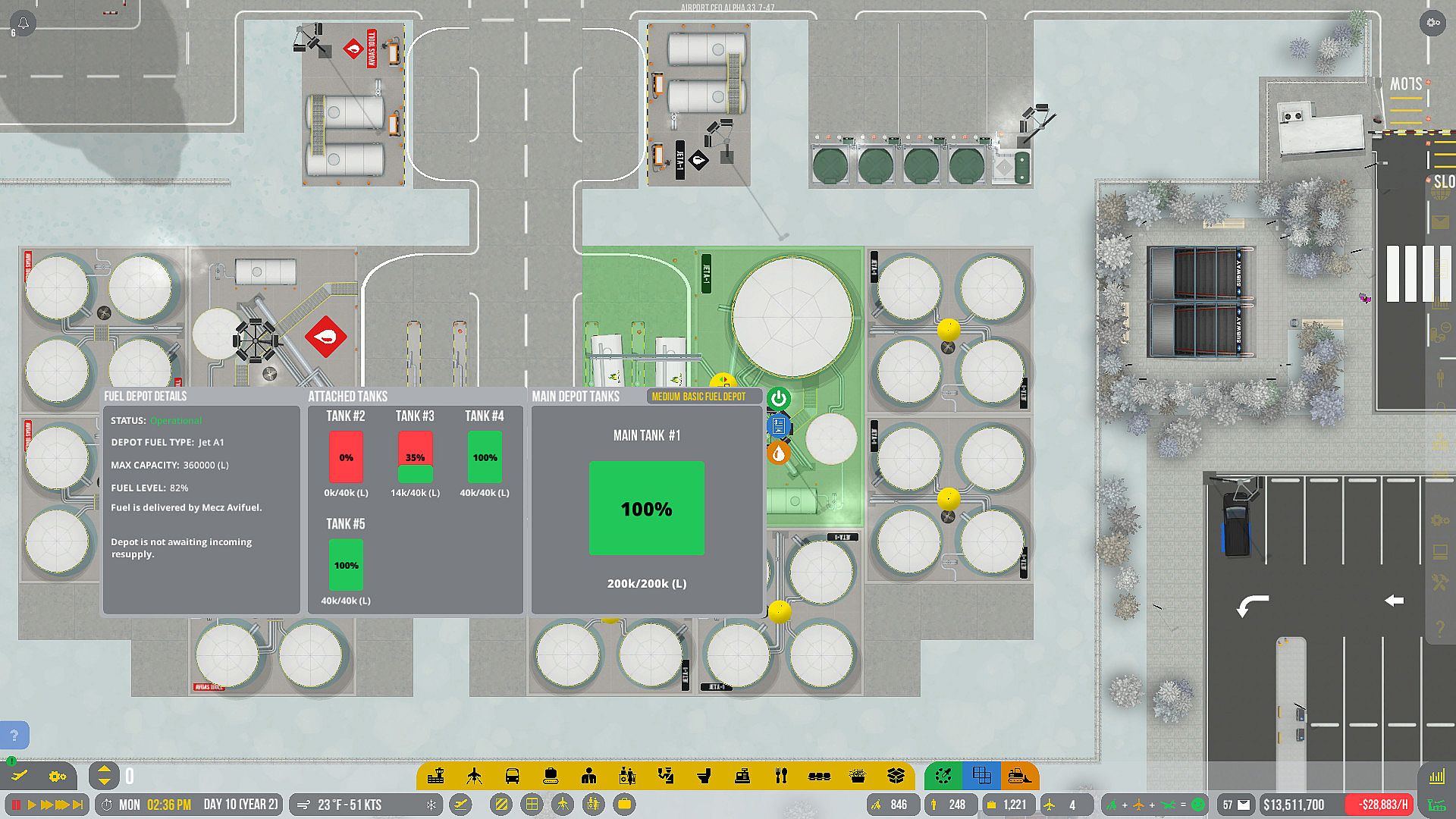
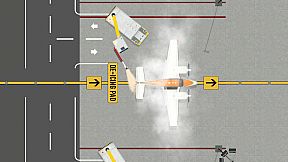
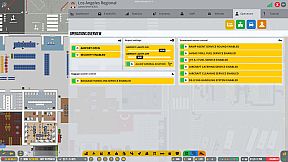
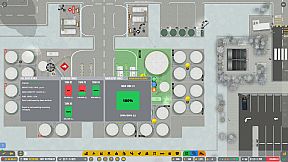
Facilities expand alongside the airport. Air control towers, larger stands, fire stations, fuel depots, and catering services become necessary as capacity increases. Data tools allow the CEO to monitor budgets, resources, and performance metrics, supporting decisions on pricing, staffing, and automation through dedicated departments.
Game Modes
Two primary modes structure the experience. Campaign mode presents a sequence of objectives and challenges that guide airport development, unlocking new options and technologies through progressive milestones. Sandbox mode removes those constraints, granting full freedom to design and expand without specific goals or resource limits.
Both modes incorporate the same core simulation systems for passengers, airlines, employees, and infrastructure. Players manage incidents such as delays or emergencies in either setting, testing layout efficiency and operational planning.
Airlines, Passengers, and Operations
Airlines vary in size and demands, requiring tailored gate assignments, service levels, and scheduling to maintain contracts and steady income. Passenger agents process arrivals and departures while individuals exhibit unique needs and reactions shaped by wait times, signage, and available amenities. Information desks, expanded security lanes, and retail options address common complaints and improve throughput.
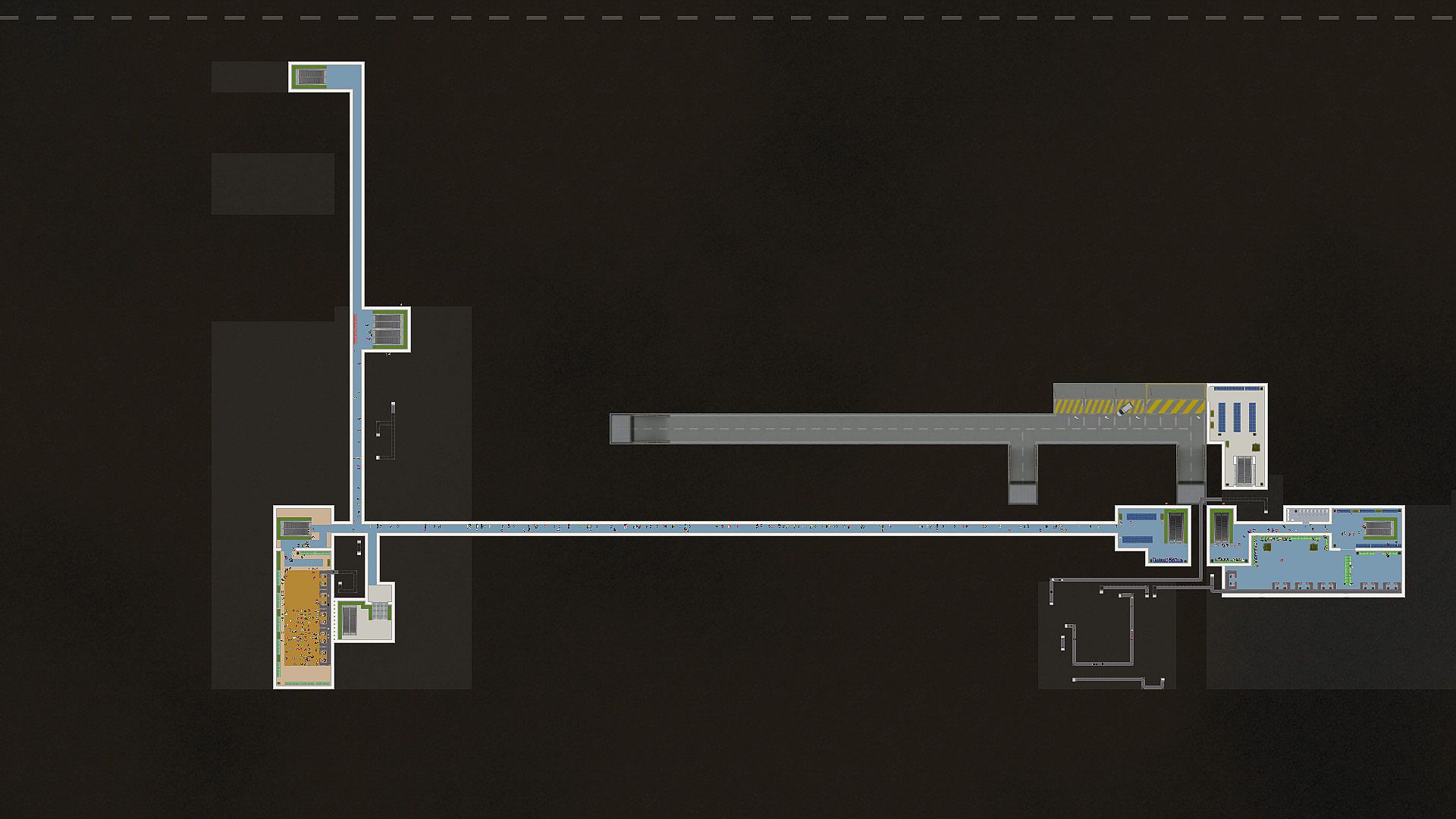
Operational challenges arise naturally from the simulation. Stressed staff, breakdowns, or adverse weather can cascade into delays, forcing adjustments to layouts or resources. Baggage systems demand careful routing to prevent bottlenecks between check-in and aircraft loading.
Facilities and Business Management
Terminal interiors support detailed customization of shapes and contents to optimize passenger movement. External infrastructure grows with demand, adding specialized buildings for safety, maintenance, and support services. As CEO, oversight extends to hiring specialists like a CFO for financial analysis or informatics teams for automated scheduling.
Budget tracking and contract negotiations keep the airport viable. Positive cash flow enables further expansion, while poor decisions lead to shortfalls that affect staffing and upgrades.
Is It Worth Playing?
Airport CEO suits players who enjoy intricate management simulations focused on planning, resource allocation, and system optimization. The full release arrived in 2021 after Early Access development, with ongoing maintenance updates that address stability and compatibility. Those drawn to tycoon-style building and operational oversight will find depth in the interconnected mechanics for passengers, airlines, and staff. Individuals seeking lighter or less detailed experiences may find the simulation demands substantial time and attention to layout and staffing. The game remains available as a complete title with its core systems intact.














