

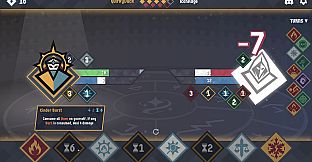
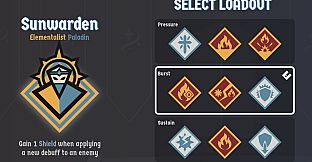
Aether League is a turn-based strategy game with indie roots and asynchronous multiplayer elements on PC. Players build custom duelists and compete against loadouts created by others in matches that unfold without queues or timers.
Gameplay
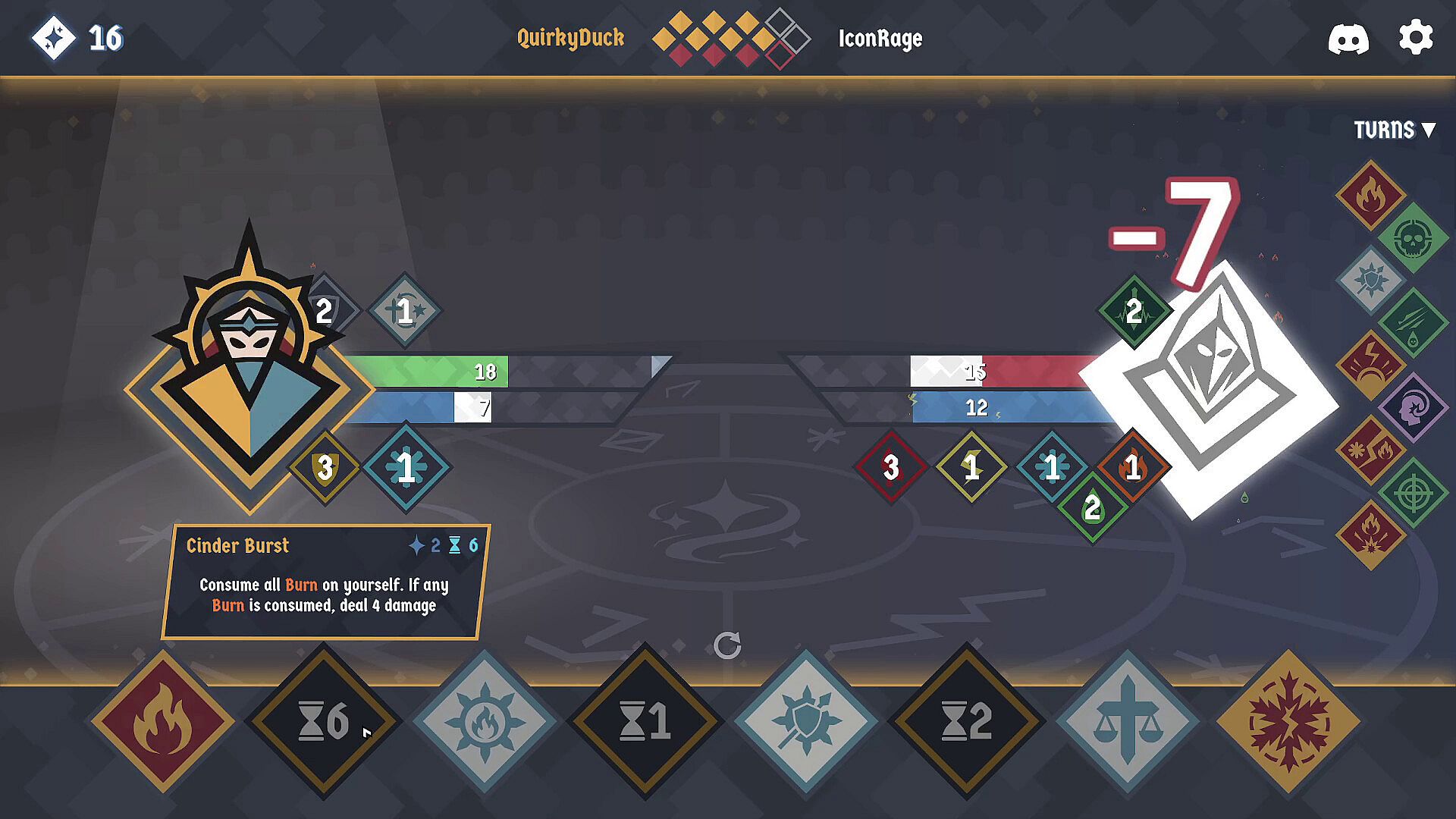
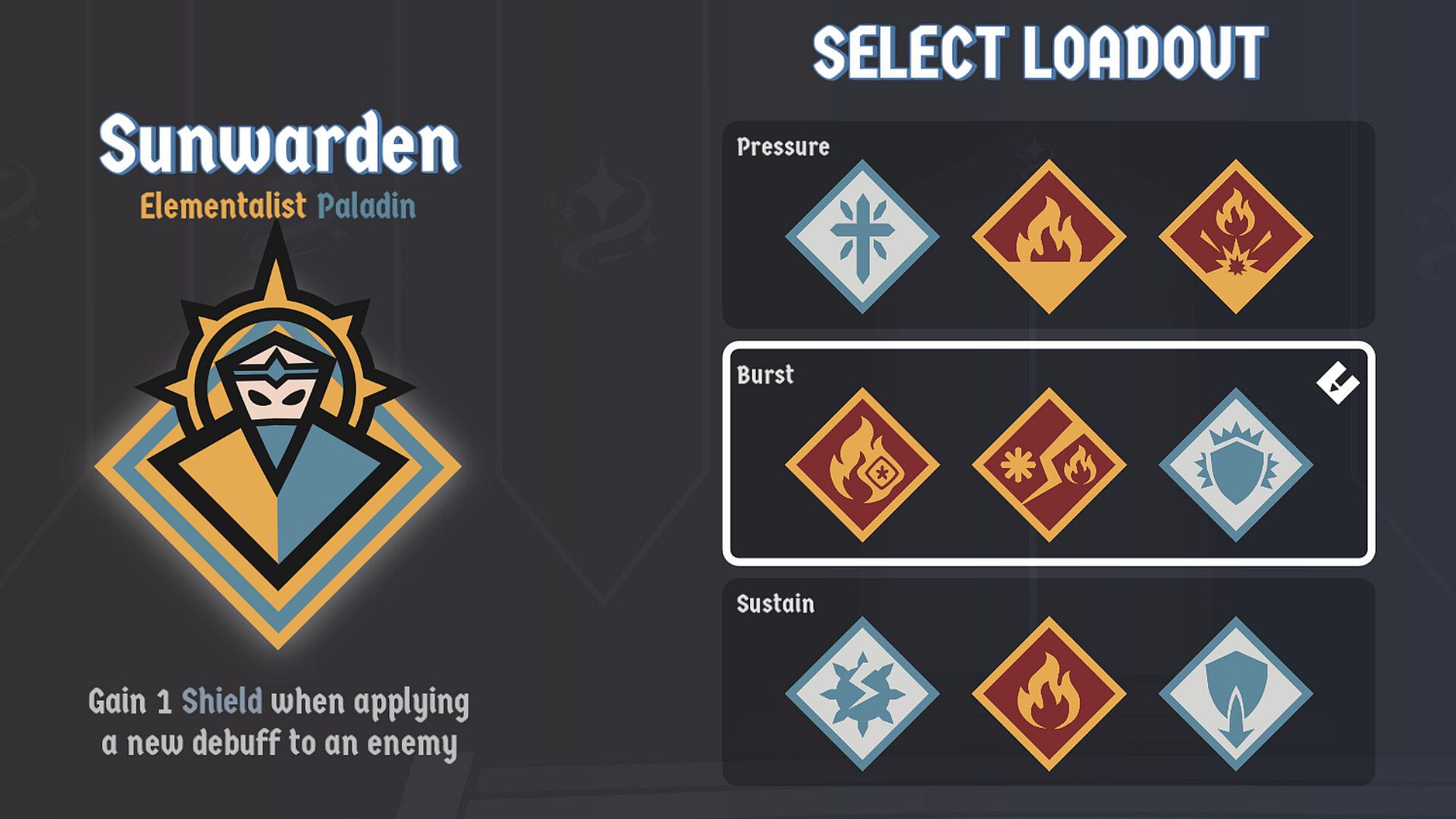
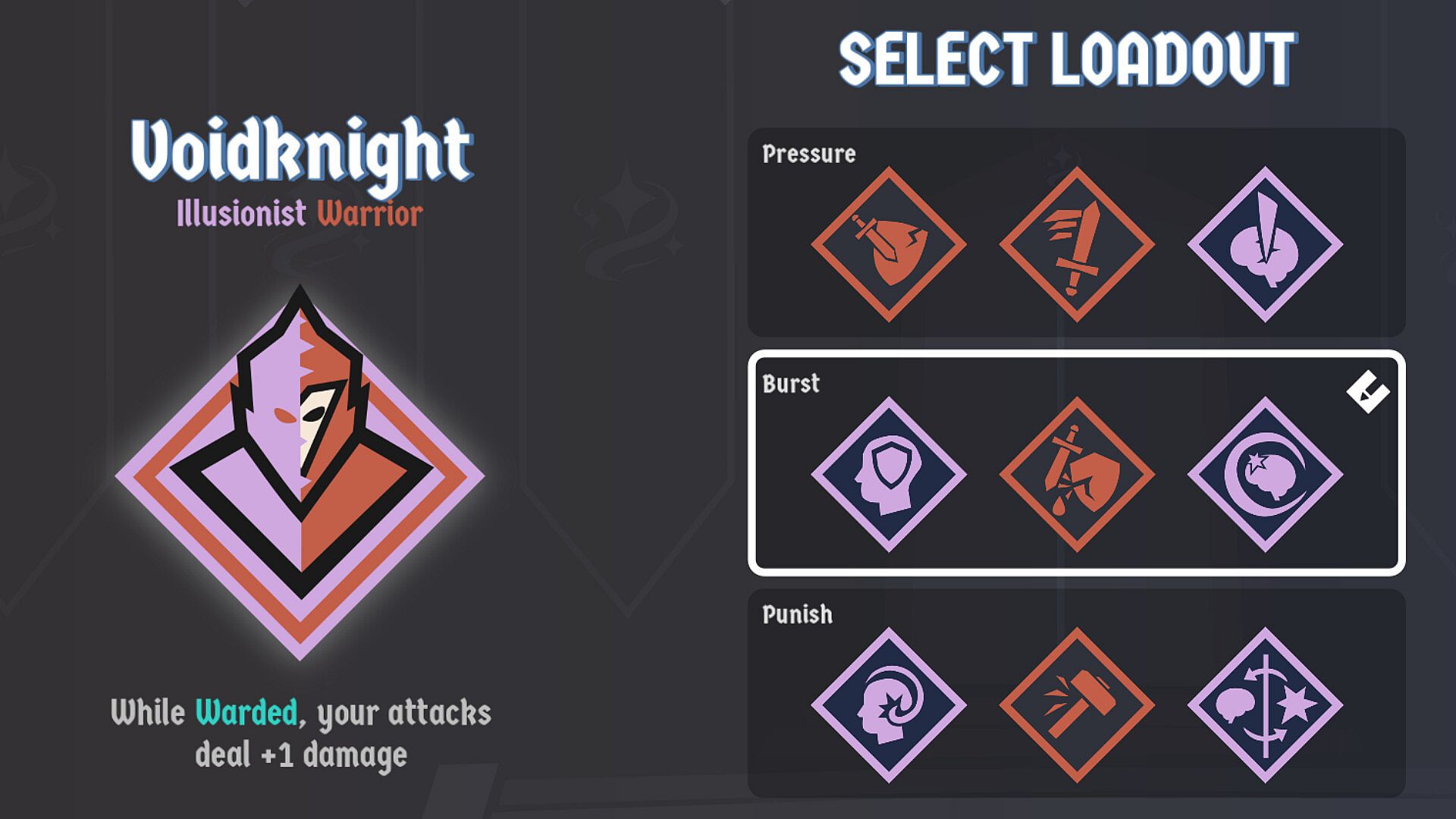
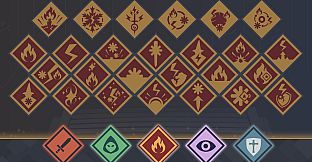
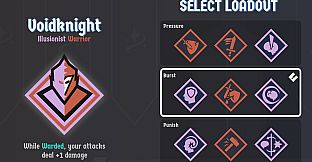
Core play revolves around selecting a duelist defined by a two-class identity and a signature passive. From there, builds draw from the combined skill pools of those classes to form unique strategies. Opponent skill bars remain hidden at the start of each duel, forcing players to observe skill usage, track cooldowns, manage resources, and monitor status effects to anticipate future actions.
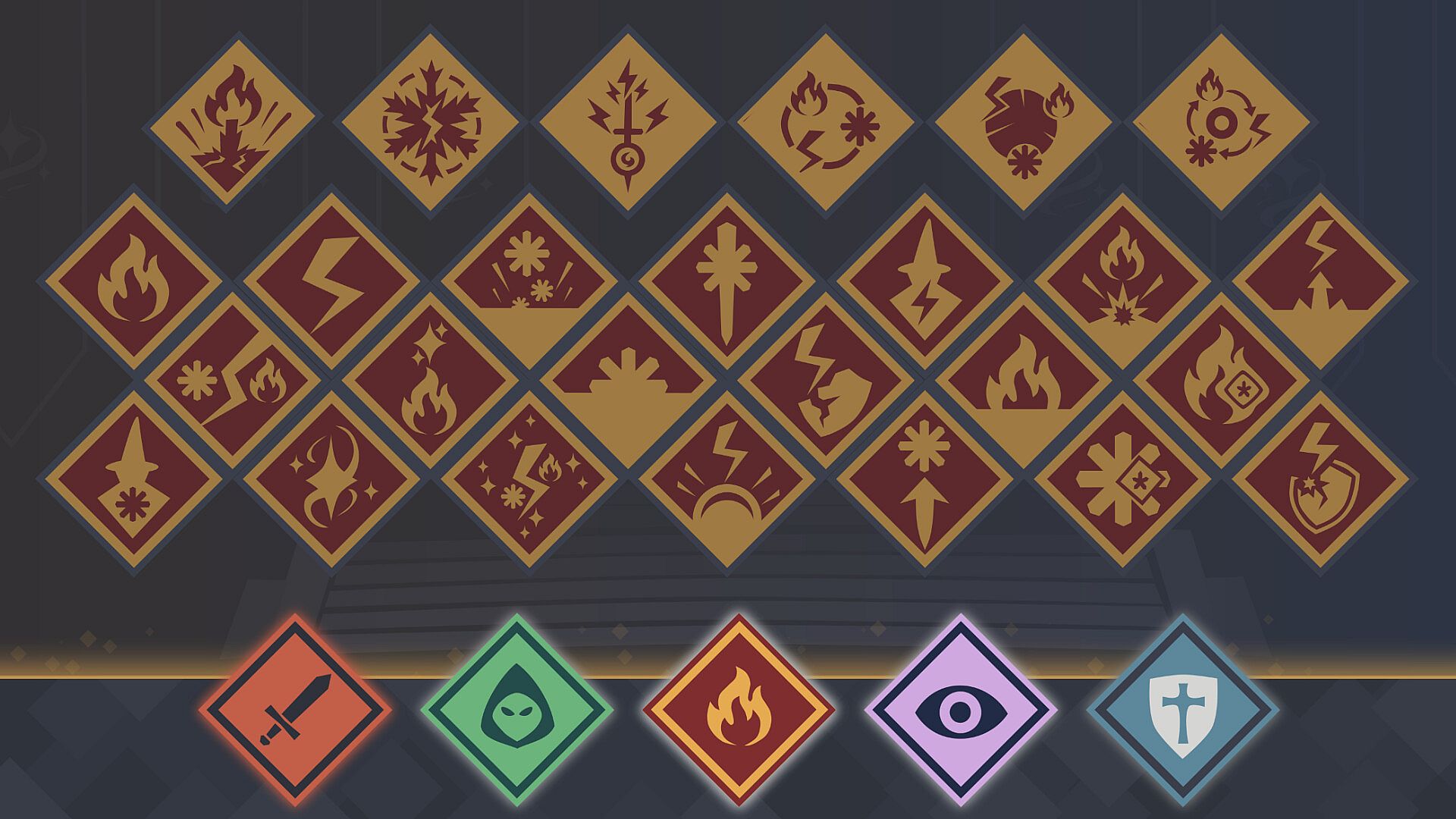
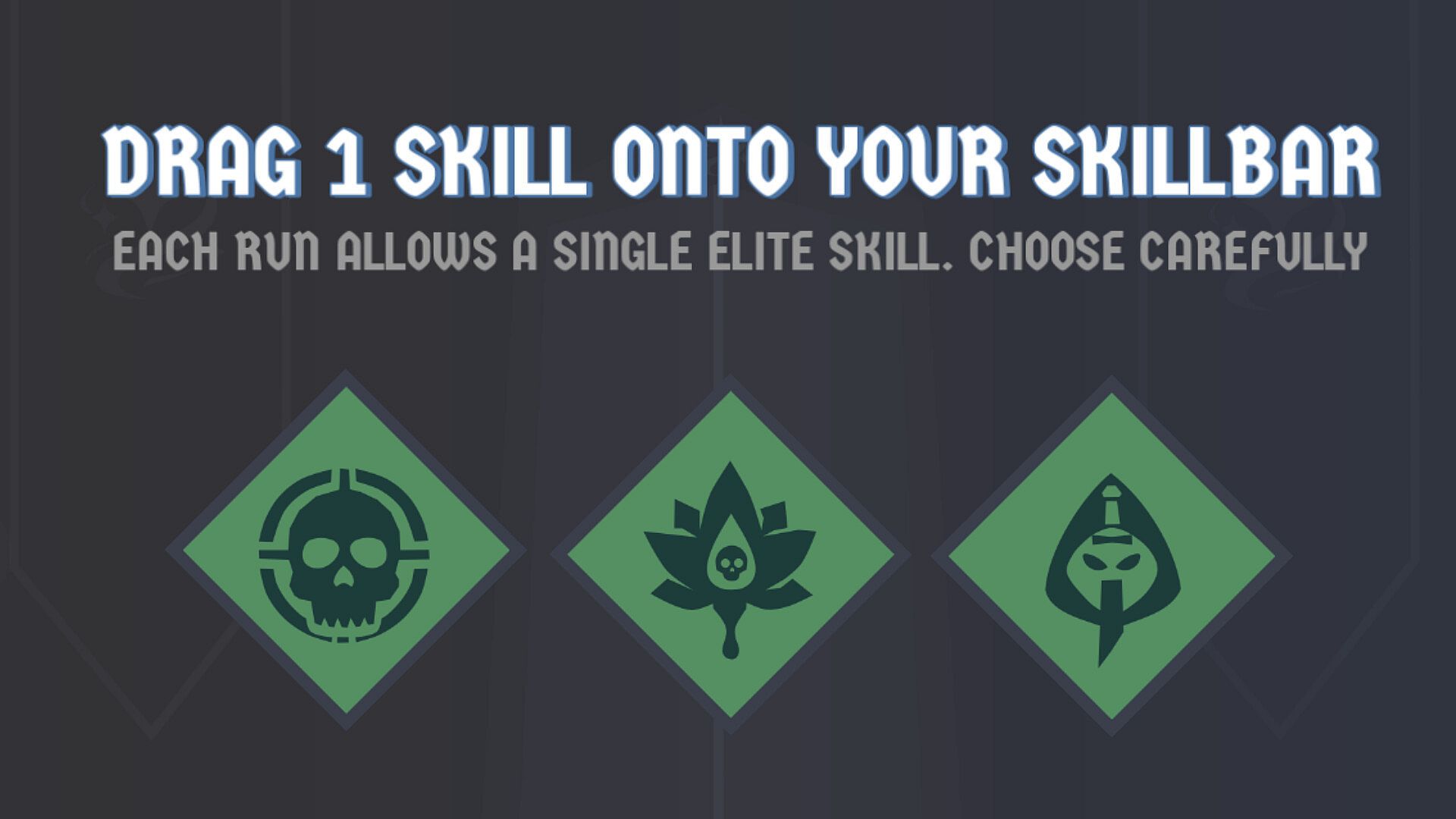
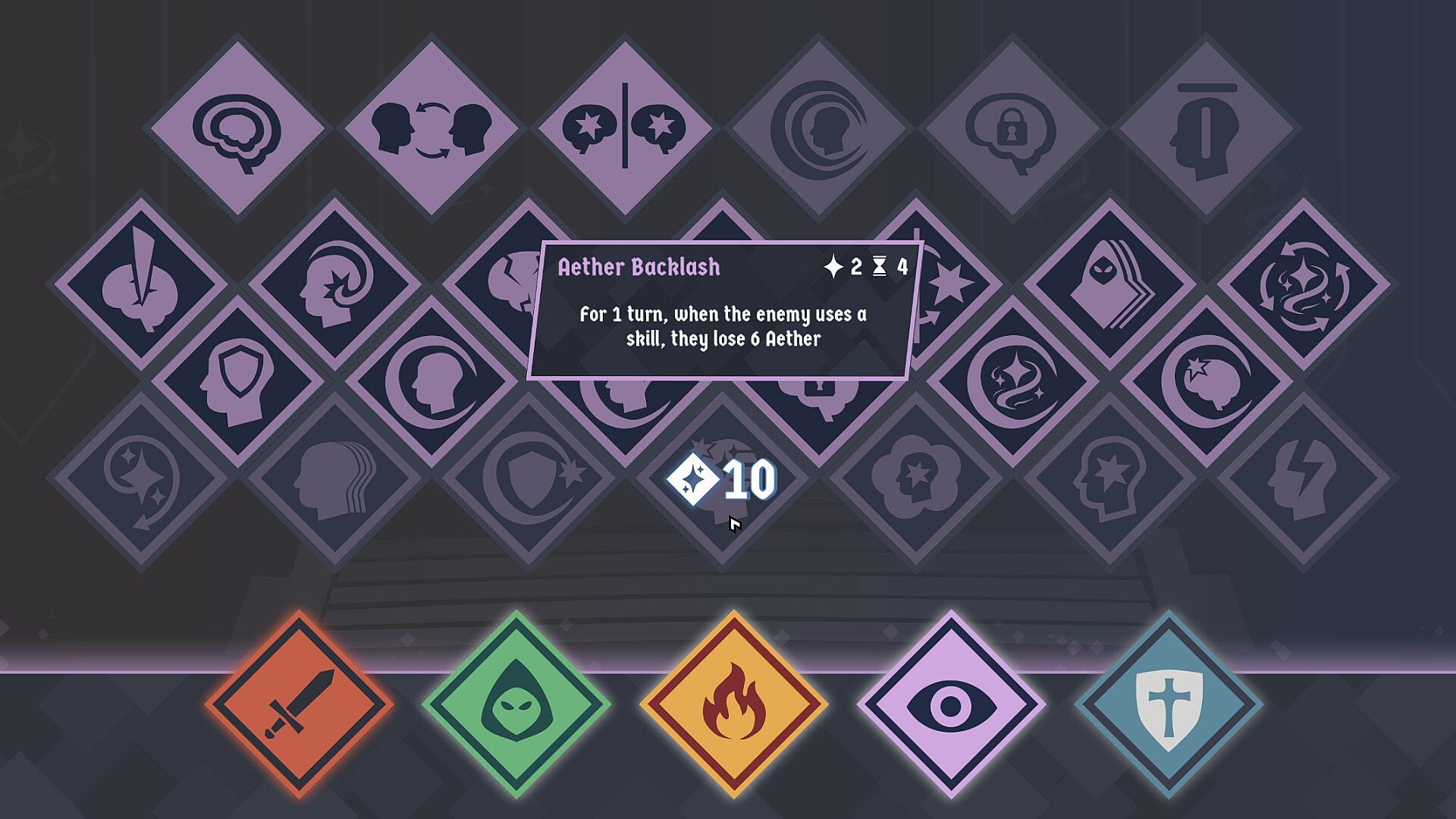
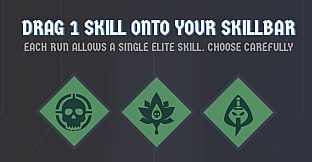
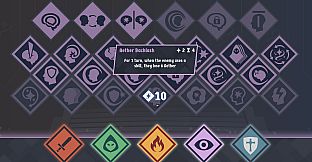
Between duels, participants draft new skills to refine a loadout of eight abilities. One Elite skill anchors the build and can shift the outcome of a match when activated at the right moment. Every matchup requires adaptation because no two players construct the same duelist in identical ways.
Game Modes
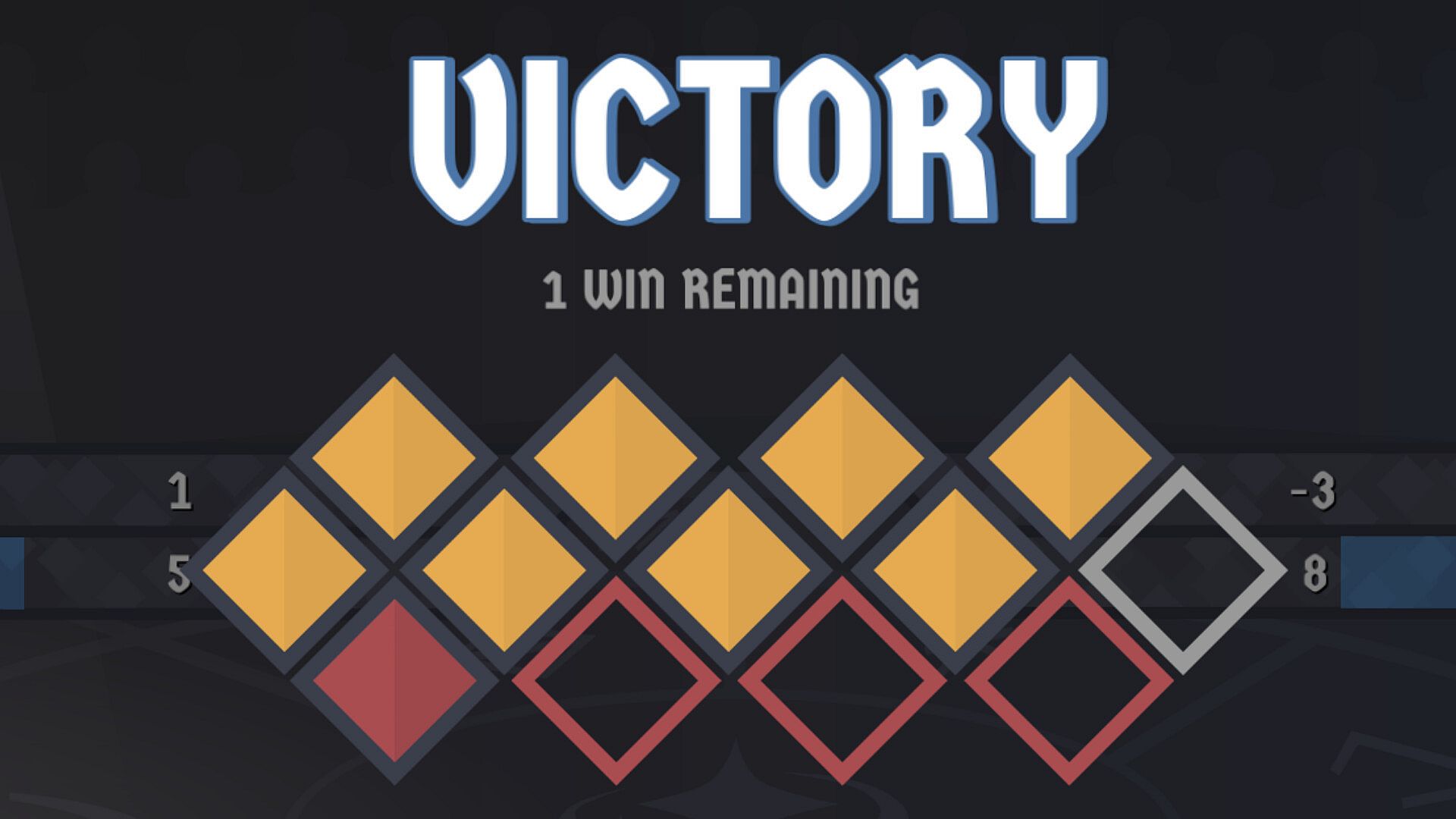
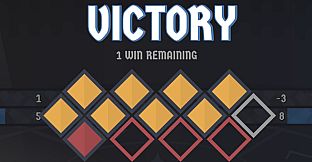
The primary experience centers on focused runs lasting around ten minutes each. In these runs, the goal is to secure nine victories before accumulating four defeats. Success allows players to claim rewards or continue into the five-round Sudden Death Gauntlet, where both potential payouts and the penalty for loss increase with each round.
Ranked competition lets players climb a ladder one run at a time. All duels occur asynchronously, so participants engage at their own pace without waiting for opponents or adhering to turn limits.
Building and Strategy
Each duelist begins with a clear class foundation, yet the drafting process and choice of Elite skill create highly personalized loadouts. Success depends on predicting opponent patterns, conserving resources across multiple duels, and timing powerful abilities to counter emerging threats. The system rewards careful observation and adaptive planning over raw speed or reflexes.
Is It Worth Playing?
Aether League suits players who enjoy deliberate, information-driven strategy sessions and roguelike progression loops. The asynchronous format removes common barriers of live multiplayer, making it accessible for those with irregular schedules. Because the game is coming soon, no player reception data or post-launch updates are available yet. Those drawn to custom builds, hidden-information duels, and run-based competition with escalating risk-reward decisions will find the described systems align closely with that preference.