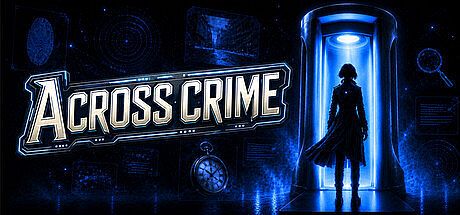








Across Crime is an indie adventure game built around first-person investigation and logic-driven deduction. Players take on the role of Leah Sharp, a detective at Synaptic Investigations, who uses neural synchronization technology to enter reconstructed crime scenes from different eras and places. The core experience centers on searching environments, collecting evidence, and solving murders through careful reasoning rather than guided prompts.
Gameplay
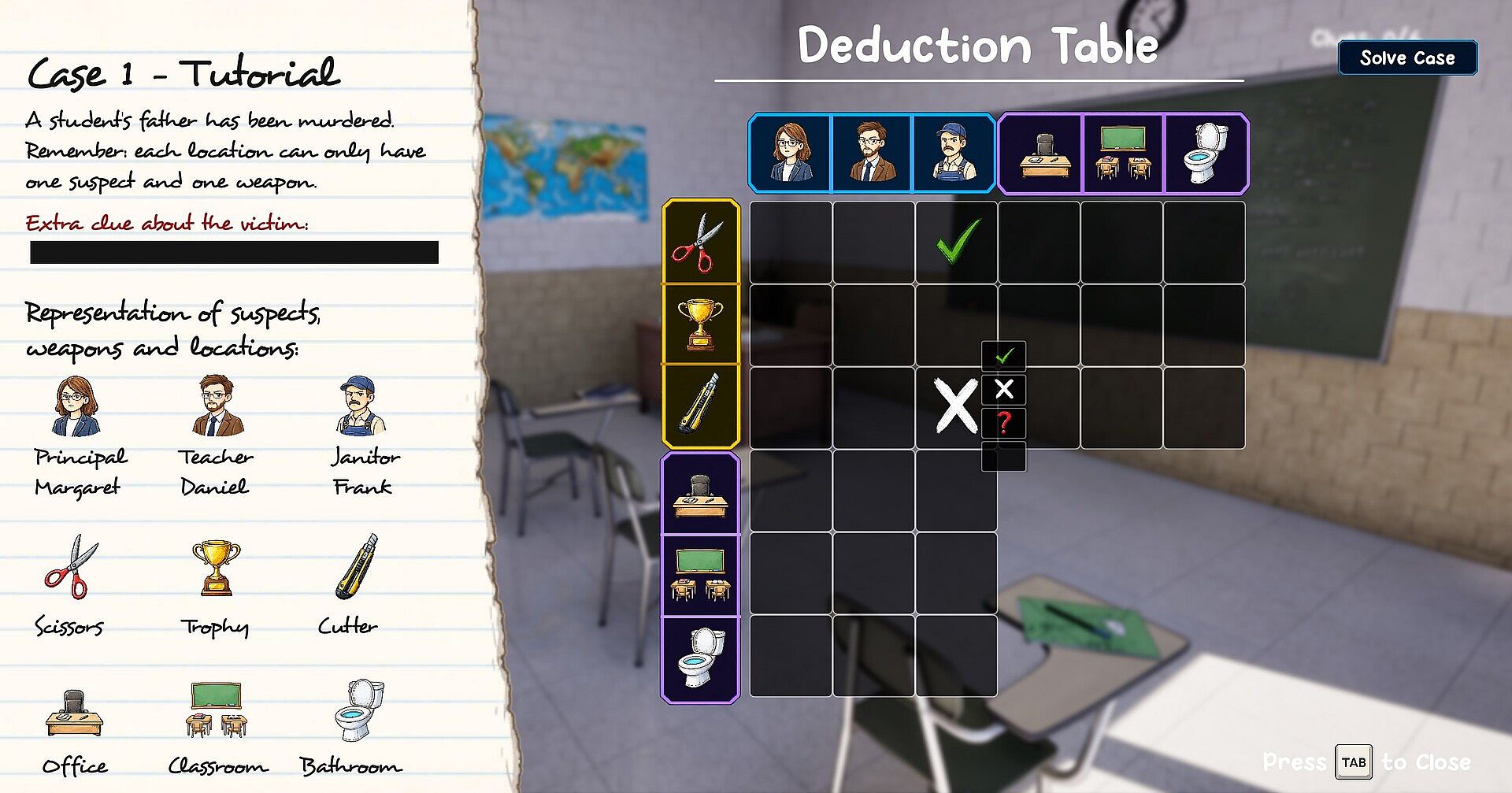
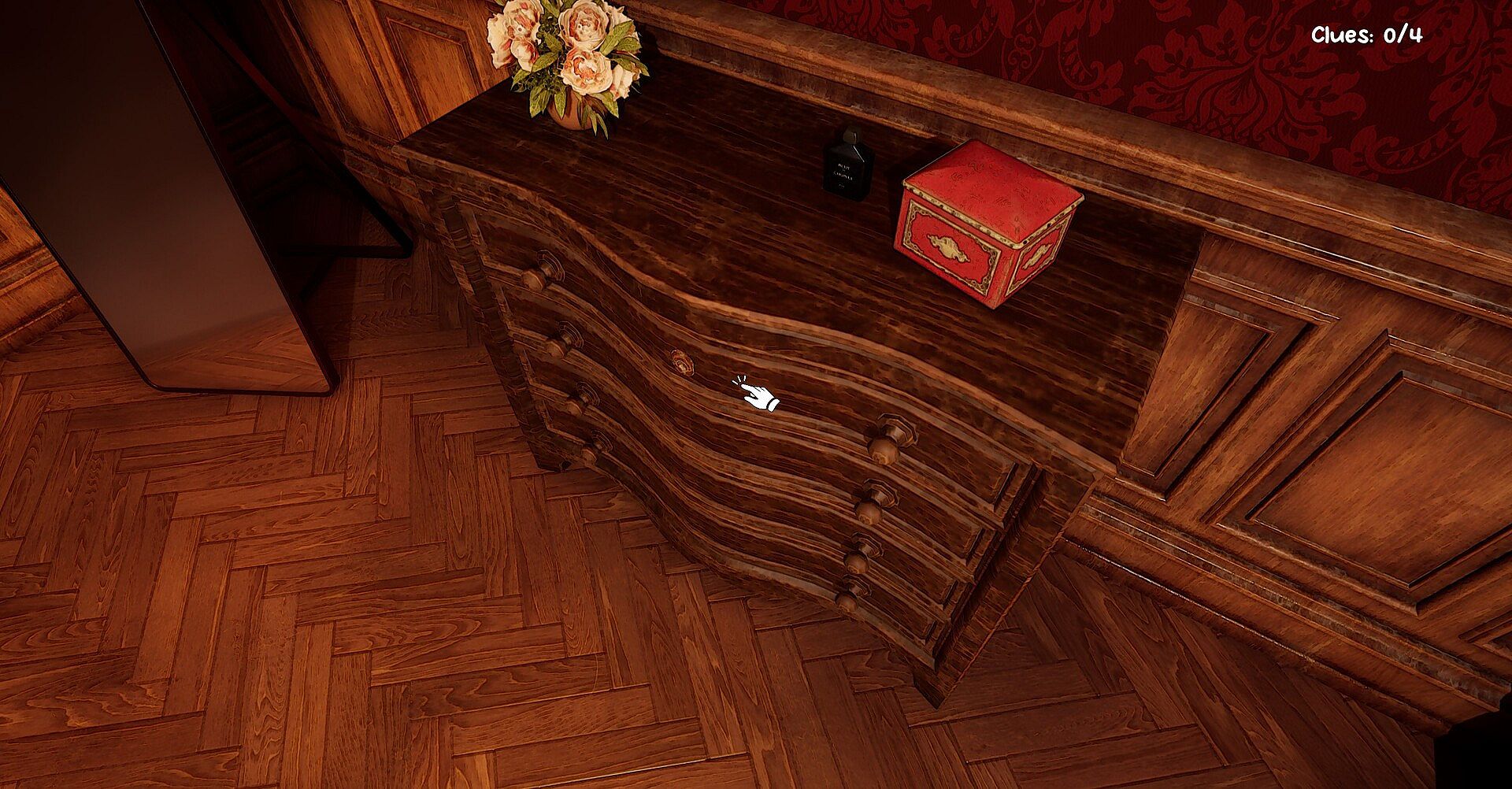
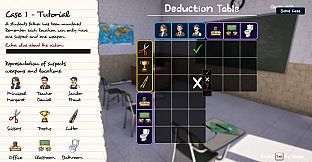
The gameplay loop begins when each case places the player inside a distinct location where a murder occurred. Movement occurs in first person, allowing thorough examination of rooms and objects. Interaction reveals clues that must be noted and connected through observation alone. These elements feed into the Deduction Table, a manual logic grid where players record findings and test combinations to identify the correct suspect, weapon, and location. The system draws from classic mystery puzzles but requires active player input without automated assistance or hints.
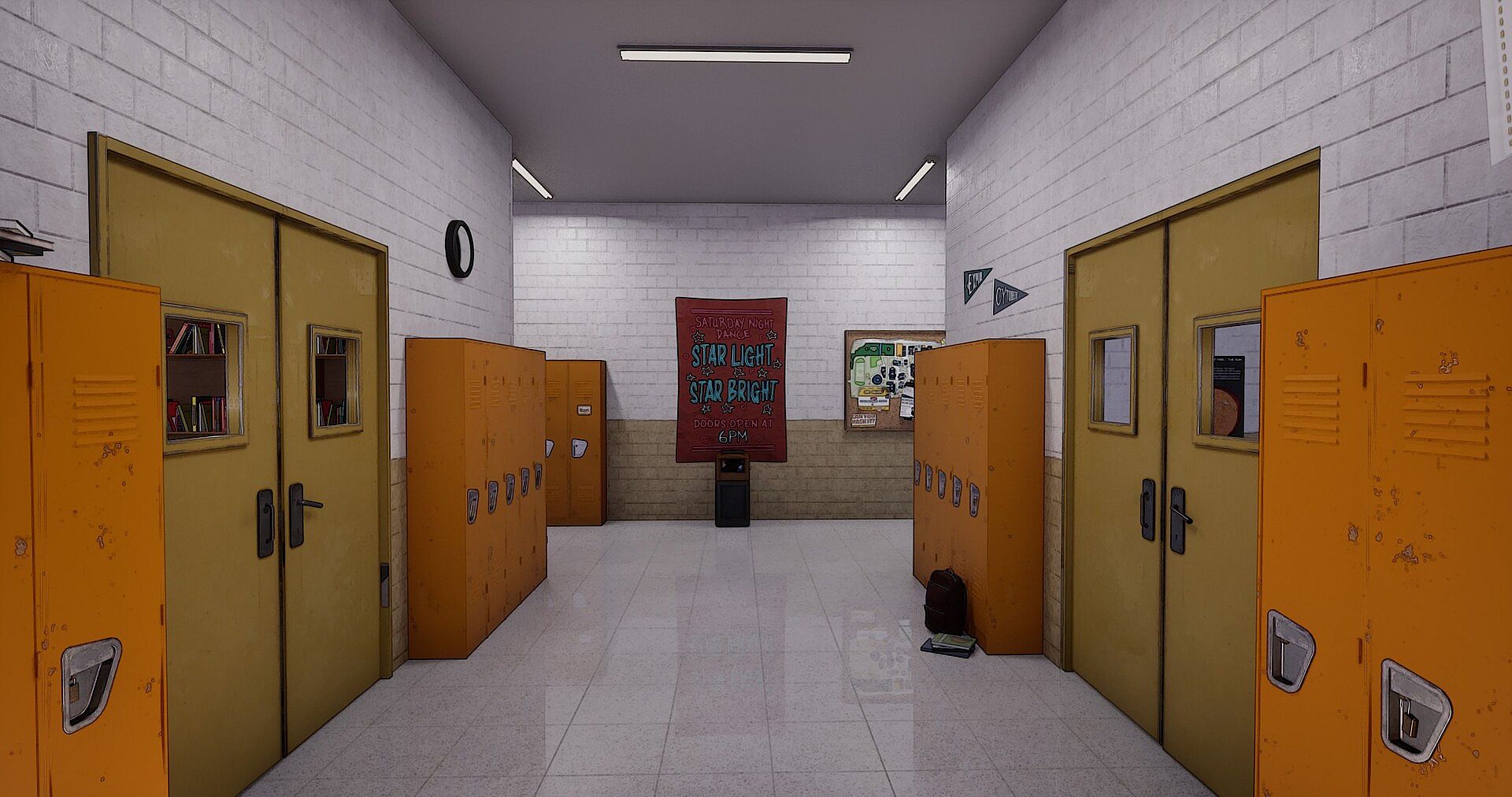
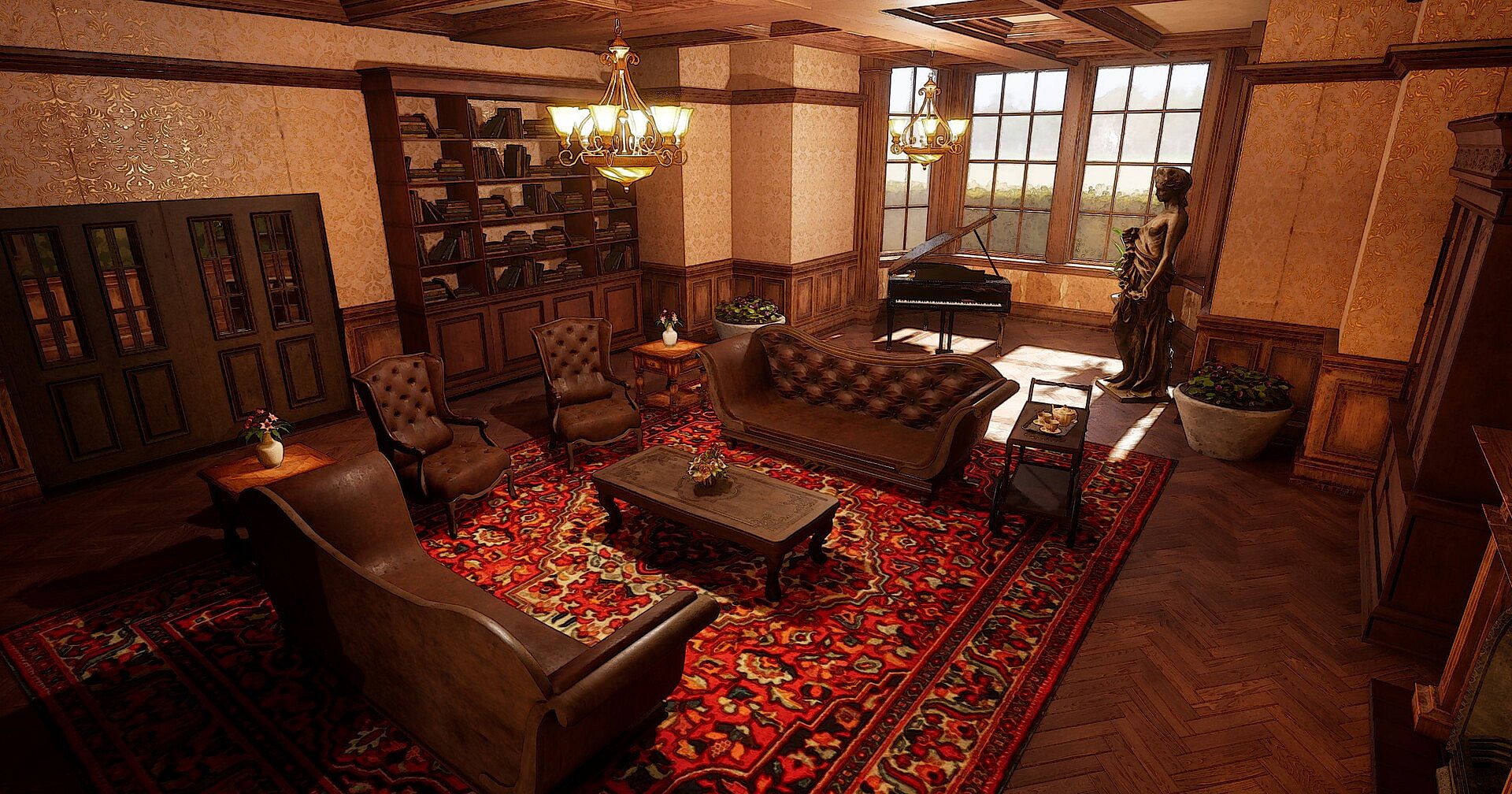
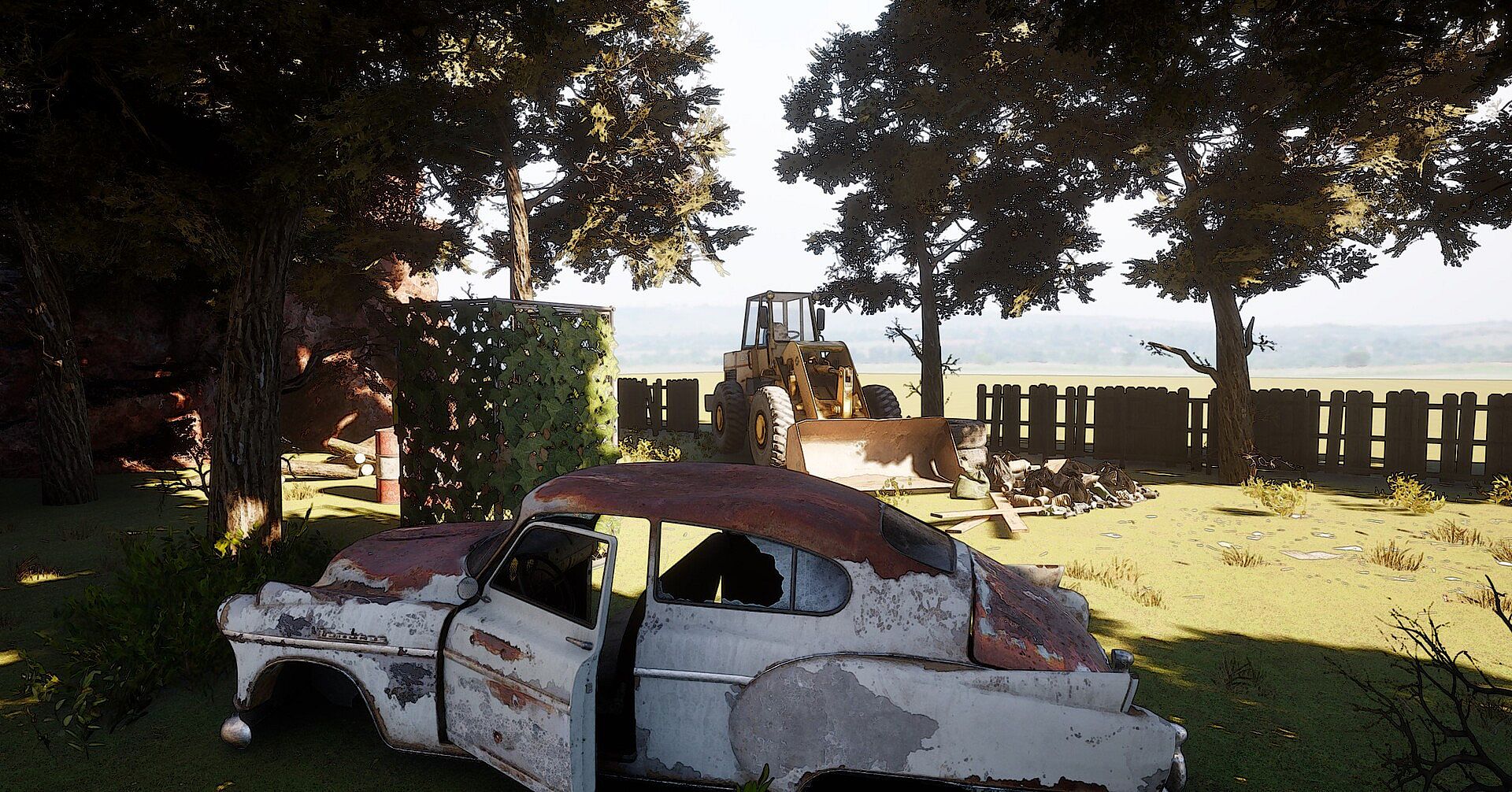
Exploration emphasizes detail-oriented searching across varied time periods and settings. Objects can be examined for hidden information, and puzzles arise naturally from the environment and collected evidence. Progress depends entirely on the player's ability to interpret clues and eliminate incorrect options on the table. This approach keeps the focus on personal deduction skills throughout every investigation.
Game Modes
Across Crime operates as a single-player experience with no multiplayer components. The primary structure consists of individual cases that players complete sequentially or at their own pace. Each case functions as a self-contained mystery with its own unique setting and set of clues. Difficulty settings adjust the complexity of these investigations, ranging from more direct scenarios with clearer evidence trails to intricate ones that demand precise observation and multiple rounds of elimination on the deduction table.
Progression through cases builds familiarity with the mechanics while introducing new locations and time periods. There are no separate modes beyond the core case-based format, keeping the emphasis on consistent investigative play rather than varied gameplay styles.
Deduction and Puzzle Systems
The Deduction Table serves as the central tool for solving each mystery. Players manually mark entries on a logic grid to track possibilities for the suspect, weapon, and location. Every confirmed clue narrows options until only the correct combination remains. This process encourages repeated review of gathered evidence and careful cross-referencing without external validation.
Puzzles integrate directly with the investigation rather than appearing as isolated challenges. Clues discovered through object interaction often require logical connections that only become clear after thorough exploration. The absence of hand-holding means solutions emerge from player reasoning, aligning with the game's focus on unaided deduction.
Difficulty and Challenge Structure
Multiple difficulty levels allow players to tailor the experience to their skill level. Lower settings present cases with more straightforward clue placement and fewer misleading details. Higher settings increase the density of information and the subtlety of connections needed to reach the solution. This scaling supports both newcomers to logic puzzles and experienced players seeking deeper challenges.
Each case maintains the same core rules regardless of difficulty: one suspect, one weapon, and one location must be identified correctly. The variation comes from how much observation and elimination the player must perform to reach that conclusion.
Is It Worth Playing?
Across Crime targets players who enjoy methodical mystery solving and manual logic systems. Its single-player structure and emphasis on unaided deduction suit those who prefer thoughtful exploration over action or narrative hand-holding. The game remains in development with a planned 2027 release, so current details rest on the described features and mechanics.
For fans of classic deduction puzzles and first-person investigation, the combination of environmental searching and the manual table offers a focused experience. Those seeking immediate feedback or multiplayer elements may find the format more limited. Availability will depend on the final release, with no additional modes or expansions confirmed at this stage.