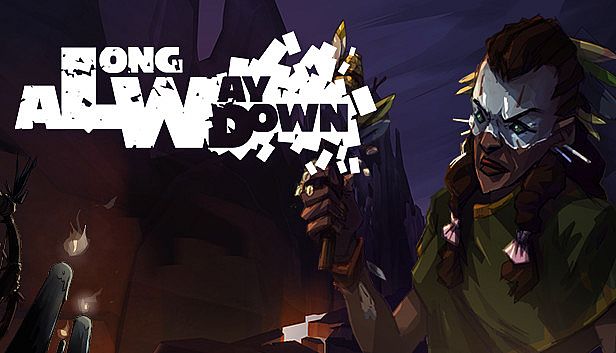


















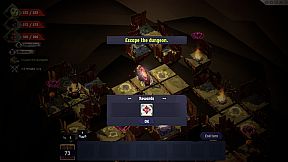
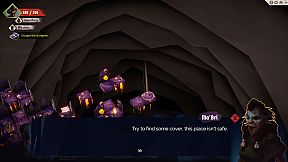
A Long Way Down is a single-player strategy indie RPG that blends deck-building mechanics with dungeon exploration and tactical combat. Players take on the role of Sam, navigating a twisting maze controlled by an evil mastermind while making choices that shape both the path ahead and the final confrontation.
Gameplay
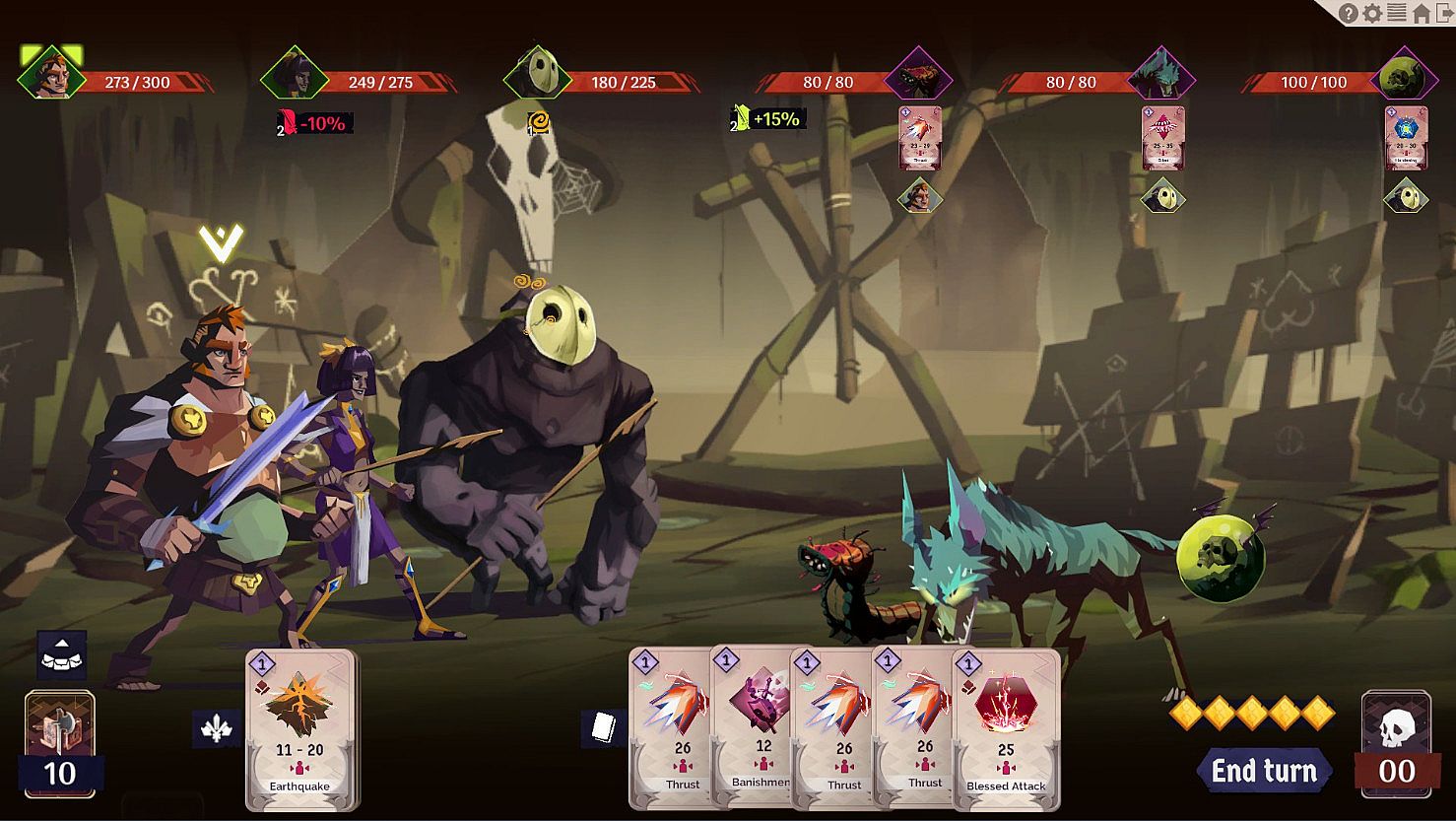
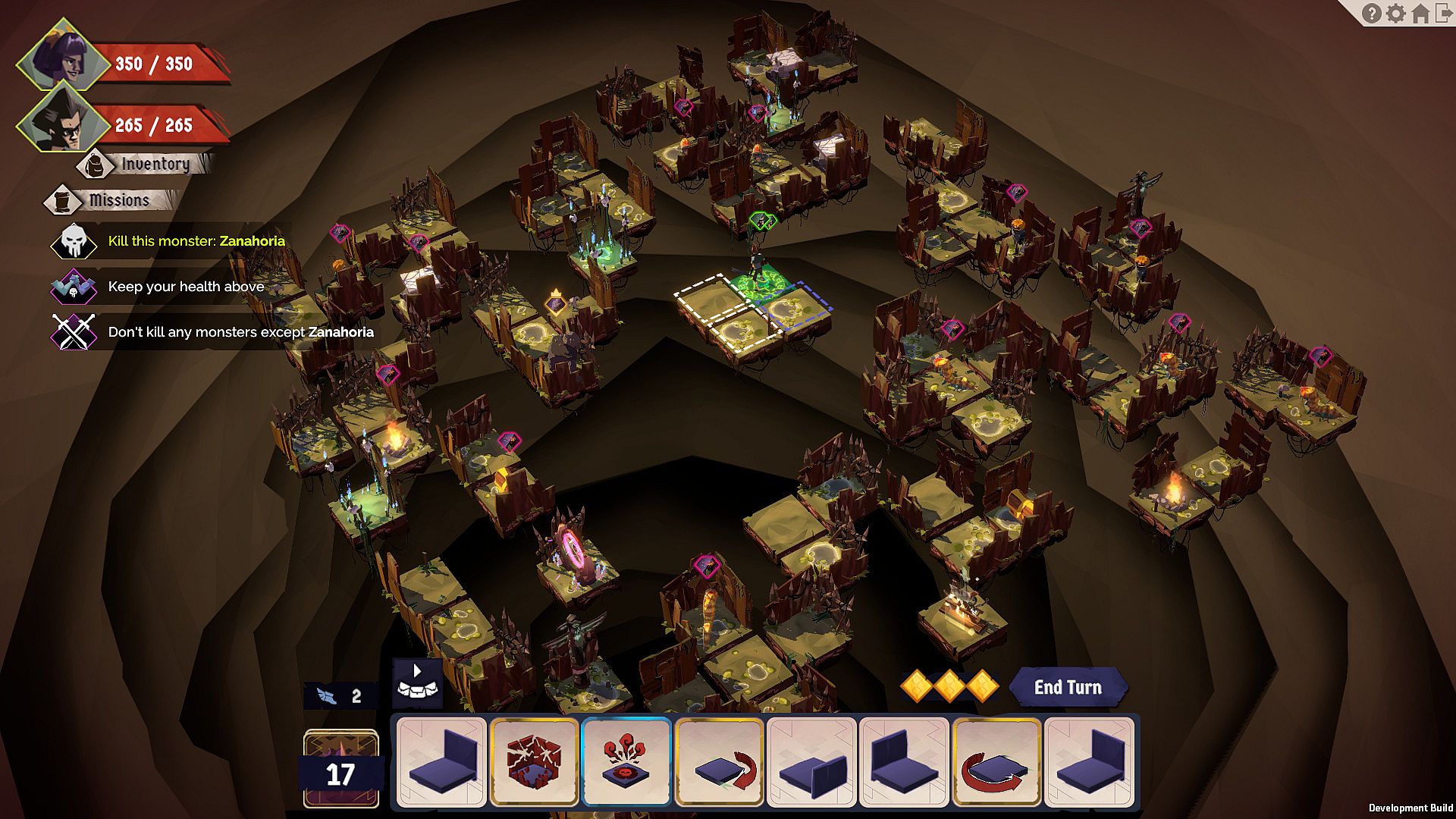
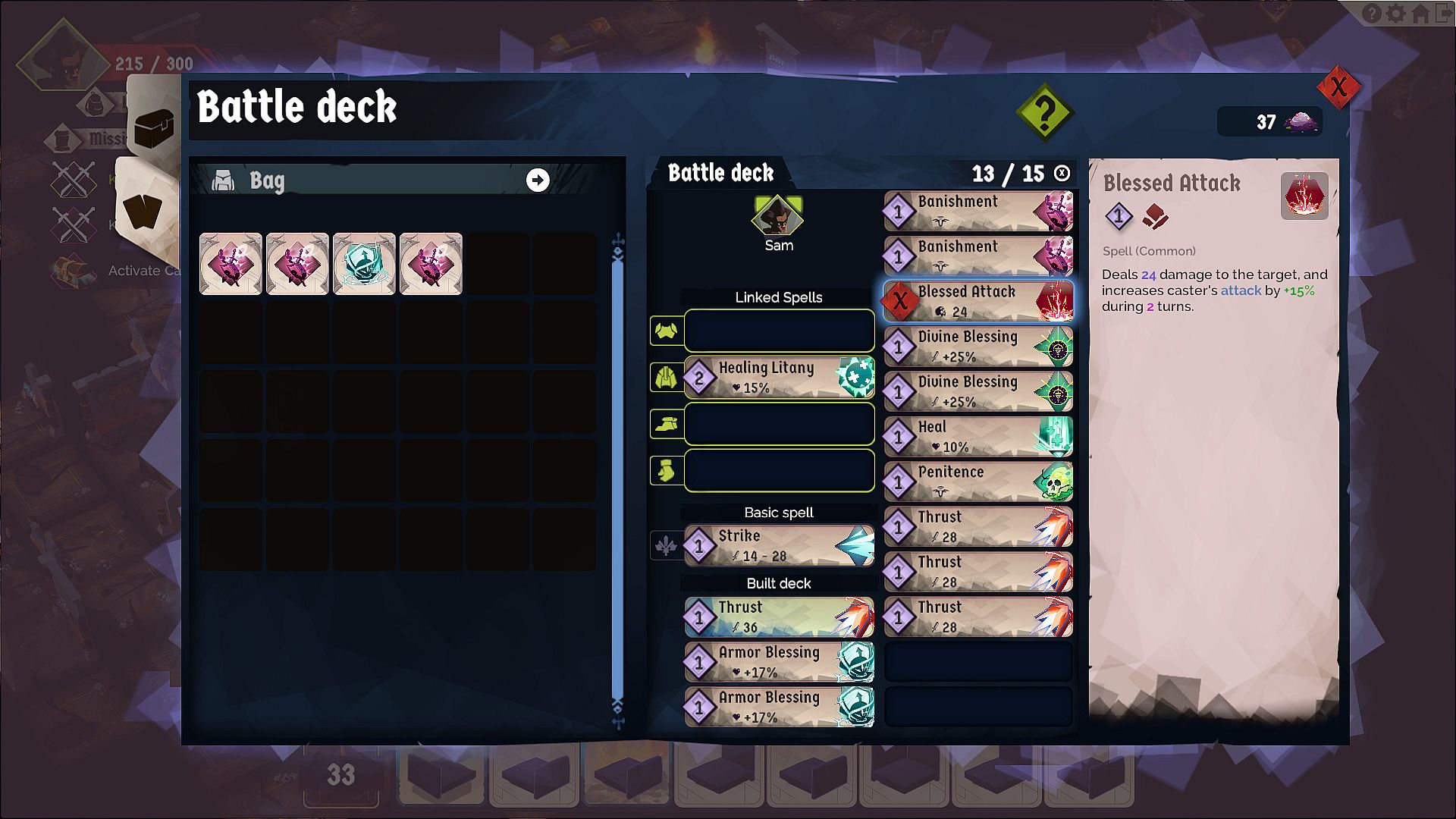
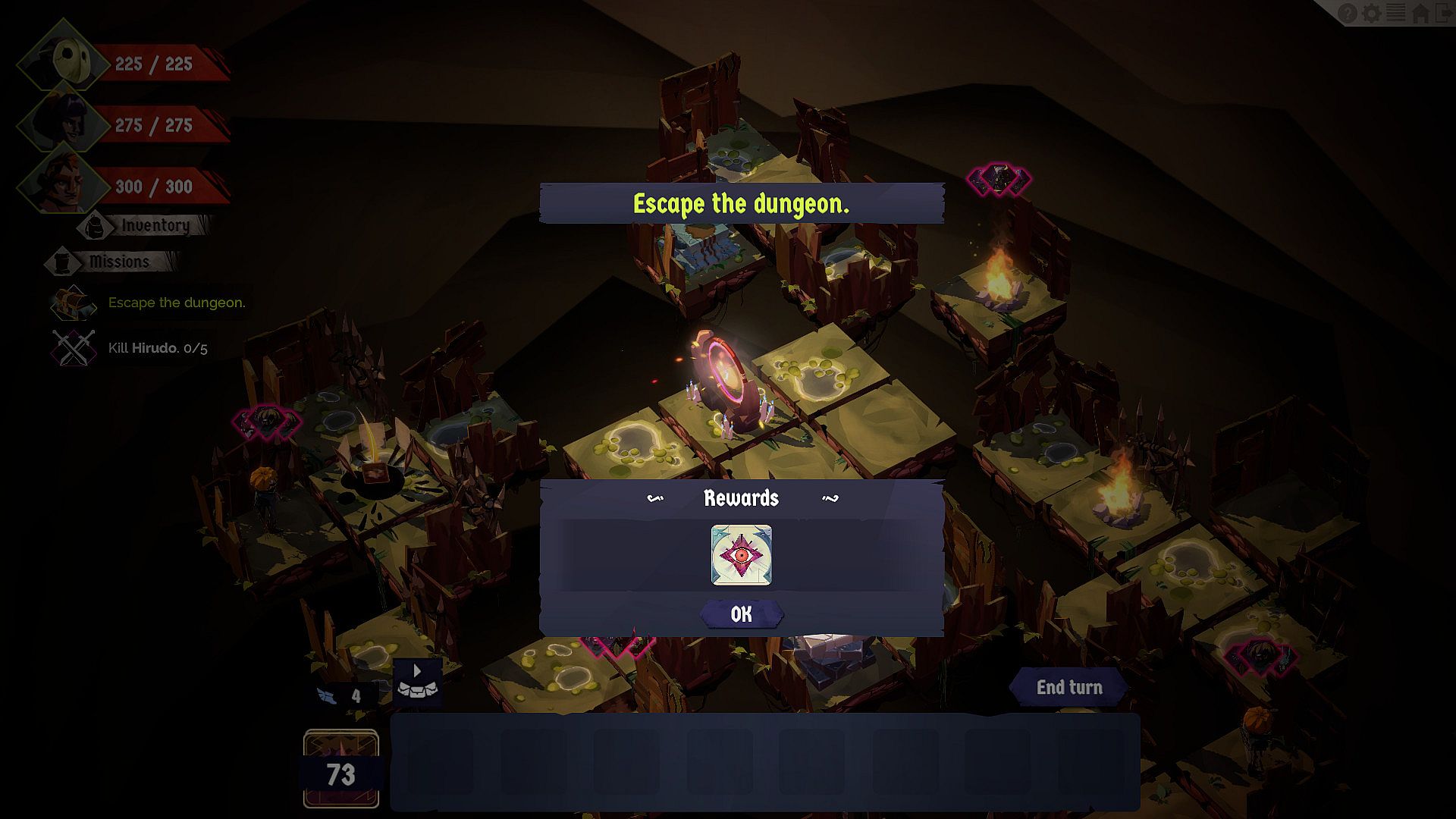
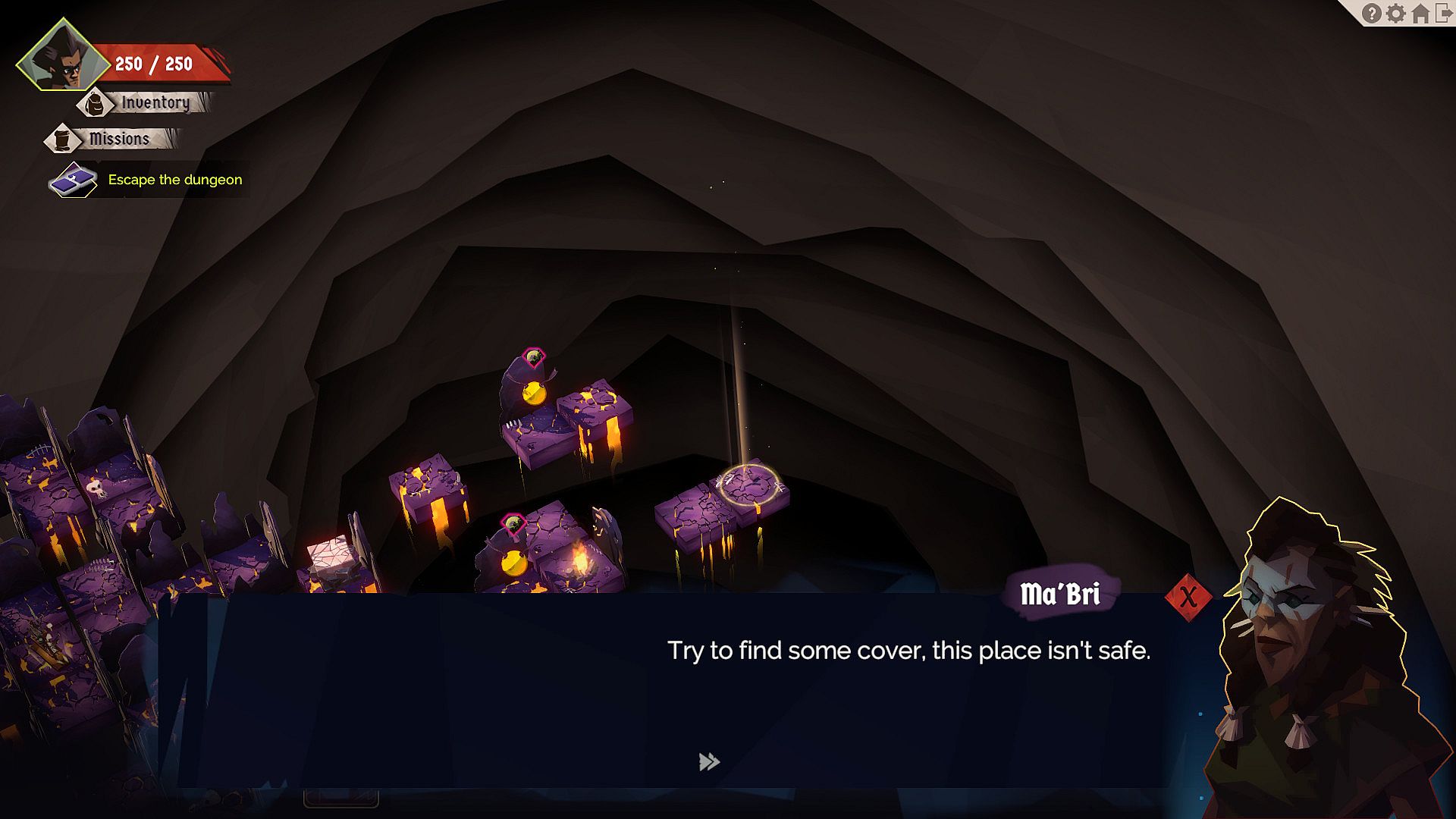
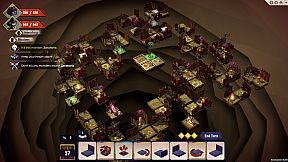
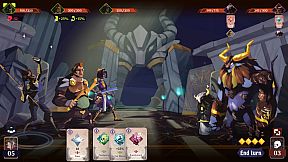
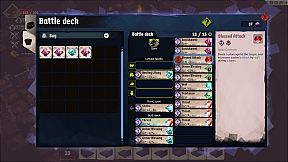
The core loop centers on two interconnected decks. One set of cards consists of dungeon tiles that players place to construct pathways across islands and bridges, allowing navigation through the maze while avoiding dead ends or creating shortcuts. The second deck handles combat actions, attacks, and defensive maneuvers during encounters with monsters. Action points limit the number of cards playable each turn, forcing strategic decisions about offense, stat adjustments, or self-buffs before enemies respond.
Exploration rewards players with new cards, gear, and resources found in chests or tile stacks. These additions expand options for both mapping routes and battling foes deeper in the dungeon. Party members encountered along the way can become allies that provide support or turn into adversaries depending on prior choices, adding layers to encounters and resource management.
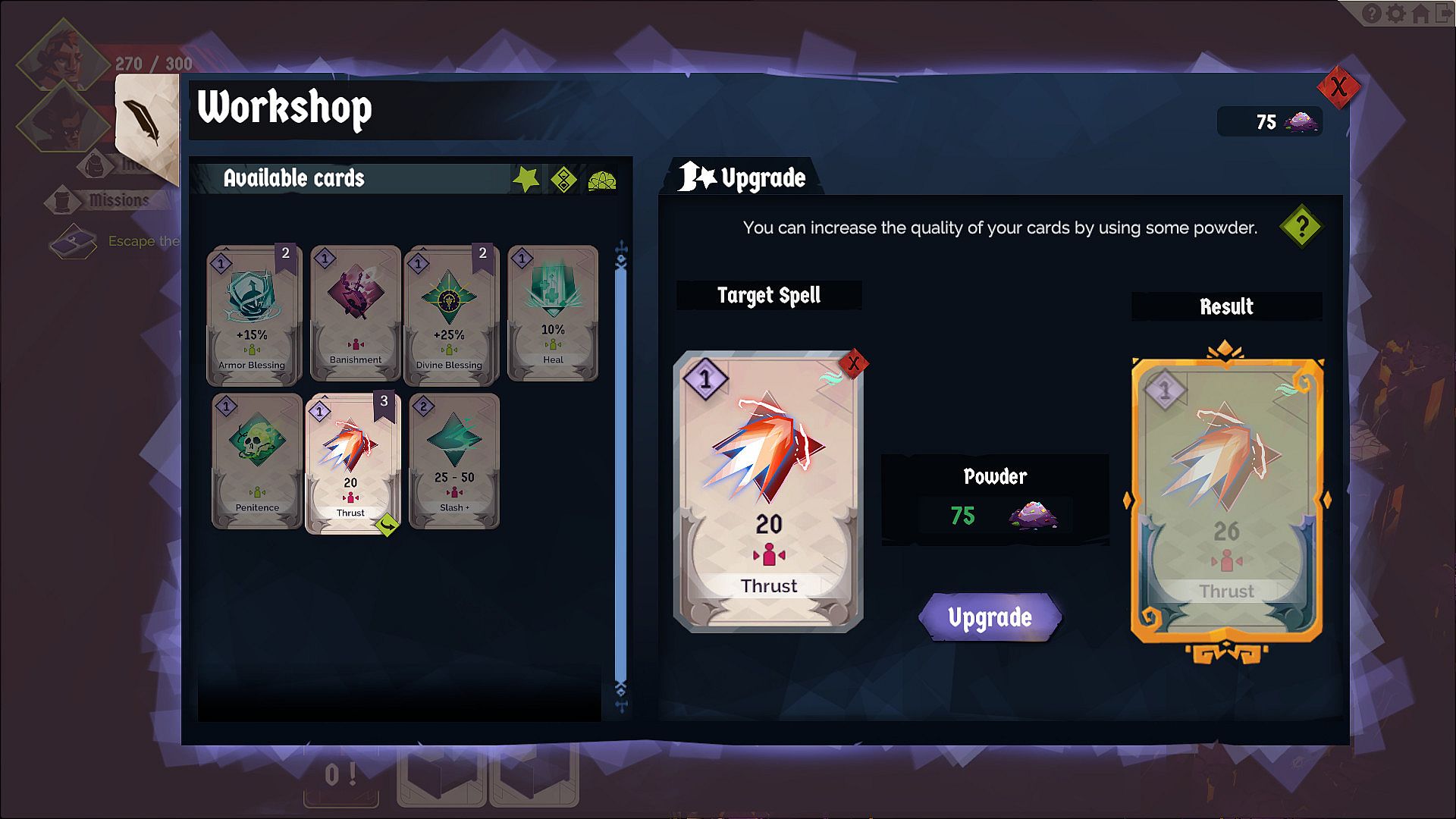
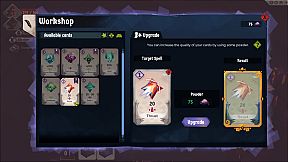
Item and equipment upgrades occur through collected rewards, increasing power for tougher challenges. The maze itself reacts to card selections, with powerful options sometimes introducing greater risks or enemy advantages that must be weighed carefully during runs.
Game Modes
The game operates as a single-player experience focused on repeated attempts to escape the maze. Each run emphasizes procedural path construction and combat adaptation, with player decisions determining the layout, available rewards, and difficulty progression toward the central lair. There are no separate competitive or cooperative modes, keeping the focus on individual strategy and adaptation across multiple playthroughs.
Progression ties directly to these runs, as accumulated knowledge from prior attempts informs better deck construction and exploration choices in subsequent efforts. The structure rewards careful planning over speed, allowing players to either rush toward the exit or linger for deeper rewards.
Progression and Choices
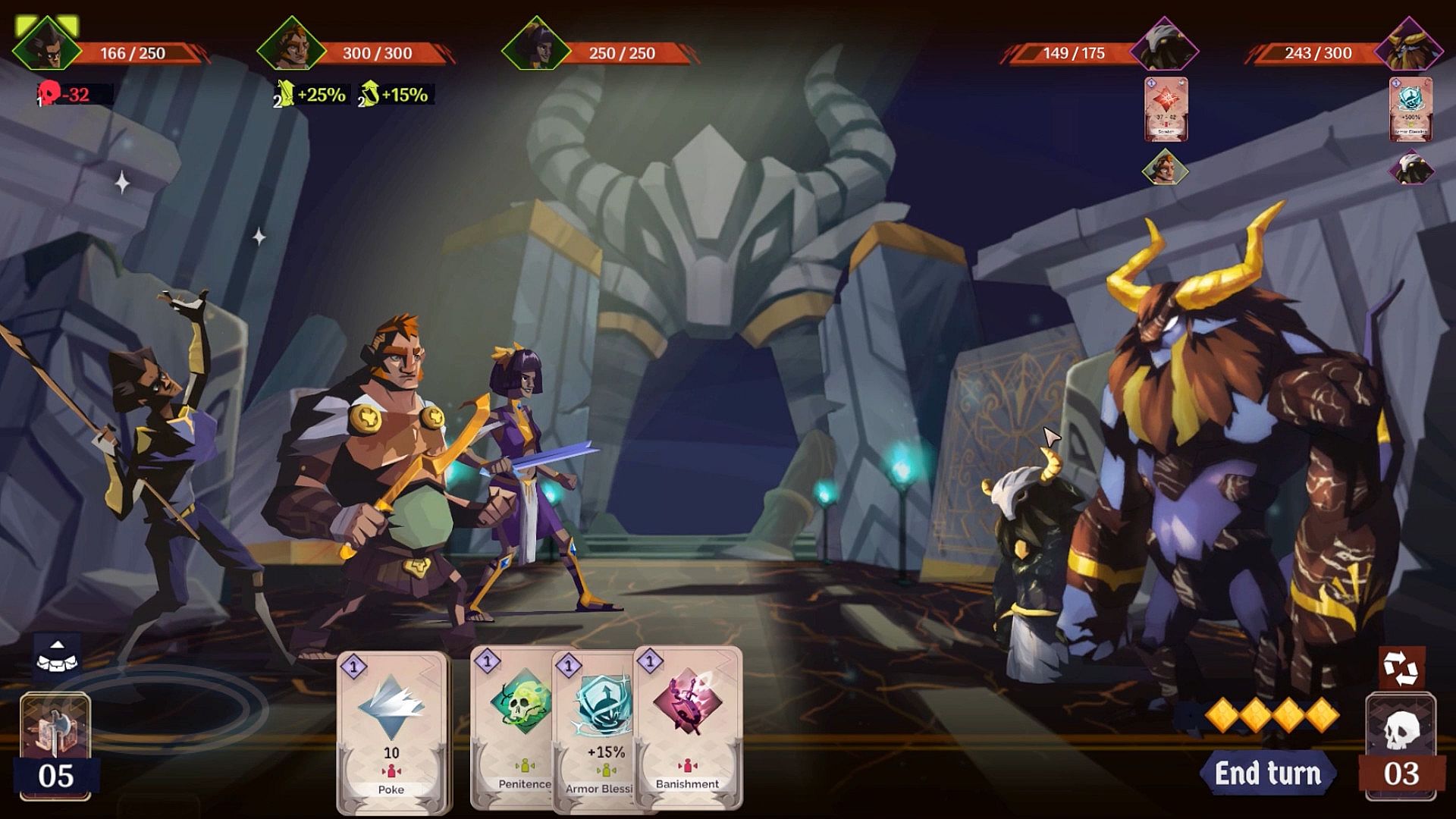
Advancement comes through card acquisition and refinement rather than traditional leveling. Rewards from successful navigation and battles feed into stronger decks and equipment, preparing for greater depths. Every selection during exploration influences later events, including the composition of the final battle against the mastermind, where prior alliances, enemy encounters, and path decisions carry over as modifiers.
This system creates a feedback loop where early caution or aggression shapes the overall difficulty curve. Players must balance immediate survival needs against long-term power growth, adapting playstyles as the dungeon reveals new horrors and opportunities.
Is It Worth Playing?
Player reception on Steam stands at mixed, with 57 percent positive from 117 reviews. Many note the deliberate pace and repetitive elements in navigation and combat, though the tile-placement and card-combat combination receives praise for its strategic depth. The game suits those who enjoy methodical deck-building paired with puzzle-like exploration in a compact single-player package.
It appeals most to fans of indie strategy titles who value choice-driven outcomes and incremental power gains over fast action or multiplayer features. With no ongoing seasons or major updates confirmed since release, the experience remains consistent for those seeking a focused roguelite-style run through a dark maze. Those frustrated by slower menus or repetition may find it less engaging, while dedicated deck-builders can appreciate the integration of mapping and combat systems.