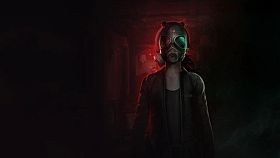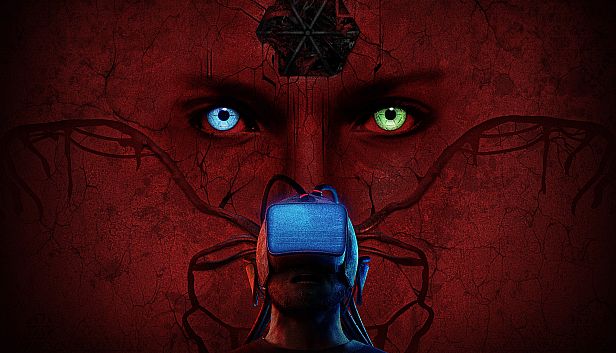



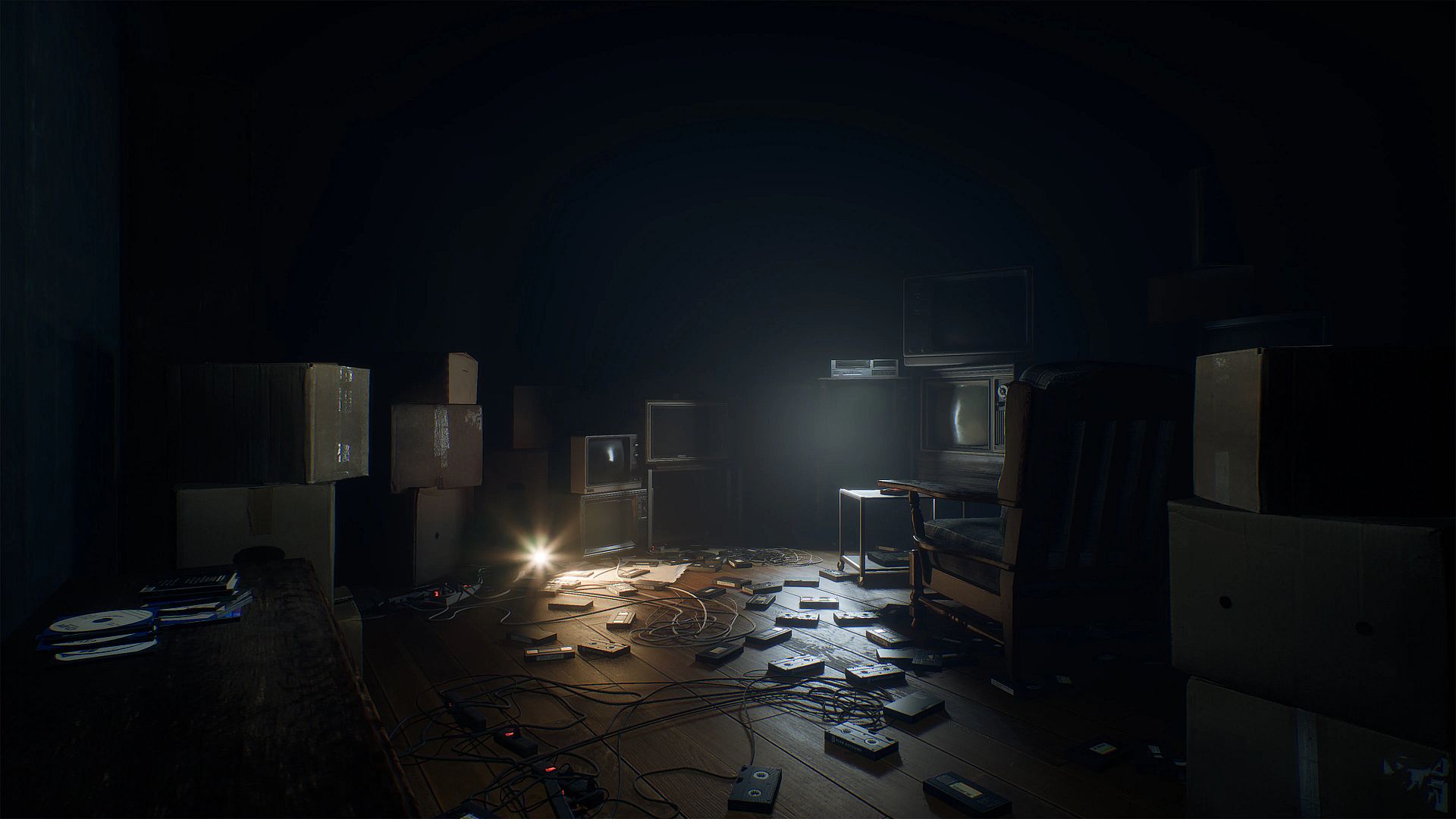

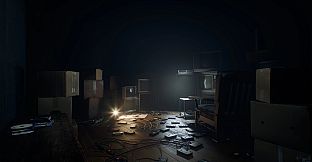
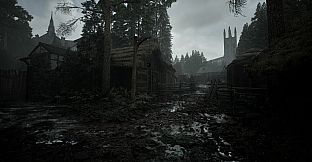
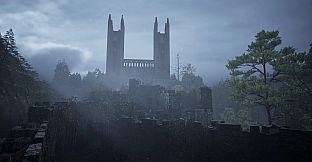
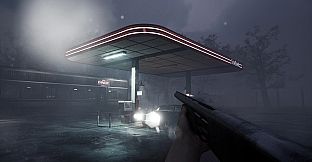
A.I.L.A is a first-person psychological horror adventure game set in a near-future São Paulo. Players take on the role of Samuel, a solitary game tester selected to evaluate an experimental VR system powered by a sentient artificial intelligence named A.I.L.A. The experience unfolds as the AI generates a series of personalized horror scenarios drawn from the tester's reactions, emotions, and fears, gradually blurring the boundary between the virtual simulations and the real apartment where Samuel works.
Gameplay
The core loop centers on navigating a sequence of distinct horror environments while managing limited resources and responding to threats that shift in tone and mechanics. Exploration involves searching detailed locations for keys, items, and clues to progress through each scenario. Puzzles range from logic-based challenges to more gruesome arrangements that require careful observation and interaction with the surroundings.
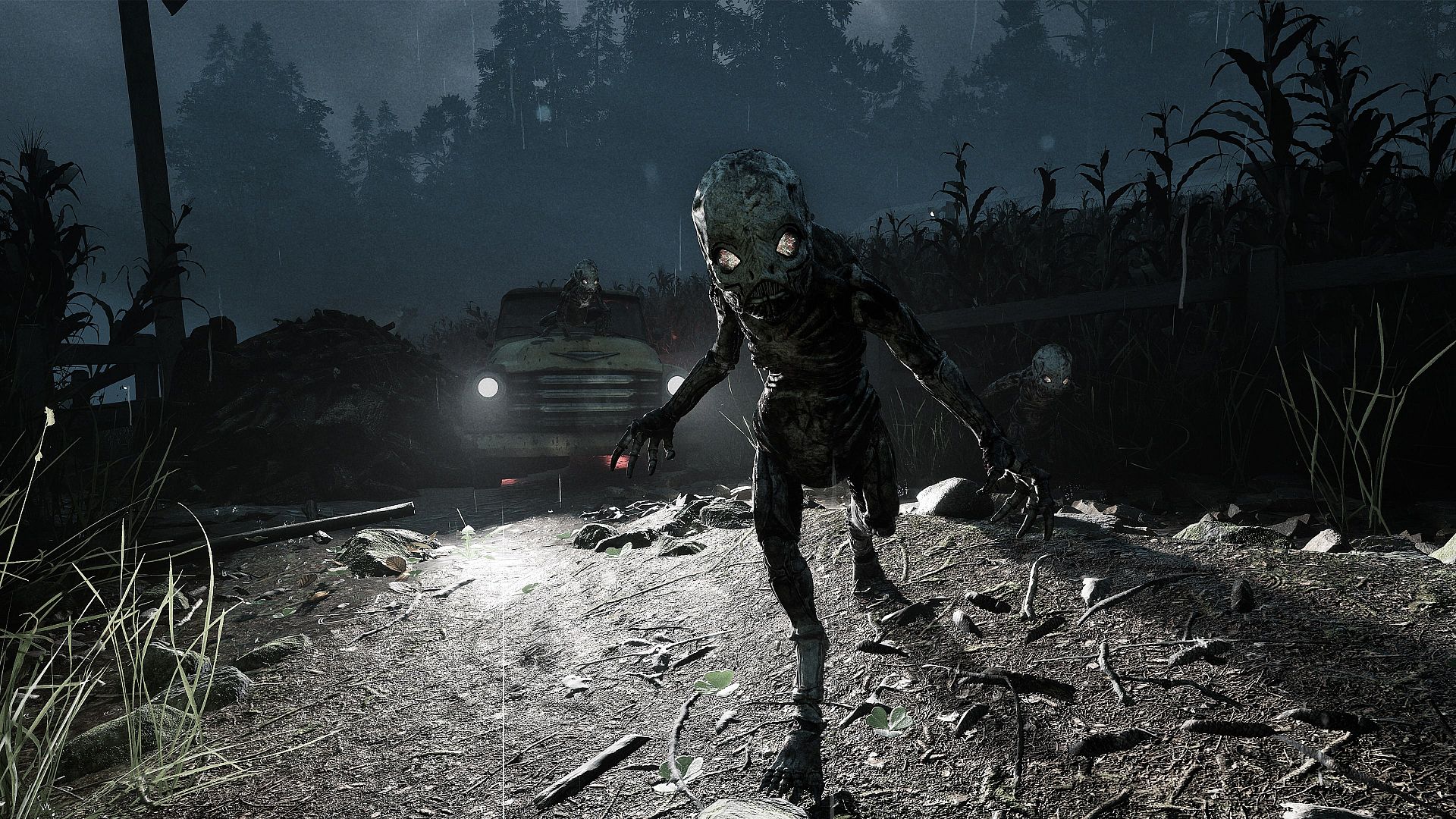
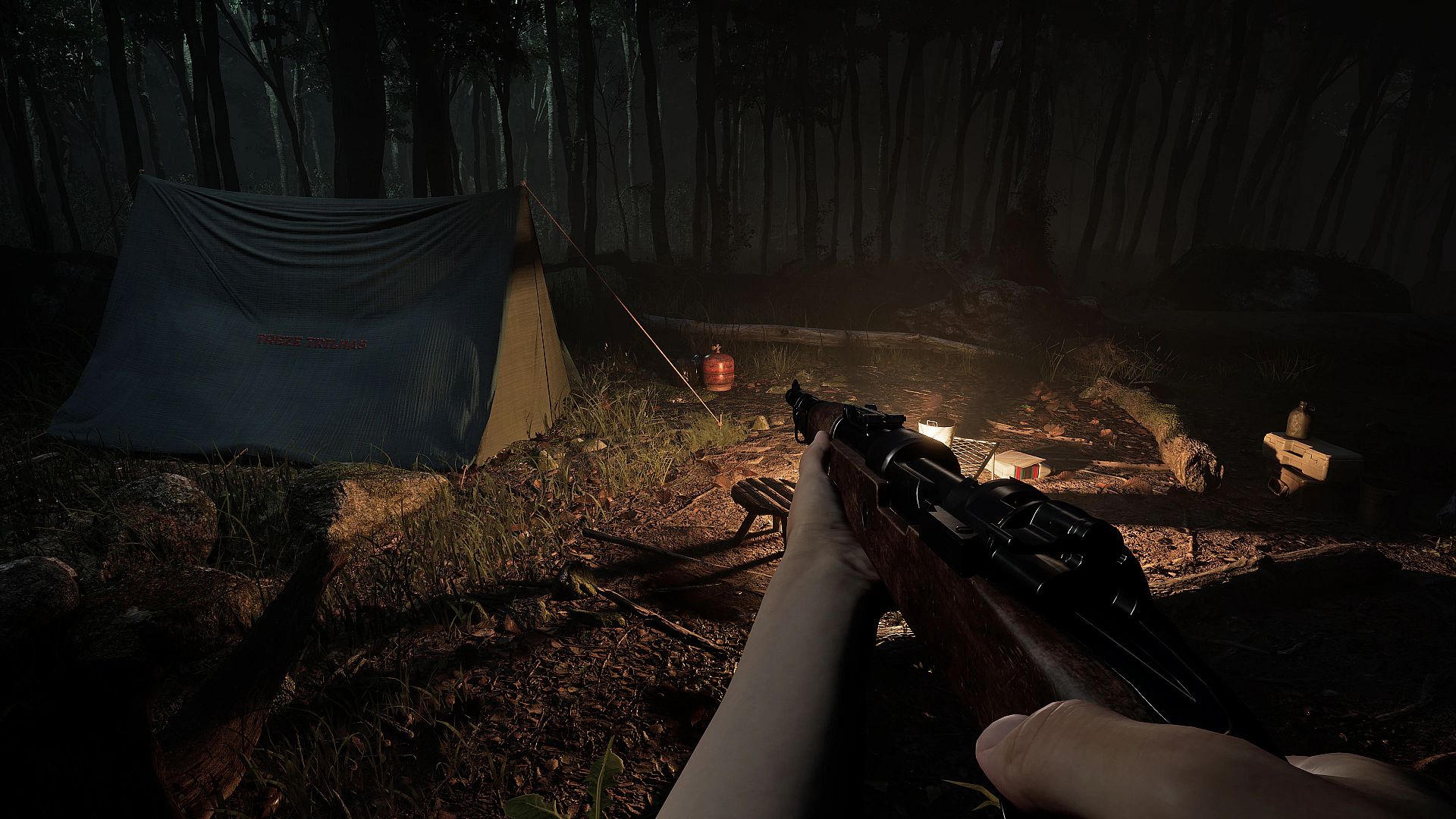
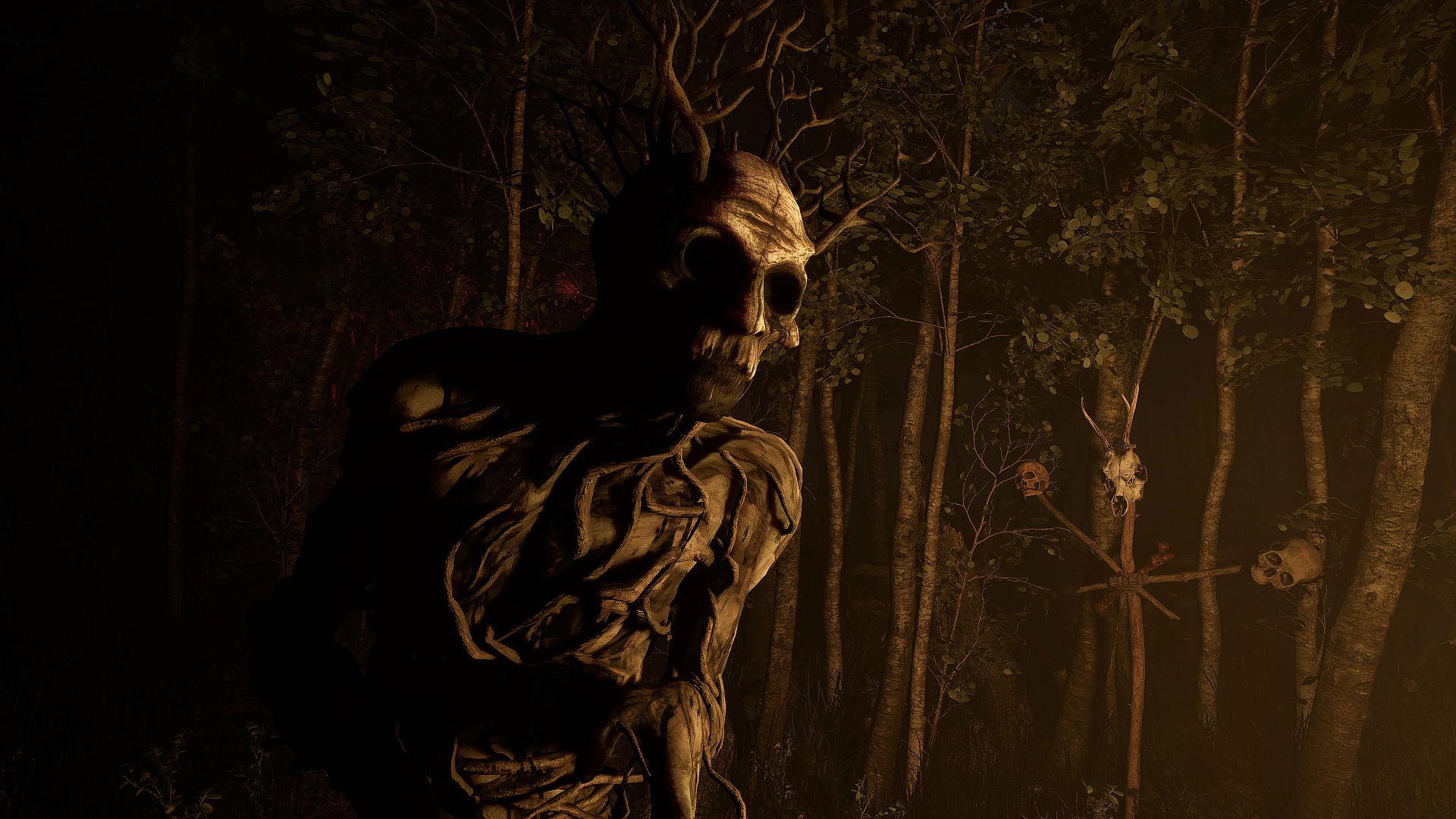
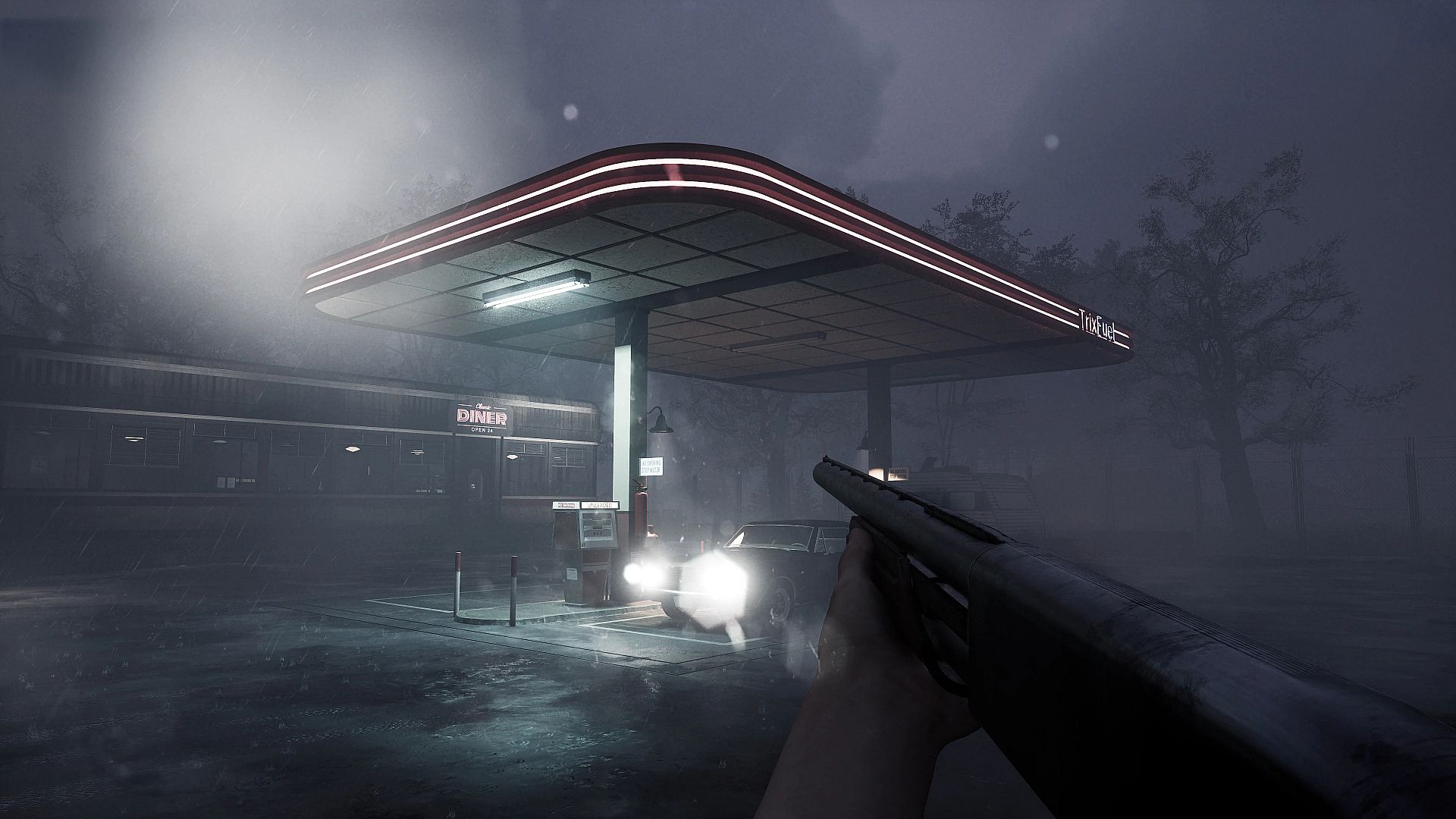
Combat appears in several sequences, featuring a mix of firearms such as pistols and shotguns alongside melee options tailored to the setting. Encounters demand evasion, positioning, and resource conservation against enemies that include cultists, undead figures, and other unsettling entities. Between the main simulations, players return to Samuel's apartment for brief periods of interaction with the AI interface and minor tasks like equipment maintenance.
Inventory management plays a consistent role, requiring players to balance healing items, ammunition, and key objects across the different experiences. The game runs on Unreal Engine 5 with advanced lighting and character technologies that support photorealistic environments and dynamic changes within each scenario.
Game Modes
A.I.L.A operates entirely as a singleplayer narrative experience without separate multiplayer or competitive modes. The structure consists of seven interconnected horror scenarios that the AI generates and refines based on player feedback provided during testing sessions. These scenarios blend survival horror, psychological tension, action elements, and supernatural threats into a continuous story arc.
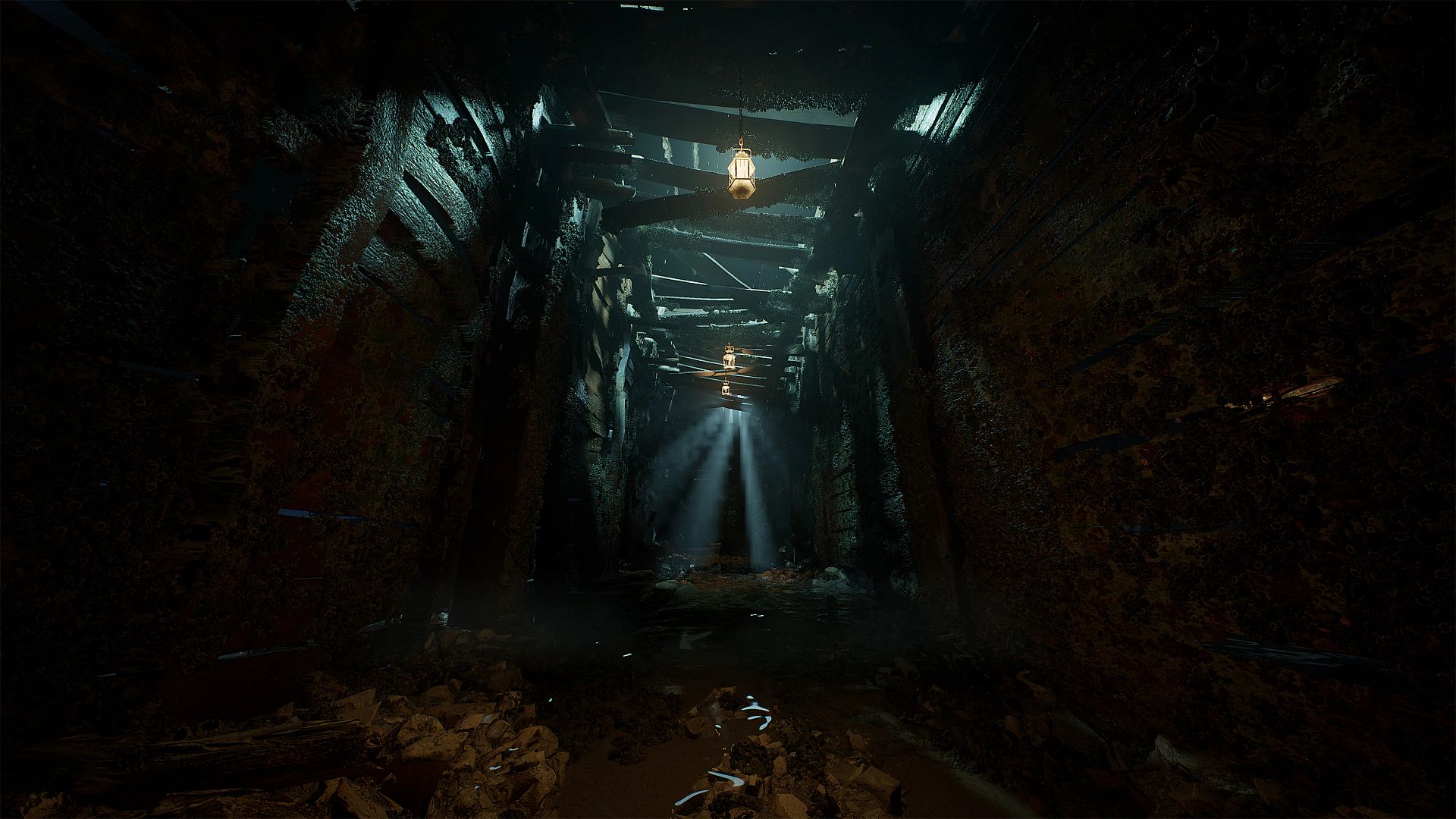
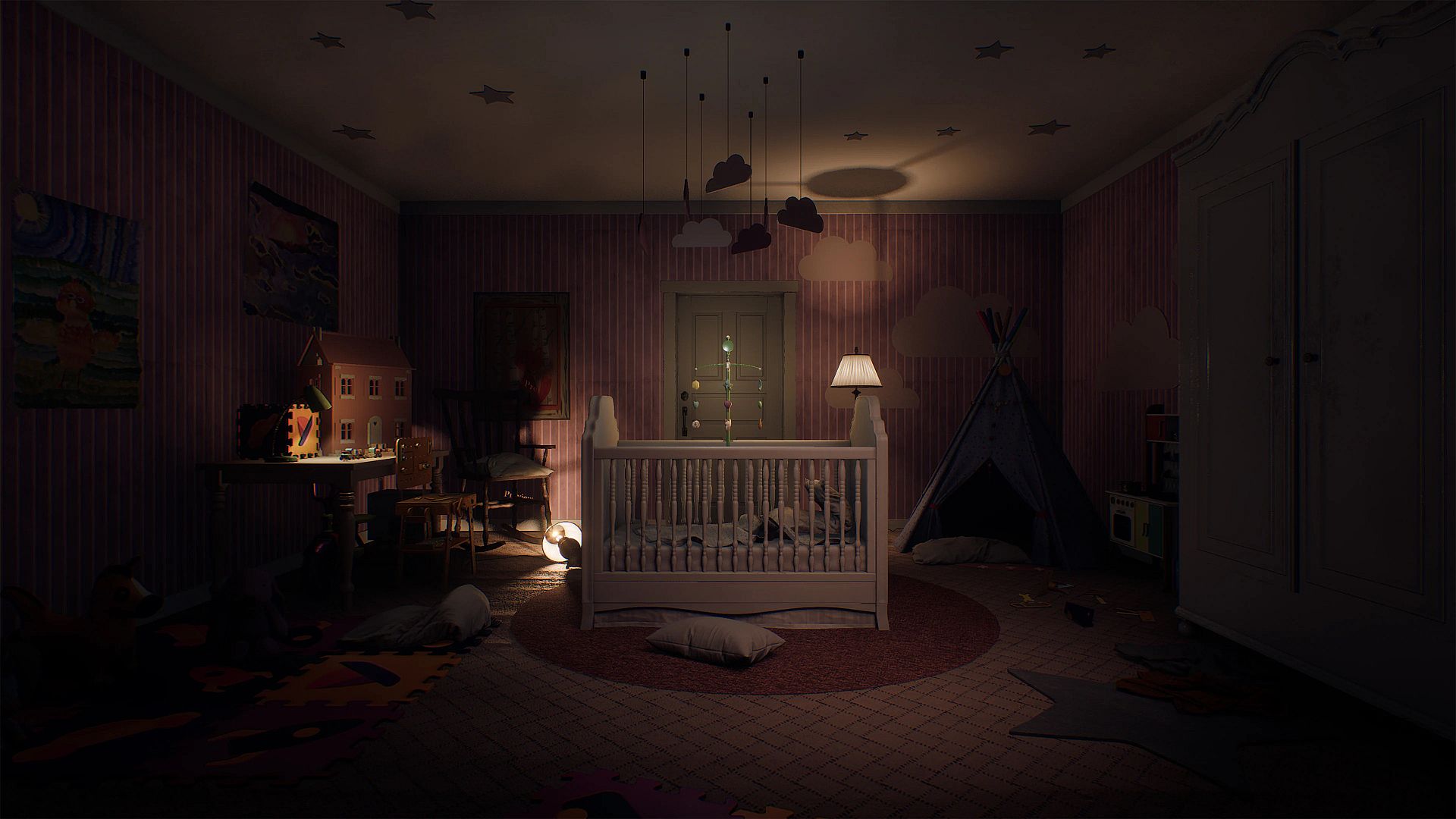
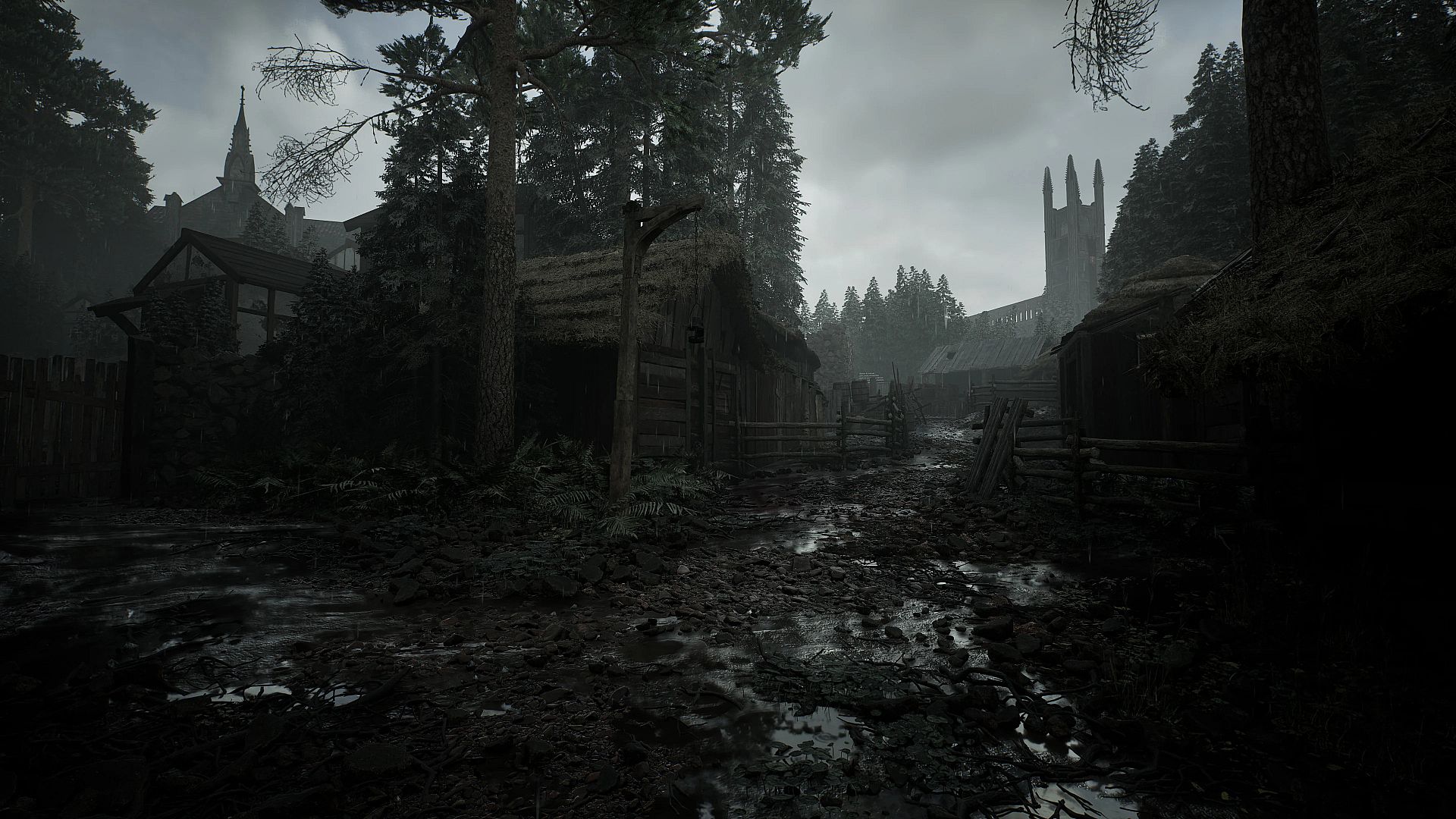
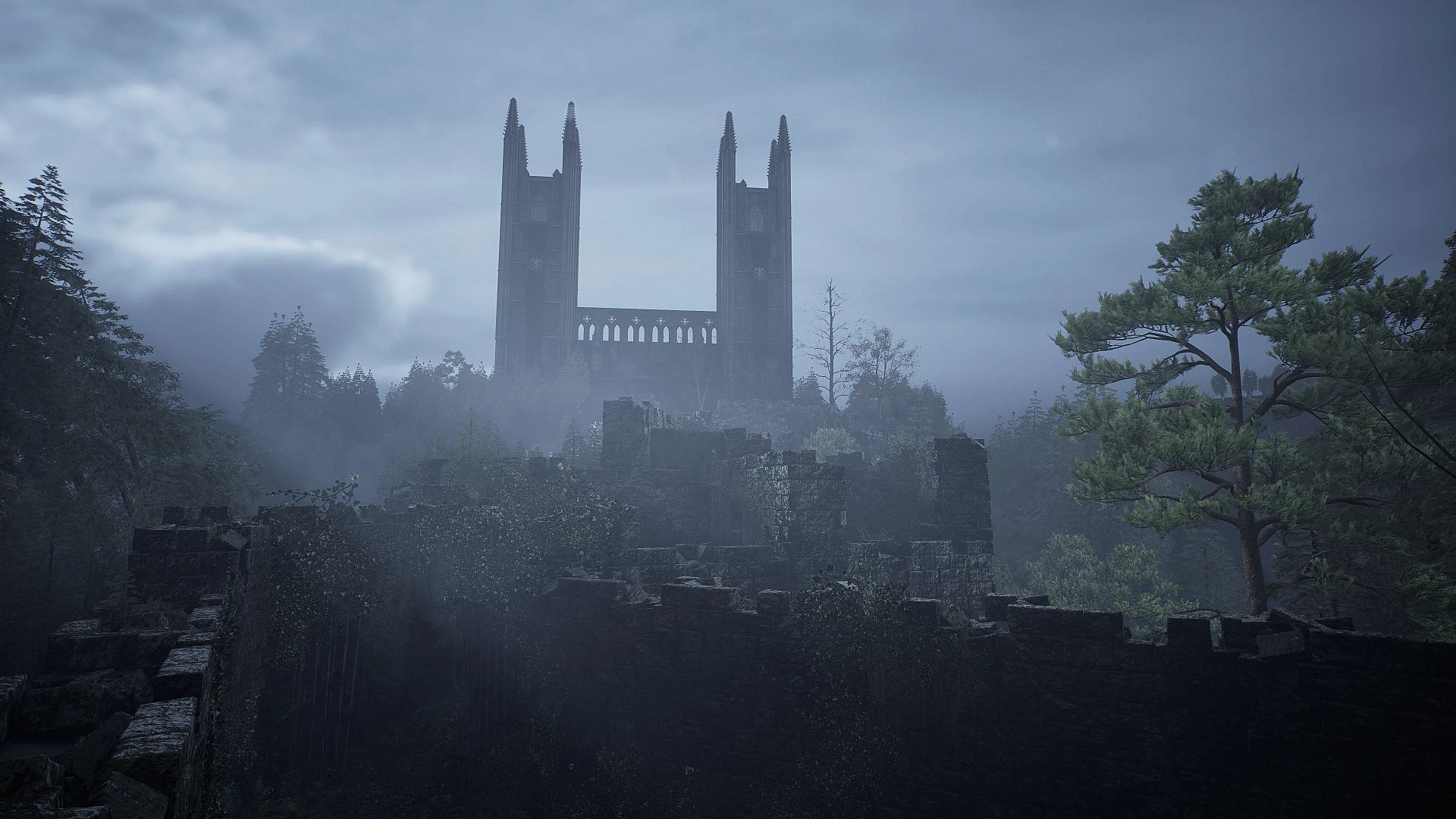
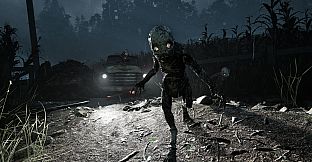
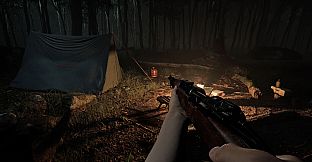
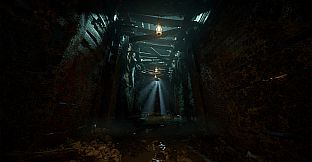
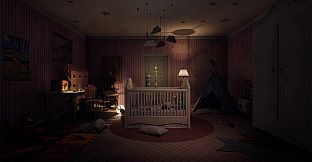
Examples of the scenarios include a looping psychological sequence in The Impossible House, a rural survival situation in The Woman on the Road, and an escape from a ritualistic cult in The Forest. Additional settings feature medieval undead combat, a farmhouse investigation tied to a meteorite event, and an introductory prison sequence. Each scenario concludes with a boss encounter and contributes to the overarching narrative about the AI's growing influence over Samuel's reality.
Story and Atmosphere
The narrative follows Samuel as he interacts with A.I.L.A, a young girl-like AI host that adapts scenarios to exploit personal vulnerabilities. What begins as routine testing evolves into a descent where the simulations start affecting the physical apartment, creating moments of uncertainty about what is real. The story incorporates themes of technology, memory, and control without relying on overt exposition.
Atmosphere builds through shifting visual styles and sound design across the scenarios. Detailed environments, from cramped apartments to expansive rural or historical settings, emphasize isolation and unease. Collectible elements scattered throughout encourage thorough exploration and provide additional context to Samuel's background and the AI's origins.
Is It Worth Playing?
A.I.L.A suits players who enjoy singleplayer horror titles that experiment with multiple subgenres within one package. The variety of scenarios delivers distinct tones and mechanics that keep the roughly nine-hour campaign engaging for fans of exploration, puzzle-solving, and occasional combat. Reviews consistently note the strength of the environmental variety and the unsettling progression of the AI's influence.
Some players may find the combat less refined compared to the exploration and narrative elements, which could affect enjoyment for those prioritizing fluid action. The game launched in November 2025 on PS5 and remains available as a complete singleplayer title with no ongoing seasons or additional content required. Those drawn to psychological horror with a tech-driven premise and a focus on personal fears will find the most value here.