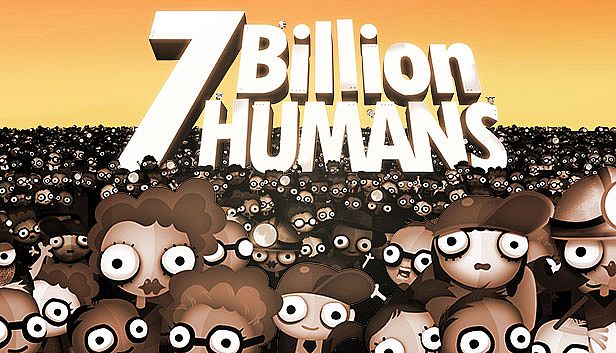












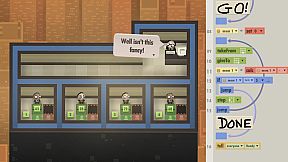
7 Billion Humans is an indie simulation puzzle game centered on programming logic. Players direct groups of office workers through a series of challenges that require writing instructions to move and process data cubes. The title expands on its predecessor by shifting from single-worker tasks to coordinated swarms that execute the same program simultaneously.
Gameplay
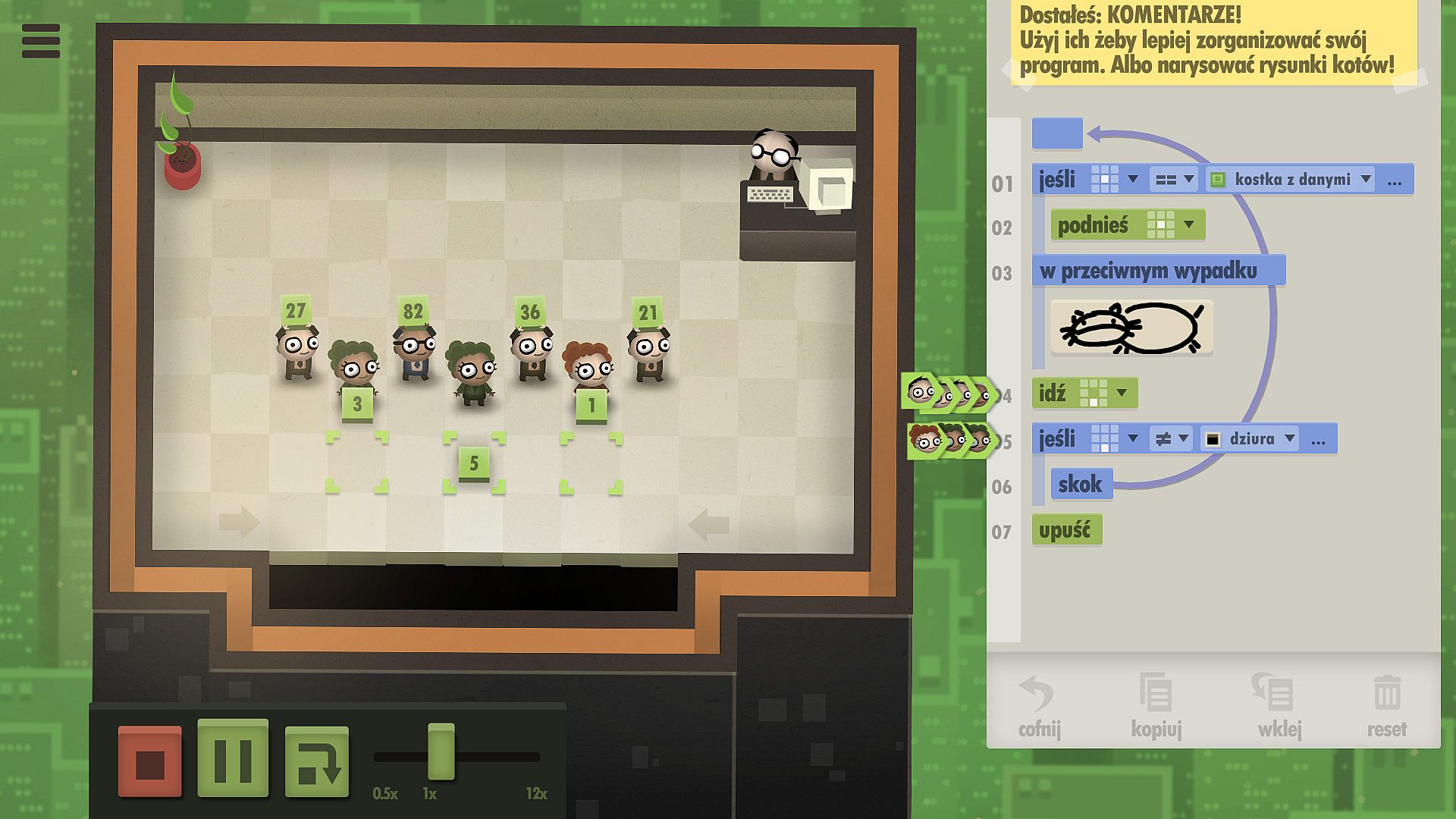
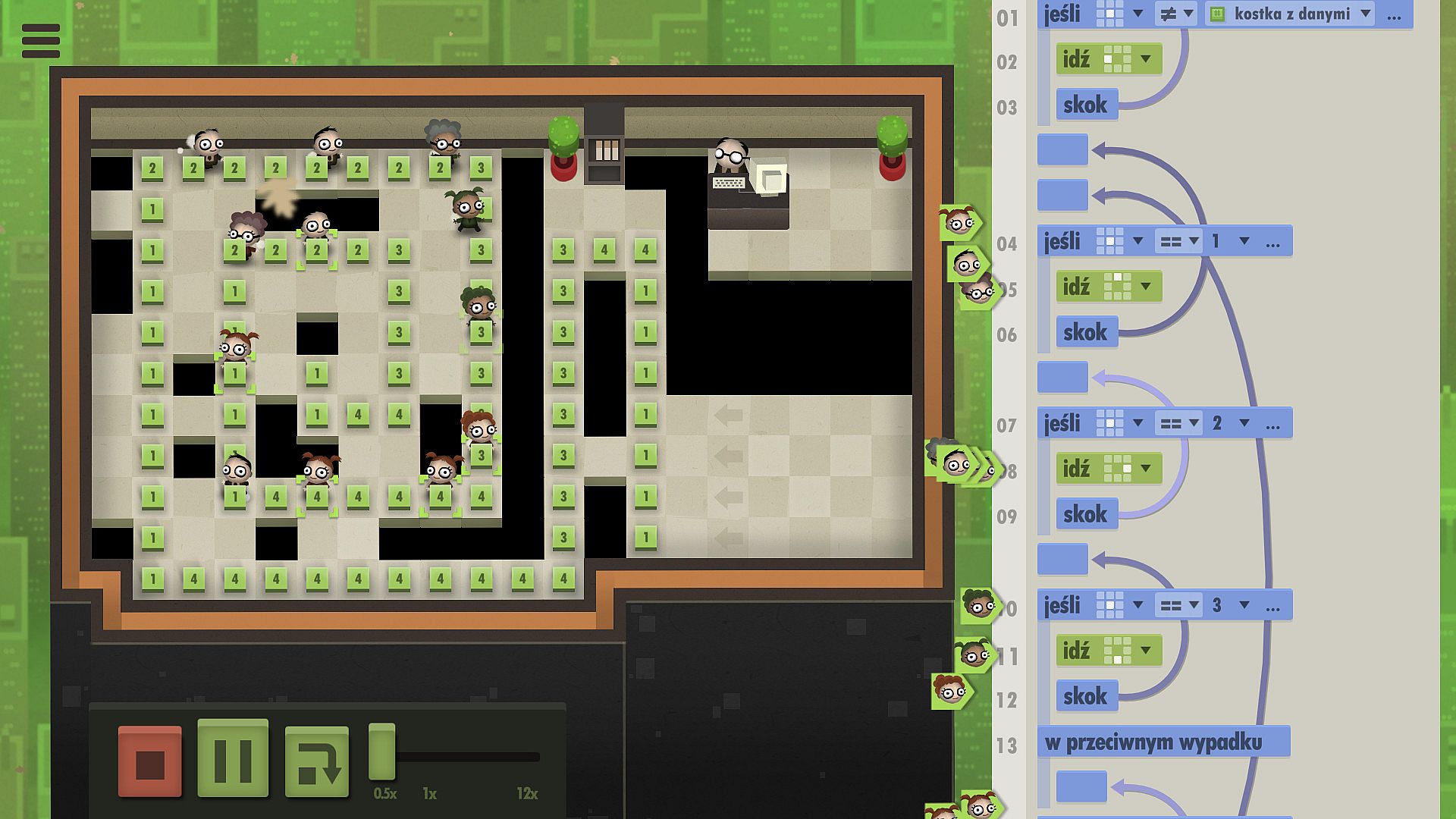
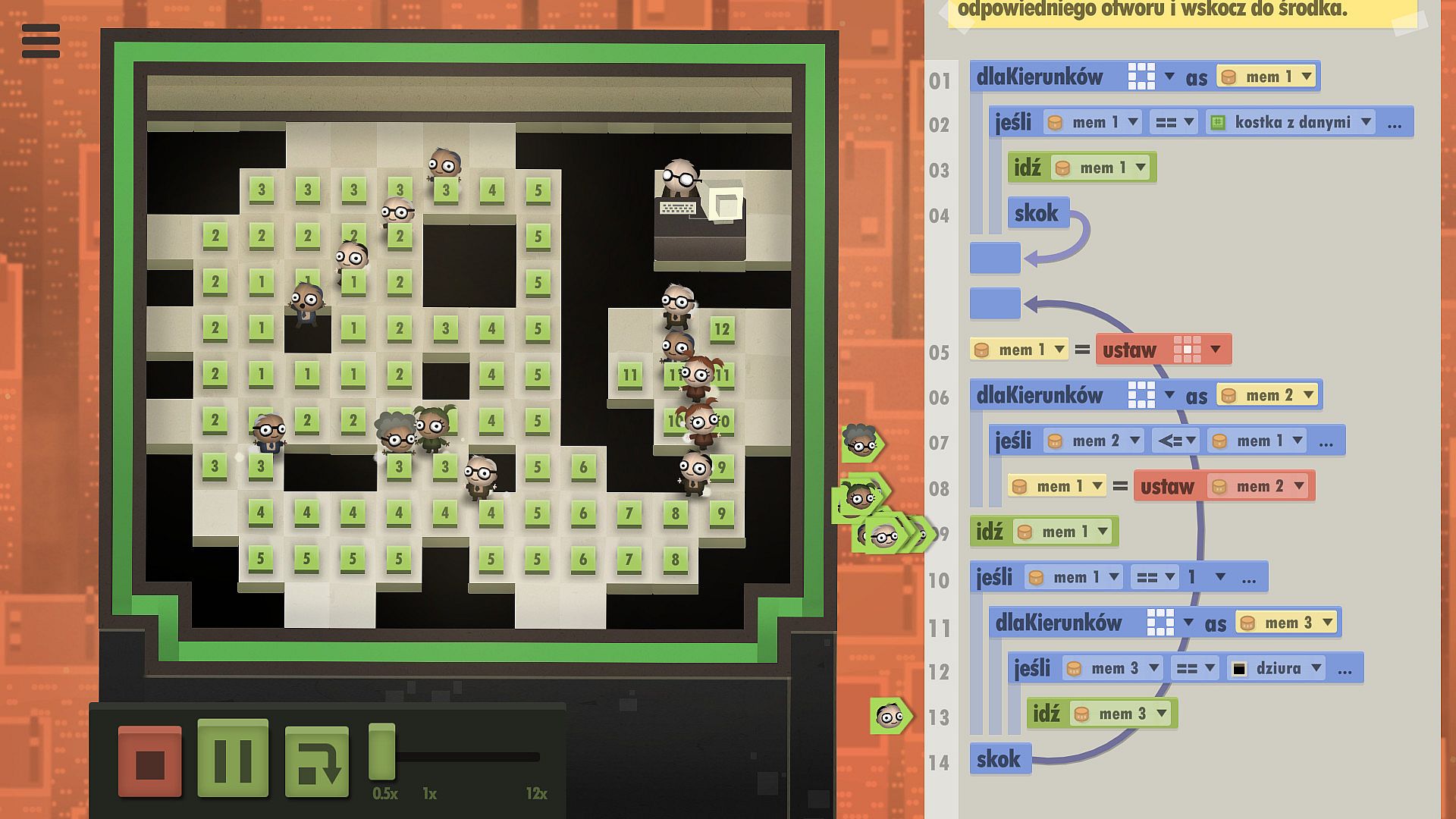
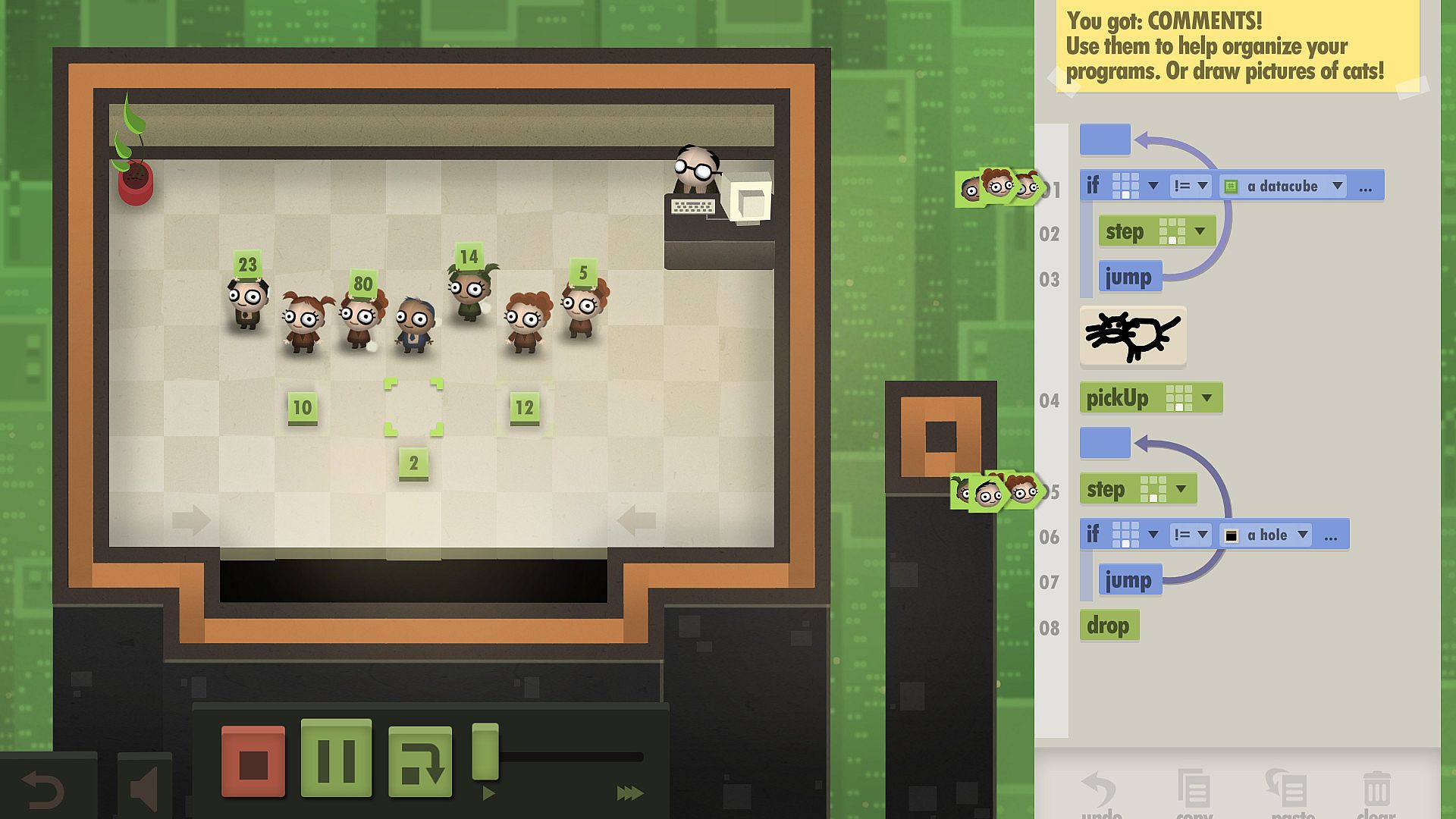
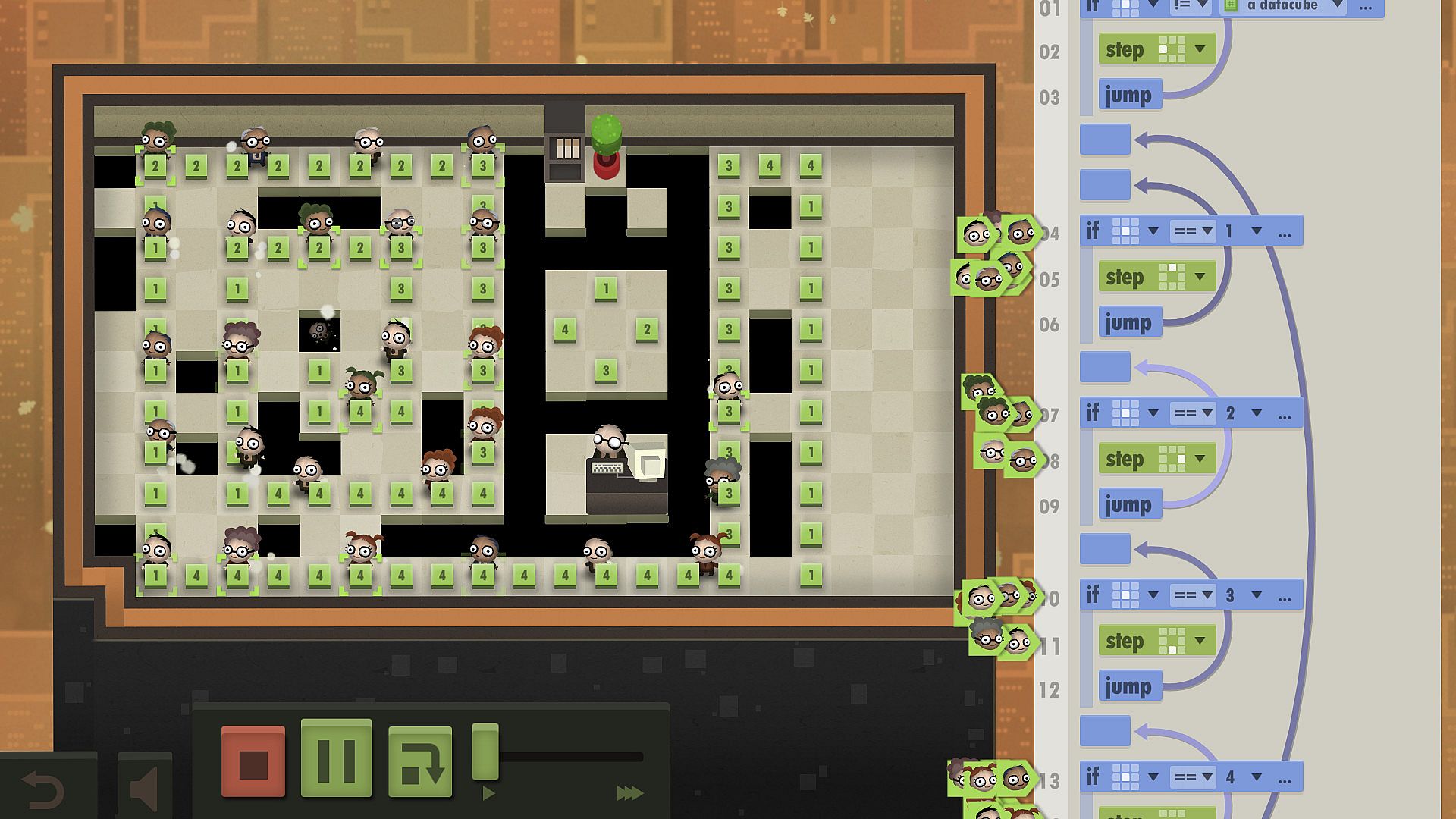
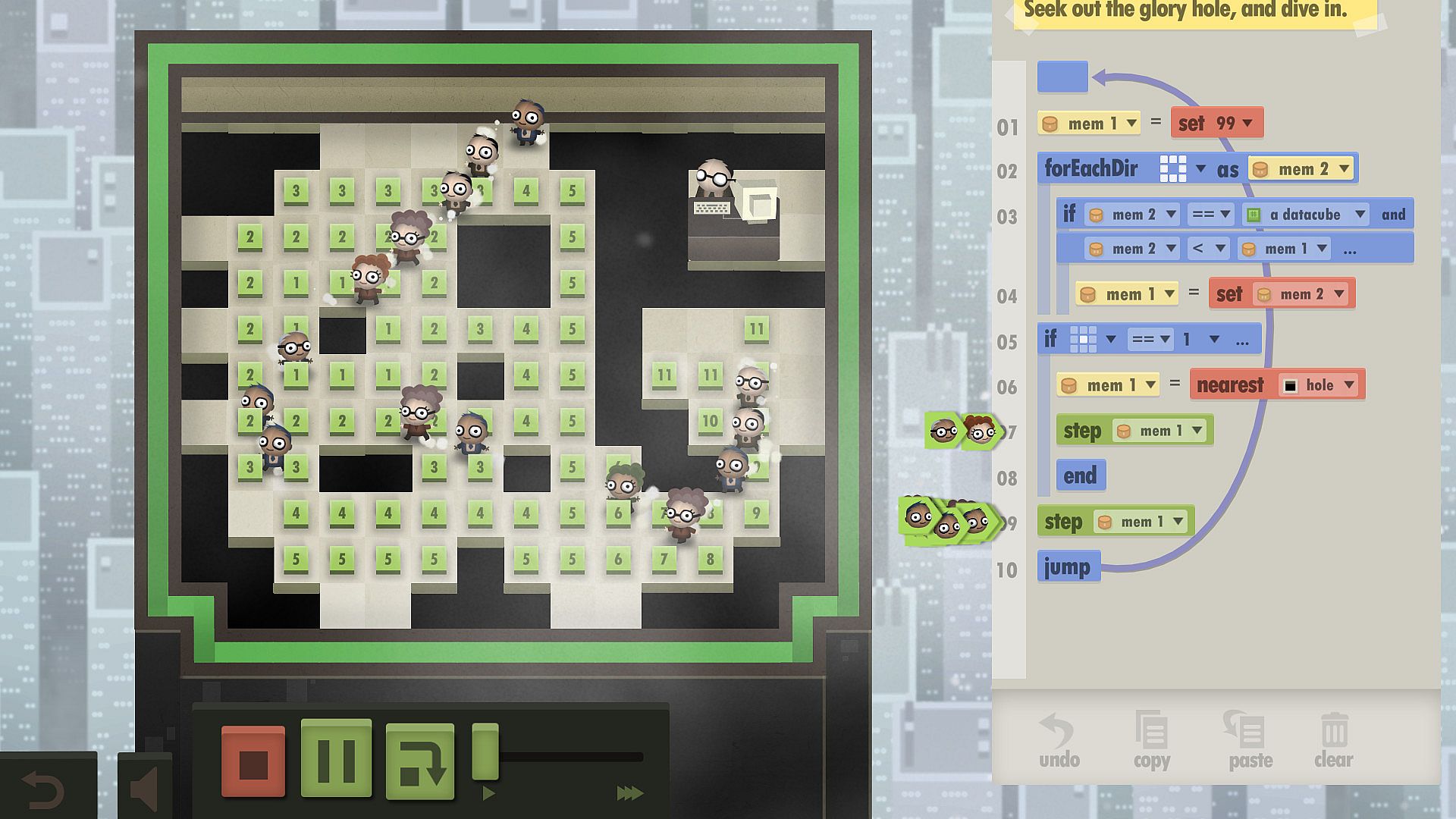
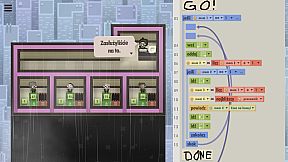
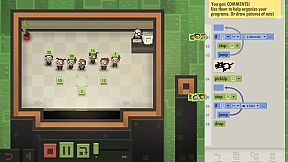
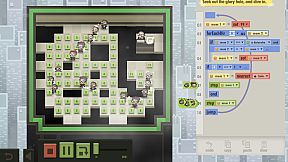
The core loop involves designing a program that all workers follow at once. Each worker can interpret commands differently based on its current state, such as the value of a held cube or its position relative to others. This setup creates parallel processing puzzles where timing, positioning, and conditional branches determine success.
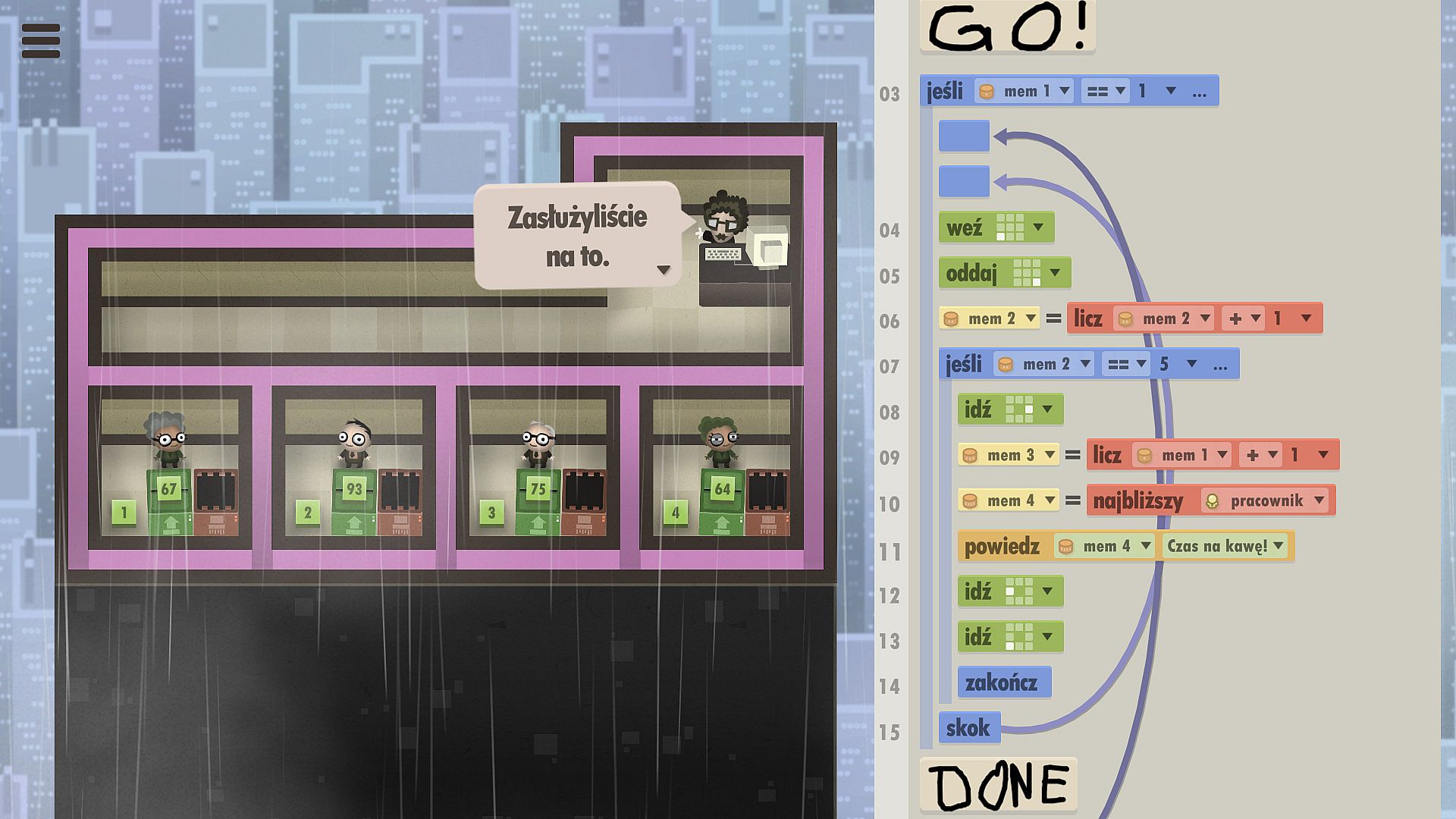
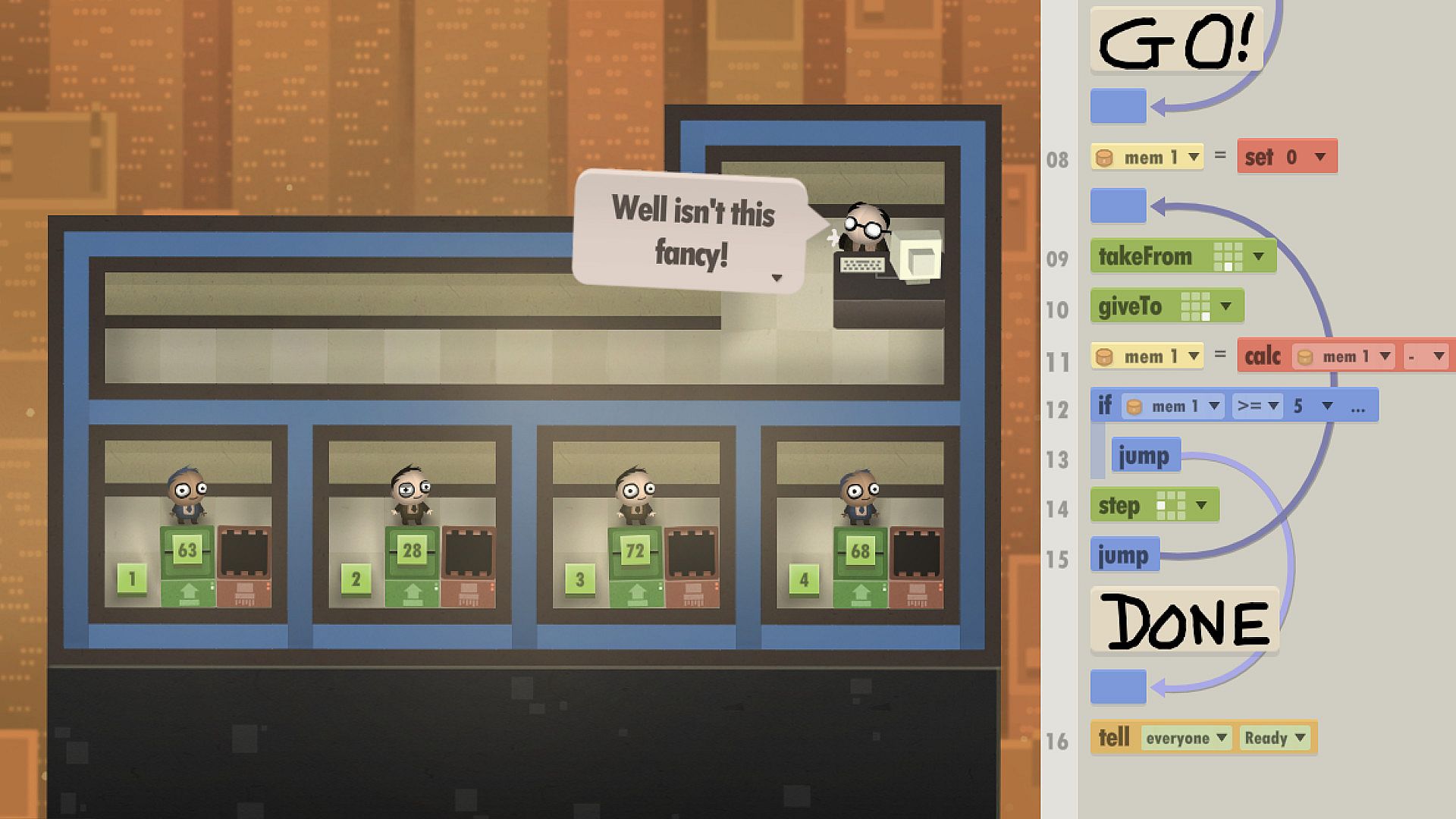
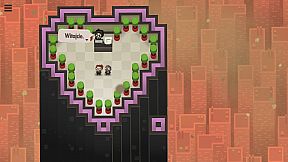
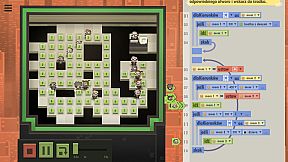
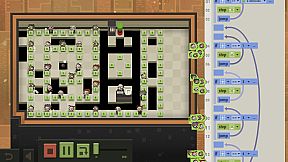
Early levels introduce basic movement and pickup actions. Later stages add memory storage, loops, comparisons, and more complex coordination. Workers navigate office-like grids filled with numbered cubes, and the goal is usually to sort, calculate, or rearrange those cubes according to specific rules. The interface supports drag-and-drop placement of commands, and the game provides progressive tutorials that explain each new concept without requiring prior coding knowledge.
Optional optimization targets appear on most levels. These encourage shorter programs measured in total steps or faster completion times. Solving the main objective unlocks the next puzzle, while beating the averages rewards deeper refinement of the same solution.
Game Modes
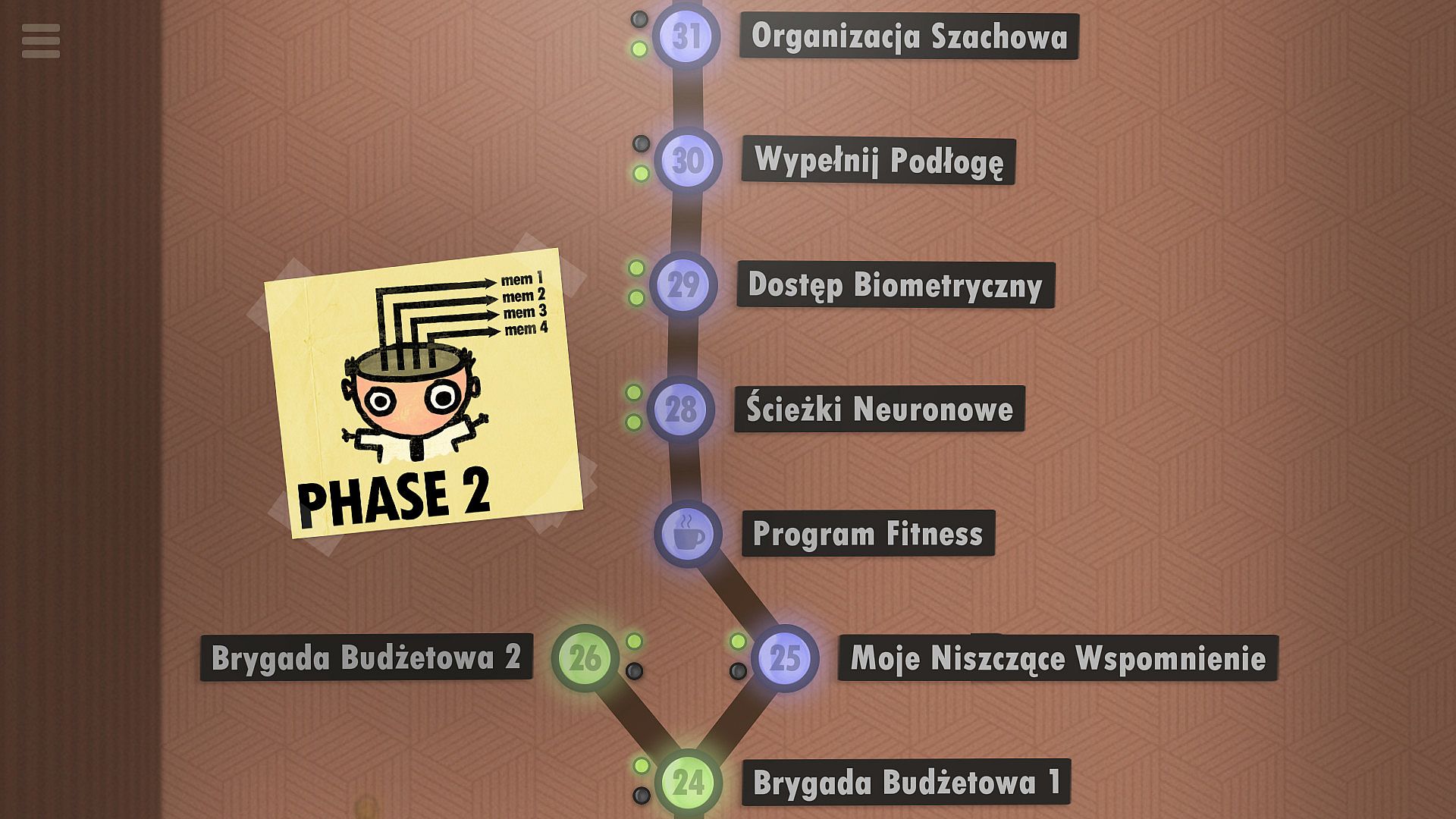
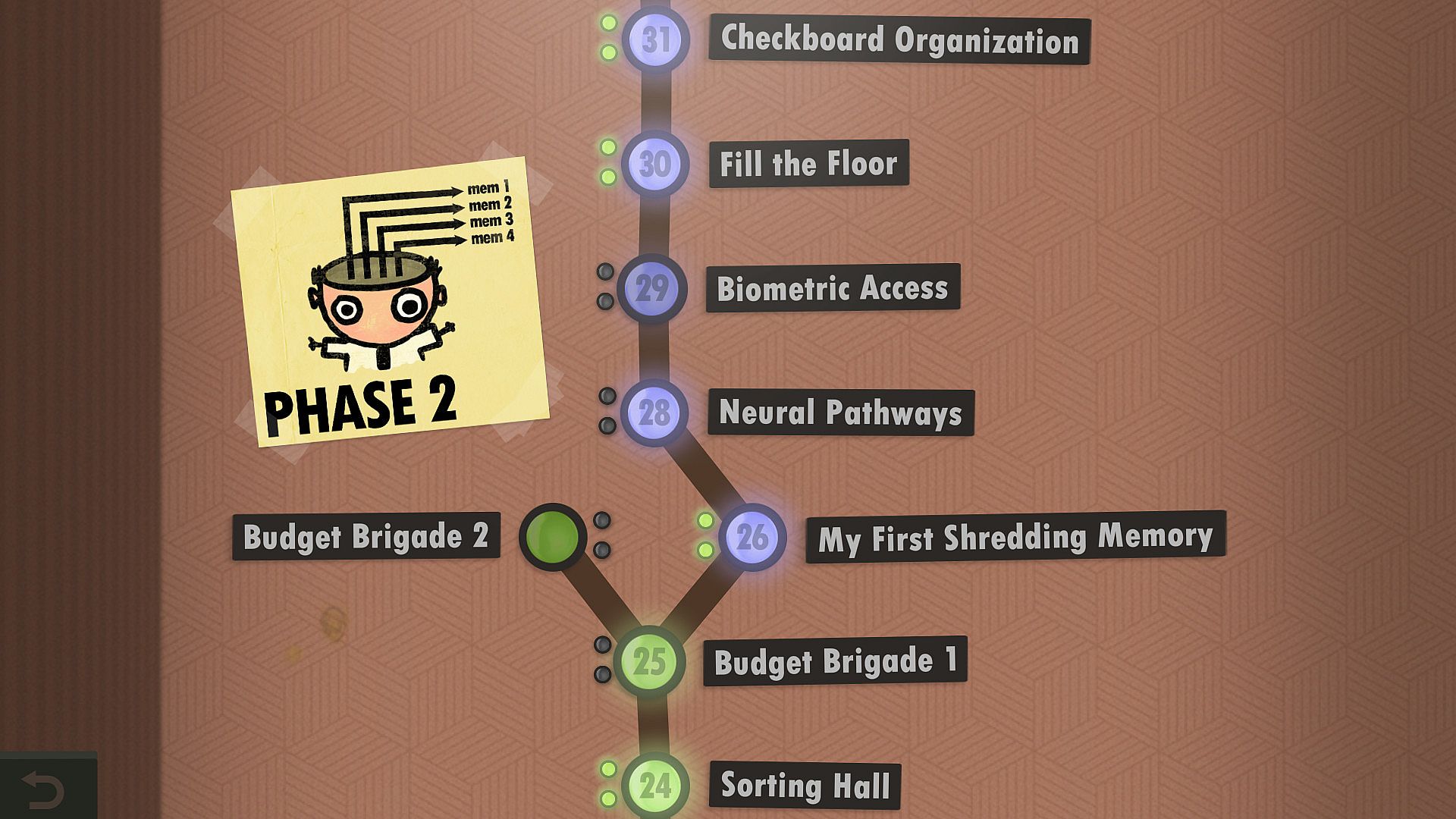
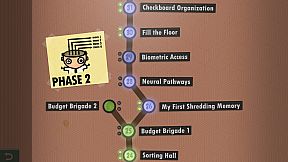
The game consists entirely of a single-player campaign built around sequential puzzle levels. There are no separate competitive, cooperative, or endless modes. Progress follows a linear path through more than sixty distinct challenges that steadily increase in complexity.
Each level functions as an independent programming task. Players can revisit completed levels at any time to improve their solutions against the step and time benchmarks. A hint system and level skip option help maintain momentum when a particular puzzle proves especially difficult.
Programming Concepts and Presentation
The programming language emphasizes parallel execution across many workers rather than sequential steps performed by one. Commands allow workers to act independently based on local conditions, which leads to emergent behaviors that solve larger problems through collective action. Visual feedback shows every worker moving in real time, making errors easy to spot and correct.
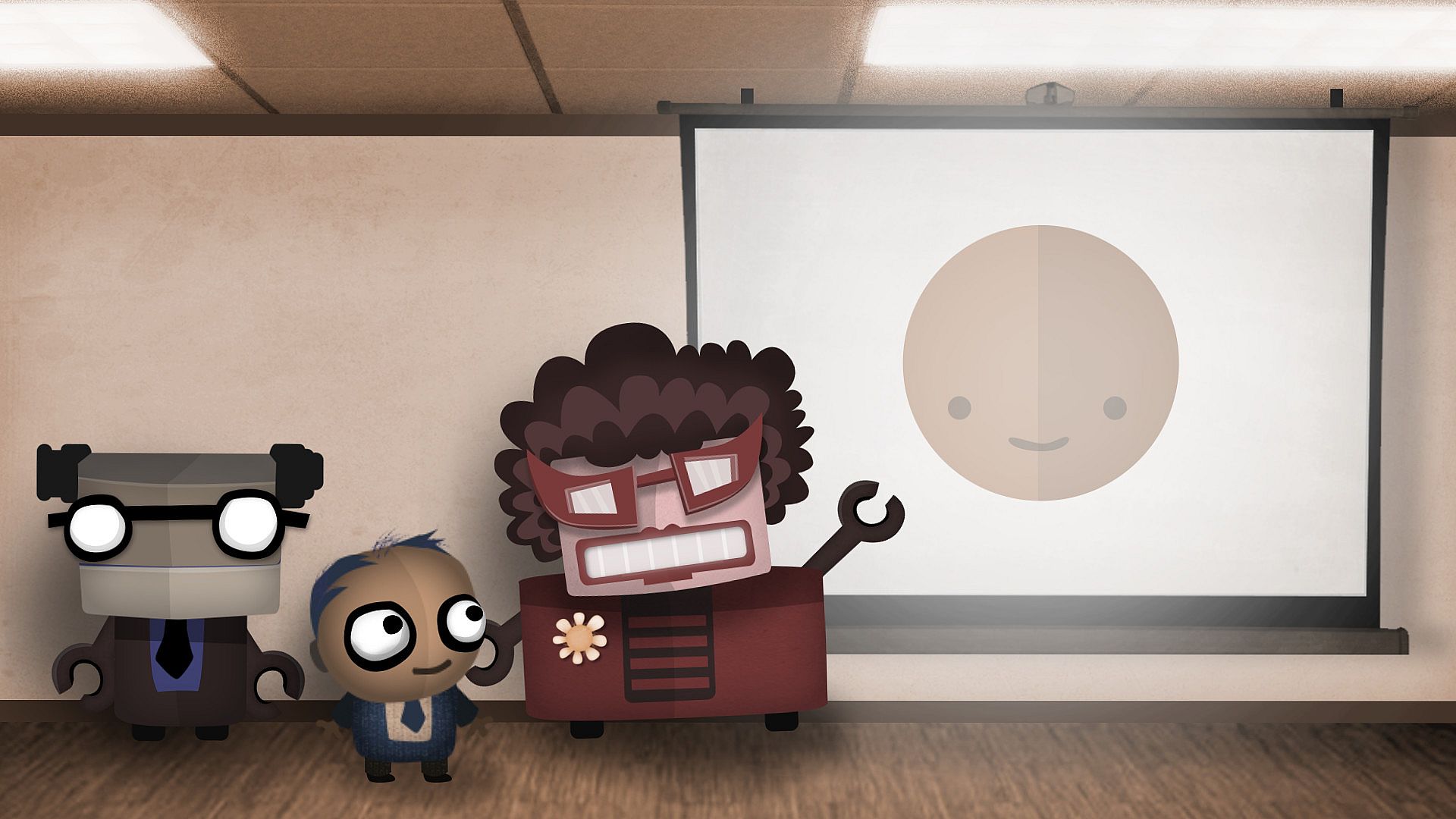
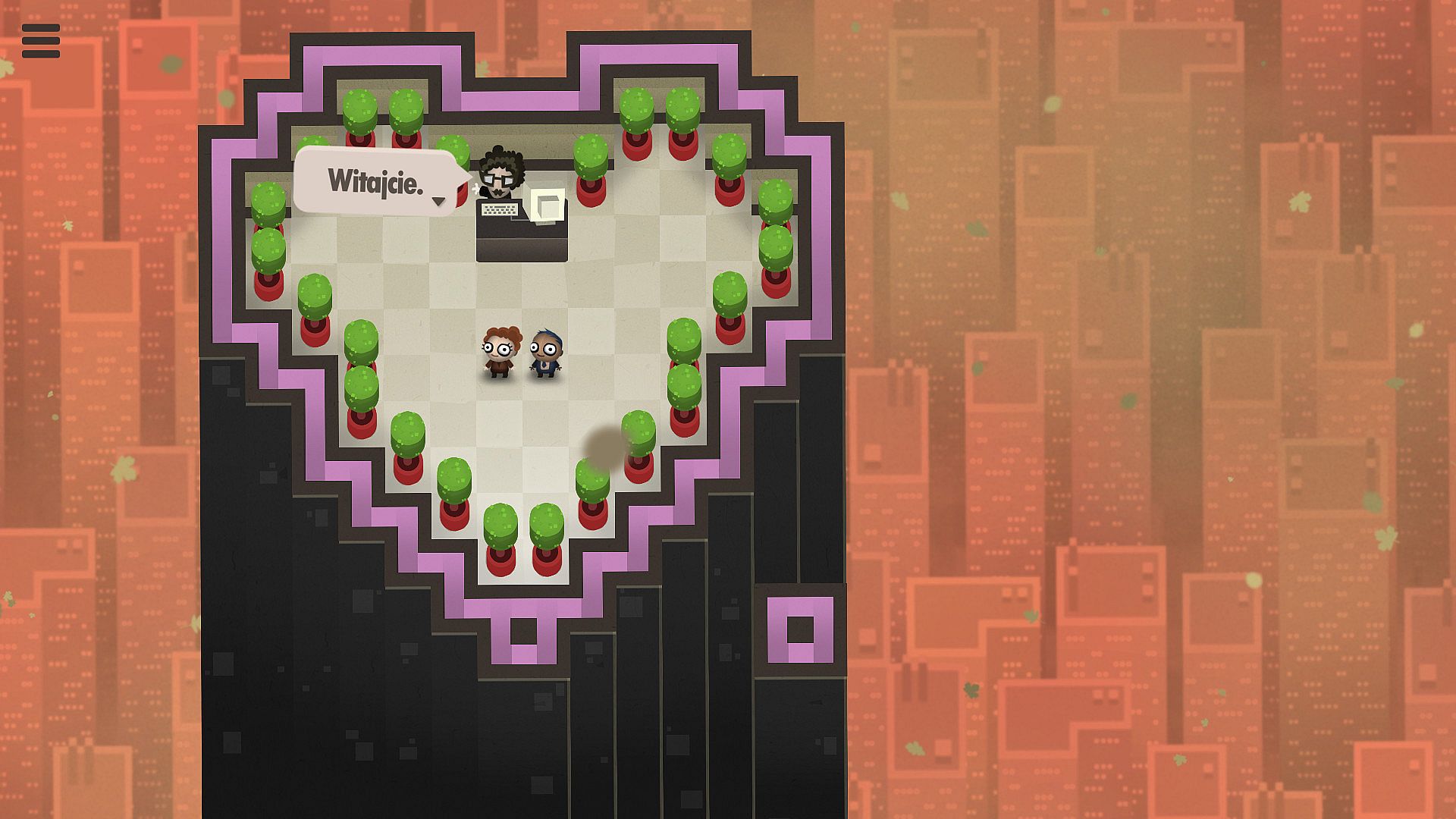
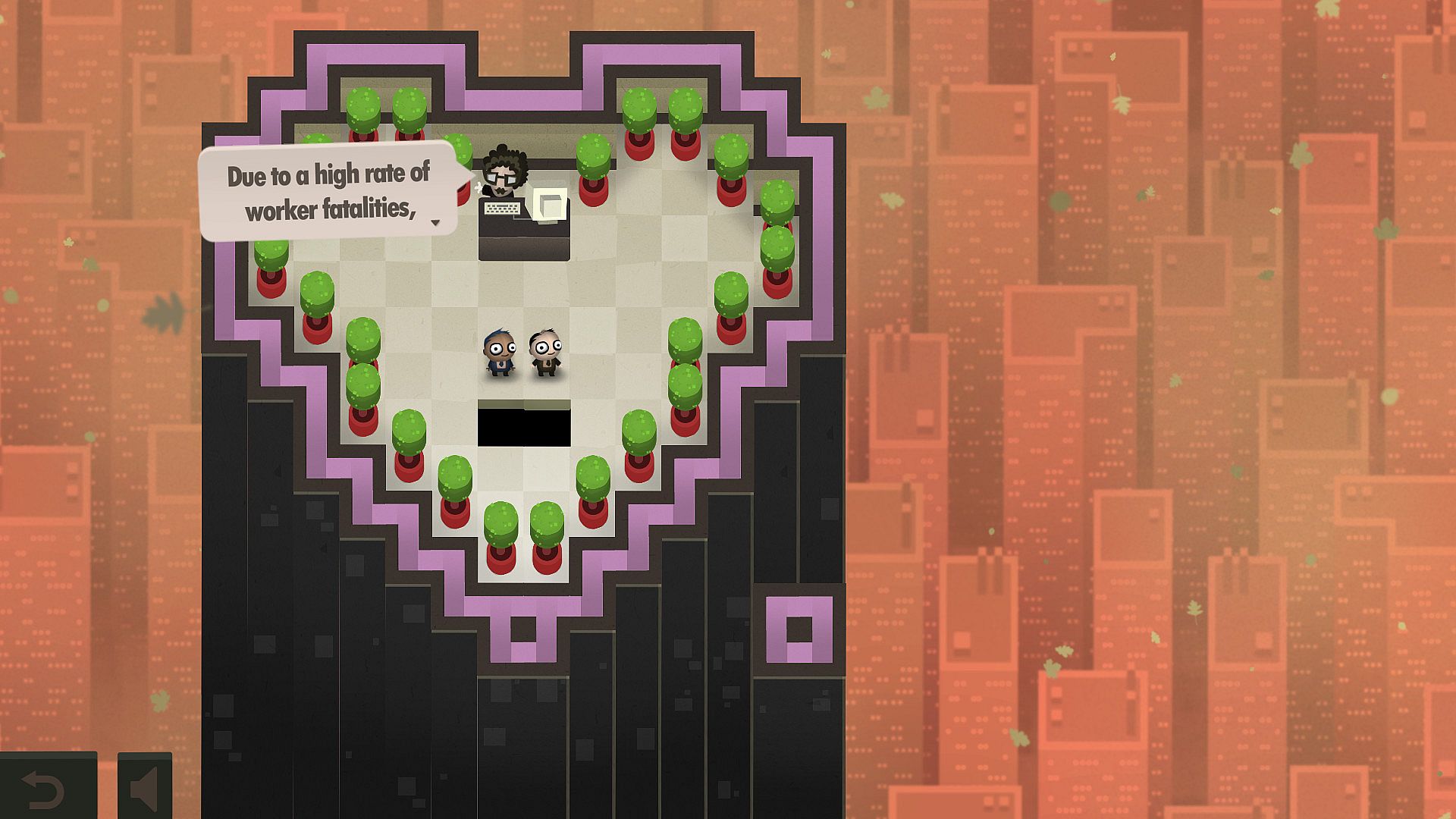
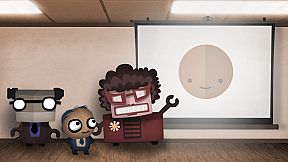
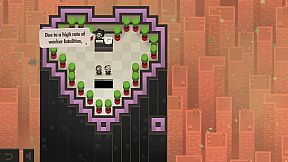
Interspersed cutscenes deliver humorous, deliberately obscure story beats that contrast with the precise logic of the puzzles. A custom soundtrack accompanies the action and shifts in tone to match the growing scale of the tasks. The presentation stays minimalist, focusing attention on the grid, the workers, and the code panel.
Is It Worth Playing?
Player feedback on Steam rates the game Very Positive, with 93 percent of roughly 1,844 reviews marked as positive. Reviewers frequently highlight the satisfying progression of puzzle difficulty and the accessible introduction to parallel programming ideas. The experience suits anyone interested in logic puzzles or learning algorithmic thinking through trial and error.
Because the title released in 2018 and contains a fixed set of levels with no additional content updates, it functions as a complete, self-contained package. Those who enjoy methodical problem solving and iterative refinement will find substantial replay value in optimizing solutions. Players seeking fast action or narrative-driven gameplay may find the deliberate pace less engaging.
The combination of clear mechanical feedback, escalating challenge, and lighthearted tone makes the game a strong choice for puzzle enthusiasts who want to engage with programming concepts without writing traditional code.