


687 Days on Mars - First Steps is a single-player survival simulation game that places players alone on the surface of Mars. The experience centers on resource management, base construction, and exploration in a hostile environment where oxygen, water, energy, and food supplies must be carefully balanced against radiation, storms, and equipment failures.
Gameplay
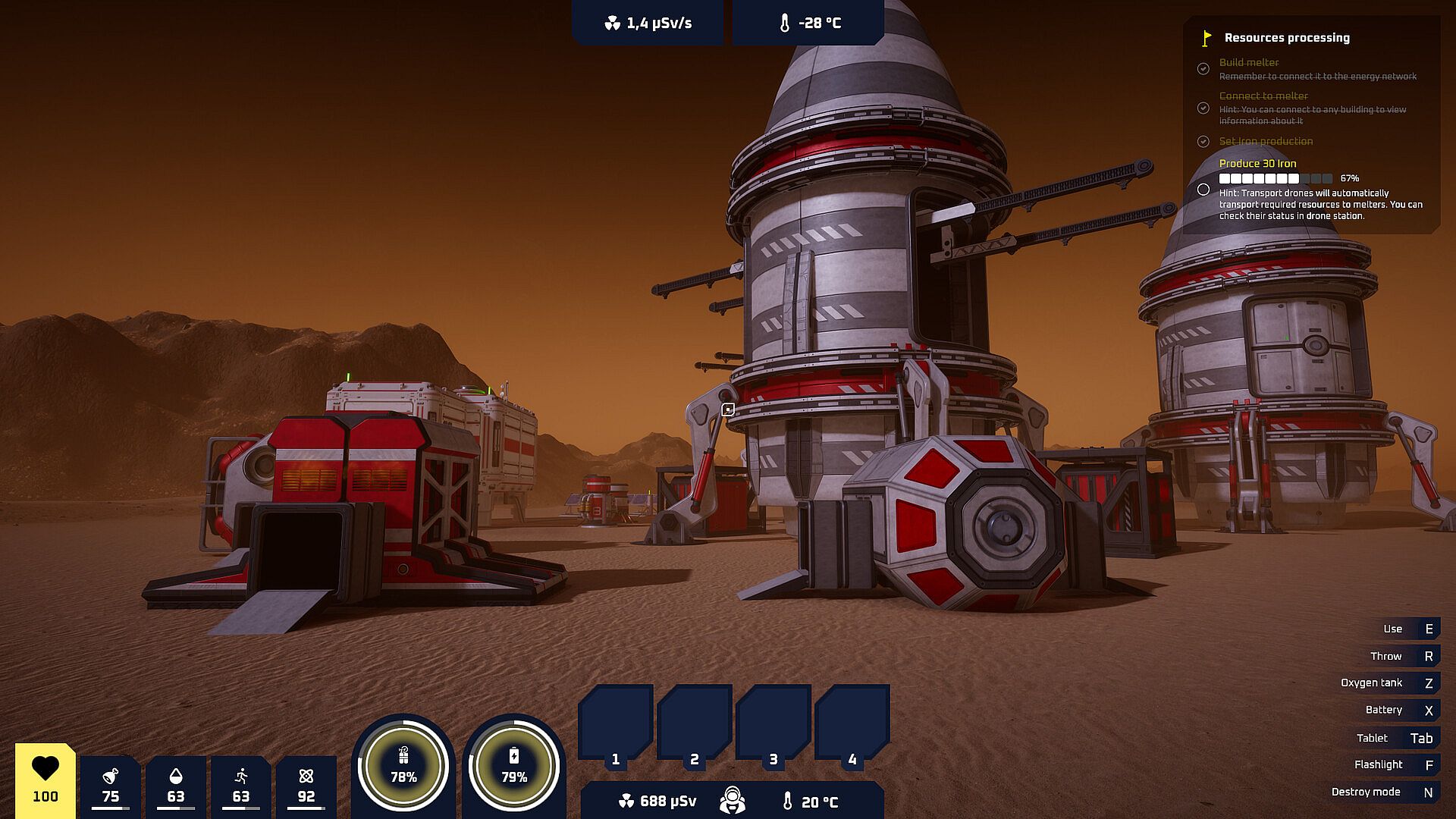
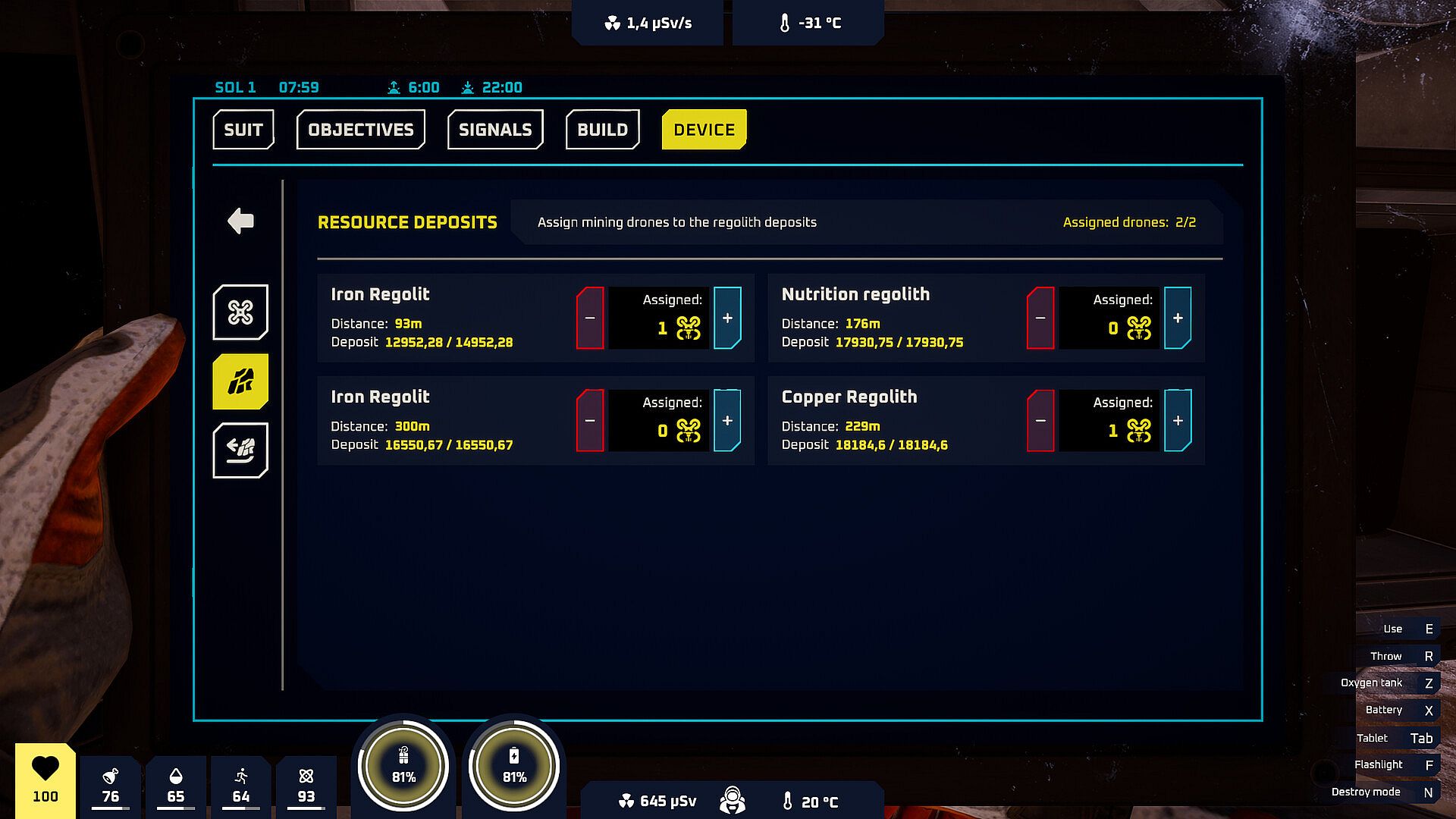
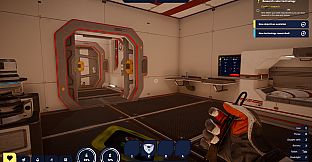
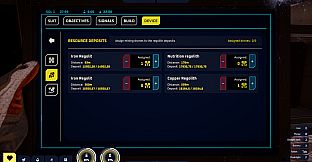
The core loop revolves around establishing a functional shelter and expanding it into a self-sustaining outpost. Players begin with limited supplies and must construct essential structures such as solar panels for power, oxygen generators, water extractors, and storage units. Regolith is mined for iron and copper, which are processed into building materials through drones and automated systems.
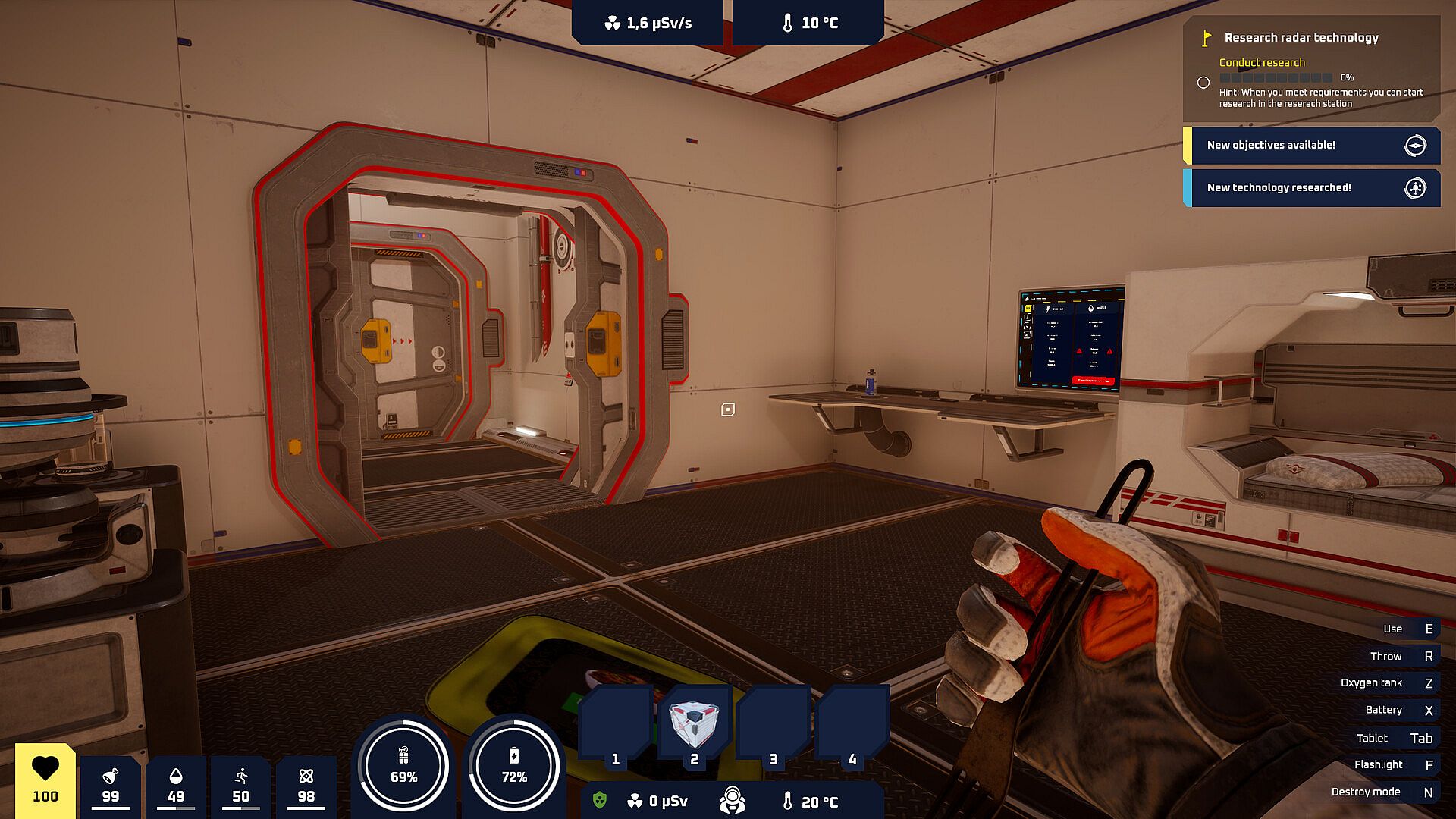
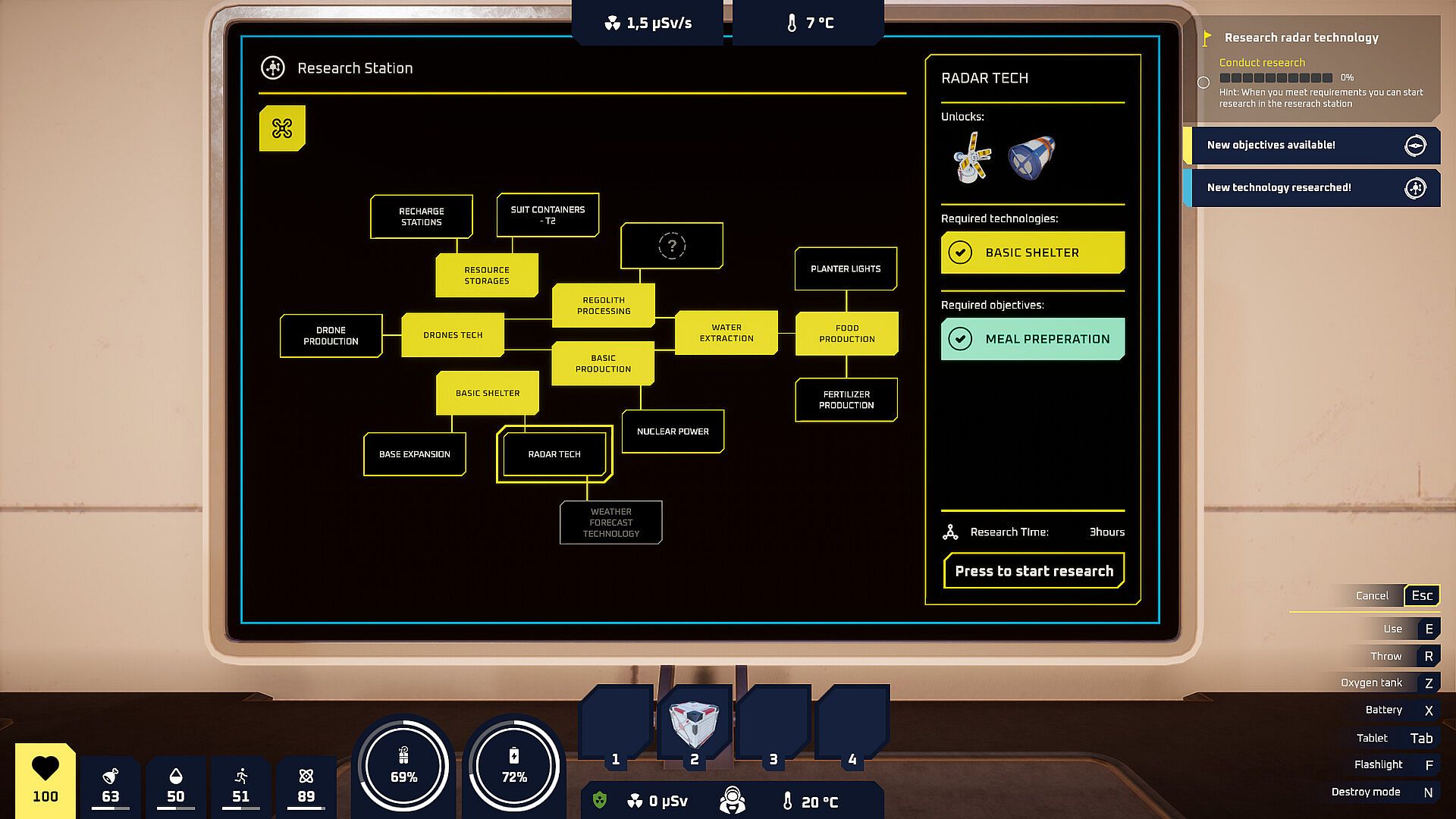
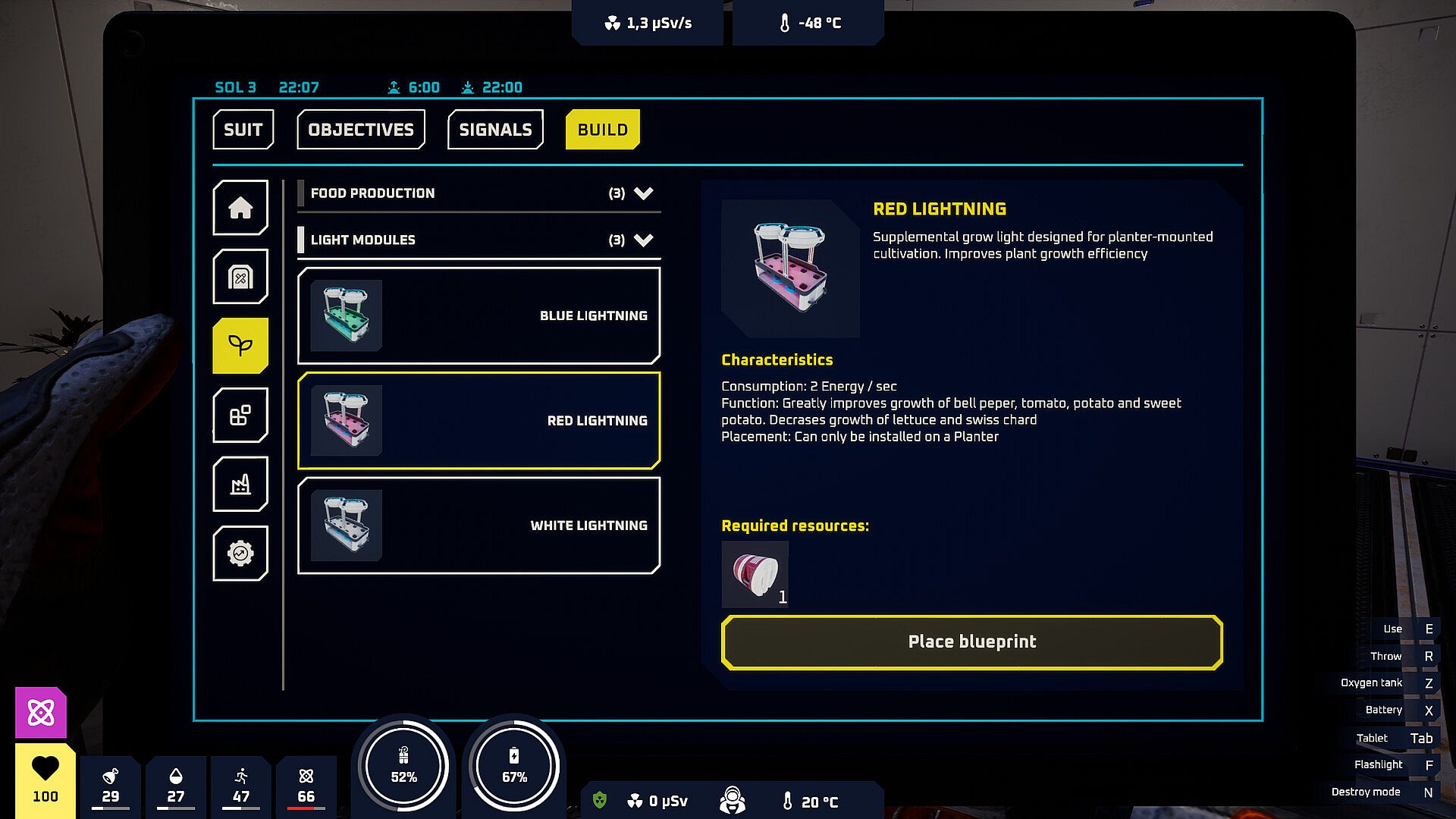
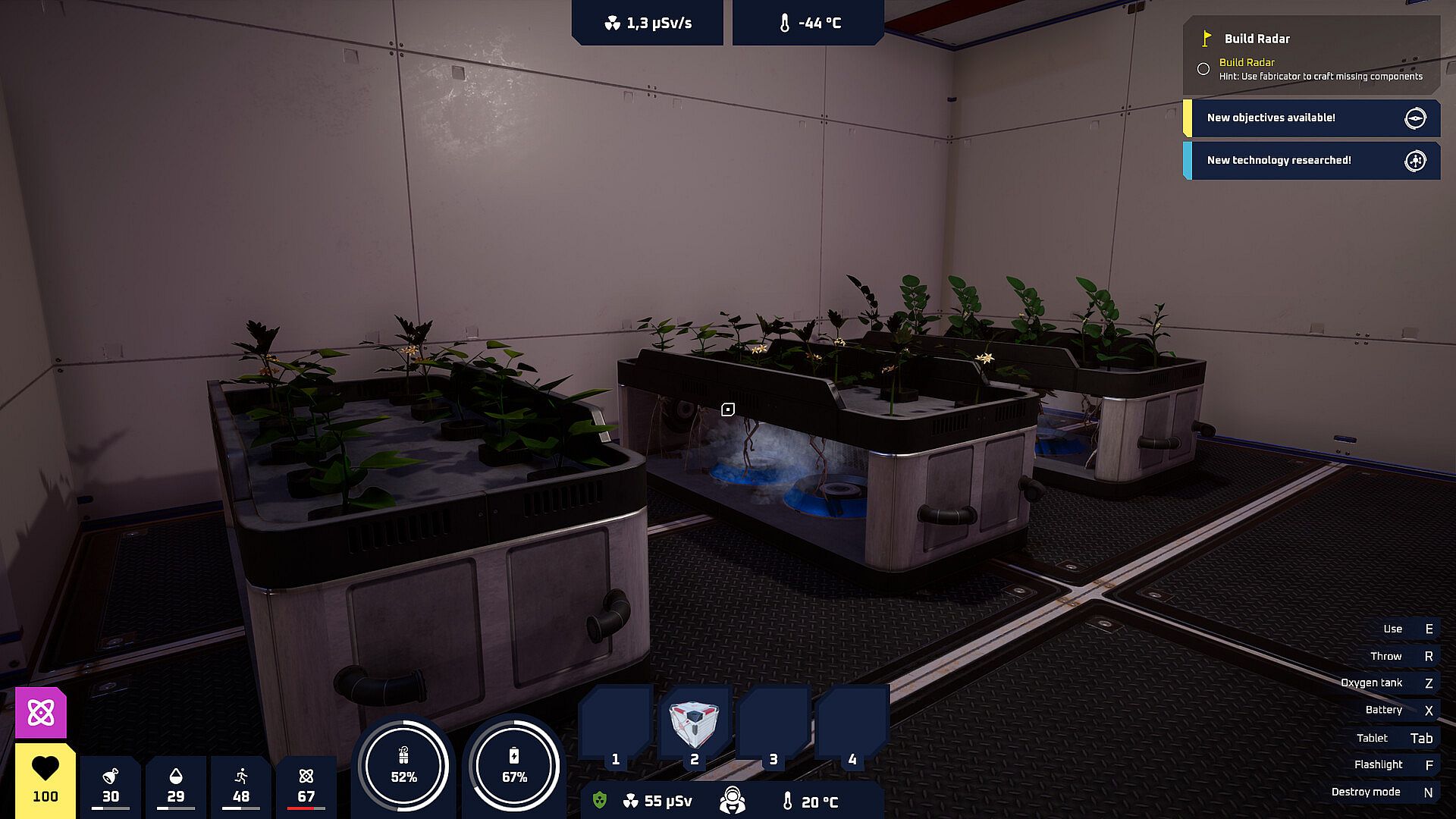
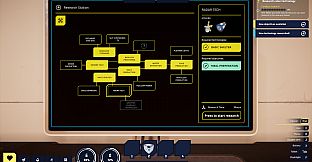
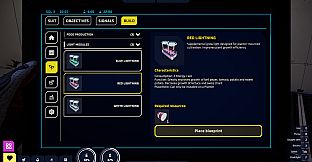
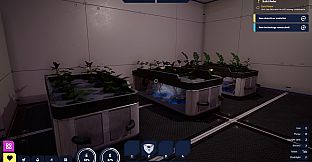
Crop cultivation uses aeroponic methods to grow potatoes, lettuce, sweet potatoes, and peppers without soil. These plants require proper lighting and fertilizers, and harvested vegetables can be stored in fridges before being turned into meals with a food preparation machine. Research stations unlock new technologies, including better water extraction from ice deposits, advanced weather monitoring, and improved resource processing.
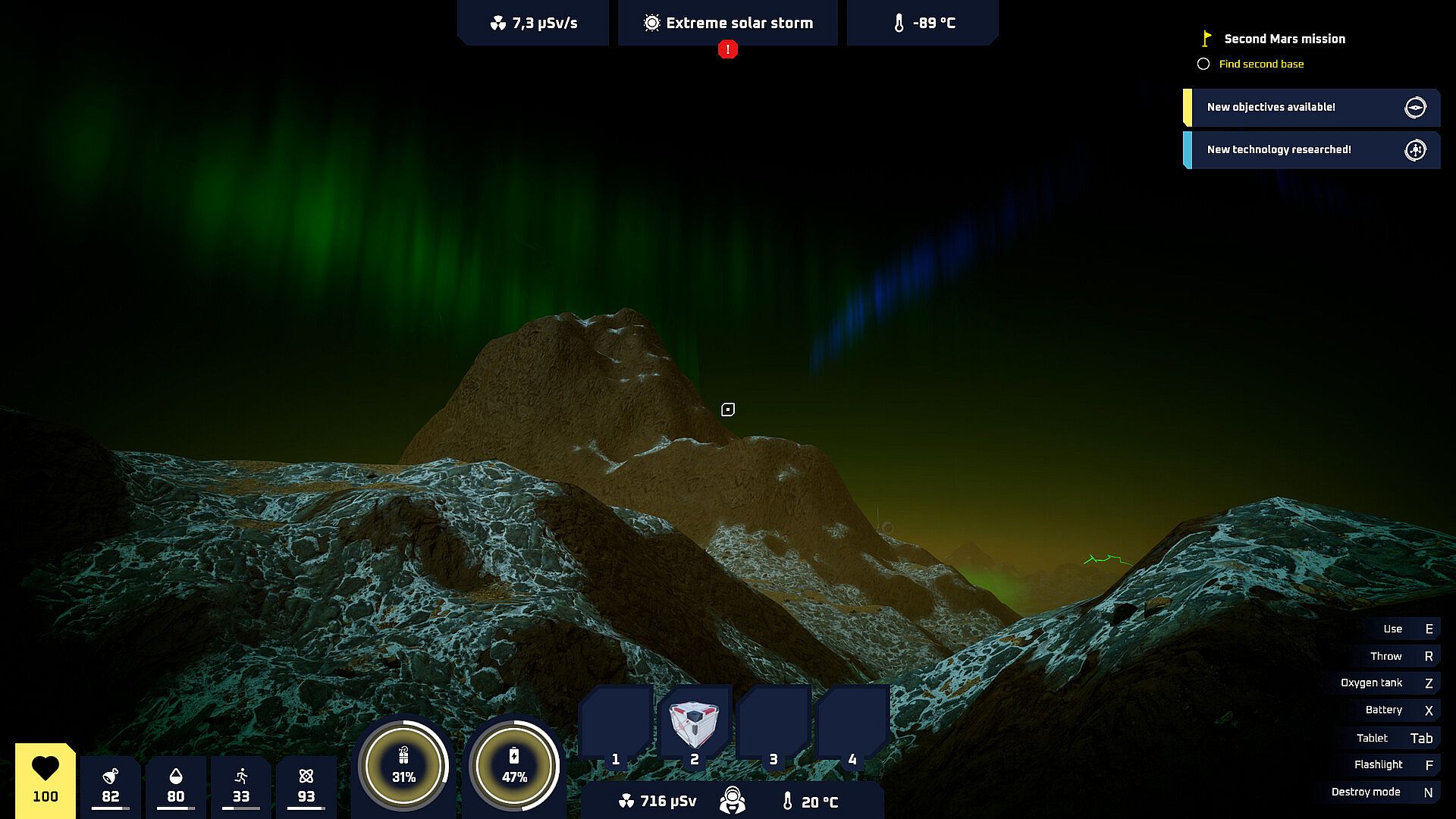
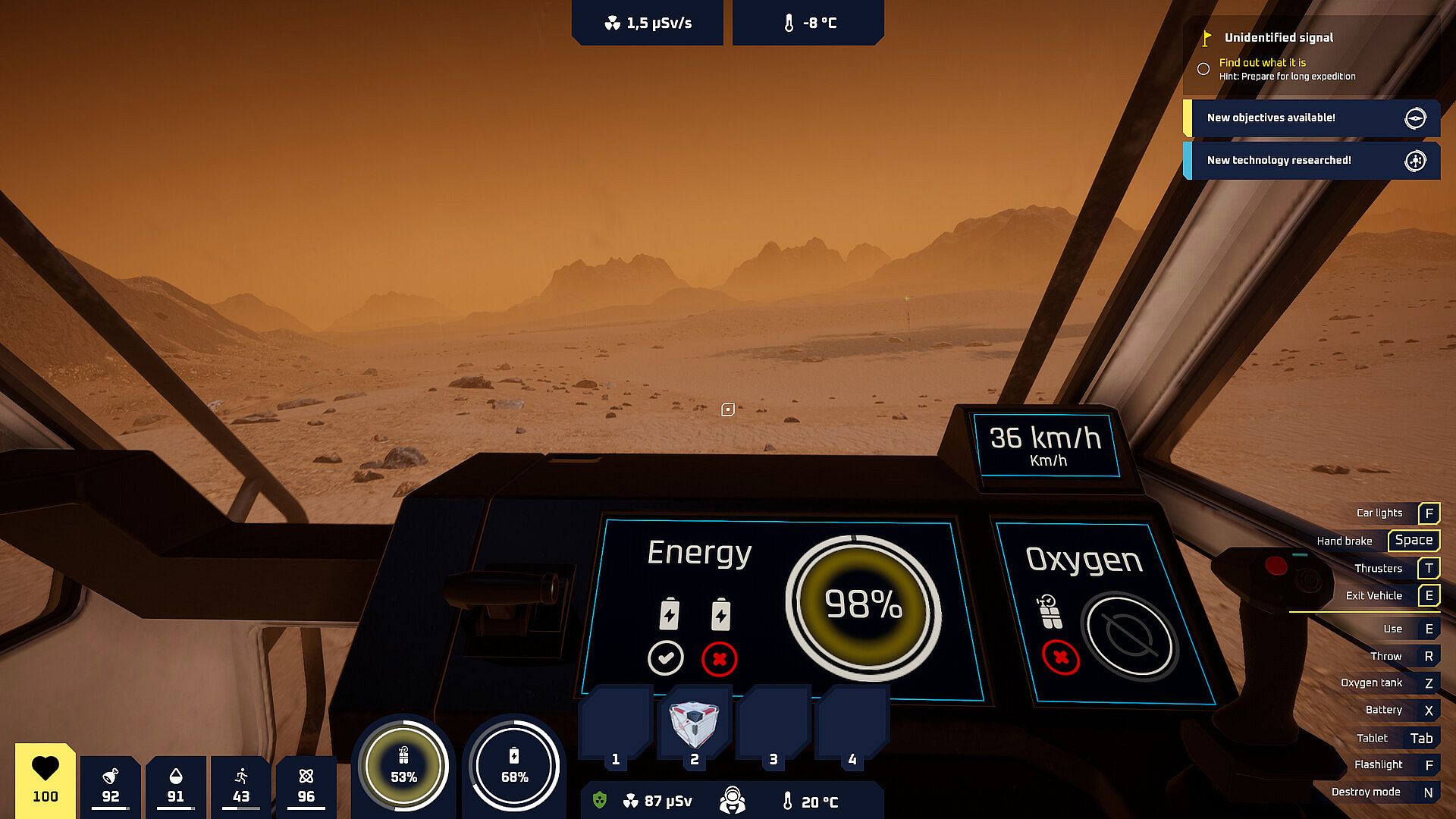
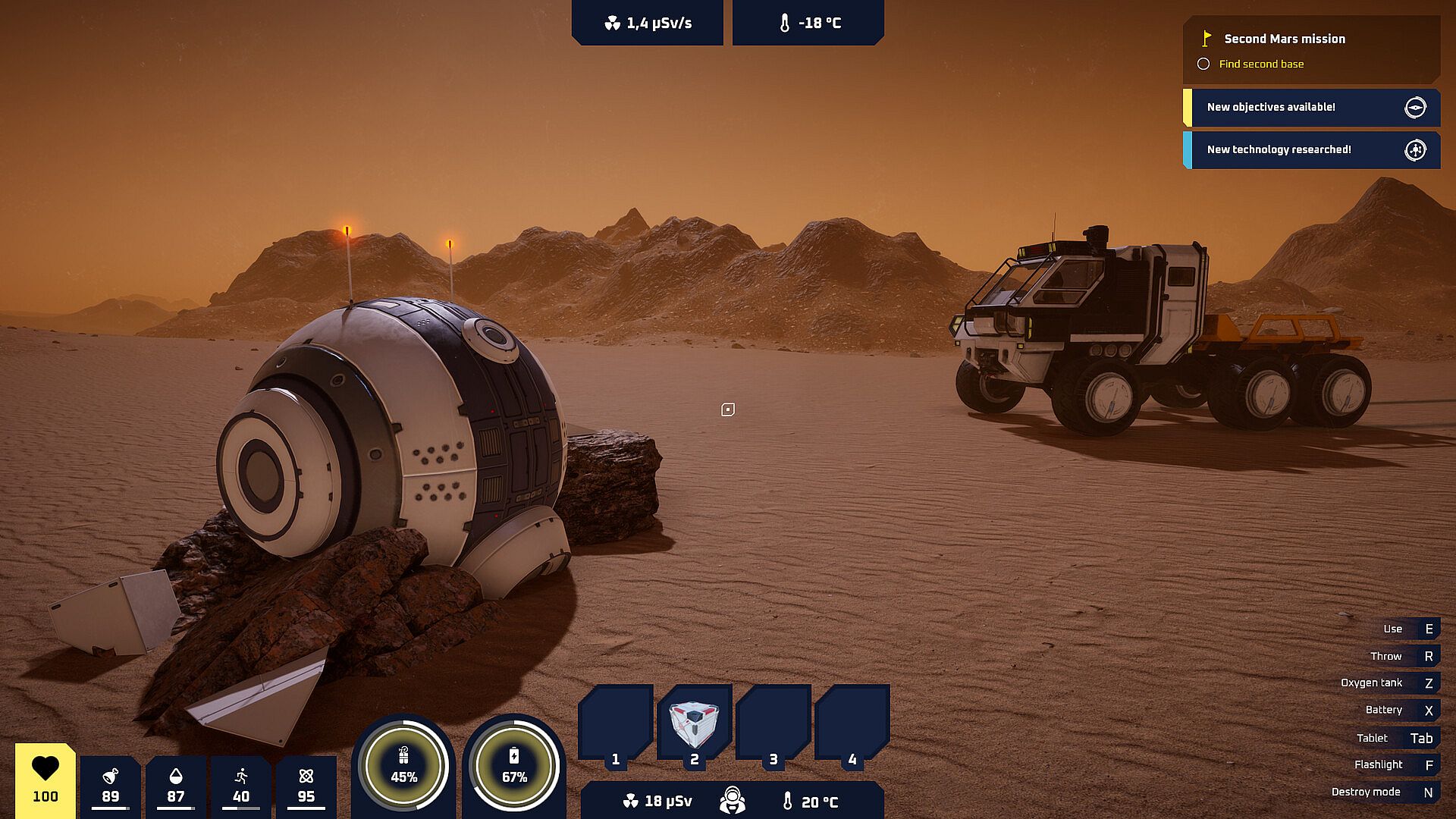
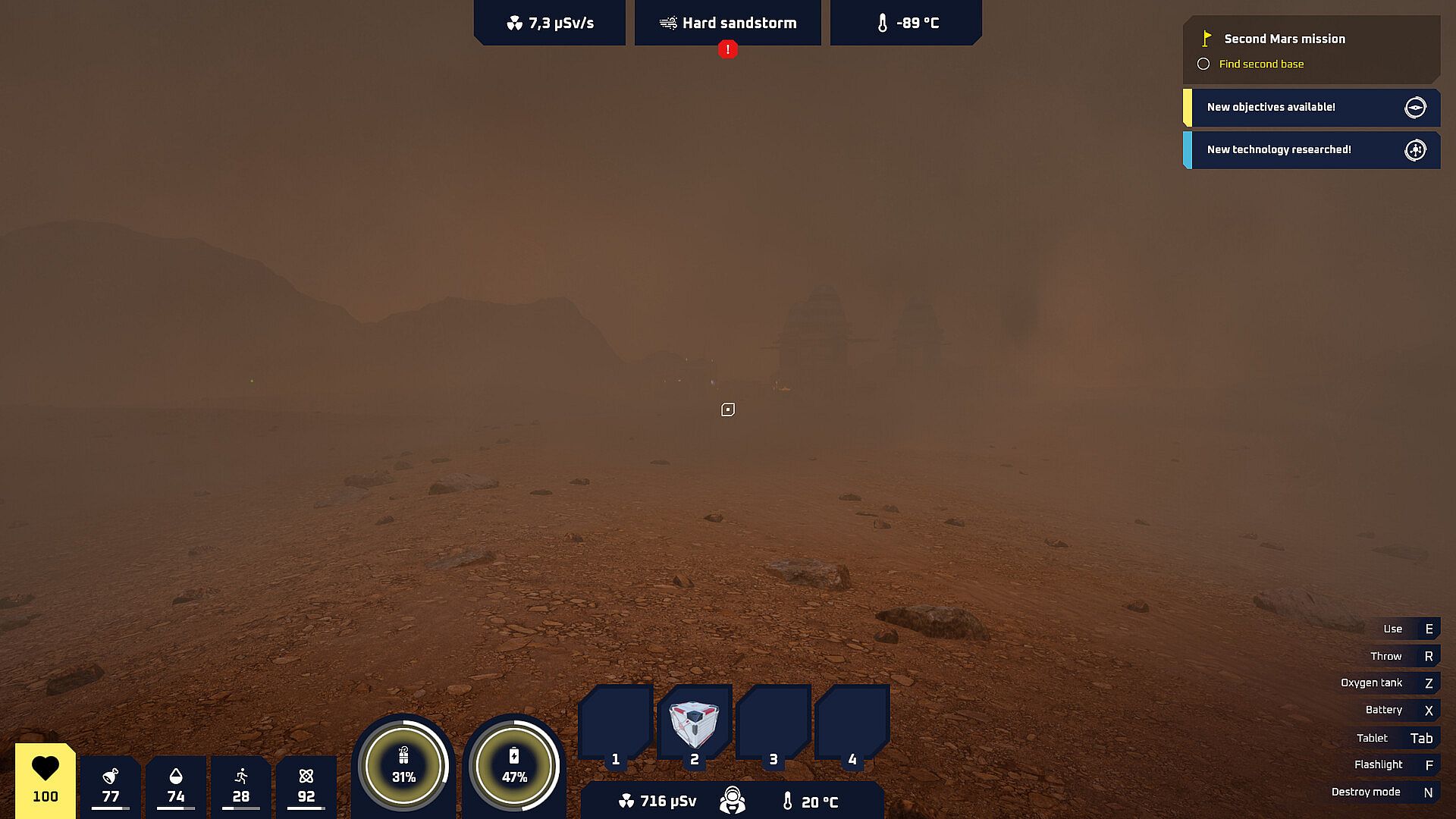
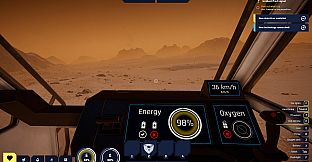
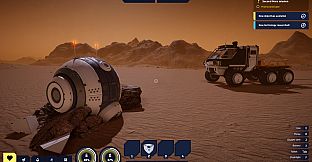
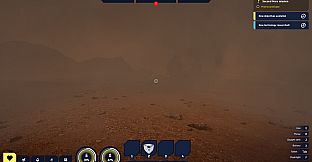
Exploration takes players outside the base in a vehicle to locate supply drops from Earth and additional resource nodes. Environmental hazards like dust storms and solar storms can damage equipment and increase danger during outings, forcing players to monitor suit levels and return to safety in time. A save system supports ongoing progress across sessions.
Game Modes
The game operates entirely in a single-player survival format with no separate multiplayer or competitive modes. All gameplay focuses on the solo experience of surviving and expanding on Mars, progressing through story-driven introduction sequences and open-ended base-building objectives. The included demo provides roughly one hour of structured play that covers the initial setup and first expeditions.
Key Systems and Progression
Resource management forms the foundation, requiring constant attention to oxygen canisters, water supplies, food stocks, battery levels, and radiation exposure. Drones handle repetitive mining and transport tasks once unlocked, allowing players to focus on research and expansion. Weather events introduce dynamic challenges that affect power generation and outdoor travel.
Technology research expands options over time, from basic life support upgrades to radar systems and storm prediction tools. Vehicle-based expeditions add variety by sending players across the Martian surface in search of new deposits and hidden supplies, with each trip carrying risks and rewards that influence long-term survival odds.
Is It Worth Playing?
The demo for 687 Days on Mars has received Very Positive feedback from players, with an 82 percent approval rating across dozens of reviews. It offers a focused introduction to the survival mechanics without requiring a purchase, making it an accessible way to test whether the deliberate pace and resource juggling appeal. The full game remains in development with a planned release in 2026, and ongoing updates continue to refine building systems, graphics options such as global illumination and DLSS, and additional environmental events.
This title suits players who enjoy methodical single-player simulations centered on base-building and realistic planetary survival rather than fast action or social features. Those interested in the subject matter can try the free demo to experience the first steps of establishing a Martian outpost and decide if the full experience aligns with their preferences for careful planning and incremental progress.