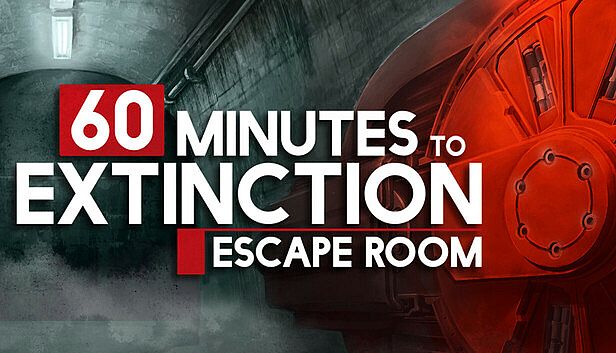



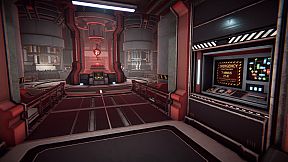
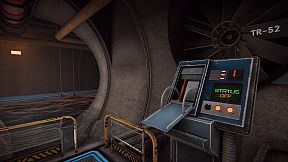
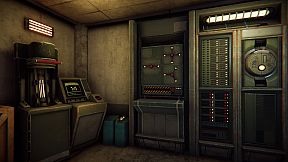
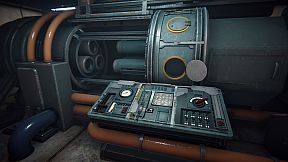
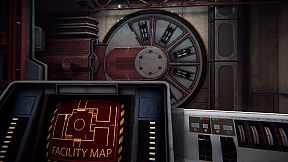
60 Minutes to Extinction: Escape Room is a first-person puzzle adventure game set in a retrofuturistic Cold War bunker. Players step into a sealed facility with a strict real-time limit of 60 minutes to prevent nuclear disaster. The experience emphasizes tension through uninterrupted play, analog machinery interactions, and interconnected rooms filled with mechanical challenges.
Gameplay
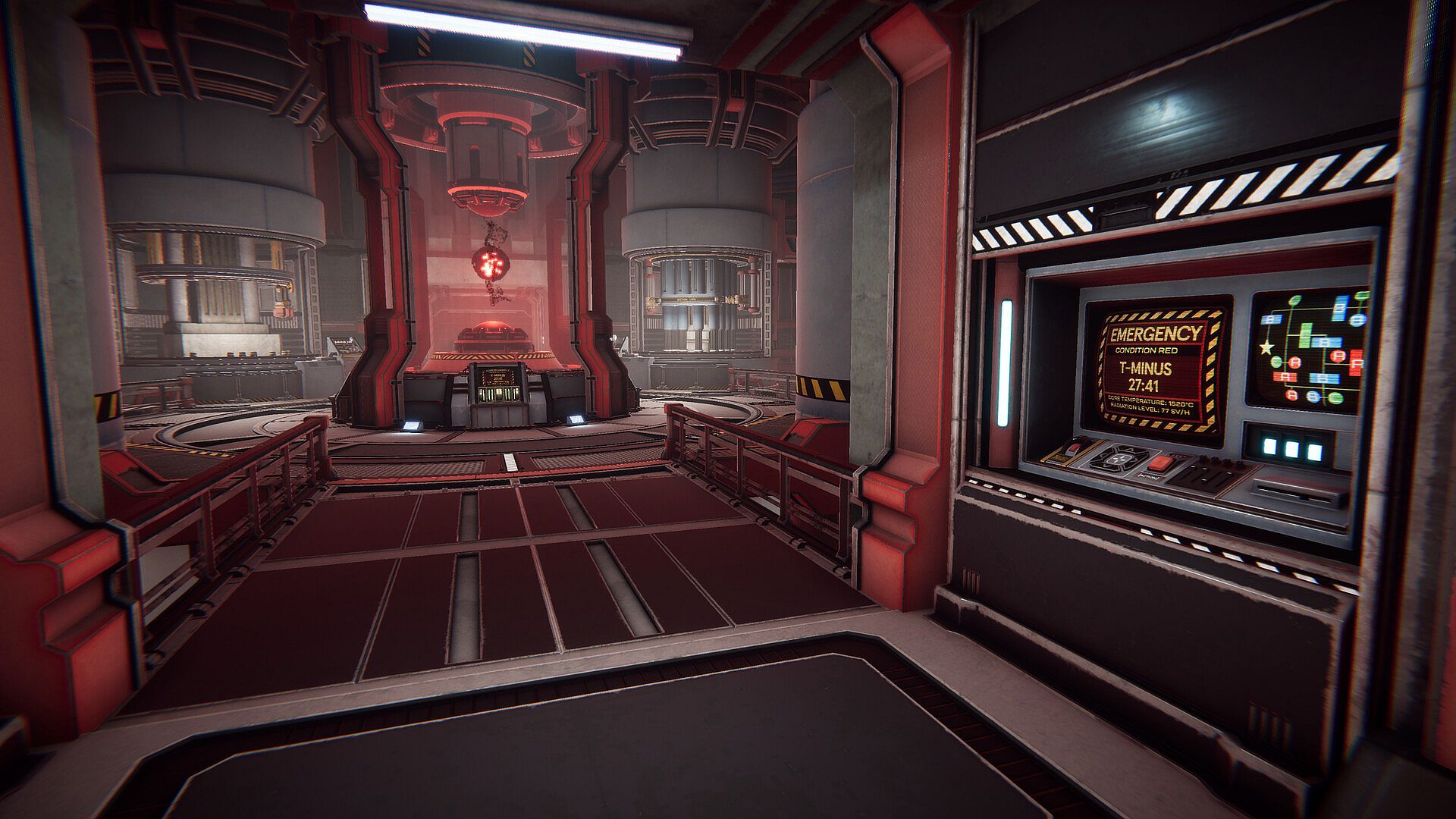
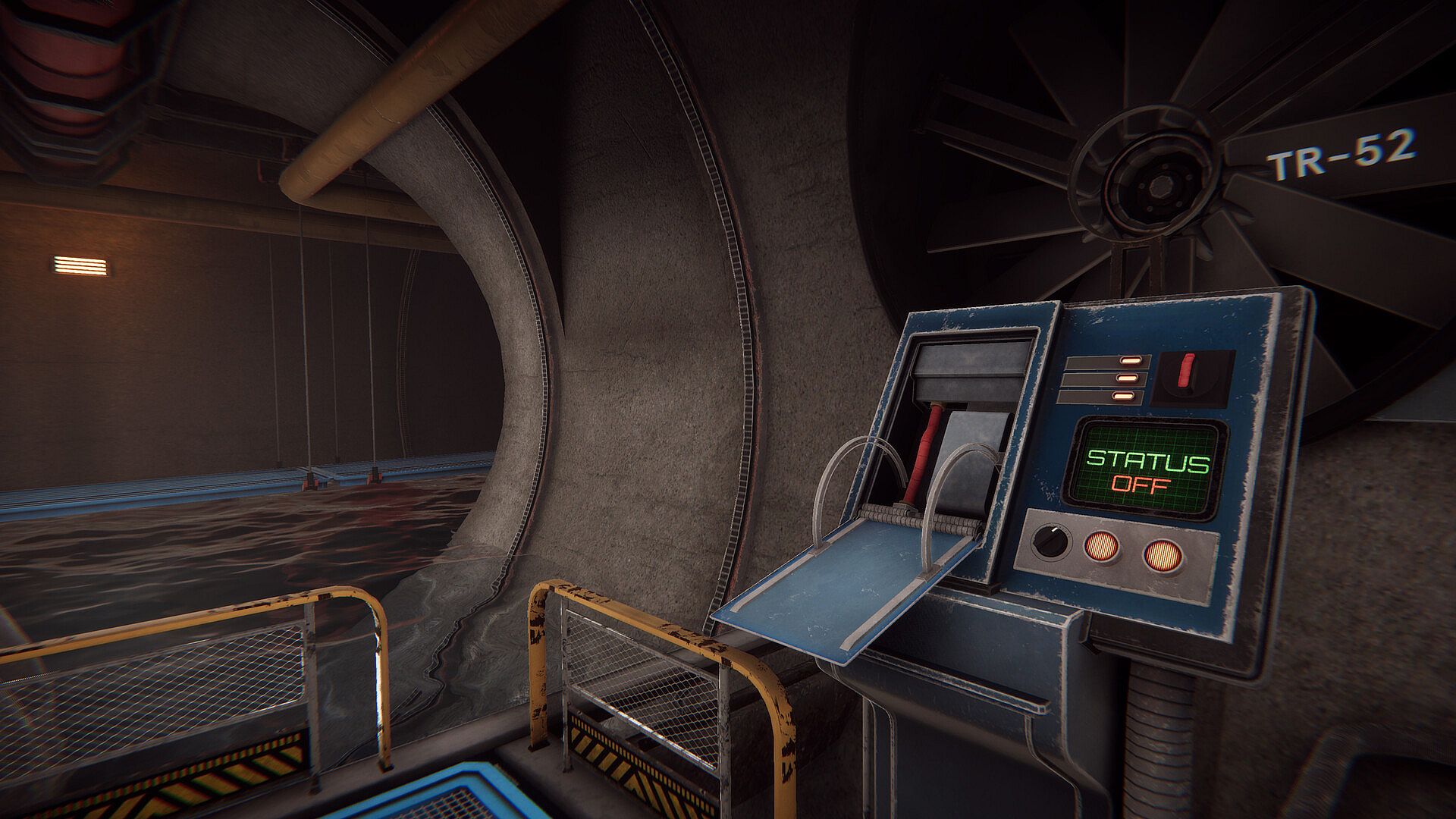
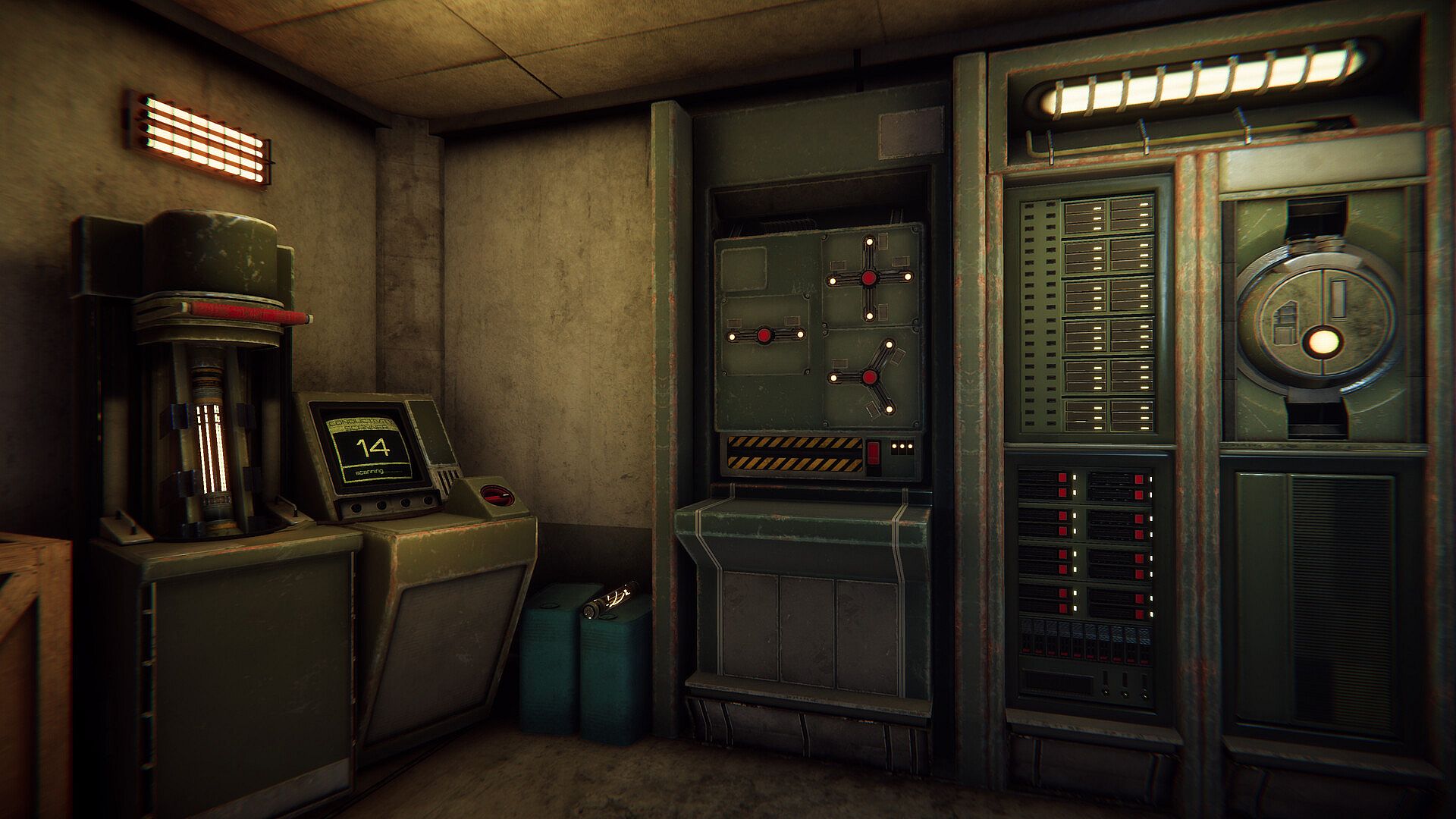
The core loop revolves around exploration and puzzle solving under constant time pressure. Once the bunker door closes, the countdown begins and continues without pause or reload options. Participants move through decaying concrete corridors and control rooms, examining terminals, rerouting power circuits, and aligning mechanical components to restore failing systems. Puzzles often require sequential steps across multiple areas, such as decoding signals or repairing broken equipment while emergency lights flicker overhead. The analog focus means interactions rely on physical switches, dials, and handwritten clues rather than digital interfaces. Every action contributes to progress toward the nuclear core shutdown, with failure resulting in mission end.
Atmosphere builds through environmental details like humming machinery, scattered documents, and structural decay that hint at the bunker's history. Navigation stays linear yet branches slightly as new pathways open after key systems activate. The absence of checkpoints forces careful observation on the initial pass through each room.
Game Modes
The game operates as a single continuous session without separate modes or difficulty settings. The primary challenge centers on completing the full sequence within the fixed 60-minute window on the first attempt. No co-operative or competitive options exist, keeping the focus entirely on individual problem solving and time management. Subsequent playthroughs are possible only after a successful completion or by restarting the entire experience from the beginning.
Key Mechanics and Setting
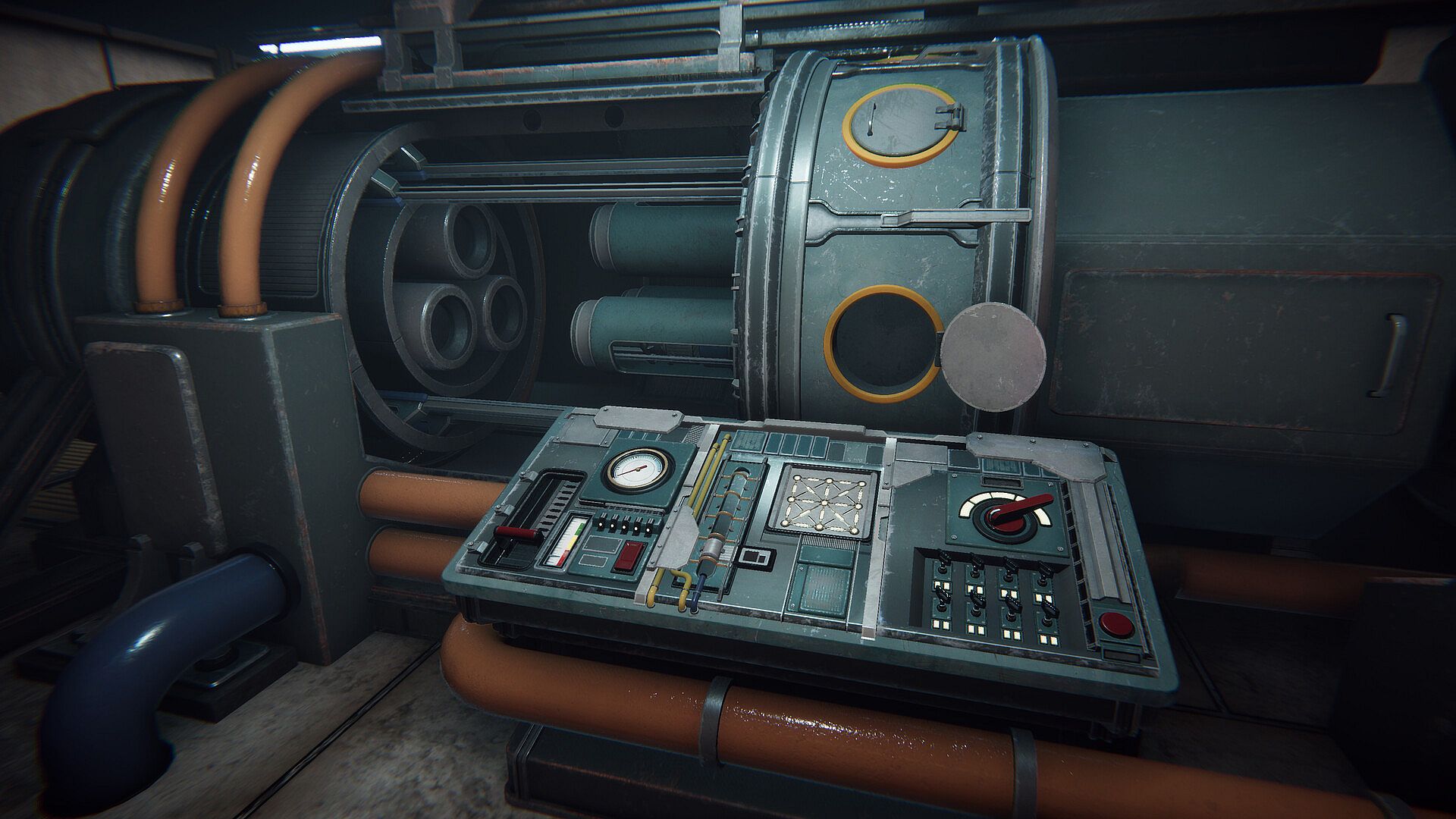
Mechanics center on direct manipulation of physical objects and systems. Players reroute circuits by connecting wires, align satellite dishes or reactor components through visual matching, and interpret flickering displays for codes. Rooms connect logically, so solving one area often reveals tools or information needed elsewhere. The retrofuturistic design blends 1980s-era technology with speculative elements, creating a consistent visual language of bulky consoles and exposed piping. Sound design reinforces urgency through alarms and system warnings that intensify as time elapses.
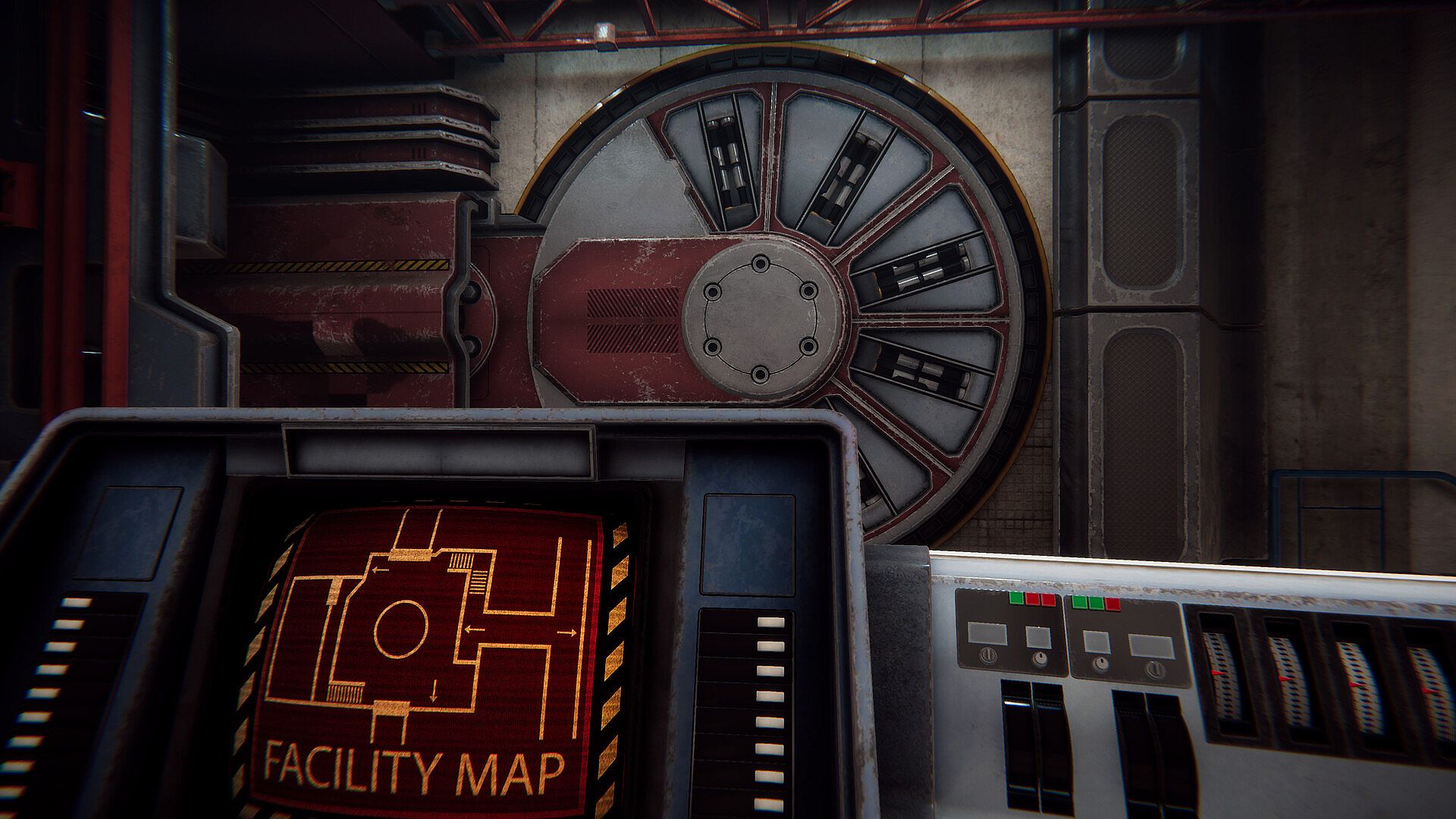
The bunker layout spans multiple levels, from surface entry points down to the reactor chamber. Environmental storytelling appears through abandoned workstations and warning signs that provide context without interrupting the flow.
Is It Worth Playing?
This title suits players who enjoy short, high-pressure puzzle experiences and do not mind a one-attempt structure. The real-time constraint creates a distinct sense of urgency that standard escape room games often lack. Completion typically occurs within the allotted hour for those familiar with similar titles, though the fixed path limits long-term replay. Some feedback highlights occasional puzzle inconsistencies, while others appreciate the focused scope and atmospheric consistency. Availability on PC makes it accessible for those seeking a compact adventure without ongoing updates or additional content. The game delivers its intended tension for fans of analog puzzle design and time-limited challenges.