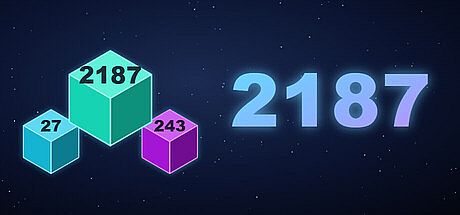



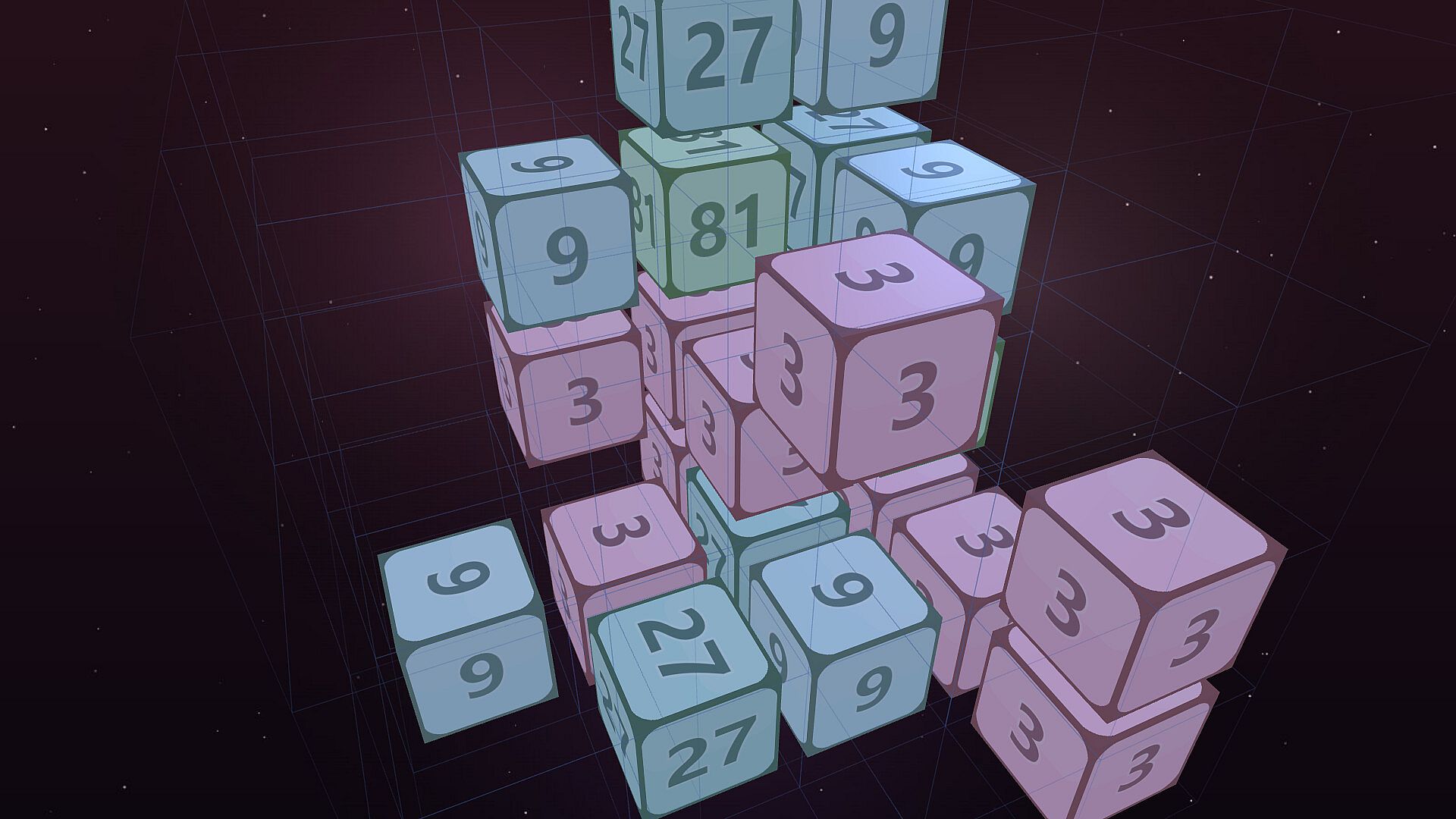
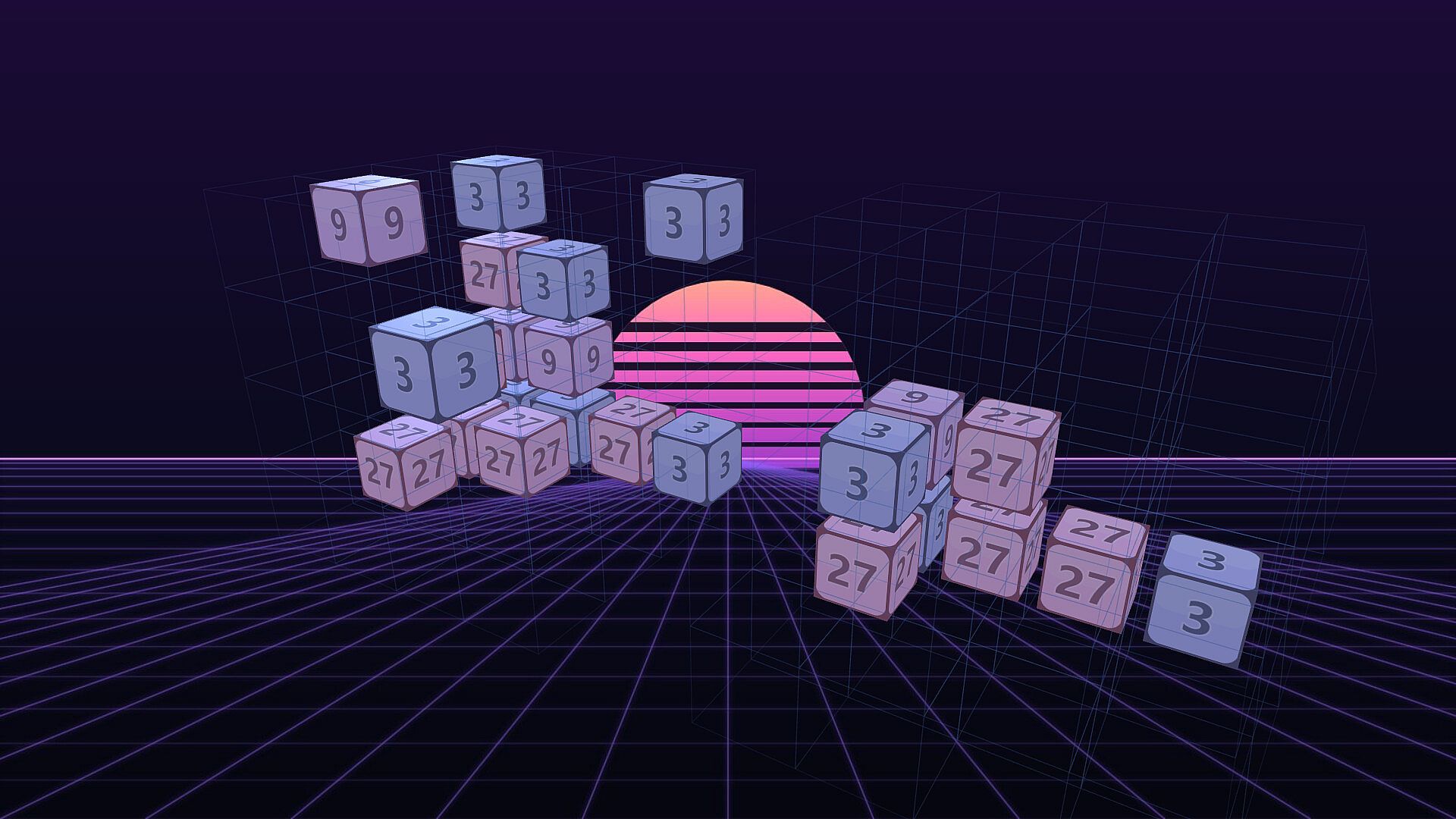
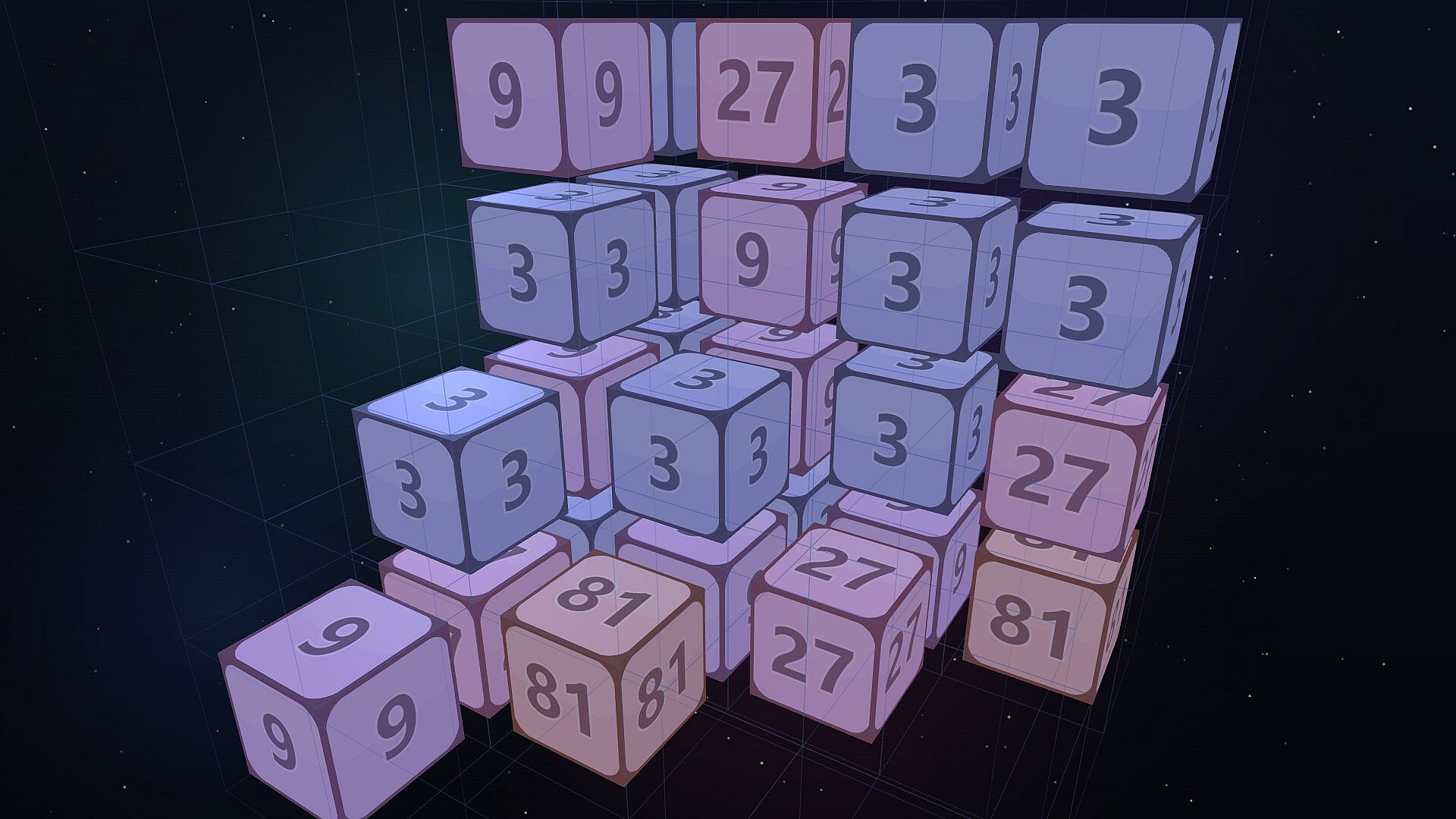
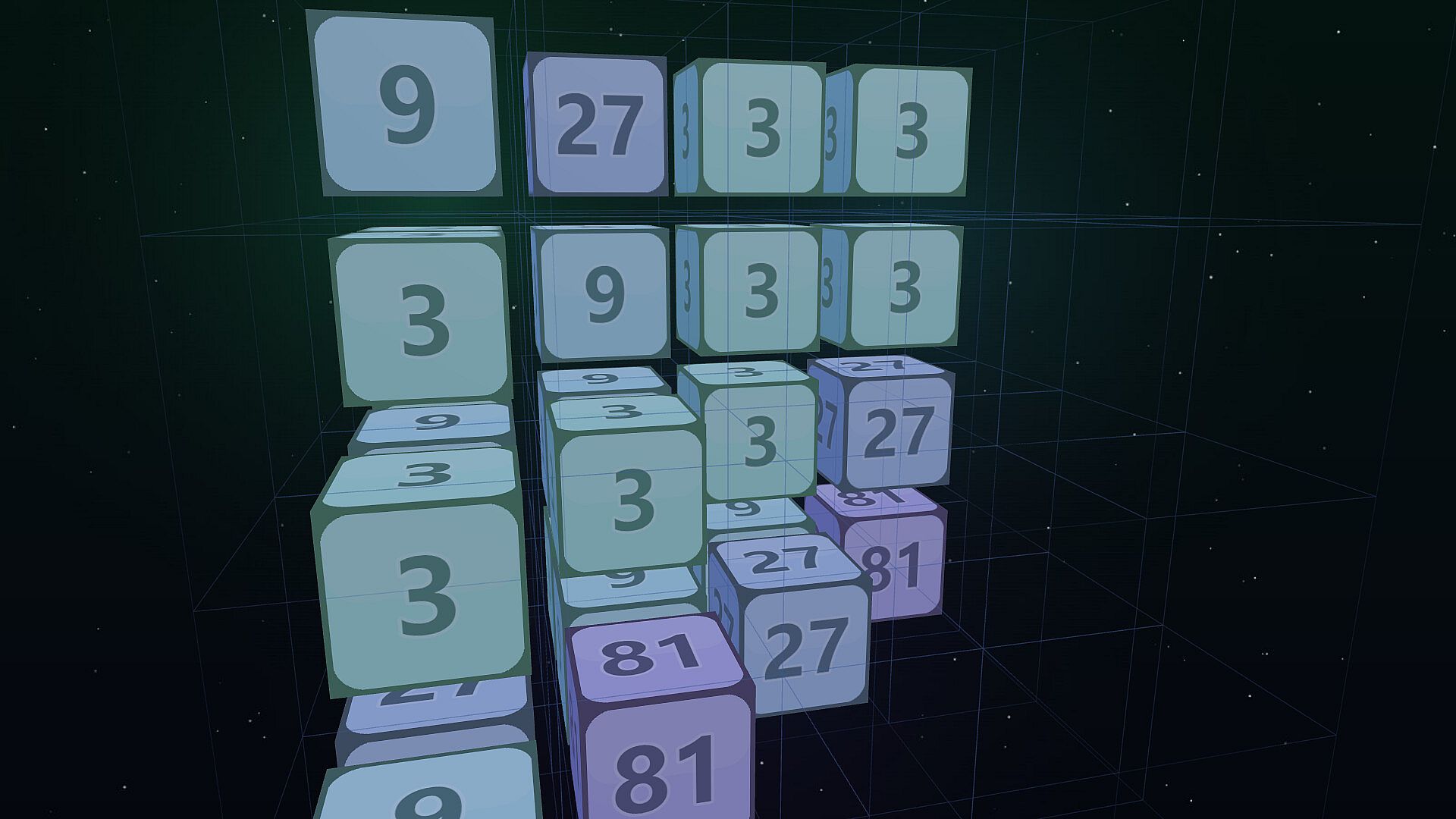
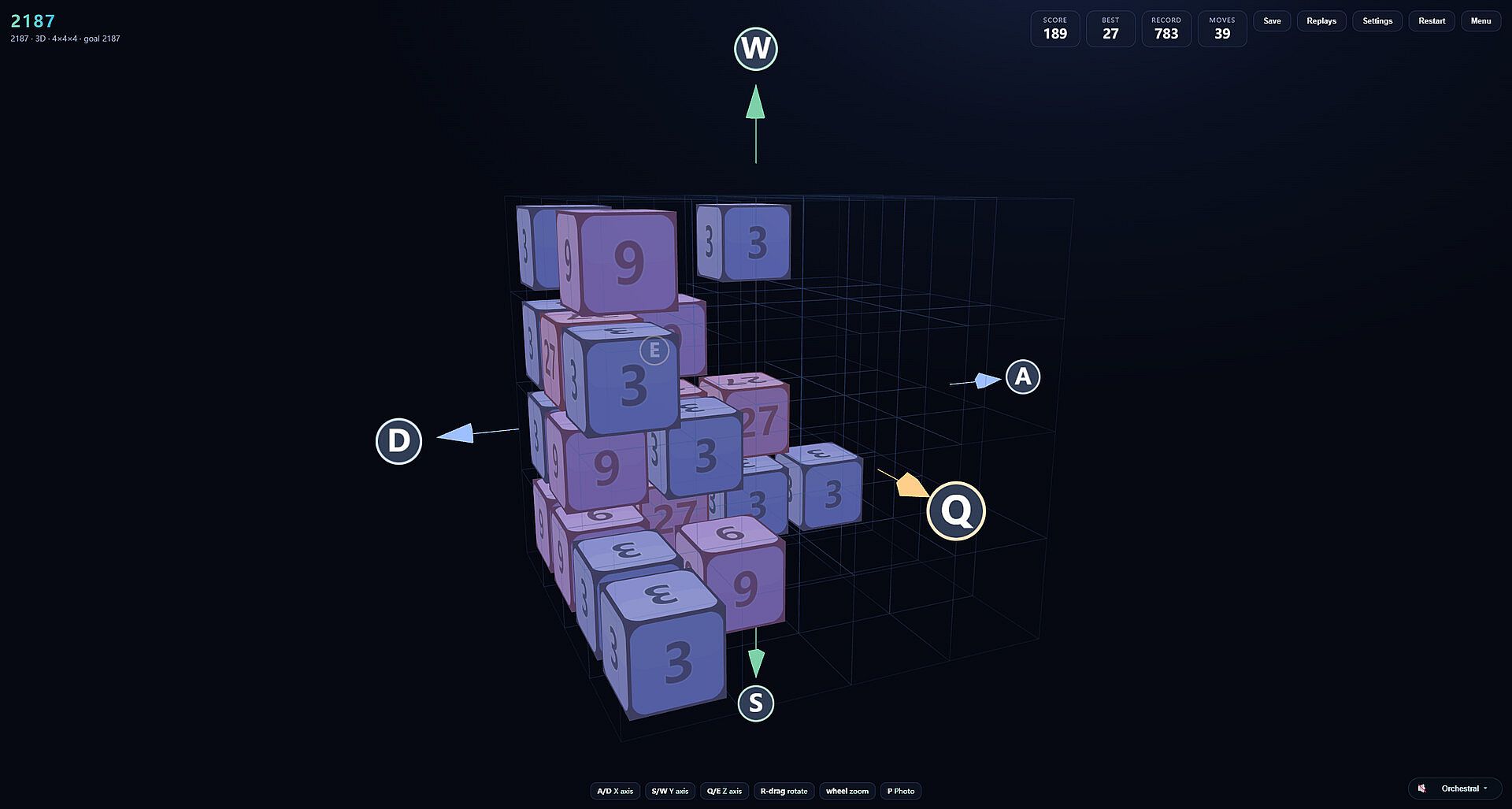
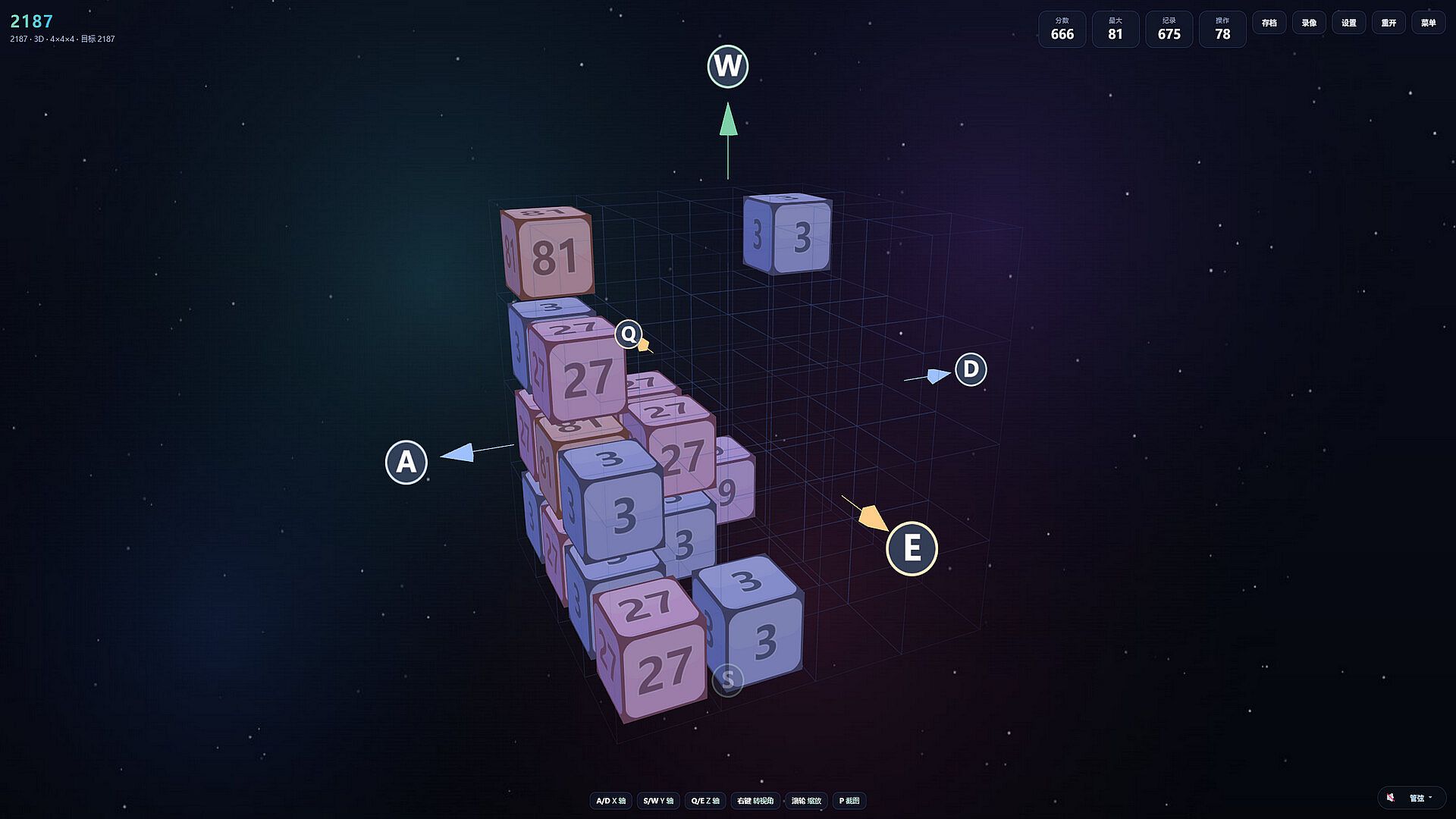
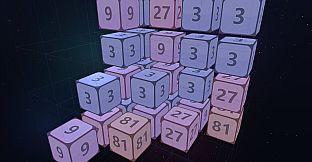
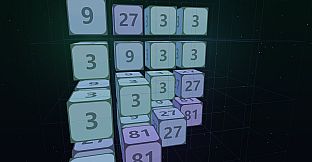
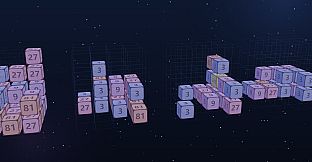
2187 is a strategy indie casual game that transforms the classic number merging puzzle into a fully three dimensional experience on PC. Players manipulate glowing cubes that represent numbers, pushing and colliding them to create larger values across multiple axes in a spatial grid that extends beyond flat surfaces.
Gameplay
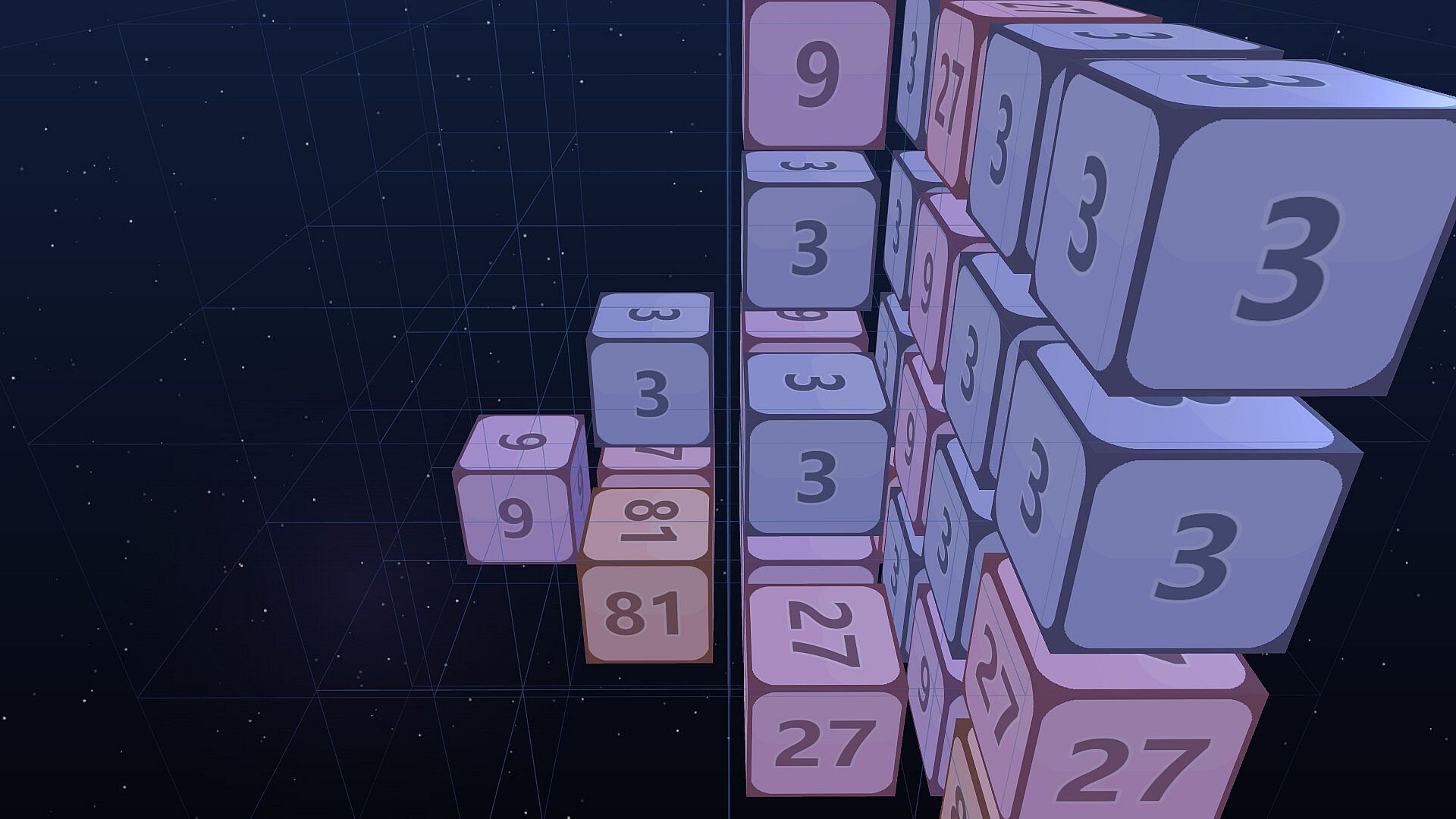
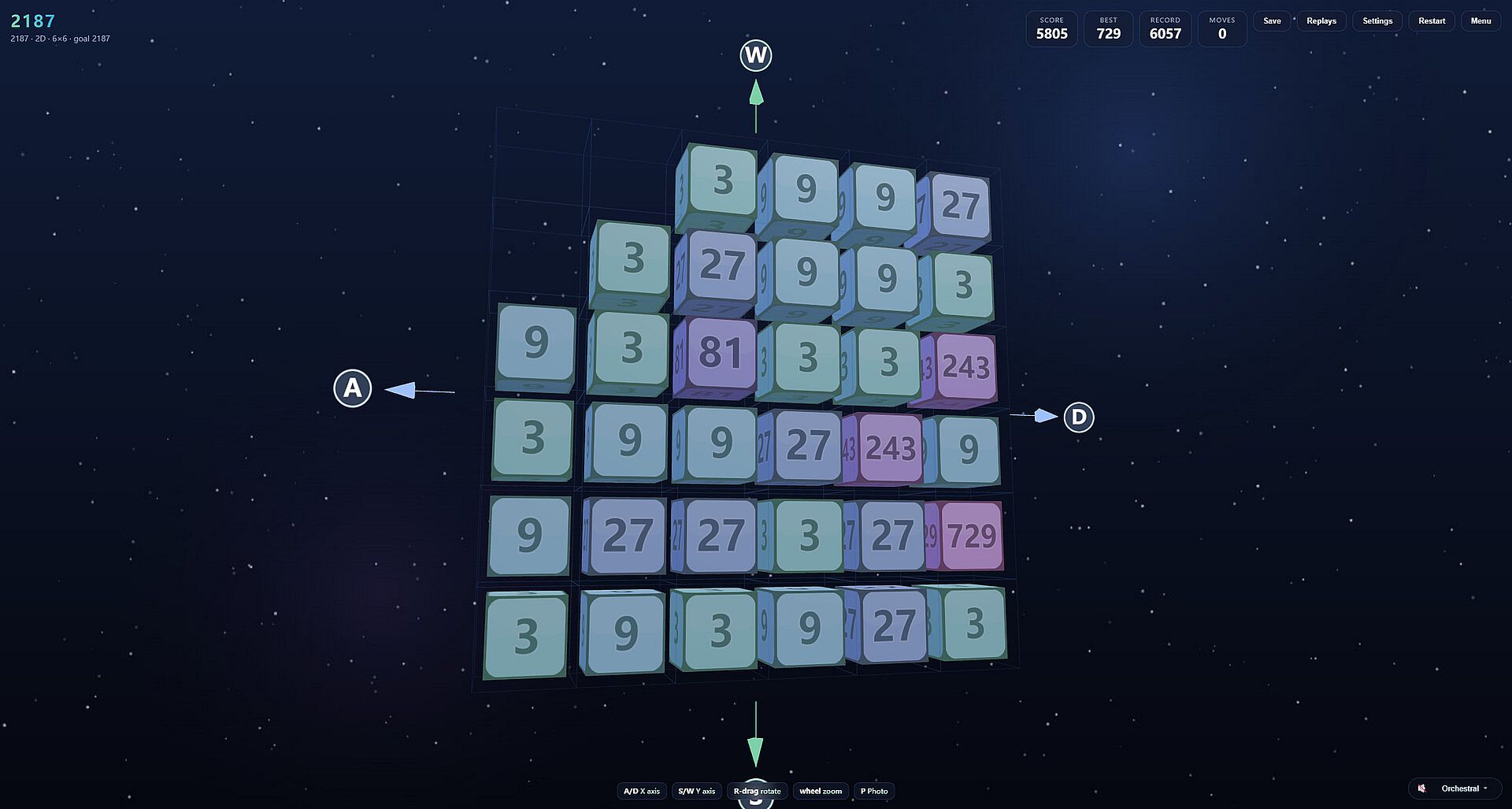
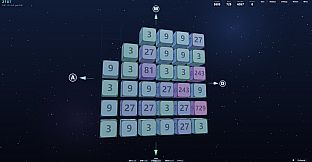
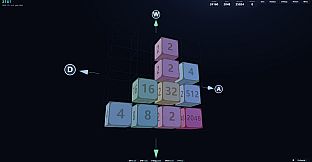
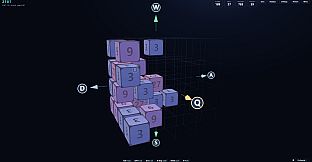
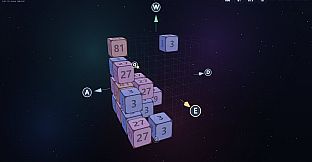
The core loop centers on moving cubes along six directions within a genuine three dimensional board and beyond. Each move follows fixed world axes mapped to consistent keyboard controls, with on screen letters highlighting the active direction to maintain spatial clarity. Right clicking and dragging orbits the camera freely, allowing players to inspect the entire cluster of cubes from any angle and plan merges that account for depth and height.
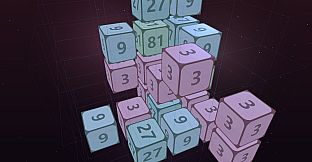
Cubes glow and respond to collisions in real time, making every push feel tangible as numbers combine according to the chosen ruleset. The system supports independent sizing of each axis, so sessions can range from compact quick puzzles to extended challenges that stretch across larger volumes. This setup rewards careful spatial awareness, as merges must align precisely in three or more dimensions rather than along a single line.
Game Modes
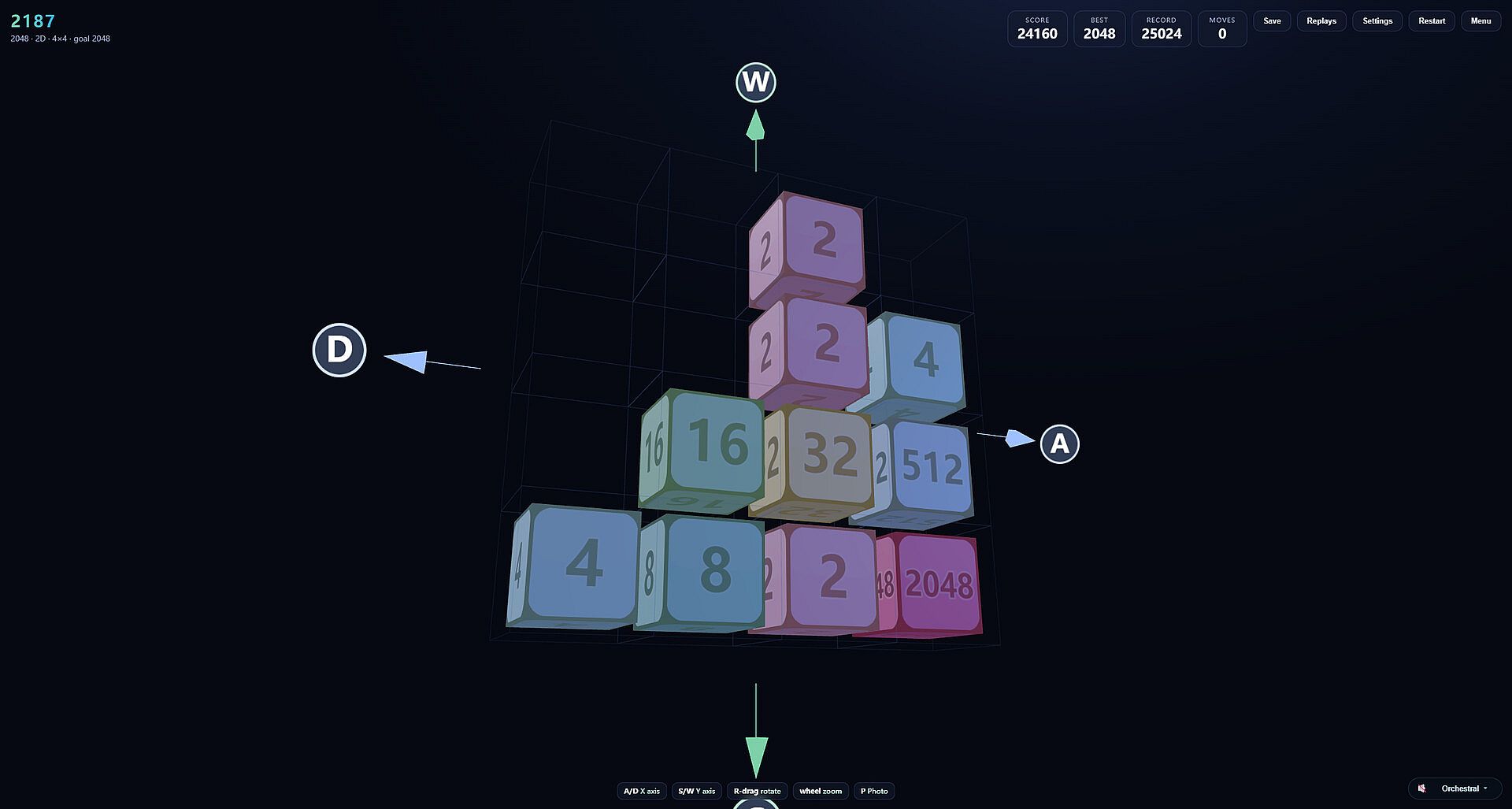
Two distinct modes define the experience. Classic mode follows the familiar merge two mechanic of the original 2048 puzzle, building powers of two through repeated combinations. Advanced mode shifts to a base three system where three matching cubes merge at once, progressing through values such as 3, 9, 27, 243 and onward toward 2187 and higher targets.
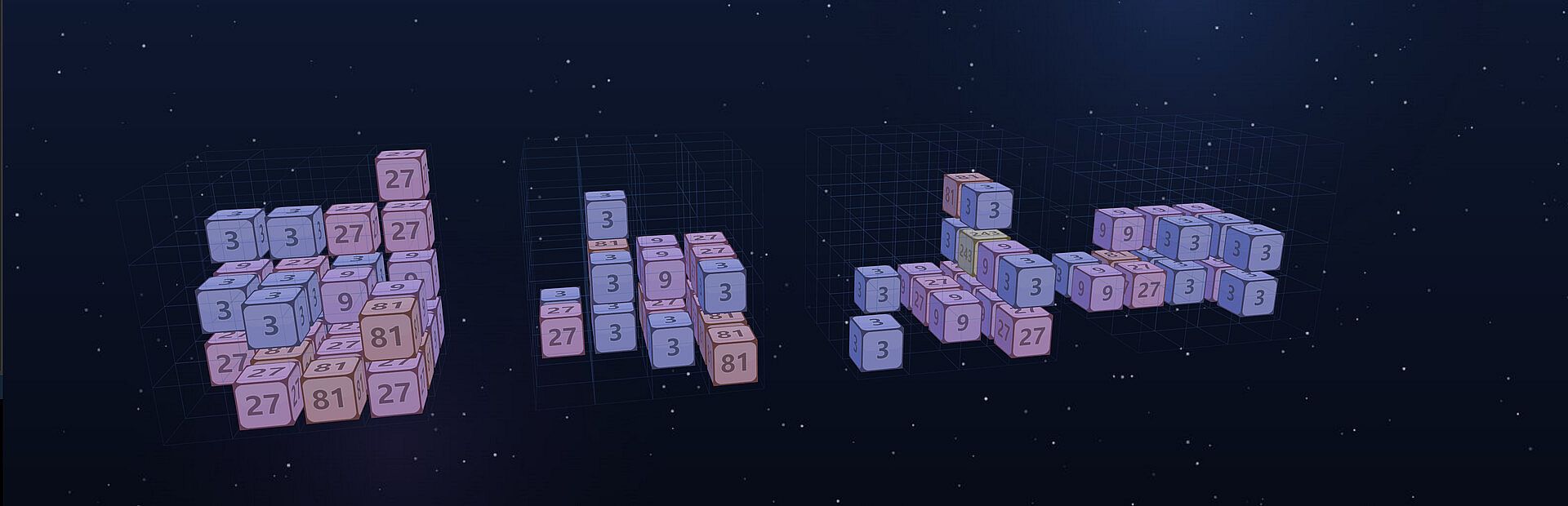
Dimensions adjust freely from the standard two dimensional grid to three dimensional and four dimensional setups, with five dimensional and six dimensional boards available in Challenge mode. Each axis can be scaled separately, giving players control over the scope of every run without altering the fundamental merging logic.
Customization and Progression
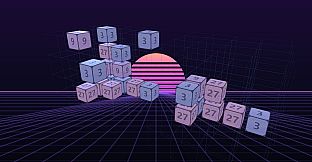
Visual and audio options let players tailor the environment to their preference. Background themes include Deep Space, Nebula, Aurora, Dusk, Sakura, Ocean and Synth grid, each paired with selectable tile palettes that alter cube appearance. Three soundtracks Default, Punk and Orchestral play from an in game panel, with additional tracks planned through future support.
Language support covers full English and Chinese text, while display settings include windowed or fullscreen modes alongside adaptive quality scaling. Automatic replays record every session for later review, and any run exports directly as an MP4 video that incorporates the chosen theme and soundtrack. Cloud saves, achievement tracking and Workshop integration for sharing custom saves further extend long term engagement.
Is It Worth Playing?
2187 suits players who enjoy deliberate puzzle solving and spatial reasoning in a single player format. The shift from flat tiles to volumetric cubes adds a layer of mental mapping that distinguishes it from traditional number games, while the option to scale dimensions and switch merge rules provides variety across short and extended sessions. Those drawn to indie strategy titles that emphasize precision over speed will find the fixed axis controls and camera tools helpful for maintaining orientation during complex merges. The built in replay and export features support repeated attempts and personal archiving without requiring external tools. Availability on PC with straightforward accessibility options makes it accessible for casual sessions or deeper exploration of higher dimensional challenges.