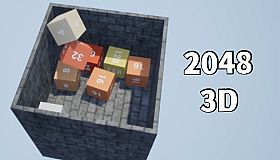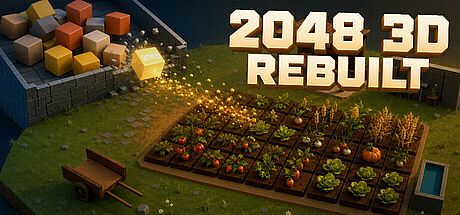




2048 3D: Rebuilt is a strategy, indie, casual, and simulation game for PC that expands the classic number-merging concept into a three-dimensional physics environment. Players manipulate physical cubes that carry real weight and momentum, merging them while managing unpredictable collisions and escapes that feed into a separate cultivation system.
Gameplay
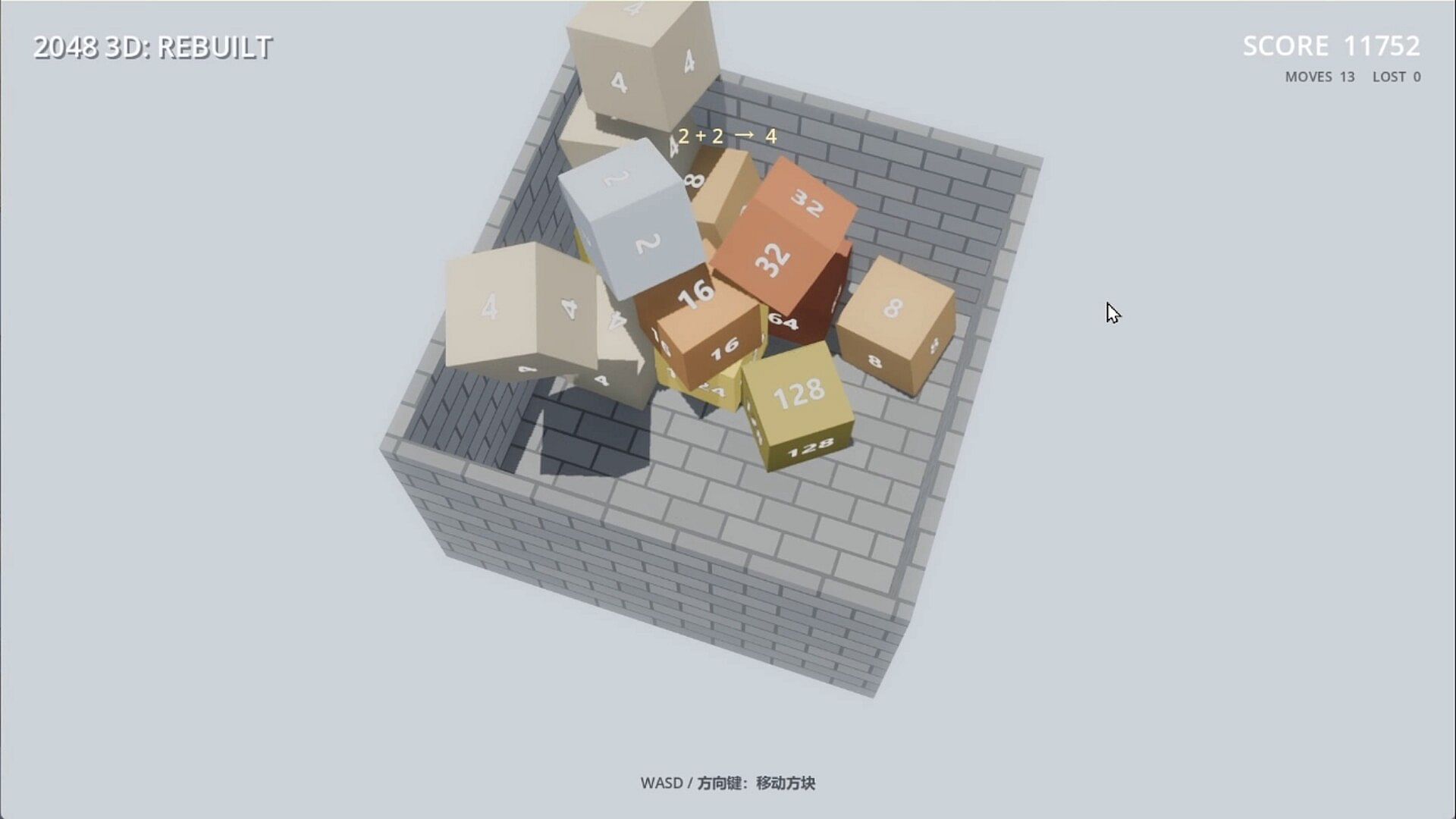
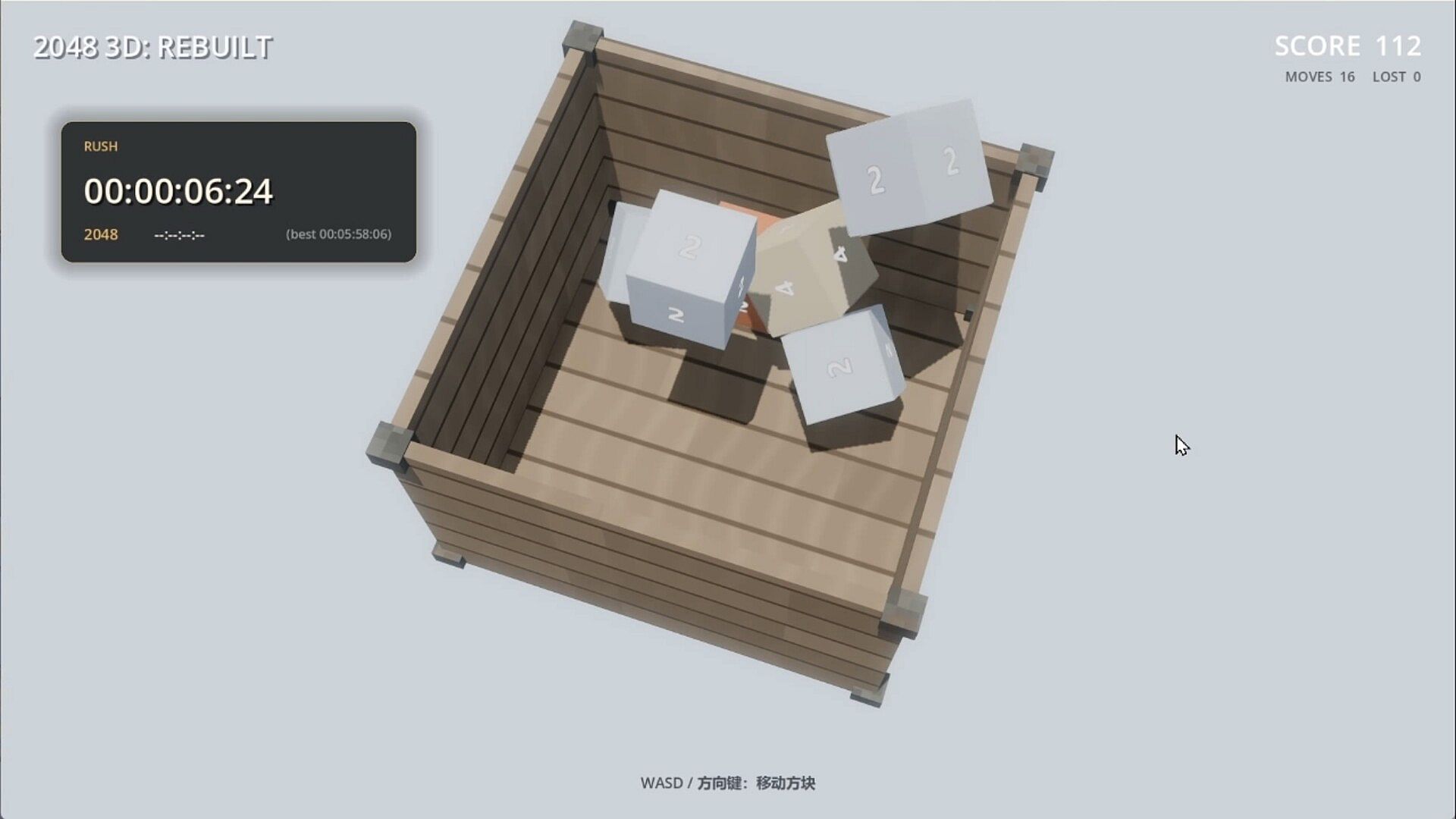
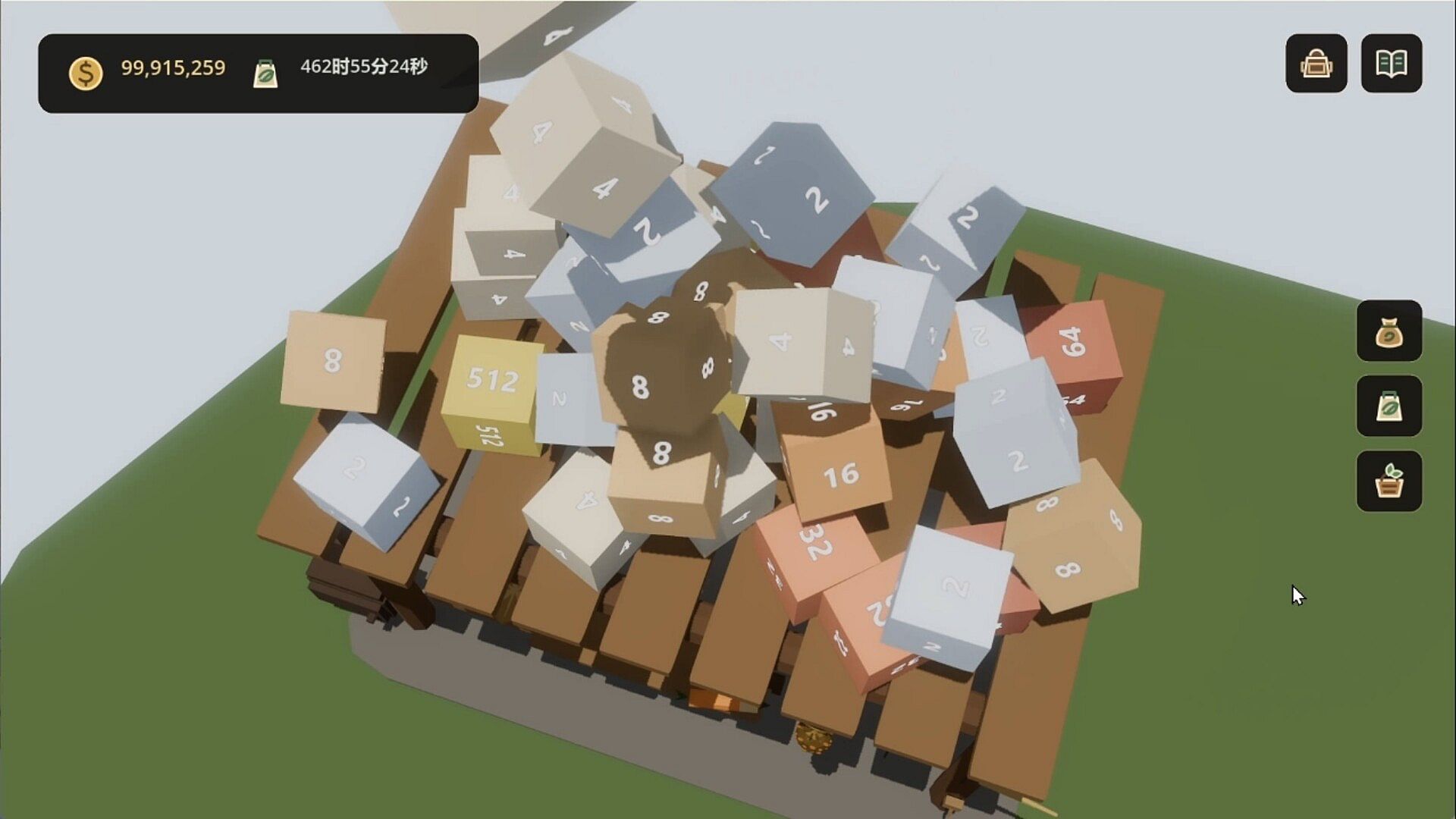
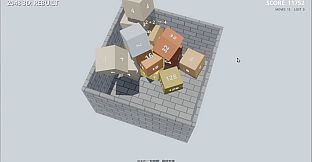
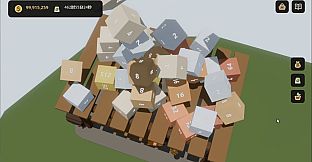
The core loop revolves around pushing groups of numbered cubes inside a contained space. Each push sends the entire collection tumbling, stacking, and colliding based on their physical properties. Cubes can roll over edges or fly outward when forces align in unexpected ways, turning every move into a calculation of direction and timing.
Success depends on reading the current arrangement and anticipating how one action might scatter or consolidate the numbers. The same initial setup rarely repeats its outcome because minor differences in contact points lead to varied results. This approach keeps sessions focused on spatial awareness and quick adaptation rather than rote pattern matching.
Game Modes
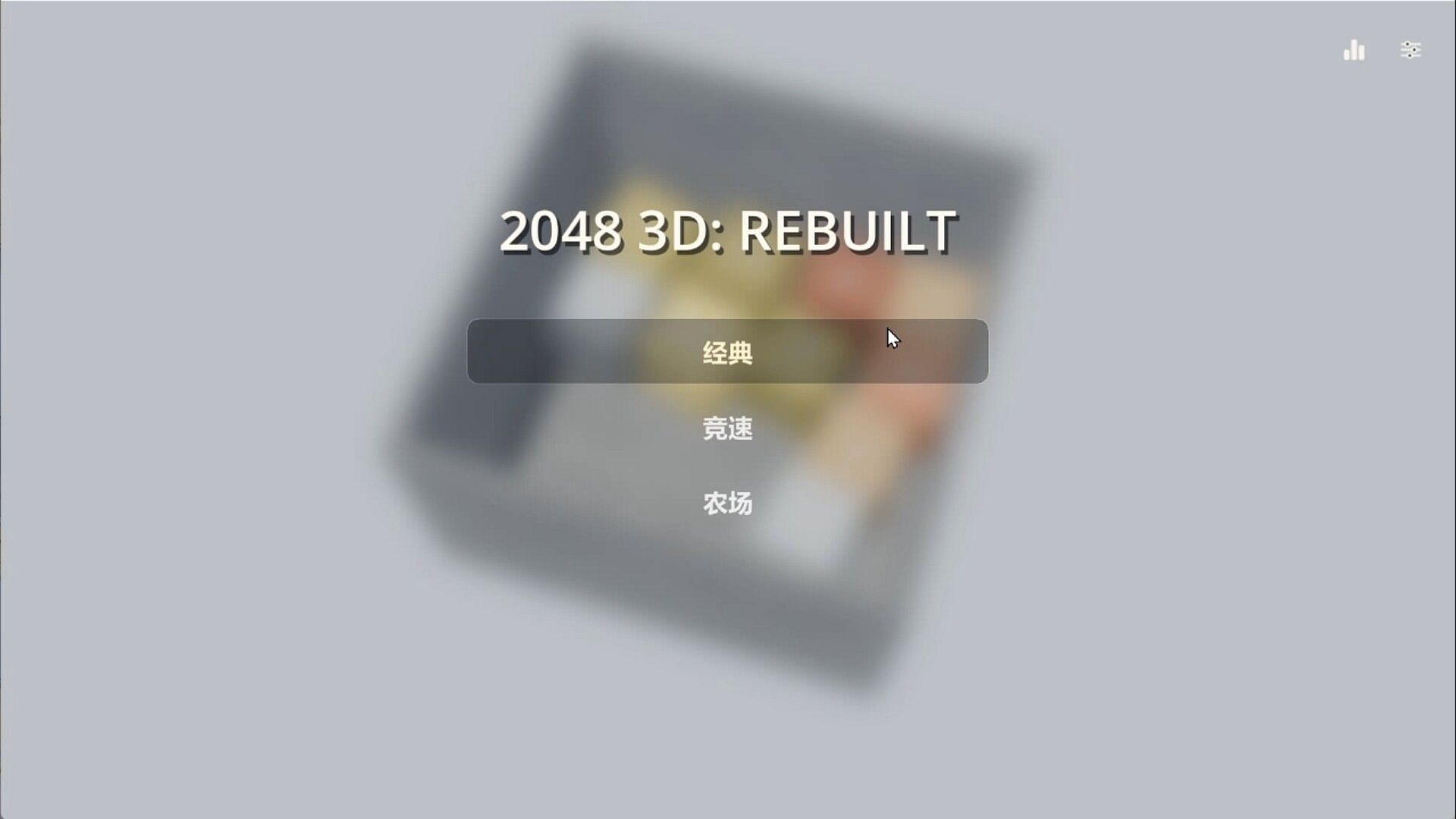
Classic Mode centers on free-form merging inside the box. Players choose directions to shift all cubes at once, aiming to combine matching values into larger ones while the physics handles the rest. The emphasis stays on controlled chaos and long-term planning amid constant movement.
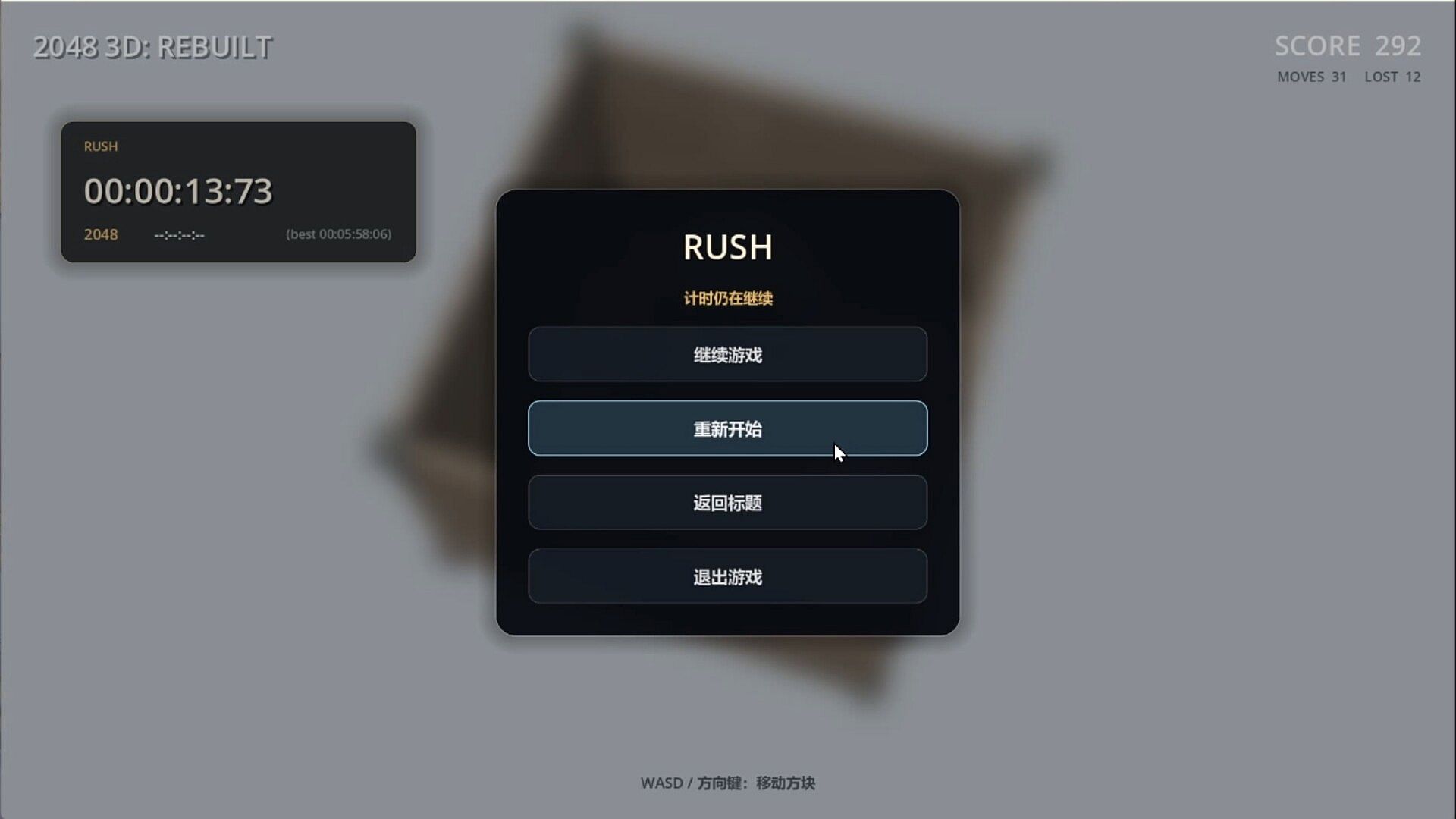
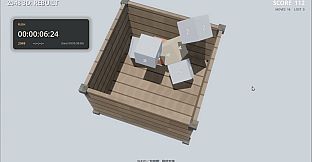
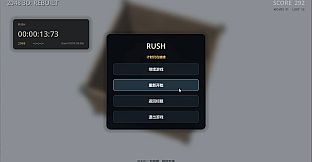
Rush Mode adds time pressure and specific targets. Participants race to hit merge milestones before a timer expires, with every push carrying the risk of disrupting the layout or accelerating progress. Multiple goals appear across runs, encouraging repeated attempts to improve personal results.
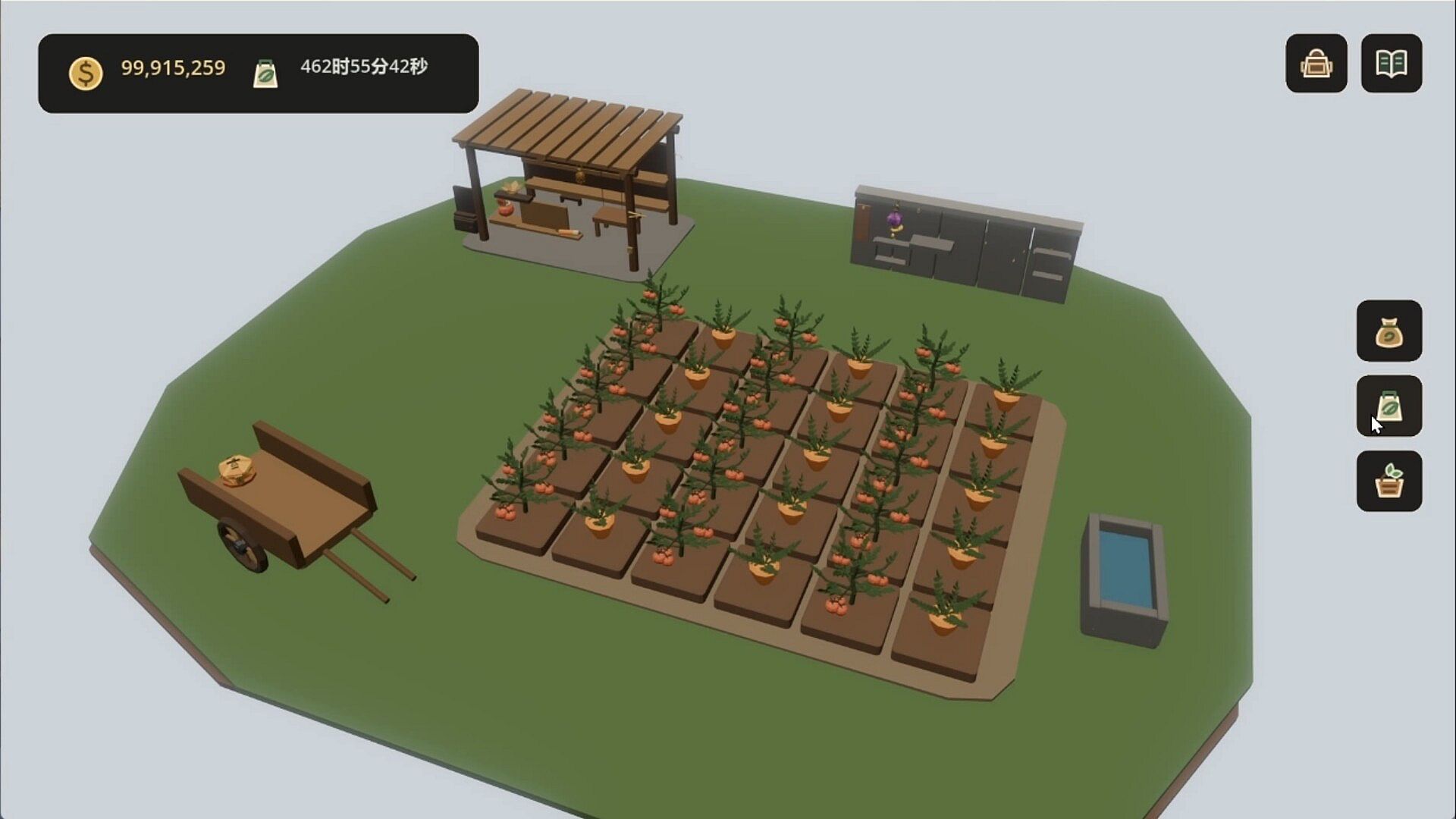
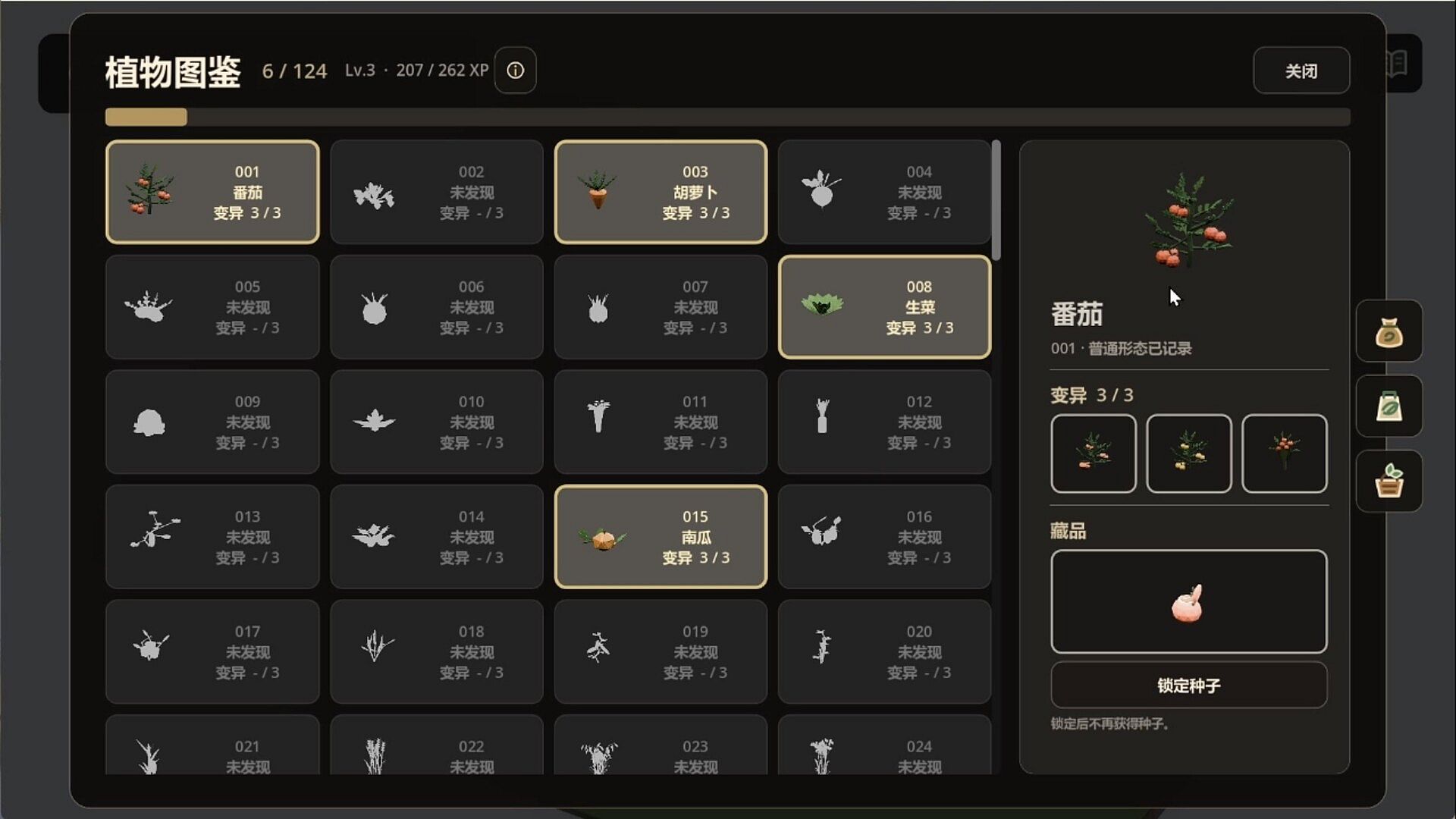
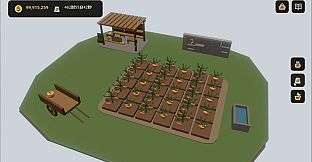
Farm Mode receives any cubes that escape the main arena. These break apart upon landing and convert into plantable seeds. The mode involves preparing soil, selecting species, and tending growth across 124 distinct plants. Each plant offers a standard form plus three possible mutations, and successful harvests add entries to a catalog while placing corresponding collectibles in the farm environment.
The three modes connect through a single progression cycle. Activity in Classic and Rush generates the seeds needed for Farm, while completed plants expand the overall world and provide ongoing motivation to return to the merging arenas.
Progression Systems
Land upgrades improve soil quality and capacity, allowing more efficient planting and higher yields over time. The catalog tracks every discovered plant and mutation, serving as both a completion goal and a visual record of progress. Collectibles unlocked through harvesting appear directly in the farm setting, reinforcing the sense of tangible advancement from numerical merges to a living space.
These systems reward consistent play across modes rather than isolated high scores. A player who focuses only on merging still contributes to farm growth, and time spent cultivating can influence how future escaped cubes are used.
Is It Worth Playing?
2048 3D: Rebuilt suits players who enjoy puzzle mechanics combined with light simulation and collection elements. The physics layer adds variability that distinguishes it from traditional grid-based merging games, while the farm loop provides a longer-term objective that ties short sessions together.
Those drawn to strategic decision-making under uncertainty will find the core pushing and merging satisfying. Players who prefer steady progression through catalogs and upgrades will appreciate how escaped cubes directly support farm development. The interconnected design means time invested in any mode contributes to the others, creating a cohesive experience without requiring separate campaigns.
Overall the game delivers a focused single-player loop built around physical interaction and gradual world-building. It appeals most to fans of casual strategy titles that reward observation and repeated experimentation over competitive multiplayer or complex narratives.