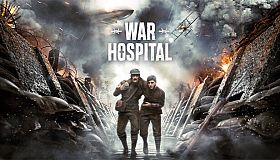















War Hospital is a strategy game that places players in command of a British field hospital on the Western Front during the First World War. The experience centers on resource allocation, staff coordination, and ethical decisions that affect both patient survival and overall operations amid ongoing conflict.
Gameplay
Core systems revolve around triage at the casualty clearing station, where incoming wounded soldiers receive initial assessment and assignment to appropriate wards. The operating theater serves as the central hub for surgical interventions, supported by specialized tools and staff assignments that determine treatment outcomes. Engineers handle production tasks such as food preparation or medicine creation, though they can focus on only one activity at a time. Upgrades to facilities occur through completed objectives or resource expenditure, expanding capacity for patient care and defense measures against external threats.
Morale functions as a critical metric that declines with patient losses, insufficient rations, or harsh supply measures like drawing from local sources. It rises through successful recoveries, improved living conditions, or returning healed soldiers to support lines. Players balance these elements while directing recovered personnel either back to combat roles for hospital protection or to headquarters for additional supplies. The single-player structure emphasizes steady progression through sequential challenges that test prioritization under constraints.
Game Modes
The game operates exclusively in a single-player format without multiplayer components or separate competitive modes. Progression unfolds through a continuous management campaign focused on sustaining the hospital across multiple scenarios. Each phase involves adapting to supply shortages, staffing limitations, and periodic attacks while advancing facility improvements and narrative elements tied to the historical setting.
Decision branches arise naturally from daily operations, such as adjusting ration levels or selecting which patients receive priority treatment. These choices influence long-term viability without branching into distinct game types. The structure rewards consistent oversight rather than varied playstyles or team-based coordination.
Artistic Vision and Setting
The visual design captures the stark realities of a World War I field hospital through detailed environments and character portrayals developed by the development team. A dedicated digital artbook highlights the artists' interpretations of the era, showcasing concepts for architecture, medical equipment, and personnel that ground the strategy elements in a cohesive historical atmosphere. This approach extends to in-game representations of wards, supply areas, and defensive positions that reflect the period's constraints and innovations.
Players interact with these visuals during routine management, where the layout of buildings like the converted church operating ward or adjacent rehabilitation spaces influences workflow efficiency. The art direction supports the strategic focus by emphasizing functional spaces over dramatic flourishes, aligning with the game's emphasis on practical decision-making.
Is It Worth Playing?
War Hospital appeals to those interested in management strategy titles that incorporate moral and logistical pressures within a historical context. Steam user reviews show mixed overall reception, with praise directed at the thematic depth and systems integration alongside notes on pacing and refinement needs. The game remains available as a complete single-player package with no seasonal content or ongoing updates required for core play.
Those who enjoy deliberate resource balancing and staff oversight in isolated settings will find sustained engagement through its campaign structure. The experience suits players comfortable with steady micromanagement and the consequences of triage choices rather than fast-paced action or expansive multiplayer options. Availability on PC supports direct access for strategy enthusiasts seeking this specific combination of historical management and decision layers.