











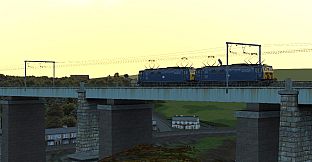
Train Simulator: Woodhead Electric Railway in Blue Route Add-On is a simulation game set on PC that recreates a historic British rail line from the late 1970s. The add-on focuses on the Woodhead route and its associated branches, allowing players to operate period-accurate electric and diesel locomotives across steep gradients and long tunnels in the Pennines.
Gameplay
The core loop centers on realistic train operation along a 43-mile main line between Manchester Piccadilly and Sheffield Victoria. Steep gradients and heavy freight loads demand careful throttle and brake management, especially on downhill sections where regenerative braking helps control speed. The route uses 1500V DC overhead electrification, which affects how power is delivered and recovered compared with more common systems. Players handle shunting duties, passenger services, and coal trains while navigating tunnels up to three miles long and branch lines to locations such as Glossop and Wath. Pro Range functionality adds extra controls and systems for those seeking greater realism in throttle response, braking modes, and fault handling.
Game Modes
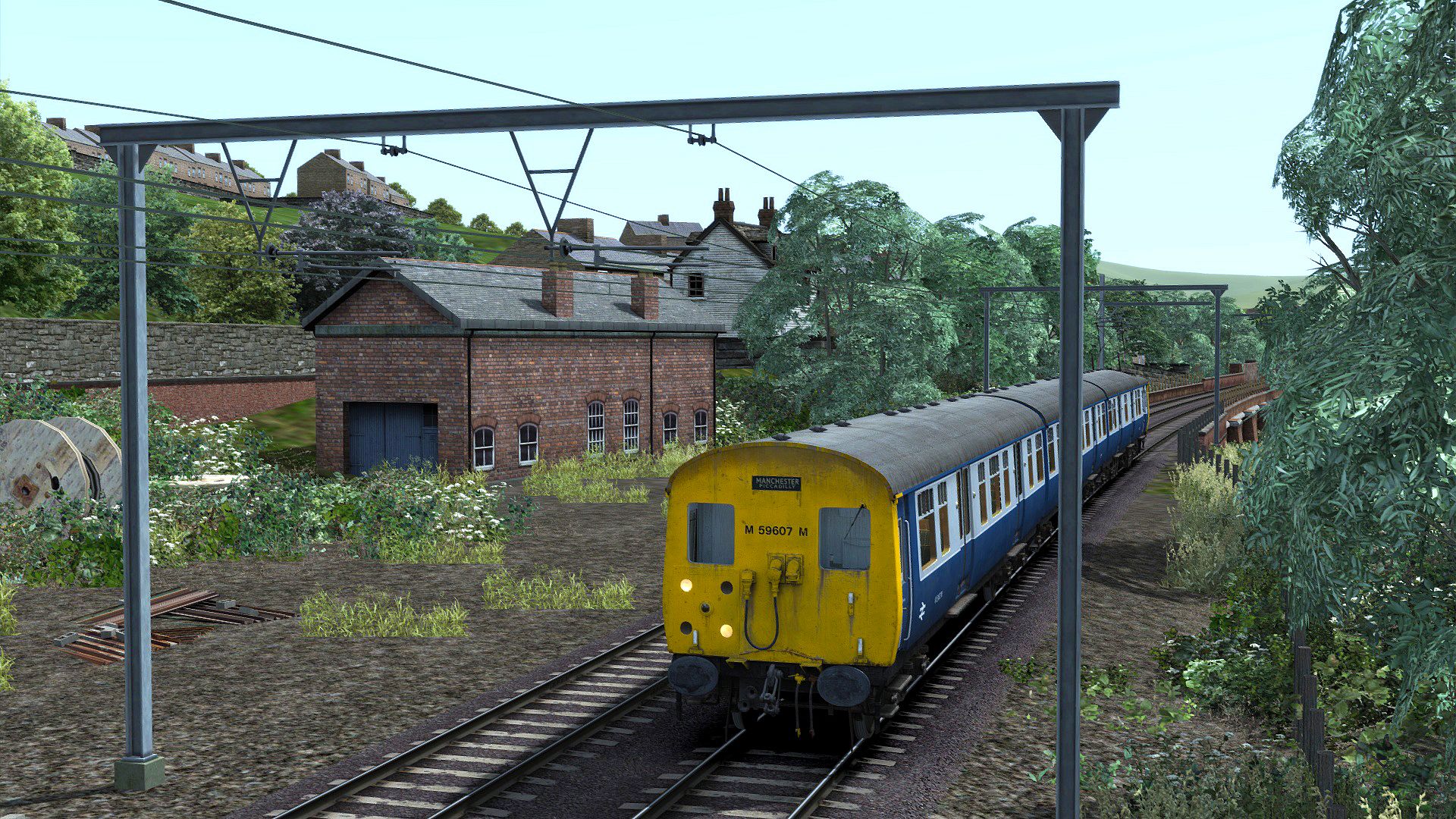
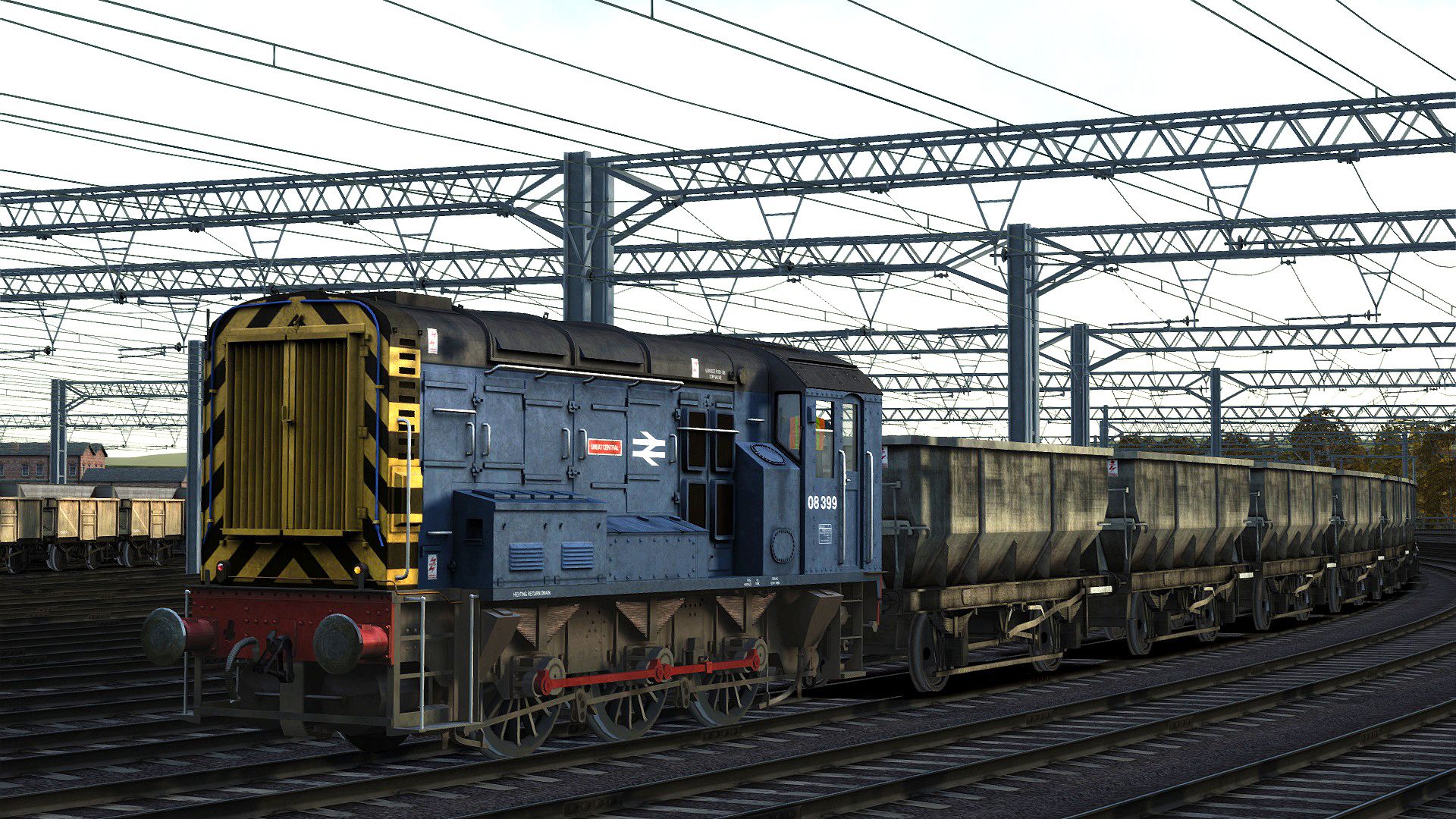
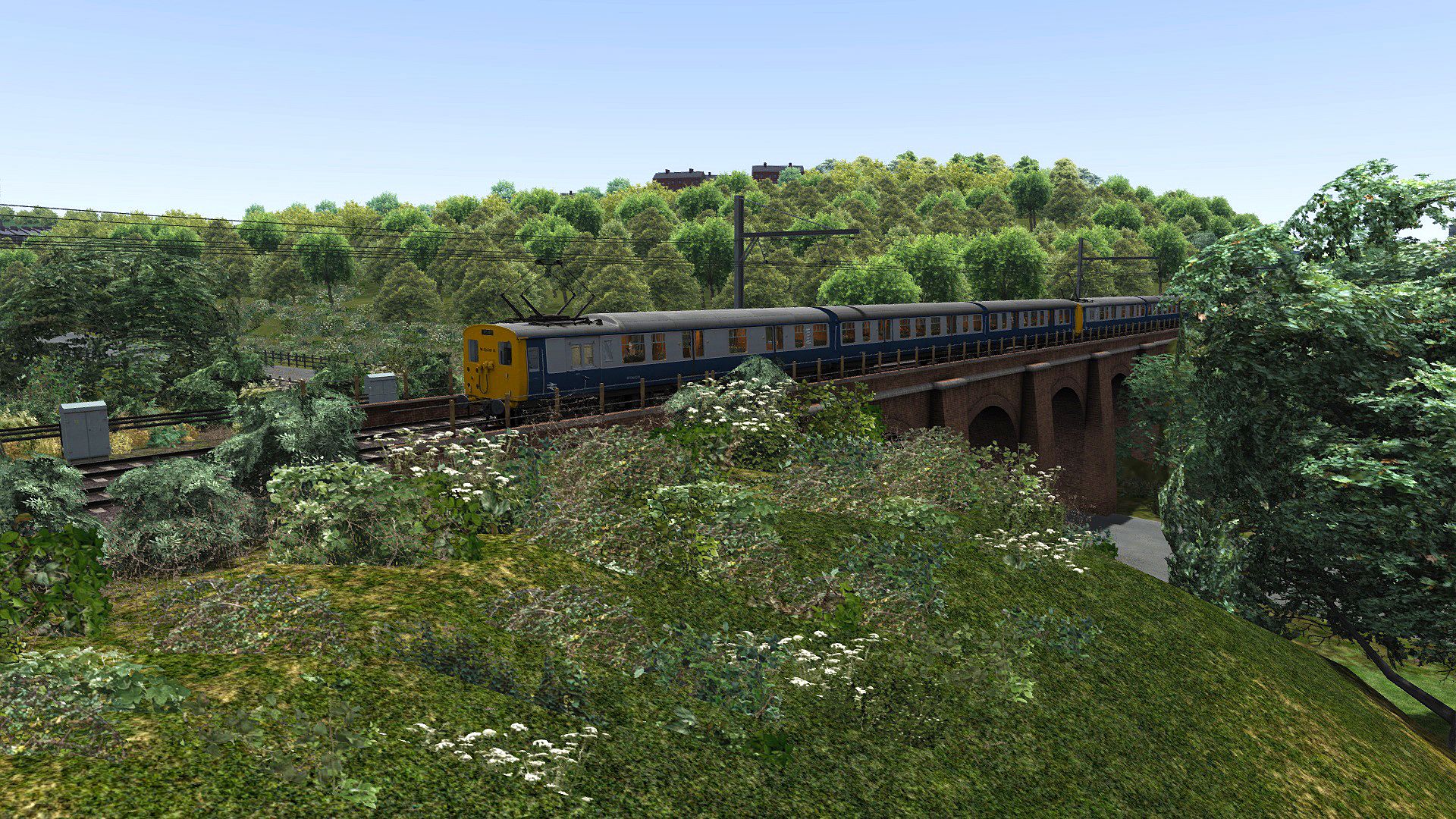
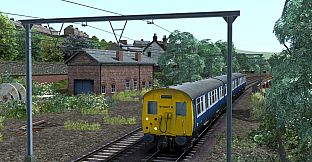
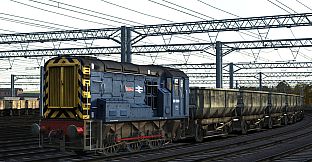
Several built-in scenarios let players experience different aspects of the route. These include shunting tasks with the Class 08, commuter runs with the Class 506 between Hadfield and Manchester Piccadilly, and longer freight hauls with the Class 76 from locations such as Rotherwood and Wath to Fiddlers Ferry Power Station. Railfan Mode provides static viewing opportunities at spots like Broadbottom and Guide Bridge. Quick Drive mode supports free-form exploration with any available locomotive and rolling stock combination. Additional community-created scenarios expand the options through the in-game workshop system.
The Route and Its Branches
The layout captures the Woodhead Electric Railway in its final operational phase, including the new twin-track Woodhead 3 tunnel built for electrification. Extra mileage covers the one-mile Glossop branch, the three-mile line to Reddish Depot, and the 14-mile extension to Wath. Historical context appears through the route design itself, with steep inclines that once challenged steam locomotives and prompted early electrification plans dating back to the 1930s. The setting reflects the line after passenger services ended in 1970, when freight remained the primary traffic.
Locomotives and Rolling Stock
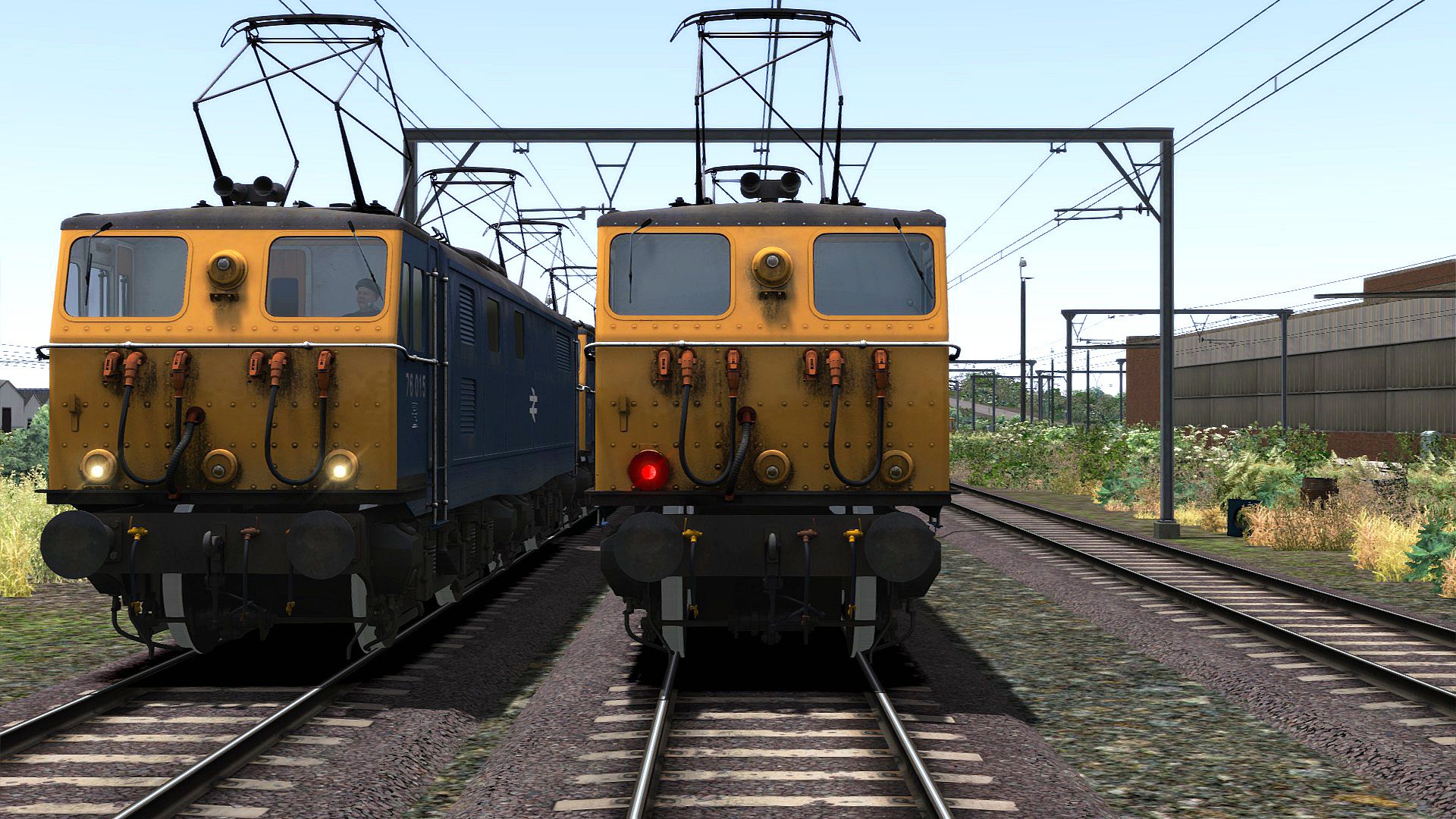
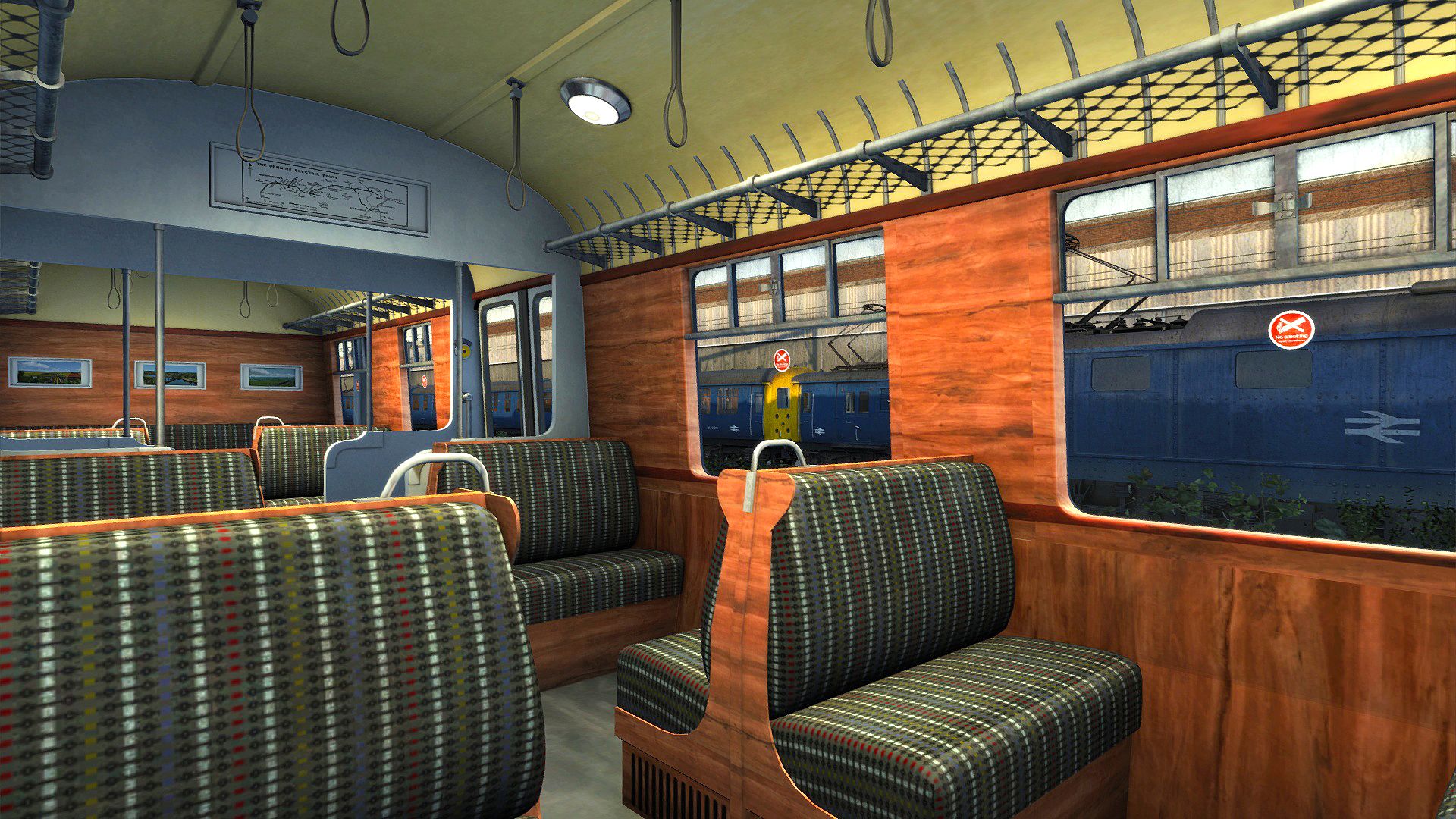
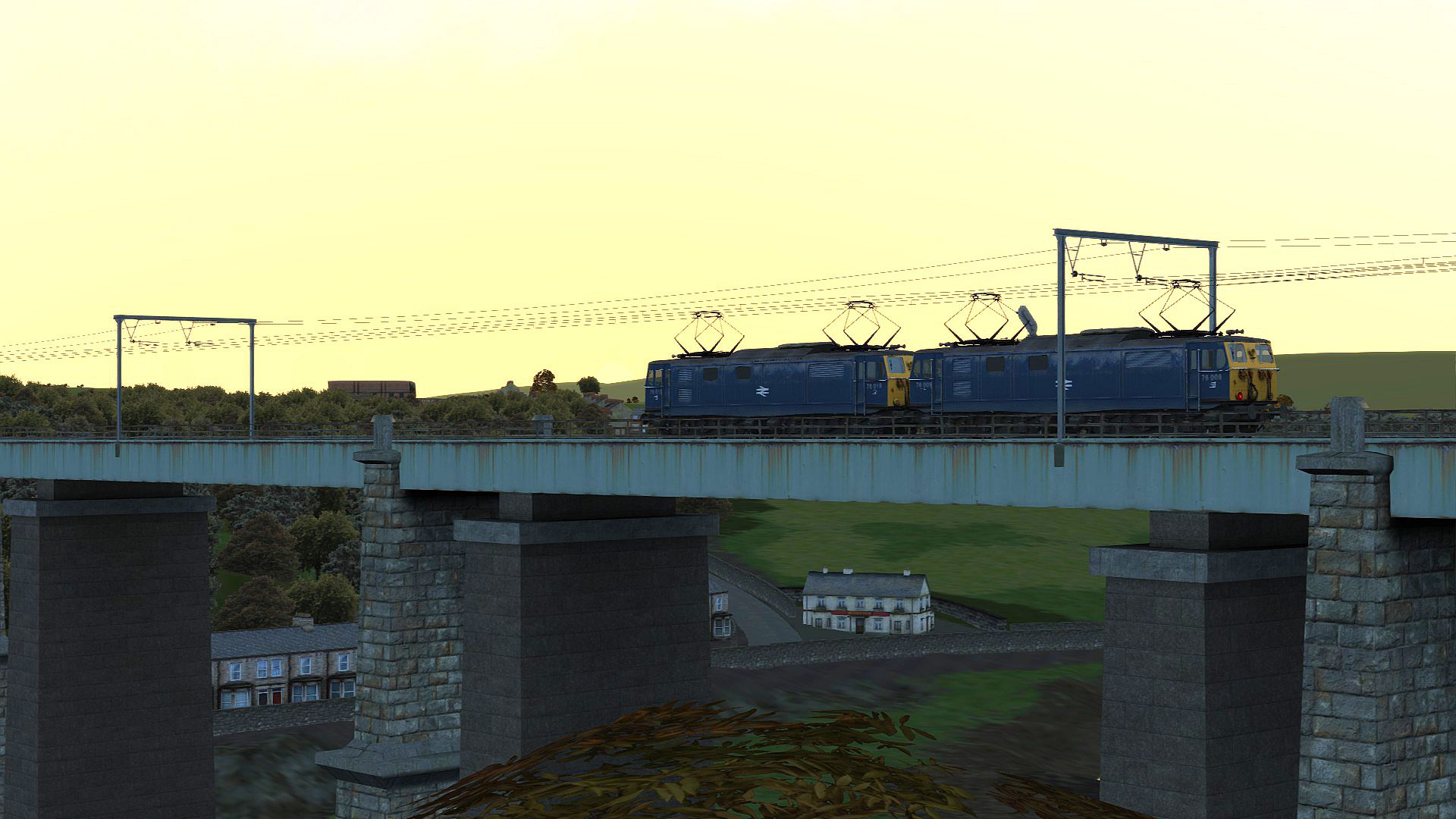
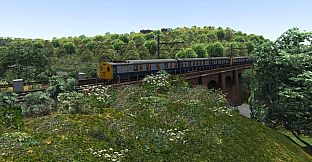
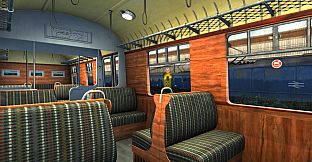
Three main traction types appear in BR Corporate Blue liveries. The Class 08 handles yard work and light duties. The Class 76 serves as the primary electric locomotive for heavy coal trains, featuring detailed braking systems including regenerative and rheostatic options. The Class 506 three-car EMUs operate passenger services and come in both clean and weathered states as well as an alternate Blue & Grey scheme. Freight wagons include HAA MGR hoppers, ex-LNER coal hoppers, mineral wagons, and brake vans, while passenger stock consists of Mk1 coaches and GUV utility vans.
Is It Worth Playing?
Player feedback on the add-on has been mixed, with many appreciating the accurate modeling of the unique 1500V DC system and the included locomotives. The route suits those who enjoy focused single-player simulation of British rail operations from a specific era rather than broad modern networks. Scenarios provide structured sessions that highlight the challenges of gradients and tunnel running, while Quick Drive and workshop content extend playtime for owners of the base Train Simulator software. Enthusiasts of historical routes and detailed electric traction will find the most value, particularly when the add-on is acquired at a reduced price.