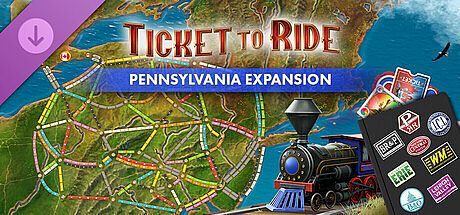


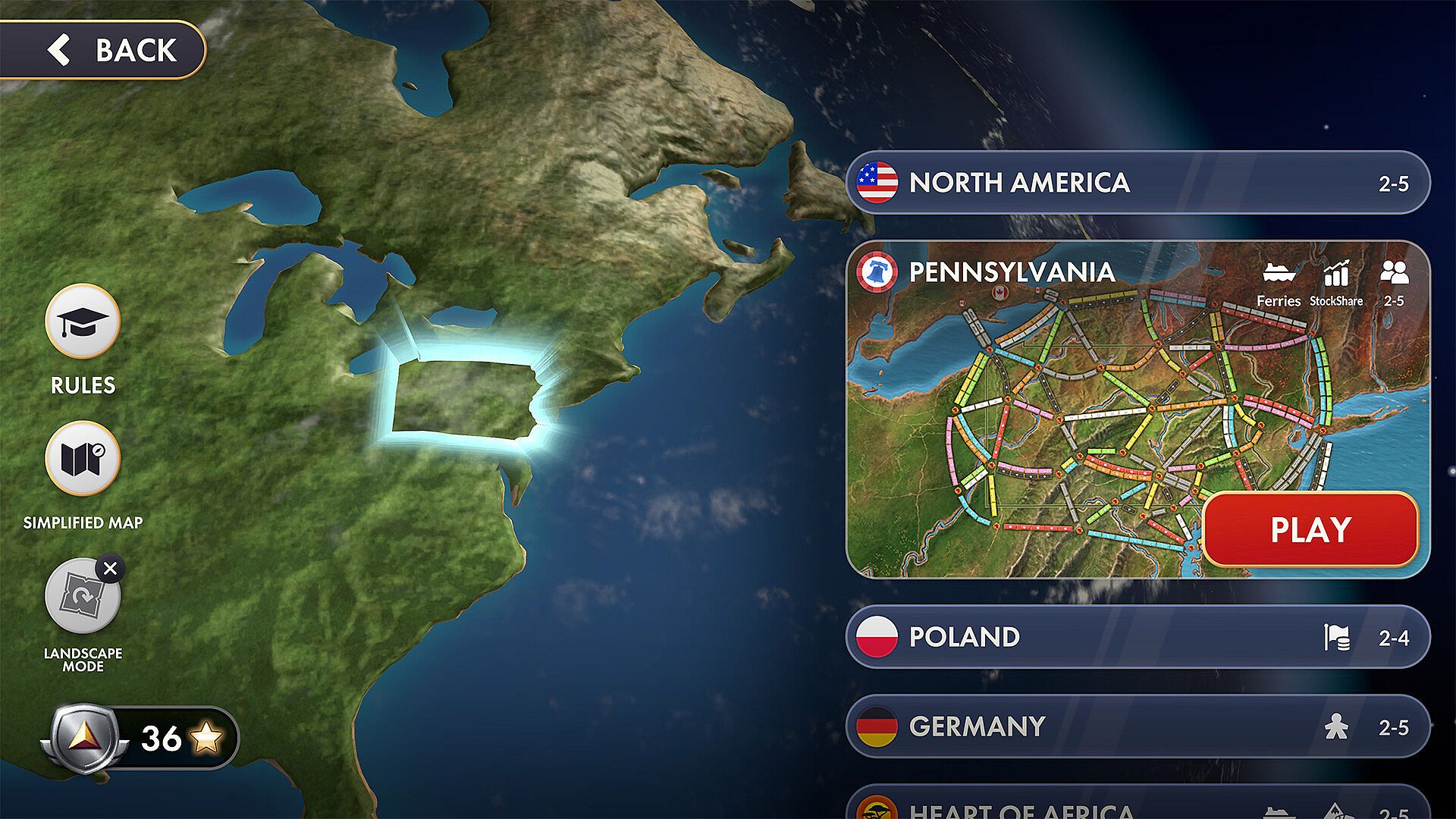

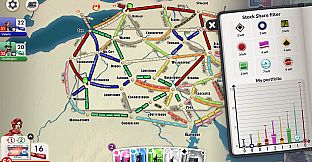

Ticket to Ride: Pennsylvania Expansion brings the classic route-building strategy game to PC with a focused map and an added layer of investment mechanics. Players compete to lay tracks across Pennsylvania and nearby areas while managing shares in railroad companies for endgame bonuses. The result blends familiar ticket completion with stock collection in a session that lasts 30 to 60 minutes for two to five participants.
Gameplay
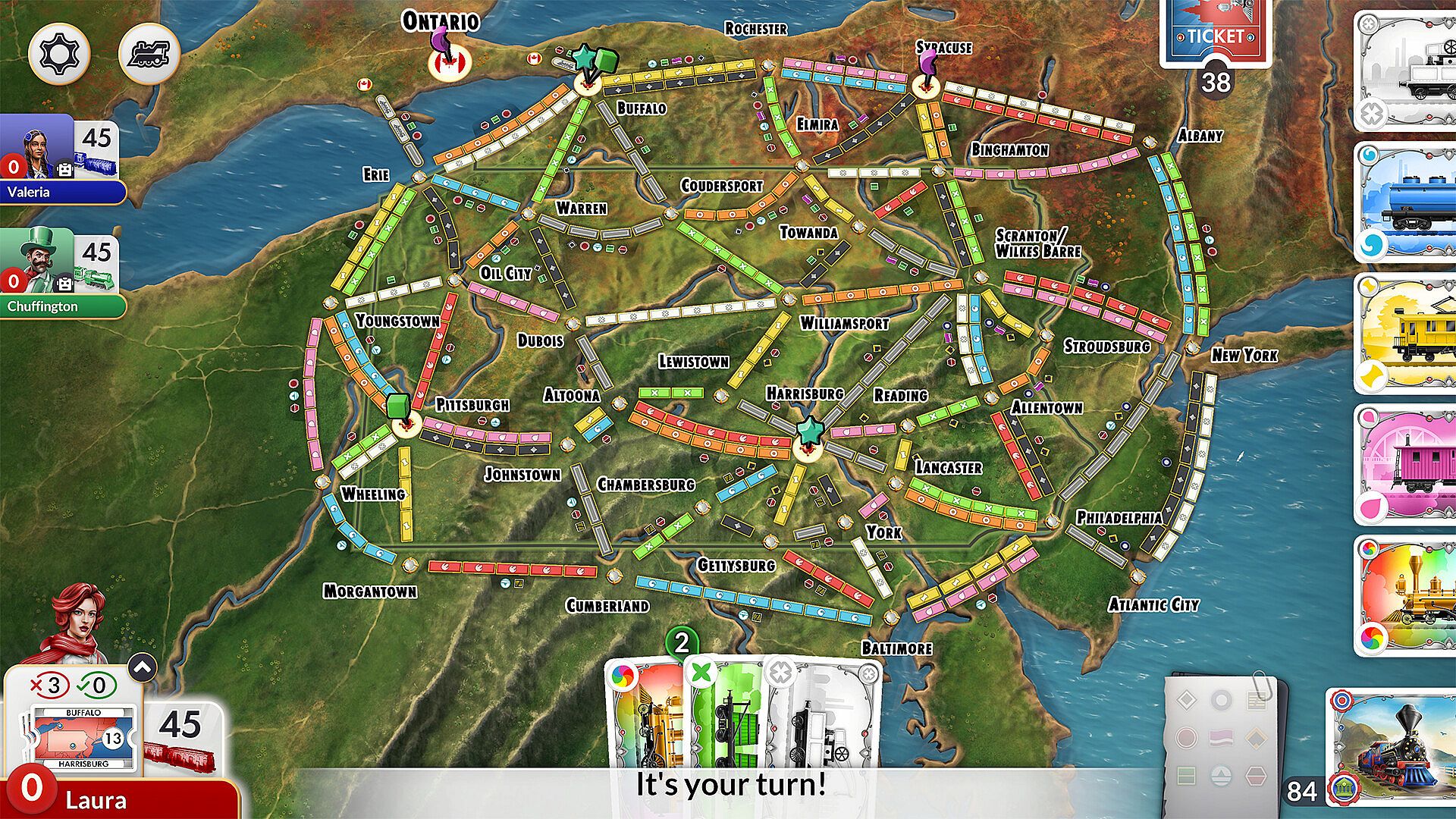
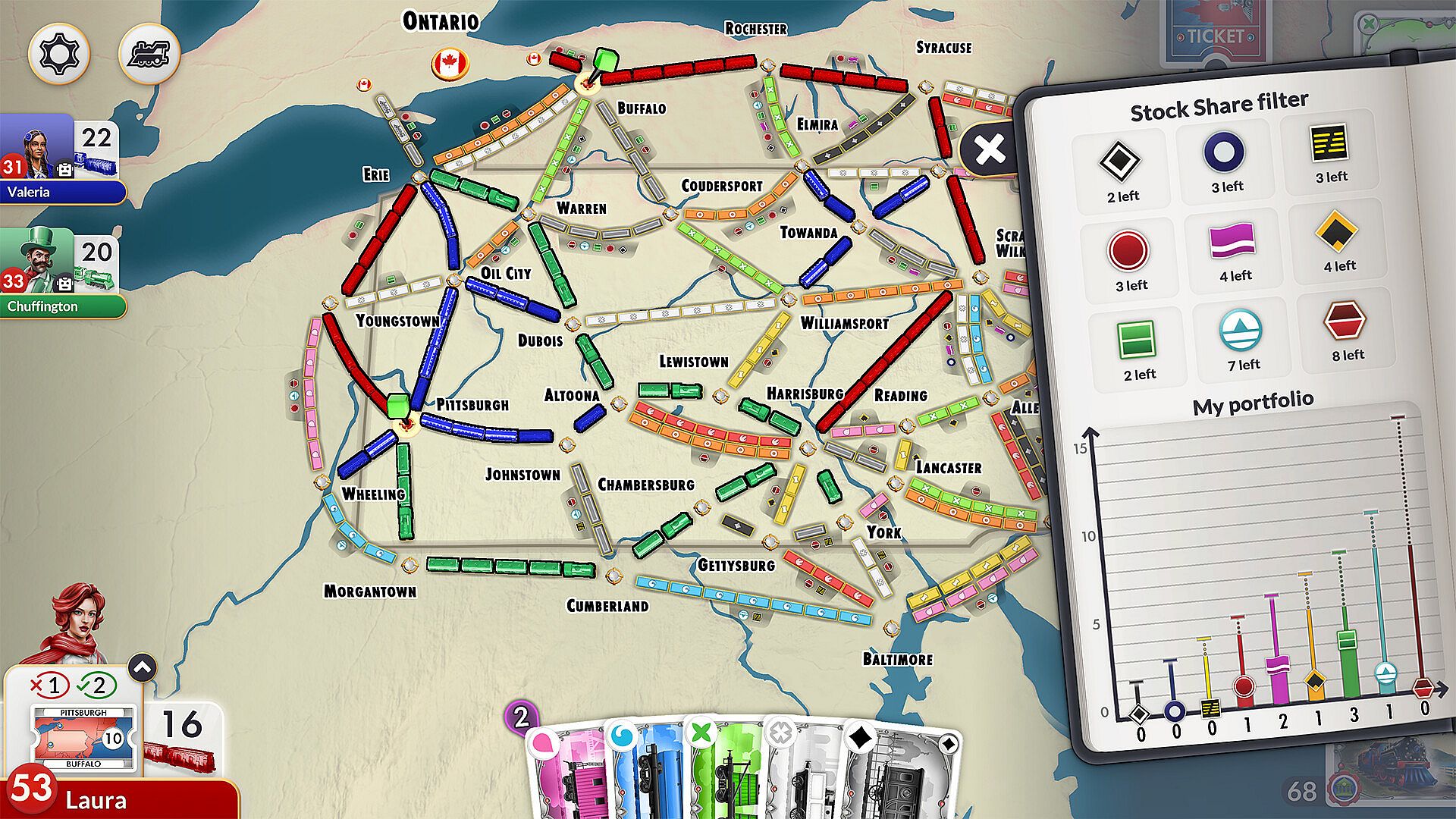
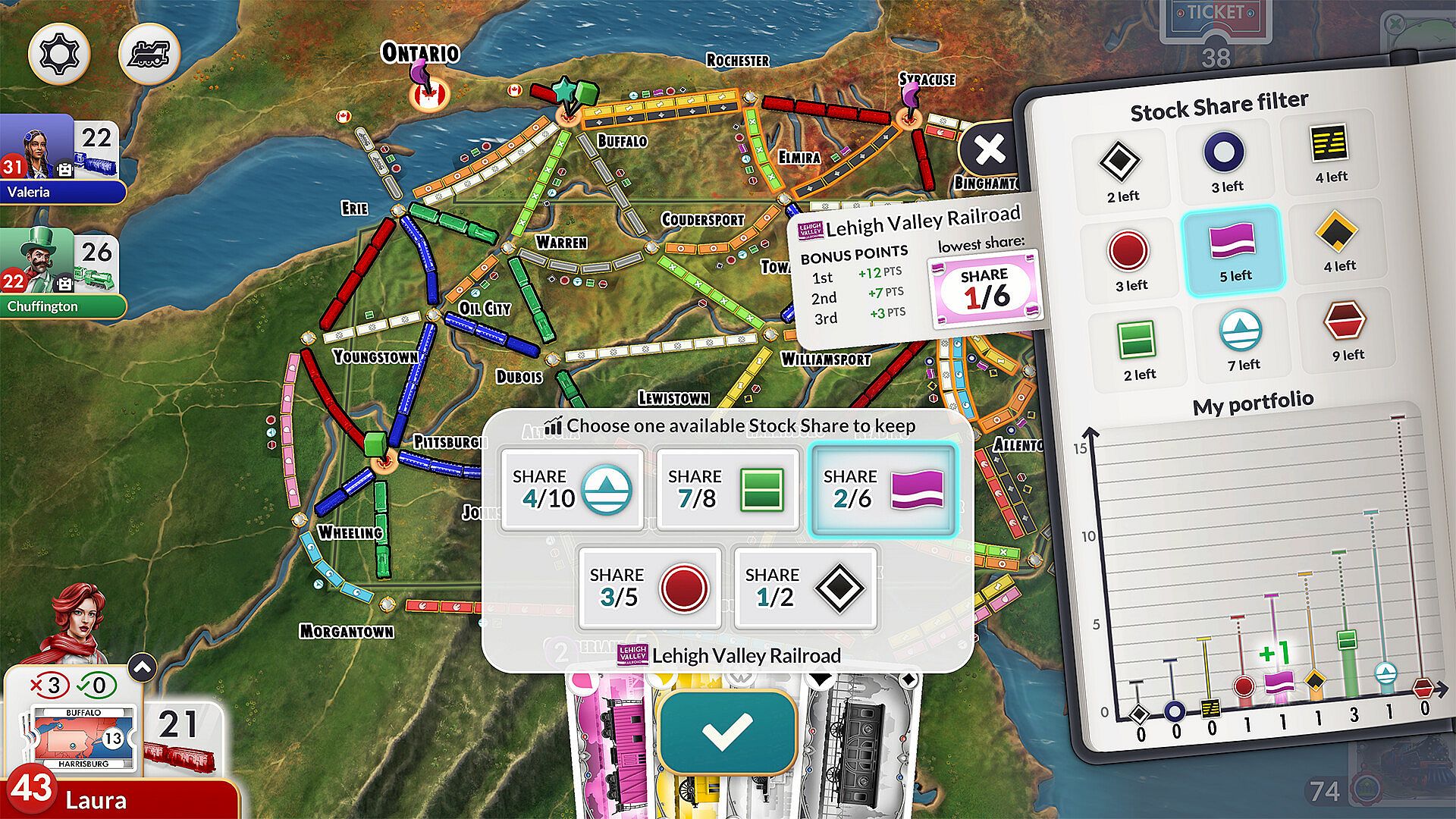
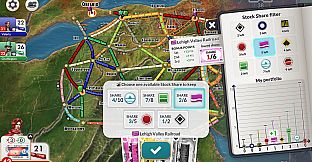
Each turn centers on drawing train cards or claiming a route on the board. Claiming a route scores the usual points based on length and grants the option to take the top stock share from one of the companies listed on that route. Nine companies appear across the map, each with a limited number of shares that decrease in value as they are claimed. Routes without company logos grant no shares. Ferries crossing water require locomotive cards in addition to the matching color set.
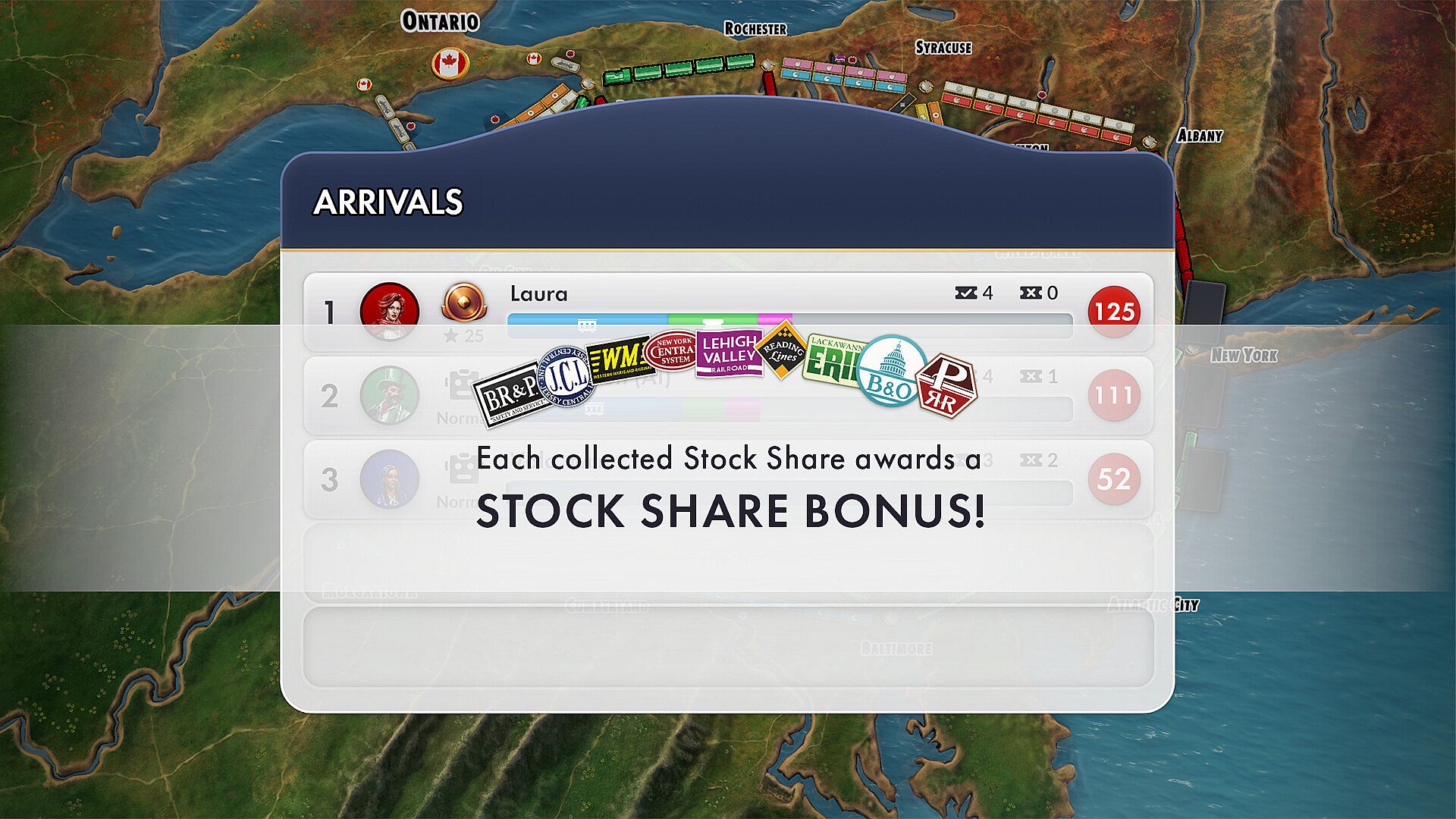
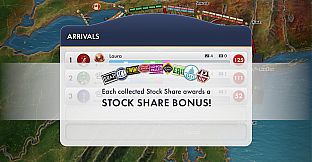
Destination tickets drive the main objective. Players start with several and must keep at least three, scoring full points only for completed connections. The Globetrotter bonus awards 15 points to the player who finishes the most tickets overall. Stock scoring happens at the end: for each company, the player with the most shares receives the highest payout listed on that company's cards, followed by second and third place where available. Ties break in favor of the player who claimed the lowest-numbered share first. Shares remain hidden until final scoring, so opponents cannot see exact holdings during play.
Game Modes
The expansion centers on the Pennsylvania map and supports two to five players with standard rules. Two-player games include adjustments to maintain balance. Sessions run in real time with the same core actions as other Ticket to Ride titles, but every route claim now carries an investment decision alongside the usual route and ticket considerations. No separate variants or seasonal modes appear in the digital release.
Strategic Depth and Player Choices
Success requires balancing three scoring paths at once: route points, completed tickets, and company majorities. Early investment in high-value companies can secure large bonuses, yet overcommitting leaves fewer trains for blocking opponents or finishing long tickets. The map features key hubs such as Pittsburgh, Philadelphia, and New York City that draw heavy competition. Short routes often prove efficient because they deliver shares quickly while still contributing to ticket goals. Players who spread shares across too many companies risk finishing without a majority in any single one.
Is It Worth Playing?
This expansion suits players who already enjoy Ticket to Ride and want an extra strategic element without changing the core loop. The stock system rewards careful observation of opponents' routes and timely claims, creating meaningful decisions on almost every turn. Those who prefer pure route racing or dislike hidden scoring elements may find the added layer distracting. The map itself receives consistent praise for its layout and replay value among fans of the series. Availability on PC allows easy access for solo practice against AI or online matches with others. If the combination of route building and light economic competition appeals, the Pennsylvania map delivers a distinct experience that stands apart from standard maps.