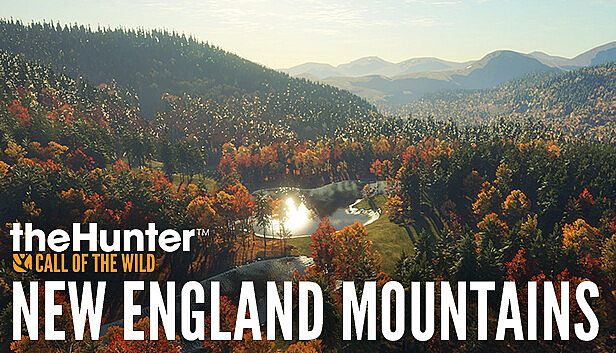











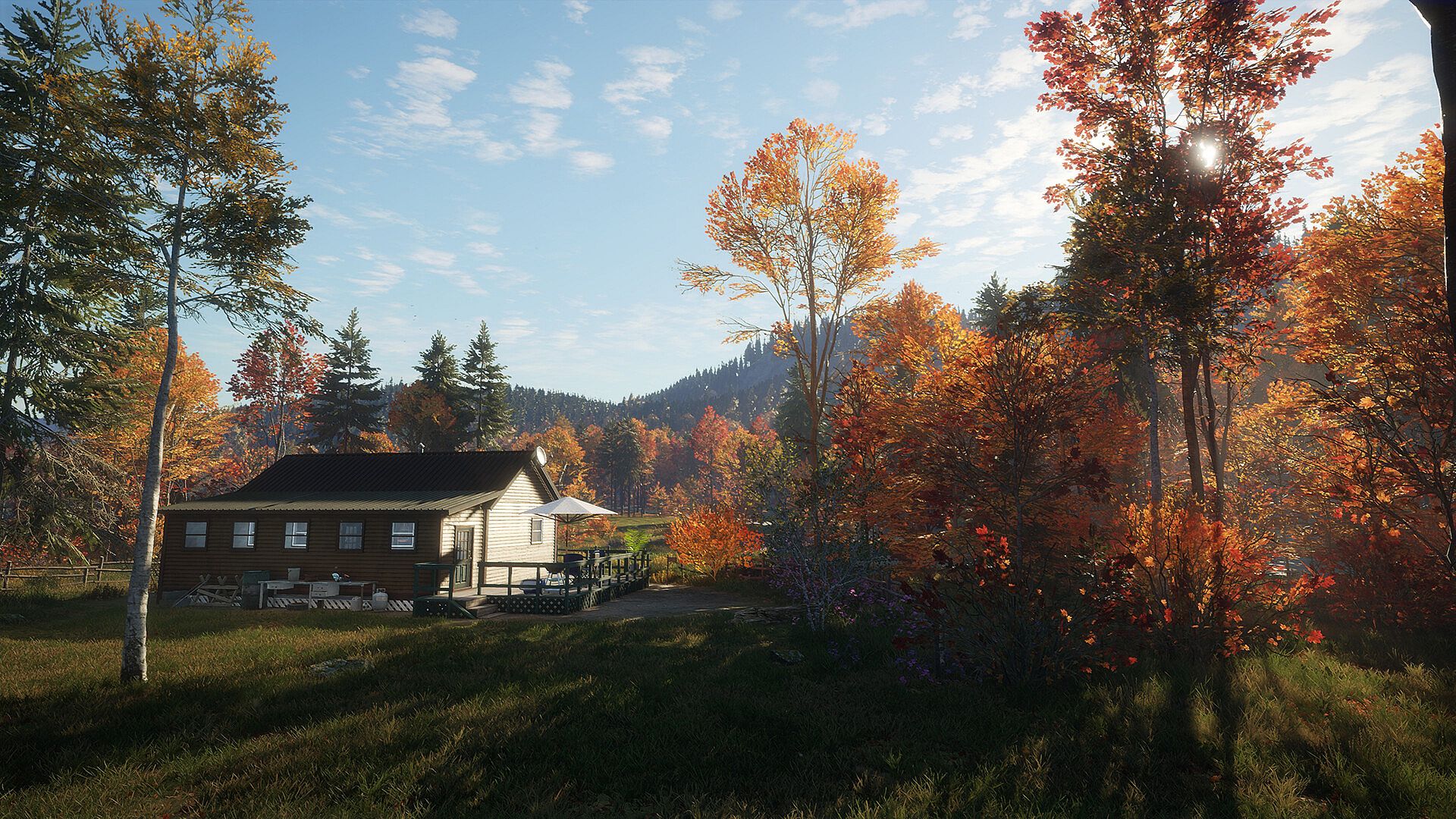
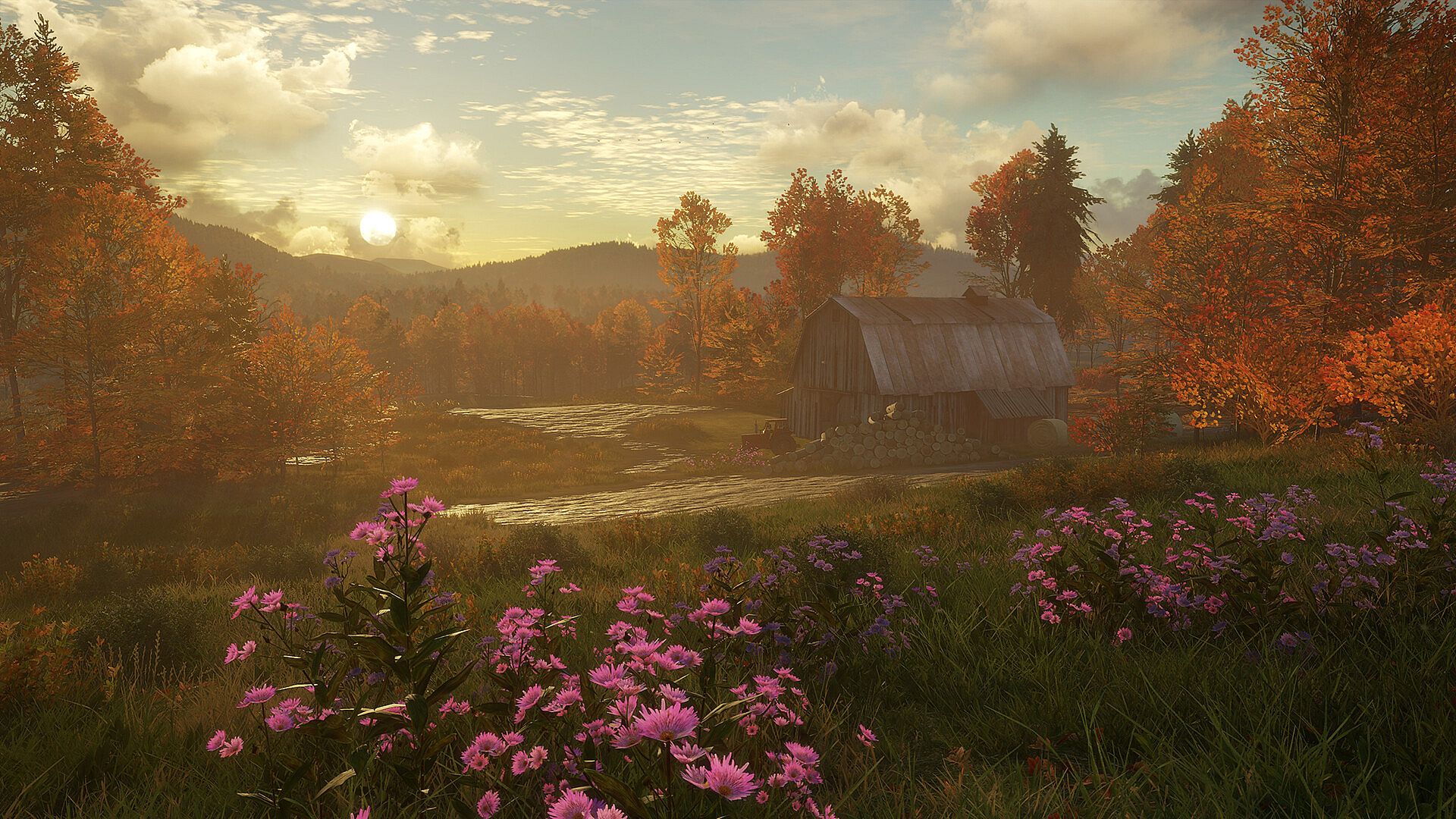
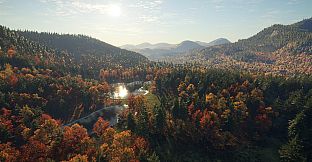
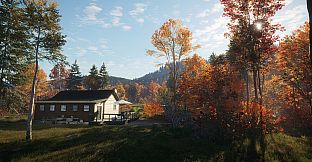
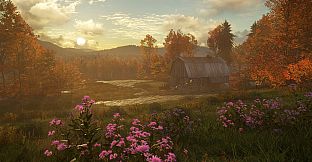
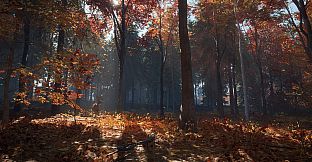
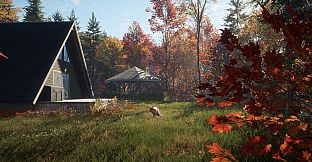
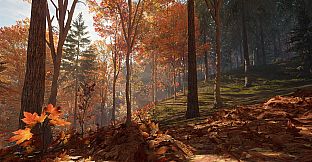
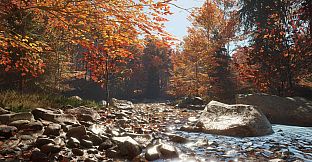
theHunter: Call of the Wild New England Mountains is a hunting simulation set in the White Mountains region spanning parts of New Hampshire and western Maine. This expansion adds a new reserve to the core game, emphasizing realistic tracking, weapon handling, and environmental awareness across rugged Appalachian terrain. Players explore deciduous woodlands, alpine meadows, rivers, and lakes while pursuing specific animals in a singleplayer-focused experience that also supports up to eight players in shared sessions.
Gameplay
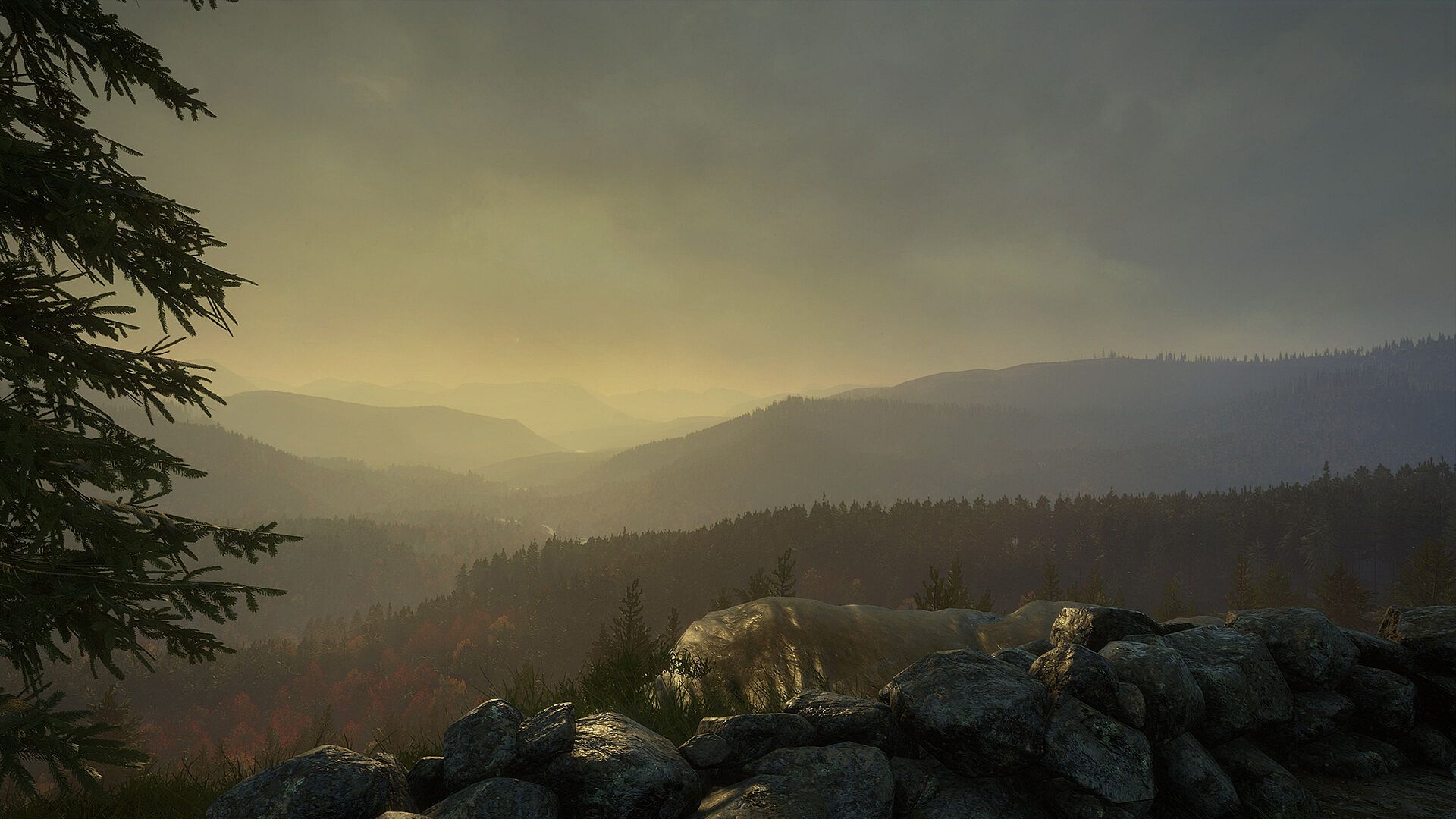
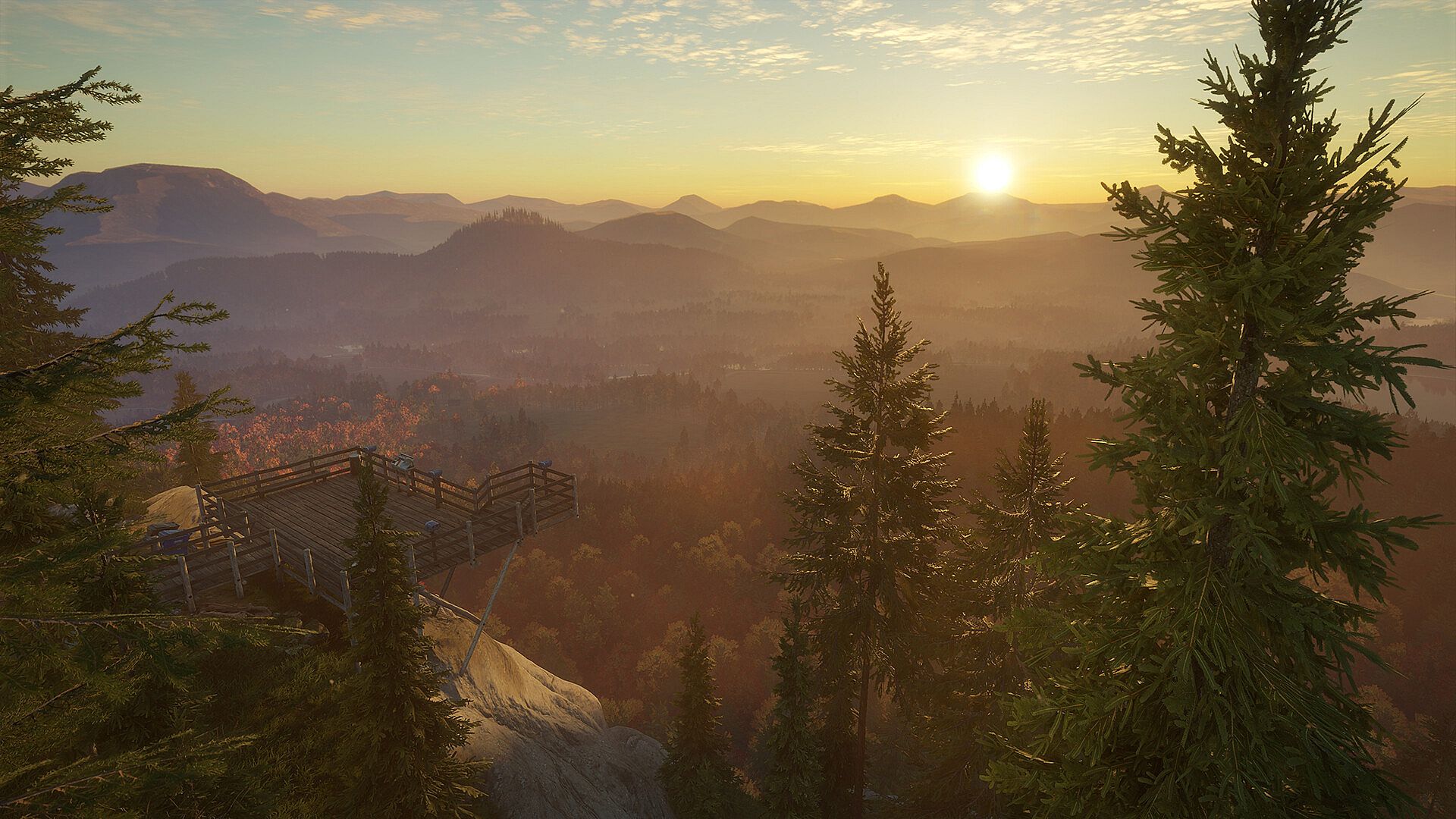
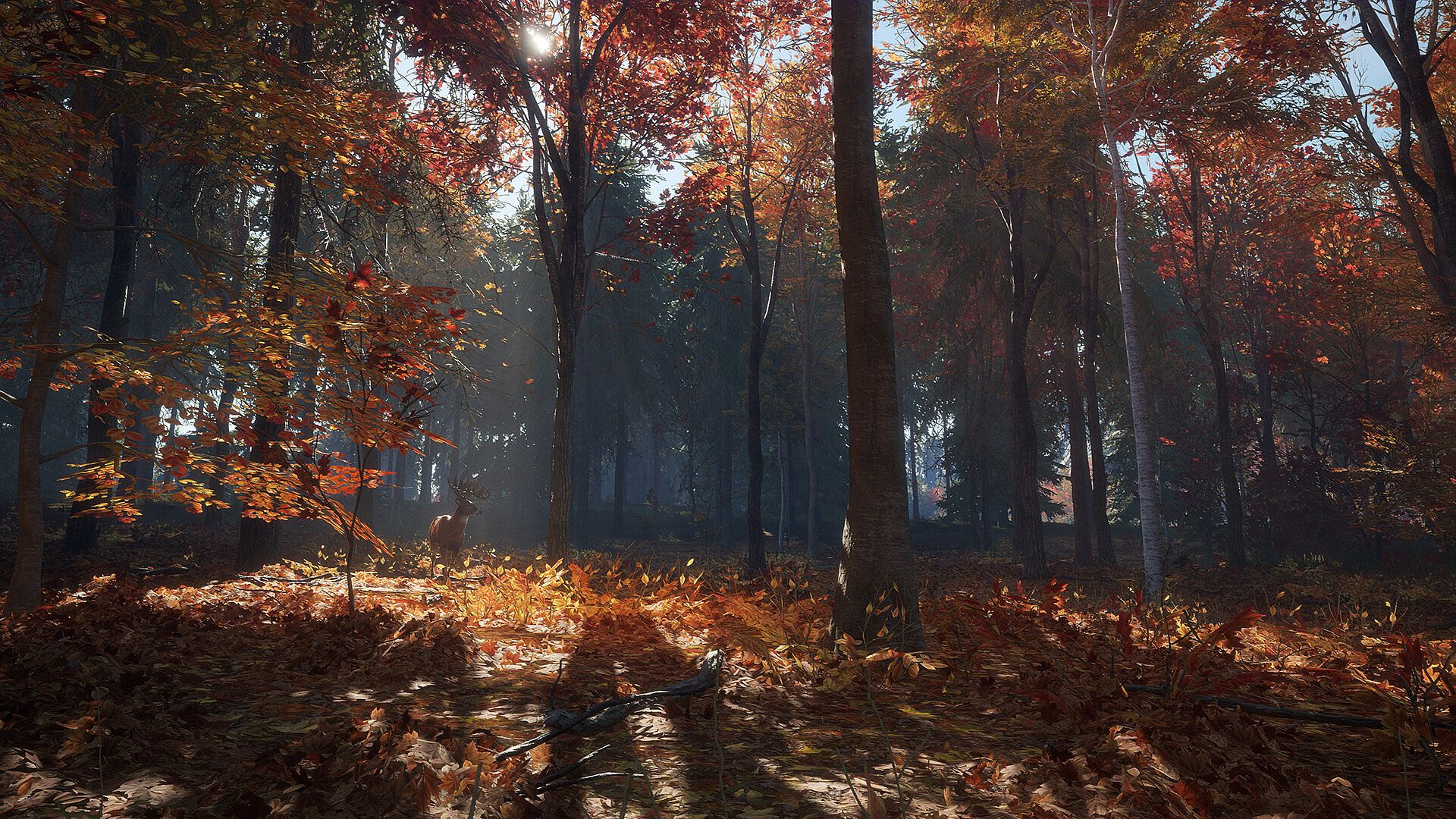
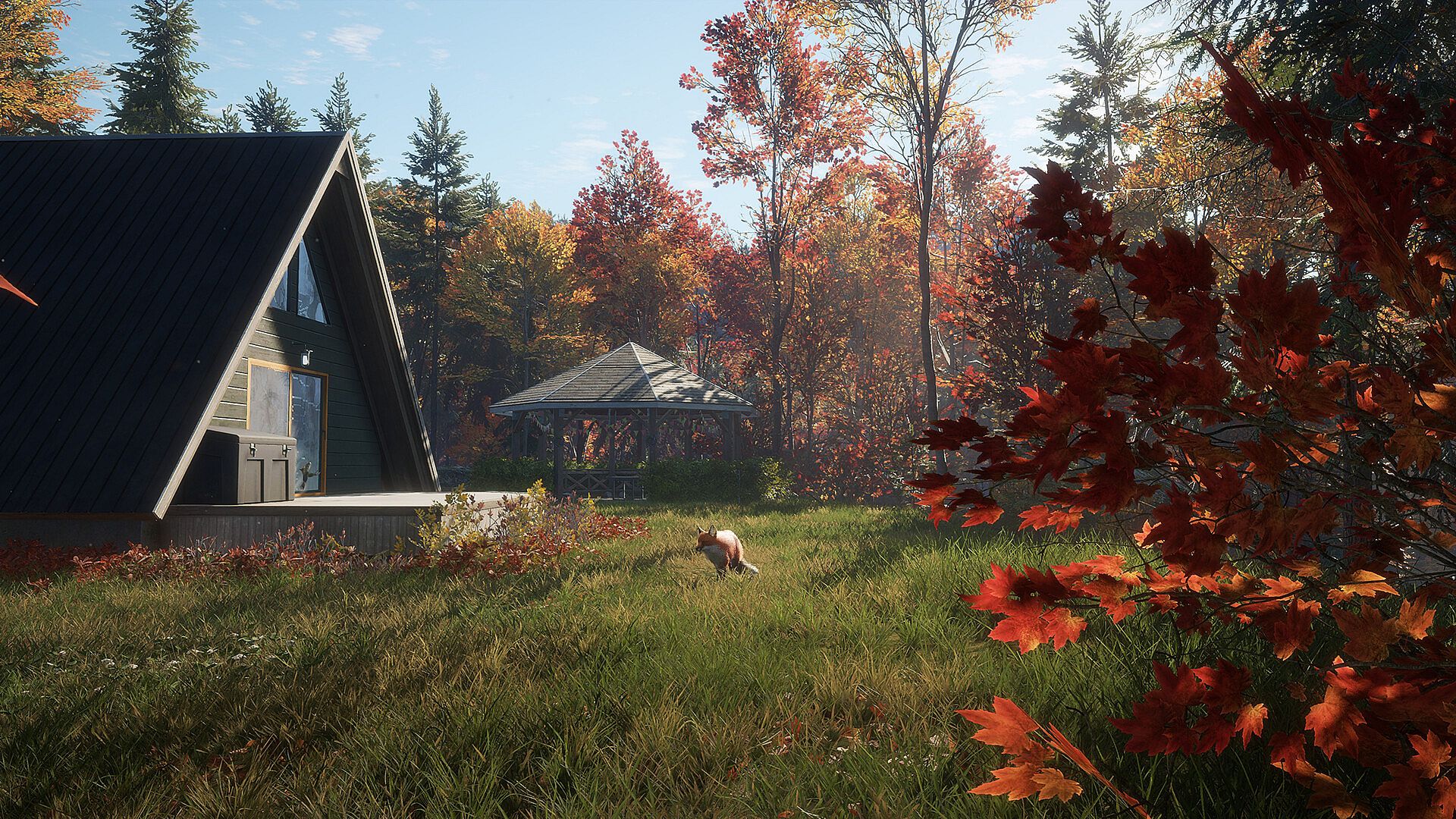
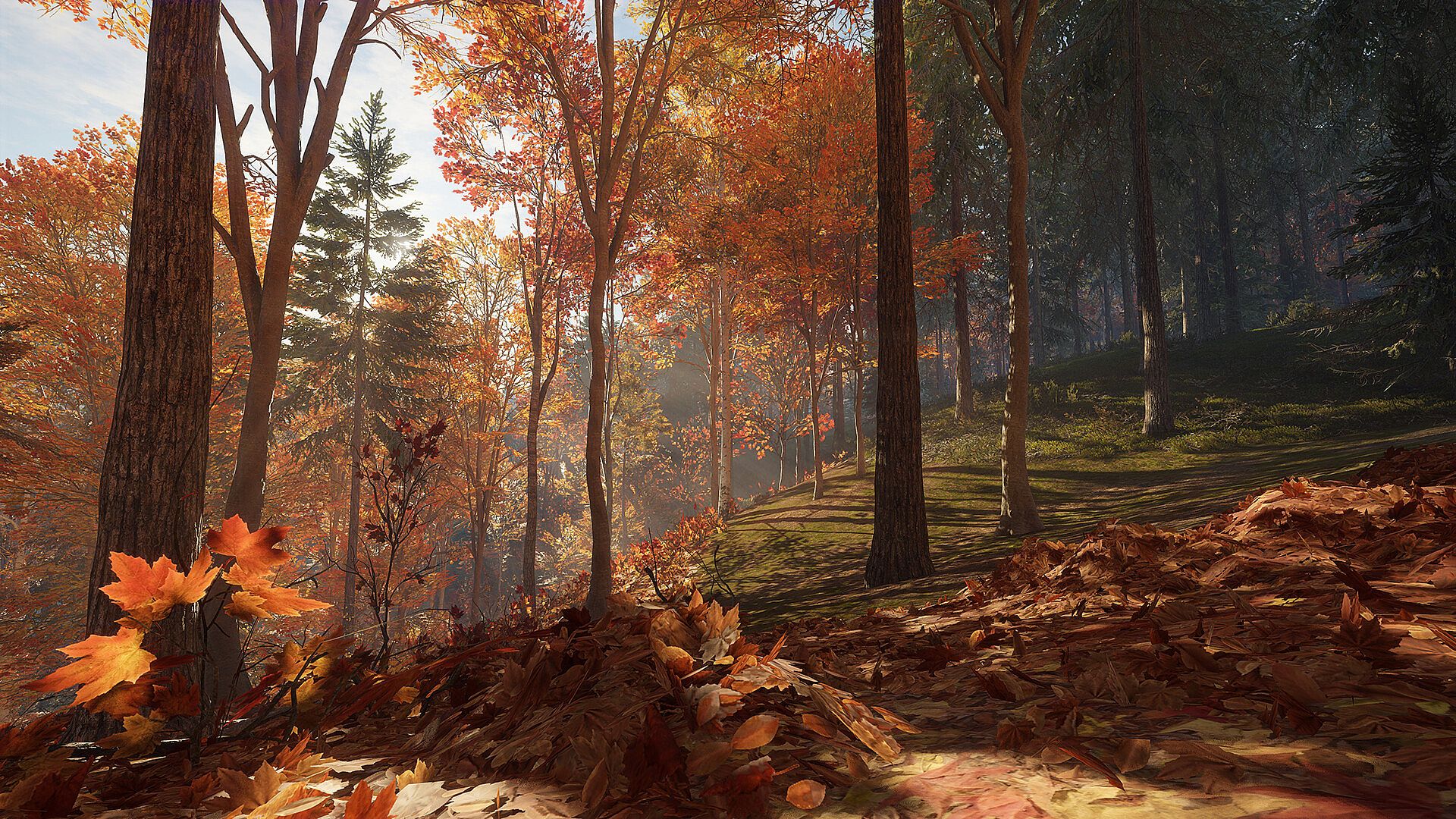
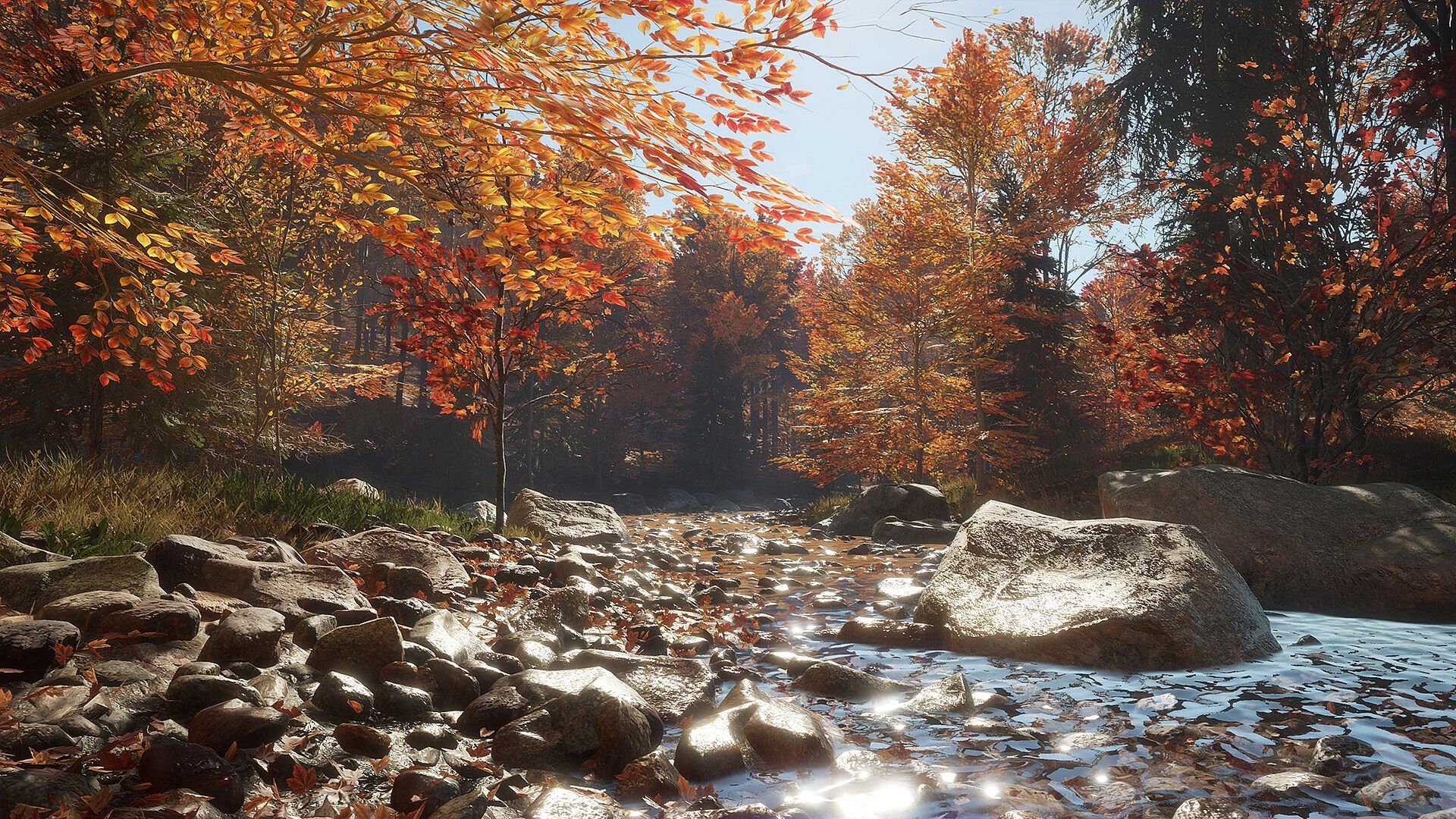
Hunters move through mature forests and open uplands shaped by glacial activity, using terrain features like outcrops and flowing water to approach prey without detection. The reserve highlights refined versions of the Whitetail Deer, Red Fox, and Moose, each with updated visuals and behaviors suited to the varied scenery. Three Great Ones appear as rare, high-value targets, including a new Moose variant, requiring careful planning around feeding zones and movement patterns.
Weapon customization comes through two included cosmetic options that give firearms a distinct New Hampshire aesthetic. These changes allow personalization before heading into the field, where players observe wildlife from stands or while walking trails. The environment supports both active stalking along rivers and passive waiting in meadows, with class 1 and 2 animals appearing frequently in certain areas.
Game Modes
The reserve includes a dedicated set of missions that form the shortest campaign in the game. These tasks focus on exploration and interaction with an old friend rather than direct hunting, guiding players through key locations without requiring shots on target. Additional side missions expand on spotting and navigation across the map.
Beyond structured missions, open exploration serves as the primary activity. Players can freely roam the quarter-state coverage of New Hampshire terrain, setting up in different biomes to observe or pursue animals. Multiplayer sessions let groups coordinate on the same reserve, sharing sightings and strategies in real time.
Wildlife and Scenery
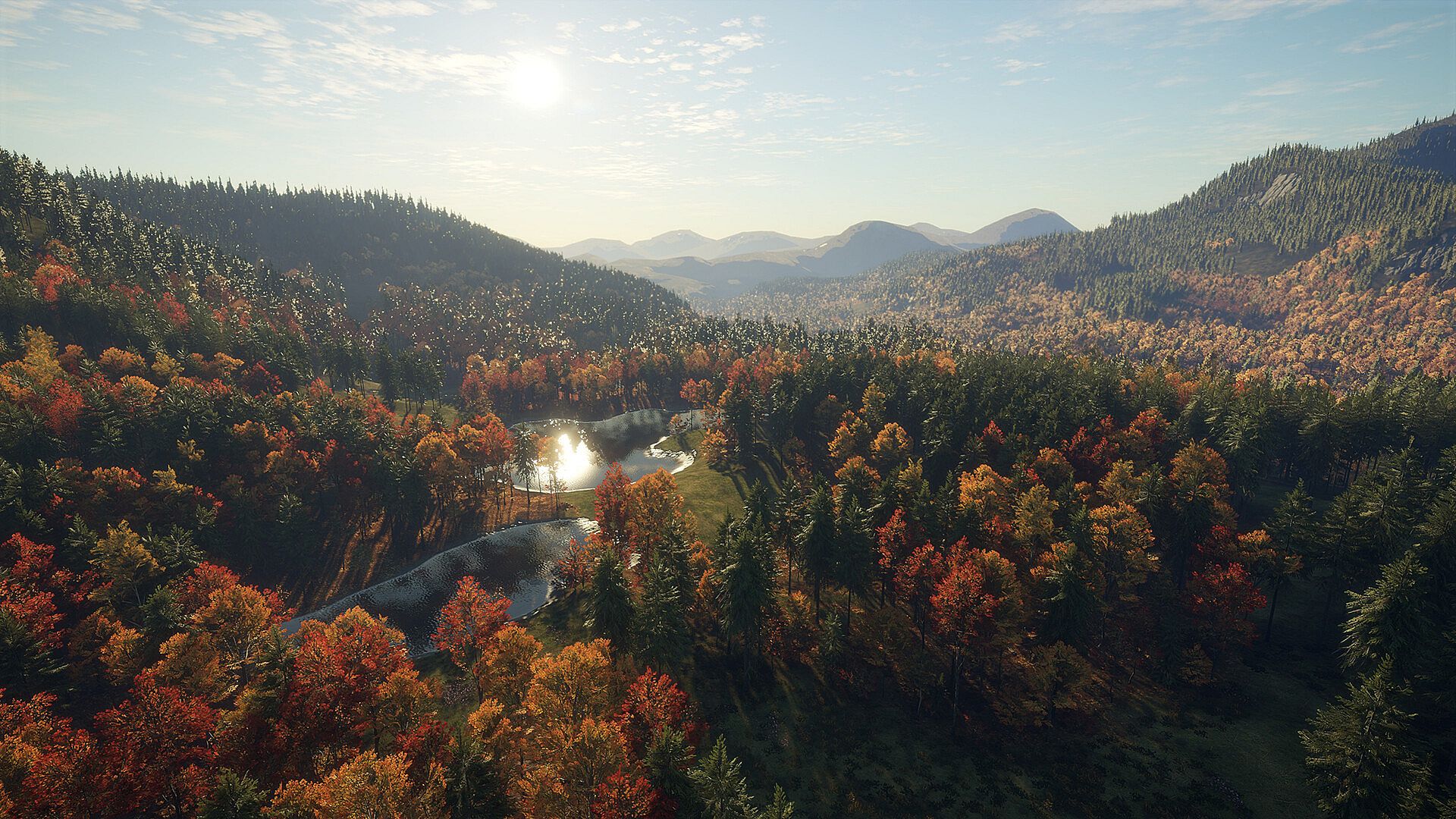
Abundant smaller game such as Ring-necked Pheasant and Coyote populate the lower elevations, while larger species favor the higher ground and wooded edges. The landscape mixes coniferous stands with mixed deciduous areas, creating distinct sightlines and cover options that influence approach tactics. Lakeside and riverside spots provide additional vantage points for observing movement across open water.
Seasonal and time-of-day changes affect animal activity, encouraging repeated visits to the same zones. The overall setting rewards patience, with dramatic rock formations and flowing water adding visual variety during long sessions.
Is It Worth Playing?
This reserve suits players who enjoy methodical hunting simulations and scenic exploration over fast-paced action. The mission structure offers a quick entry point with minimal combat demands, while the open map supports extended play for those seeking rare Great One encounters. Reception among the community remains mixed, with some appreciating the refined animal models and relaxed pace, and others noting similarities to earlier reserves. It works best as an addition for owners of the base game who value new terrain and trophy opportunities rather than major mechanical overhauls. Availability on PC keeps it accessible for ongoing updates to the title.