











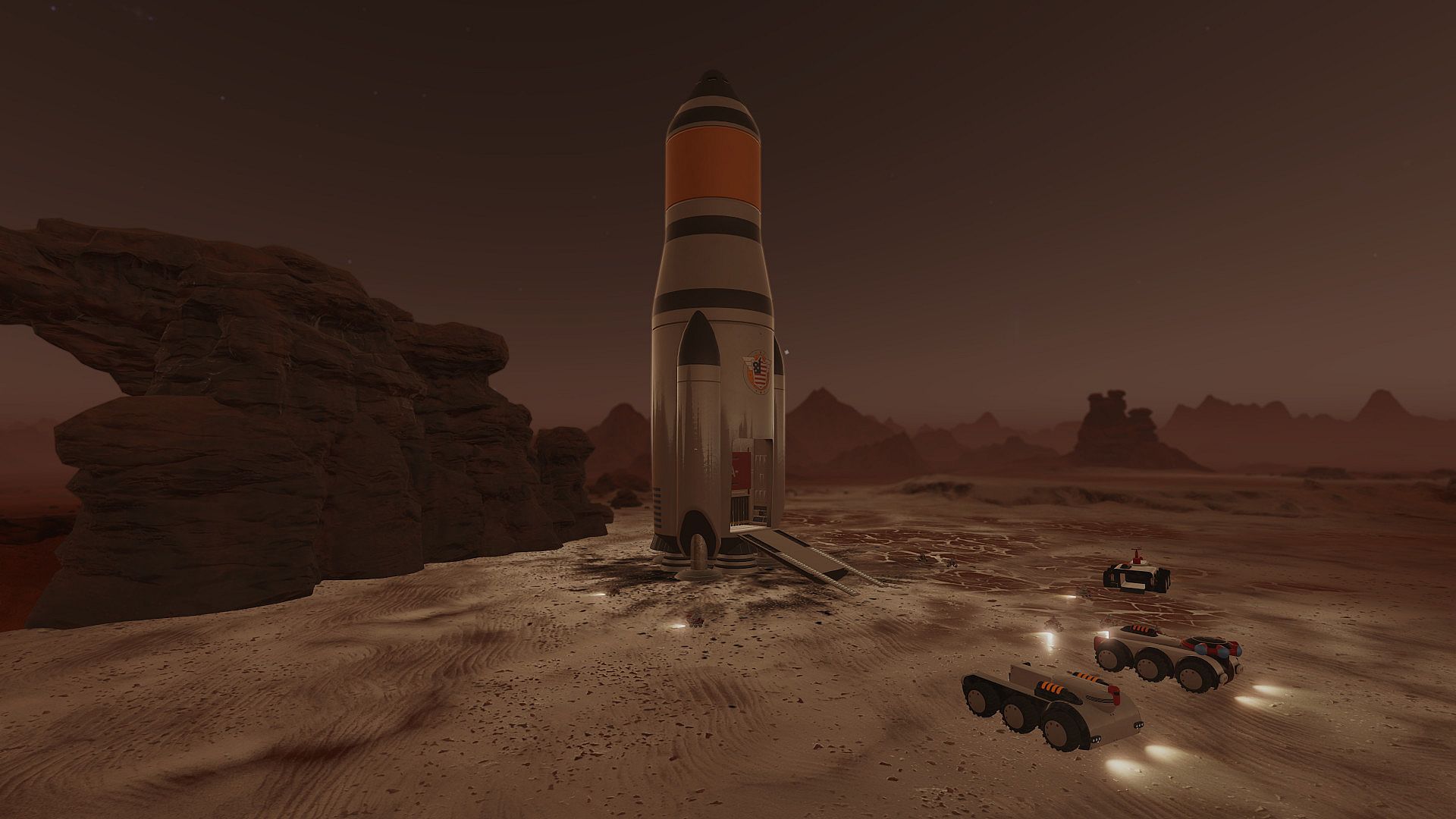

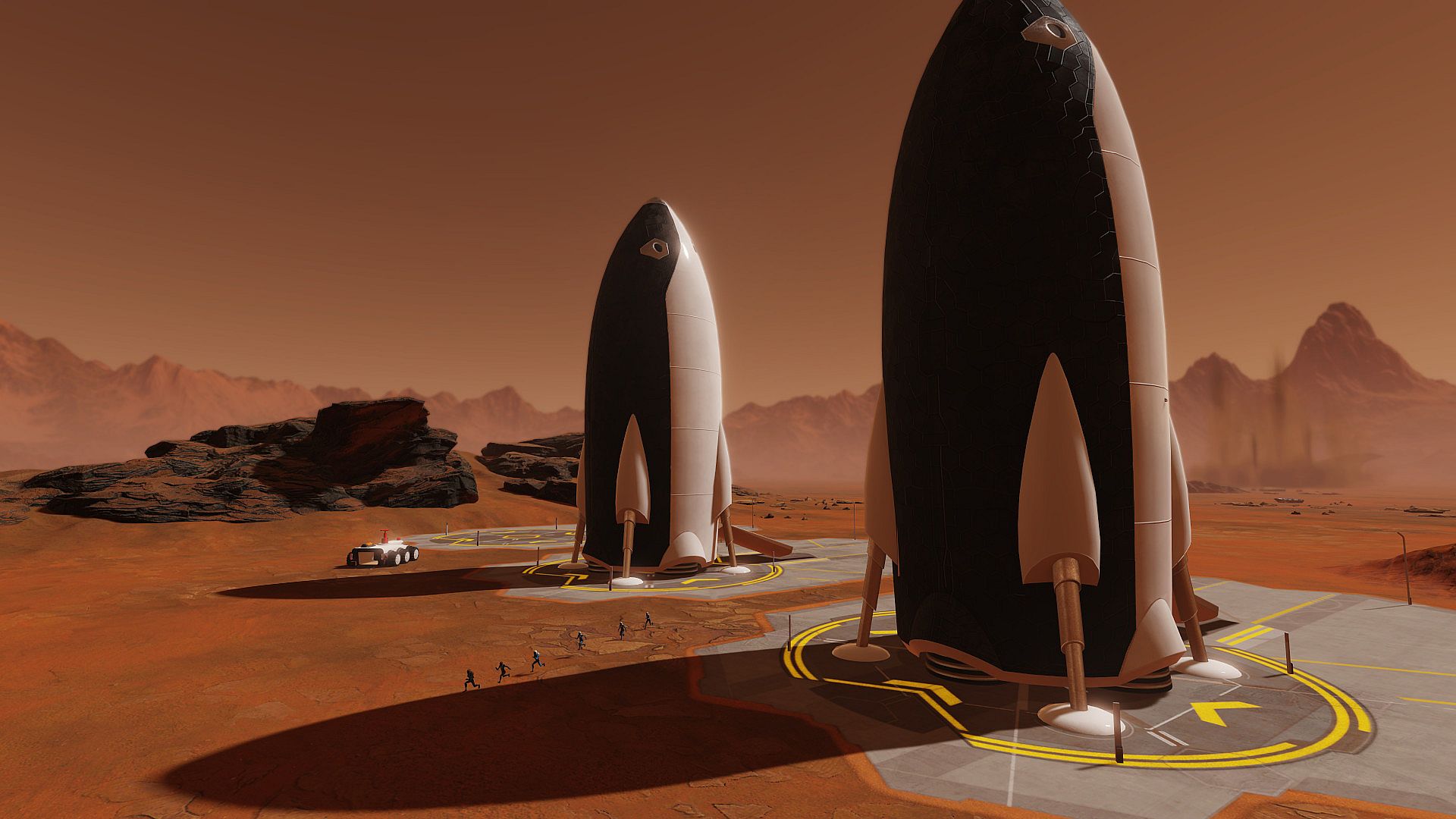
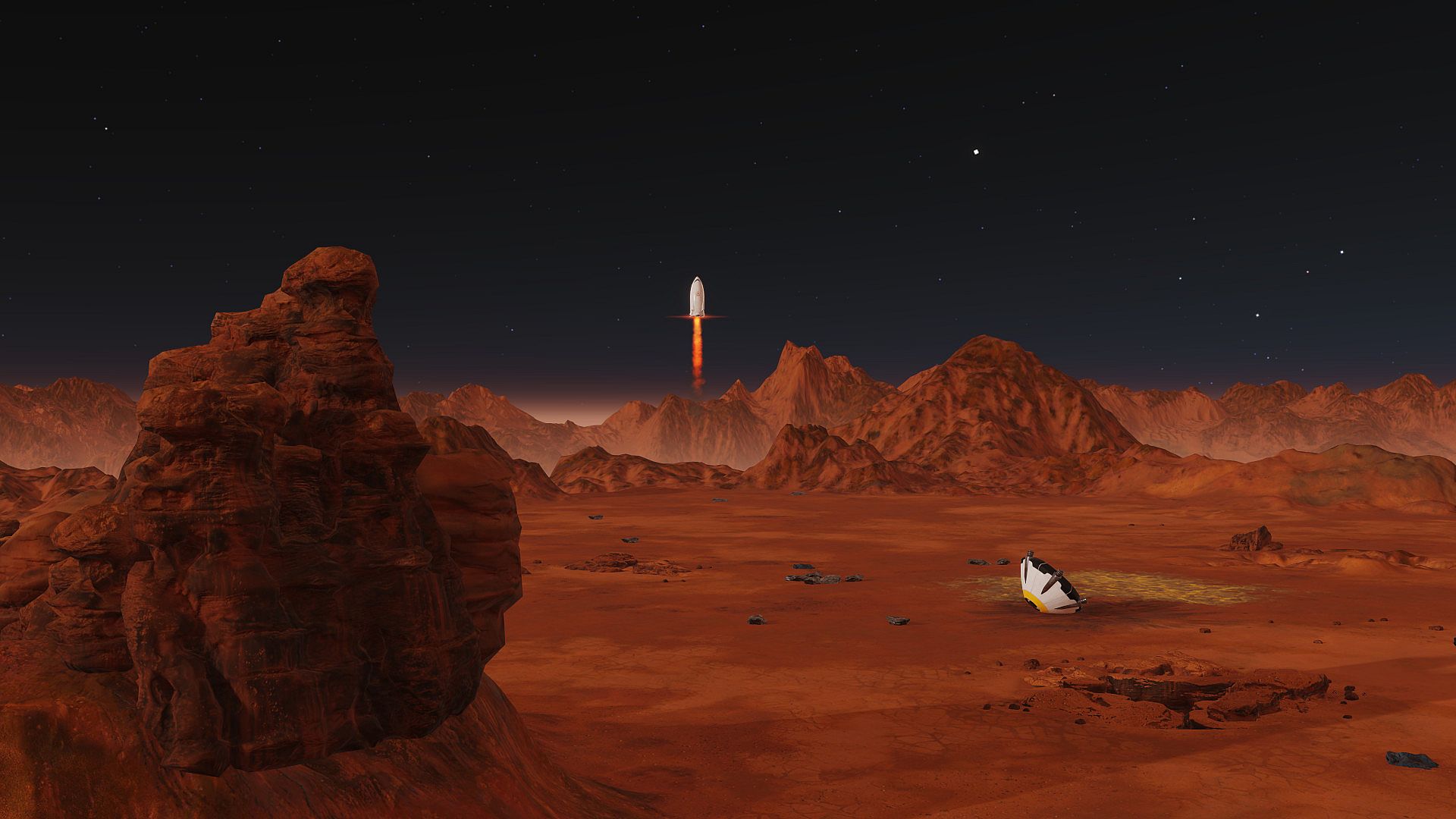
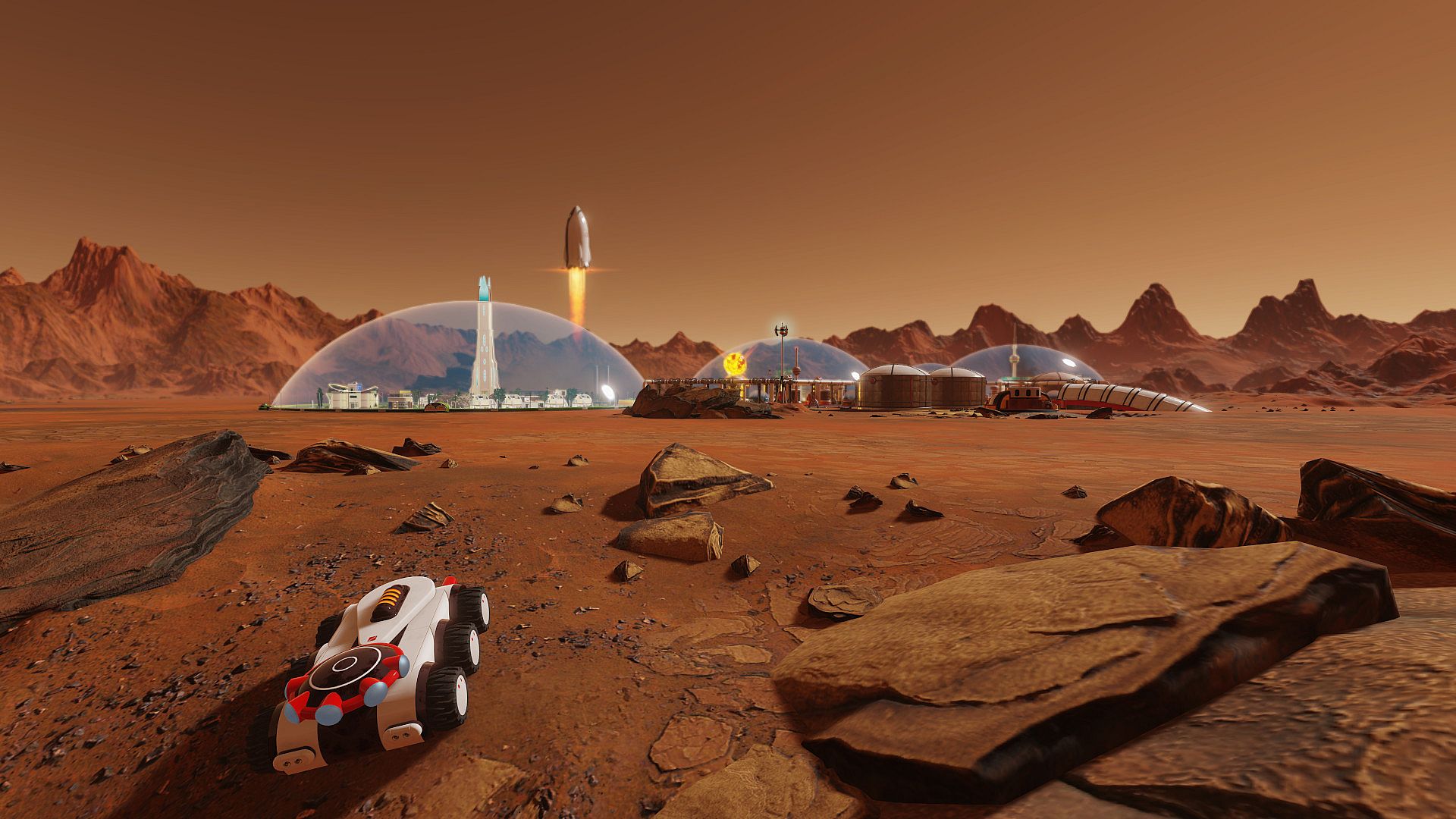
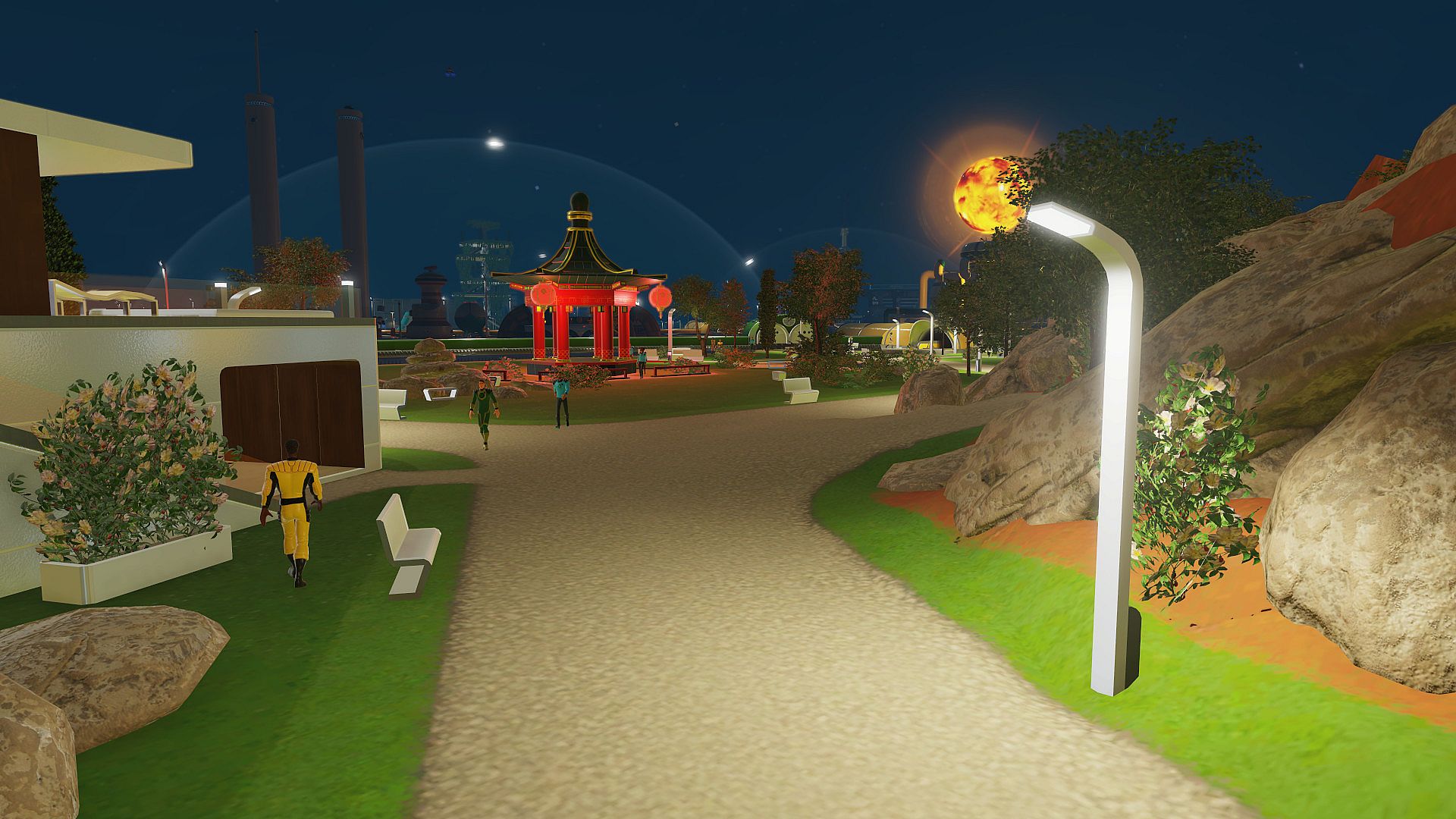
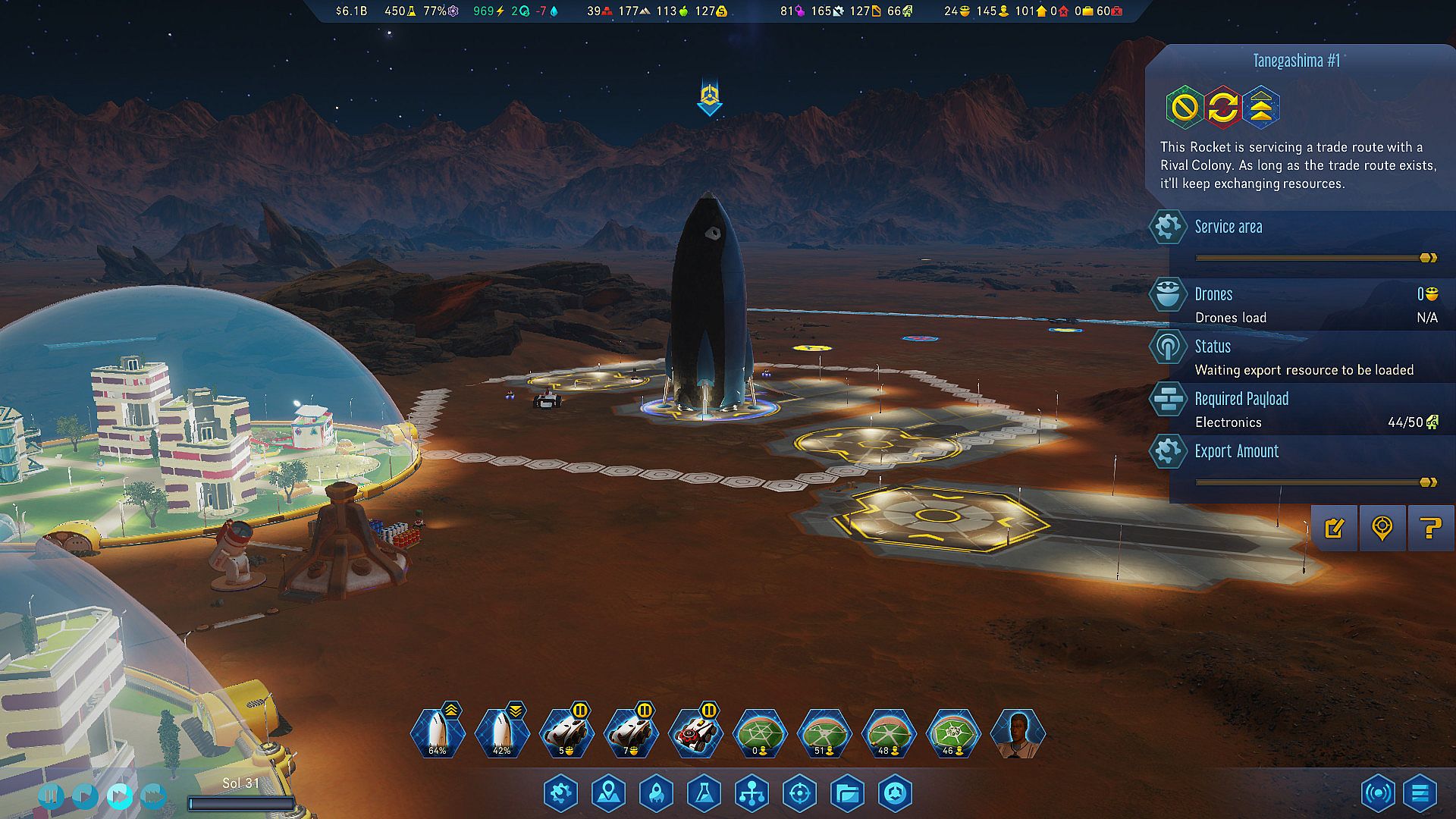

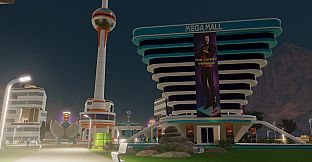
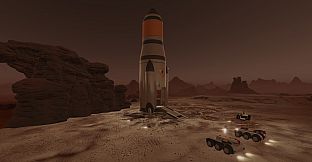

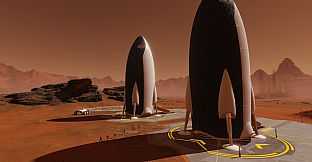

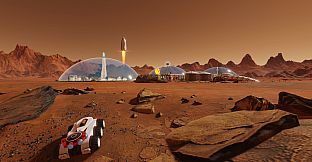

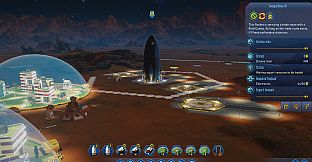
Surviving Mars: Space Race is a strategy simulation game set on the red planet where players manage the establishment and growth of a human colony. The expansion adds layers of competition against rival AI settlements backed by different sponsors, turning the colonization effort into a contest for dominance through milestones, resources, and anomalies.
Gameplay
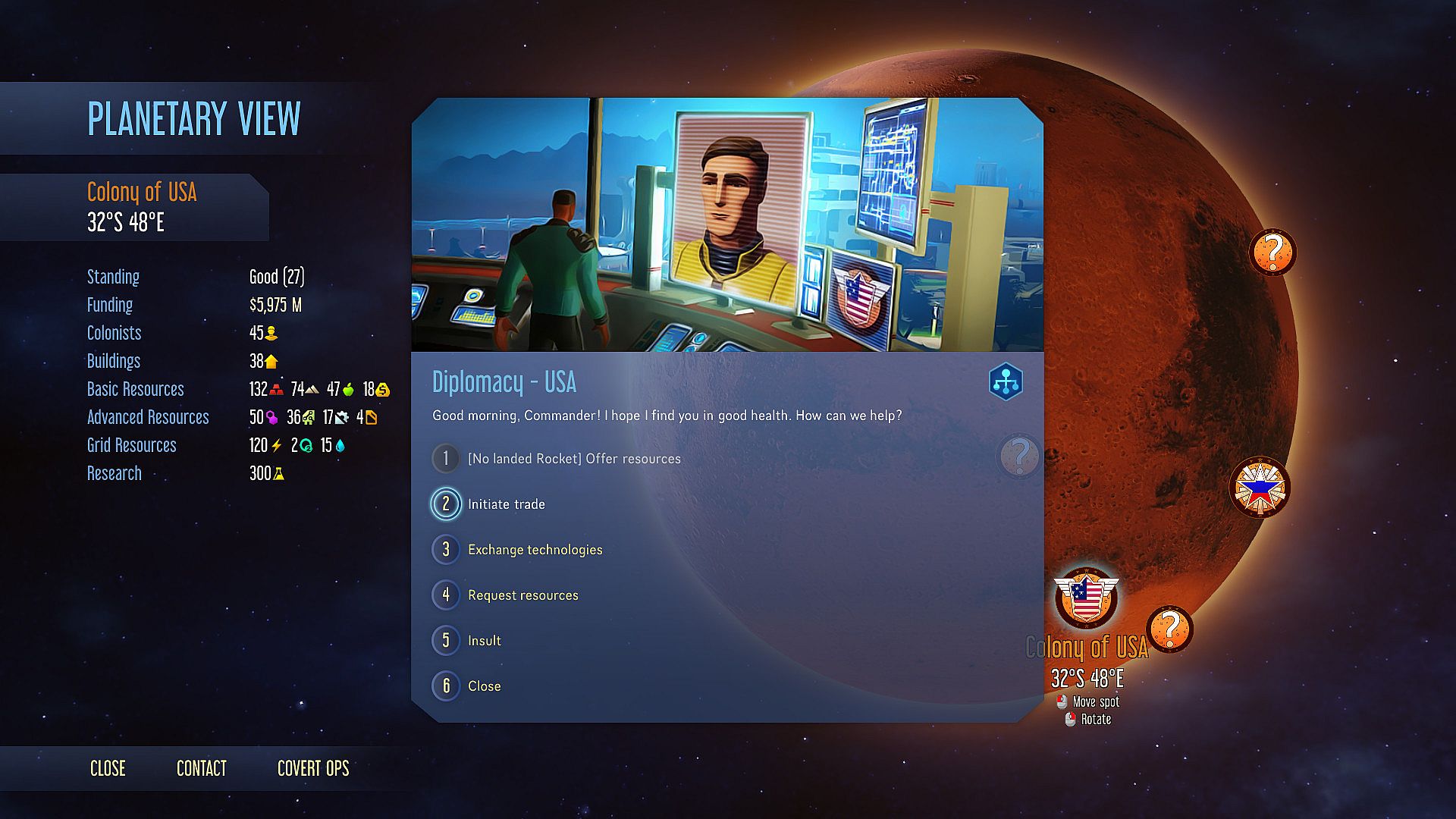
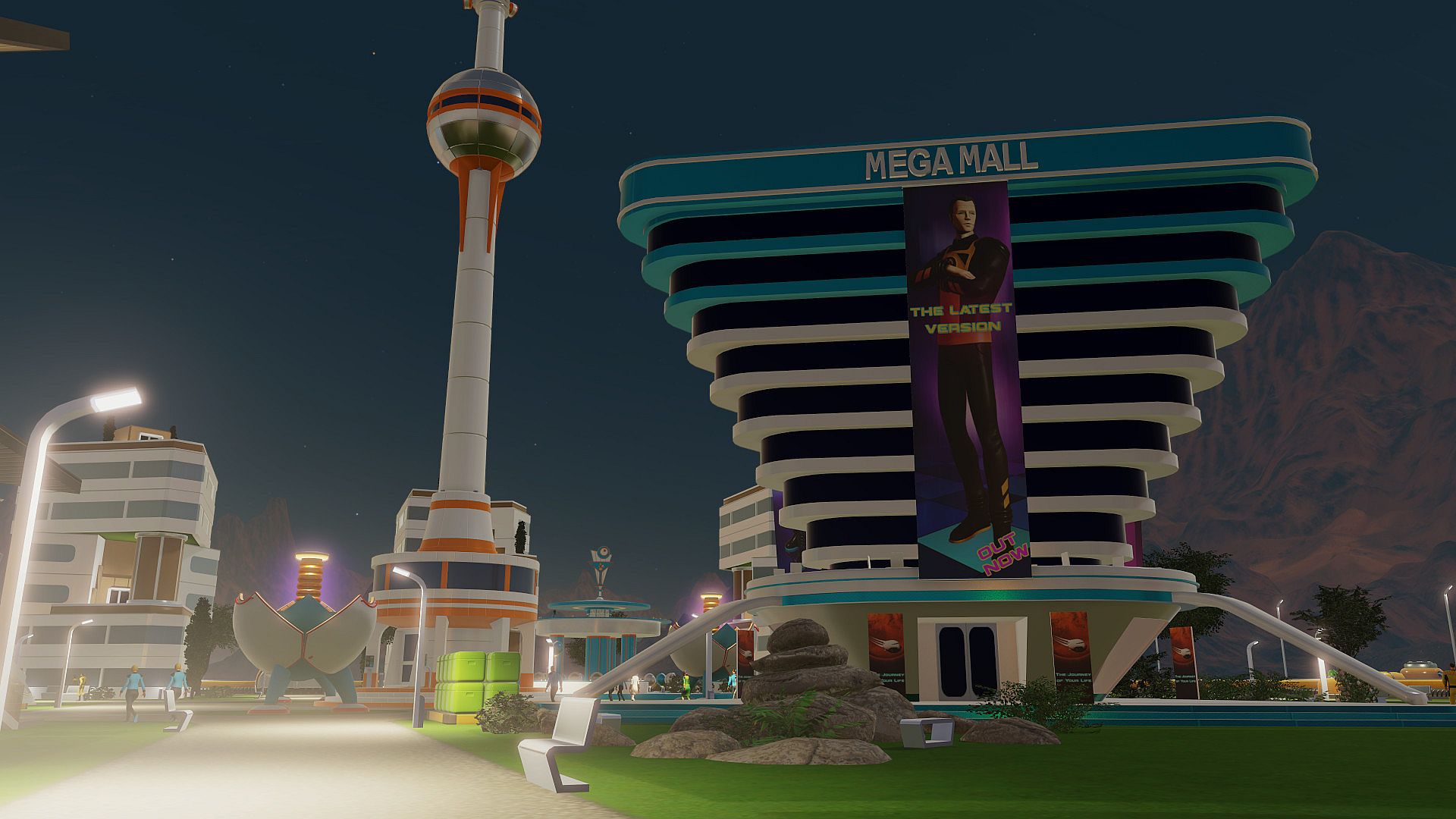
Players oversee dome construction, resource allocation, and colonist well-being while advancing research and responding to environmental hazards on Mars. The core loop involves balancing oxygen production, food supply, and power generation alongside expanding infrastructure to support more inhabitants. With the Space Race content, these systems gain depth through interactions with competing colonies. Trade agreements allow exchange of goods or personnel, while distress signals create opportunities to assist or exploit rivals. Stealing skilled colonists from opponents can accelerate progress, and claiming planetary anomalies provides unique advantages in technology or resources. Narrative events trigger throughout the campaign, presenting dilemmas that test decision-making on topics such as dome life, crew morale, and ethical choices in a harsh environment.
Game Modes
The experience centers on single-player colony management sessions started with a chosen sponsor. Each sponsor imposes distinct victory conditions and starting parameters that shape long-term strategy. Goals range from exporting rare metals to investigating anomalies or completing research targets, encouraging repeated playthroughs with different focuses. The addition of rival AI colonies introduces a competitive dynamic where players vie for the same limited milestones and anomalies. This setup creates emergent challenges as opponents pursue their own objectives, sometimes leading to direct resource conflicts or cooperative moments through trade and mutual aid calls.
Sponsors and Unique Assets
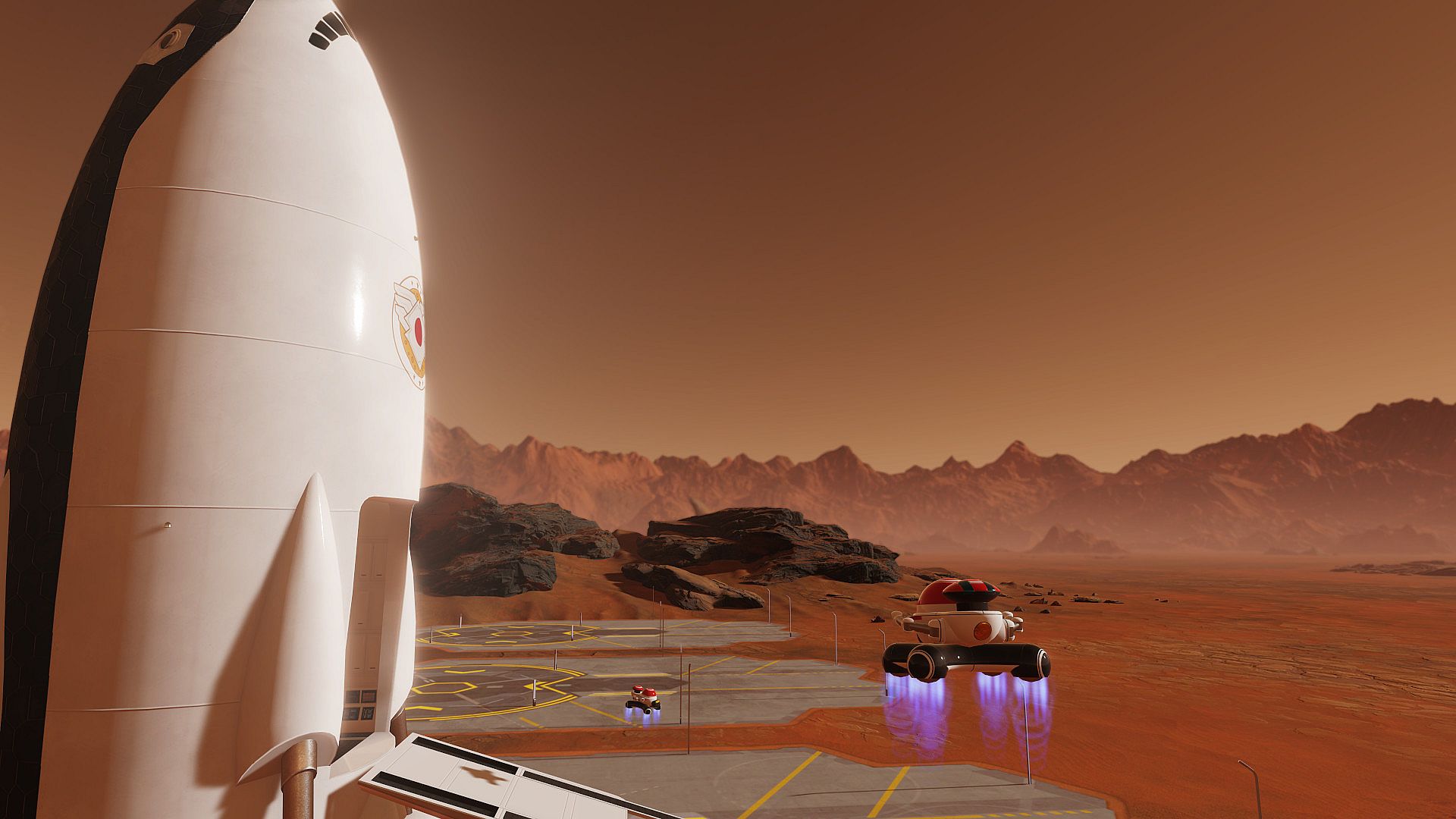
Two new sponsors join the roster: Japan and Brazil. Japan emphasizes technological advancement and precision engineering, while Brazil focuses on rapid expansion and resource efficiency. Every sponsor, new and existing, grants access to exclusive vehicles and buildings unavailable to others. These assets provide specialized capabilities, such as enhanced harvesting or unique power solutions, that integrate into colony operations both inside and outside the domes. Selecting a sponsor therefore influences not only objectives but also the visual and functional identity of the settlement.
Competition and Events
Rival colonies operate autonomously, pursuing milestones and claiming anomalies in parallel with the player. This creates ongoing tension as territories expand and resources become contested. Players can monitor competitor status, initiate trades, or issue their own distress calls to draw support. Narrative events add storytelling layers that reveal challenges of Martian life, from internal colony issues to external pressures, requiring adaptive management to maintain stability and growth.
Is It Worth Playing?
Surviving Mars: Space Race appeals to players who enjoy detailed strategy simulations focused on colony building and resource management with added competitive elements. The sponsor system and rival interactions increase replayability by offering varied goals and unique construction options across multiple attempts. Reception stands at mixed levels, with 68 percent positive user feedback reflecting appreciation for the new mechanics alongside some criticism of balance in the competitive features. The expansion suits those already familiar with the base game who seek deeper strategic layers through rivalry and sponsor-specific challenges rather than entirely new standalone experiences. It remains a solid choice for fans of thoughtful, long-term planning in a simulation environment.