


Surviving Mars: Martian Express is a strategy simulation title centered on colony management on the red planet. Players establish and expand settlements while handling resources, infrastructure, and colonist needs, with the core addition of a rail network that links distant sites and supports efficient movement of people and materials.
Gameplay
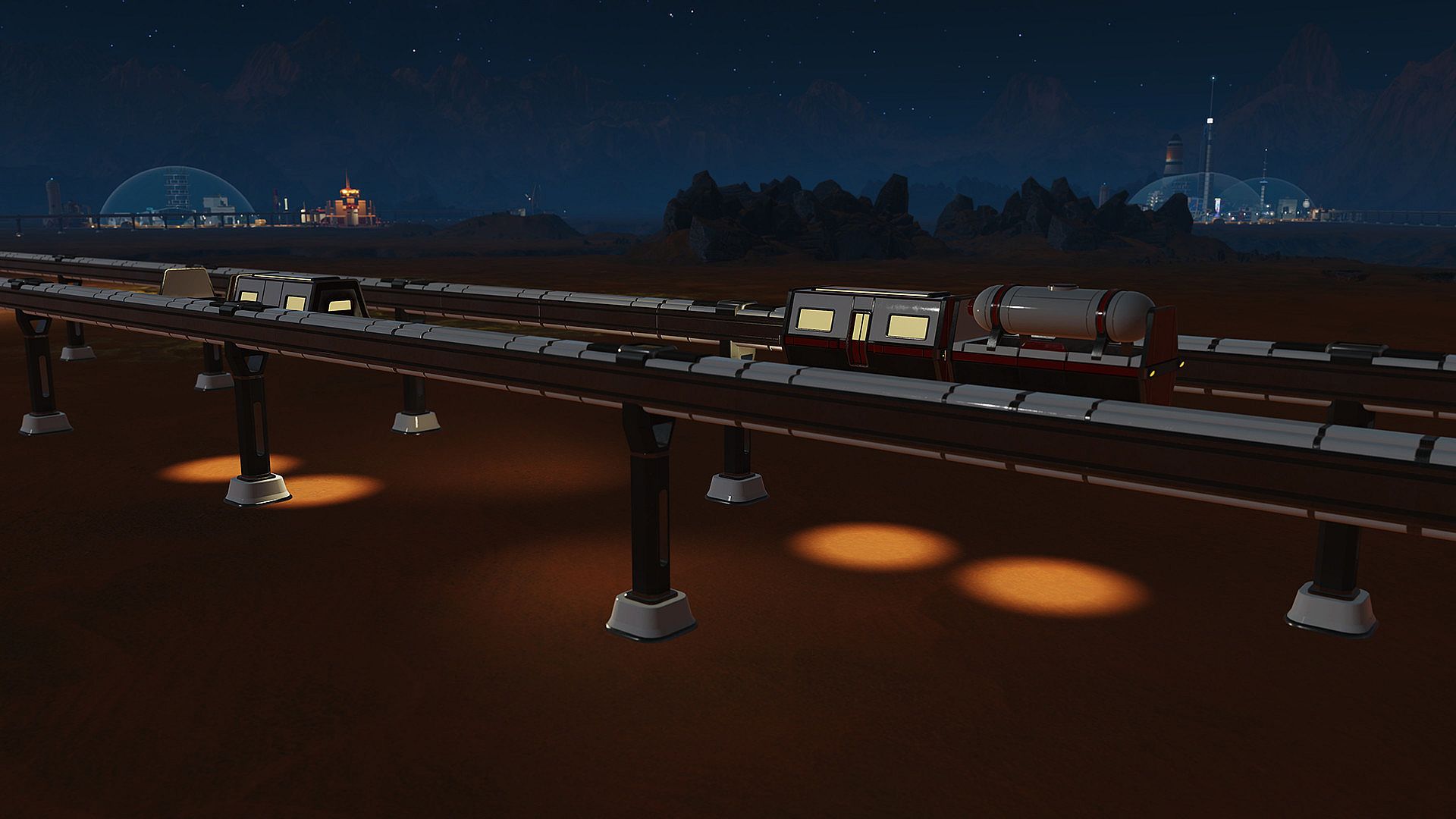
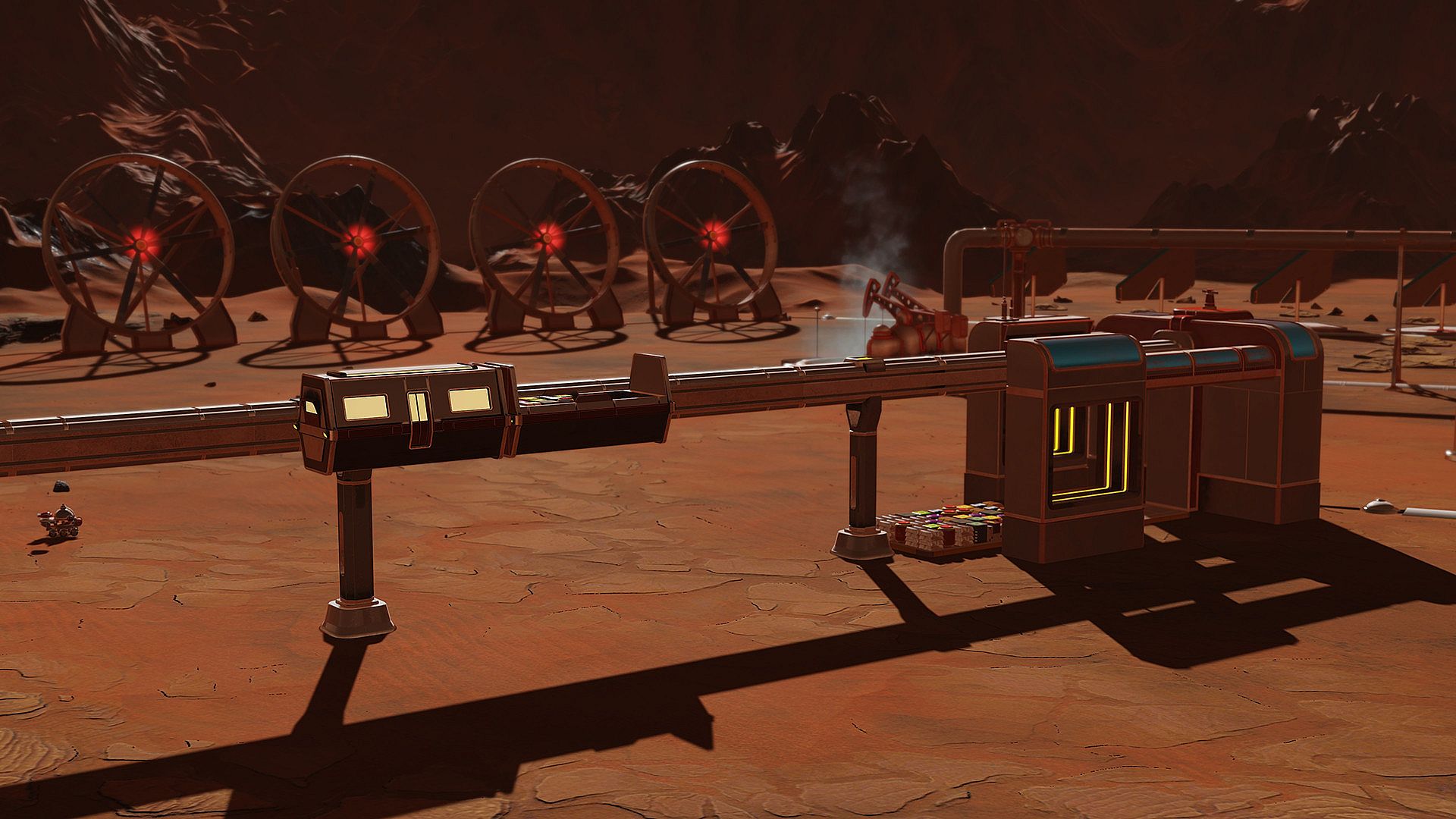
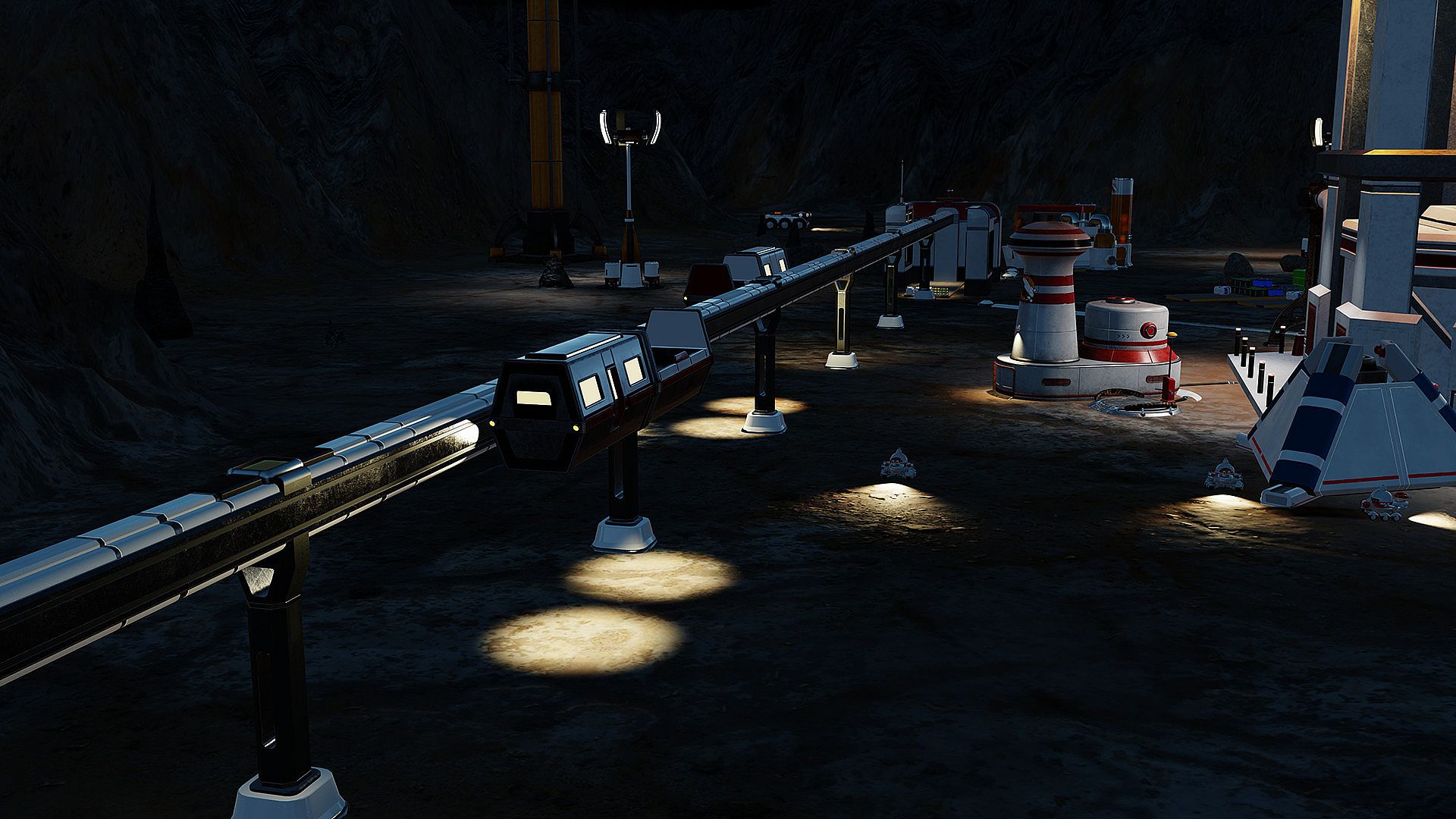
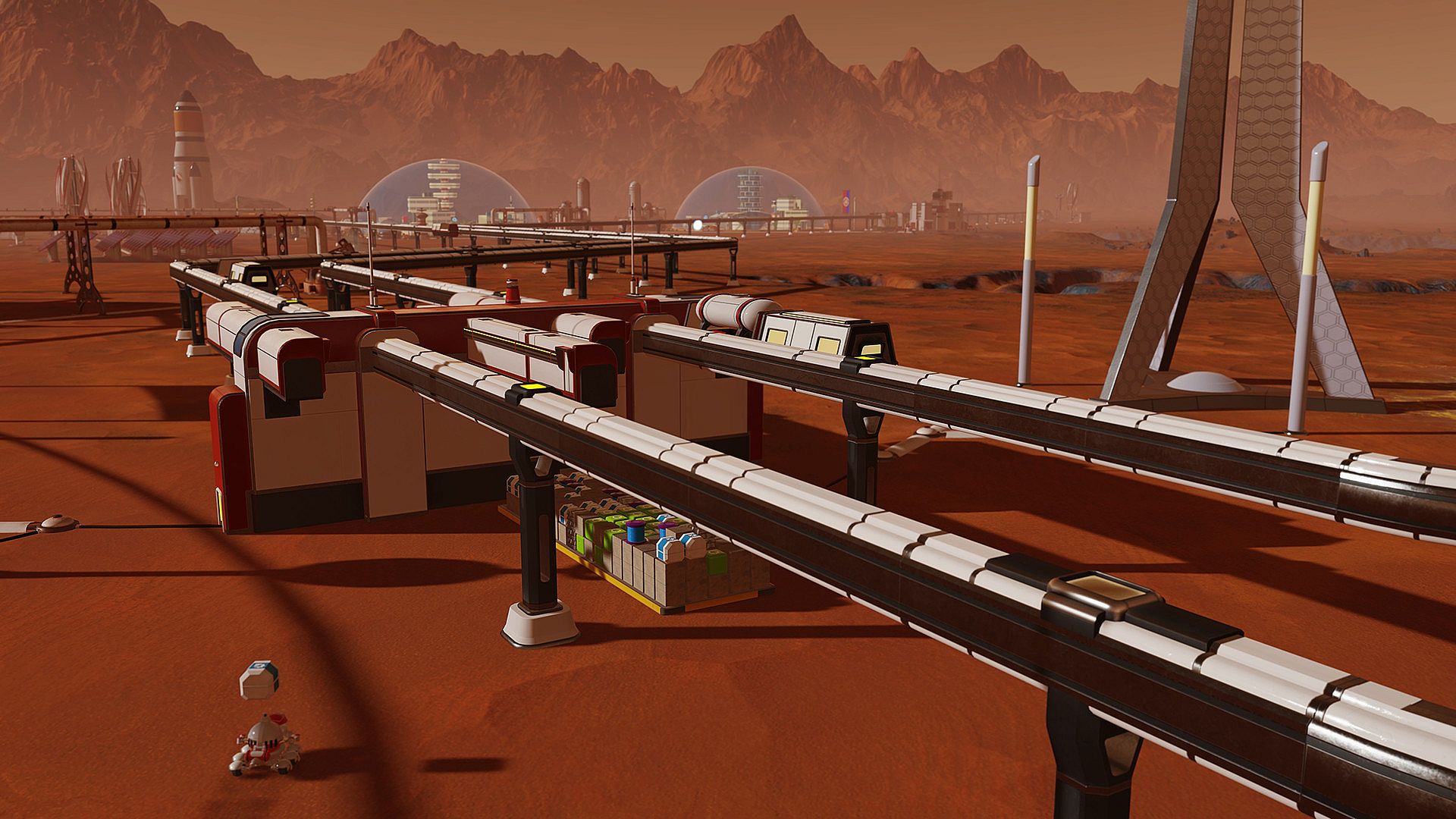
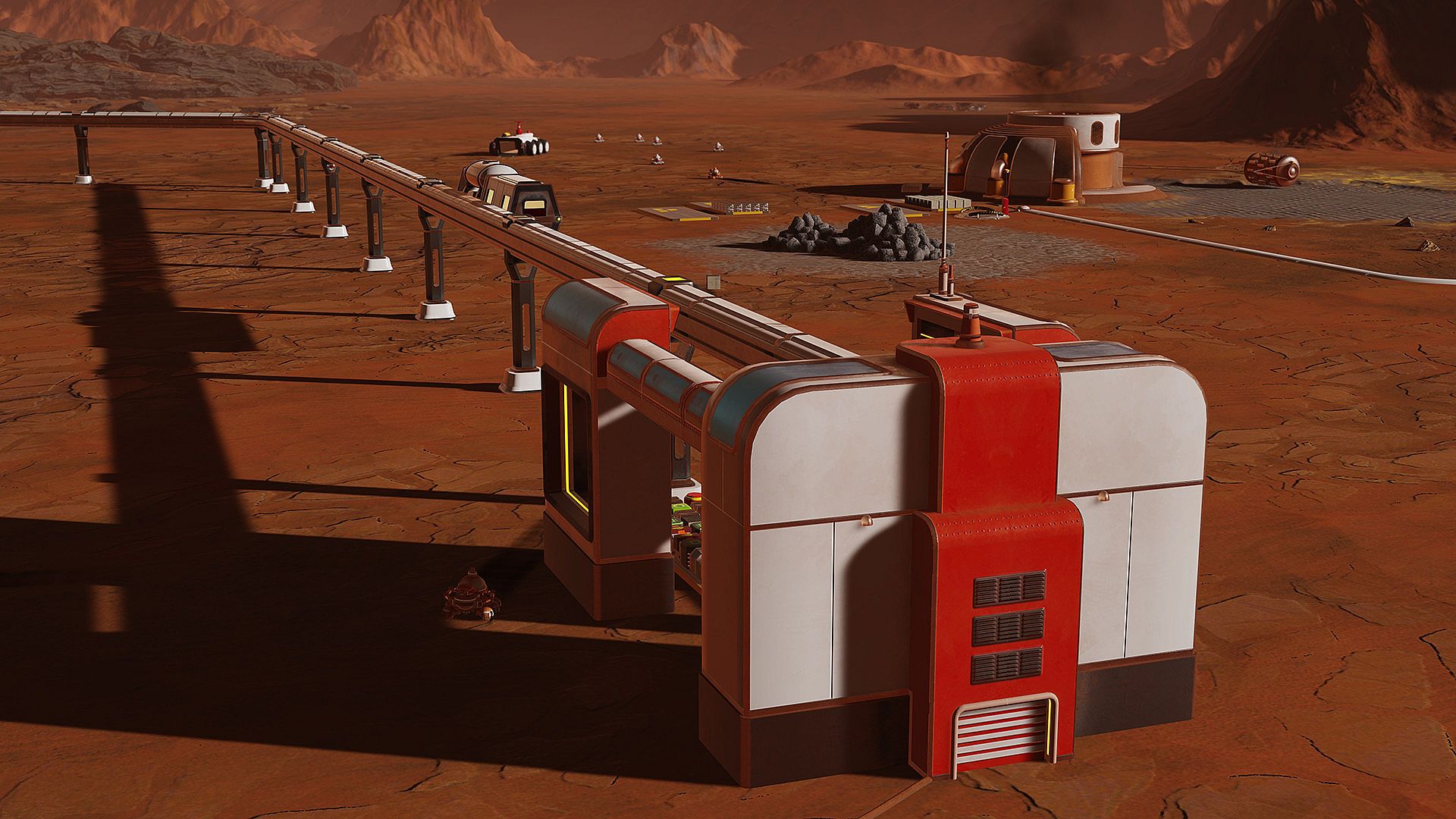
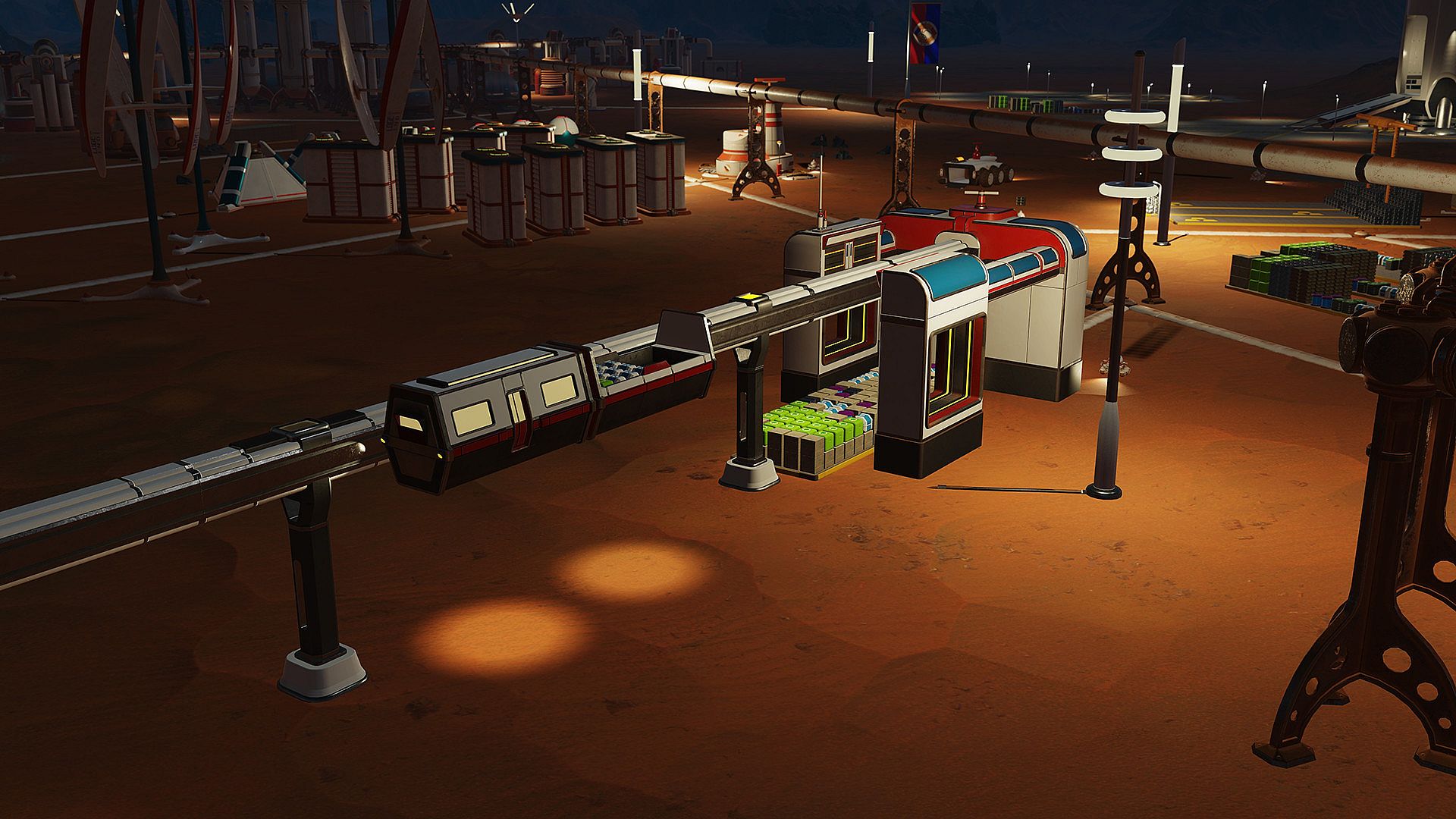
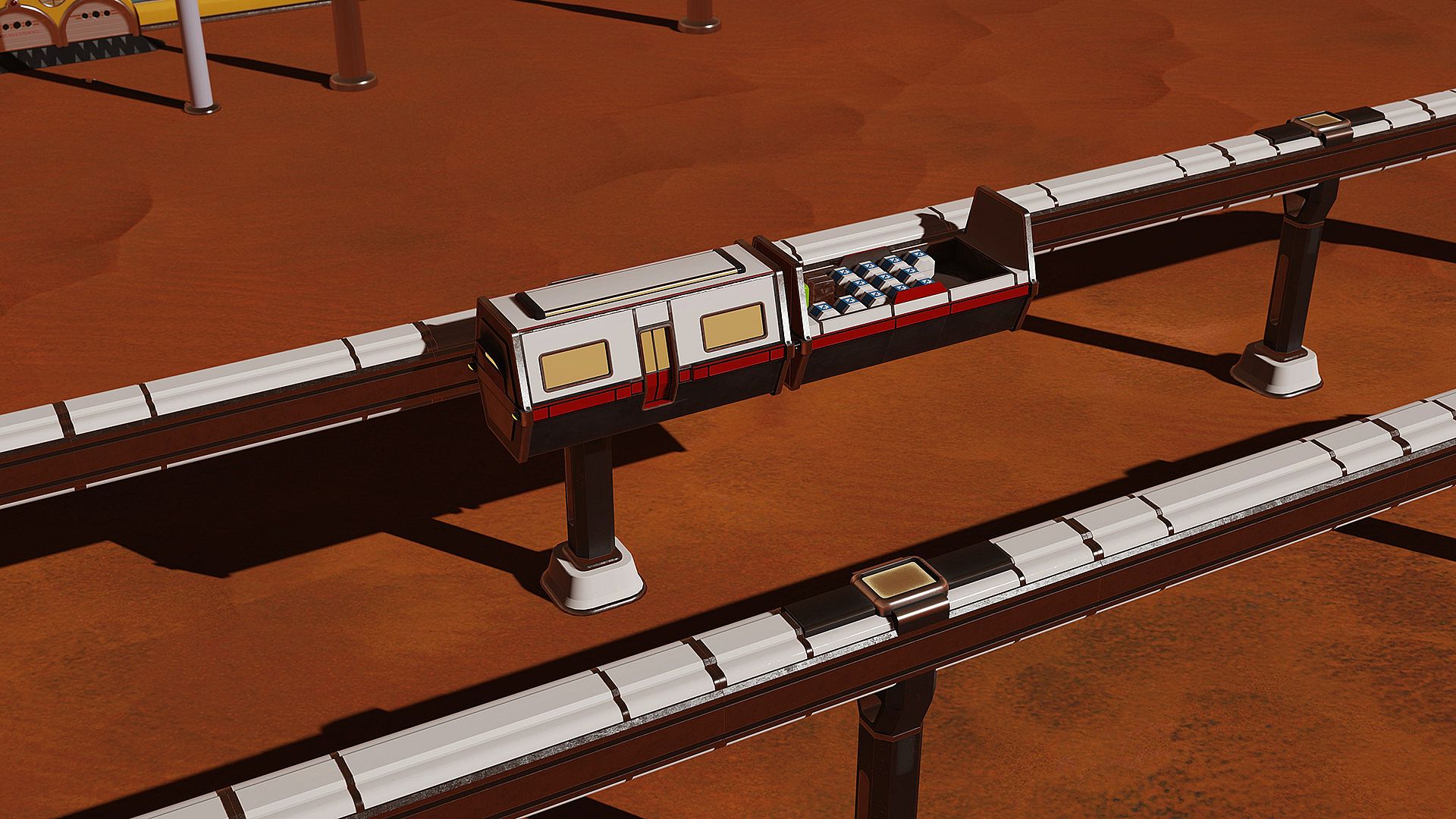
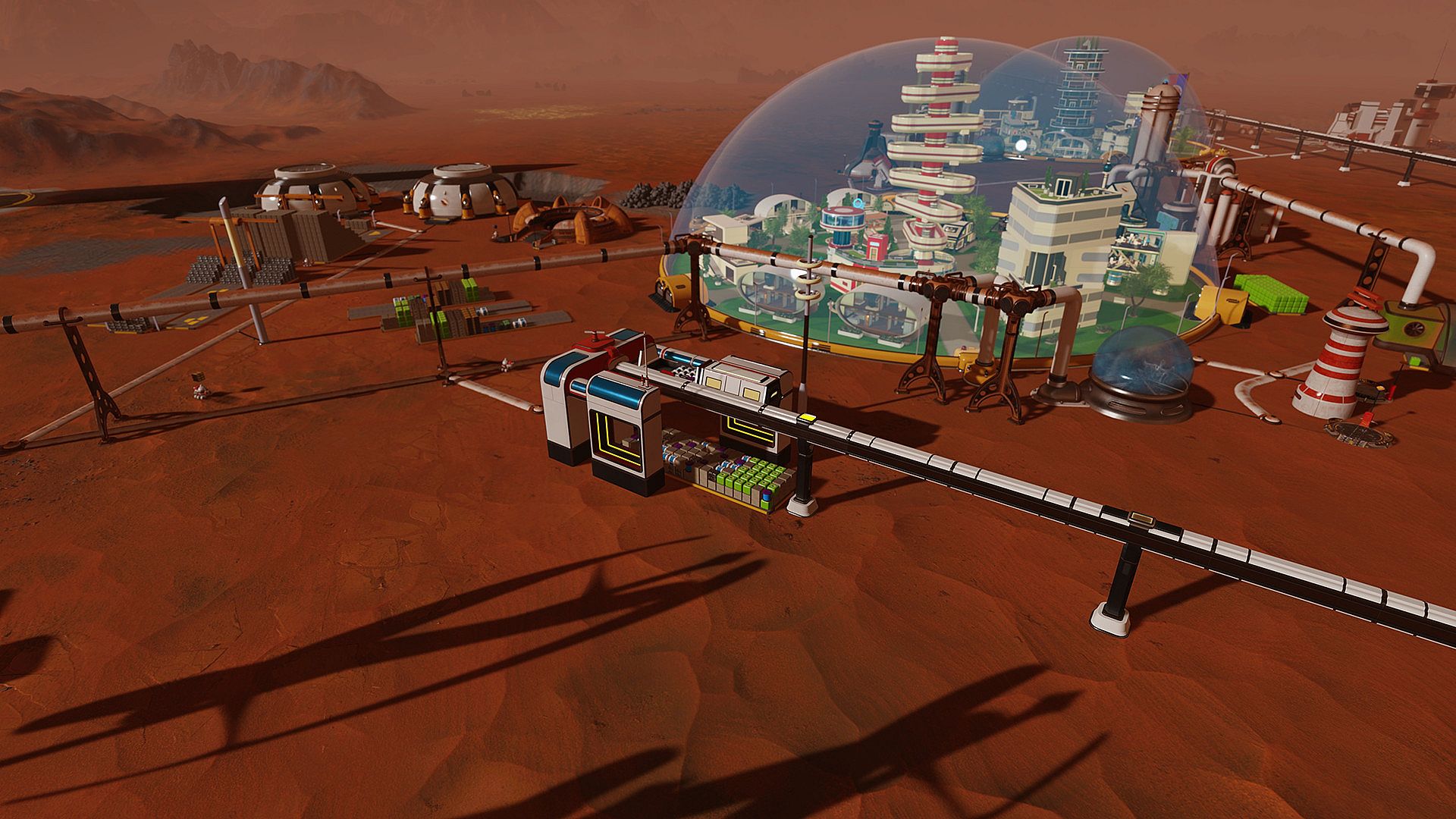
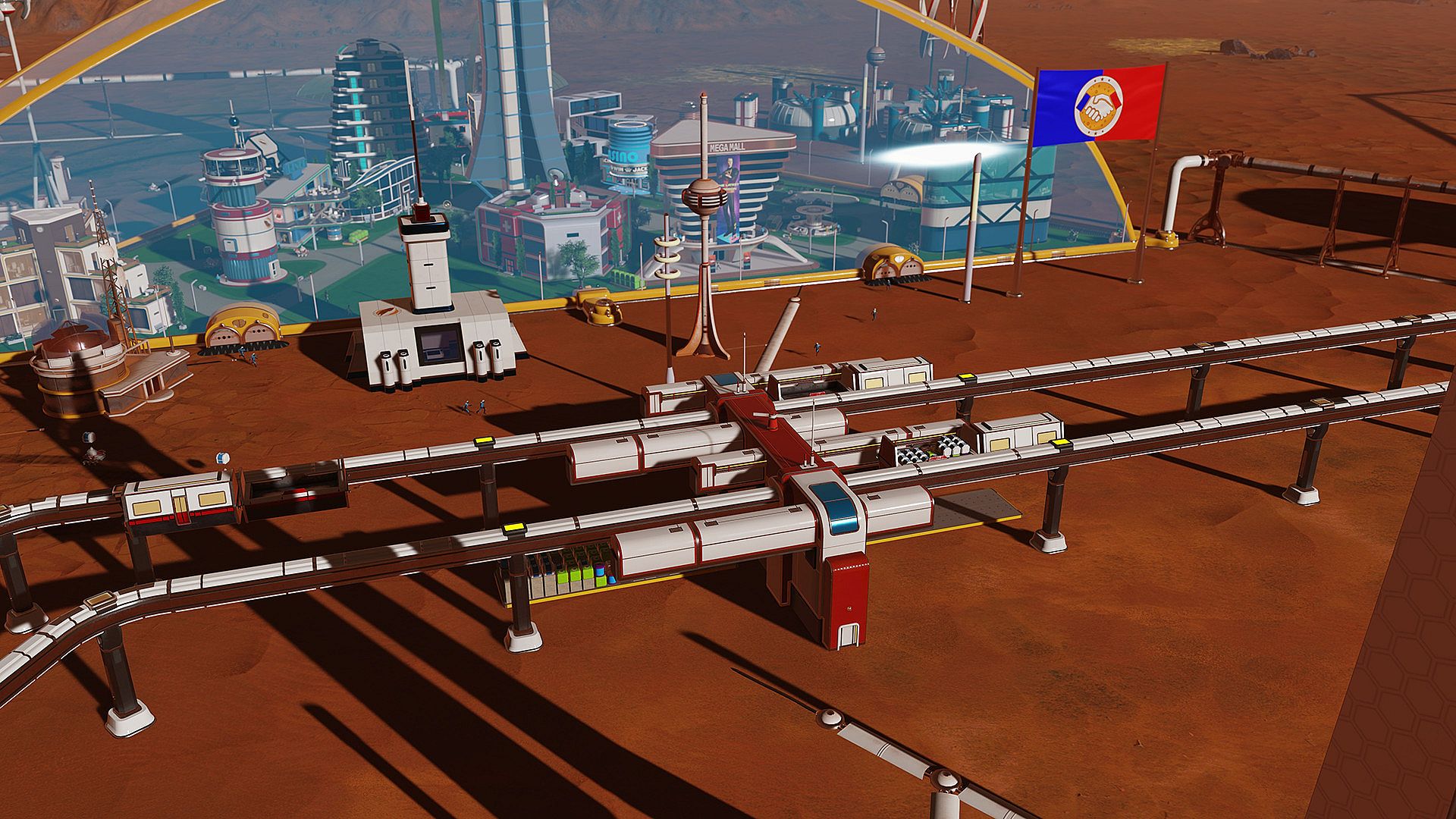
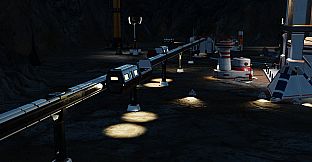
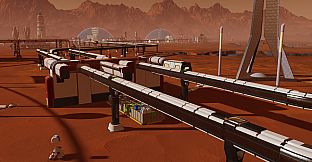
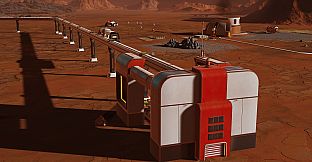
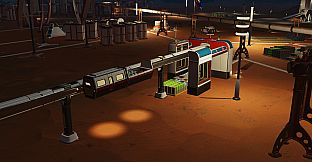
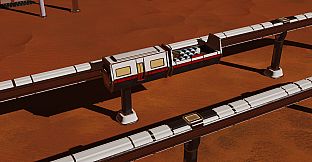
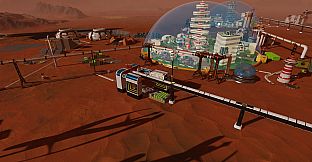
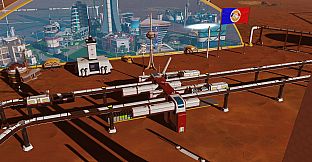
The central loop involves constructing and maintaining a functional Martian colony through careful planning of power, oxygen, water, and food systems. Domes house colonists, while drones and rovers handle initial construction and maintenance tasks. The Martian Express pack introduces stations that can be placed across the map surface, allowing trains to shuttle workers between locations and deliver supplies to remote deposits or outlying structures. Tracks are built by clicking and dragging, forming elevated routes that permit rovers, drones, and power cables to pass underneath while pipes cross above. Each train consists of two wagons, carrying colonists and resources simultaneously on the same line without collision risks. An info panel at stations displays travel reasons for passengers, helping managers adjust schedules to reduce wait times and frustration. Stations also support nearby manned buildings that no longer require enclosure in a dome.
Game Modes
Surviving Mars: Martian Express operates as a single-player experience focused on long-term colony development. Players progress through resource management challenges, research unlocks, and environmental hazards on Mars. The rail system integrates directly into this framework, enabling expanded layouts that connect multiple domes and extraction sites early in a playthrough. No separate competitive or cooperative modes exist; the emphasis remains on strategic decision-making within one persistent colony simulation.
Key Mechanics and Features
Train lines form the backbone of mid-to-late game logistics. Large stations accommodate up to four tracks, functioning as hubs for multiple routes, while basic stations support a single connection. Players assign trains to specific tracks and configure cargo priorities at each stop, balancing passenger flow with resource distribution. The elevated design minimizes interference with ground-level traffic and utilities. Colonists board according to work or other needs, and trains operate continuously once set in motion. This setup proves particularly useful for accessing far-flung resource nodes without relying solely on shuttles or tunnels.
Is It Worth Playing?
The Martian Express addition suits players who value detailed logistics and infrastructure expansion in colony builders. It provides an early-access transport option that scales with colony growth, reducing reliance on slower ground vehicles for bulk movement. Drawbacks include vulnerability to meteor strikes that can halt service and strand passengers, as well as terrain restrictions that limit track placement to flat areas. The pack integrates into the broader Surviving Mars experience, which has received continued updates including a remastered edition with refined train functionality and additional content layers such as political systems. Reception for the standalone pack shows mostly negative user feedback, yet the underlying mechanics add meaningful depth to transport planning for those invested in the genre. It appeals most to fans of methodical simulation who enjoy optimizing supply chains across a harsh planetary environment.