











Surviving Mars: Green Planet is a strategy simulation game that expands colony management on the Red Planet with a focus on large-scale terraforming. Players establish and grow settlements while actively altering the Martian environment through targeted actions that shift key planetary conditions toward habitability.
Gameplay
The core loop centers on balancing colony needs with environmental changes. Decisions in resource allocation, building placement, and project initiation influence four main terraforming parameters: atmosphere, temperature, water, and vegetation. Progress appears in a planetary overview that tracks these metrics over time and across the surface.
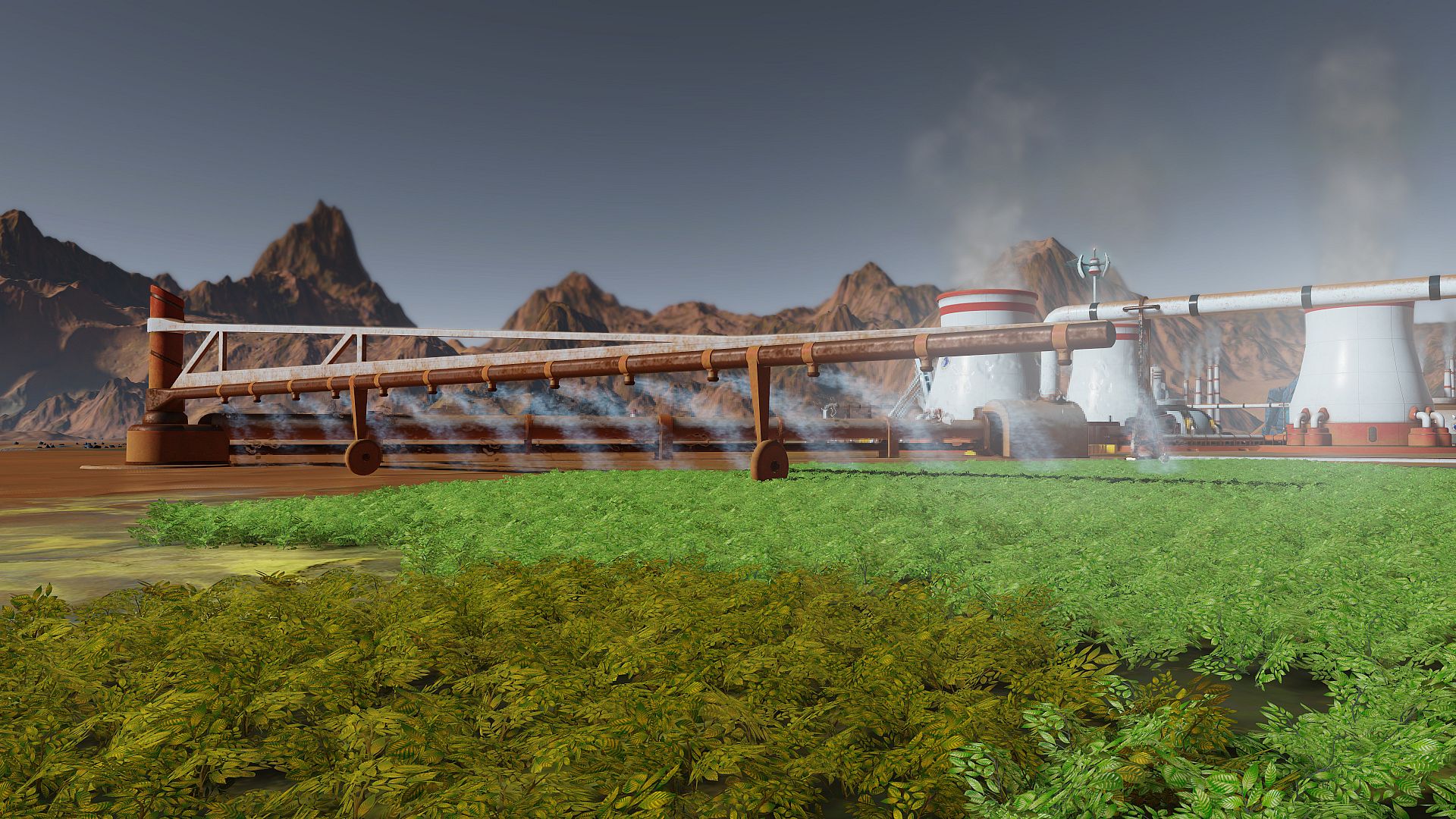
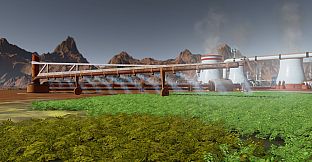
Planting plays a direct role in altering the landscape. Lichen improves soil quality with minimal upkeep, allowing more advanced vegetation such as grass, shrubs, and trees to take hold. Trees in particular generate seed yields that support colony operations. Soil quality must stay within viable ranges or plant growth stalls and existing coverage can degrade.
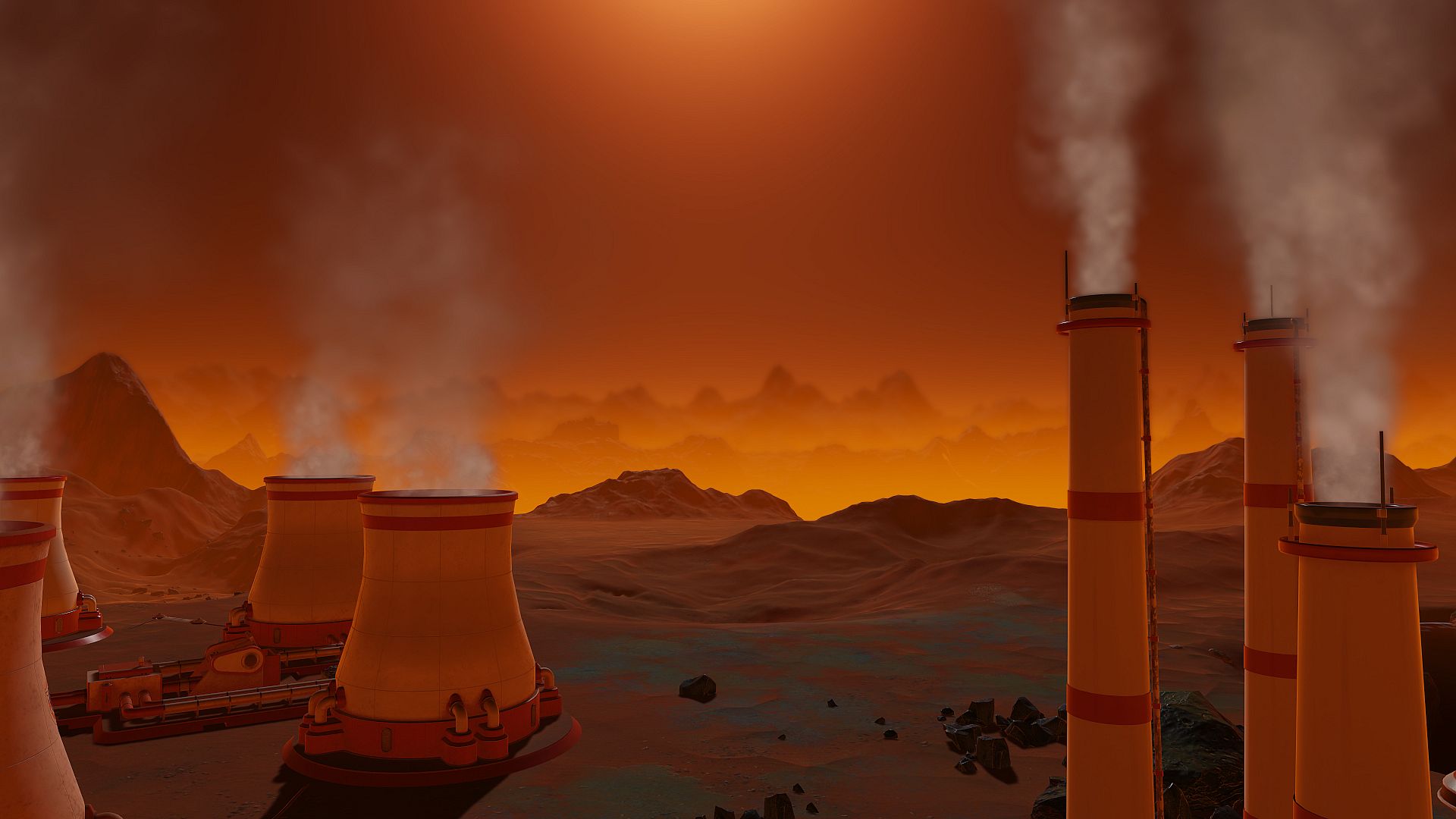
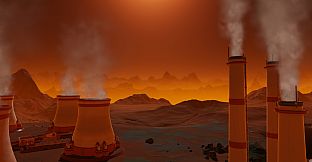
Seven specialized buildings support these efforts. The GHG factory releases greenhouse gases to thicken the atmosphere. The Forestation Plant accelerates vegetation spread. The Water Pump helps fill dried lake beds. Additional structures handle related tasks like temperature regulation or atmospheric processing. Each new construction ties into the broader goal of making the surface more Earth-like while sustaining the growing population.
Game Modes
Surviving Mars: Green Planet operates as a single-player experience built around long-term colony development and planetary transformation. There are no separate competitive or cooperative modes. Instead, the expansion layers terraforming objectives onto the existing colony simulation framework, where success depends on steady management of domes, resources, and infrastructure alongside environmental targets.
Players advance by completing milestones in both colony expansion and terraforming parameters. The absence of multiplayer means all progress remains personal, with outcomes determined by planning choices rather than external competition. This structure suits extended play sessions focused on incremental improvement rather than quick matches.
Special Projects and Environmental Shifts
Seven special projects provide major boosts to terraforming parameters. Examples include melting polar ice caps, capturing and redirecting ice asteroids, deploying a space mirror to increase solar input, and installing a magnetic shield. Each project carries permanent effects and requires careful timing because they can trigger secondary events.
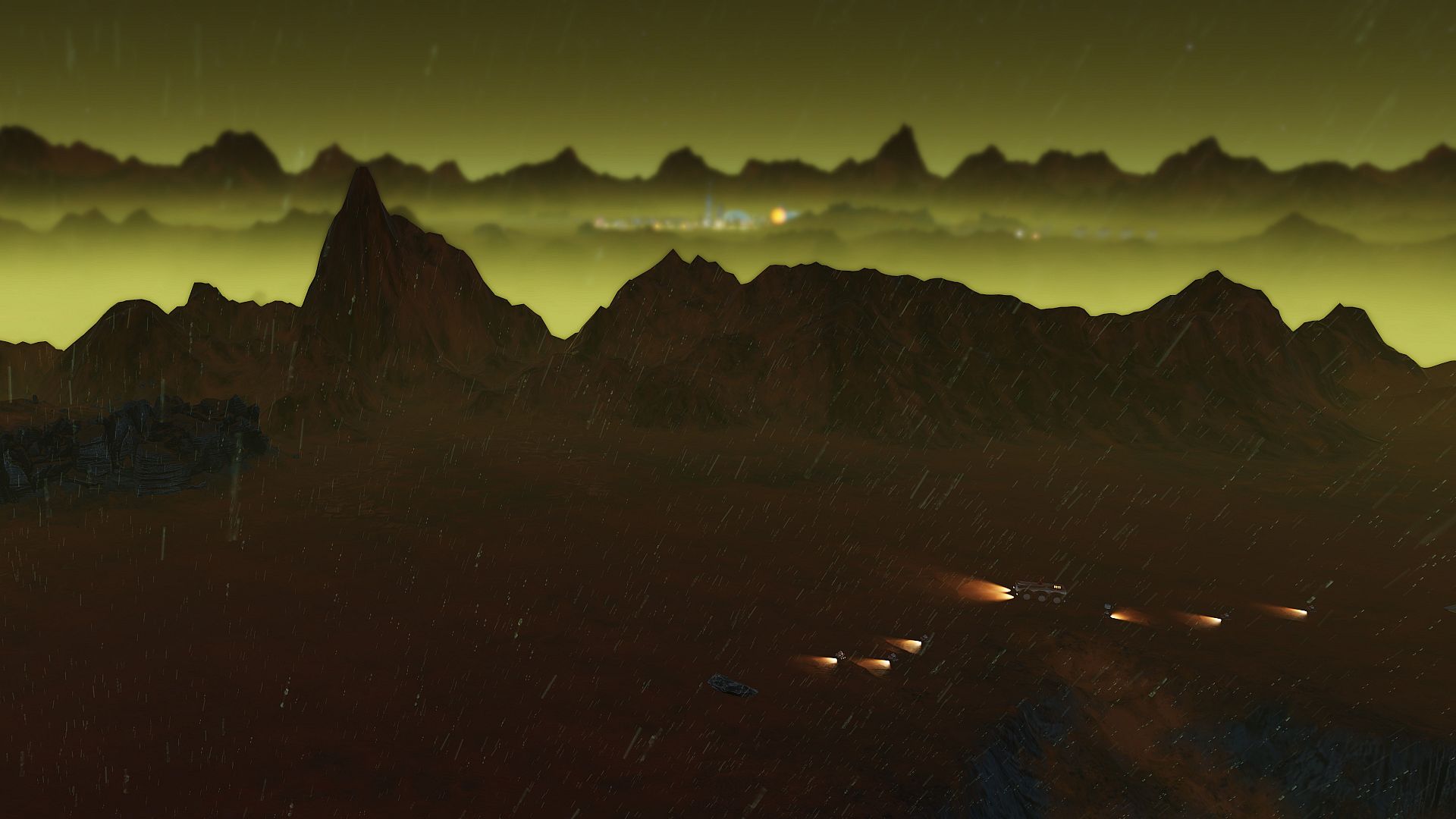
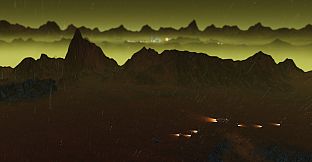
Terraforming carries risks. Excessive greenhouse gas output may produce acid rain that lowers soil quality. Large impacts from asteroids can generate Marsquakes capable of halting production across multiple facilities. Monitoring these side effects becomes part of routine oversight once projects begin.
Is It Worth Playing?
Surviving Mars: Green Planet appeals most to players who already enjoy detailed colony builders and want an added layer of planetary engineering. The integration of planting, building, and project systems creates a clear progression path from basic survival to visible surface greening. Those who prefer slower, thoughtful pacing will find satisfaction in watching parameters rise and vegetation spread across previously barren terrain.
Reception among owners of the base game has been generally positive, with reviewers noting the satisfying visual feedback of a changing planet and the added strategic depth. Some players mention that the pace can feel deliberate, which suits the simulation style but may not appeal to those seeking faster action. The expansion remains available as a standalone addition for PC and continues to receive occasional discussion in community spaces years after release. If the combination of resource management and long-term environmental goals matches your interests, the content delivers meaningful extensions to the core experience without requiring new learning curves beyond the established systems.