













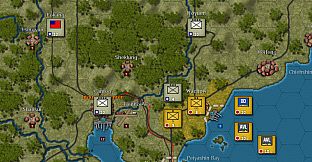
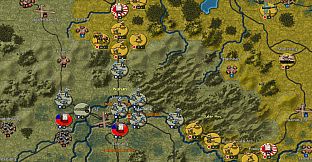
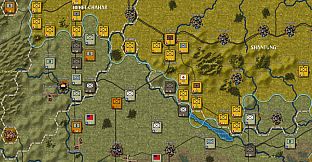
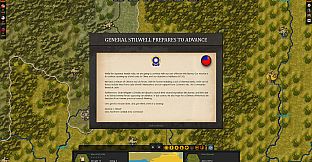
Strategic Command WWII: War in the Pacific - Rise and Fall of an Empire is a turn-based strategy game that places players in command of Japanese forces across the Asian and Pacific theaters from 1937 through 1946. The title expands the base game with focused campaigns that emphasize resource management, diplomatic maneuvering, and large-scale operational decisions in a grand strategy format.
Gameplay
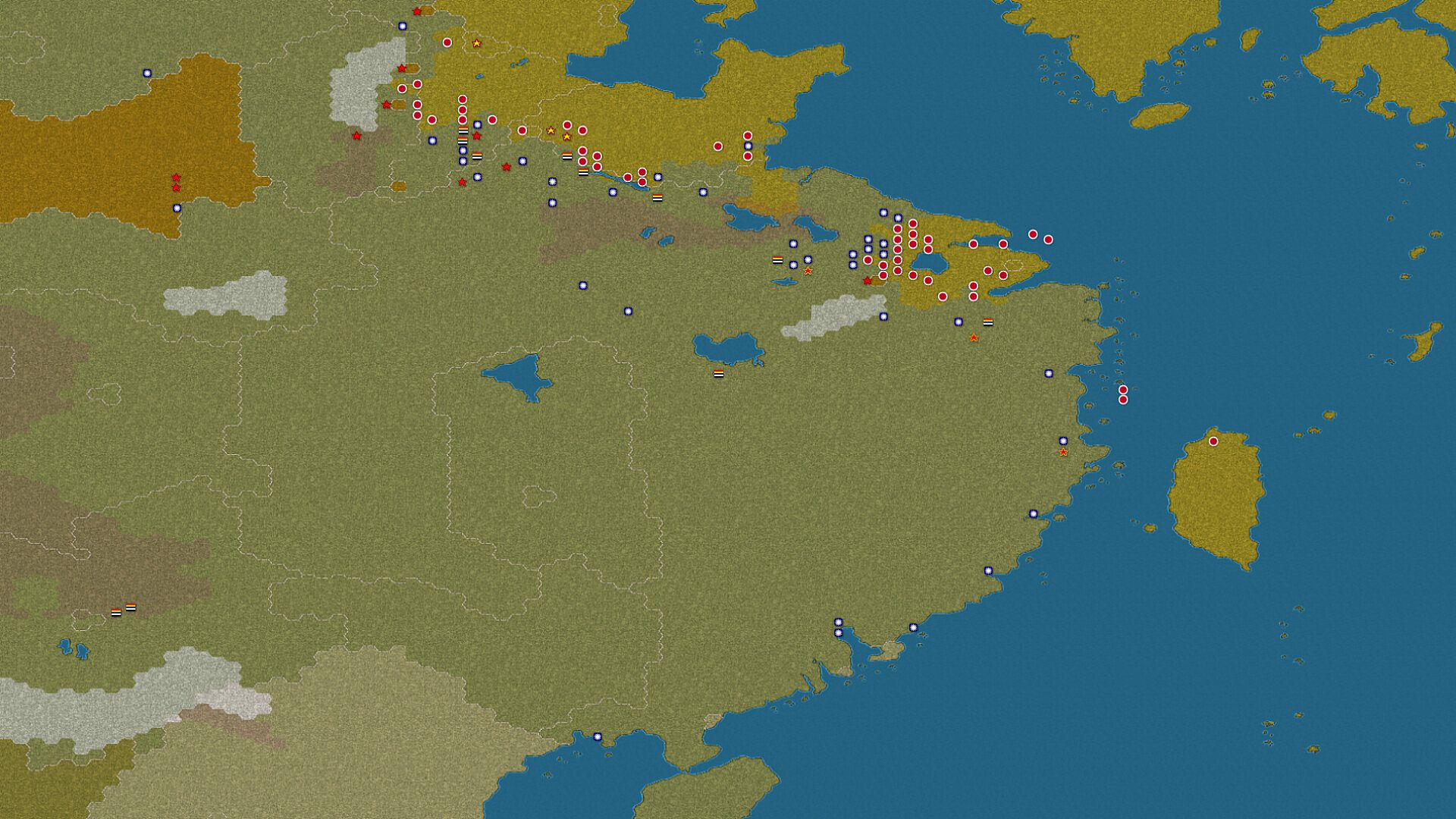
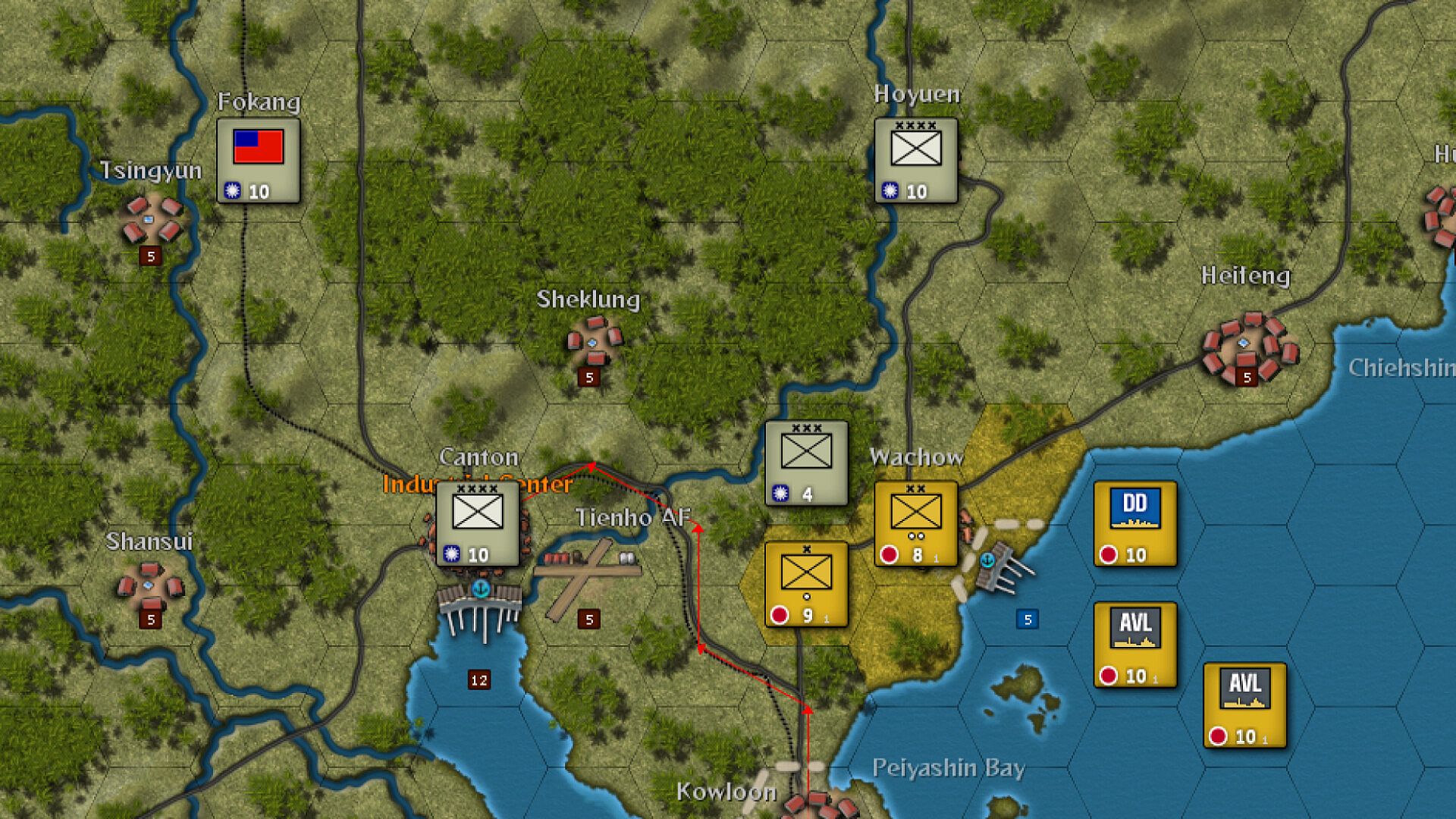
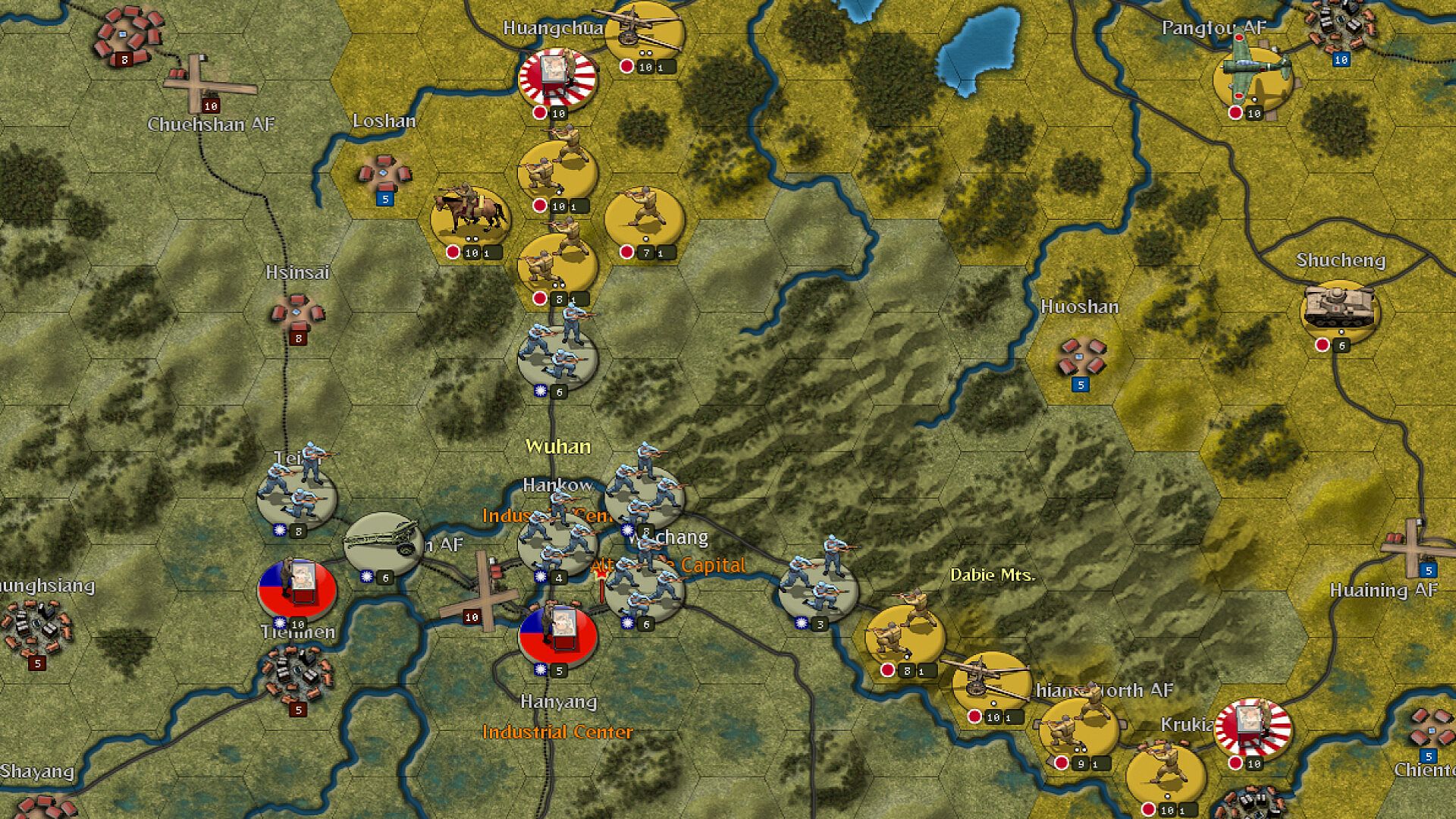
Core play revolves around directing army, navy, and air units across expanded maps that cover China, Southeast Asia, and the home islands. Players allocate limited resources to production, reinforcement, and movement while responding to events that alter the battlefield situation. Diplomacy options allow influence over neutral or allied powers, and control of key territories affects supply lines and reinforcement rates.
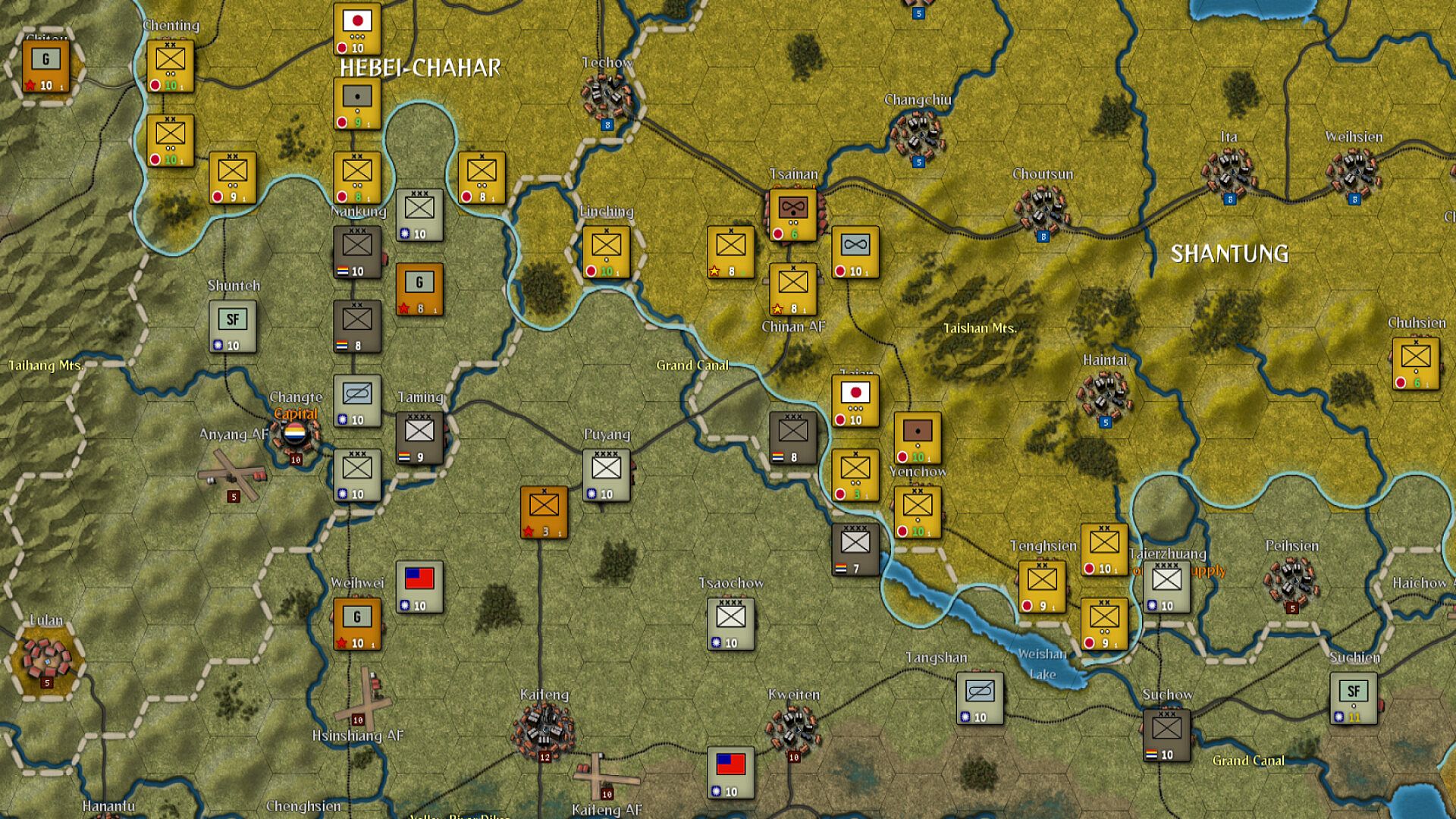
Special mechanics include autonomous Chinese provinces that operate with their own priorities, requiring careful negotiation or coercion to secure cooperation. Historical leaders such as Pai Chung-hsi, Yan Xishan, and Wang Jingwei each carry distinct traits that modify combat effectiveness, political influence, or unit performance. Japanese counterattack events introduce sudden raids and strikes, while Allied final drive events force redeployments and logistical adjustments during late-war phases.
Game Modes
The expansion centers on six standalone campaigns that progress chronologically through Japan's expansion and eventual defense. Each campaign presents a distinct strategic situation with its own objectives, starting forces, and victory conditions.
- 1937: Marco Polo to Pearl Harbor covers the Second Sino-Japanese War and the lead-up to broader conflict.
- 1942: Summer of Decision lets players choose directions after early conquests in Southeast Asia.
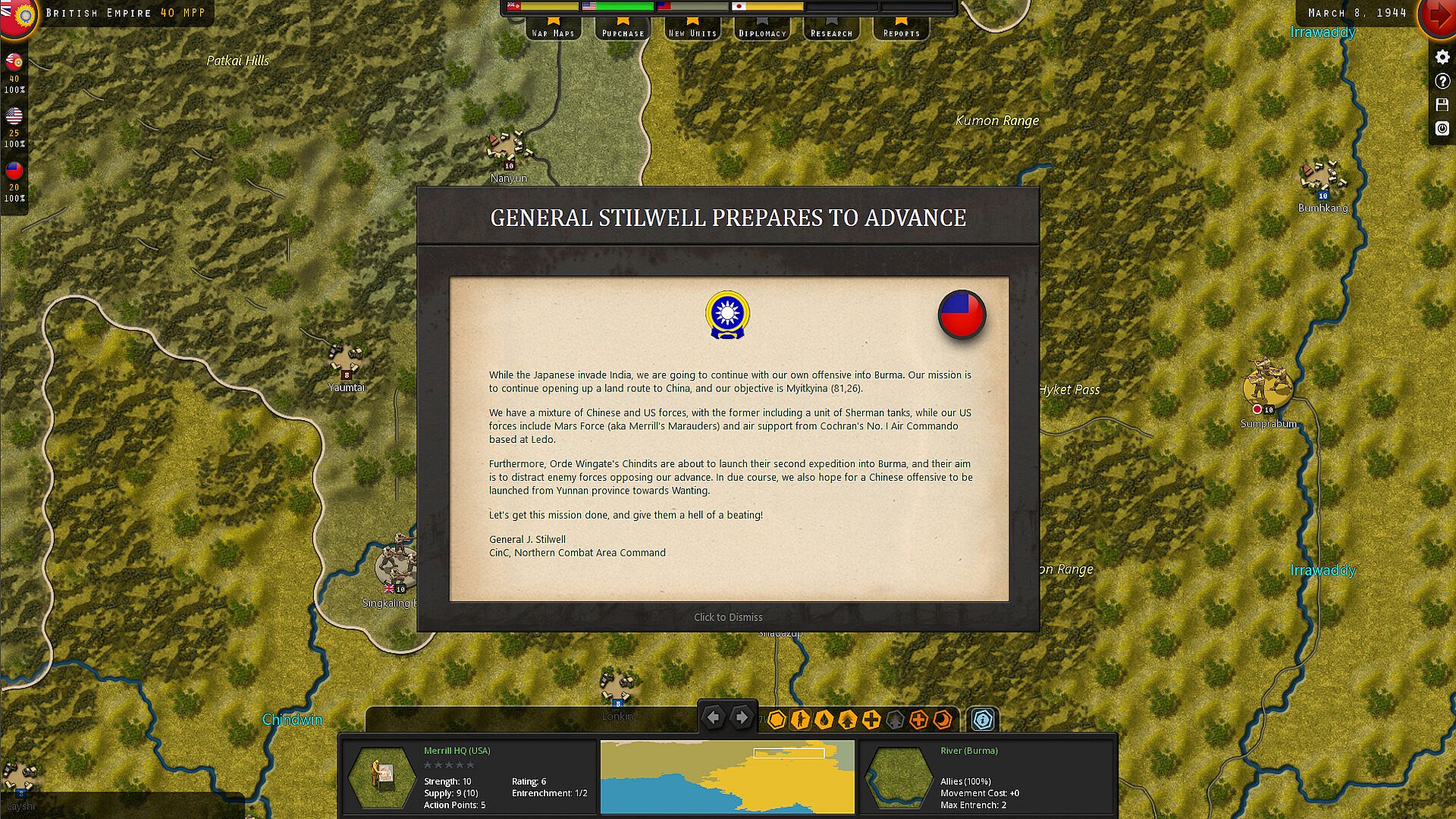
- 1944: Imphal-Kohima recreates the Burma-India theater offensives.
- 1945: Okinawa focuses on the defense of the Ryukyu Islands.
- 1945: Operation Olympic simulates the planned invasion of Kyushu.
- 1946: Operation Coronet depicts the final assault on Honshu.
These scenarios run independently, allowing players to explore alternate outcomes without carrying progress between them.
Strategic Depth and Theater Coverage
Maps extend into previously underrepresented areas of East Asia, introducing new terrain types and supply challenges. The political fragmentation of China adds layers to planning, as regional leaders pursue independent goals that can aid or hinder Japanese operations. Late-war events incorporate desperate measures such as kamikaze strikes and the deployment of major surface units in last-ditch actions.
Resource tracking and unit upgrades remain central, with decisions on where to commit reserves often determining whether an offensive succeeds or stalls. The structure rewards long-term planning over reactive tactics, suiting players who enjoy managing multiple fronts simultaneously.
Is It Worth Playing?
Steam user reviews stand at 100 percent positive from the initial batch of ratings. The expansion delivers targeted content for those already familiar with the base game's systems, adding substantial new scenarios and mechanics without altering core rules. It appeals most to enthusiasts of detailed World War II grand strategy who want to examine the Pacific conflict from the Japanese perspective across multiple turning points. Availability requires ownership of Strategic Command WWII: War in the Pacific, and the campaigns provide dozens of hours of play across varied strategic situations. Players seeking shorter or more arcade-style experiences may find the pace and complexity less suitable.