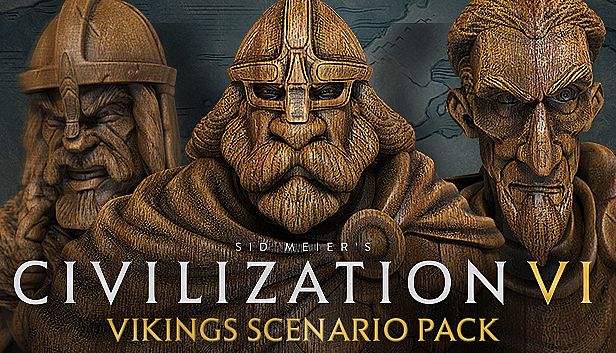











Sid Meier's Civilization VI: Vikings Scenario Pack is a strategy expansion for the PC that adds a focused historical scenario set during the Viking Age. Players take control of one of three Norse leaders to expand influence across Europe through conquest, trade, and exploration in a self-contained experience lasting 100 turns.
Gameplay
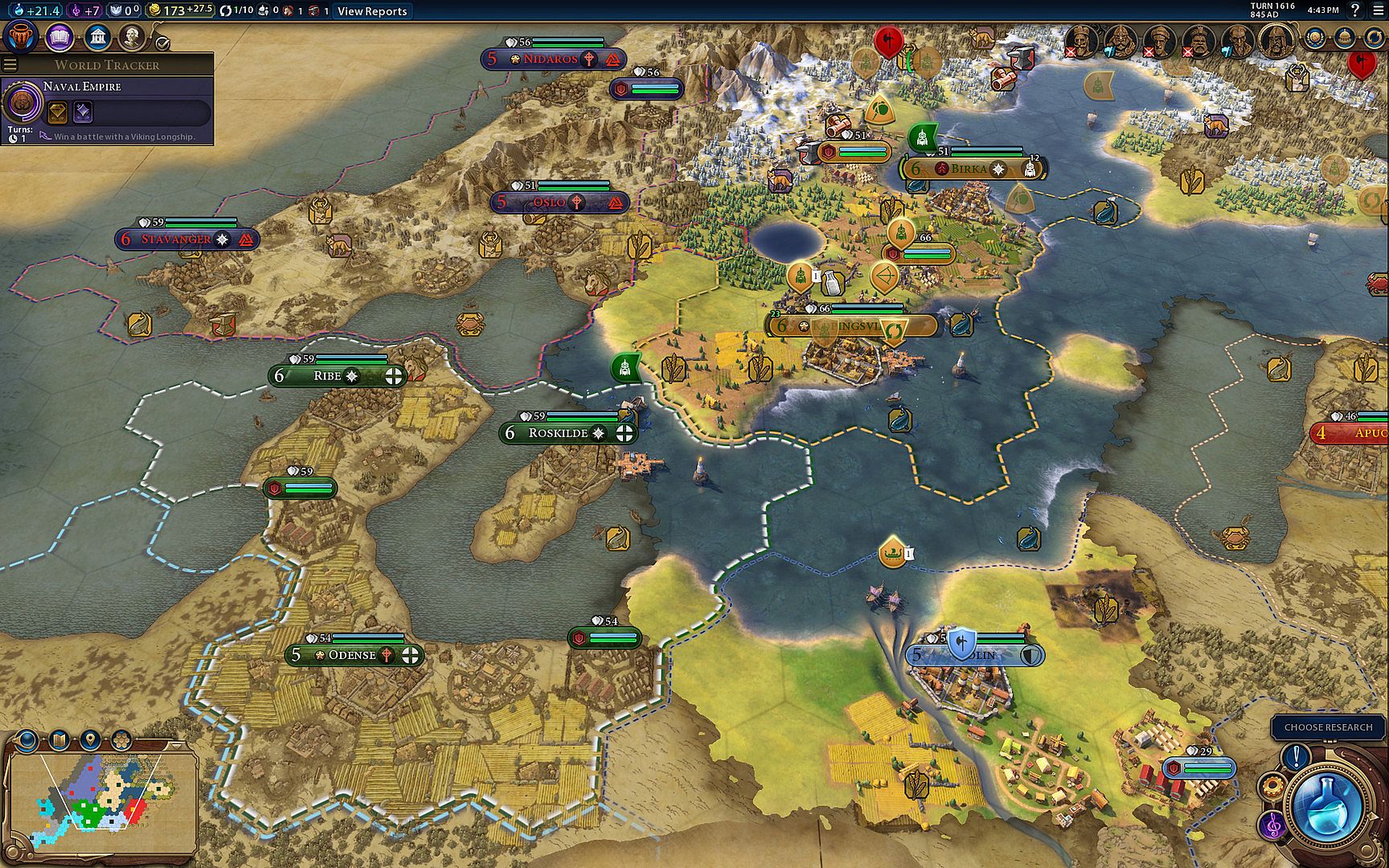
The core loop revolves around managing a Viking civilization in the period from 787 to 1087. Players direct naval forces to launch invasions, such as targeting England or crossing into the Mediterranean via Gibraltar. Exploration plays a key role, with opportunities to discover Vinland in the west using specialized units. Economic development involves establishing profitable cities and trade networks, while religious expansion generates faith through dedicated buildings and units. Military actions include pillaging tiles for resources and victory points. Special leader art assets distinguish the playable rulers during the campaign.
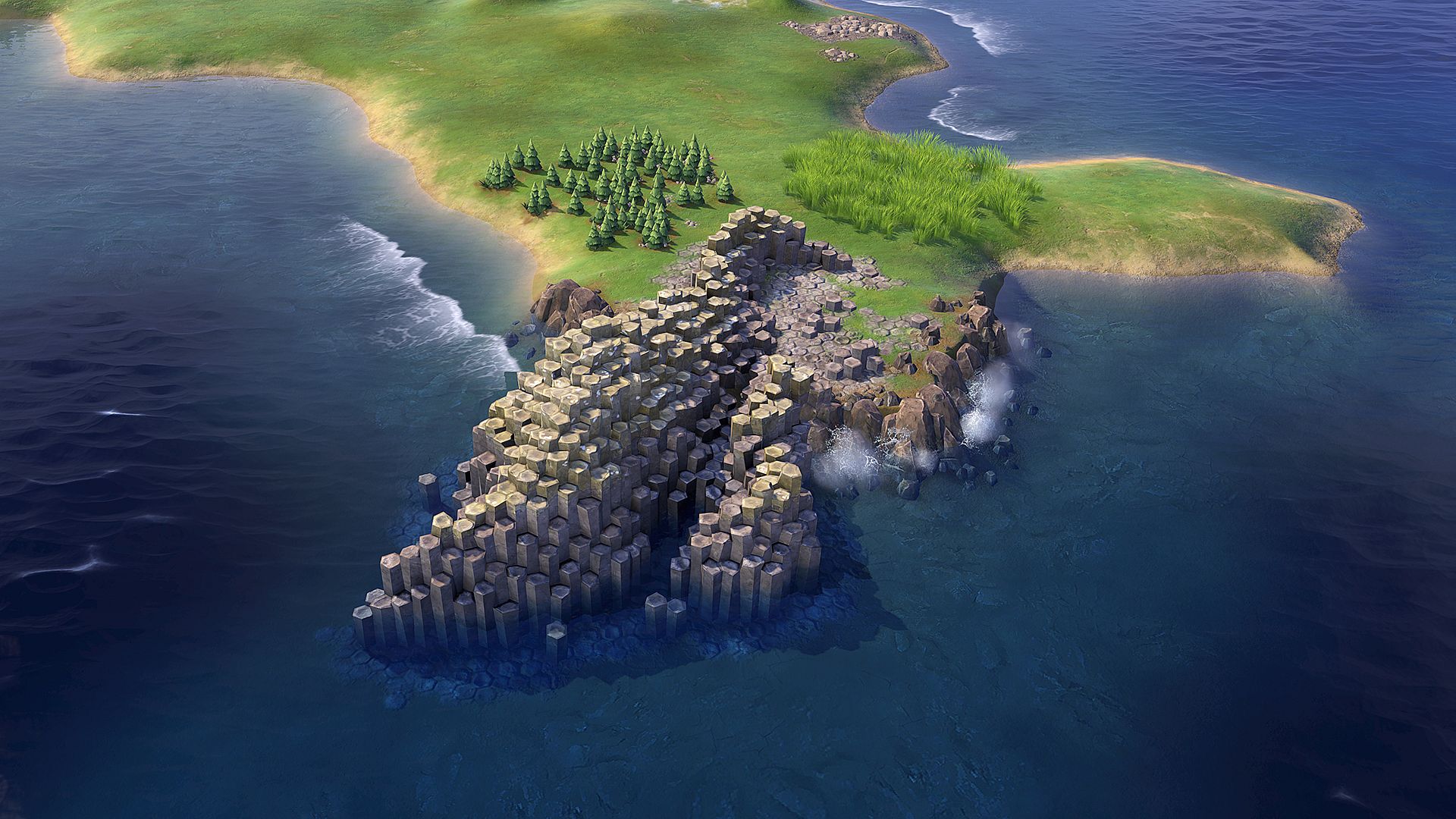
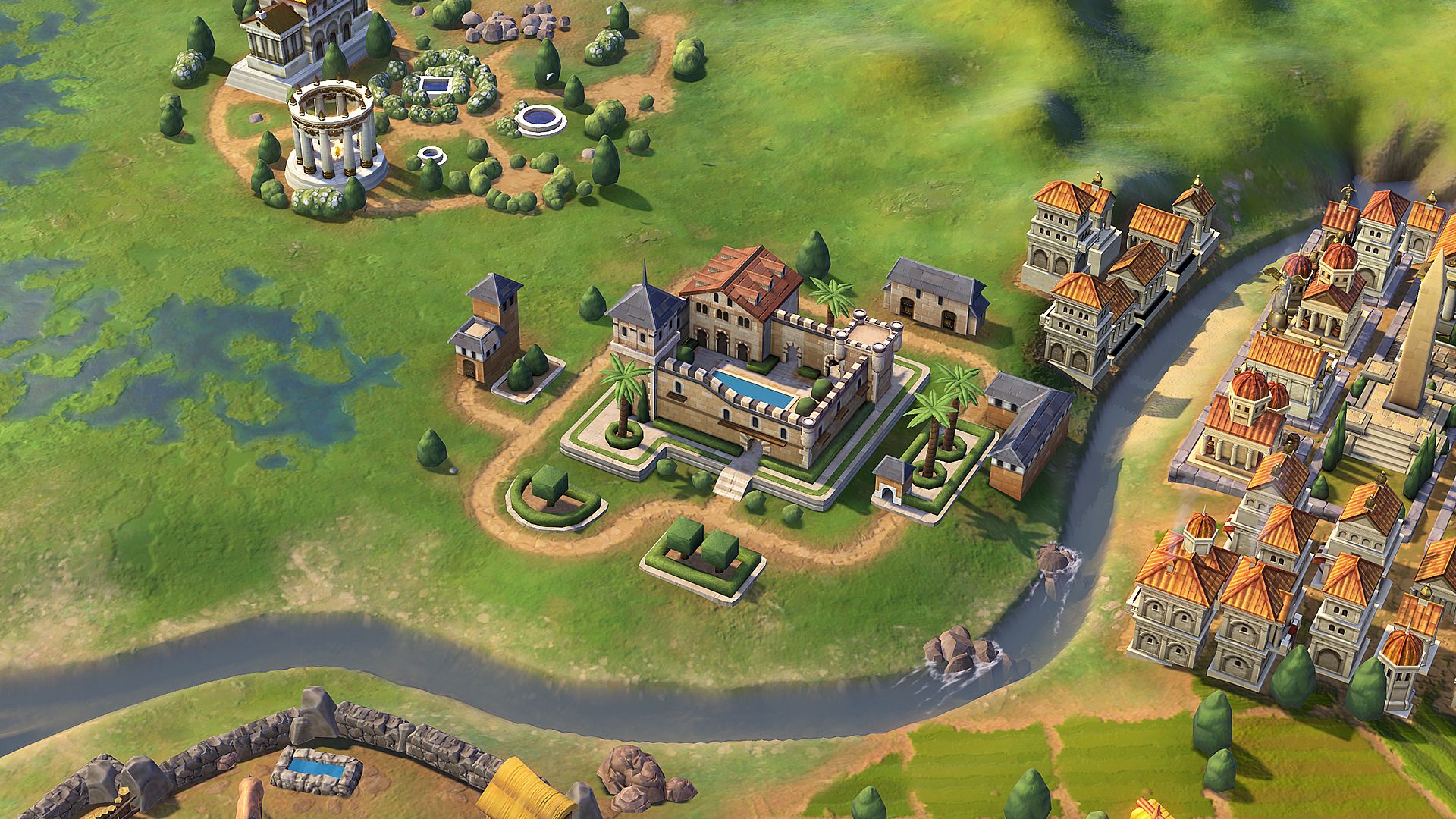
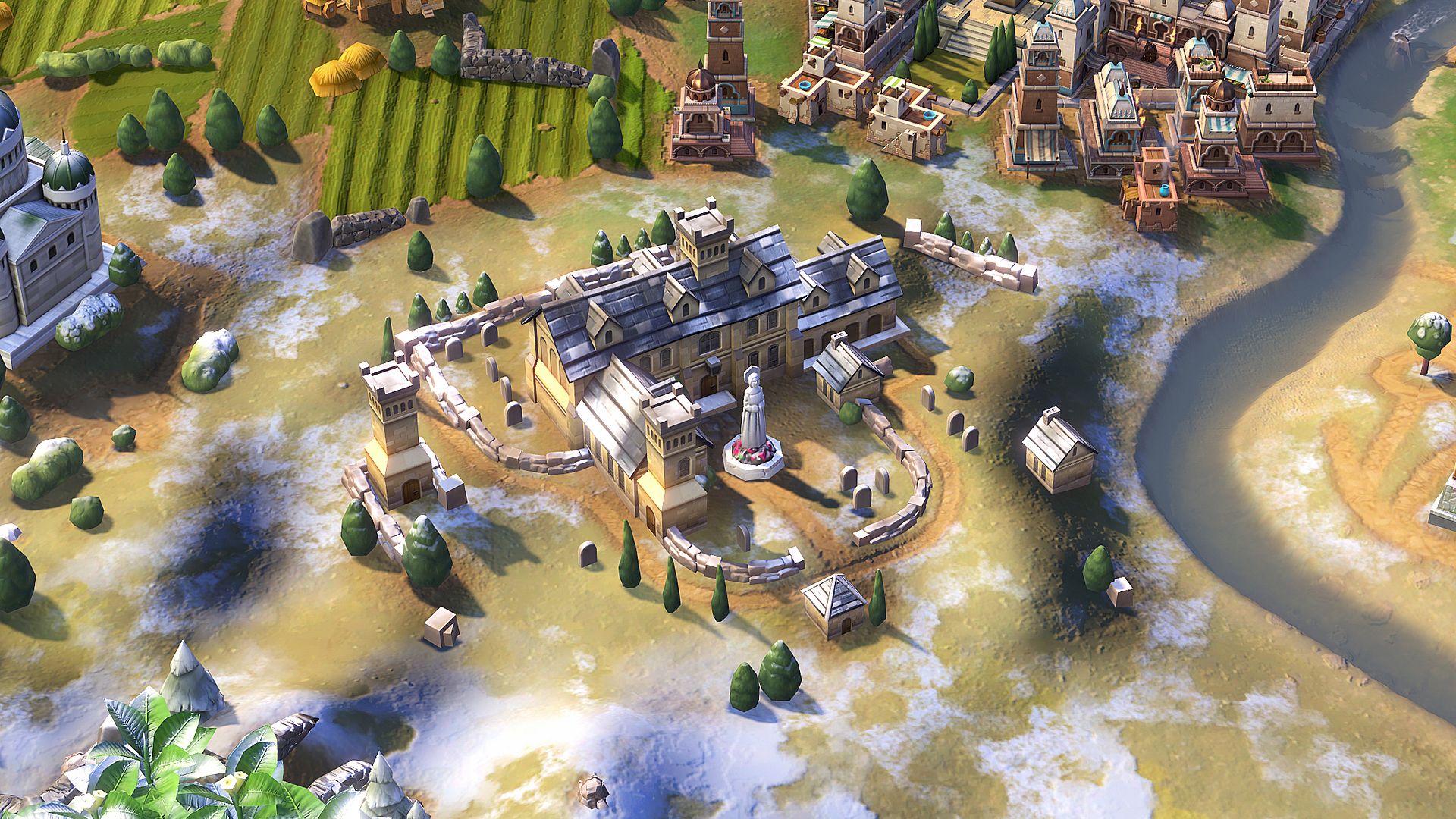
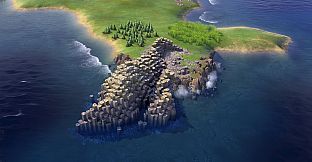
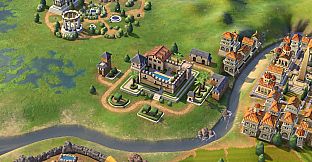
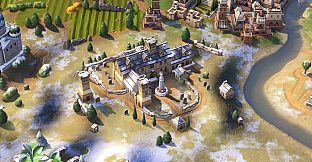
City management incorporates new tile improvements from certain city-states, such as the Monastery for faith generation and religious unit healing, or the Alcazar for military protection and culture gains. Natural wonders like Eyjafjallajökull, Lysefjord, and Giant's Causeway provide unique map features that influence settlement and strategy decisions. The scenario enforces alliances among the Viking factions while directing conflict toward other civilizations, limiting some standard mechanics like city razing or unit transfers.
Game Modes
The pack centers on the single "Vikings, Traders, and Raiders!" scenario. This mode emphasizes victory points accumulated through pillaging, trade volume, empire size via population and cities, and exploration achievements like locating Vinland. Players select from Harald Hardrada of Norway, King Canute of the Danes, or Olof Skotkonung of Sweden, each with tailored starting positions and objectives. The fixed timeframe and map setup create a linear progression focused on raiding, settlement, and empire building rather than open-ended civilization development.
Additional elements integrate into the scenario through six new city-states. Auckland boosts production on coastal tiles, Antananarivo scales culture with great persons earned, Armagh enables monastery construction, Granada supports the alcazar improvement, Muscat enhances amenities near commercial hubs, and Palenque accelerates growth near campuses. These bonuses shape city placement and infrastructure choices within the 100-turn limit.
Key Features and Mechanics
Naval emphasis defines much of the experience, with fleets supporting invasions and long-distance voyages. Religious and trade paths offer alternative routes to success alongside military dominance. Special rules alter unit and district behaviors, such as encampments and holy sites contributing science or culture. The scenario rewards efficient great admiral use for exploration bonuses and maintains a tight focus on European and Atlantic theater actions.
Is It Worth Playing?
Player reception for the pack has been overwhelmingly negative, with only 15 percent positive reviews from over 1,200 ratings. Many note that the scenario itself delivers engaging historical gameplay for those interested in Viking-era strategy, including varied victory point systems and naval challenges. However, the limited scope, consisting primarily of one scenario plus supporting map elements, leads to criticism regarding overall value. The content suits dedicated Civilization VI players seeking a self-contained historical challenge rather than broad expansions. No ongoing updates or seasonal support have been added since release, so the experience remains as originally designed. It appeals most to strategy fans who enjoy scenario-based play with defined objectives and period-specific constraints.