

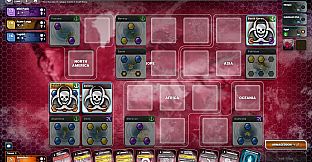


Plague Inc: The Board Game - Armageddon delivers a competitive strategy experience where players control distinct diseases in a race to infect and eliminate humanity. Each participant manages their own pathogen on a shared world board, placing tokens in countries while managing DNA points and evolving abilities. The expansion introduces asymmetric disease options that shift priorities between rapid spread and aggressive lethality.
Gameplay
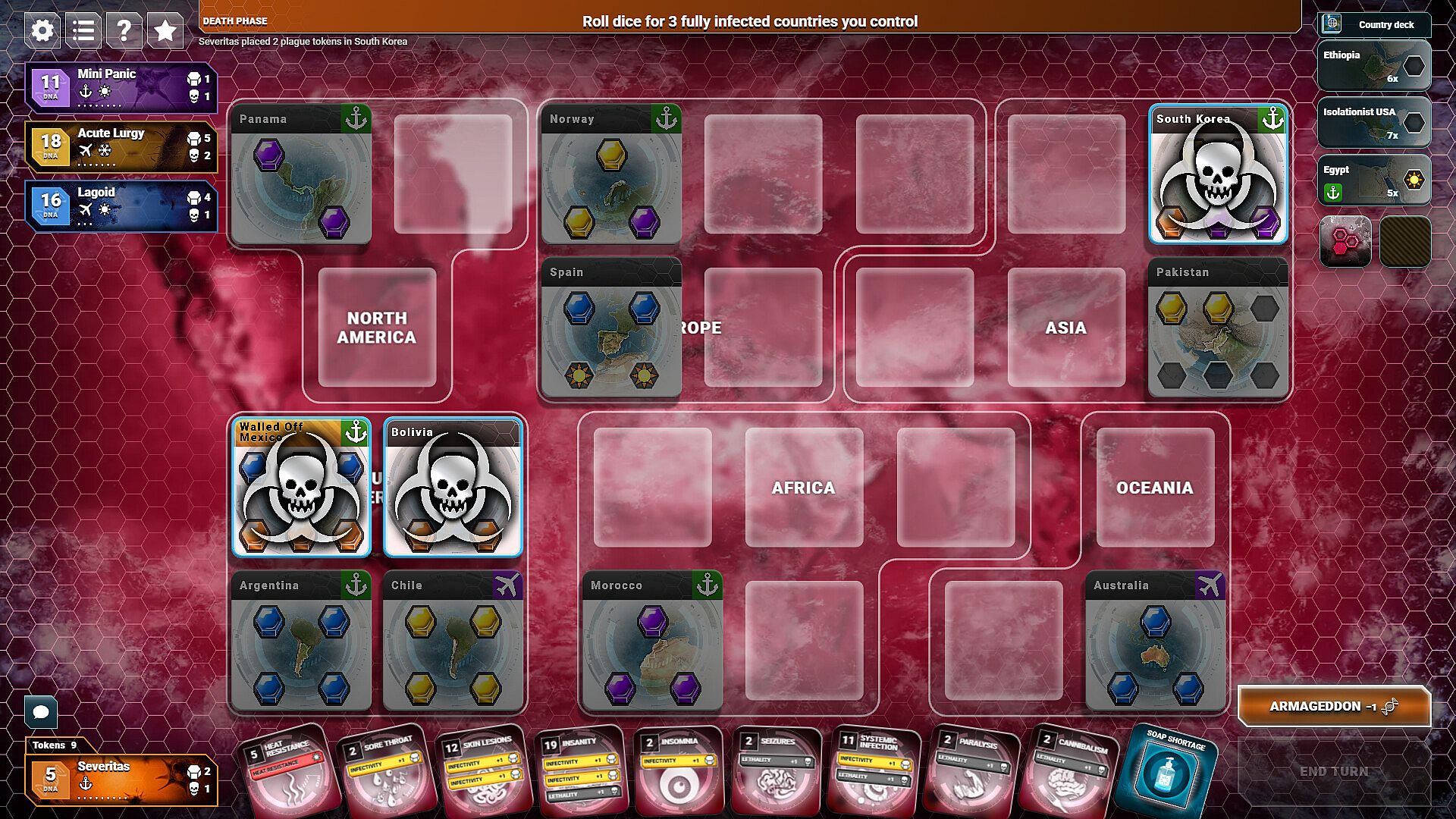
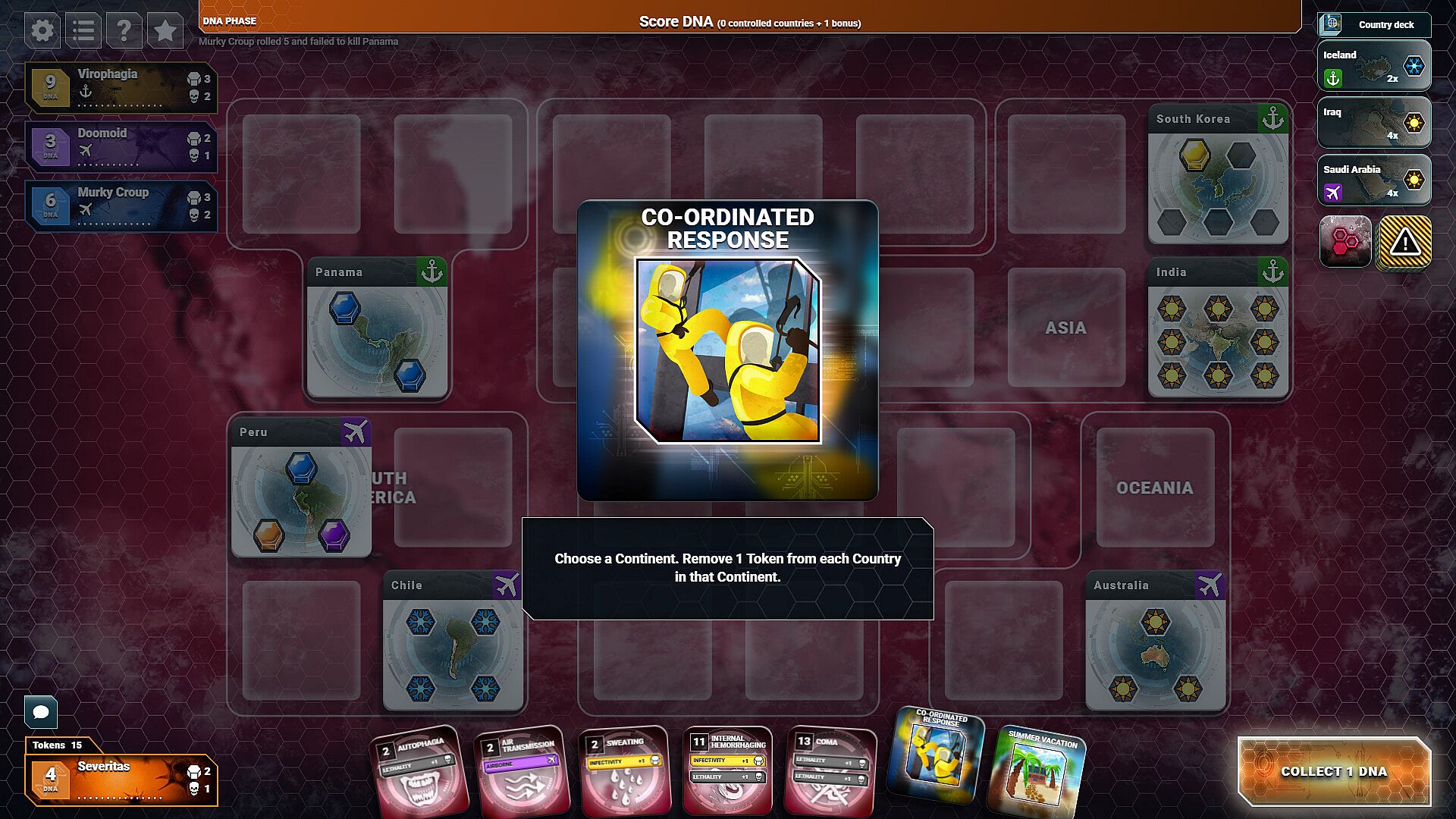
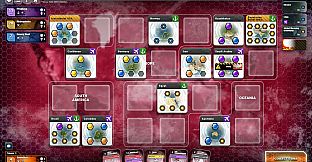
Core turns revolve around five phases that guide disease progression. Players first collect DNA, then select and place new country cards onto the board under connectivity and climate rules. Evolution follows as traits are purchased to boost infectivity, lethality, or other attributes. Infection spreads tokens according to current capabilities, and the death phase resolves casualties that can generate additional DNA or trigger events.
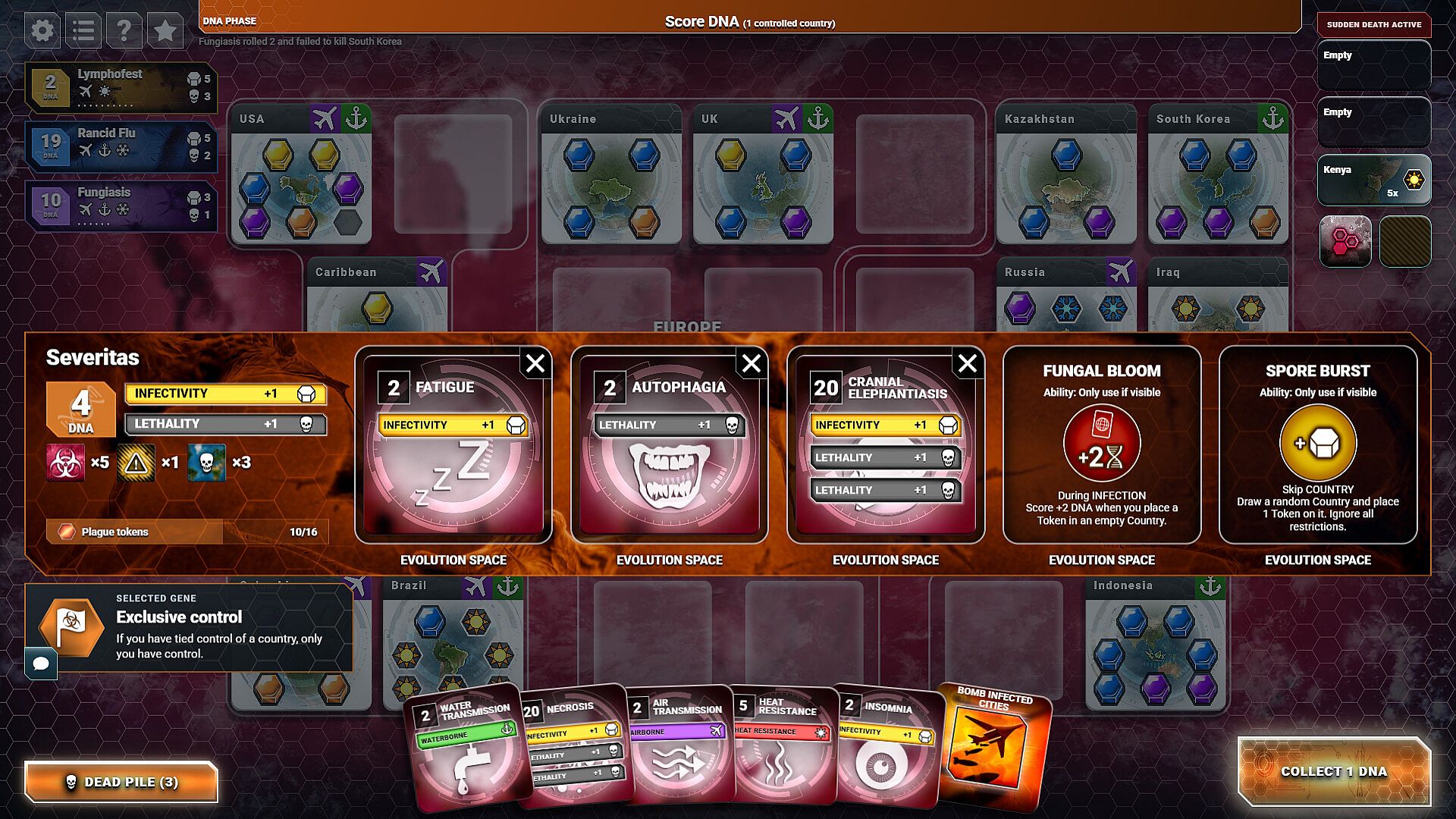
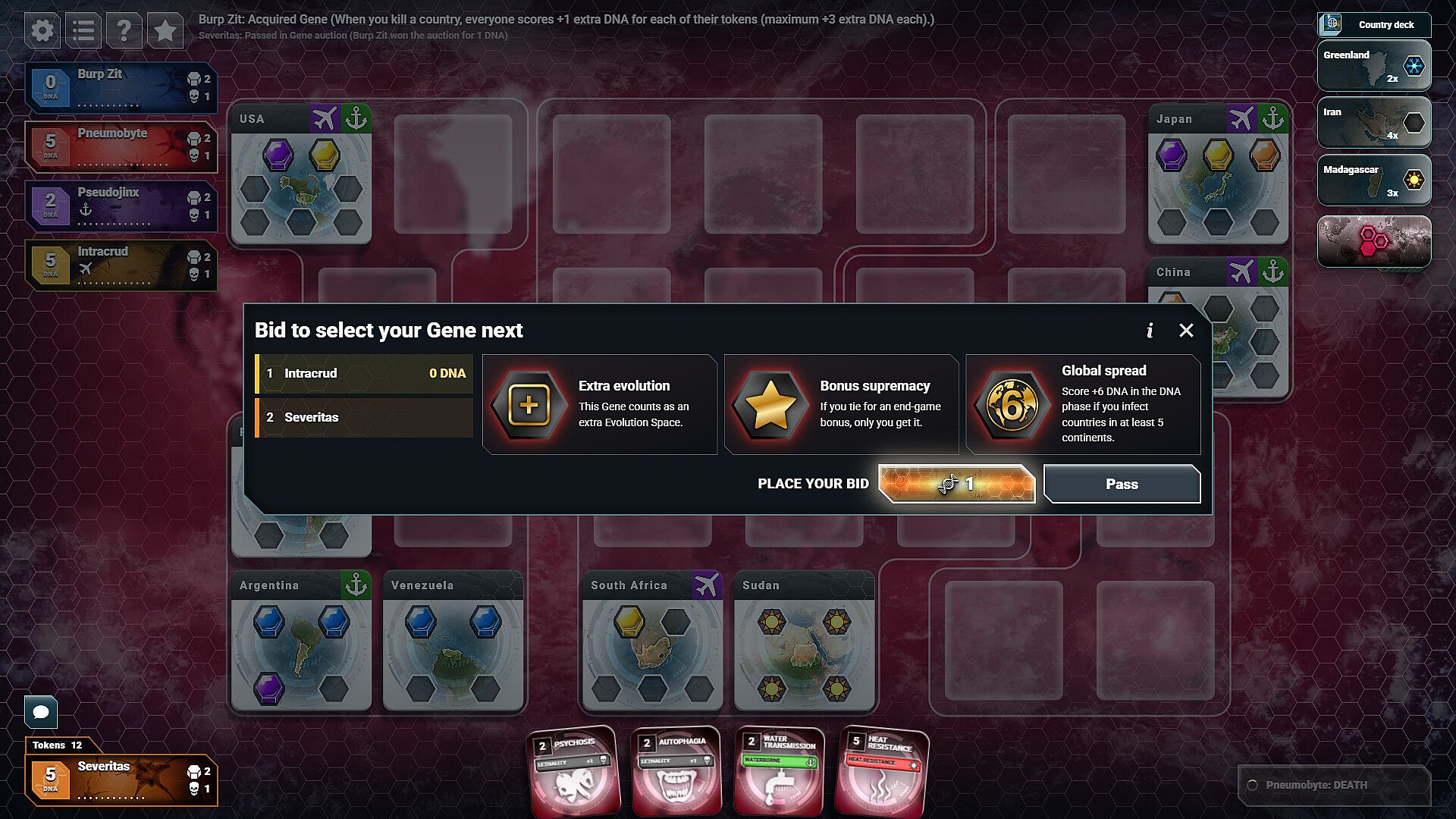
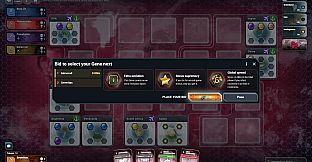
The expansion layers genetic modification onto this loop. Players acquire one of 24 dominant or recessive genes during play, often through a DNA auction system that forces strategic bidding. Dominant genes deliver immediate powerful effects while recessive ones provide subtler ongoing advantages. Fungus emphasizes mobility through abilities like Spore Burst, which allows infection of new countries without standard connection requirements, though it starts with limited infectivity. Bioweapon focuses on lethality with mechanics such as Armageddon that enable kills independent of death dice rolls, alongside Festering Corpses that reward DNA from eradicated nations.
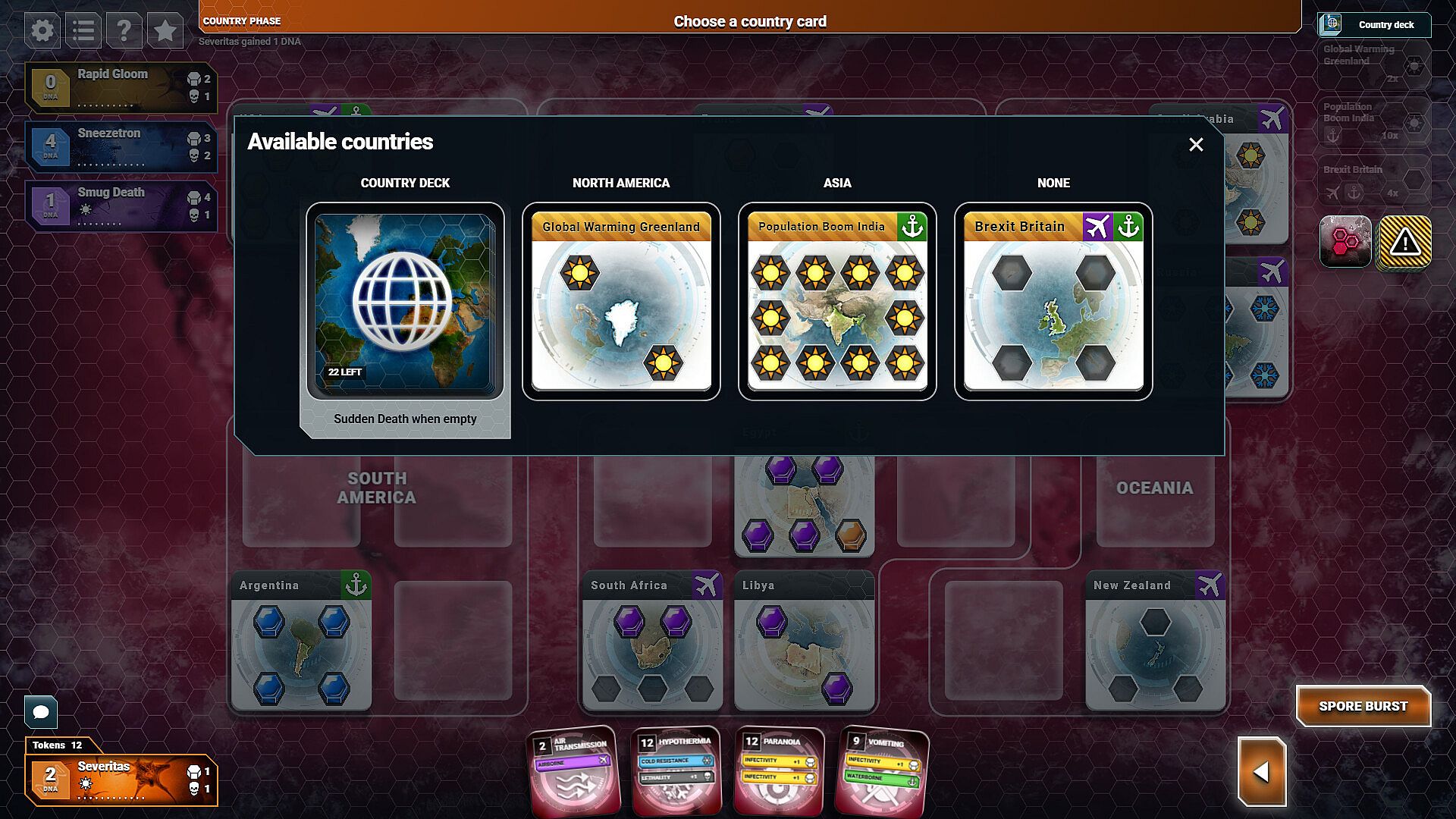
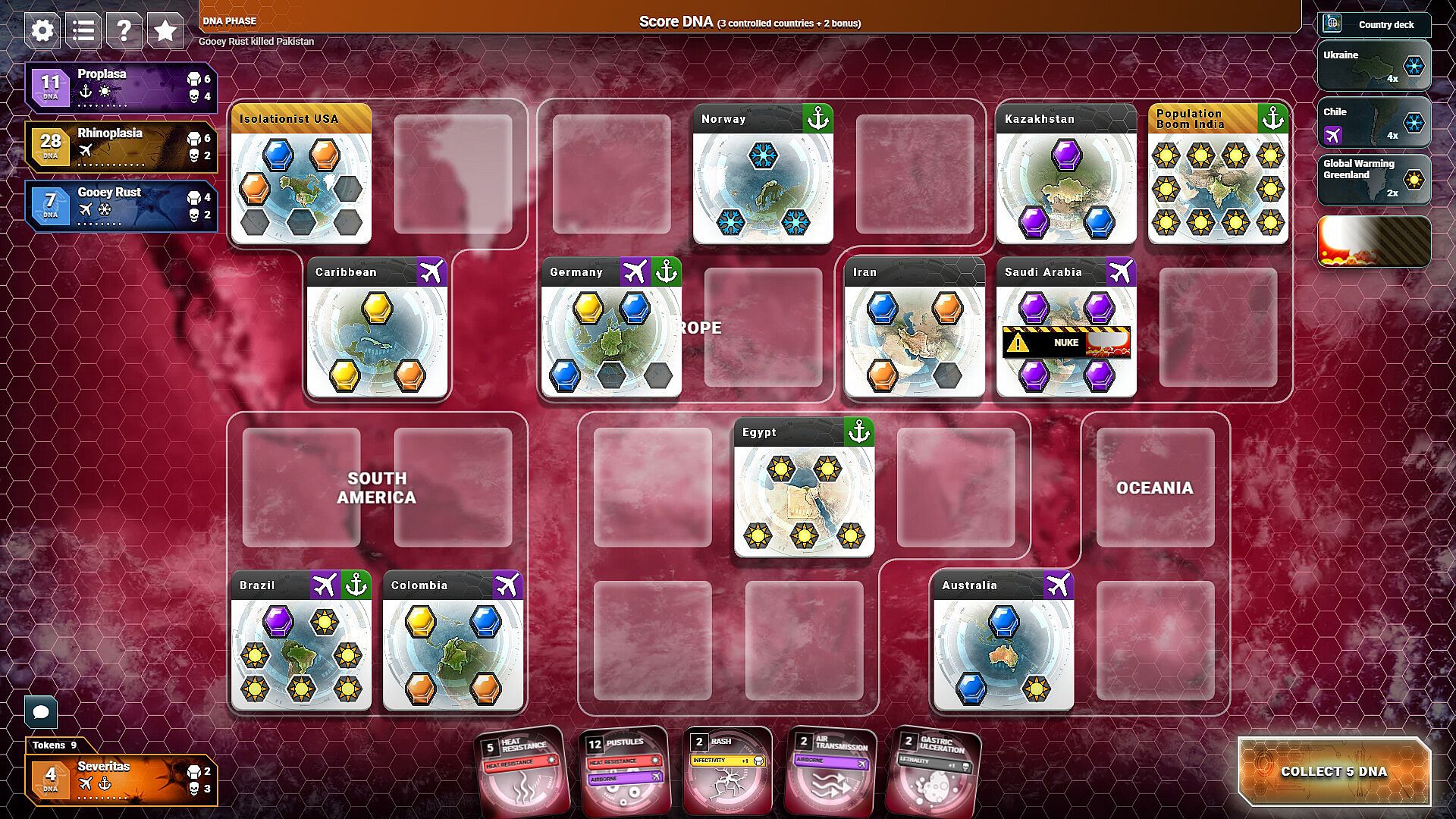
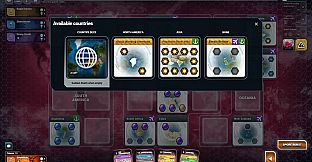
New country cards integrate modern geopolitical shifts, such as an isolationist United States without transport links or a post-Brexit Britain detached from European connections. These replace base cards at random and alter transport networks and population dynamics. Additional trait and event cards expand options for both positive boosts and disruptive interactions among players.
Game Modes
Competitive multiplayer supports up to five participants once the expansion components are added, with each player selecting a unique disease color and type. Turns proceed sequentially, and the game ends either when all countries are resolved or through sudden death rules once the deck depletes. Victory goes to the player with the highest DNA total, modified by endgame bonuses from new scoring cards.
Single-player mode pits one human against the PlagueBot opponent. The bot follows simplified rules with unlimited tokens and fixed starting advantages, allowing practice or solo sessions without additional players. The expansion integrates seamlessly into both formats by providing extra tokens, evolution slides, and cards that scale the experience.
New Diseases and Mechanics
Fungus rewards global mobility and exploits empty territories for DNA gains via Fungal Bloom. Its spore-based spread creates early pressure across disconnected regions but requires careful management to secure full control of infected nations. Bioweapon trades broad infectivity for raw killing power, using Genetic Targeting to prevent self-eradication while scaling strength through accumulated deaths.
Genes add permanent specialization that persists across turns. Choices range from infectivity multipliers to event manipulation or DNA generation engines. The auction element introduces tension as players weigh immediate power against resource expenditure, often deciding between securing a strong option or denying it to rivals.
Is It Worth Playing?
Player feedback highlights increased strategic depth and replayability from the new disease types and gene system. The expansion supports larger groups effectively and refreshes the base experience with updated country cards and card variety. It suits those who enjoy competitive strategy games centered on asymmetric powers and long-term planning over multiple turns.
Those seeking more player count options or fresh mechanics will find meaningful additions that integrate without overcomplicating the core loop. The game maintains its focus on infection management and DNA optimization while offering distinct playstyles that reward adaptation to different disease strengths and weaknesses.