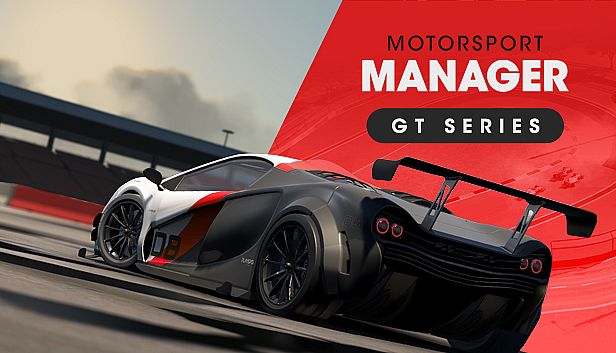














Motorsport Manager - GT Series is a strategy simulation racing game focused on closed-wheel motorsport management for PC players. It expands the core experience with dedicated GT content that emphasizes resource management, race tactics, and team development in a competitive environment.
Gameplay
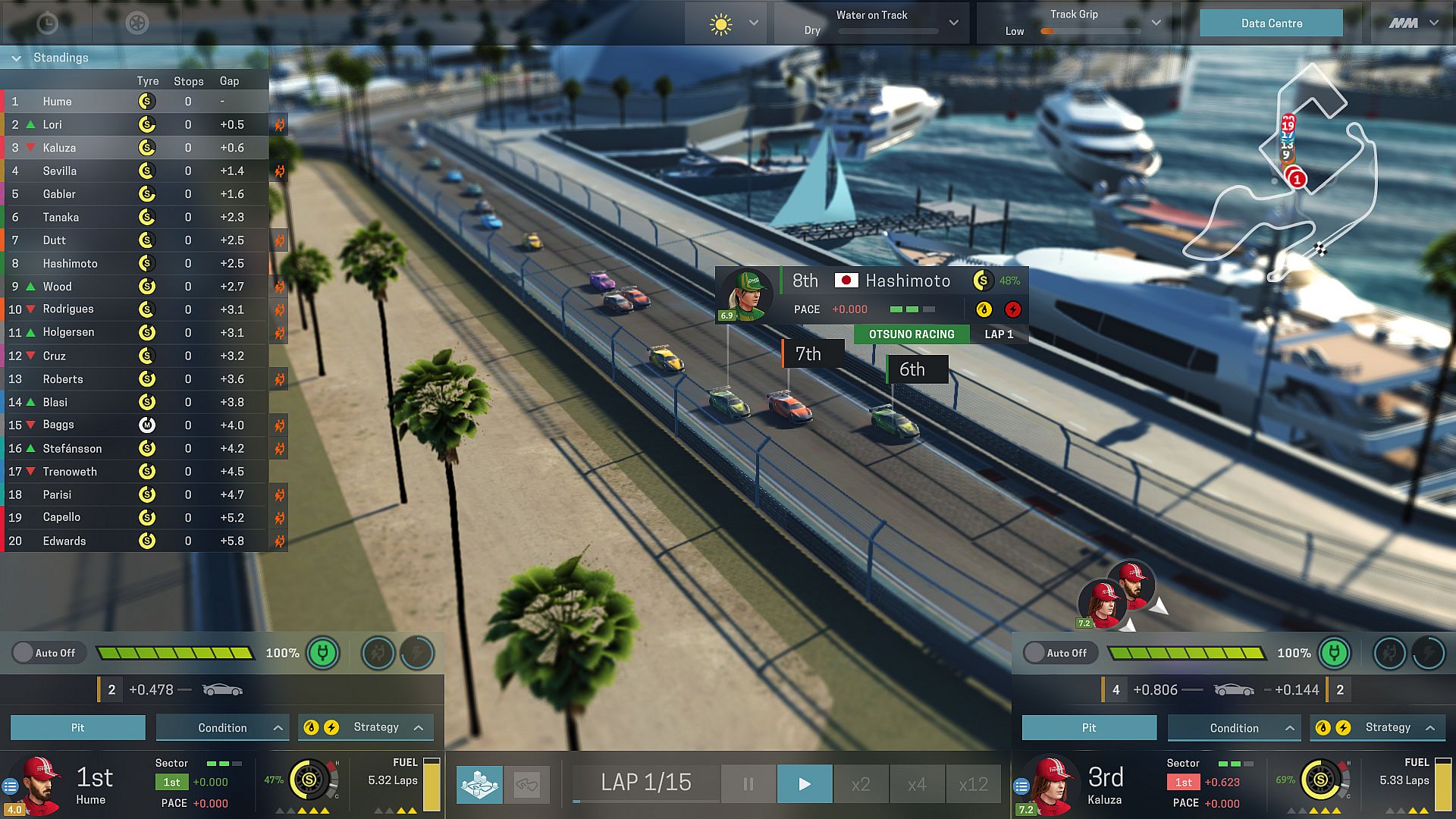
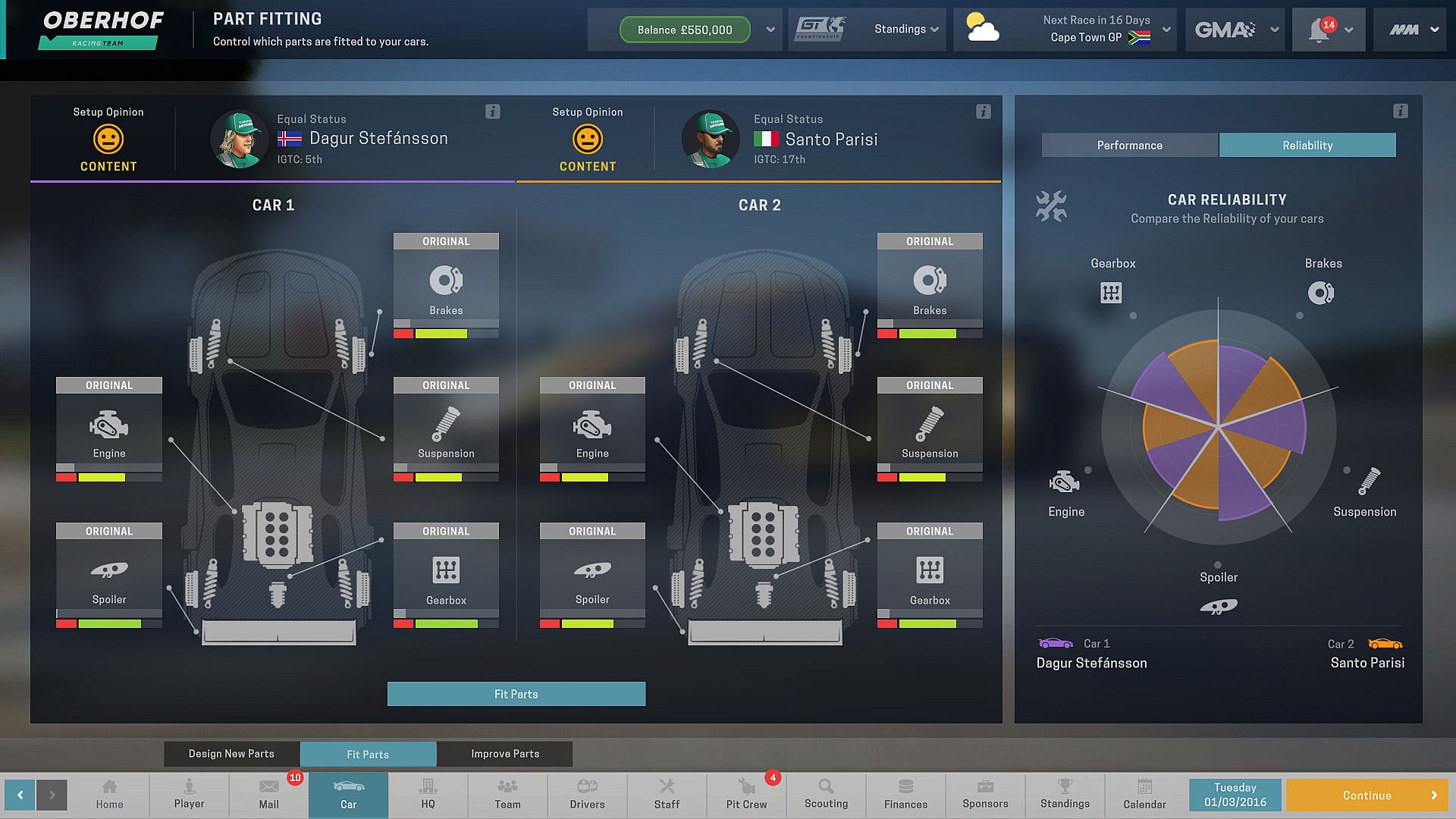
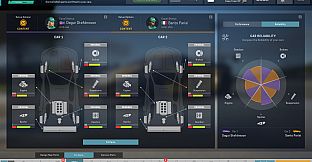
The core loop centers on overseeing a GT racing team through practice, qualifying, and races while balancing car performance, driver assignments, and financial constraints. Managers allocate resources to car components and monitor how setup choices affect on-track behavior.
A standout addition is the Energy Recovery System. Cars collect energy during laps, which can be deployed in Hybrid mode to conserve fuel or Power mode to deliver an immediate boost for overtaking or holding position. Opponents use the same system, so tracking their energy states becomes essential for effective race planning.
The underlying physics model has been adjusted specifically for GT cars. Differences appear in braking distances, cornering grip, tyre degradation rates, pit stop durations, and the handling effects of fuel load. These changes produce closer pack racing, particularly in the opening laps where position changes happen frequently.
Practice sessions incorporate a unique ballast mechanic tied to driver weight. Heavier drivers limit setup flexibility, forcing managers to weigh driver selection against performance targets. Three Stage Qualifying introduces elimination rounds on Saturdays, with the final ten cars locking their starting tyre compounds and requiring careful tyre management from that point onward.
Financial operations differ from open-wheel series. Component costs vary, sponsor income arrives in smaller increments, and overall margins stay tighter. This setup demands stricter prioritization when upgrading parts or signing personnel.
Game Modes
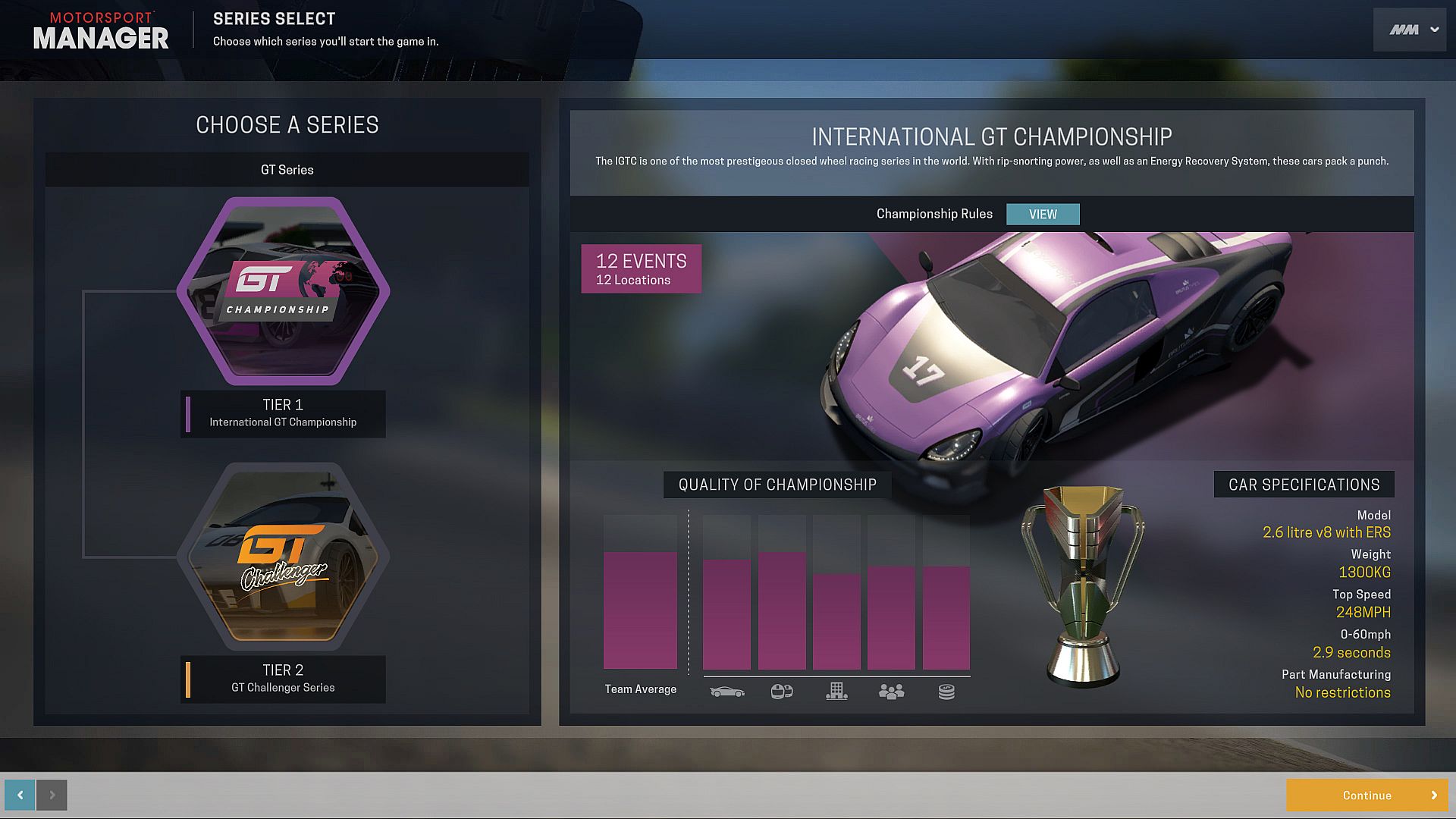
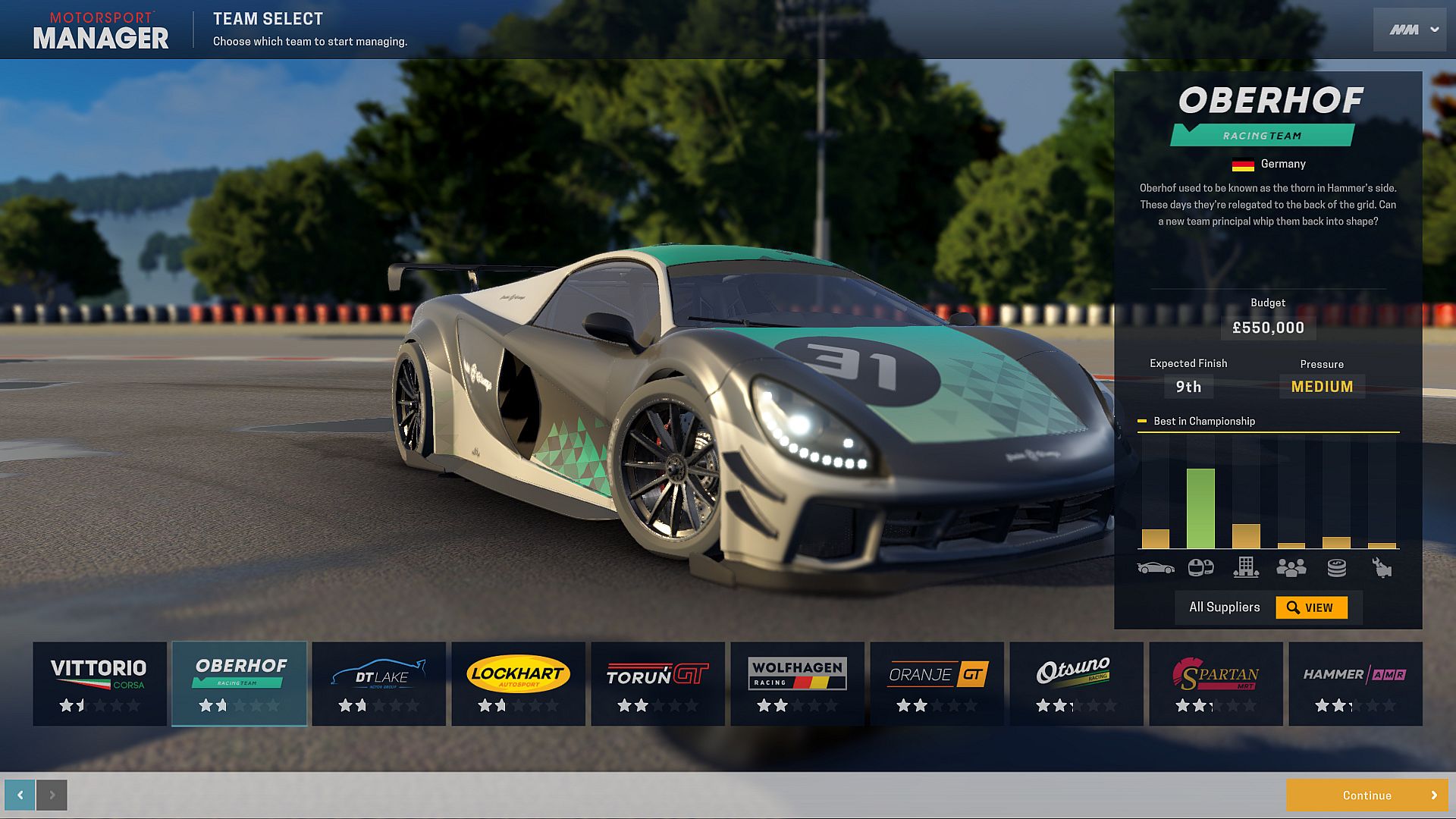
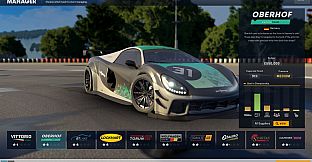
Two distinct championship structures form the main competitive paths. The GT Challenger Series serves as an entry-level proving ground populated by new teams, drivers, and staff. Success here leads into the International GT Championship, the higher-prestige series with its own roster of competitors.
Both series run full seasons that include practice, qualifying, and race weekends. Managers handle recruitment, car development, and strategy adjustments across the calendar while competing against AI-controlled rivals who also employ the Energy Recovery System and three-stage qualifying format.
Additional flexibility exists through voting mechanics or custom rulesets that can introduce Energy Recovery System and three-stage qualifying elements into other categories when the content is owned.
Team and Race Strategy
Success depends on integrating driver management with technical decisions. Staff and driver contracts must align with budget realities, while race-day choices around energy deployment and tyre allocation determine results in tight fields.
The tighter racing and modified tyre wear encourage proactive strategy adjustments mid-race. Managers who anticipate rival energy usage and adapt pit windows accordingly gain consistent advantages over longer events.
Is It Worth Playing?
Player feedback shows mostly positive reception for the added layers of strategy and the distinct feel of GT machinery. The content appeals to those who already enjoy deep management simulations and want fresh mechanical challenges around energy systems, qualifying formats, and adjusted physics.
It suits single-player strategists who value careful planning over arcade-style action. The lower profit margins and ballast considerations create meaningful trade-offs that reward thoughtful long-term decisions. Those seeking a focused expansion of racing management mechanics will find the two series provide substantial new content without requiring prior familiarity beyond the base simulation framework.