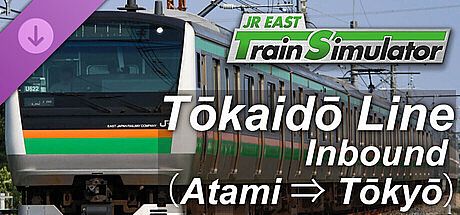



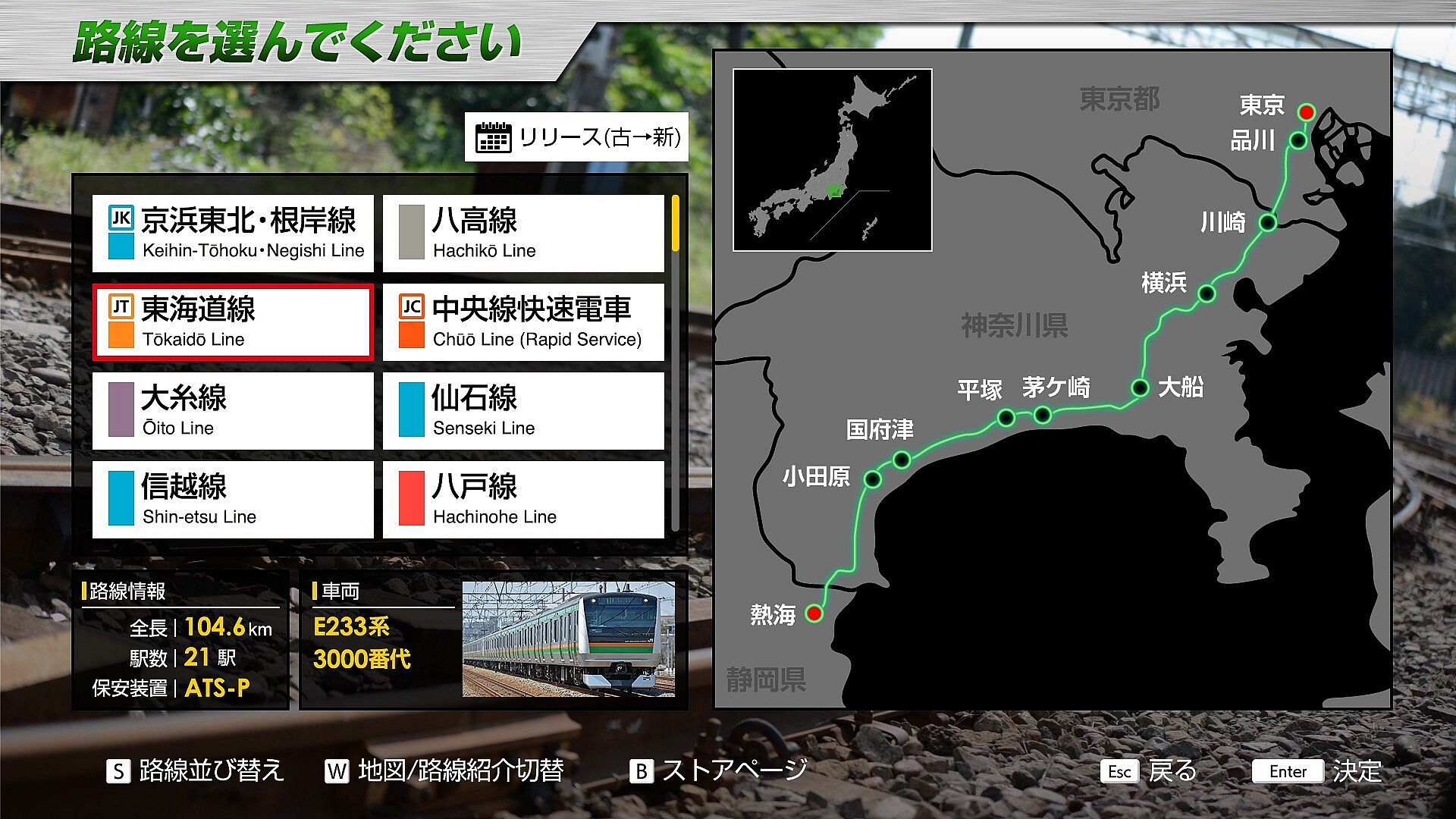
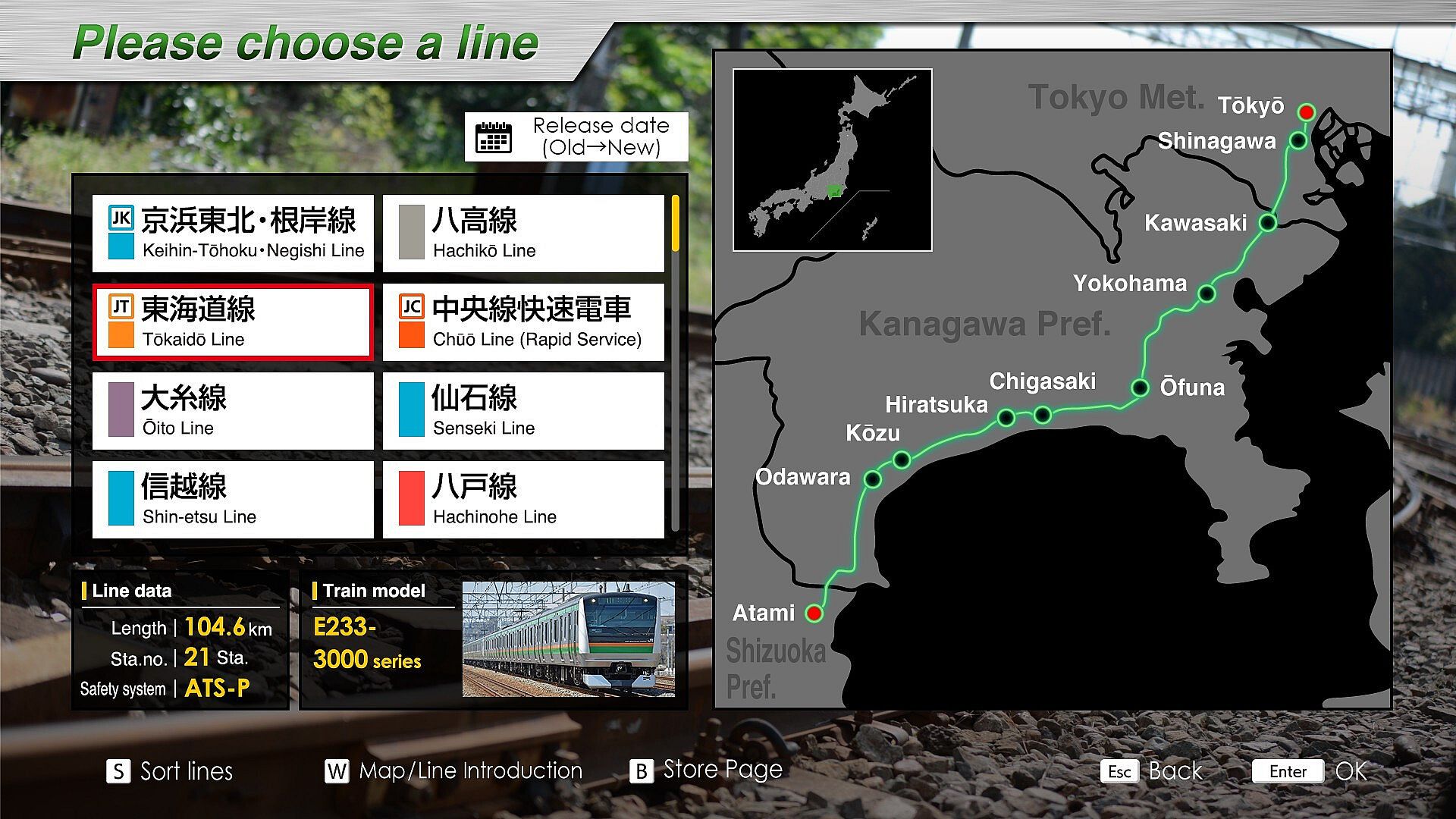
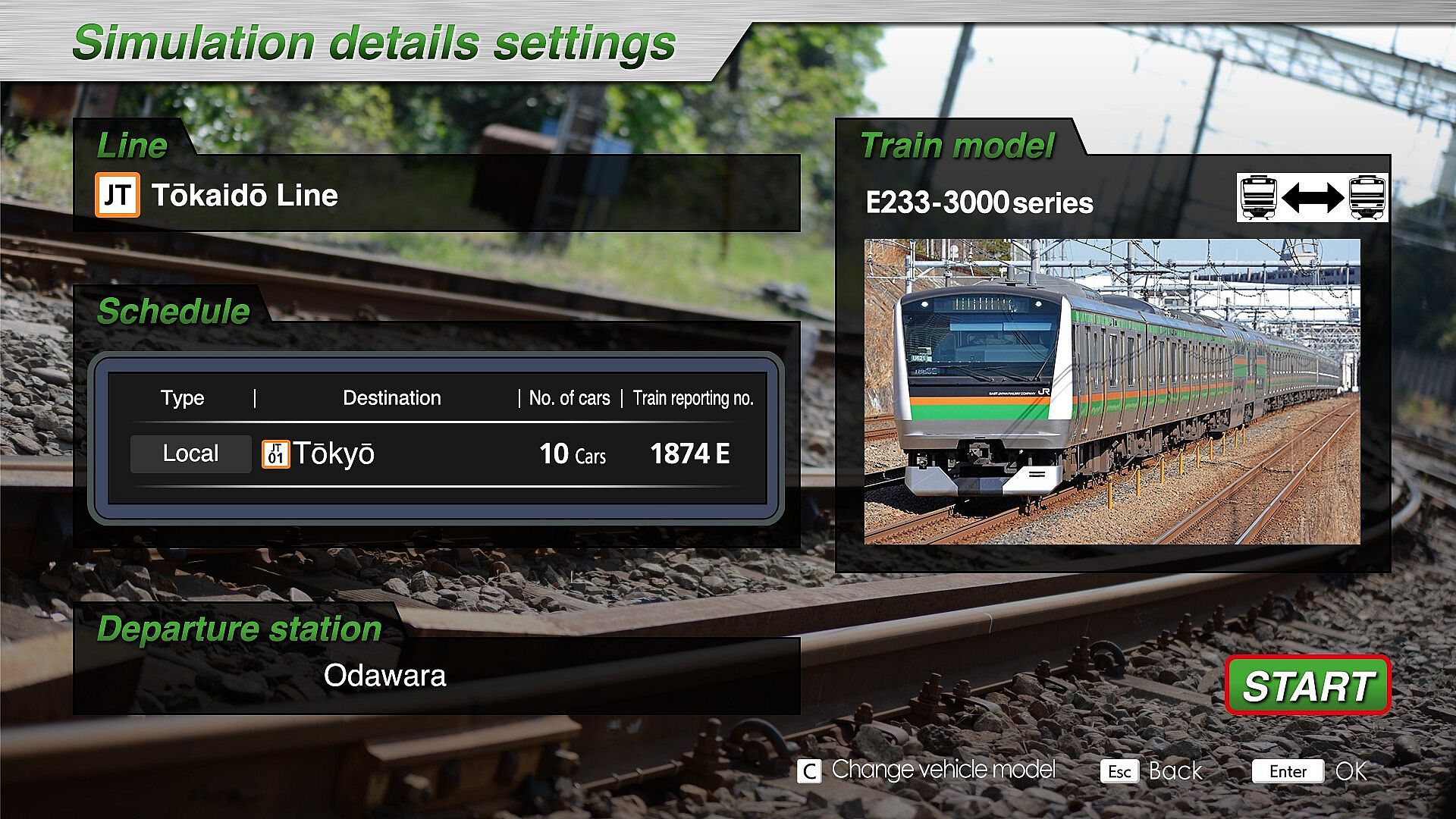
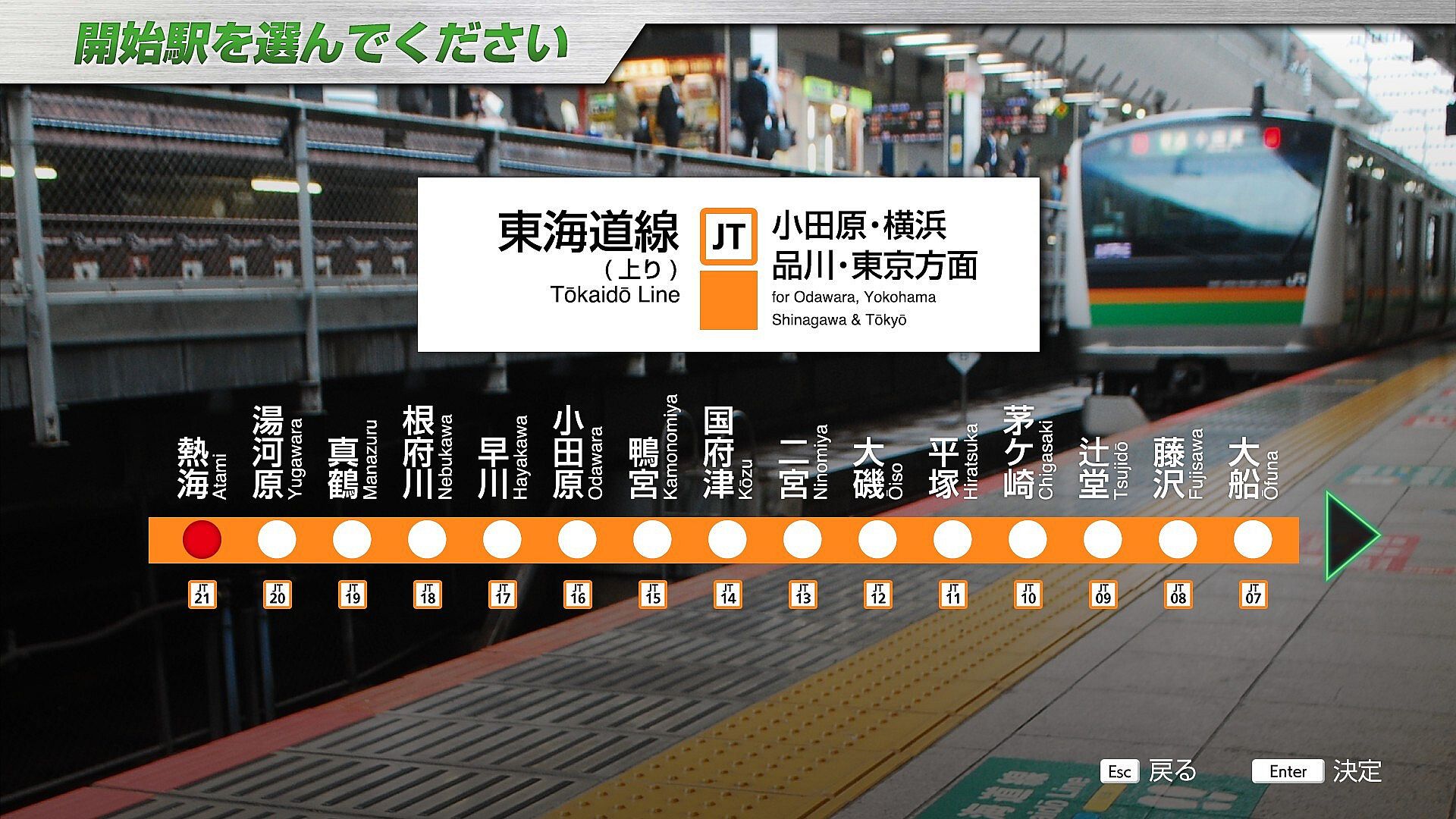
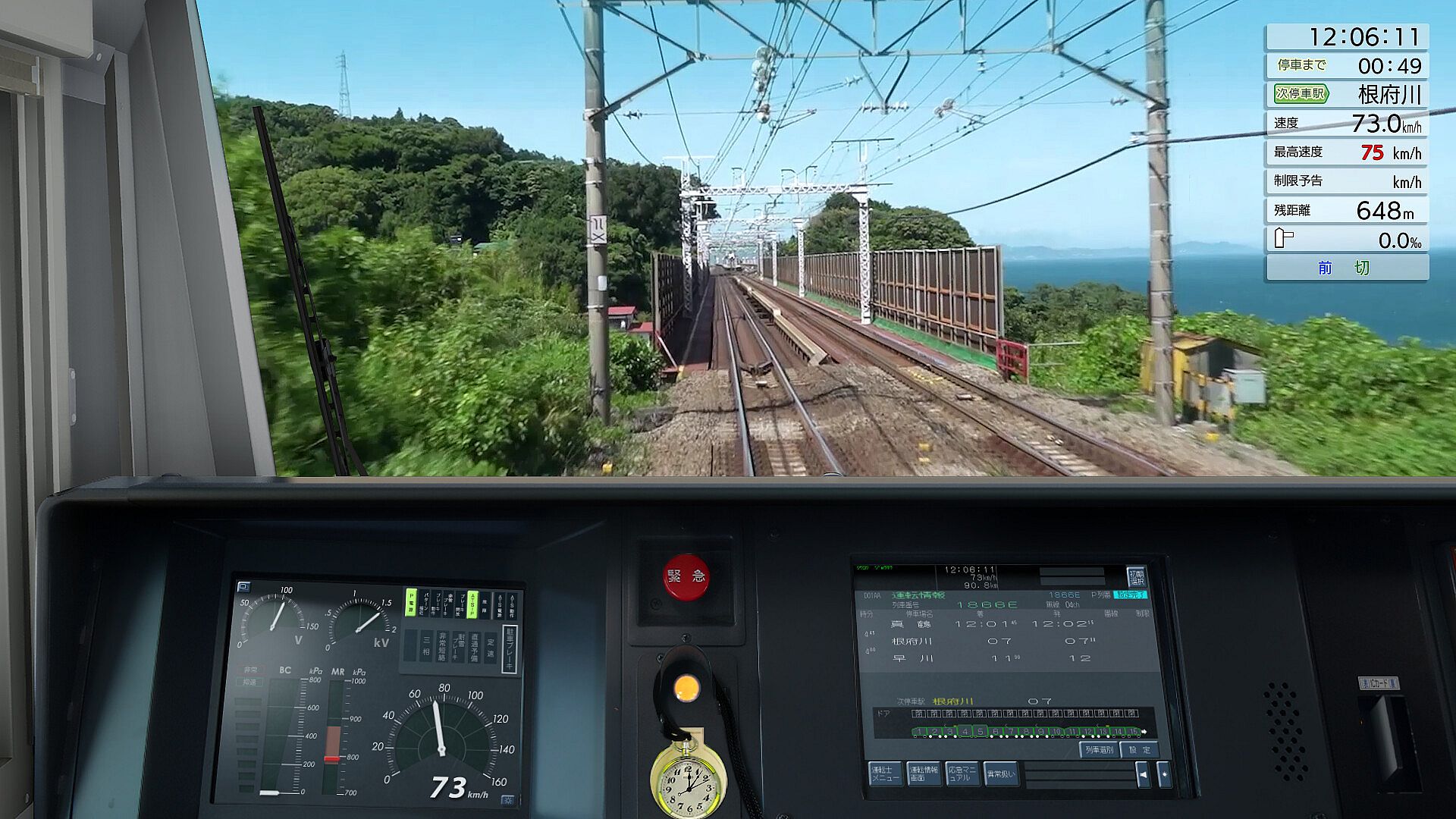
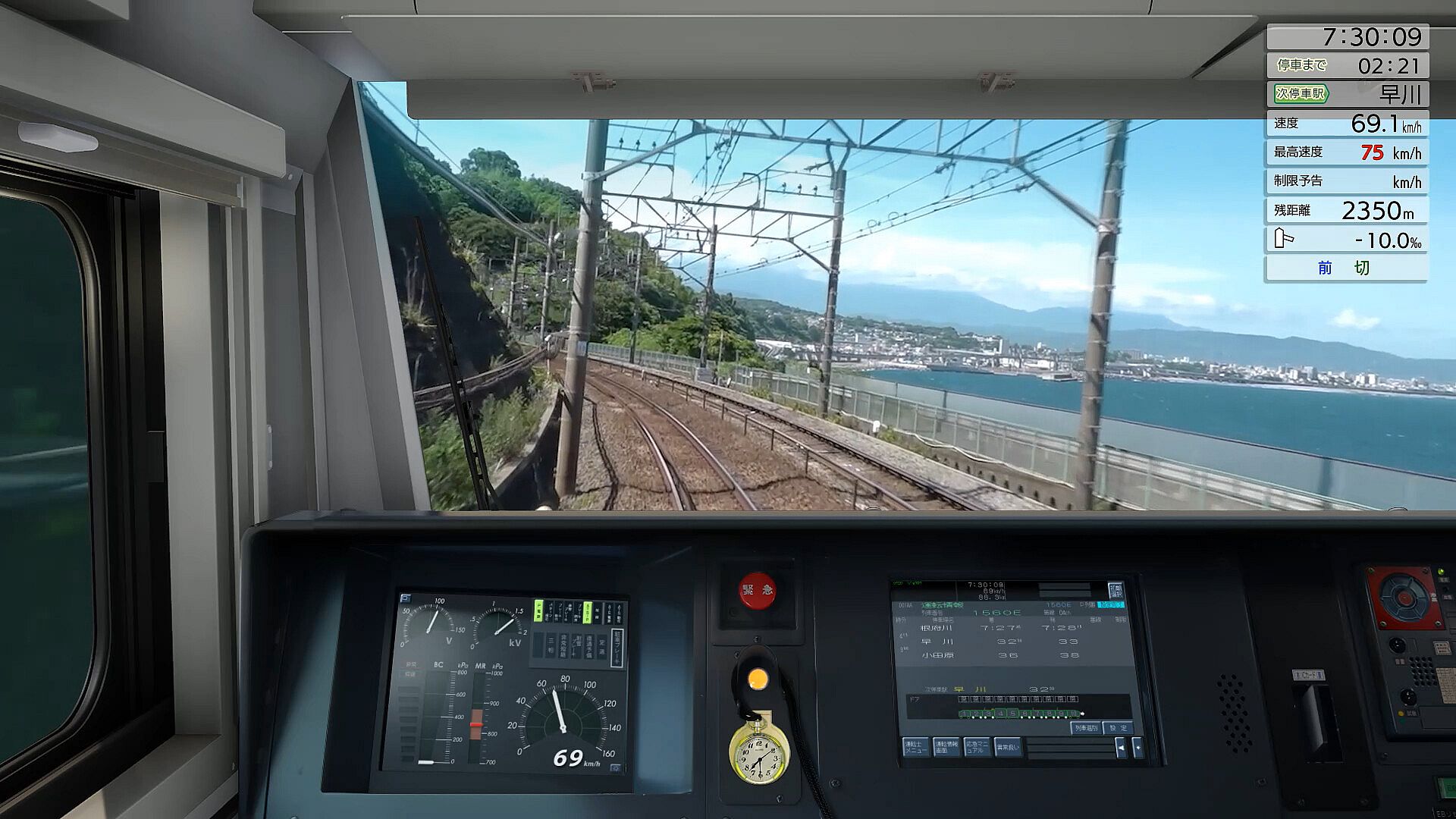
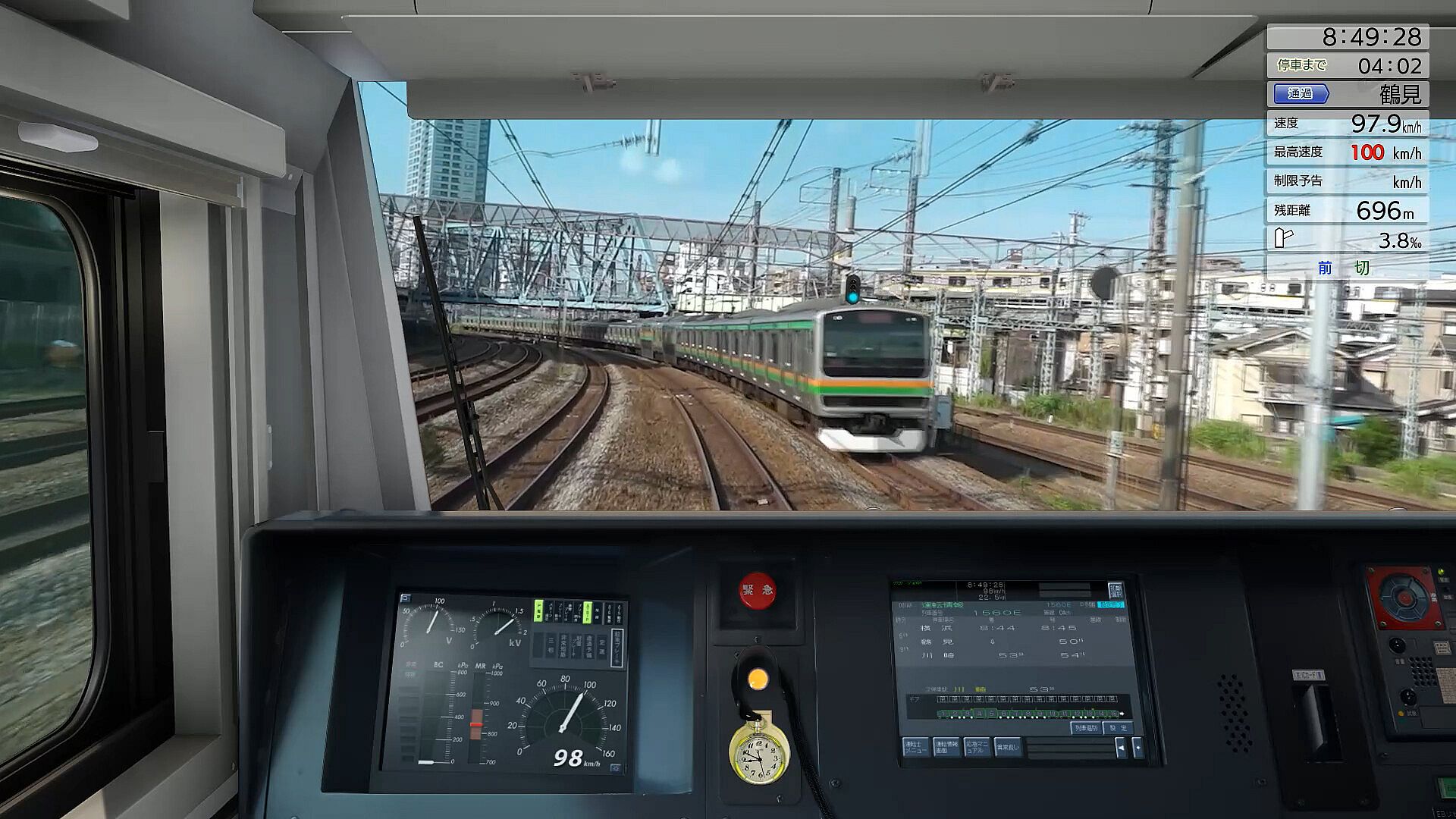
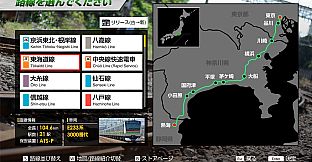
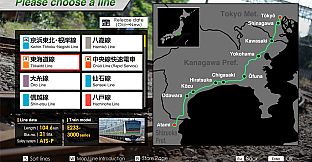
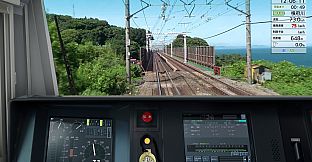
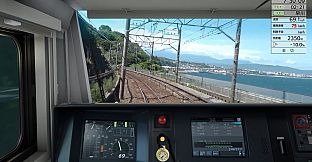
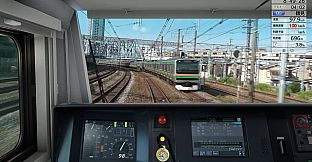
JR EAST Train Simulator: Tōkaidō Line Inbound (Atami to Tokyo) E233-3000 series delivers a precise recreation of operating a 15-car or 10-car E233-3000 series electric multiple unit along the 104.6 km JR East section of the Tōkaidō Line. This PC simulation places players in the cab for inbound runs from Atami Station to Tokyo Station, crossing Shizuoka, Kanagawa, and Tokyo prefectures while passing coastal scenery, river bridges, and urban stations.
Gameplay
The core experience centers on realistic train operation using the E233-3000 series. Players manage acceleration, braking, and speed limits while responding to randomized signals and track conditions. Auto announcements play with real crew voices recorded for the Shōnan and Sagami unification centers, adding authenticity to station stops and route progress. The simulator reproduces actual line features such as the uphill gradient approaching Manazuru Station, high-speed sections through tunnels like Manazuru Tunnel, and views of Mount Fuji from multiple points along the route.
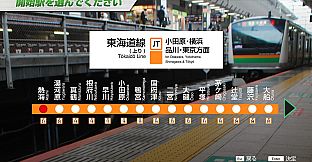
Station-specific details shape the driving task. At Atami Station, shared platforms with JR Central trains appear. Between Yugawara and Manazuru the up line climbs steadily. Nebukawa Station offers ocean views and turnaround operations on the middle track. Further along, Odawara Station serves multiple operators, Kōzu Station includes shunting movements, and Hiratsuka Station features coupling and uncoupling of 5-car sets. The final approach to Tokyo Station enforces a 45 km/h speed limit on the Atami side regardless of platform. Compatibility with existing E231 series and 185 series content allows the same timetables to run with those trains when owned.
Game Modes
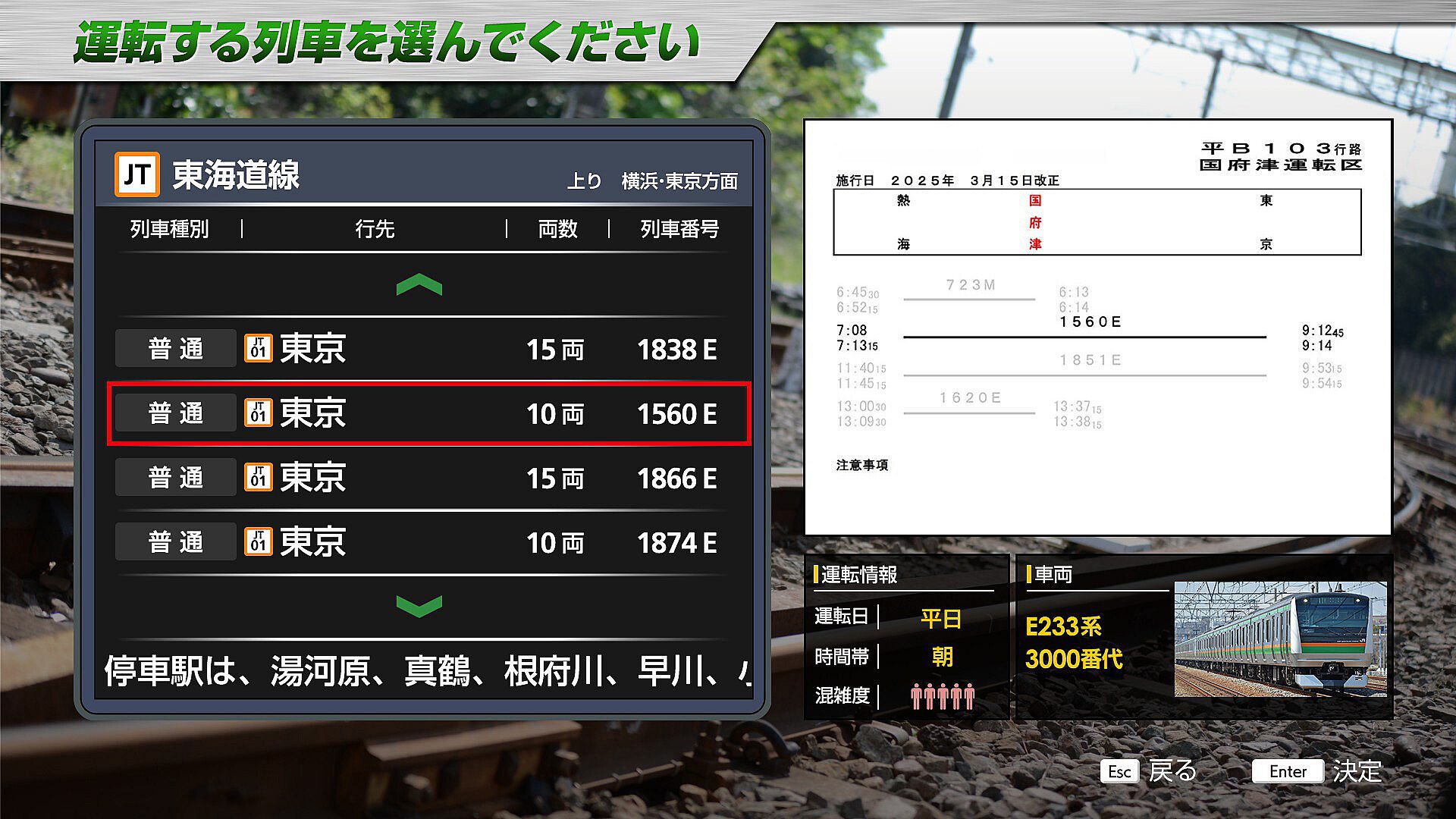
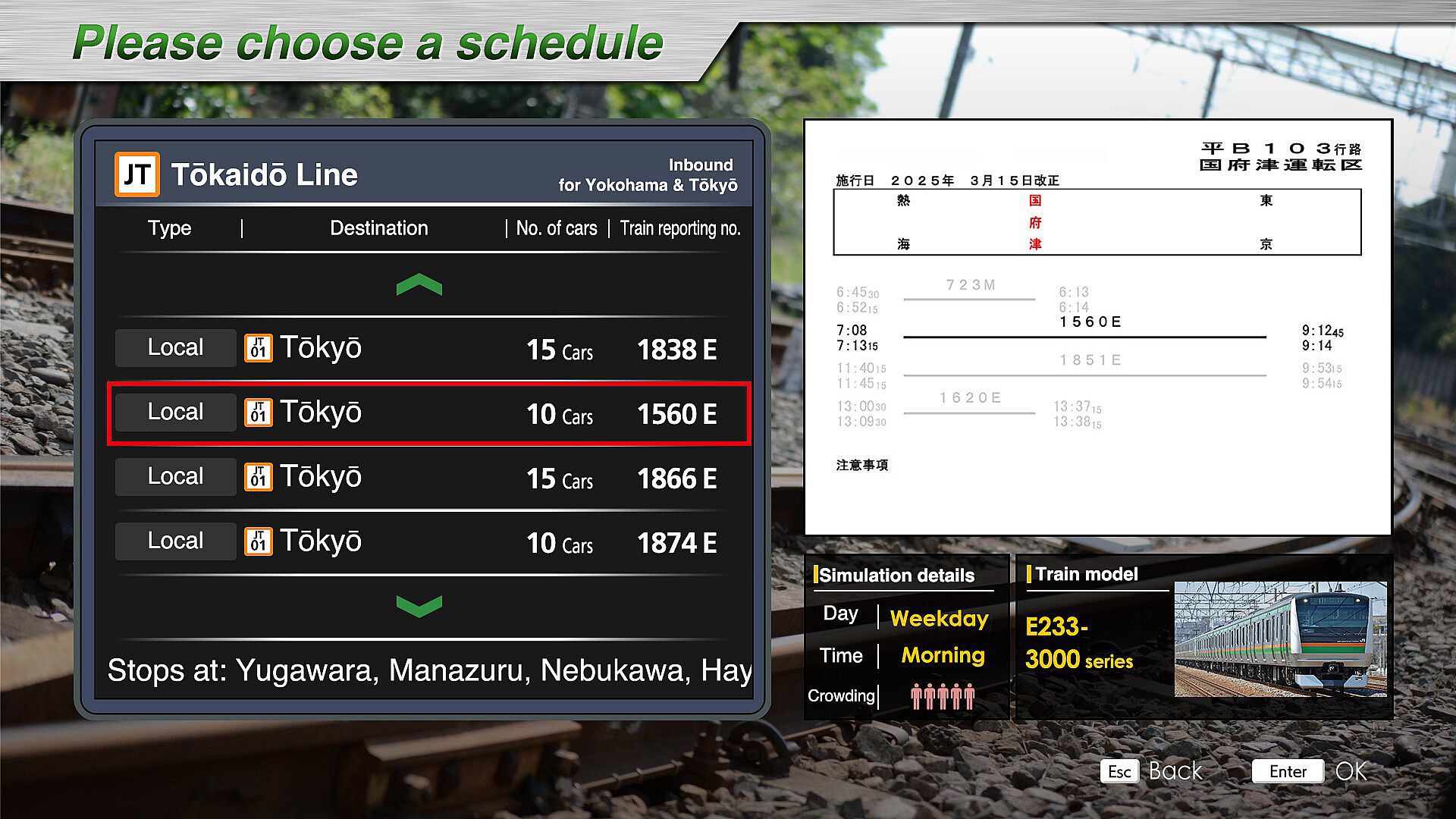
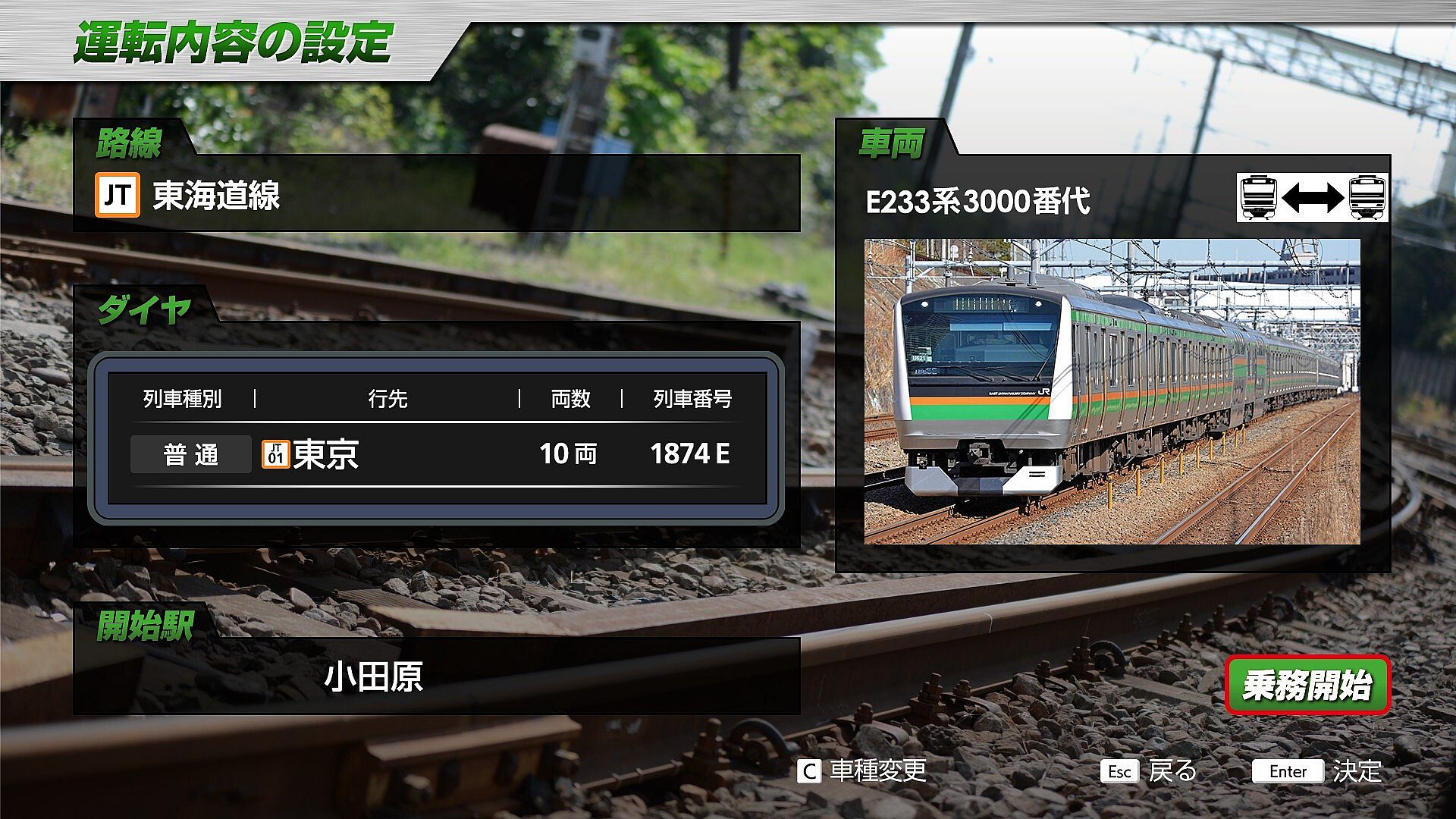
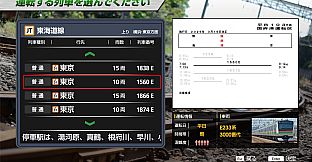
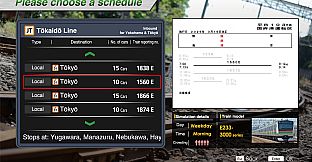
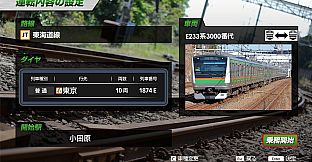
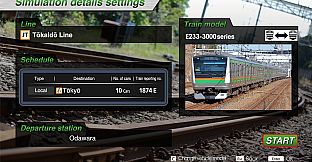
Operation focuses on scheduled services rather than free roam or scenarios. Weekday timetables include Local service 1838E from Ninomiya to Tokyo, Local 1560E from Atami to Tokyo, Local 1866E from Atami to Tokyo, Local 1874E from Odawara to Tokyo, and Rapid ACTY 3532E from Atami to Tokyo. All use the E233-3000 series in 10-car or 15-car formations. Owners of the 185 series DLC gain access to additional limited express runs such as Shōnan Liner 3722M, Odoriko 9064M, and Odoriko 3034M under the March 2013 timetable. These services emphasize timetable adherence, correct stopping positions, and signal compliance across the full inbound route.
Route and Scenery
The inbound journey highlights varied landscapes. Coastal sections near Nebukawa and Hayakawa provide sea views, while the stretch past Odawara reveals Mount Fuji in the distance. Urban segments through Yokohama, Kawasaki, and Shinagawa feature parallel running with other lines including the Yokosuka Line and Keihin-Tōhoku Line. Landmarks such as the Shimizuyato Tunnel, the oldest active railway tunnel in Japan, and the Kamakura Rolling Stock Center appear along the way. Station environments include the Yugawara Hand Bath facility, the Shōnan birthplace near Ōiso Station, and the multi-operator interchange at Odawara Station.
Is It Worth Playing?
This title suits players seeking authentic Japanese railway operation without arcade elements or scoring systems. The base JR EAST Train Simulator series holds Mostly Positive reviews overall, with recent feedback noting strong attention to real-world sounds, cab feel, and procedural signal behavior. The inbound Tōkaidō route adds a first reverse-direction option on an existing line, extending replay value for those who already own compatible DLC. Expect focused sessions centered on precise driving rather than open-world exploration or multiplayer. Those interested in professional-grade train simulation will find the verified timetables and line details rewarding; casual players may prefer titles with broader mechanics. The release on July 28, 2026, brings the route to the current Steam catalog alongside the established series.