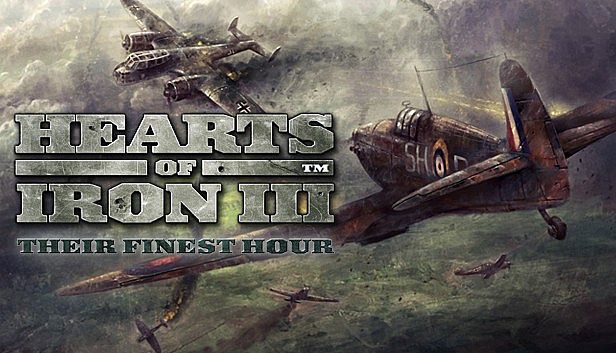










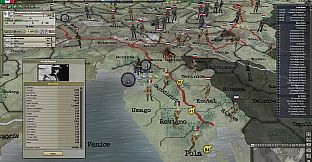
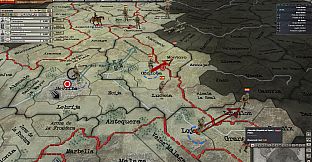
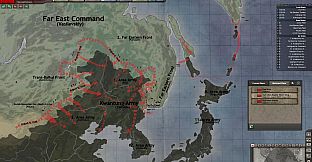
Hearts of Iron III: Their Finest Hour is a grand strategy game that places players in command of nations during World War II. The title expands on the base game with new units, systems for espionage and naval operations, and tools for planning military campaigns. It supports both extended singleplayer campaigns and real-time cooperation in multiplayer sessions.
Gameplay
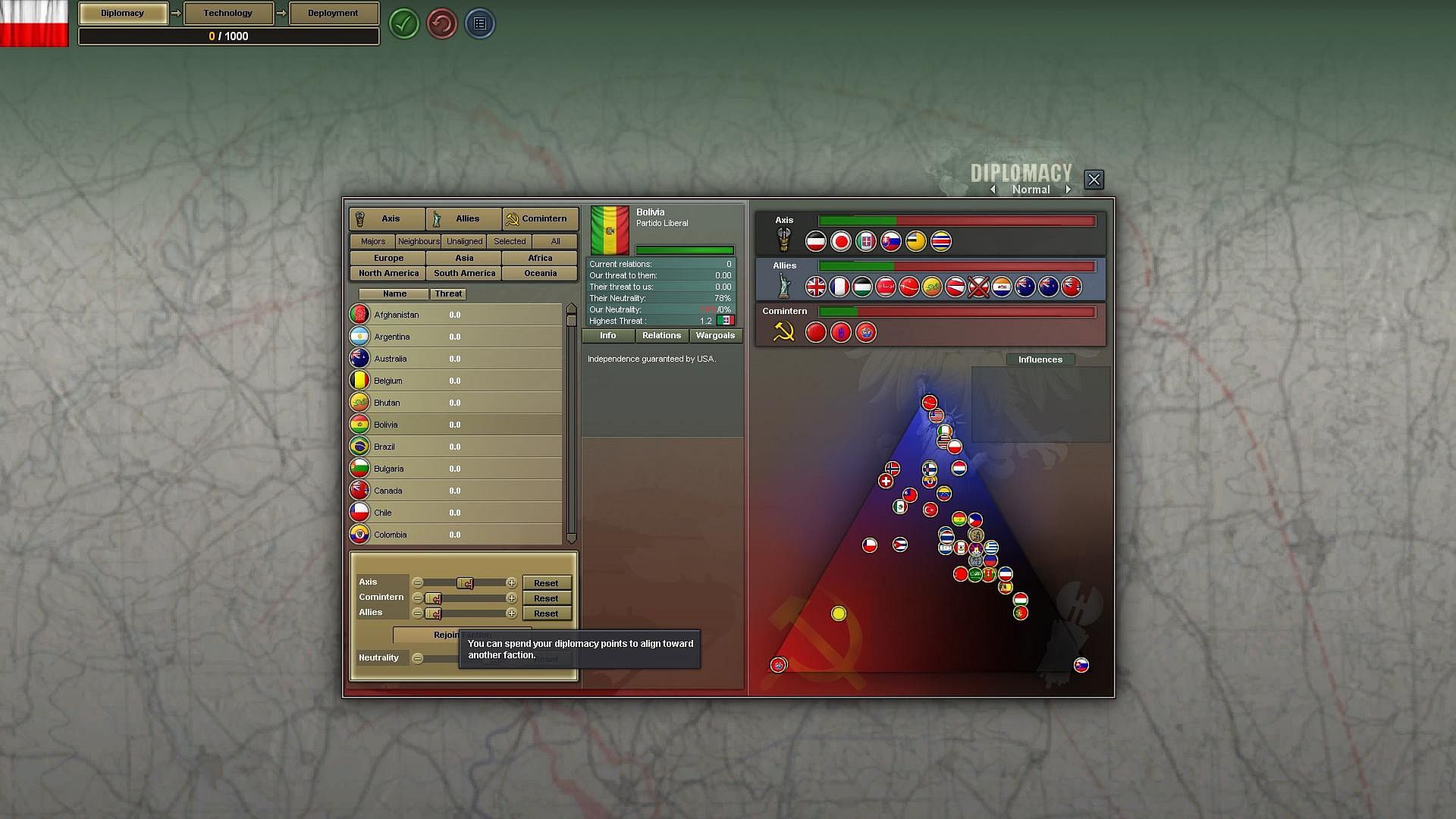
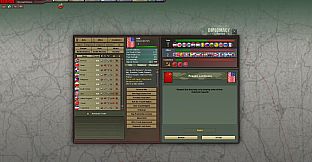
The core loop centers on managing national resources, directing military forces, and navigating diplomatic relations across the global conflict. Players oversee production, research, and political decisions while responding to events on multiple fronts. An expanded espionage system introduces additional missions and operations that target enemy infrastructure or gather intelligence from within opposing territories.
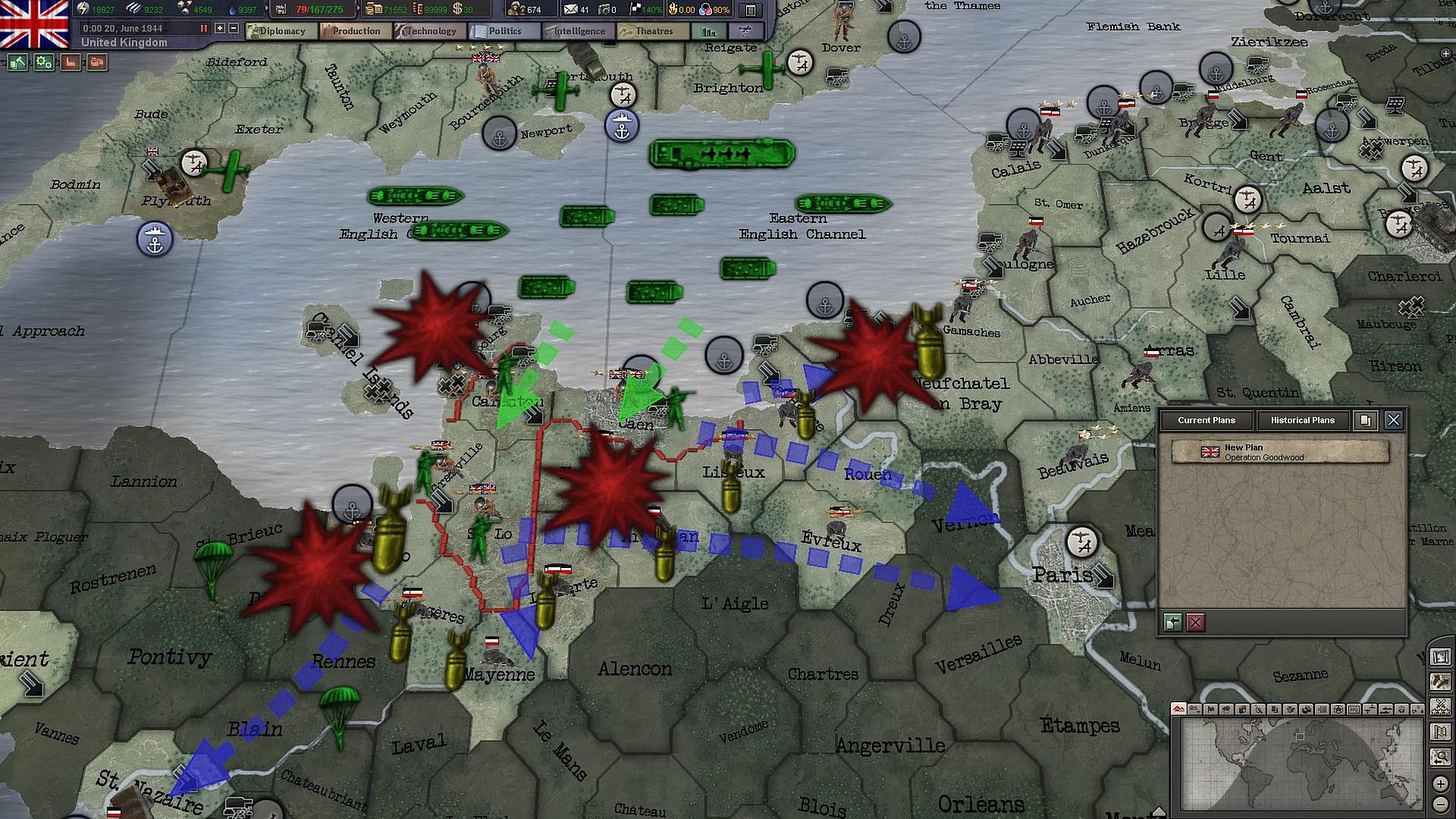
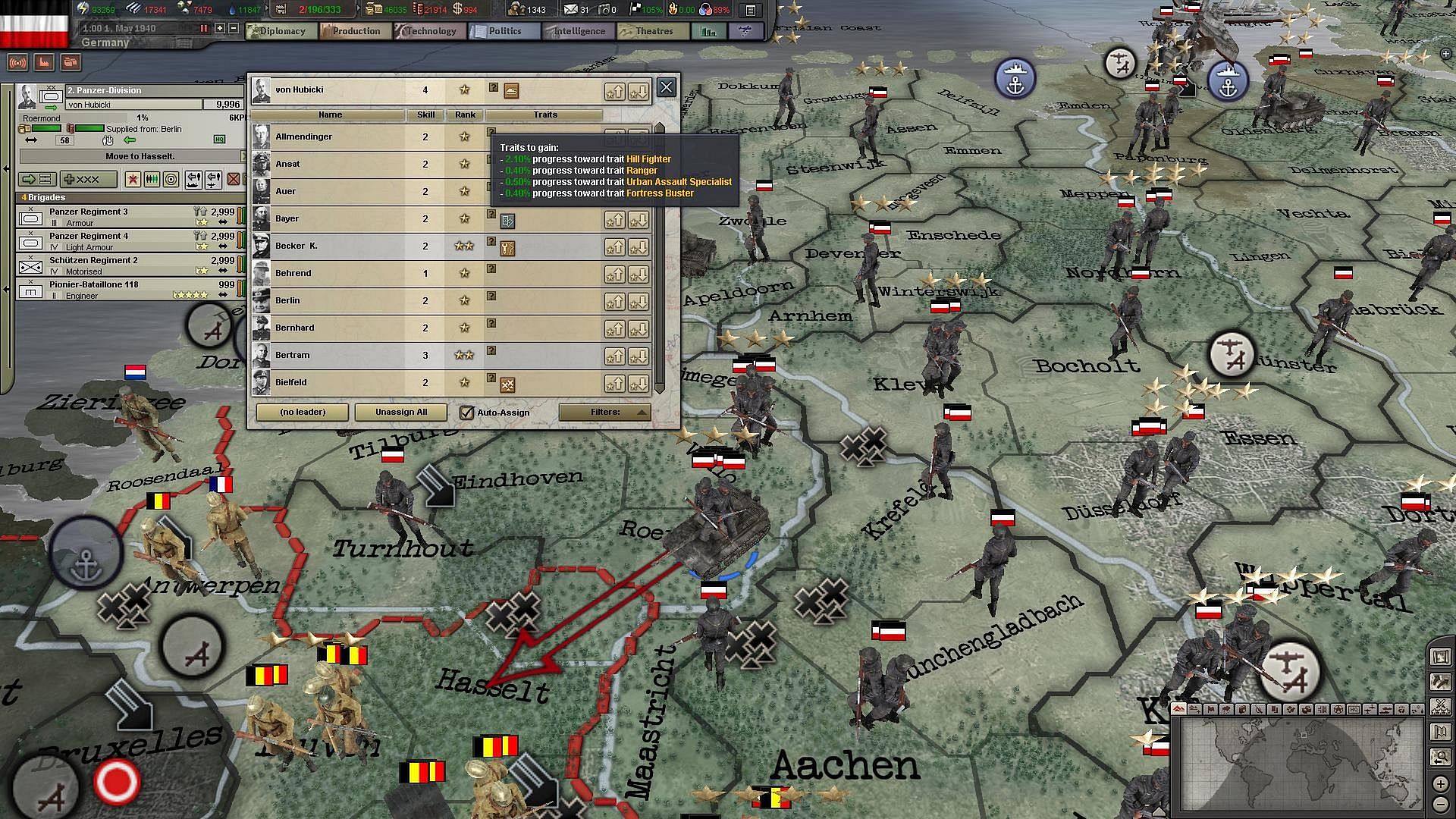
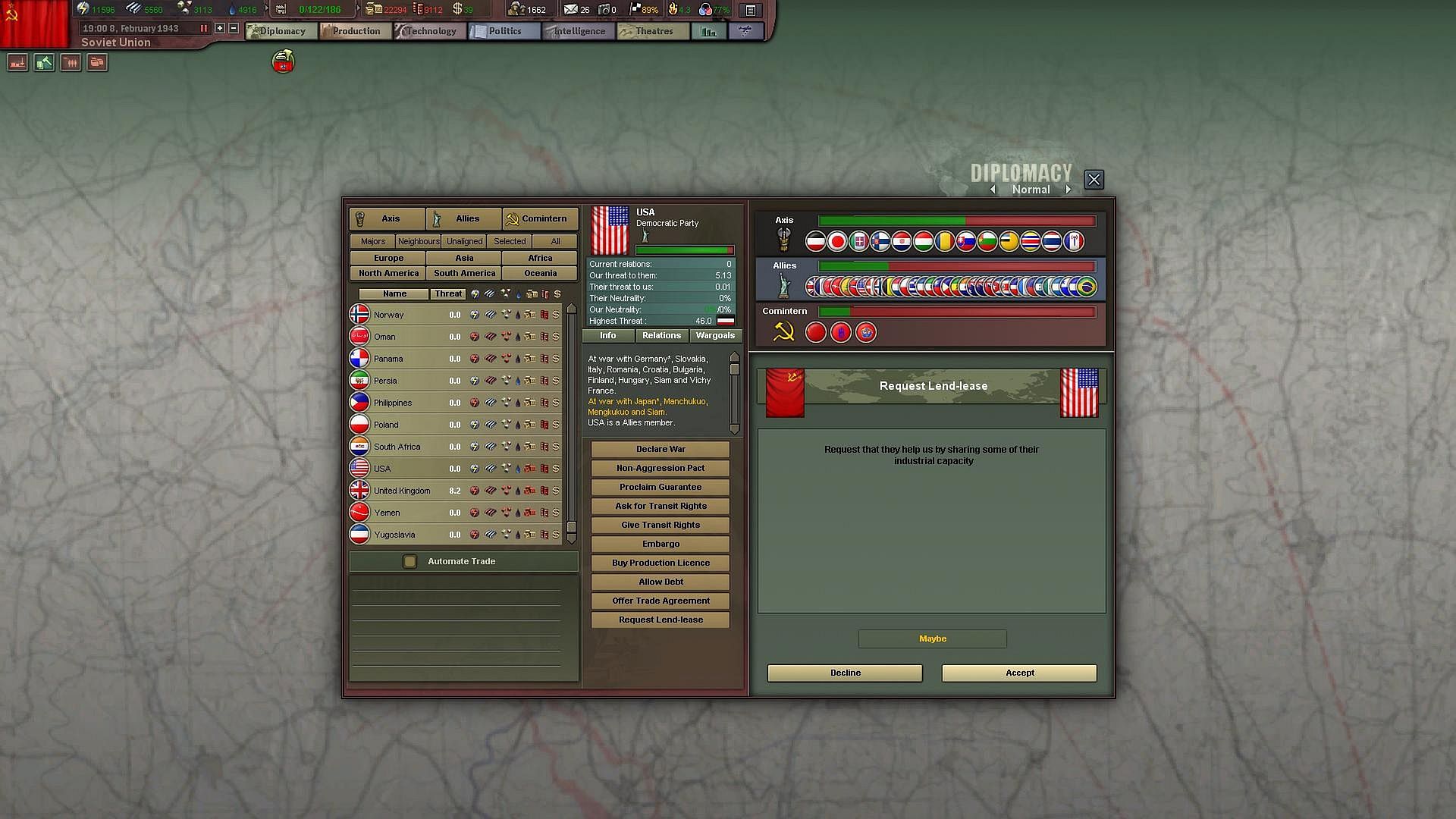
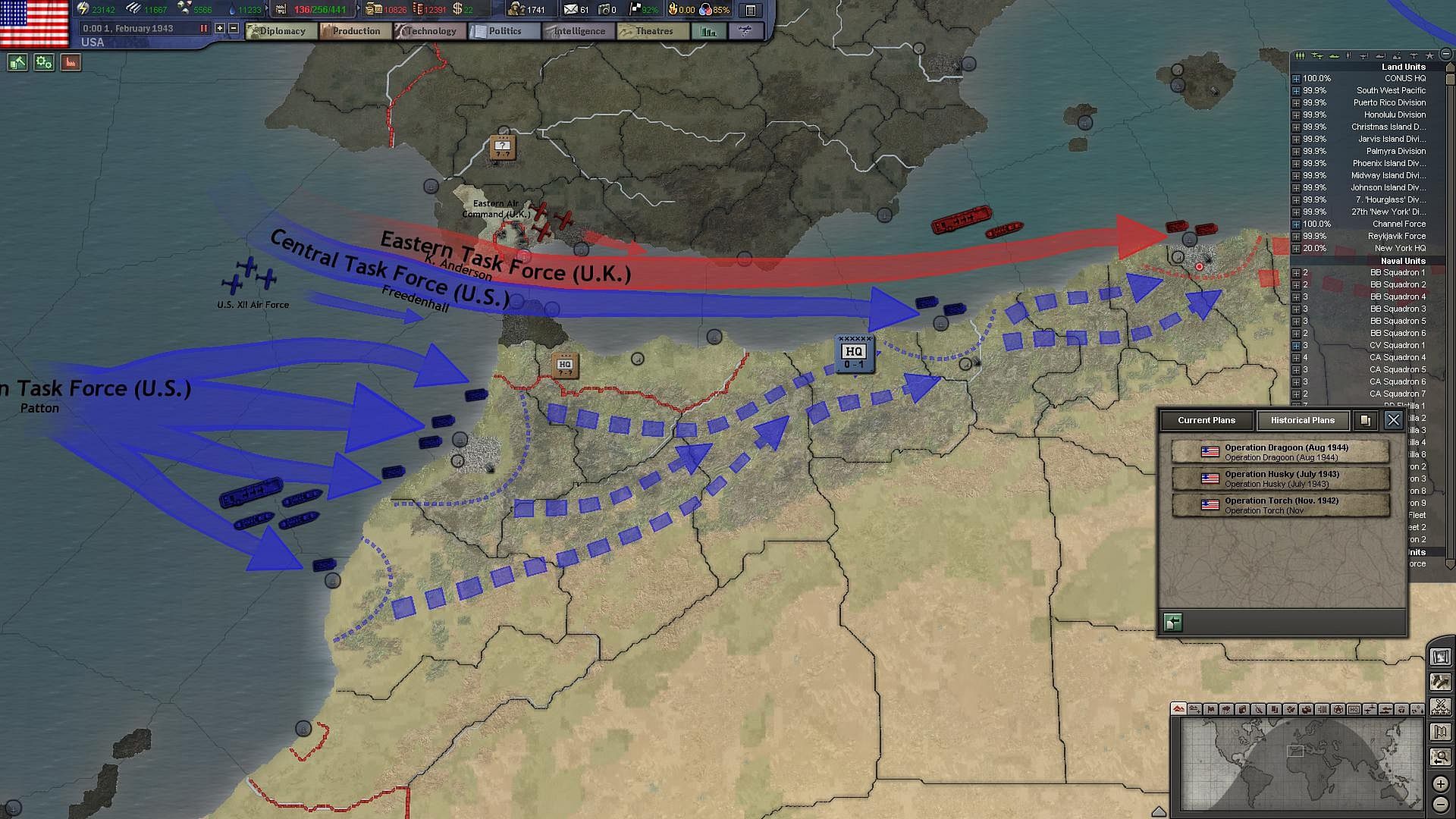
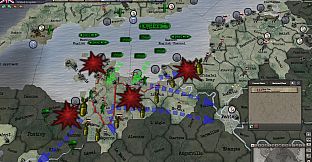
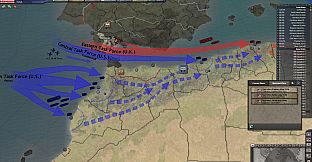
Naval invasions receive greater depth through specialized landing craft and assault options that improve the chances of successful amphibious operations. A lend-lease mechanic lets nations transfer industrial output to allies, altering the balance of power in prolonged wars. Military leaders accumulate traits over time, and a combat tactics system requires careful assignment of those leaders to maximize effectiveness in engagements.
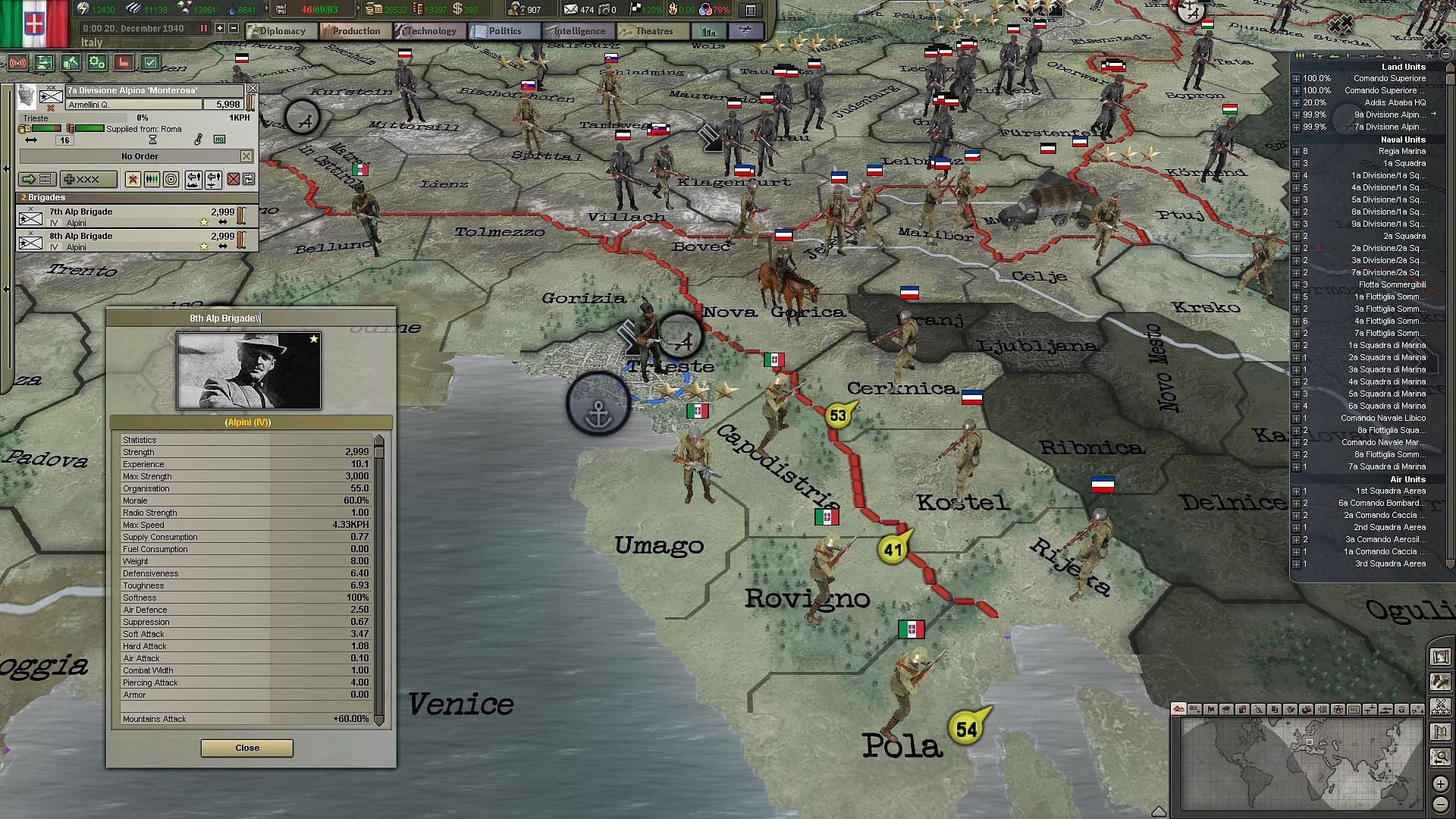
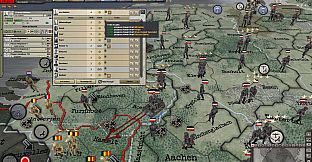
Elite units appear for major powers, including formations such as Ghurkhas, Rangers, and Imperial Guards. These additions encourage varied army compositions and reward attention to national strengths when building forces.
Game Modes
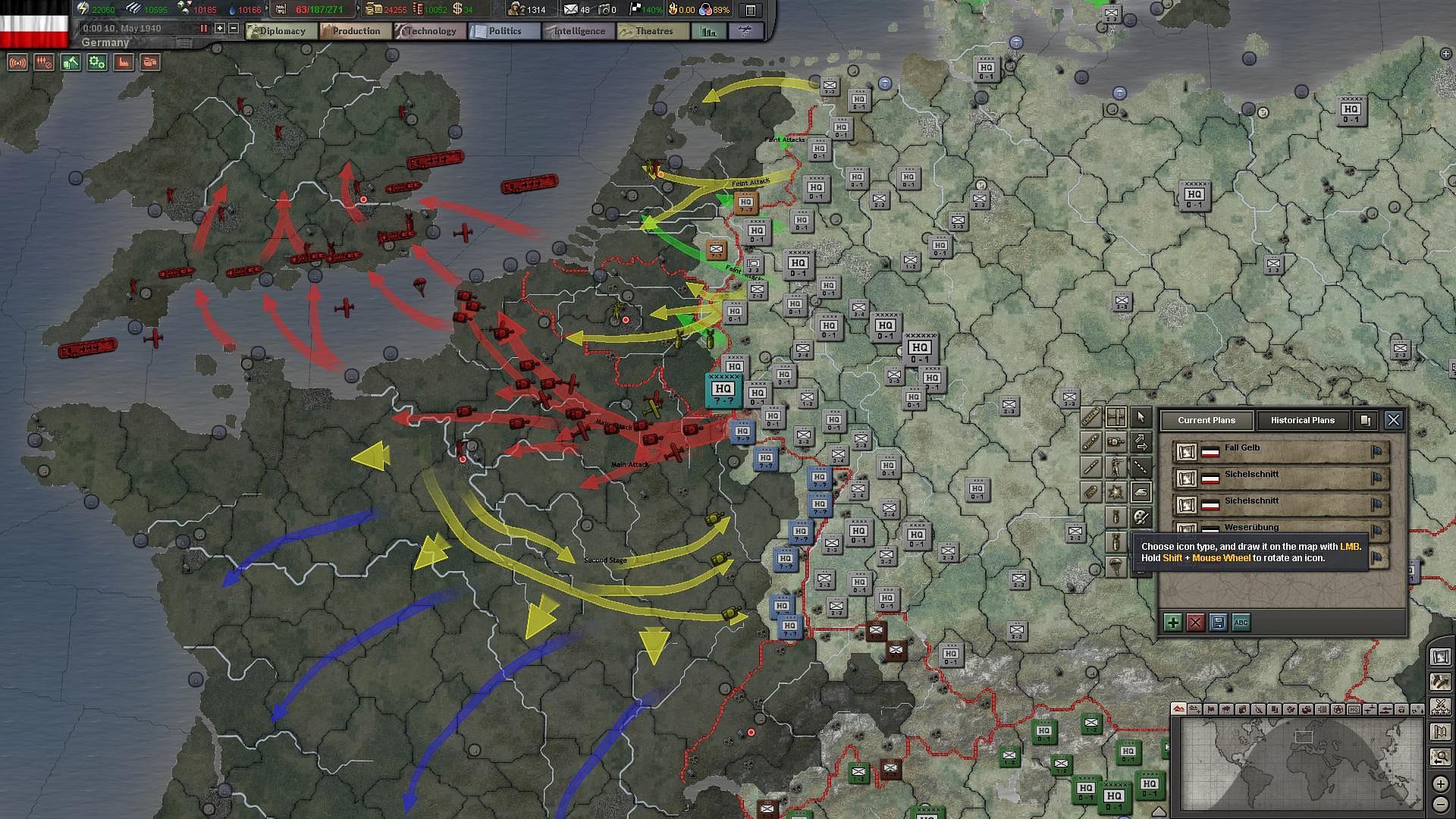
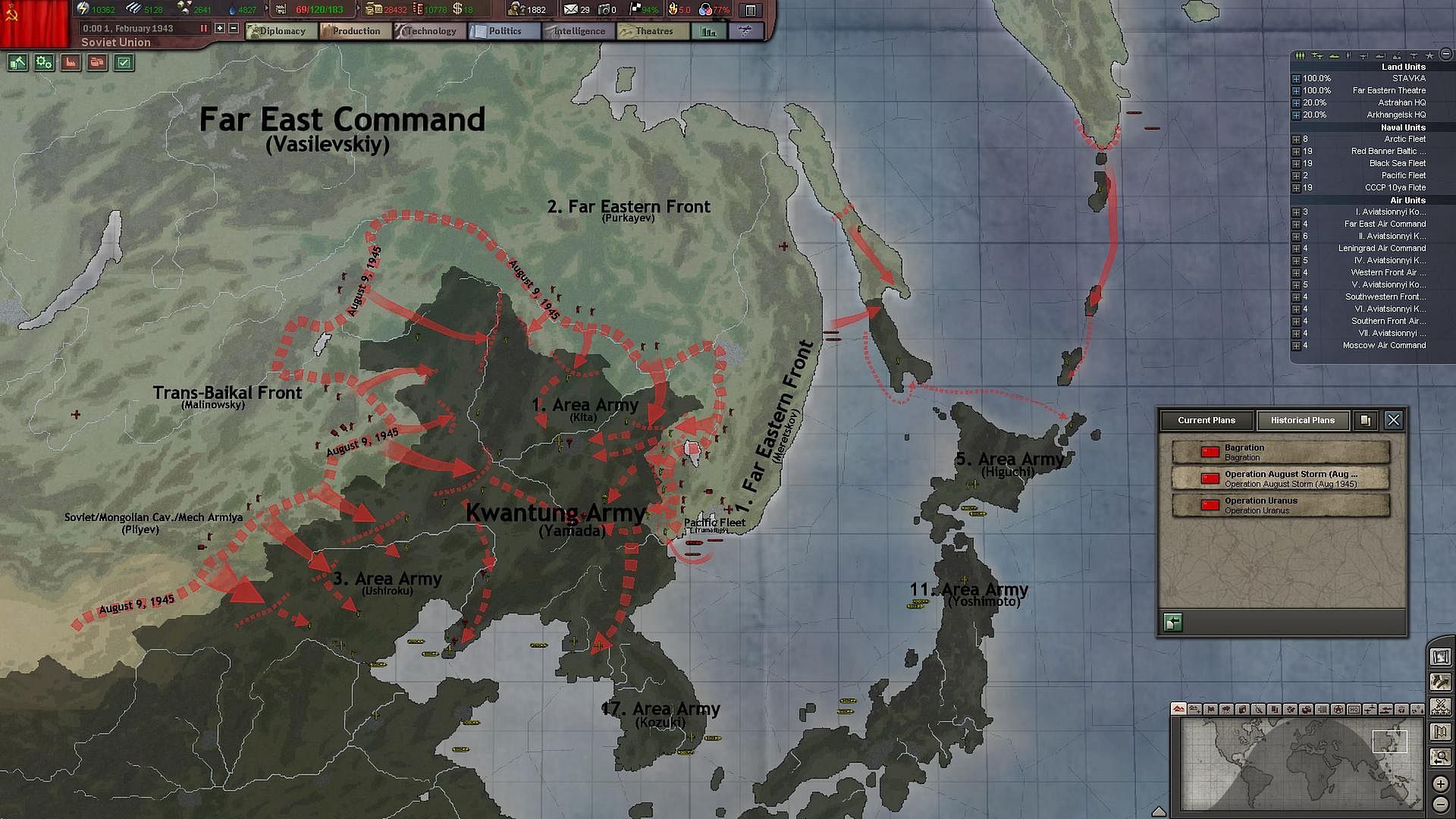
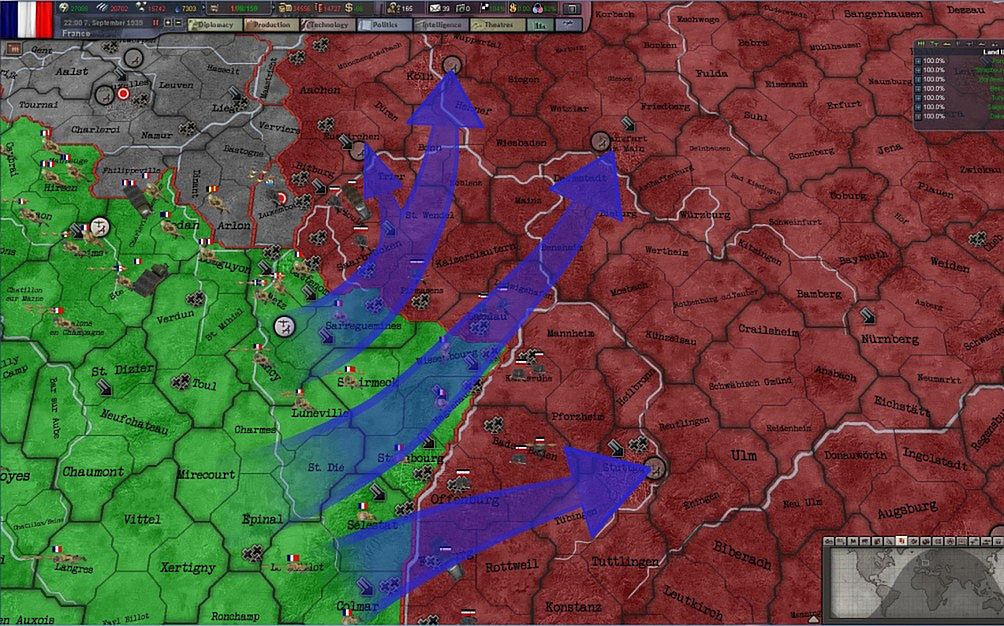
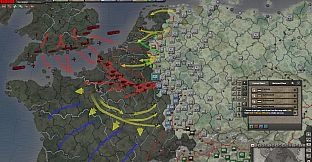
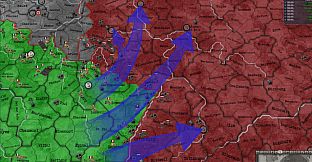
Battle plan mode lets commanders load historical operations or sketch custom plans on the map. These plans can be shared directly with allies during multiplayer matches, allowing coordinated execution without constant voice communication. The mode integrates with the existing campaign structure rather than replacing it.
Custom game mode starts players with a blank slate on any nation. It permits immediate unit production, technology research, and shifts in political alignment. This setup compresses the early phases of a campaign and moves directly into active conflict.
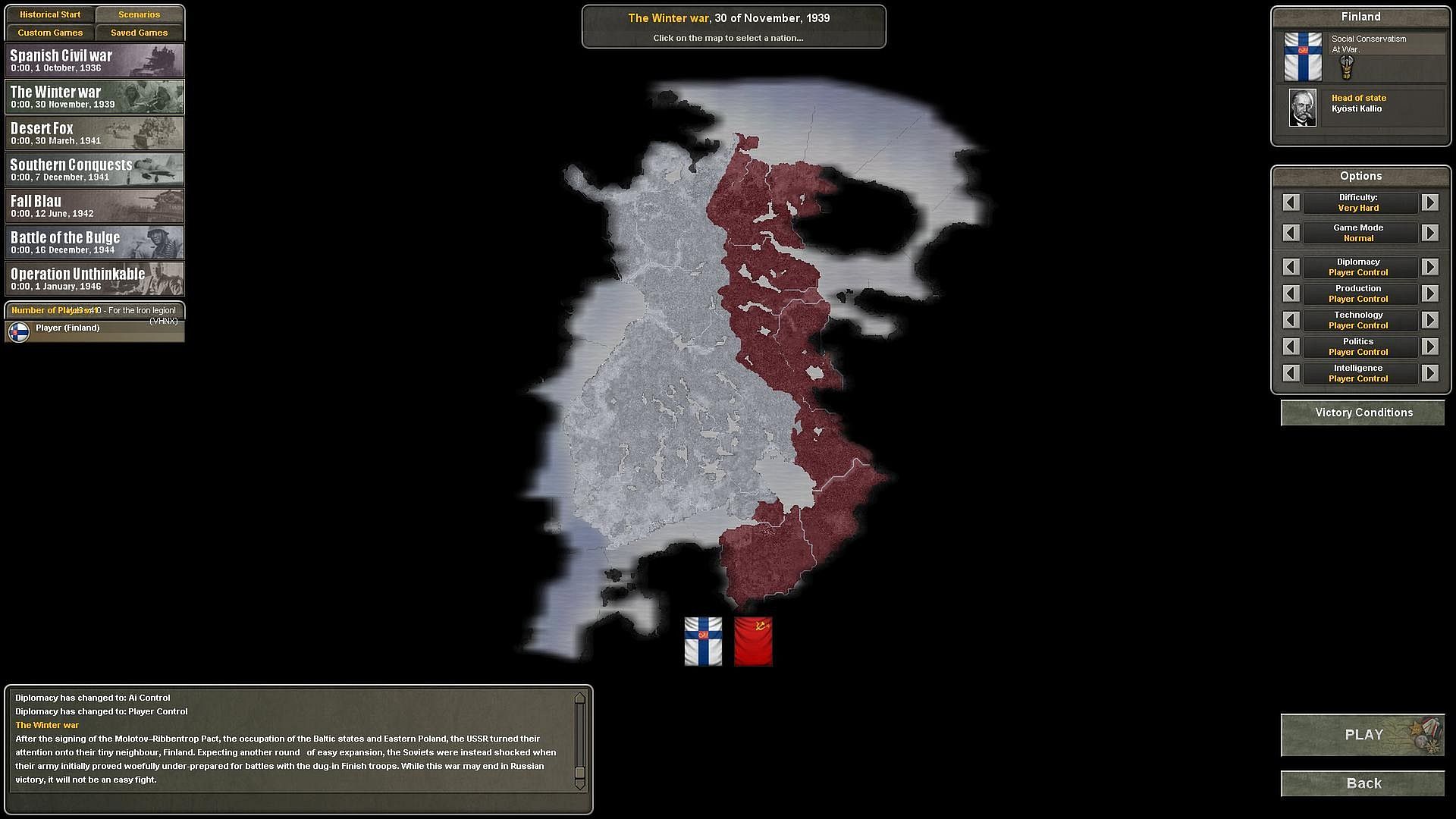
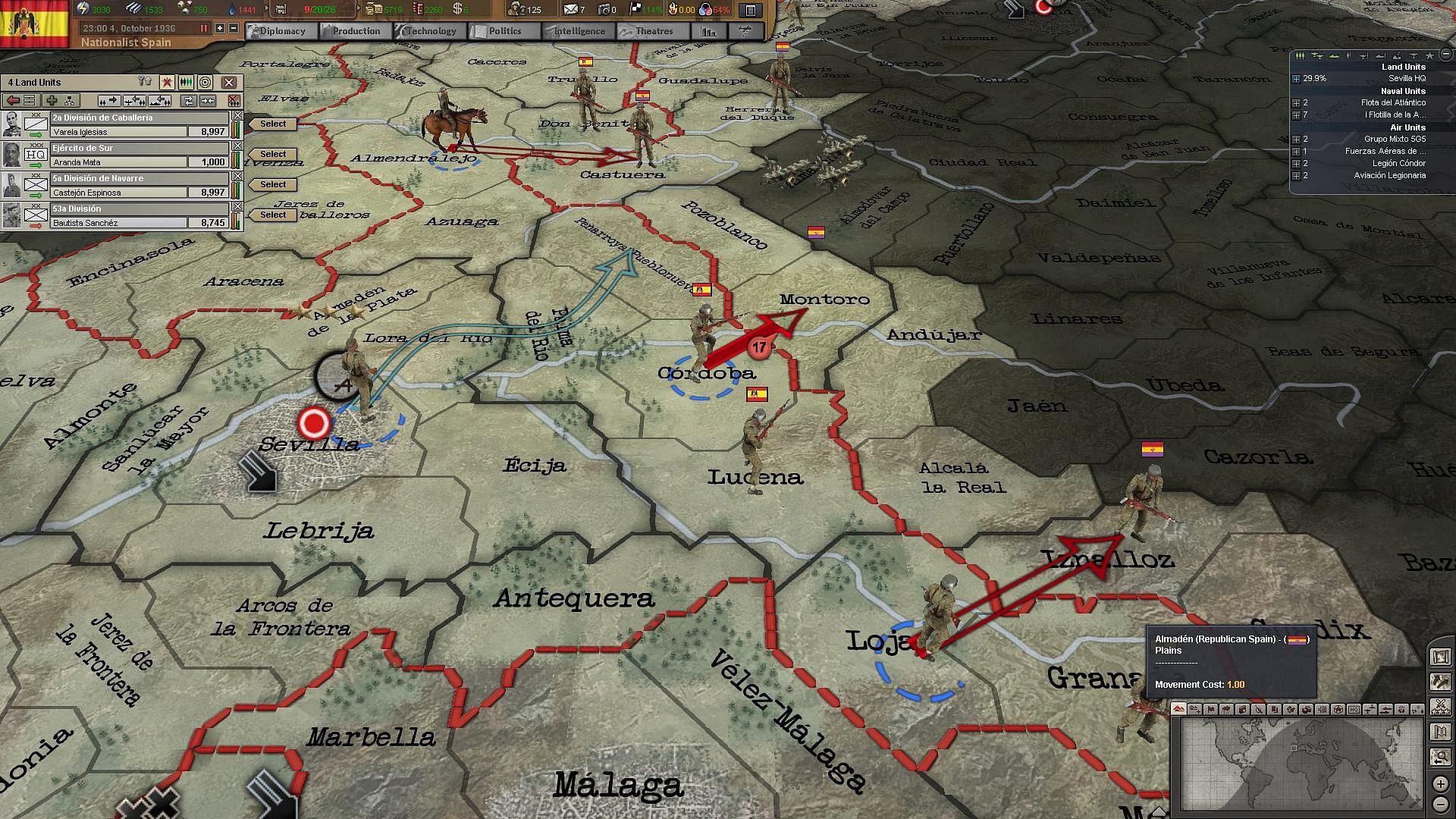
Two dedicated battle scenarios focus on specific historical episodes. The Finnish Winter War scenario examines the conflict between Finland and the Soviet Union. The Spanish Civil War scenario covers the internal struggle that preceded broader European fighting. Both run as self-contained experiences separate from the full grand campaign.
Strategic Warfare and Diplomacy
Industrial output becomes a transferable asset through the lend-lease system, enabling support for allies without direct troop commitments. Espionage missions expand options for disrupting enemy supply lines or influencing neutral countries. The combination of these systems rewards long-term planning over reactive tactics.
Multiplayer sessions benefit from the shared battle plans and the ability to coordinate lend-lease deliveries in real time. Singleplayer campaigns retain the same depth but allow slower pacing for detailed management of every theater.
Is It Worth Playing?
The expansion suits players who already enjoy detailed grand strategy titles and want additional tools for espionage, naval landings, and campaign planning. Its mechanics reward careful allocation of leaders and resources across extended campaigns that can span years of in-game time.
Those seeking quick matches or simplified interfaces may find the interface and pace demanding. The title receives no further updates or seasonal content, so expectations should center on the complete package available at launch. It remains available for PC and continues to attract players interested in World War II simulations that emphasize logistics and high-level decision making over direct unit control.