











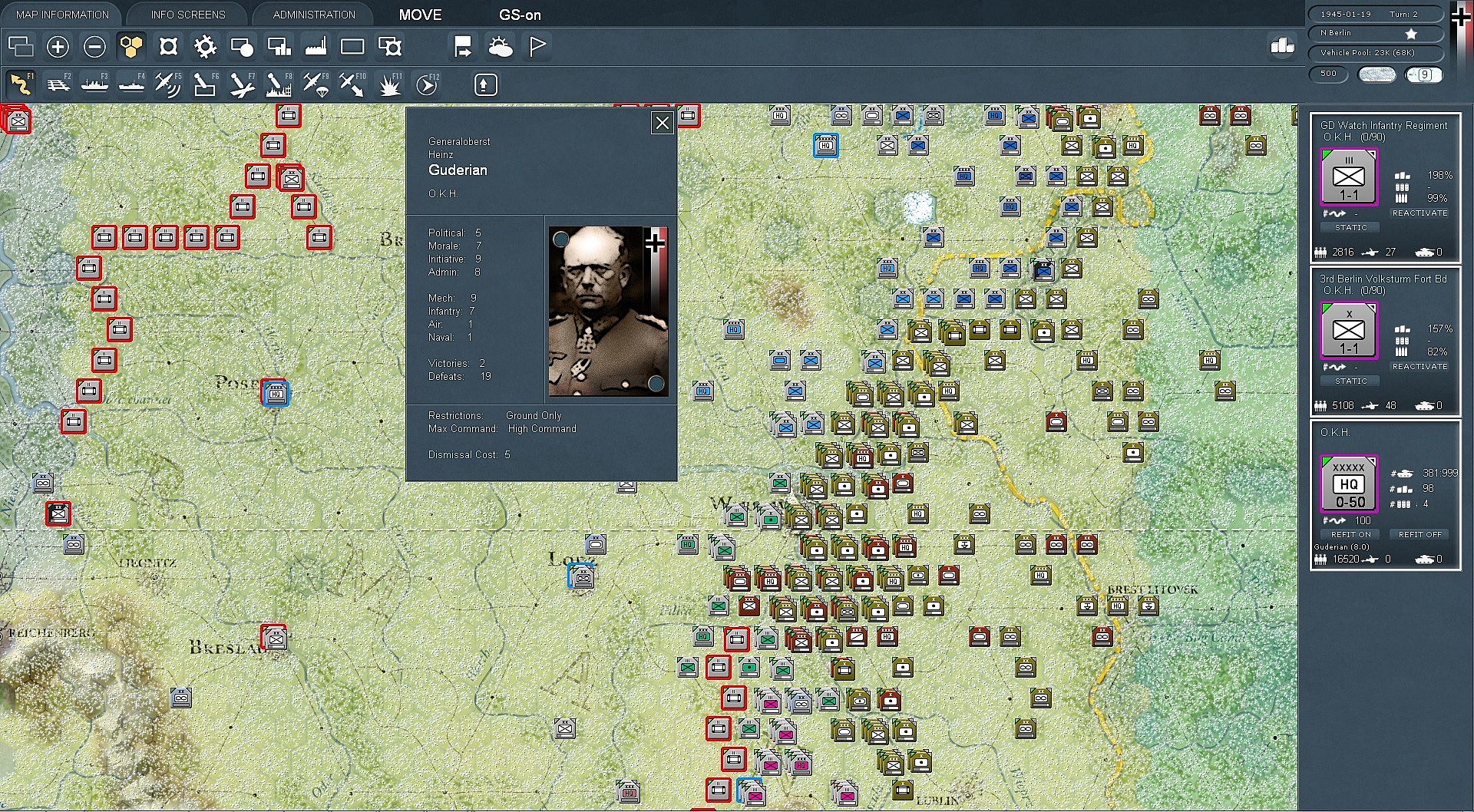
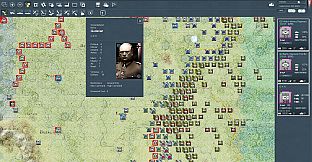
Gary Grigsby's War in the East: Lost Battles is a strategy simulation game set on the PC platform that expands the Eastern Front focus of its base title with additional World War II scenarios. Players manage German and Soviet forces across historical operations, handling logistics, supply lines, unit morale, and combat outcomes in a turn-based format that emphasizes realistic operational constraints.
Gameplay
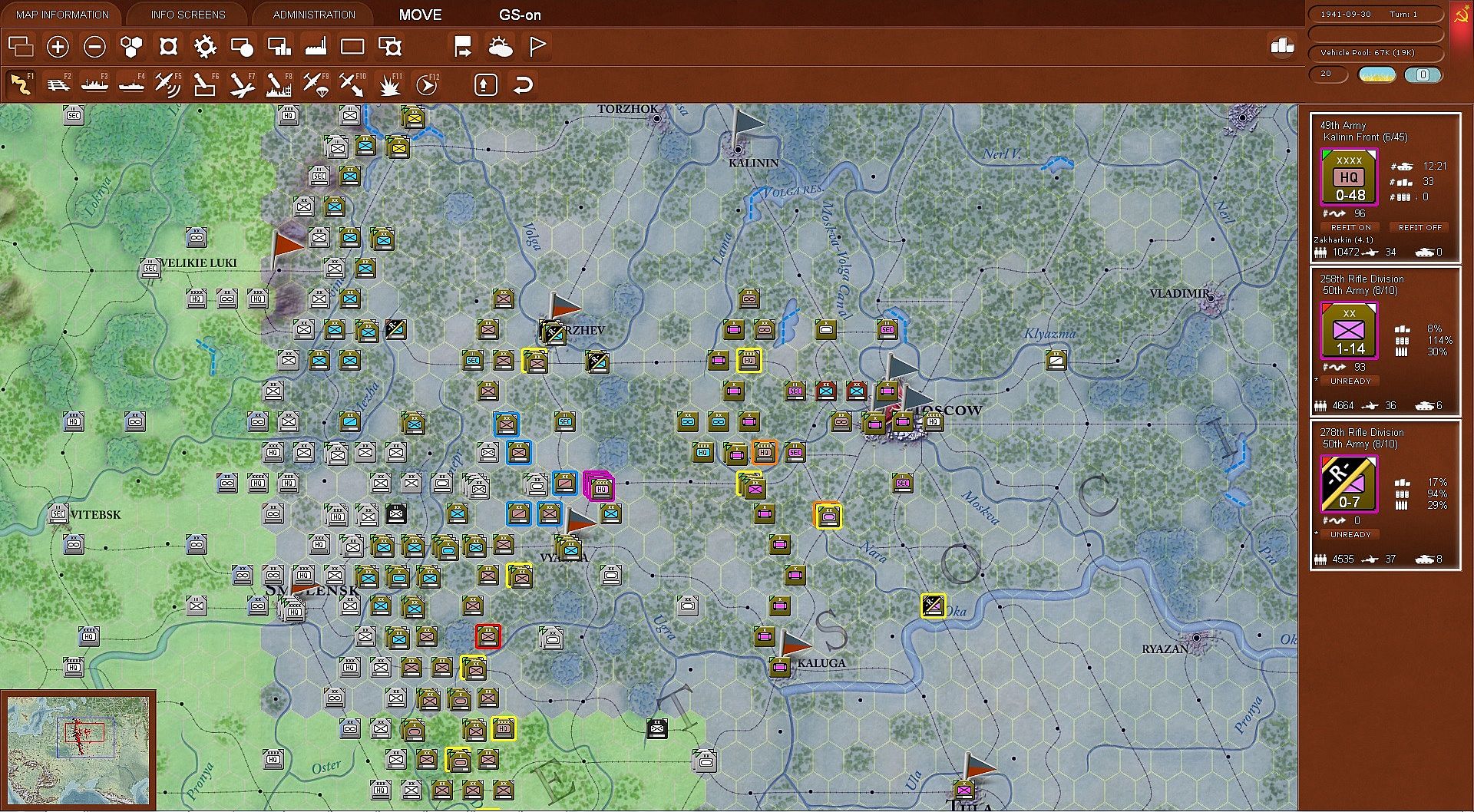
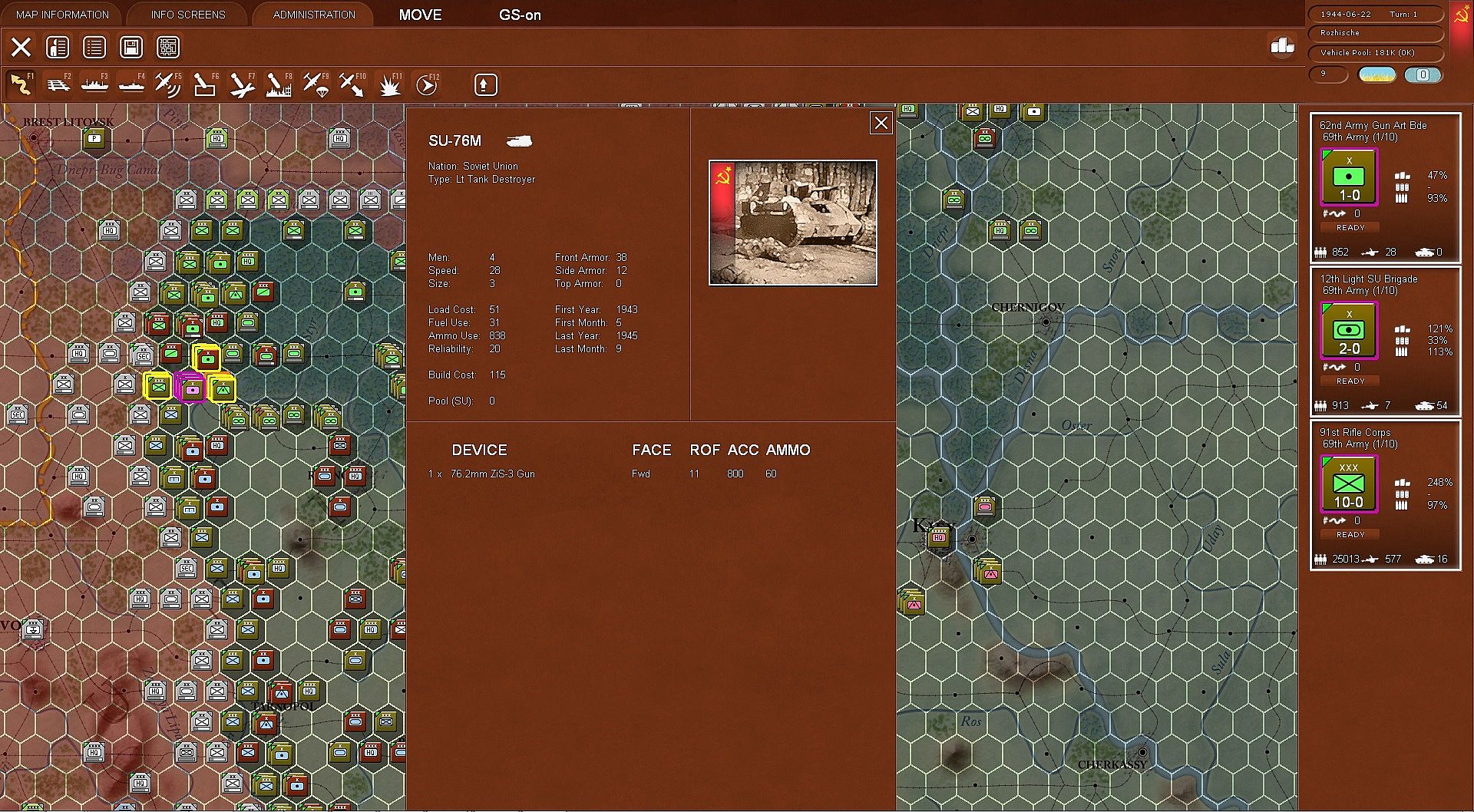
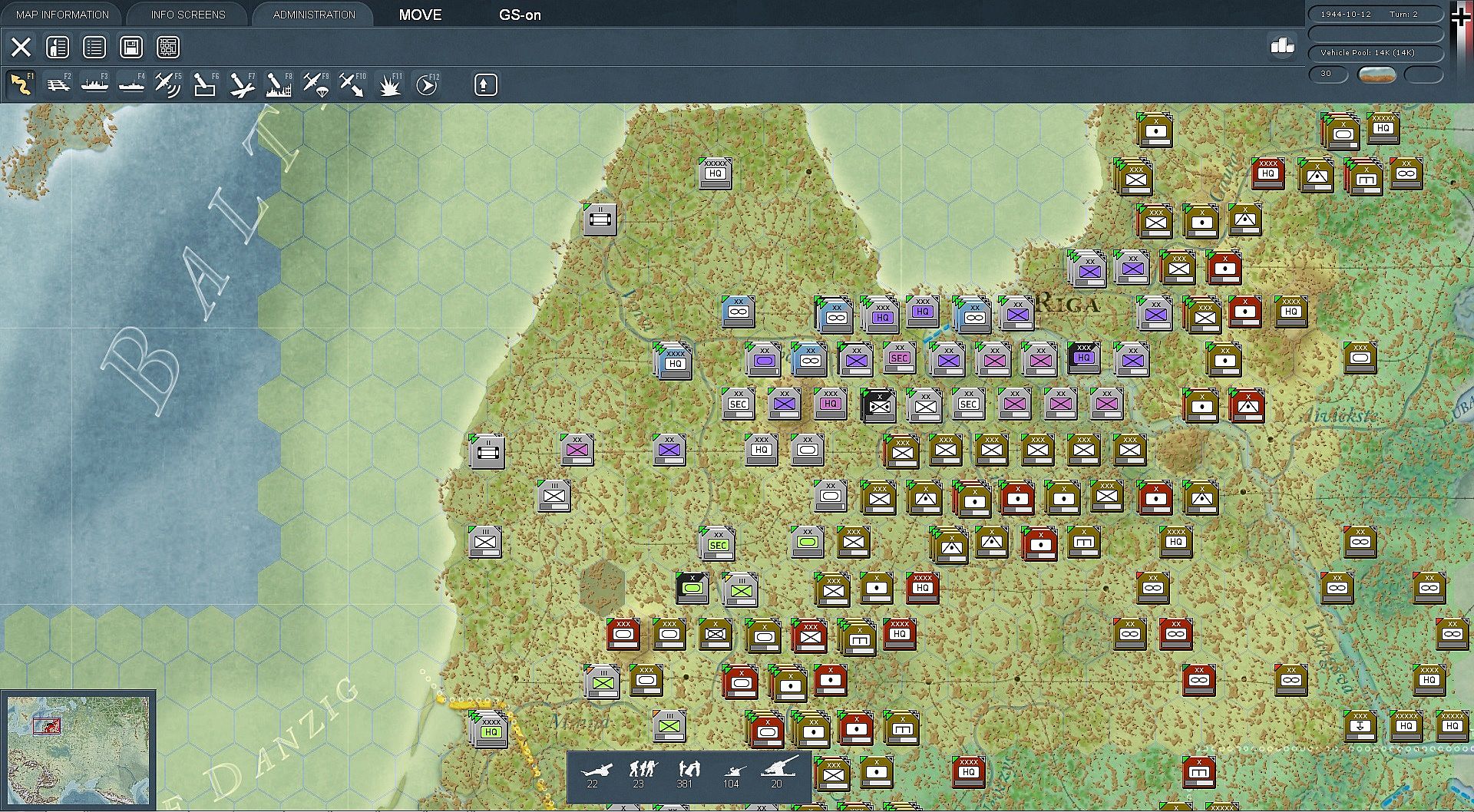
The core loop centers on planning and executing movements and attacks across detailed maps that reflect terrain, weather, and historical orders of battle. Each turn involves allocating resources while accounting for fatigue, experience levels, and leadership quality among divisions, corps, and armies. Supply management plays a central role, as shortages can limit offensive or defensive options over multiple turns. The system incorporates air support coordination and tactical decisions that influence larger strategic results, with shorter scenarios allowing focused practice on specific elements like offensive maneuvers or defensive setups.
Rule changes from the accompanying 1.07.xx update integrate into all content, refining how combat resolutions, movement, and support elements interact. Historical notes accompany each scenario to provide context on the operations represented, supporting informed decision making without altering the underlying simulation mechanics.
Game Modes
Content consists of eleven scenarios that range from brief engagements to extended campaigns. Shorter options include Operation Mars 1942, Courland Pocket 44, Operation Konrad, Liberation of Leningrad 44, Smolensk 1941, and Operation Bagration, each lasting between eight and fourteen turns. Medium-length scenarios cover the Battle for Moscow 1941-42, Vistula to Berlin 1945, and Winter 42-43, spanning up to twenty-nine turns. Larger formats feature the Stalingrad to Berlin Campaign over 130 turns and a sudden death victory variant of the 1941-45 campaign extending to 211 turns.
These modes support play against the AI on either side, with adjustable difficulty settings that modify assistance levels for each faction. The structure allows progression from compact battles that build familiarity with mechanics to full-scale operations that test sustained planning across months of simulated time.
Scenarios and Scale
Each scenario draws from specific World War II operations on the Eastern Front, presenting distinct challenges in timing, force composition, and objectives. Shorter scenarios emphasize rapid execution and skill refinement in areas such as air-ground coordination, while the campaign-length options require long-term management of supply networks and reinforcement flows. A PDF reference manual supplies maps and background details for every included battle, aiding preparation without interrupting the turn sequence.
The variety covers both German and Soviet perspectives across different phases of the conflict, from early 1941 actions to late-war pushes toward Berlin. This range supports repeated playthroughs with varying strategic approaches while maintaining the same foundational simulation rules.
Is It Worth Playing?
The expansion delivers targeted additions for players already familiar with the base game engine who seek more Eastern Front content in manageable or expansive formats. It suits those interested in detailed turn-based strategy simulations that prioritize logistics and historical operational constraints over simplified abstractions. Limited user feedback on the platform highlights the appeal of the scenario selection for variety, though the experience remains best suited to enthusiasts of complex wargame systems rather than newcomers seeking lighter entry points. Availability centers on the PC platform with the requirement of the original title to access the added scenarios.