





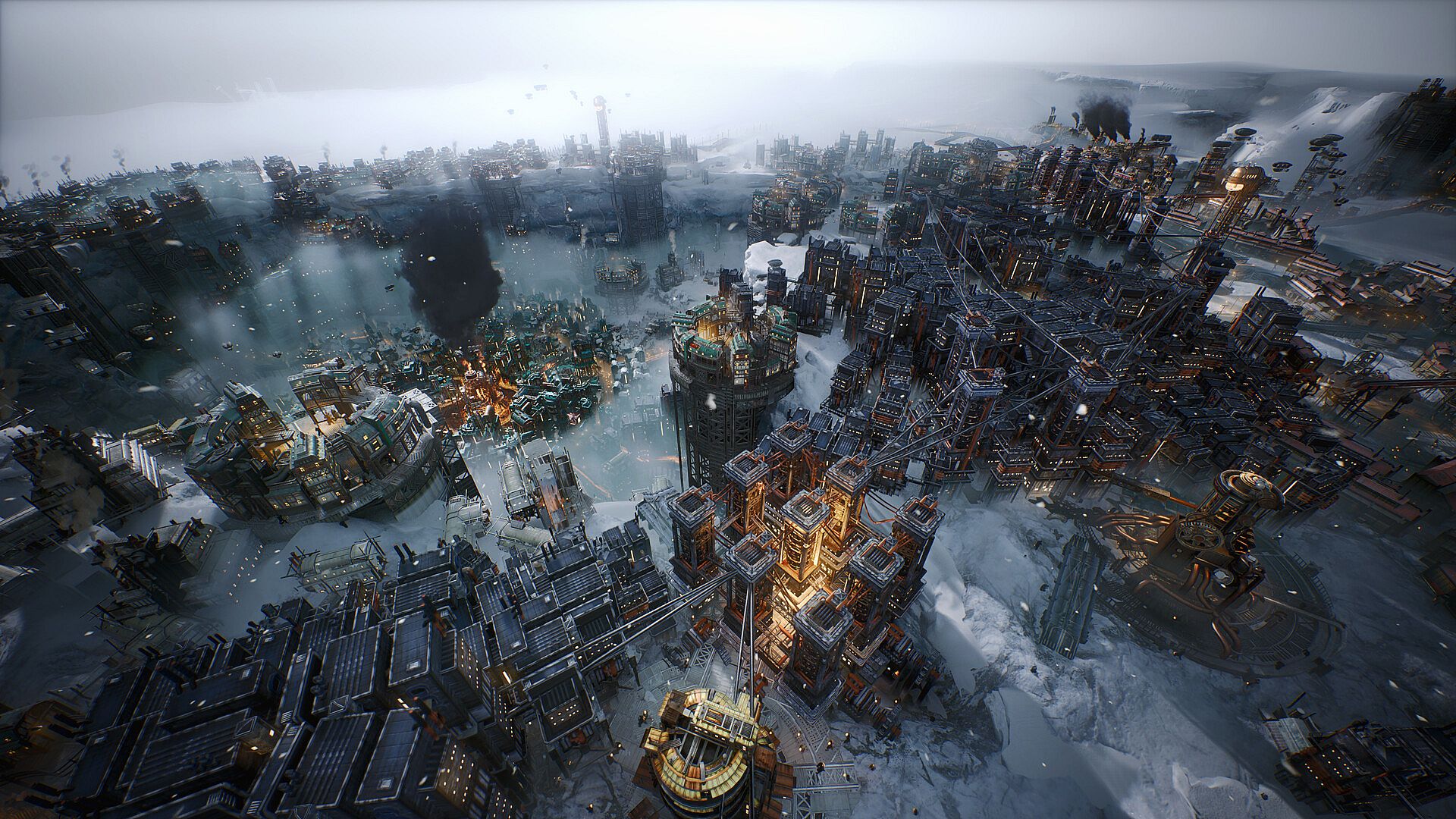
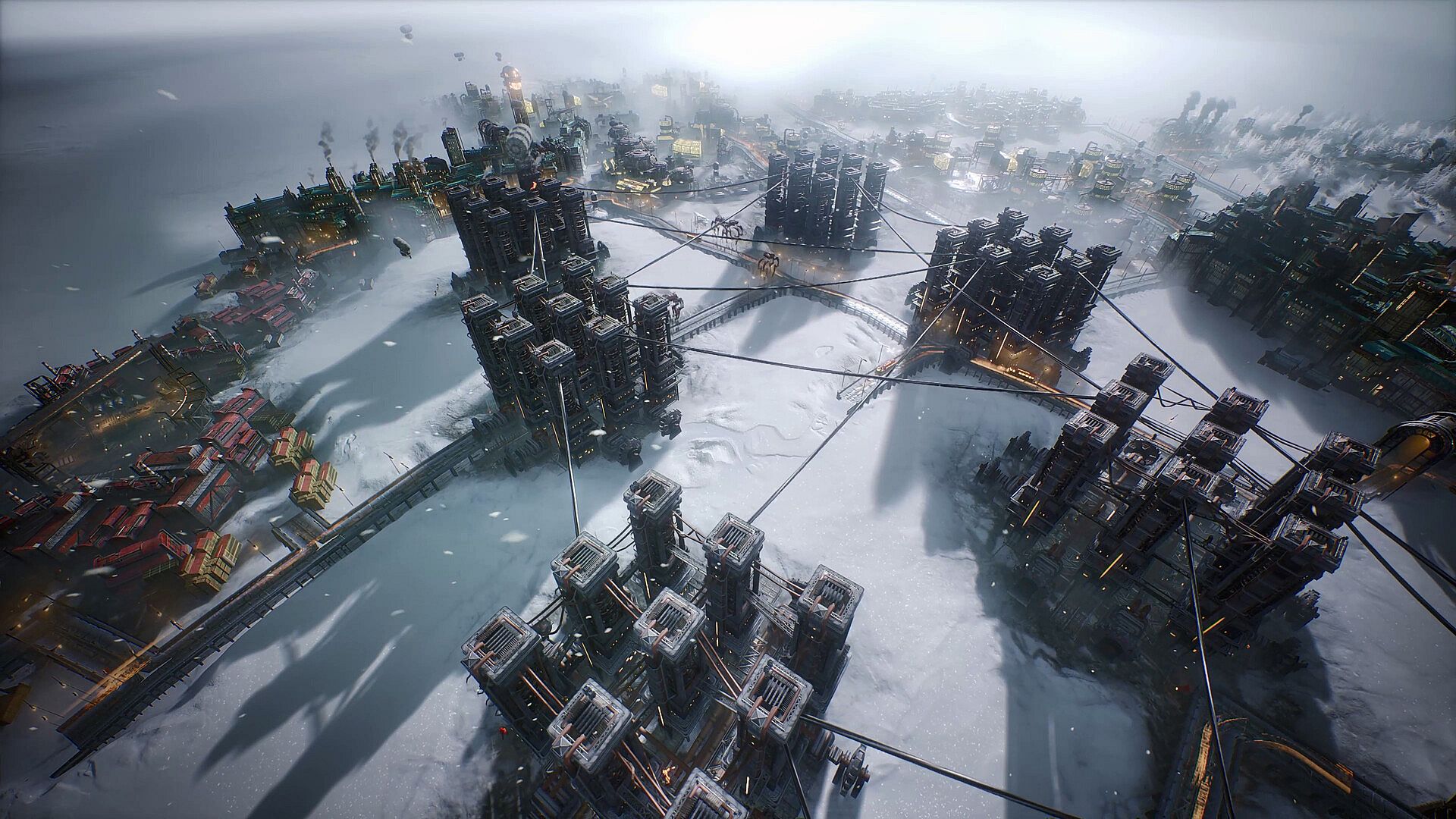
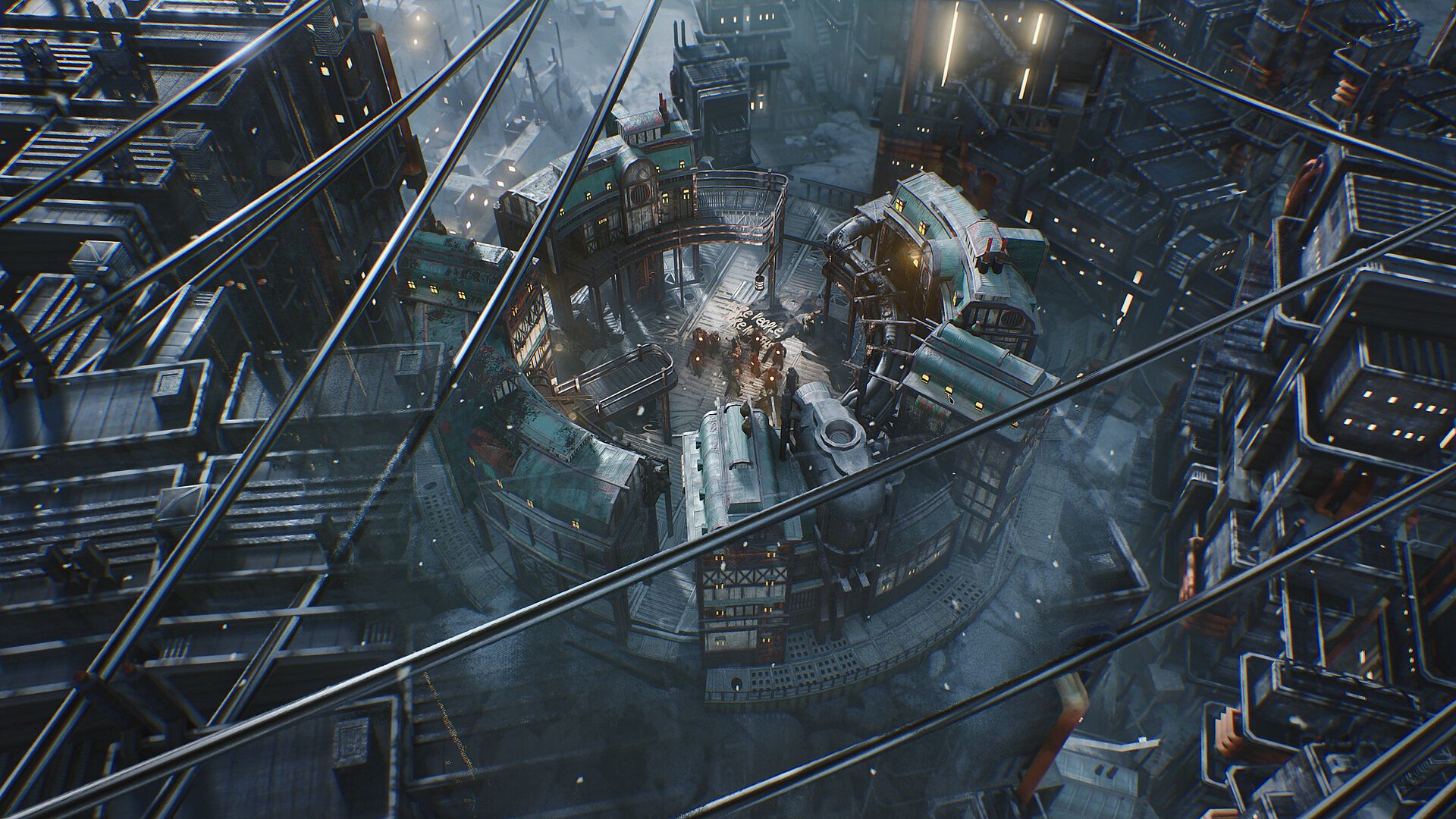
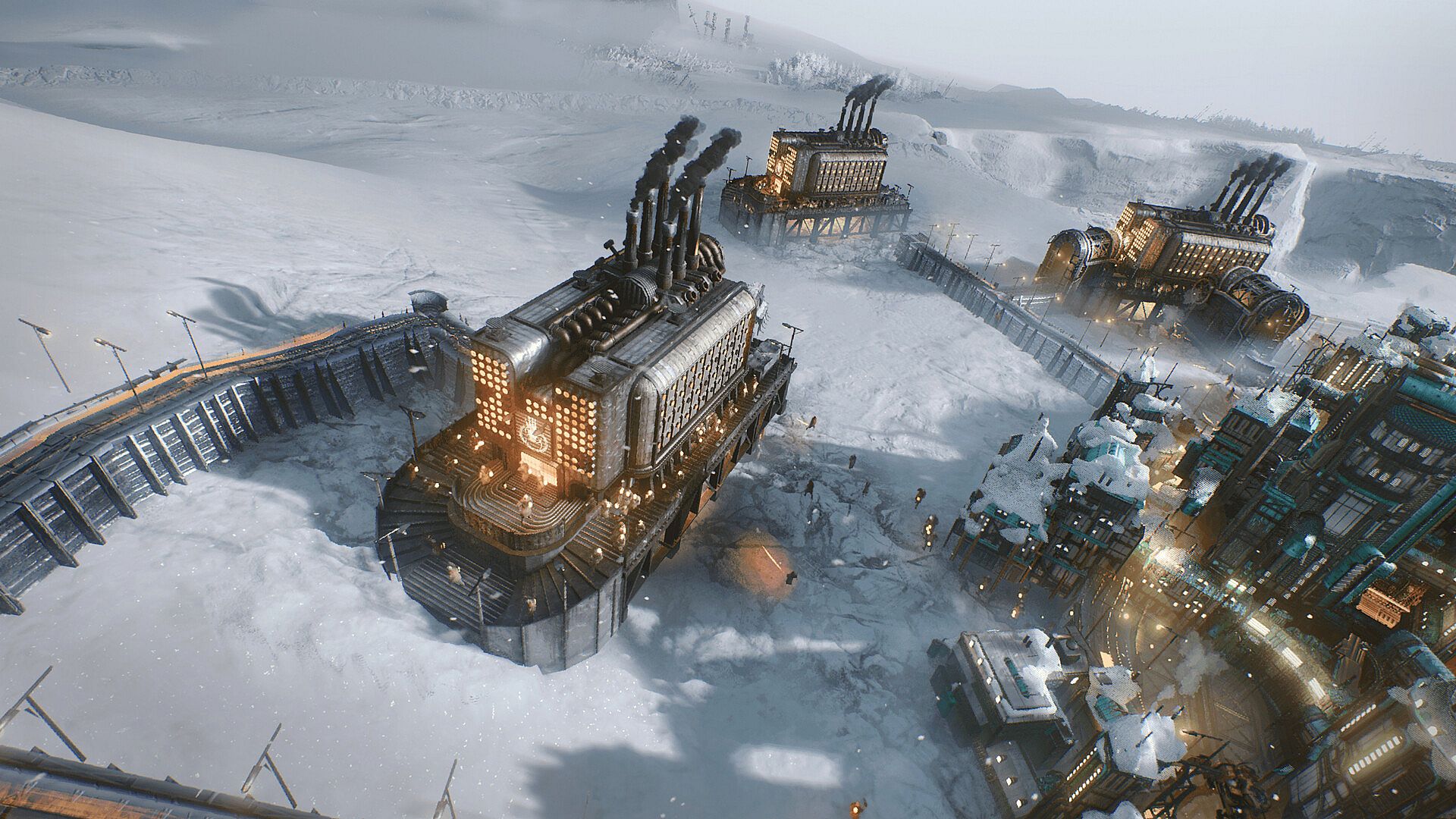
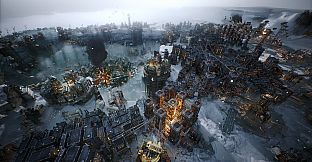
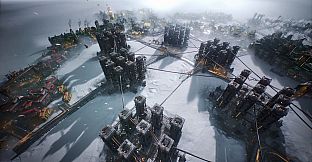
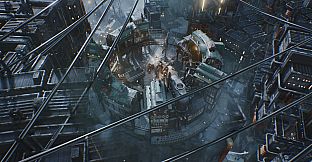
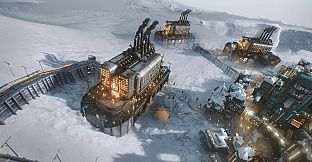
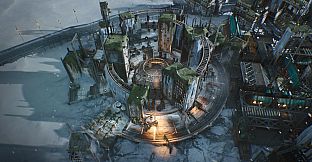
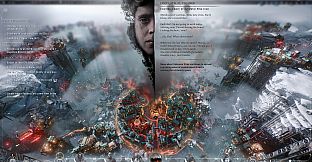
Frostpunk 2: Fractured Utopias is a strategy simulation game centered on managing a city in an unforgiving frozen world, where players balance resource allocation, district construction, and shifting political alliances among factions.
Gameplay
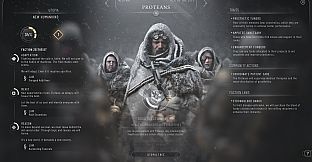
Core play revolves around expanding urban districts while navigating faction demands and societal tension. Players construct specialized buildings, enact laws, and respond to events that alter population needs and ideological alignments. The system tracks affinities that measure how closely a faction supports particular policies or developments, influencing trust levels and available options.
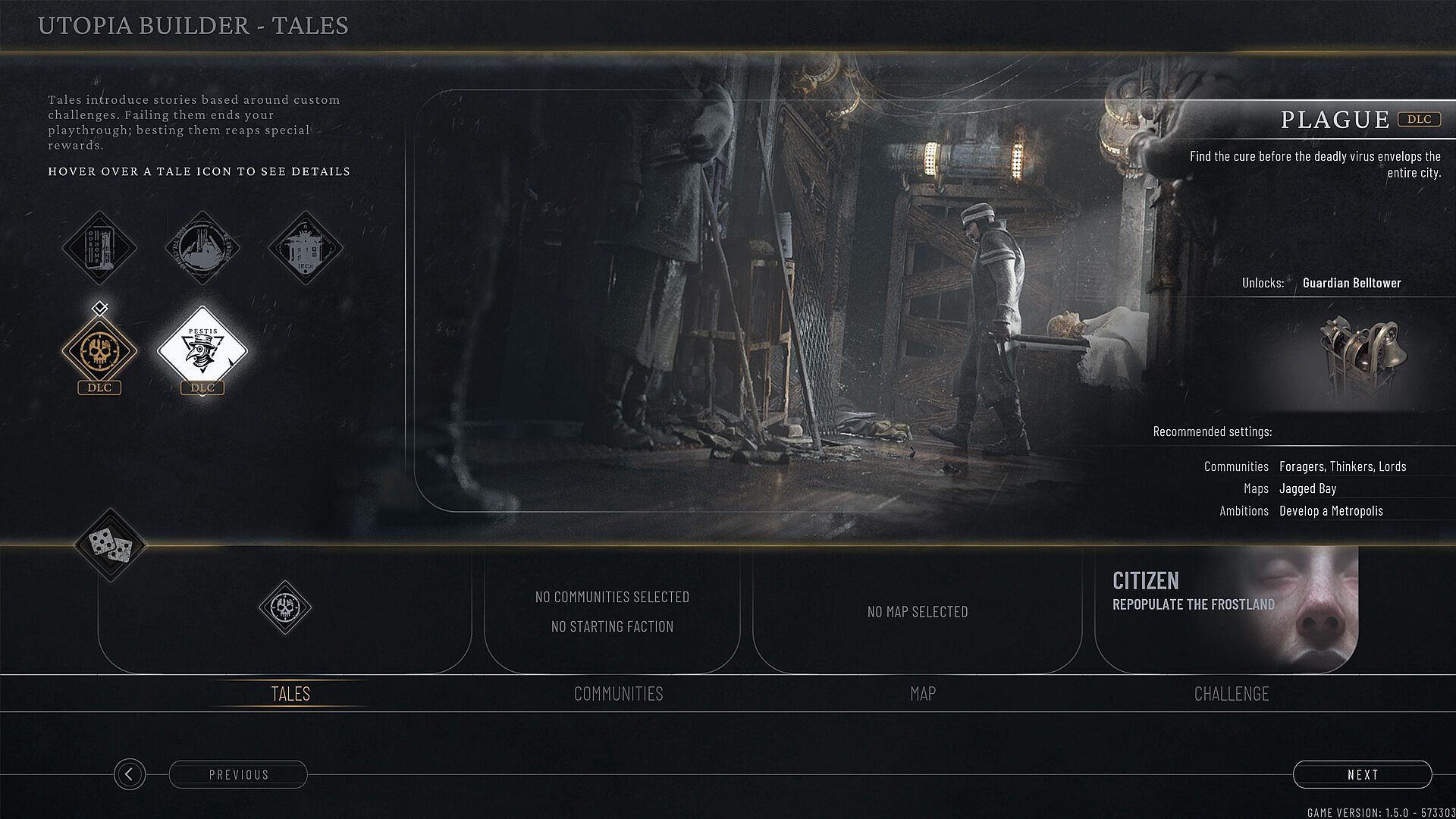
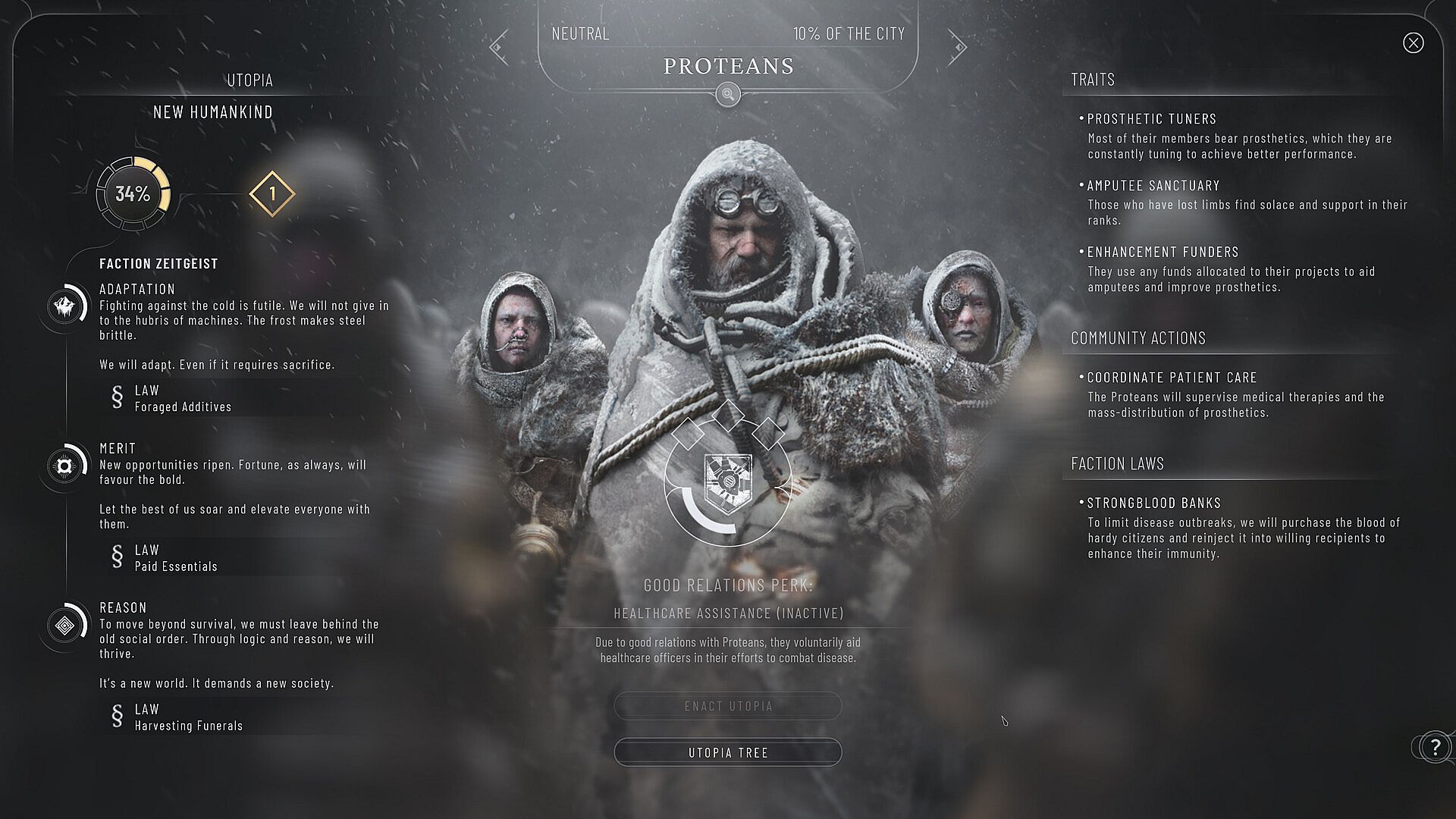
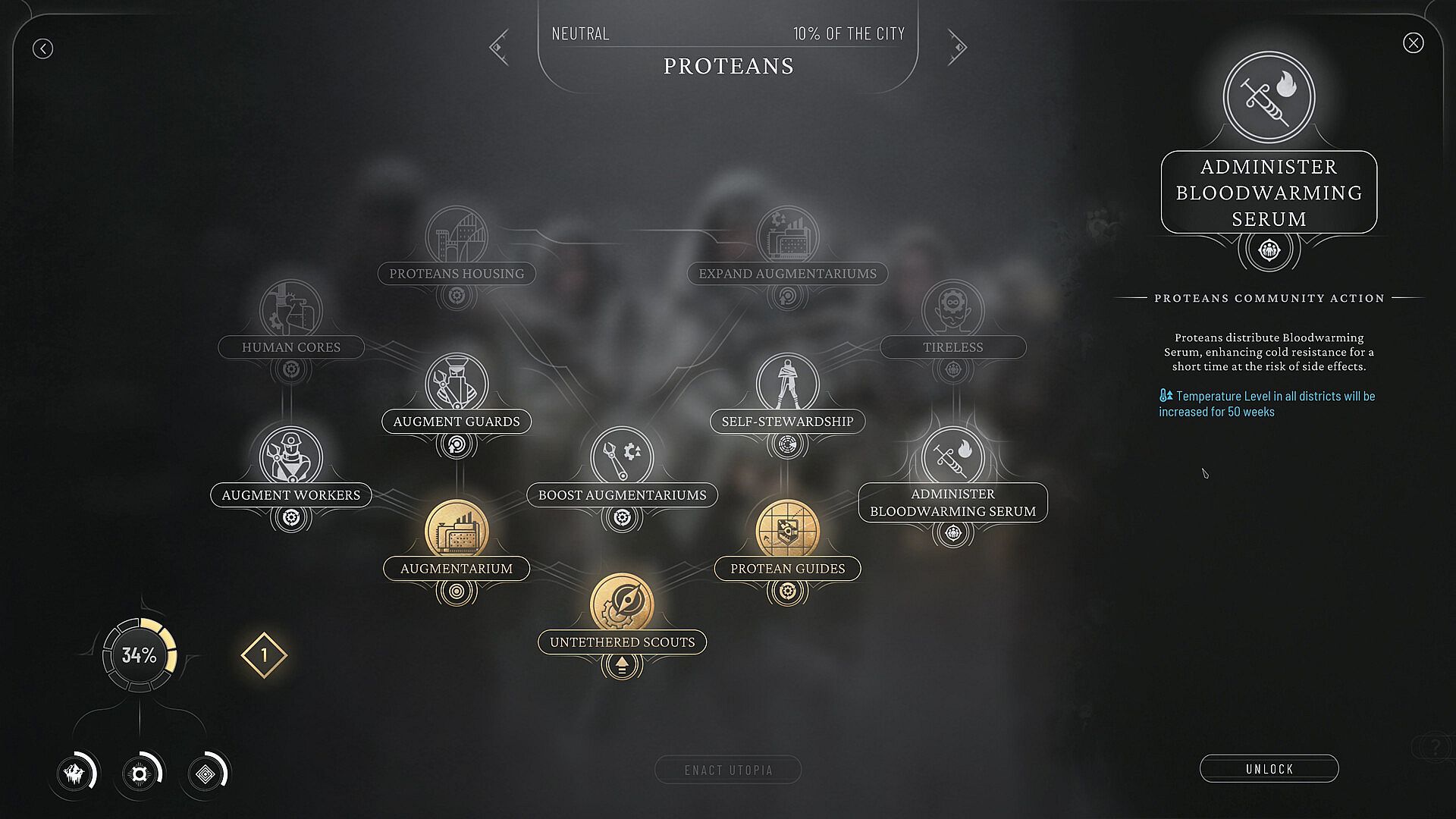
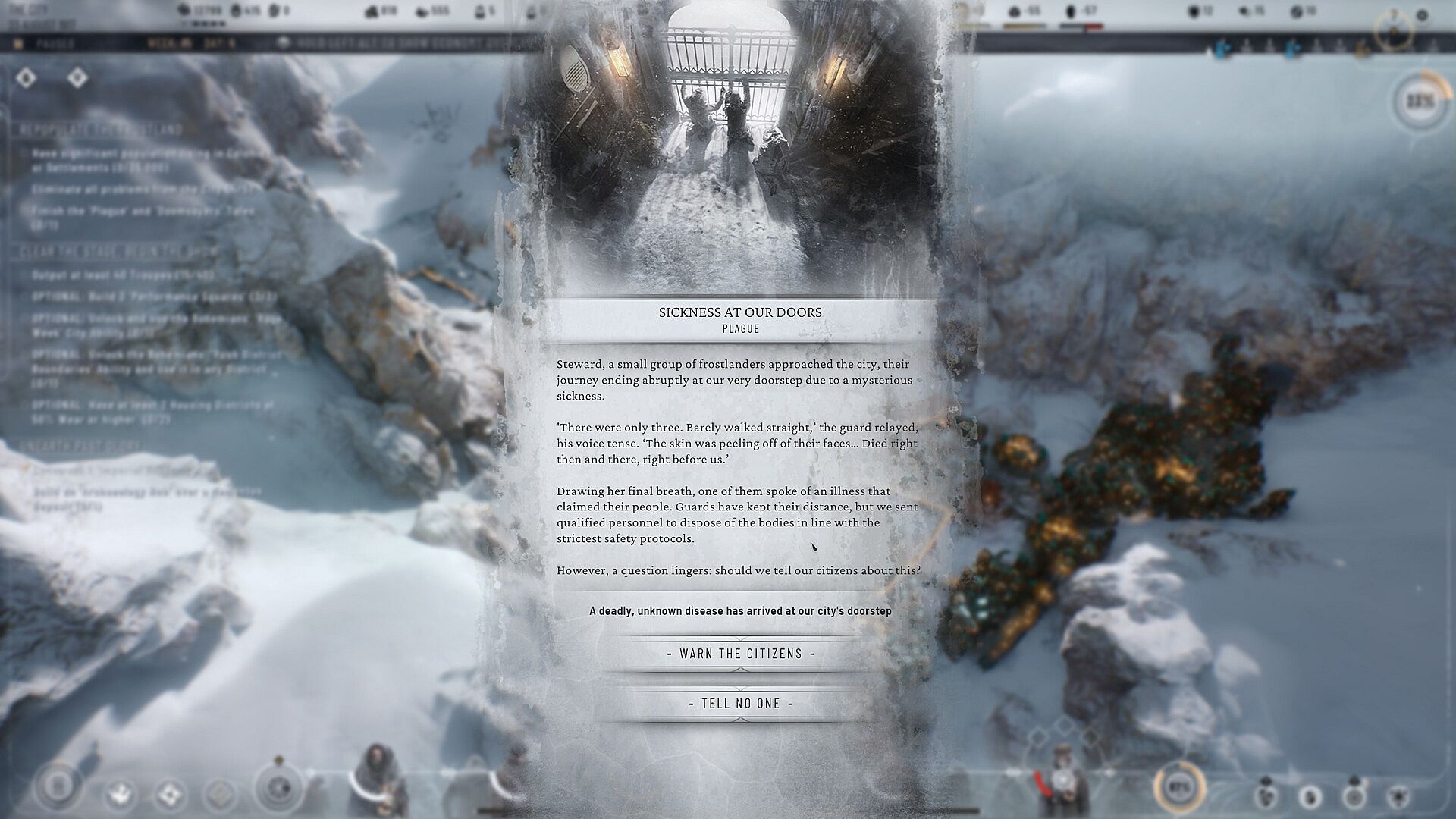
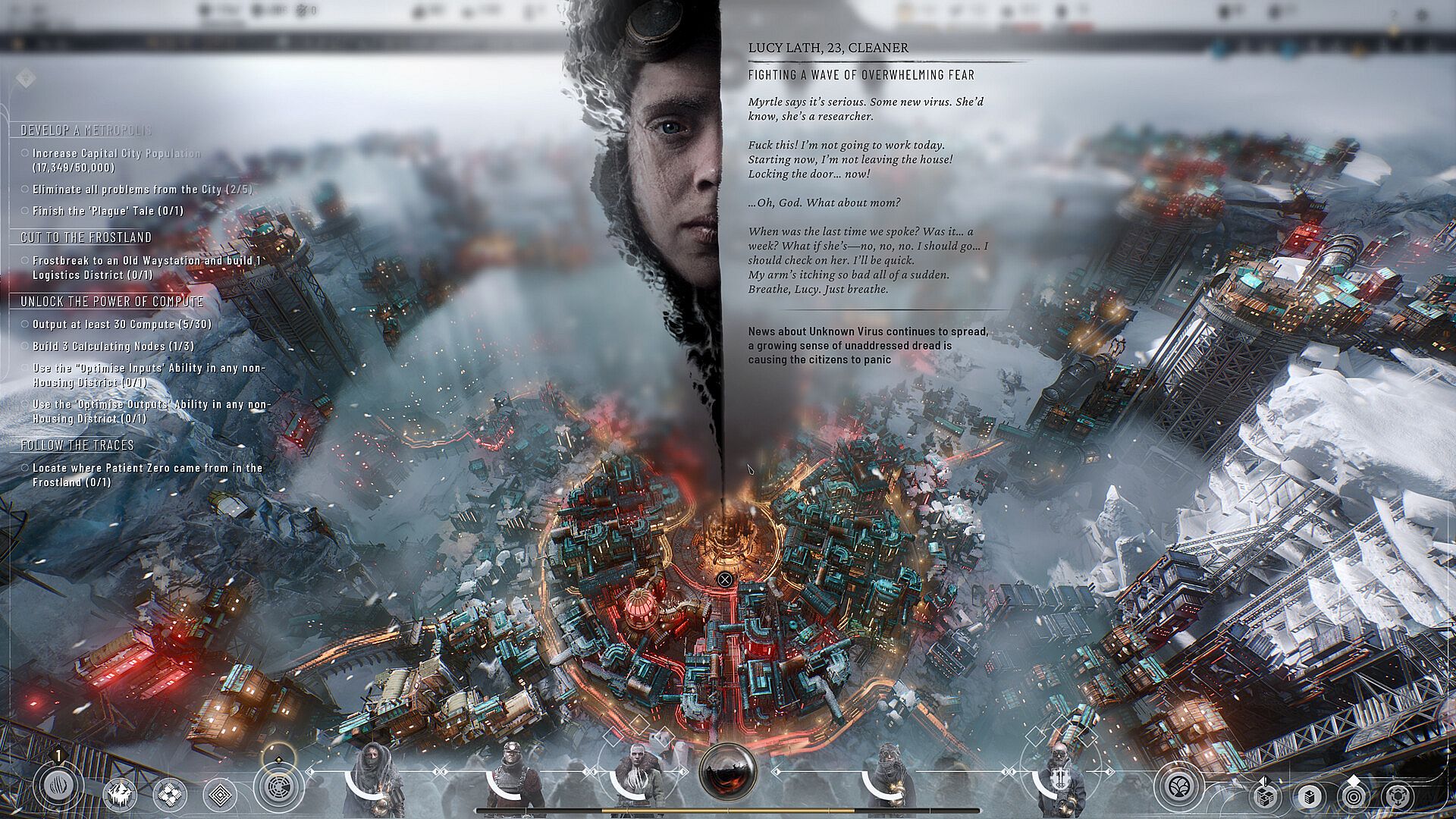
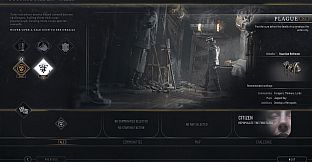
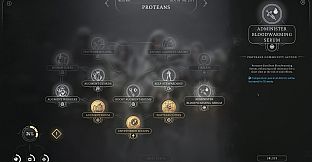
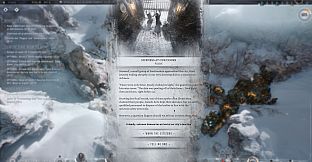
With the Fractured Utopias expansion, each of the eight factions gains a dedicated Utopia Tree. Progressing through nodes requires earning trust through aligned actions, which then grants access to faction-specific laws, new hub structures, abilities, and housing district variants. Completing an entire tree locks the city into one ideological vision, eliminating ongoing tension by committing society to that path. Over 100 new narrative events introduce fresh challenges and trade-offs tied to these choices, while two premium Tales titled Doomsayers and Plague add structured scenarios with distinct objectives.
Game Modes
Utopia Builder serves as the primary sandbox experience. Players select from multiple starting maps and set ambitions that define long-term goals, such as territorial expansion or metropolitan growth. Community composition can be customized at the outset, which determines initial faction presence and ideological leanings. The mode emphasizes open-ended city development with escalating political pressures.
The expansion integrates directly into Utopia Builder by structuring faction interactions around the new trees and unlocks. A single additional map supports these enhanced systems. The base game also includes a narrative-driven campaign that presents sequential challenges focused on survival and decision-making under crisis conditions.
Faction Development and Endgame
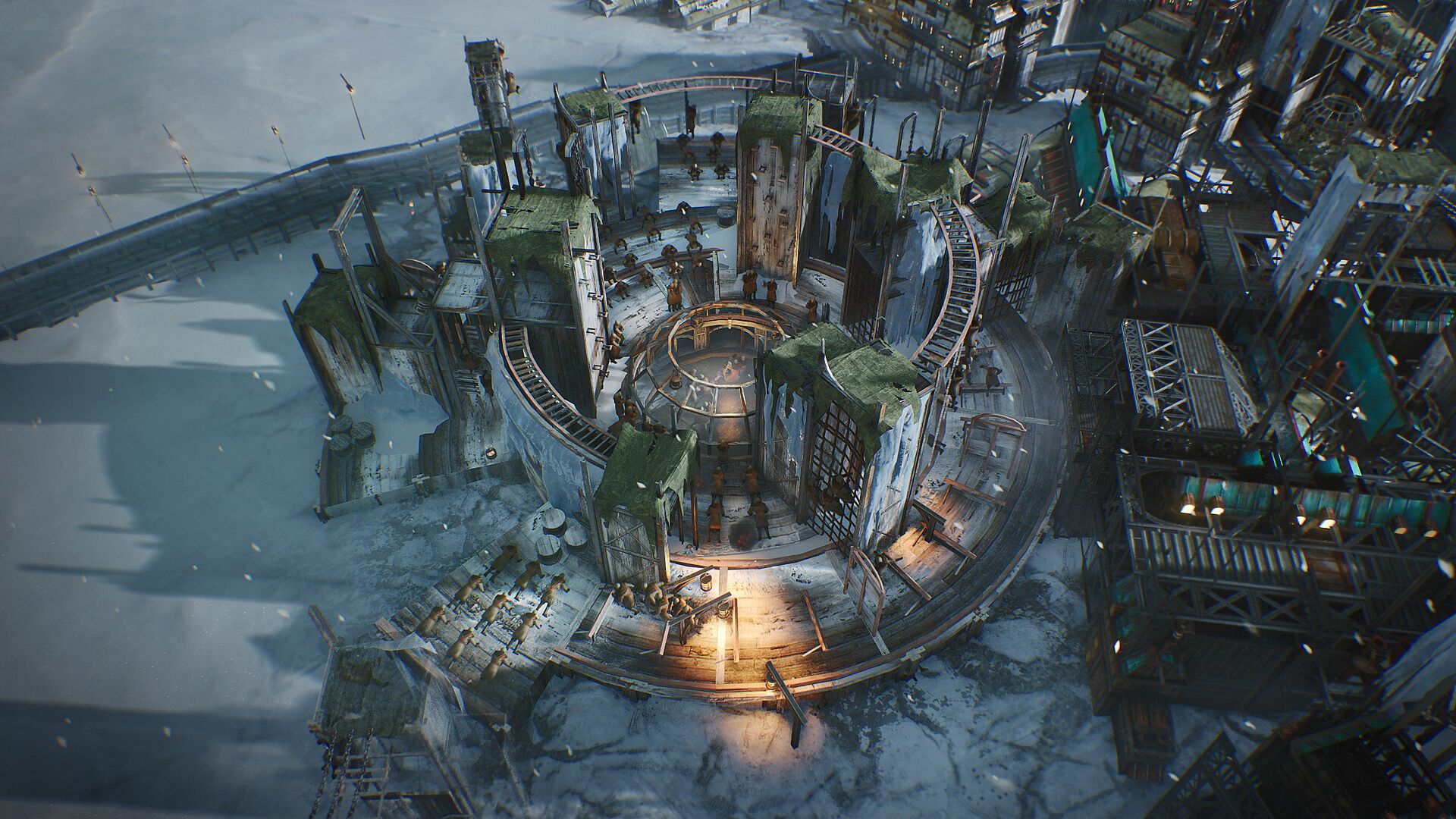
Eight factions each pursue a distinct utopian ideal through their skill trees. These trees branch into specialized tools and endgame conditions that differentiate playstyles. Unlocks per faction total twelve items, including laws, hubs, and abilities that reinforce unique identities. New faction hubs provide central points for advancing their agendas, while housing variants reflect ideological preferences in district design.
Reaching full commitment to one faction's vision resolves all accumulated tension permanently. This creates decisive late-game outcomes where the city operates under a unified societal framework shaped by prior choices.
Is It Worth Playing?
The game suits players who value layered strategy and the consequences of political decisions over fast-paced action. Its systems reward careful planning around faction affinities and long-term ideological commitments, particularly in the expanded Utopia Builder mode. Reviews from major outlets have generally praised the depth of these mechanics and the atmospheric tension of city management.
Current support includes the Fractured Utopias content, which refines the sandbox experience with concrete progression paths. Those drawn to simulation titles that emphasize trade-offs and societal evolution will find substantial replay value through different faction combinations and ambition settings. The experience remains single-player focused, with no multiplayer components.