












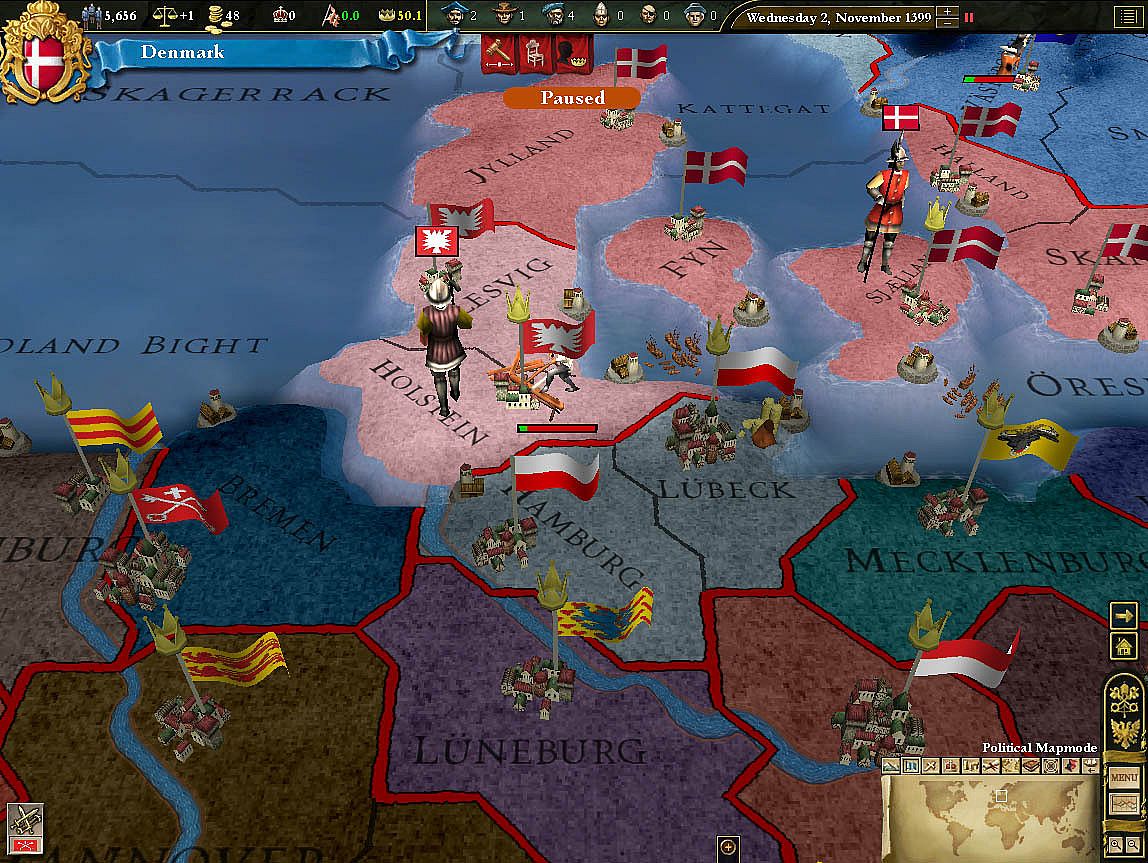
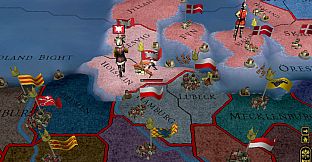
Europa Universalis III: Heir to the Throne is a grand strategy game set in the historical period from the late Middle Ages through the early modern era. Players guide a nation through centuries of political maneuvering, economic development, military campaigns, and cultural shifts on a detailed map of the world. The expansion builds directly on the base game by refining core systems that shape long-term decision making and international relations.
Gameplay
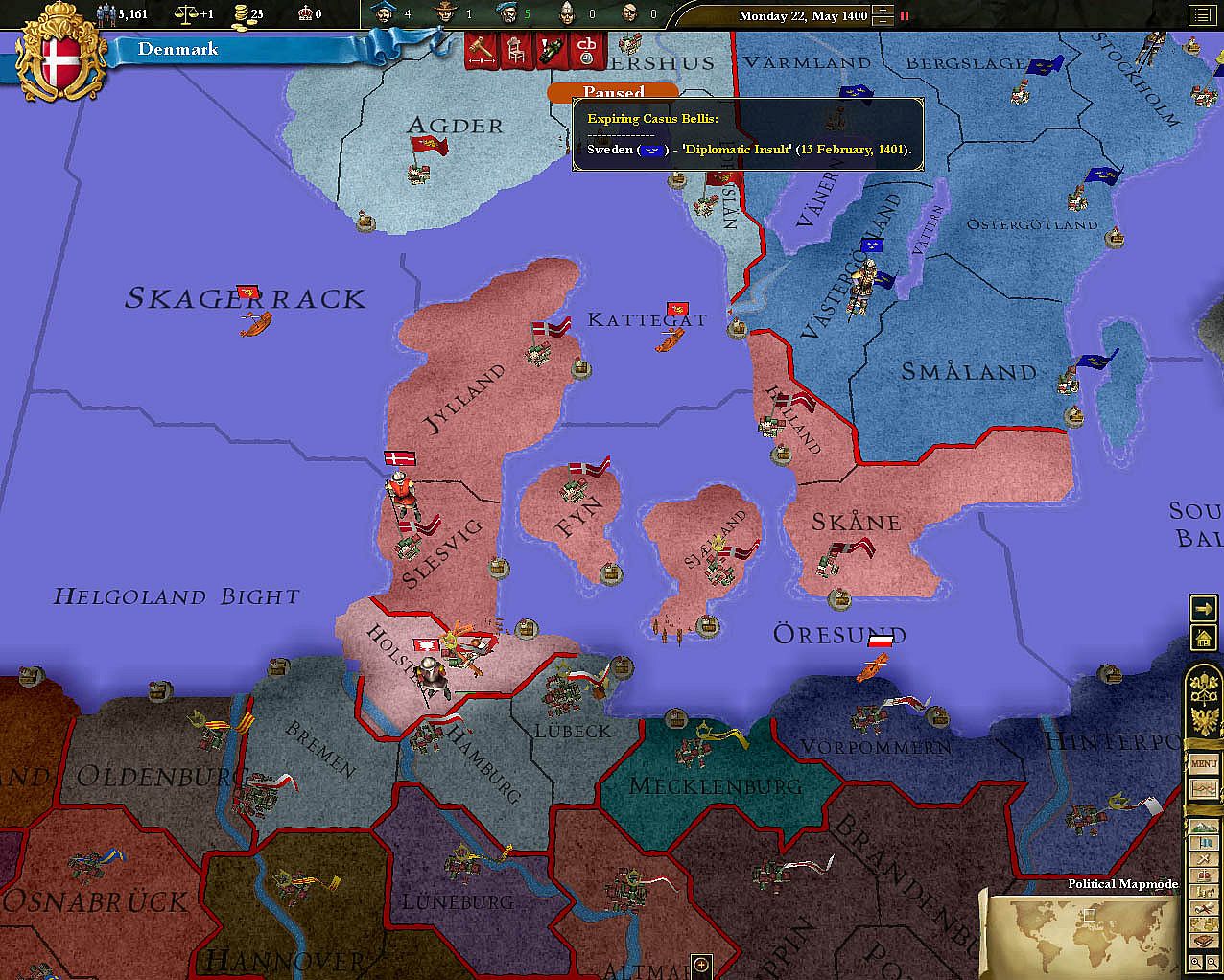
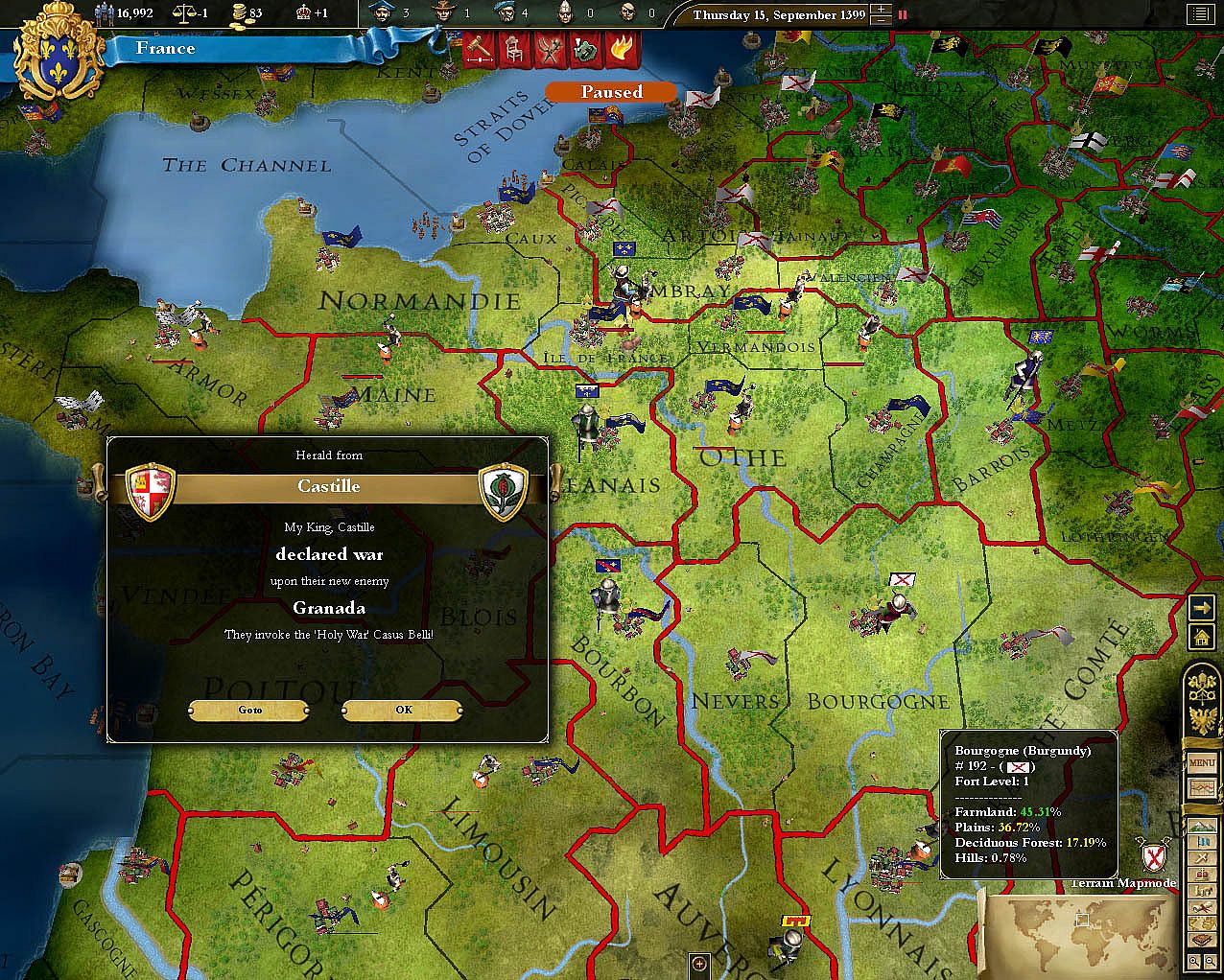
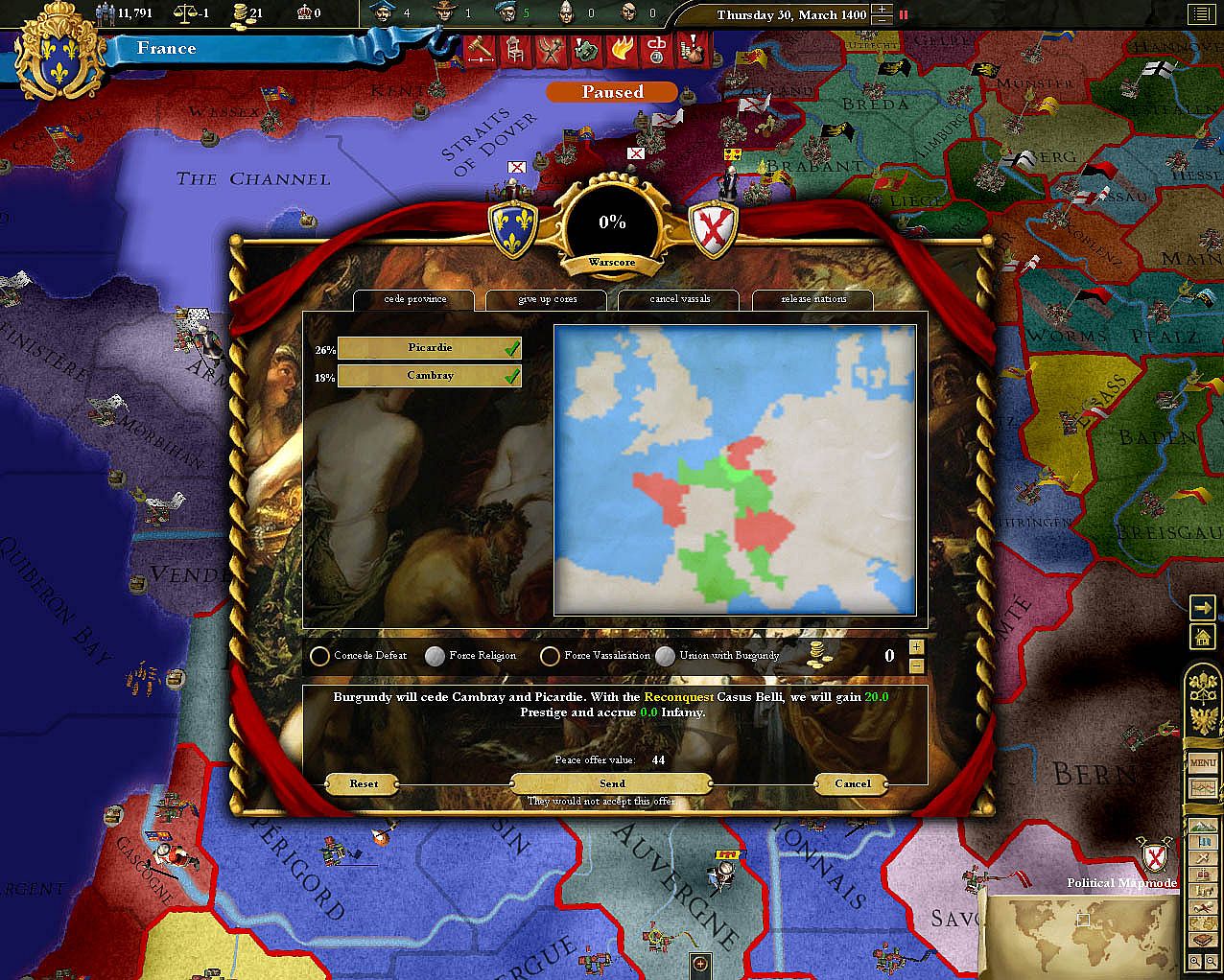
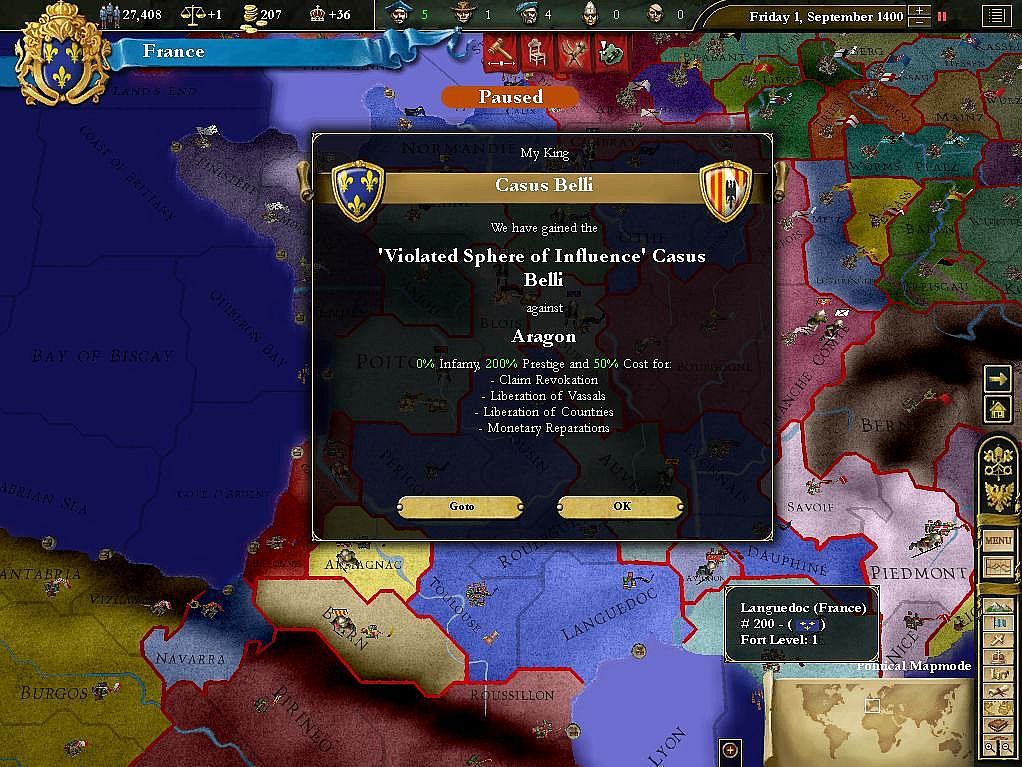
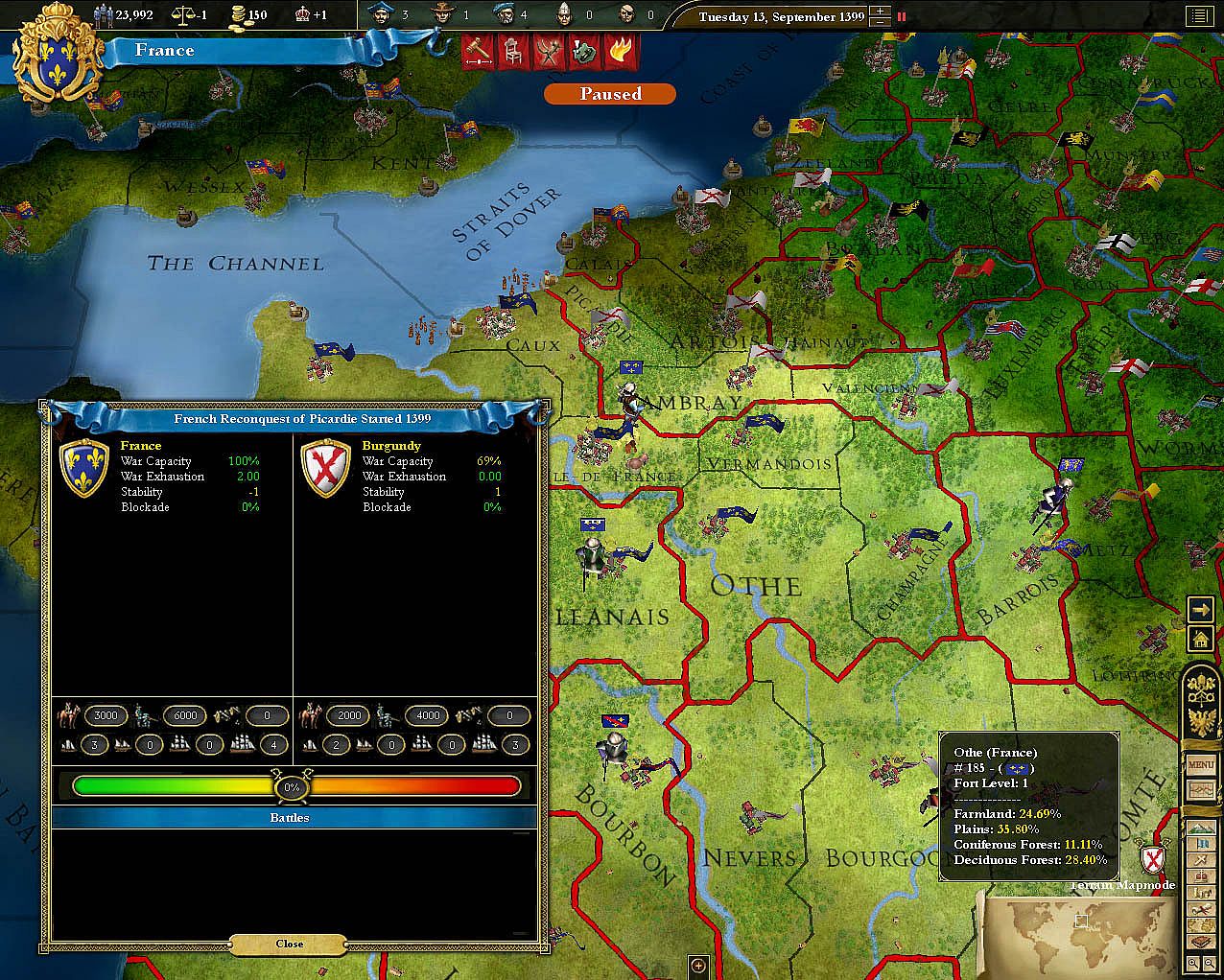
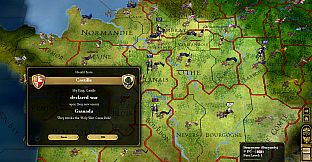
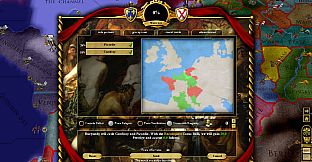
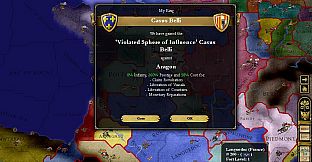
The core loop centers on managing a nation's resources, territory, and influence over time. Wars now operate through a dedicated casus belli system that ties military actions to specific objectives from the outset, rather than open-ended conflicts. This change encourages focused campaigns with clear victory conditions and reduces aimless expansion.
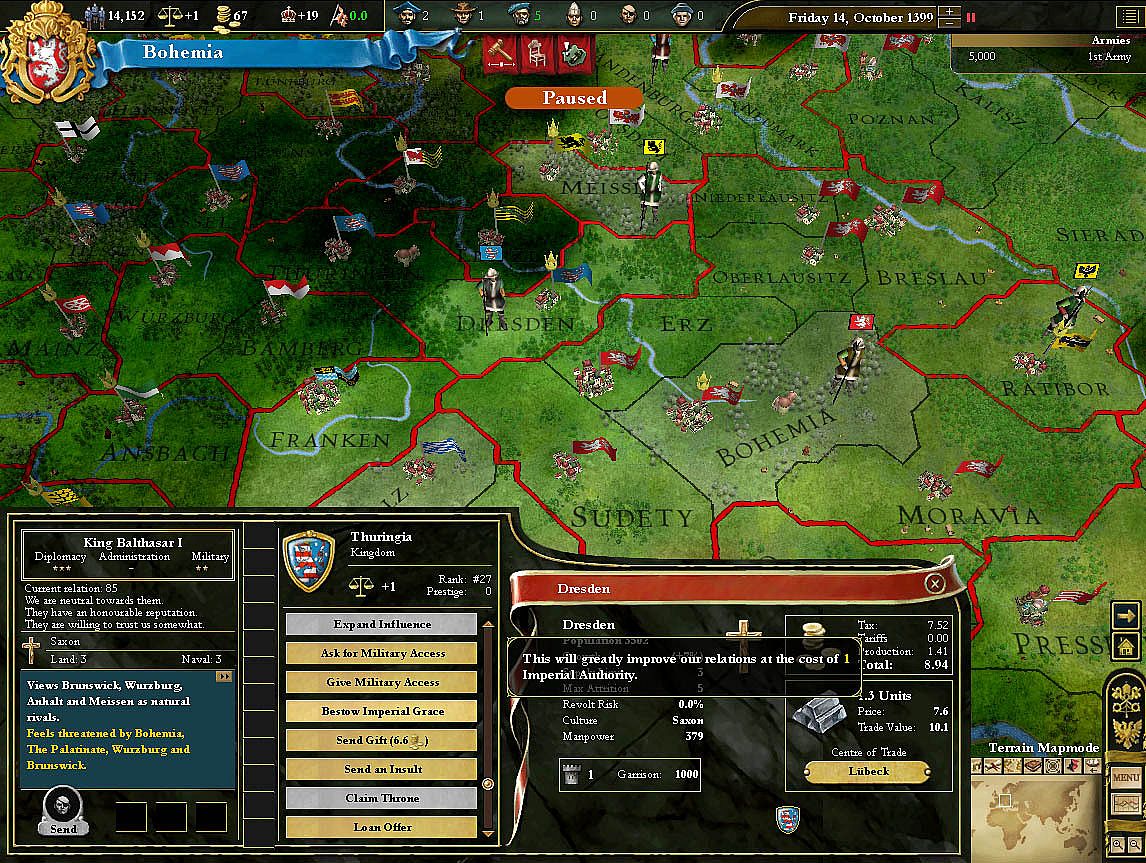
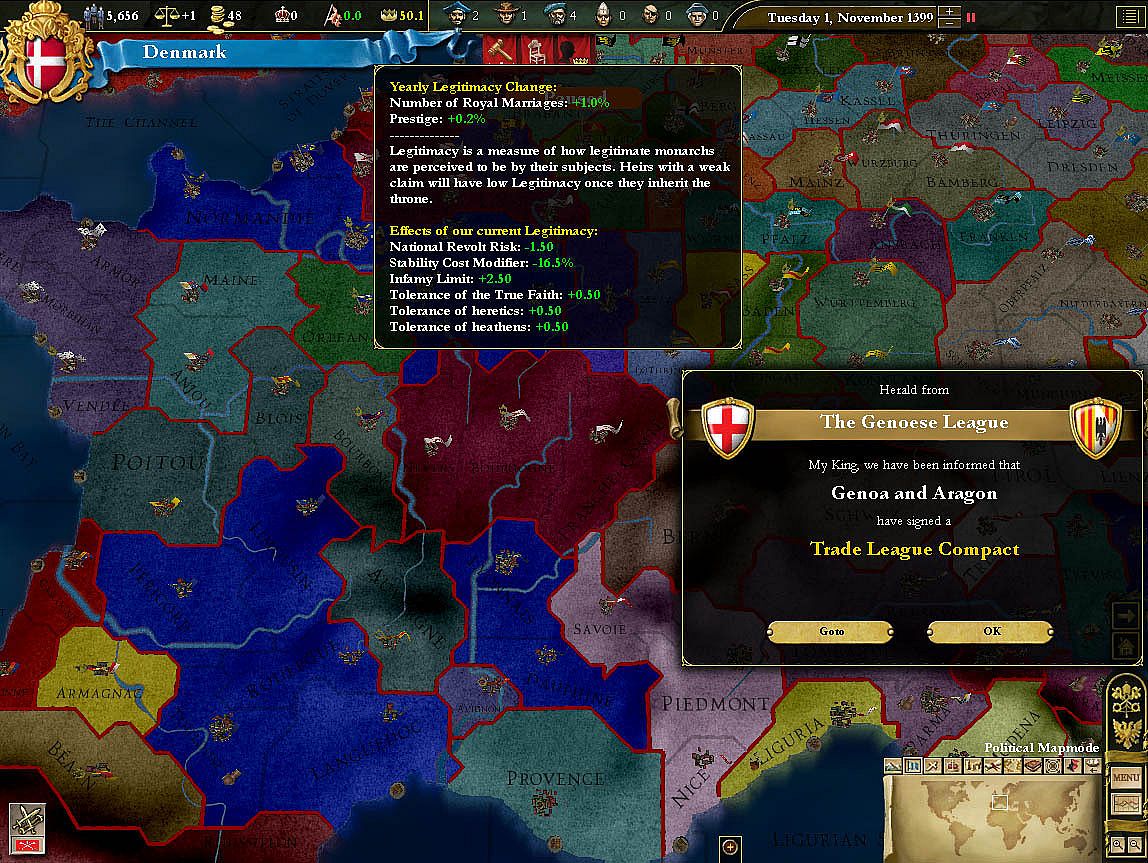
Monarchs belong to dynasties that influence diplomatic interactions across generations. Succession issues and royal marriages carry consequences that ripple through alliances and rivalries. Republics gain distinct diplomatic tools that differ from monarchies, allowing varied approaches to foreign policy depending on government form.
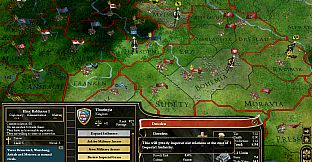
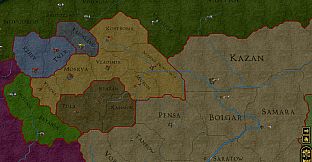
The Holy Roman Empire and the Papacy receive expanded mechanics that make participation more meaningful for eligible nations. National Focus can be assigned to individual provinces to boost development and secure regional control. Cultural Tradition functions alongside Military Tradition to improve the quality of available advisors over time.
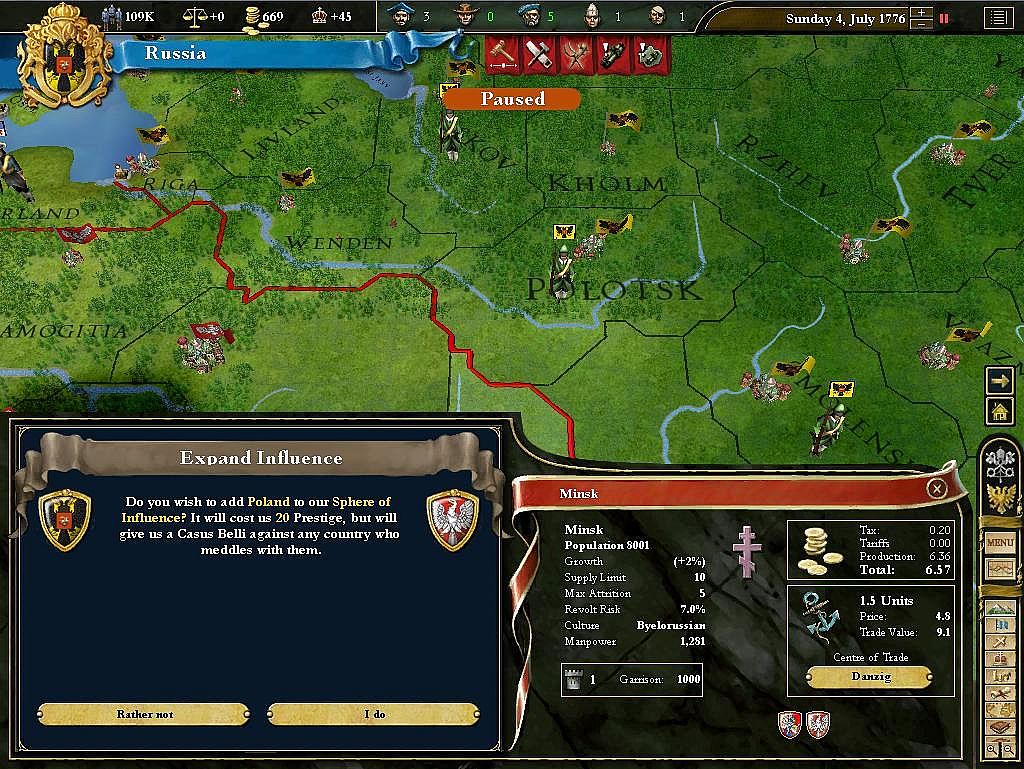
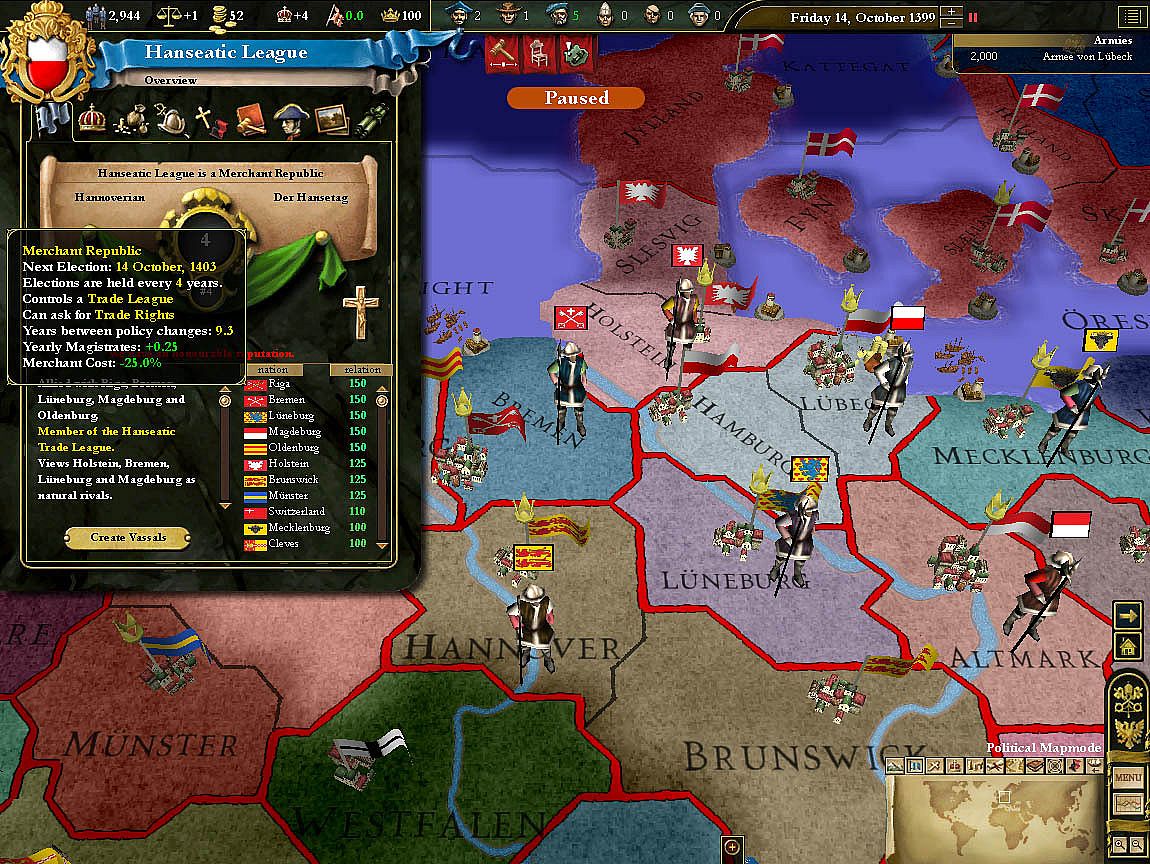
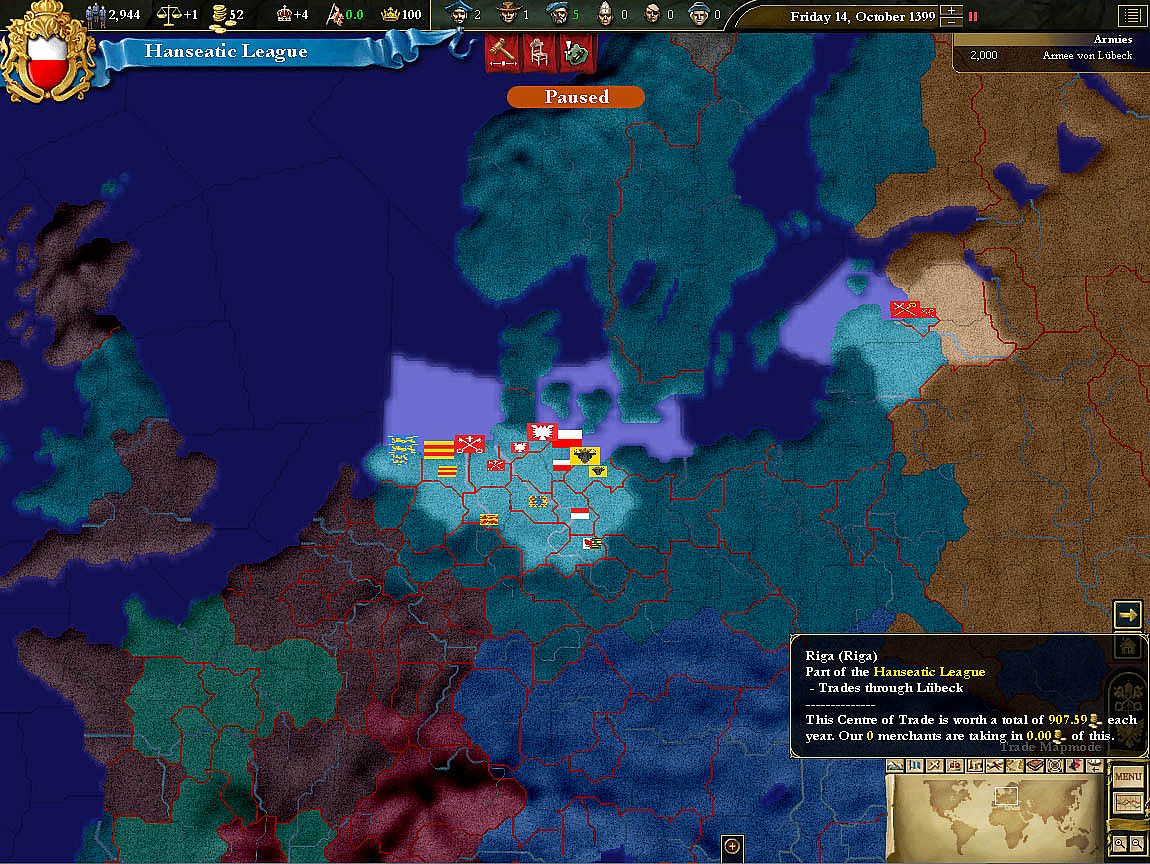
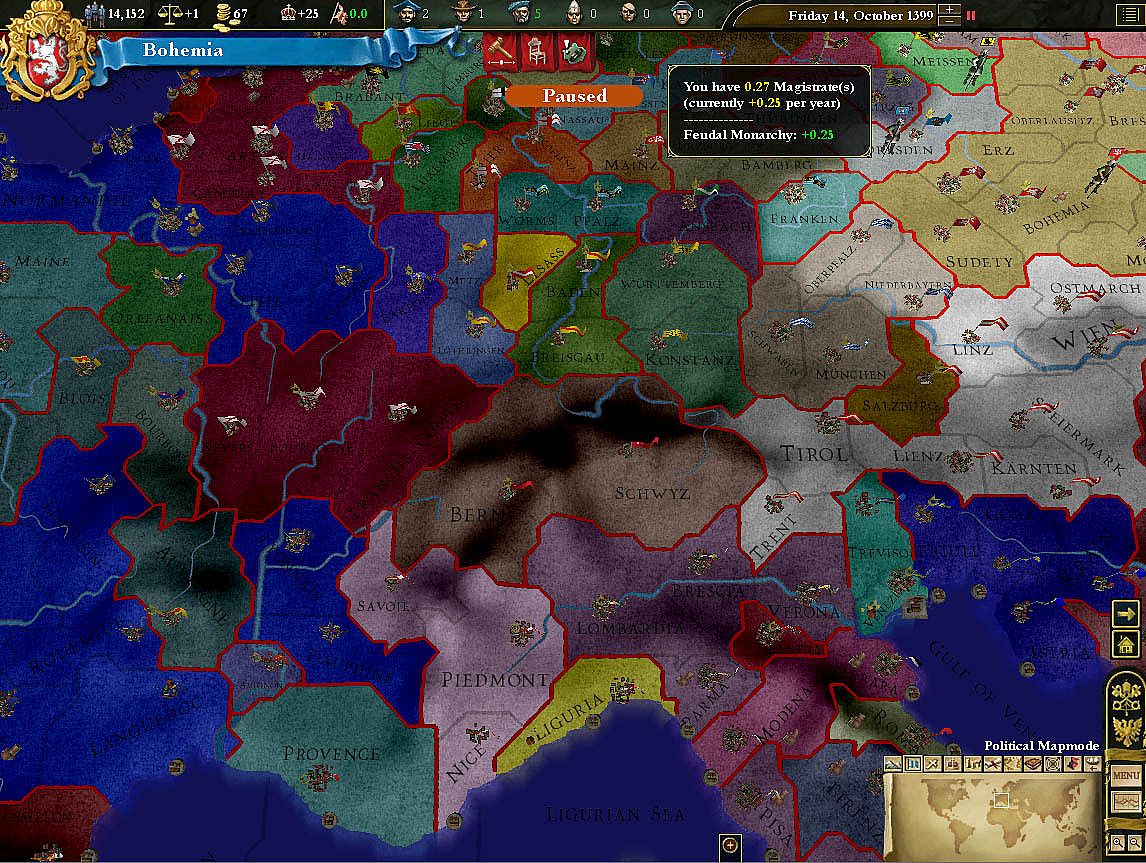
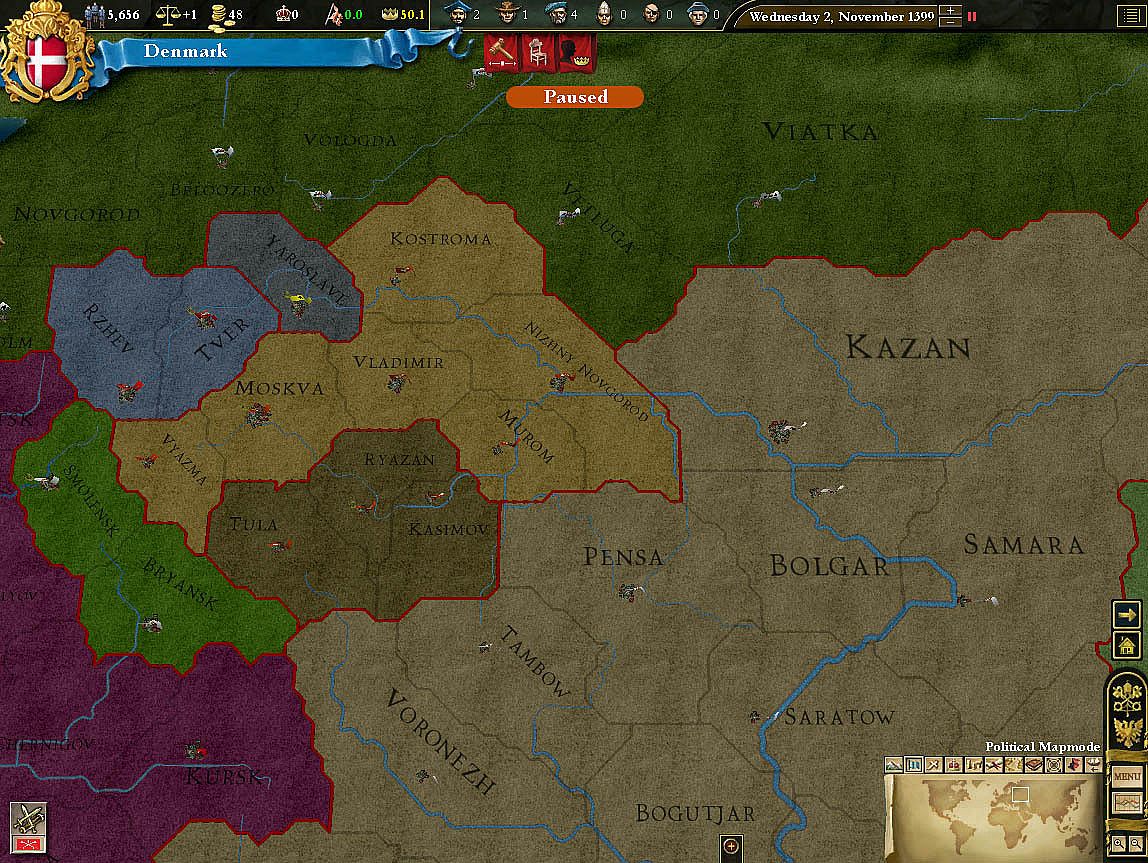
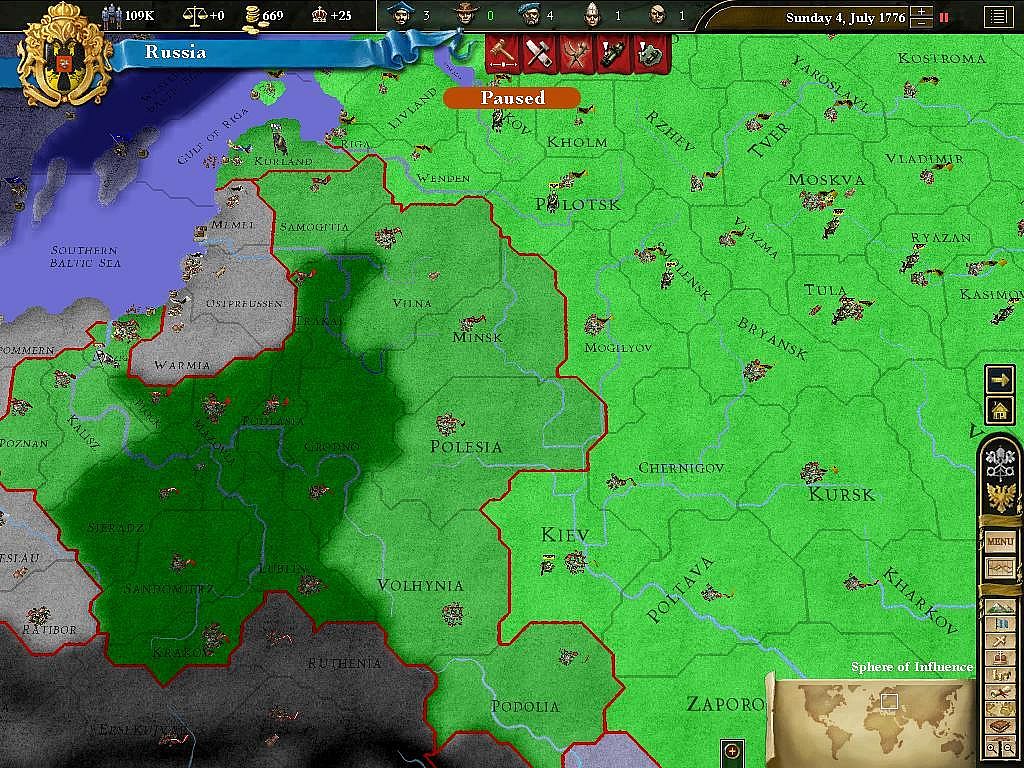
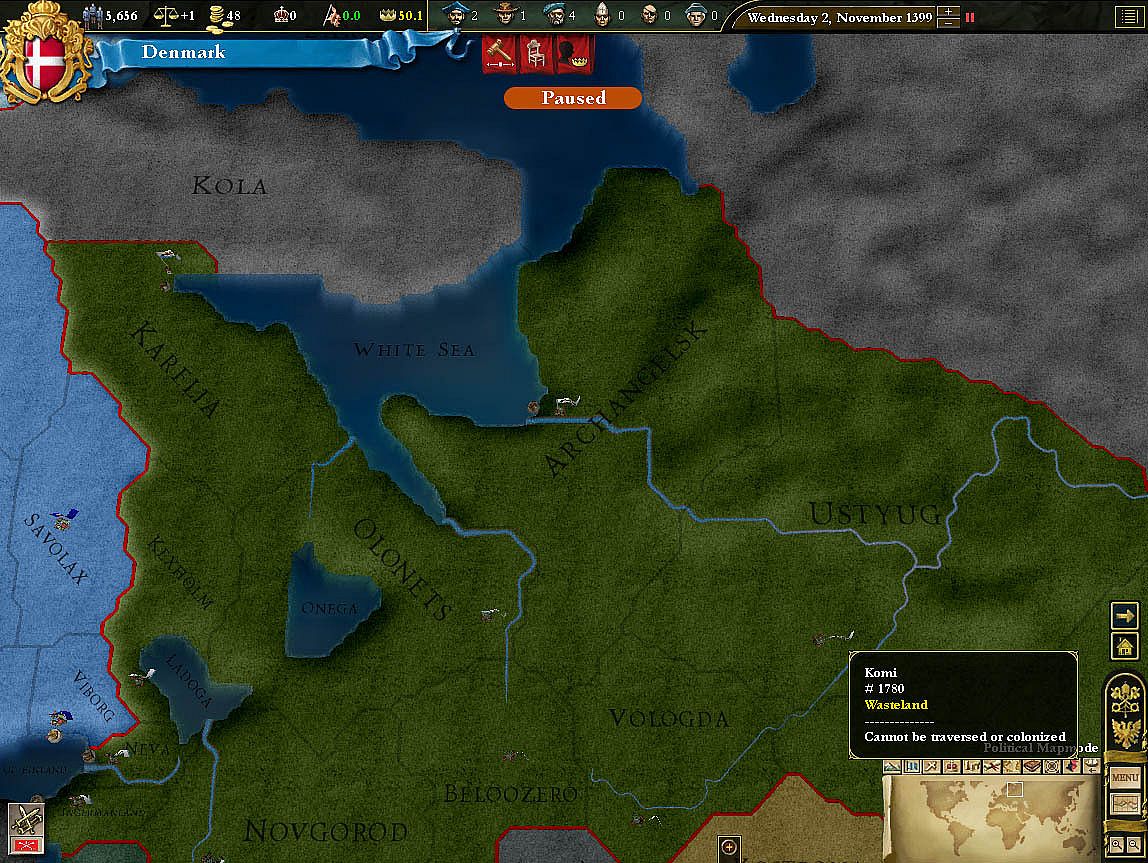
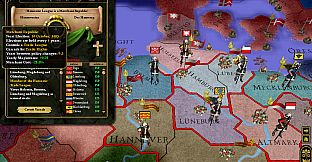
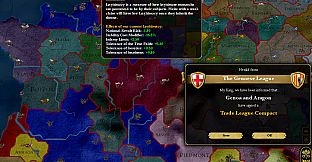
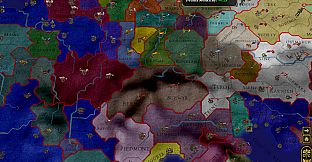
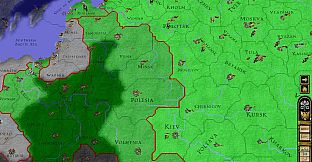
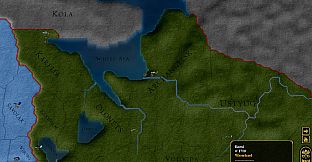
Exploration changes remove permanent terra incognita in favor of impassable regions, which alters how players approach unknown areas and trade routes. Additional refinements include spheres of influence, trade leagues, and magistrates that add layers to economic and political management.
Game Modes
The game supports single-player campaigns where one nation is guided from a chosen start date through the full historical timeline. Multiplayer sessions allow several players to control separate nations simultaneously in the same world, with diplomacy and conflicts unfolding in real time among participants.
Scenarios provide shorter, focused experiences that highlight particular eras or regions without requiring a complete campaign. These options suit different session lengths while preserving the same underlying systems for economy, warfare, and governance.
Key Mechanics and Systems
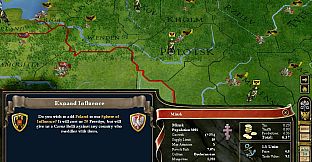
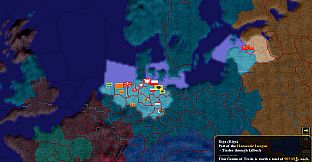
Diplomacy expands with options tailored to different government types and new tools for managing relations within the Holy Roman Empire. Trade receives attention through leagues that coordinate commercial interests among members. Province-level decisions gain importance via the National Focus mechanic, which directs growth toward strategic areas.
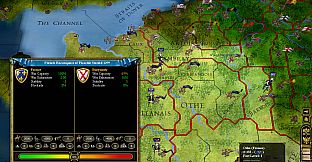
Military actions benefit from the structured casus belli framework, which affects war goals, peace terms, and post-conflict stability. Advisor recruitment improves through accumulated Cultural Tradition, providing steady benefits to research, administration, and technology advancement.
Is It Worth Playing?
Heir to the Throne delivers meaningful improvements to the base Europa Universalis III experience through its revised war system, dynasty mechanics, and regional focus options. The changes address common feedback about earlier versions by adding structure to conflicts and depth to long-term planning.
Players who enjoy detailed historical strategy with emphasis on diplomacy, succession, and incremental development will find the expansion enhances those elements without overhauling the foundation. Later patches addressed stability and balance issues, leaving a polished product for those interested in the era.
The game remains available for those seeking a classic grand strategy title that prioritizes simulation over action. Its systems reward careful management across centuries rather than quick sessions, making it suitable for dedicated strategy enthusiasts.