














Dawn of Ages is a strategy game centered on guiding a medieval city-state through successive historical epochs. Players develop settlements, manage production chains, and field armies in automated tactical engagements that draw from real medieval warfare practices.
Gameplay
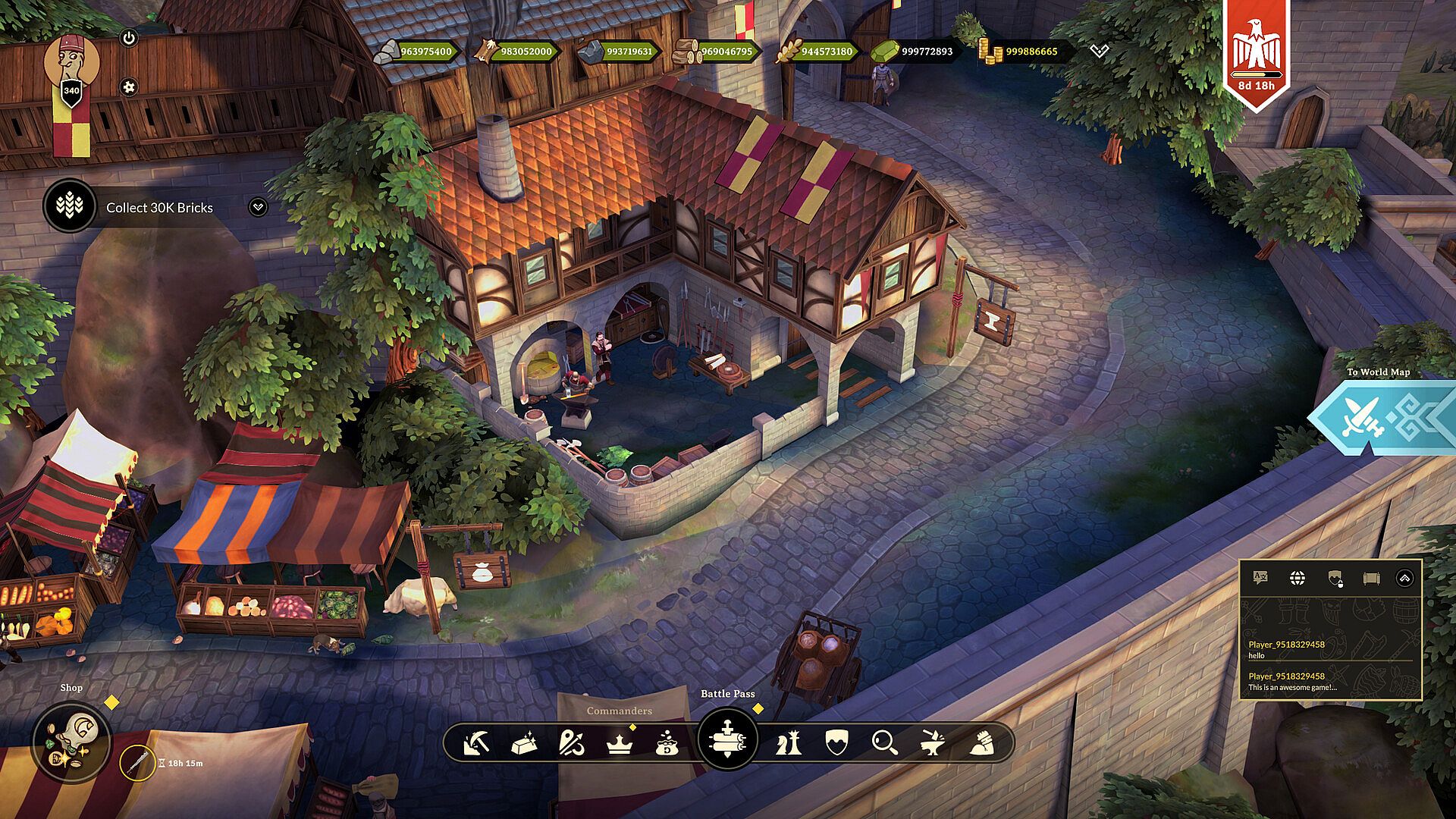
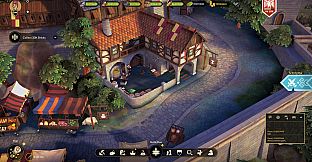
Core progression revolves around advancing through epochs that mirror periods from the Dark Ages to the Late Middle Ages. Each epoch unlocks new buildings, technologies, and unit types while increasing the demands on resource allocation and army composition. City management requires balancing villager labor across production lines for grain, wood, and other materials that fuel both expansion and military output.
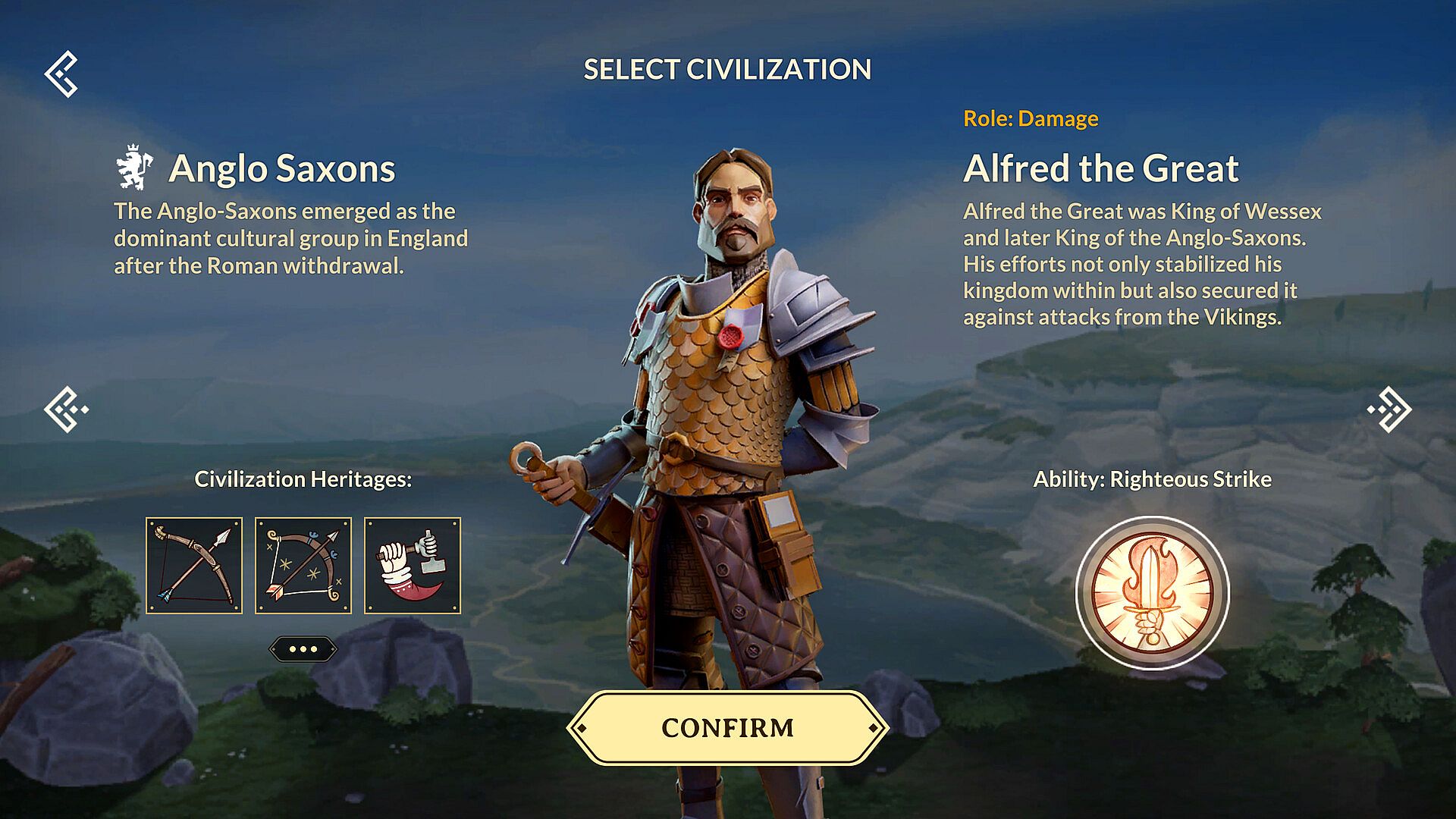
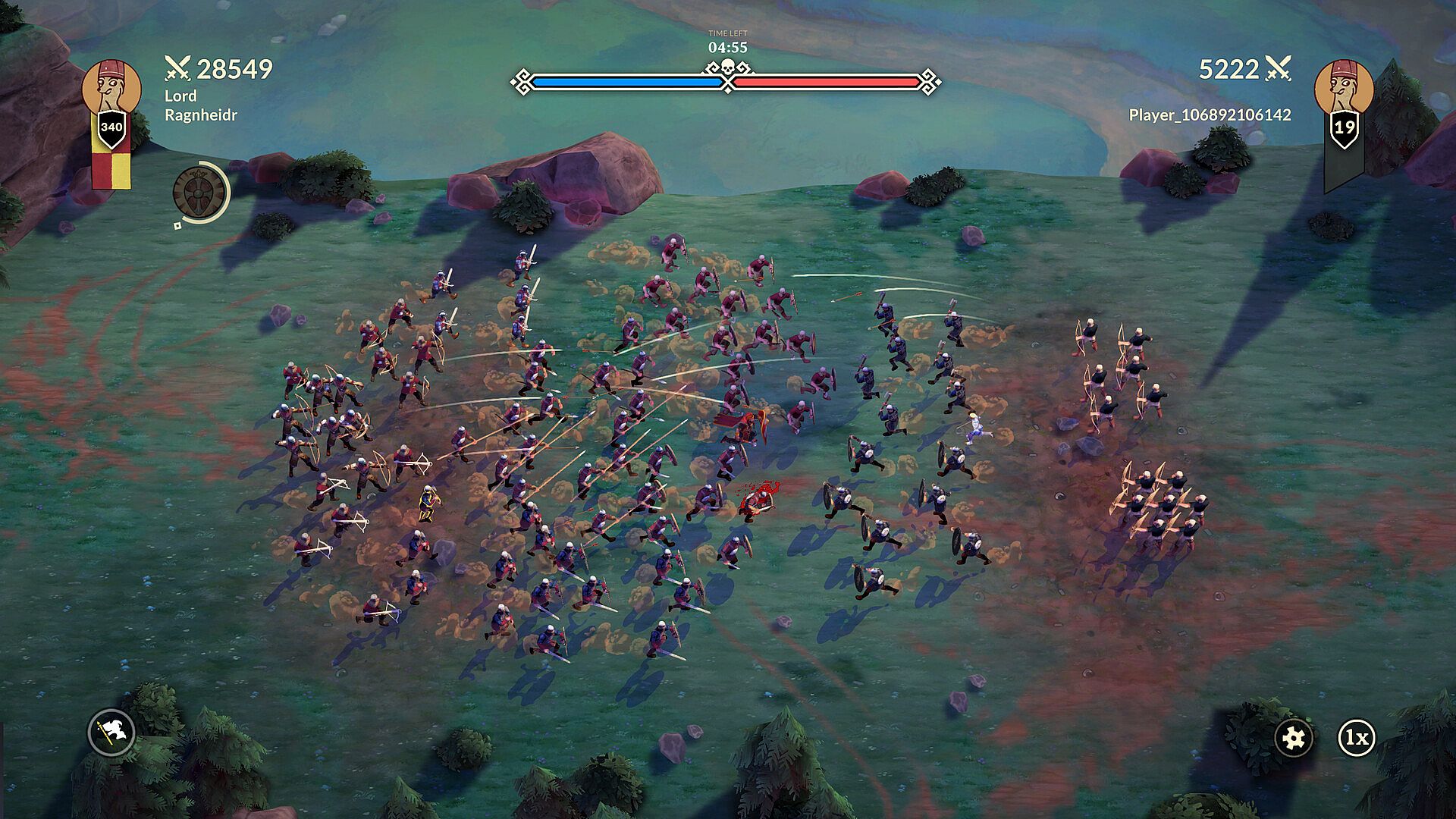
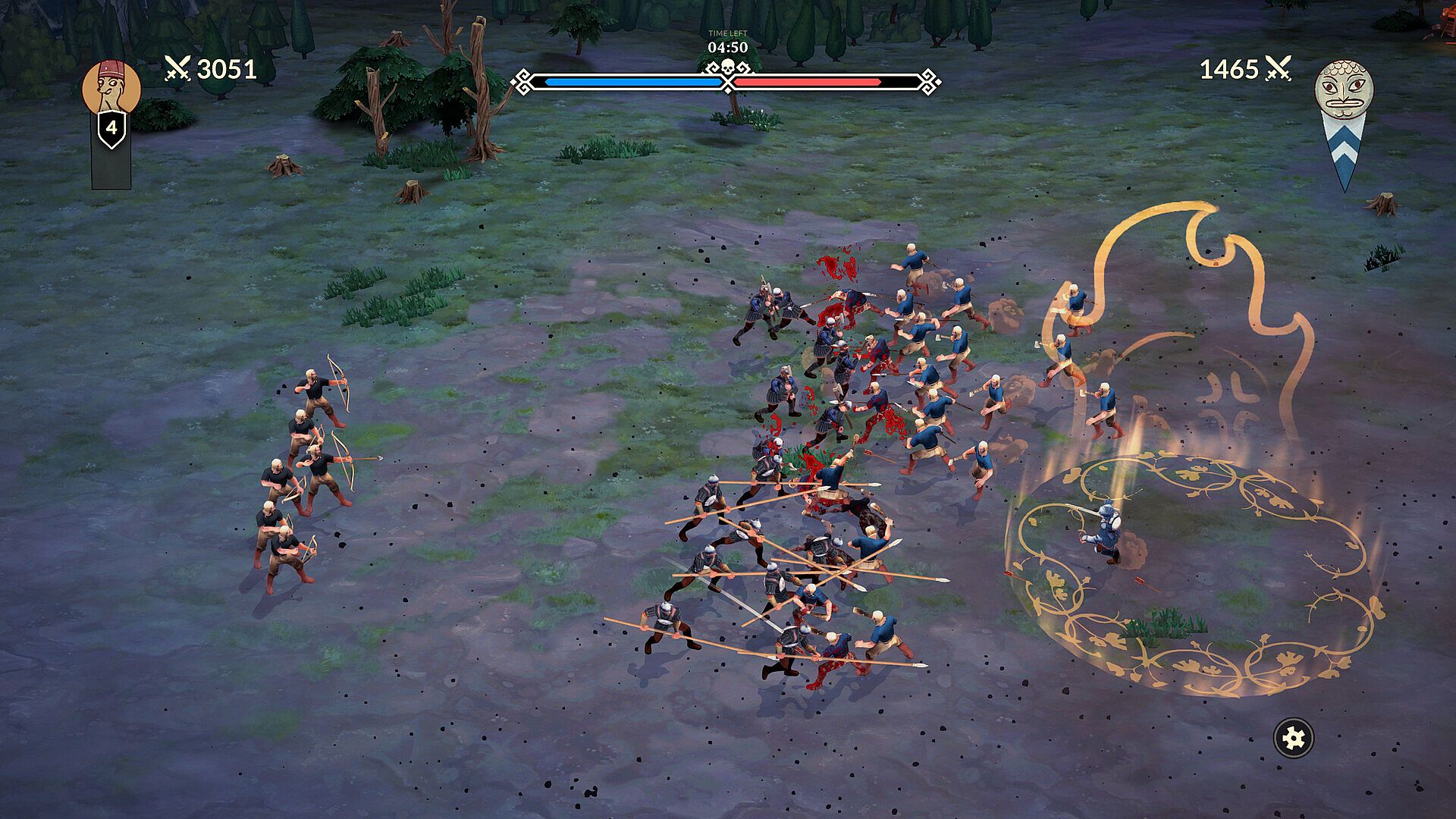
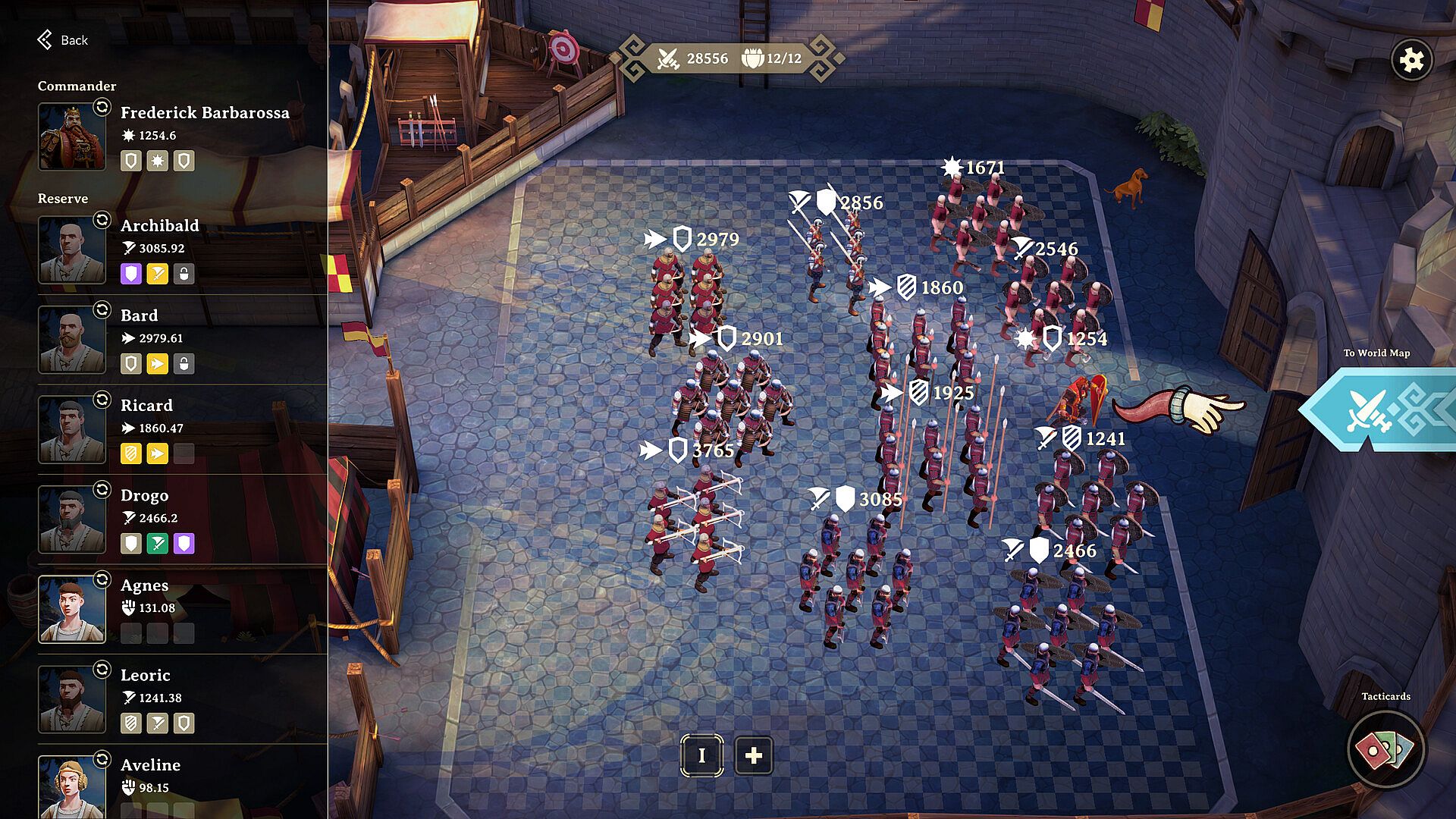
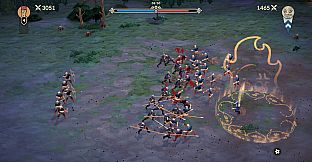
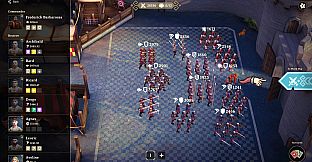
Commanders drawn from historical figures provide specialized abilities that shape battle outcomes. These leaders pair with Tacticards, collectible effects that modify combat in real time. Battles unfold automatically once armies engage, yet success depends on prior preparation of formations, equipment, and card selections. The system emphasizes historical accuracy in weapons, armor, and tactics rather than fantasy elements.
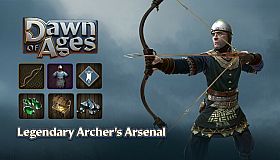
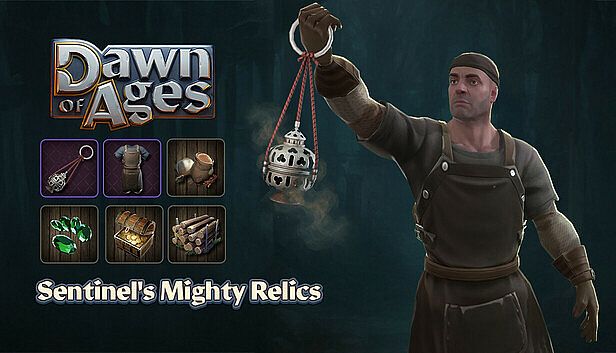
Support items such as the Thurible extend influence across the battlefield by restoring health and enhancing allied performance during engagements. Production-focused equipment like the Workman's Garment accelerates resource output within the city, directly supporting larger or better-equipped forces over time. Additional stockpiles of grain, wood, coins, and gems accelerate early advancement through these systems.
Game Modes
The campaign presents a sequence of story-driven missions organized into chapters that reflect documented historical conflicts. Players complete objectives that combine city development with field battles, unlocking further epochs as they progress. A separate heroic variant of each chapter raises difficulty and rewards for those seeking greater challenge.
Daily missions deliver structured tasks that refresh regularly and yield resources plus event currency. PvP competition occurs through ranked ladders where opponents appear by name, alongside a more demanding hardcore variant and a league system that activates in later epochs. Performance determines placement and periodic rewards.
Raids function as ongoing world-map challenges featuring sequential boss encounters and node-based progression with healing and buff opportunities. Legendary battles appear daily and weekly against powerful rotating foes. Siege defense operates at the clan level, coordinating group attacks on escalating targets for collective gains.
Progression and Systems
Epoch advancement serves as the central thread, with each new period introducing deeper layers of strategy through expanded building options, unit rosters, and commander synergies. Resource chains grow more intricate, requiring careful planning to sustain both civilian growth and military readiness. Clan membership opens cooperative events and shared objectives that complement individual play.
Modifiers available across modes adjust card limits, damage types, movement speeds, and other parameters, allowing repeated encounters to vary without altering core rules. The combination of asynchronous PvE elements and direct PvP keeps the loop active between major sessions.
Is It Worth Playing?
The game suits players who enjoy methodical city development paired with preparation-heavy combat rather than direct control during fights. Its historical framing and layered systems reward consistent attention to production, commander selection, and card optimization. Cross-platform elements support continued progress across devices, while permanent modes such as raids and daily tasks provide steady engagement without reliance on limited-time events.
Those drawn to medieval strategy with both solo campaign depth and competitive ladders will find substantial content across epochs. The addition of specialized equipment expands tactical options in battles and accelerates city output for sustained army growth. Availability on PC broadens access for players preferring larger screens during extended planning sessions.