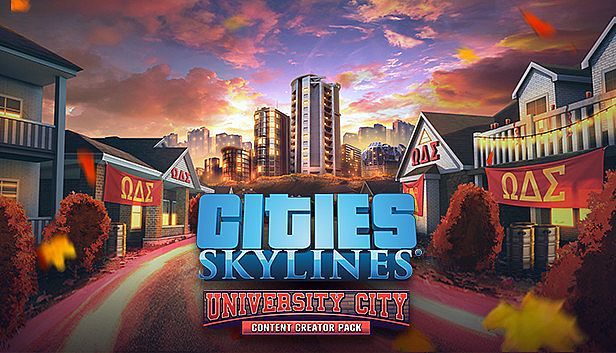

















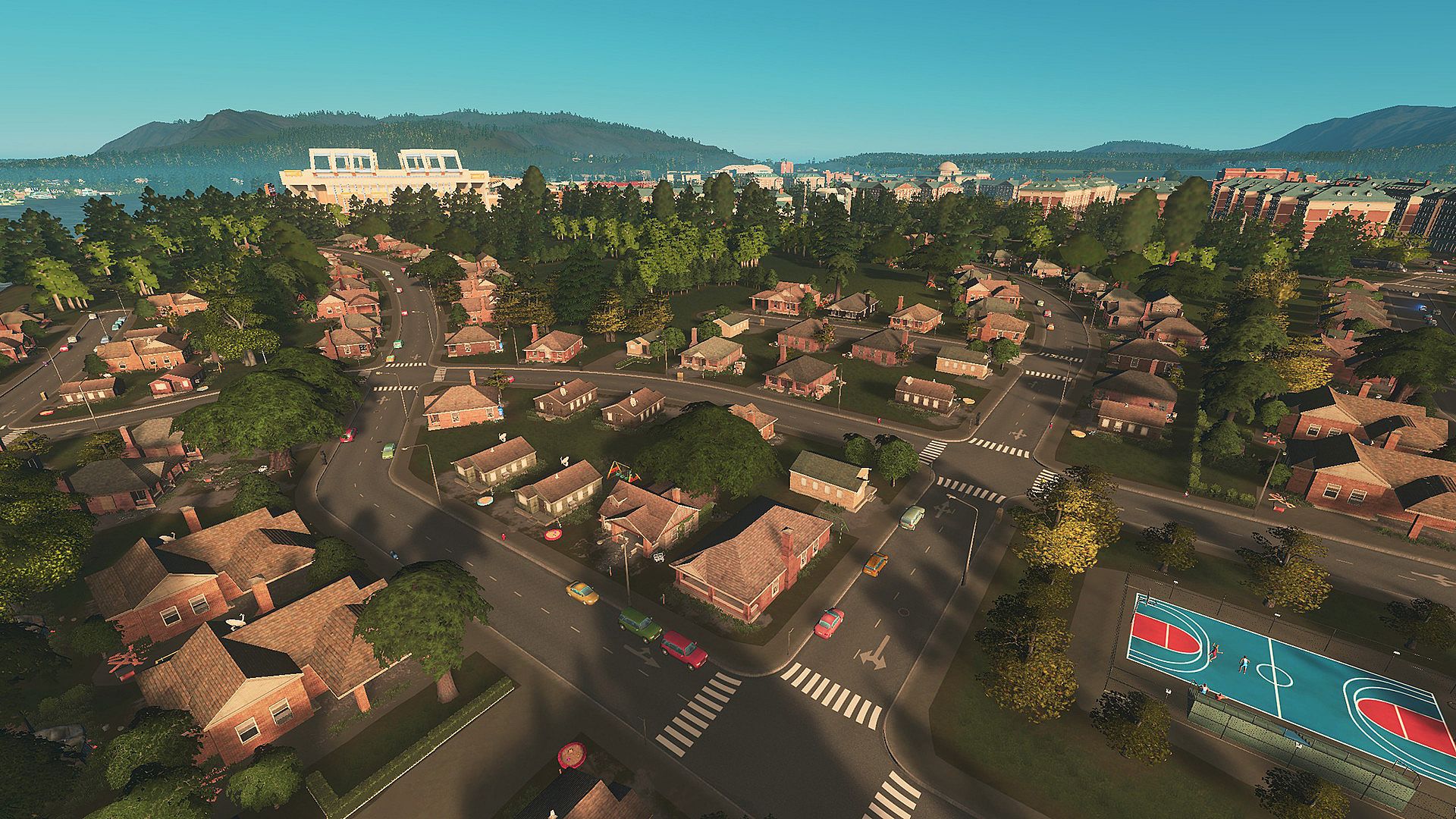
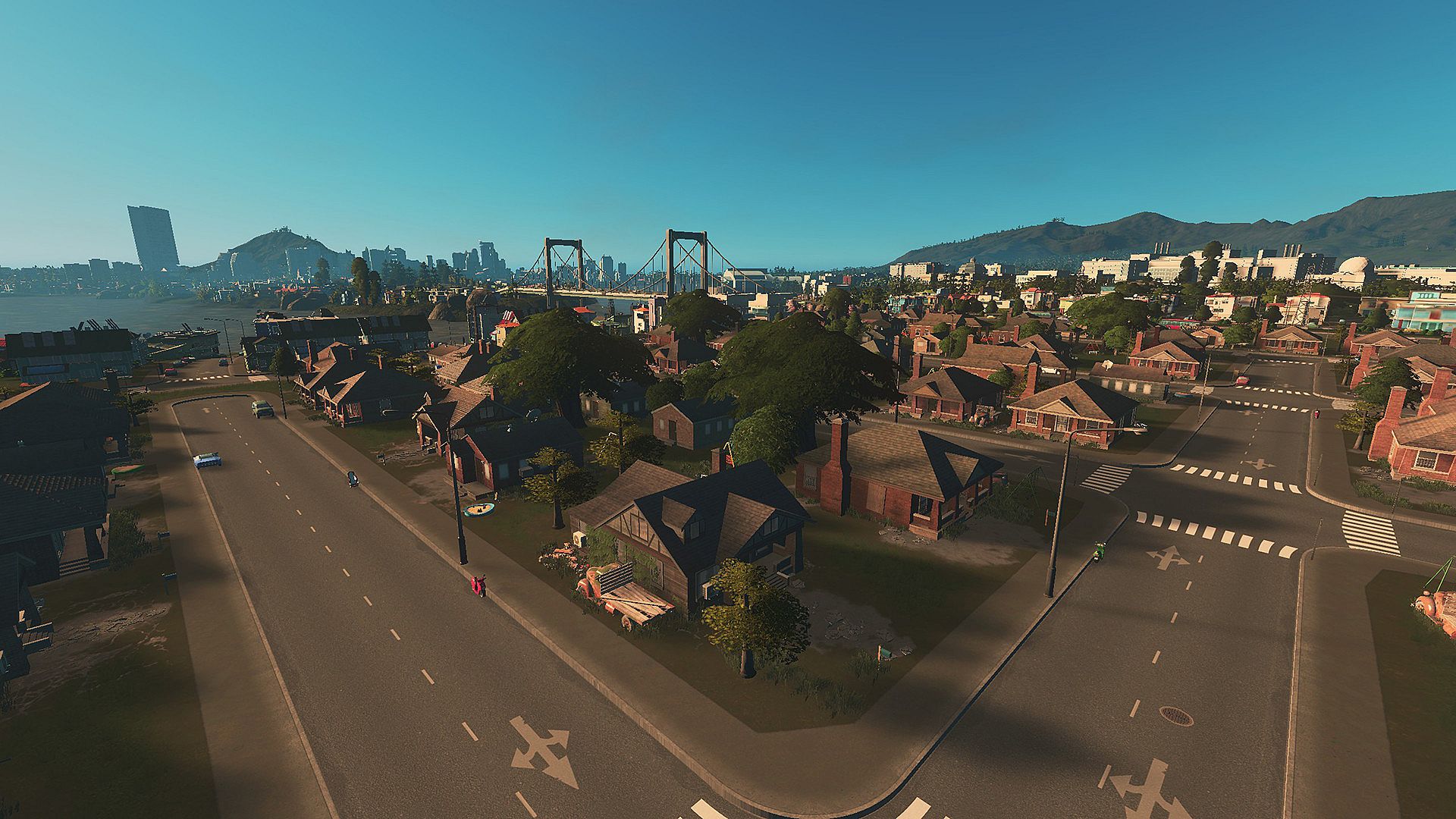
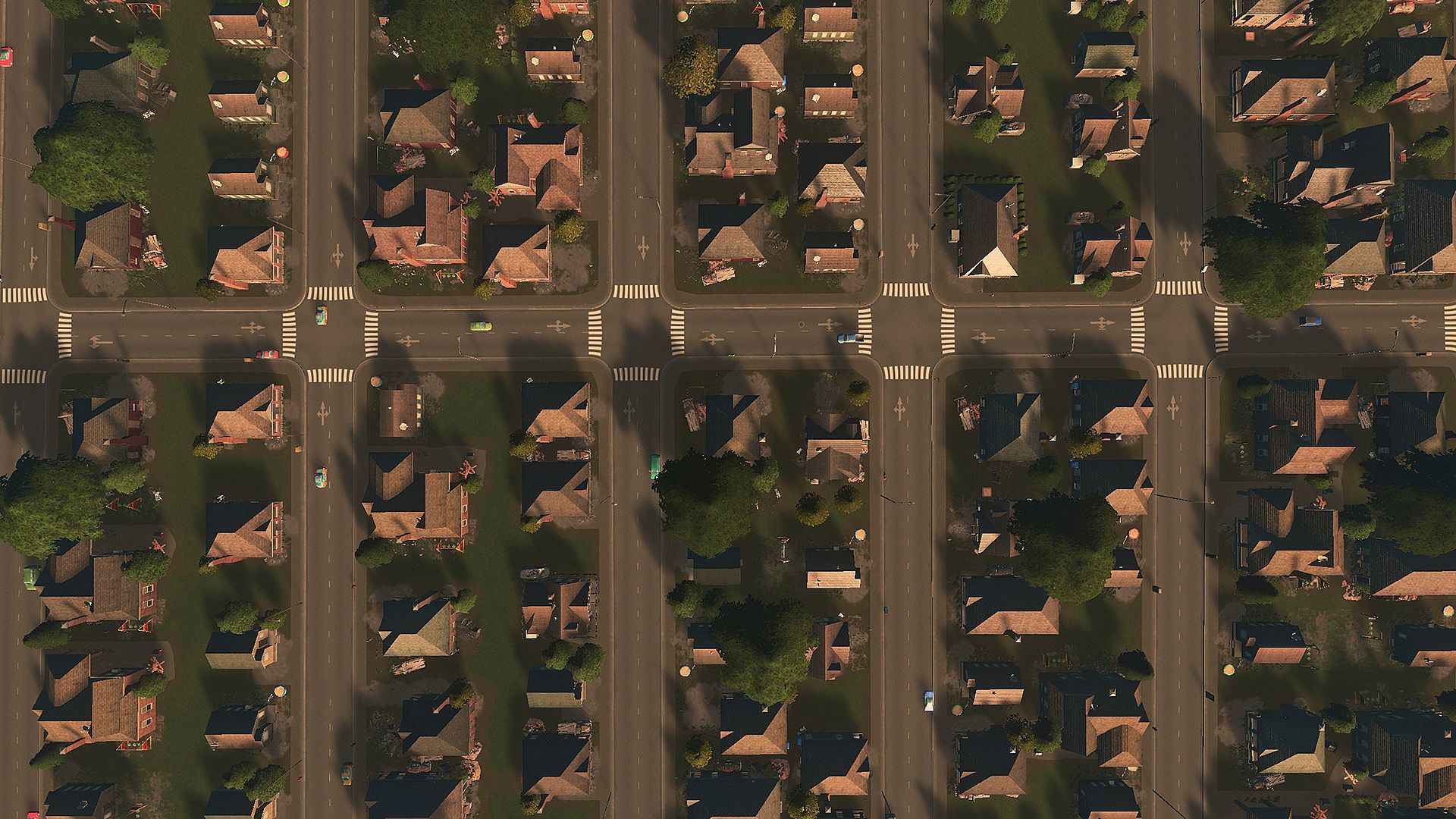
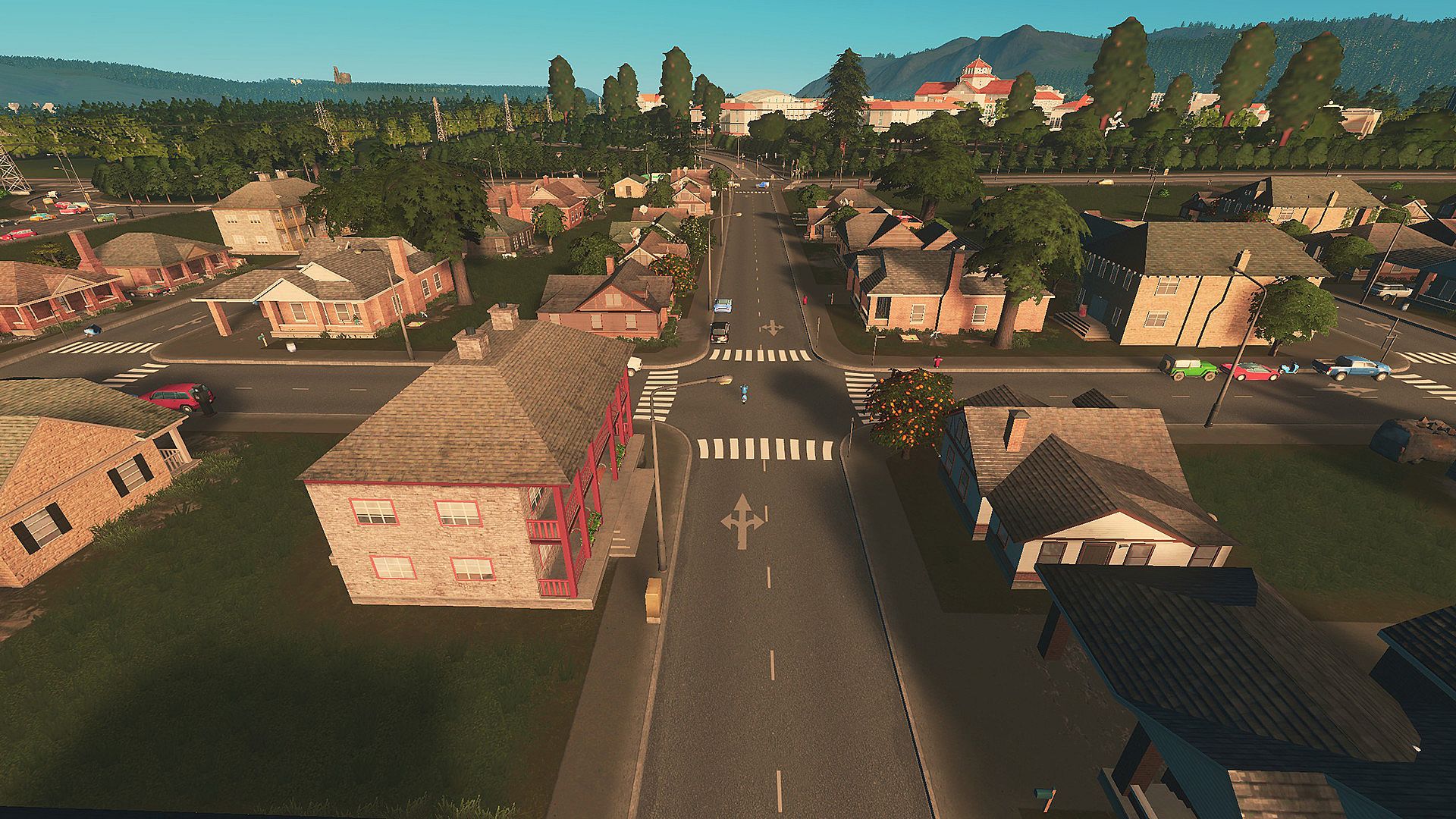
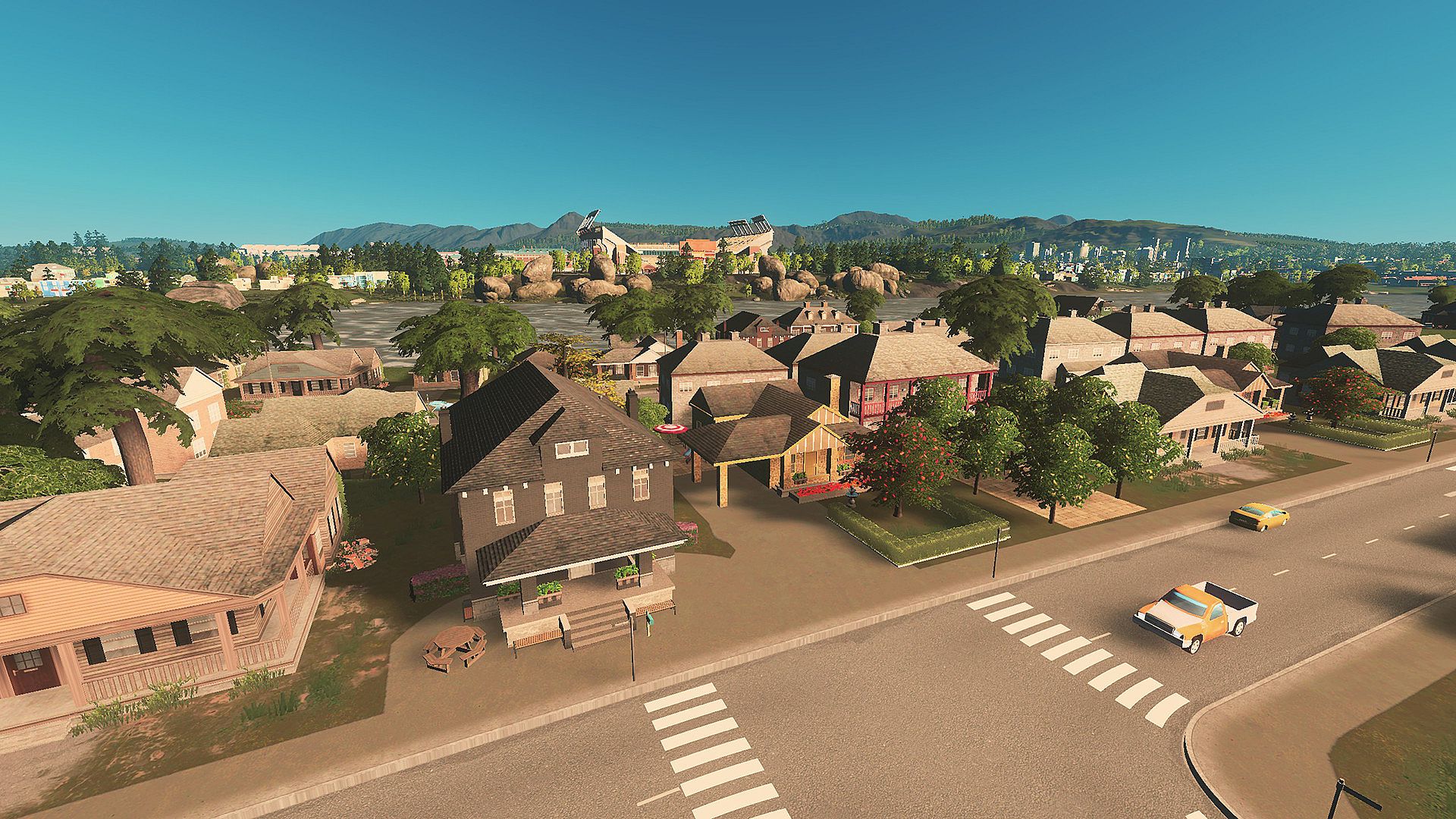
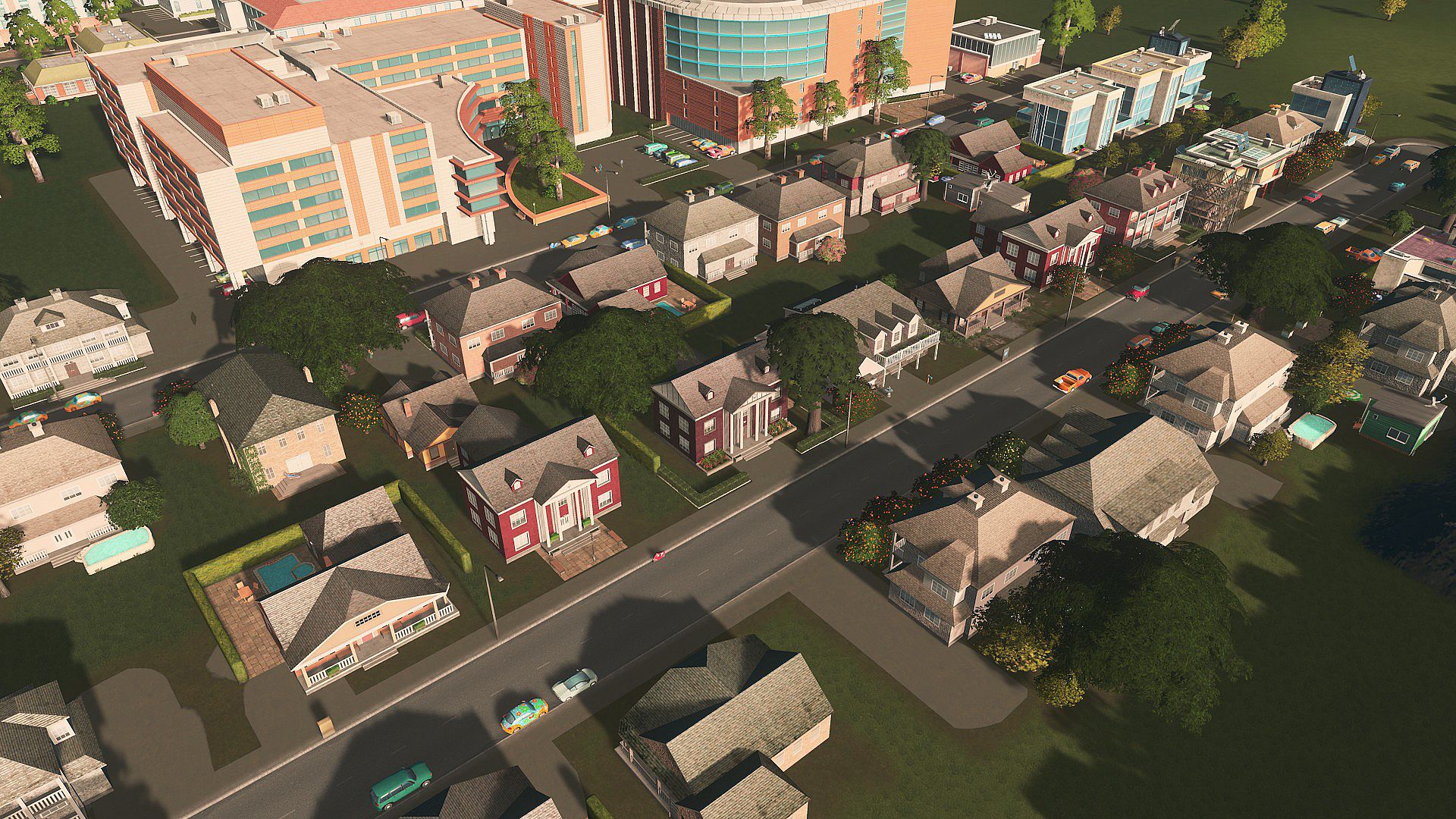
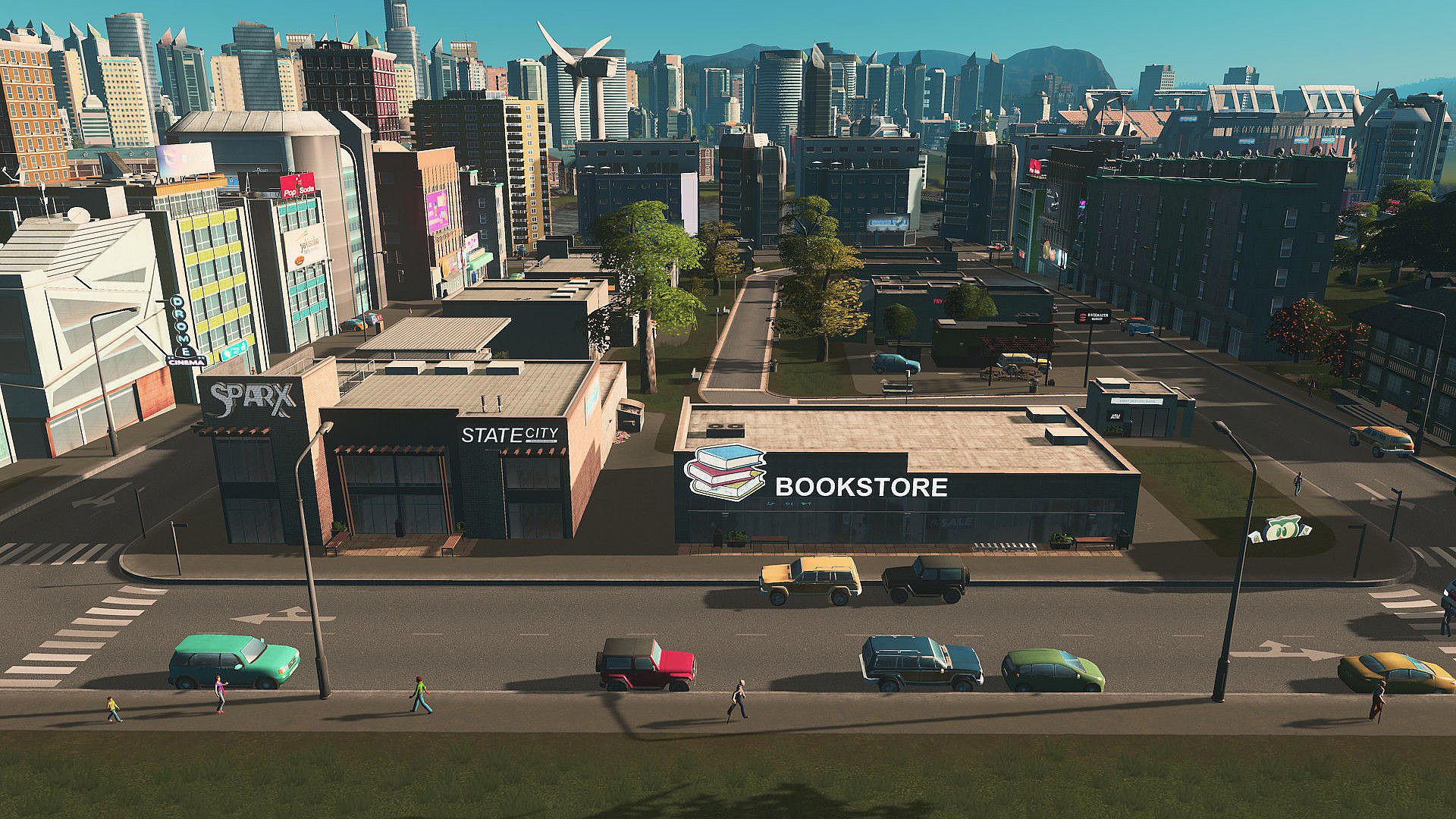
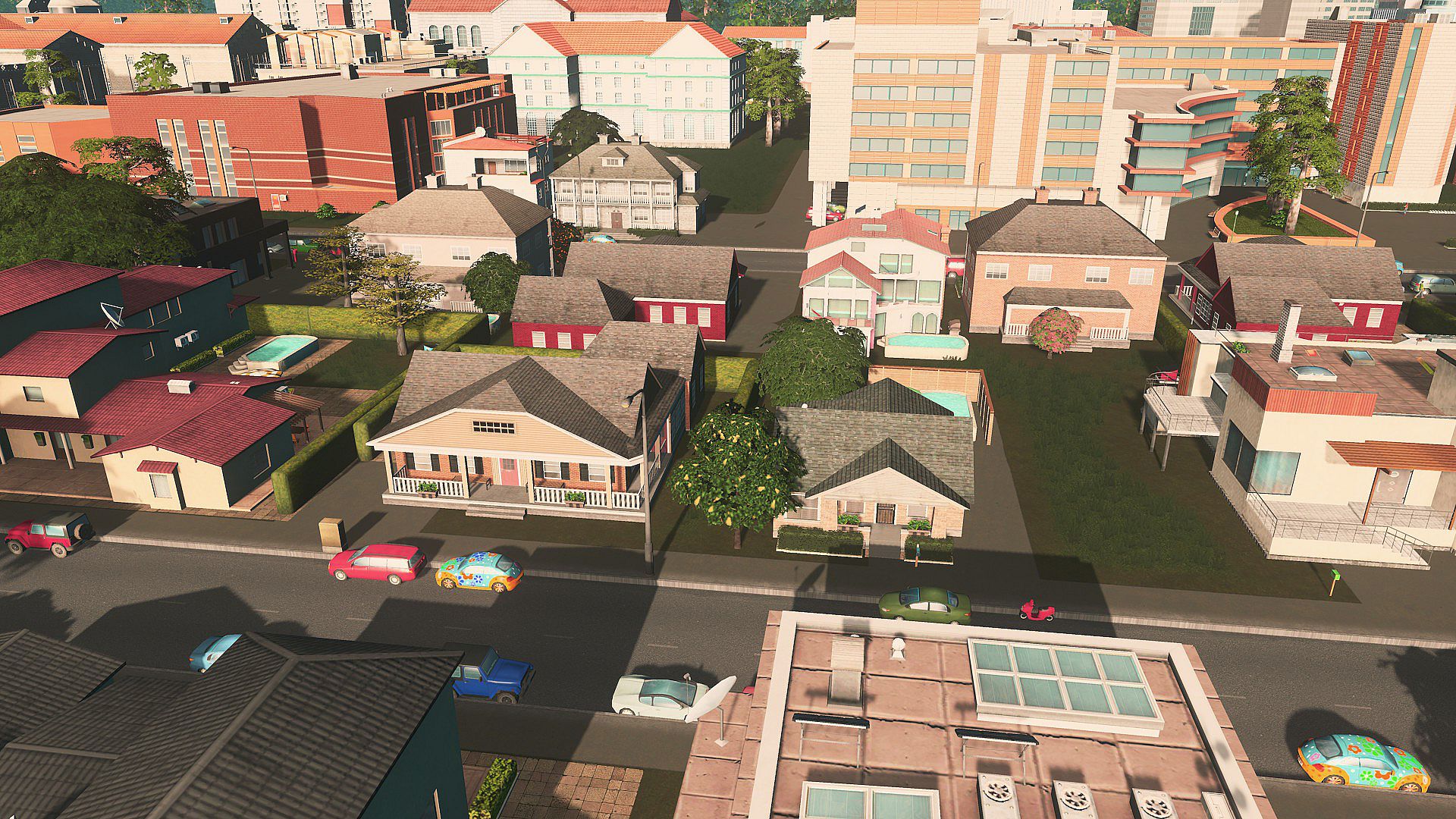
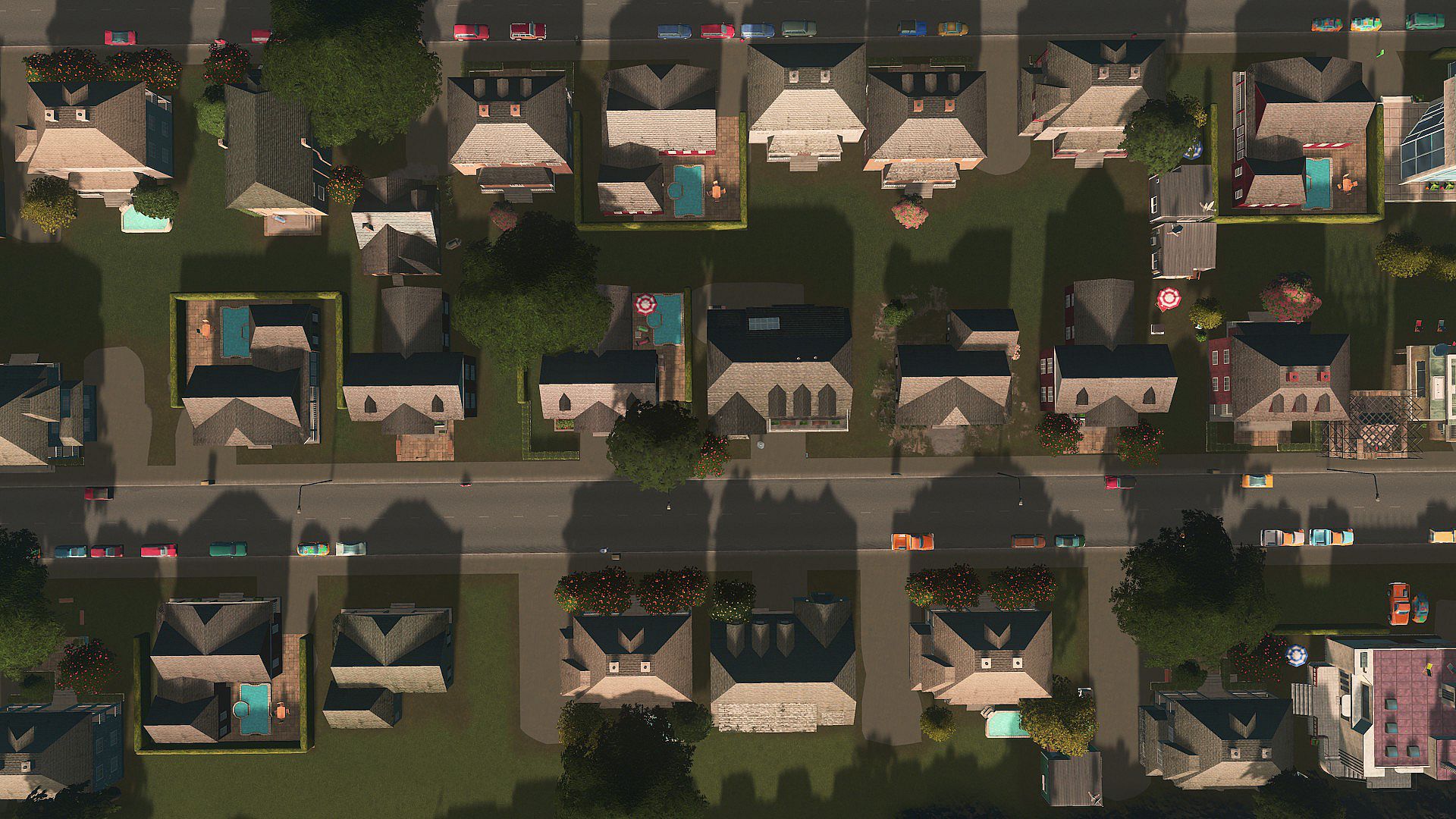
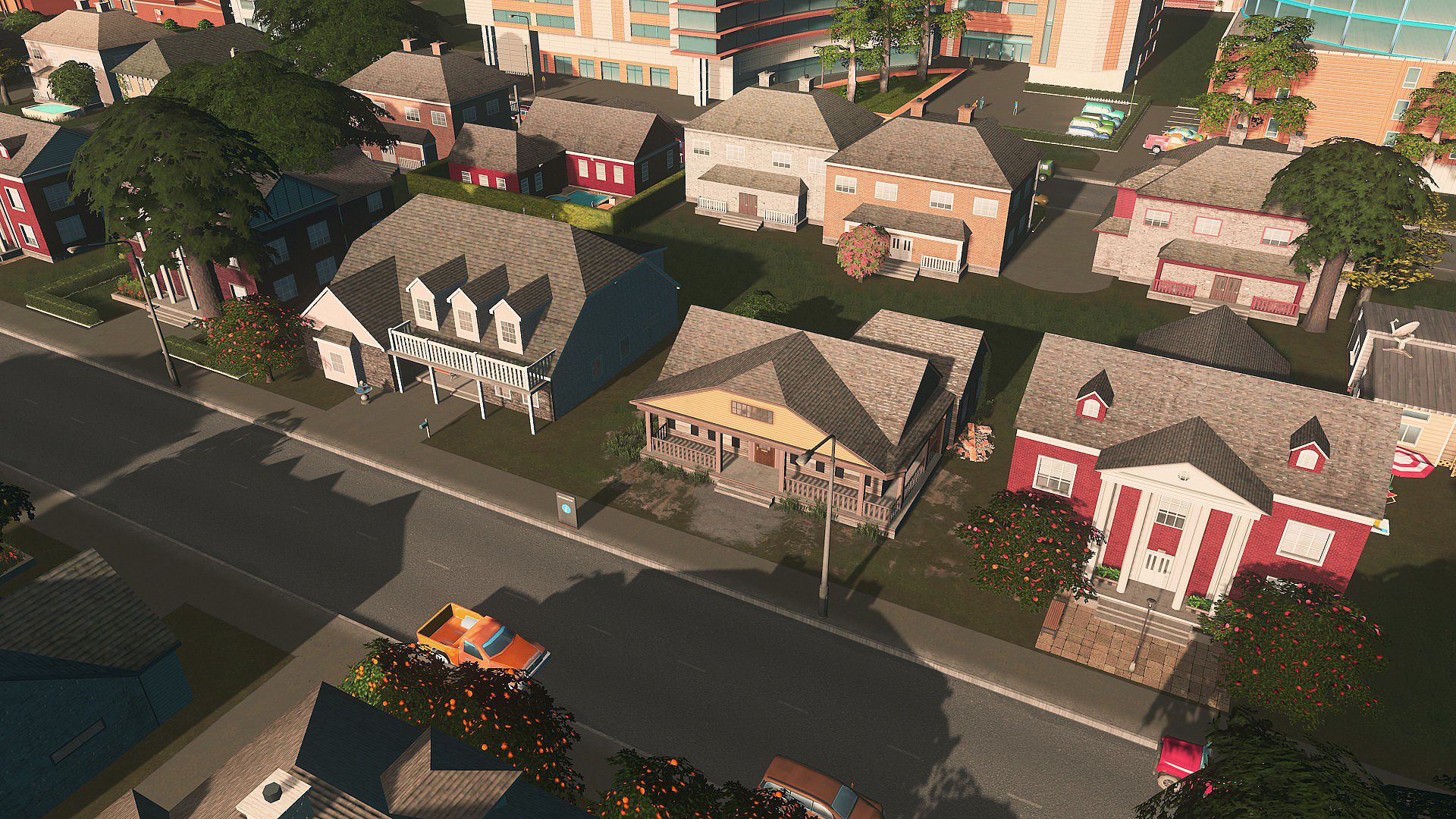
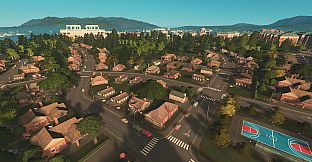
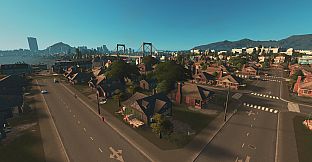
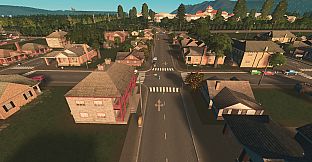
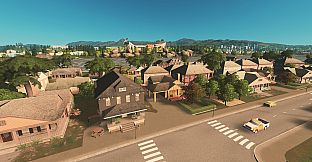
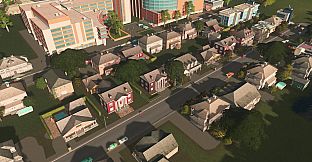
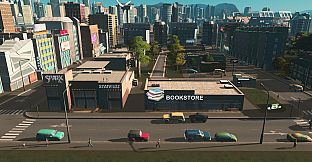
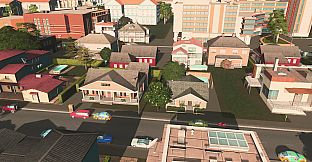
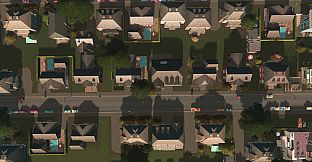
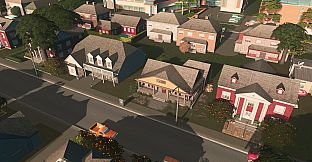
Cities: Skylines Content Creator Pack: University City is a strategy and simulation expansion that introduces specialized building assets to the core city-building experience. This pack focuses on creating authentic low-density neighborhoods that evoke the atmosphere of a college town, with new residential and commercial structures designed to integrate seamlessly into existing zoning systems.
Gameplay
The foundation of Cities: Skylines revolves around constructing and maintaining a growing urban area through zoning decisions, infrastructure placement, and resource management. Players balance residential demand with commercial development while addressing traffic flow, utility networks, and public services. The University City pack enhances this process by adding 36 low-density residential buildings and 32 low-density commercial buildings that appear in appropriate zones. These assets feature designs tailored for student populations, including varied architectural styles that support neighborhood cohesion. Fifteen additional props, such as commercial signs and logos, further customize the environment to reflect academic life without altering core simulation rules like population growth or economic modeling.
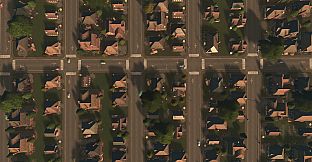
Integration occurs naturally during city expansion. Low-density zones receive the new spawns based on standard progression, allowing builders to shape districts that feel distinct from higher-density commercial cores or industrial sectors. The props add visual detail to storefronts and signage, supporting the overall goal of realistic urban planning in a single-player setting.
Game Modes
Cities: Skylines operates primarily as an open-ended single-player simulation. Builders start with an empty map and develop it at their own pace, with options to adjust starting conditions such as unlimited funds or unlocked items for creative freedom. Sandbox-style play emphasizes experimentation with layouts and policies, while standard sessions incorporate challenges like maintaining positive cash flow and citizen satisfaction. The University City pack functions across these approaches by providing assets that enhance visual variety in any session, particularly in areas zoned for lower-density housing and shops near educational facilities.
No separate competitive or multiplayer modes exist in the base experience, keeping focus on individual city management and iterative improvement over time.
Visual and Thematic Enhancements
The pack's assets target a specific aesthetic for university-adjacent neighborhoods. Residential buildings include smaller-scale homes and apartments suited to younger residents, while commercial options feature shops and services that align with campus life. Props like branded signs contribute to street-level detail, helping districts develop a lived-in quality as the city expands. These elements complement the day-night cycle and traffic simulation by providing consistent theming that supports long-term city evolution.
Builders often combine the new assets with existing tools for road networks and district policies to create focused areas that stand out from surrounding development. This approach rewards careful zoning choices without requiring changes to established mechanics.
Is It Worth Playing?
Reception for the University City pack has been mixed among players, with Steam reviews showing 40 percent positive from over 200 submissions. The content appeals most to those who prioritize detailed customization in their city layouts and seek assets that differentiate student-heavy zones from other residential or commercial areas. It adds targeted variety to the simulation without introducing new systems or requiring adjustments to gameplay balance.
For enthusiasts of strategy and simulation titles who enjoy refining neighborhood character through building selection, the pack provides meaningful options that integrate directly into standard play. Those focused solely on core management mechanics may find the additions less essential. The pack remains available as a standalone addition to the base game on PC, supporting ongoing city-building sessions years after its 2019 release.