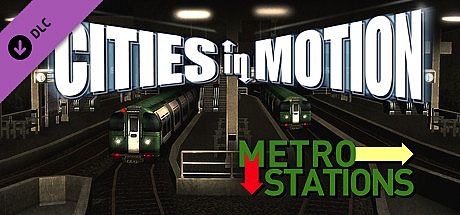













Cities in Motion: Metro Stations is a simulation game that expands public transport planning with specialized metro infrastructure. Players manage evolving city networks across decades, balancing route efficiency, passenger flow, and financial returns through detailed station designs.
Gameplay
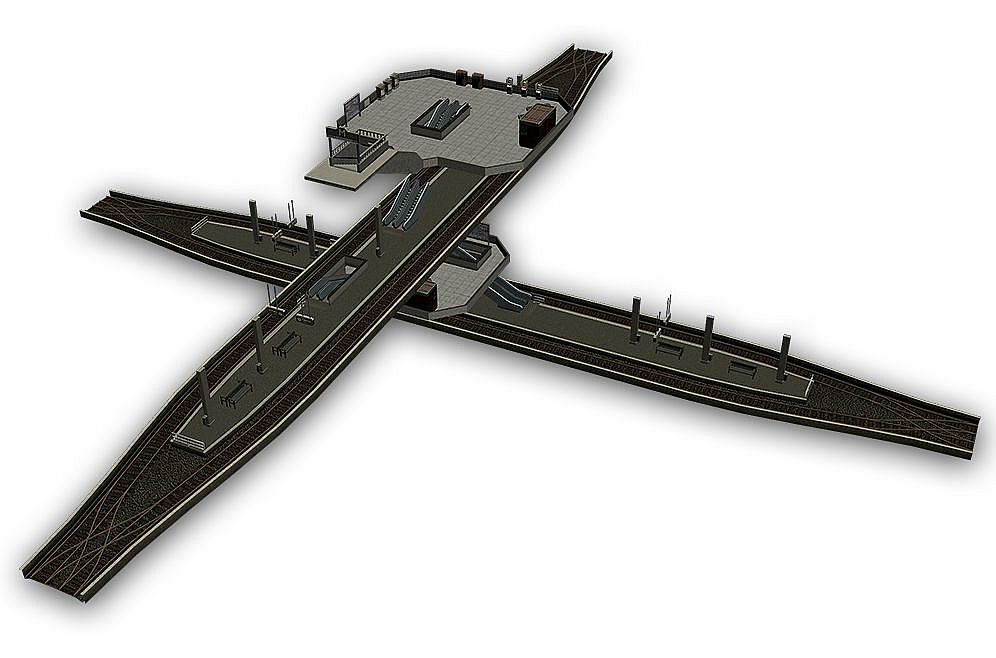
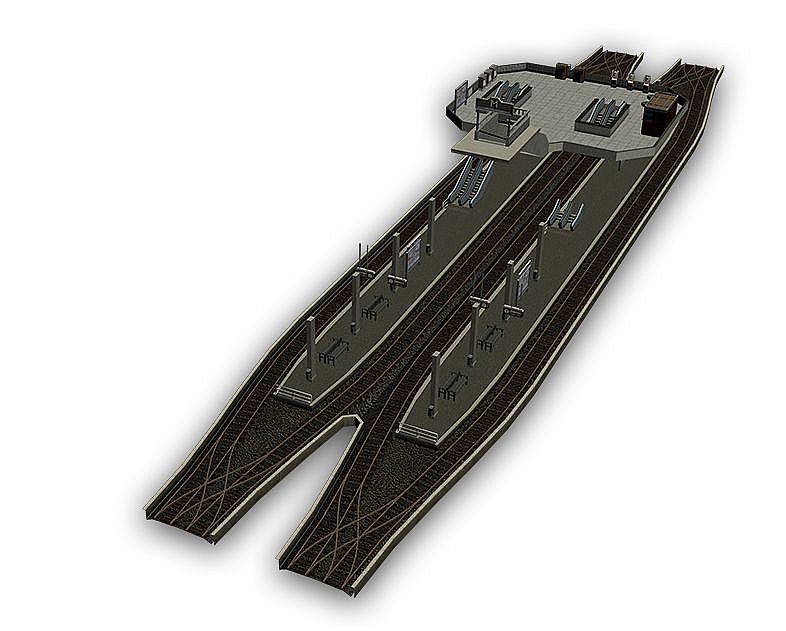
The core loop centers on constructing and optimizing transport lines in detailed city environments spanning 1920 to 2020. Buses, trams, and subway trains form interconnected systems where station placement directly influences commuter movement and overall profitability. The crossed platform metro station stacks two stations vertically, enabling seamless transfers between lines at different levels without requiring passengers to reach street level. This setup supports faster transitions in dense urban areas. The multiplatform station places four platforms side by side on the same level, allowing direct switches between lines within the station footprint and reducing external travel time.
Route planning requires attention to changing population demands over time. Stations connect lines efficiently, minimizing delays and supporting higher passenger volumes. Profit comes from ticket sales and operational efficiency, while commuter satisfaction depends on convenient access and reliable service. The focus remains narrow on transport systems, with cities operating independently around the planned networks.
Game Modes
Campaign mode presents structured scenarios that follow historical development stages of public transit in multiple cities. Each scenario sets specific goals for line construction and network expansion across the time period. Sandbox mode removes these constraints, allowing free-form building and experimentation with station types and routes on available maps.
Both modes incorporate the new metro stations as tools for refining line connections. The crossed platform and multiplatform designs integrate into existing metro tracks, expanding options for complex networks without altering base transport mechanics.
Station Design and Network Integration
Effective use of the crossed platform station involves aligning vertical connections to link separate metro lines efficiently. Passengers benefit from internal transfers that keep them underground. The multiplatform station suits parallel line operations, where four adjacent platforms handle multiple routes on one level. These additions emphasize strategic placement to handle peak loads and support long-term growth in passenger numbers.
Network integration extends to combining these stations with other transport types. Metro lines feed into bus and tram routes at key points, creating layered systems that adapt to city expansion over the decades.
Is It Worth Playing?
This DLC suits players interested in precise metro network optimization within a transport simulation framework. The station types provide concrete tools for improving line connectivity and passenger throughput. Limited user feedback highlights its value for dedicated metro planning, noting it as a useful addition for serious system builders. It requires the base Cities in Motion game and remains available as a standalone purchase with no ongoing updates or seasonal content. Those who enjoy methodical route design and station-level decisions will find the focused additions worthwhile for enhancing existing campaigns or sandbox sessions.