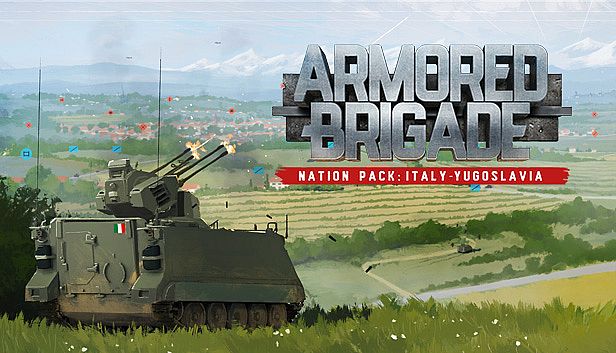











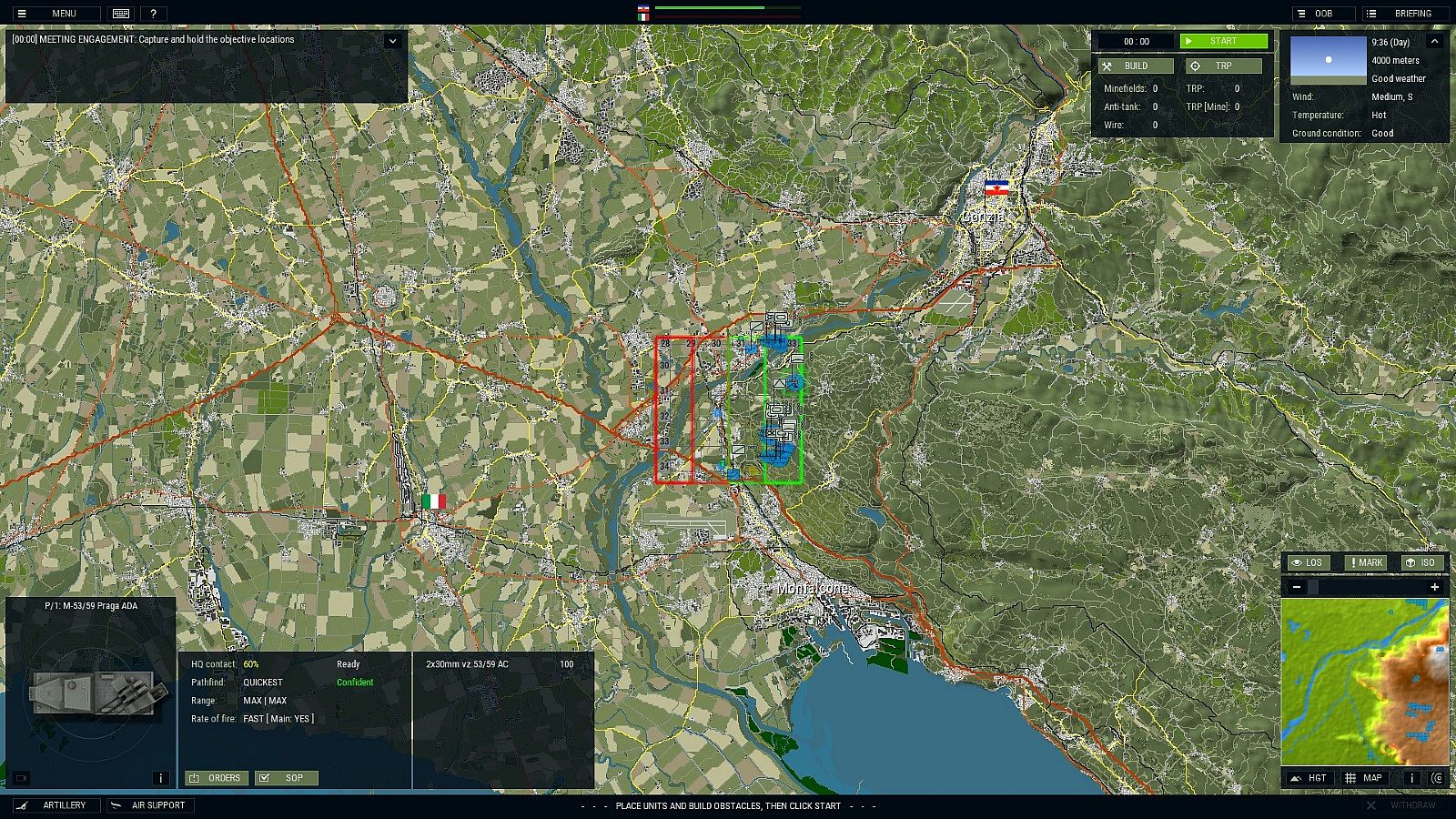
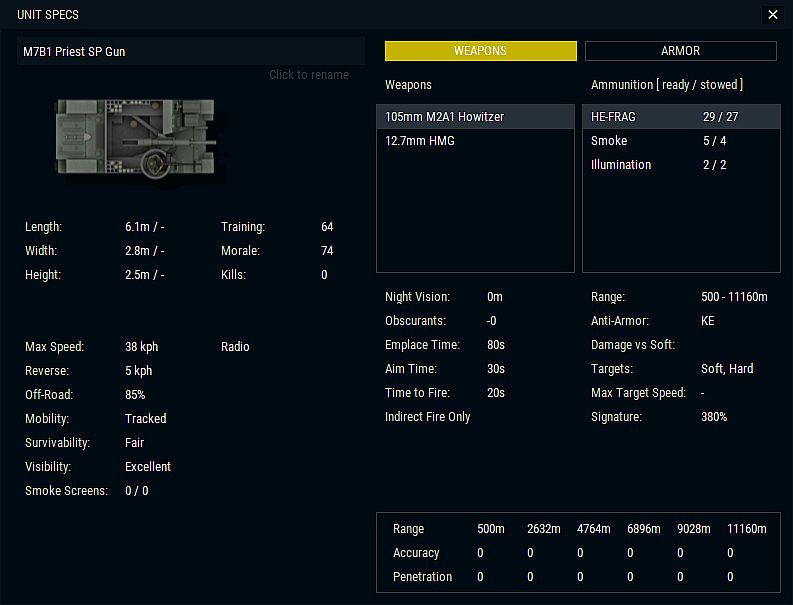
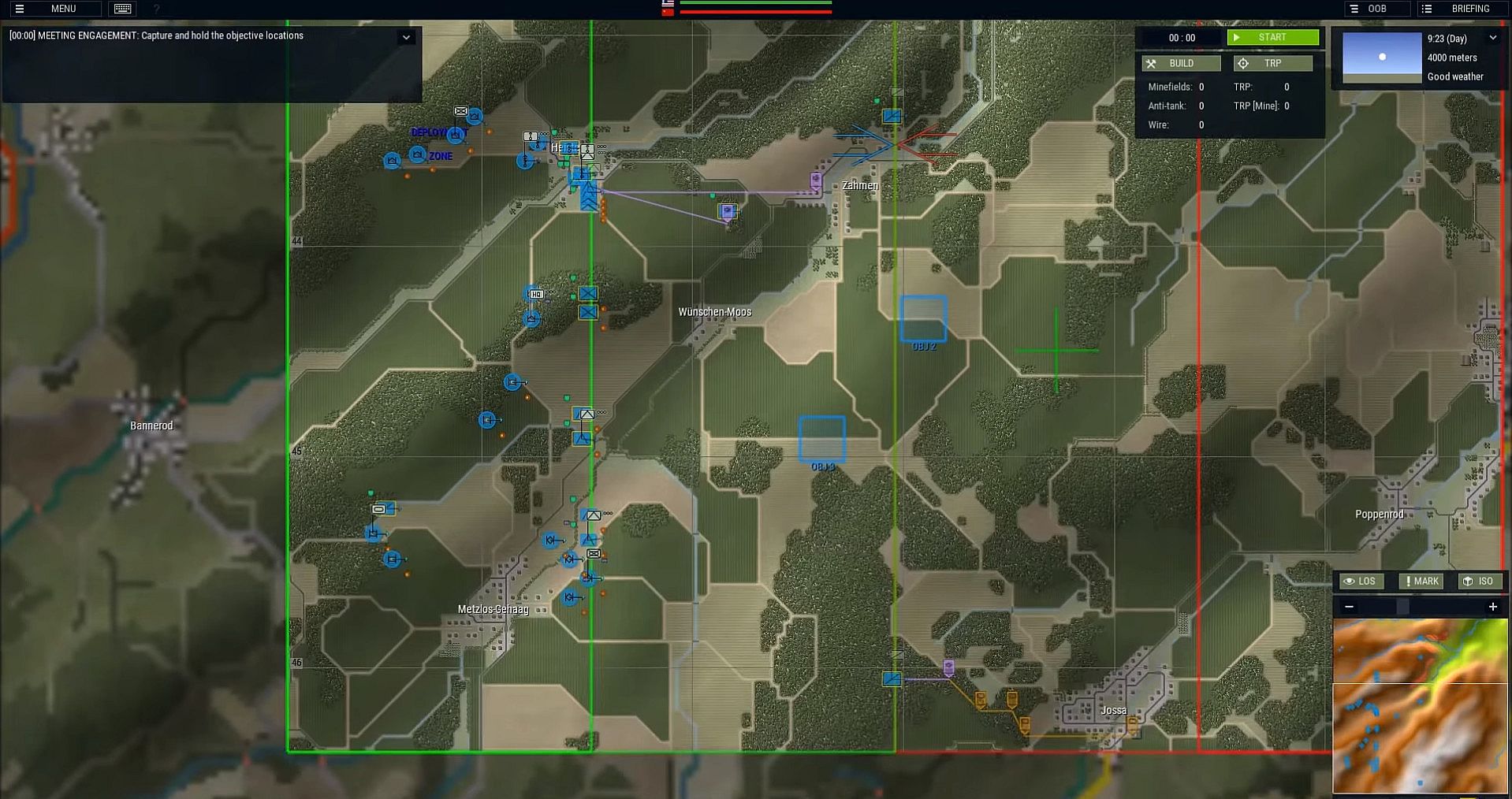
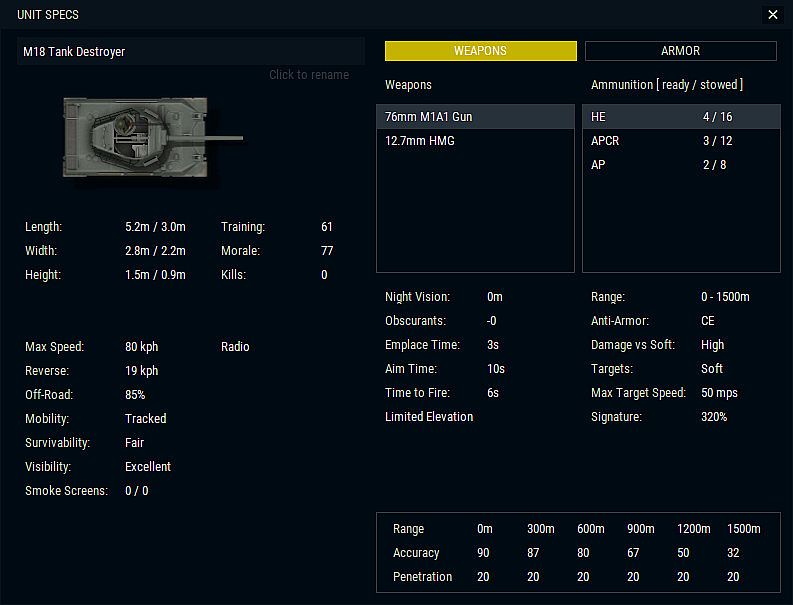
Armored Brigade Nation Pack: Italy - Yugoslavia is a strategy and simulation title for PC that expands the core real-time tactical wargame with two new factions set in the Cold War era from 1965 to 1991. Players command Italian or Yugoslav forces in detailed battles that emphasize terrain, unit quality variation, and combined arms tactics against opposing armies.
Gameplay
The Italian forces reflect a military shaped by post-World War II reorganization within NATO. Units range from well-trained Alpini mountain troops and select armored brigades to more standard formations that may appear under-equipped relative to other NATO peers. Defense of rugged mountainous terrain on the eastern border shapes the approach, with emphasis on strong support assets, mobility, flanking maneuvers, and maximum use of cover to offset any perceived shortcomings in firepower.
Yugoslav units draw from a doctrine that blends conventional field army operations with partisan-style guerrilla experience. The force prioritizes efficiency with available resources, incorporating both modern and older equipment without waste. Infantry formations form the core, offering high variety, low logistical demands, and strong survivability, while armored and mechanized elements provide capable support in combined arms operations against technologically superior opponents.
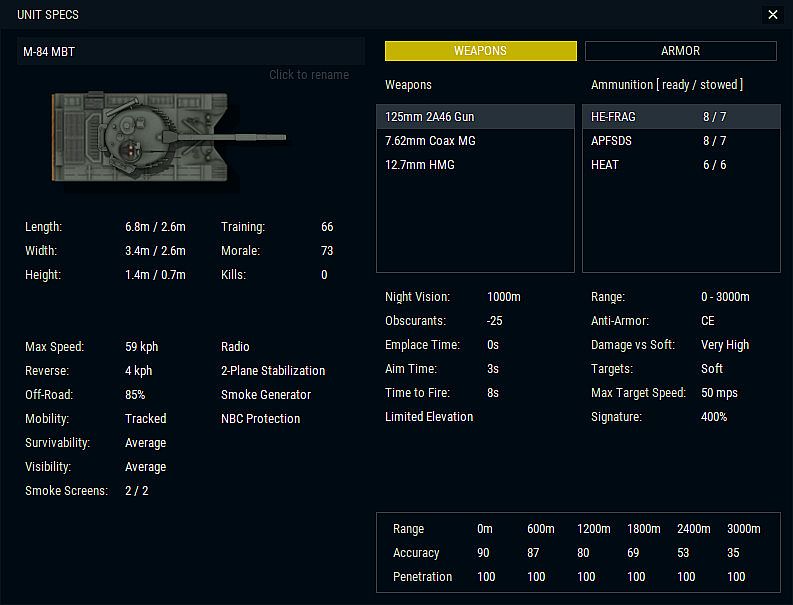
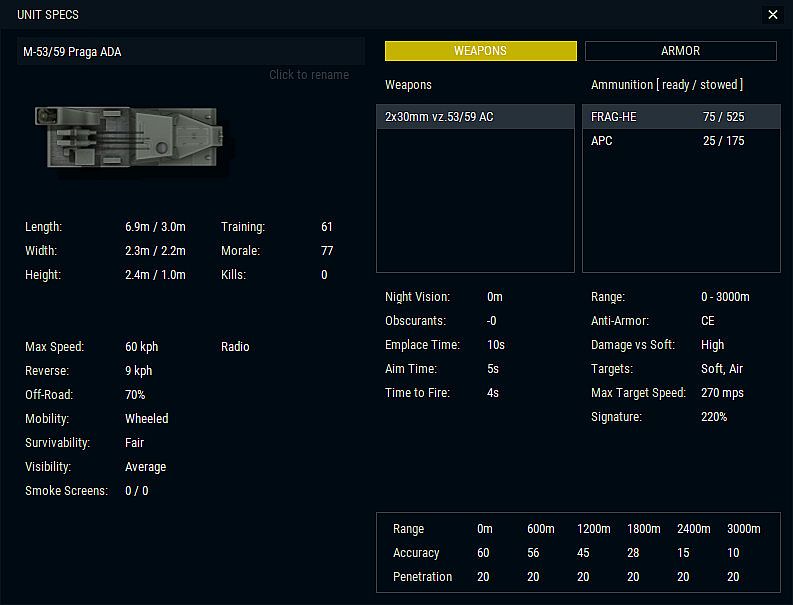
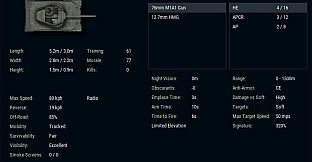
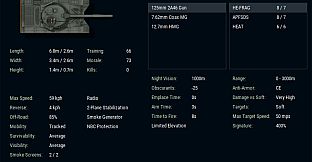
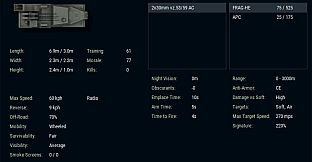
Over 250 new units and aircraft join the roster for these factions. Battles unfold in real time with attention to authentic equipment and national doctrines, creating scenarios where terrain cover, reinforcement timing, and tactical positioning determine outcomes more than raw numerical superiority.
Game Modes
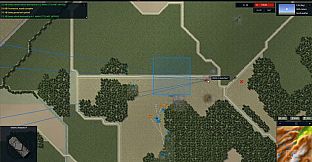
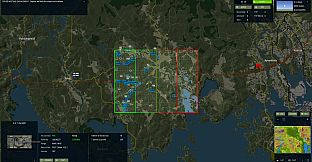
Core play revolves around real-time tactical engagements on new maps and environments tailored to the Italian and Yugoslav theaters. Campaign missions incorporate the new factions, allowing players to explore their specific strengths and limitations across extended operations that mirror the strategic concerns of the period.
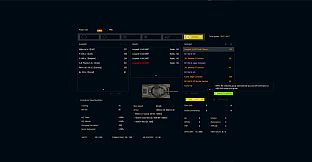
Skirmish-style battles and custom scenarios support flexible testing of unit compositions, with the same underlying systems for visibility, morale, and logistics that define the base experience. The addition of these factions expands options for singleplayer confrontations without altering the fundamental real-time command structure.
Factions and Mechanics
Italy operates with a mix of realpolitik priorities and defensive constraints, leading to forces that reward careful positioning and support integration rather than direct confrontation. Quality differences across brigades encourage selective reinforcement and terrain exploitation in mountainous or fortified areas.
Yugoslavia presents a balanced roster suited to nationwide defense concepts. Infantry-heavy compositions handle varied roles effectively, while armored elements add punch when integrated properly. The overall design favors adaptable combined arms play to counter better-equipped adversaries through mobility and local knowledge advantages.
Mechanics highlight realistic limitations such as varying training levels, equipment availability, and the need for efficient resource use. Players manage forces that perform reliably across roles but require thoughtful composition to excel against specialized opponents.
Is It Worth Playing?
This nation pack suits players already familiar with the real-time tactical wargame format who seek additional faction variety in Cold War scenarios. The Italian and Yugoslav forces introduce distinct playstyles centered on terrain mastery and balanced resource management, respectively.
Available user feedback shows consistent approval among the small number of reviews, with the content preserving the established mechanics while adding authentic units and missions. Those interested in detailed simulation of period-specific doctrines will find value in the expanded options for singleplayer campaigns and battles.
Support for the title continues through the broader series, though this pack functions as a self-contained addition focused on historical accuracy rather than ongoing seasonal content. It appeals most to enthusiasts of realistic strategy who appreciate the challenge of working within national equipment and doctrinal constraints.