


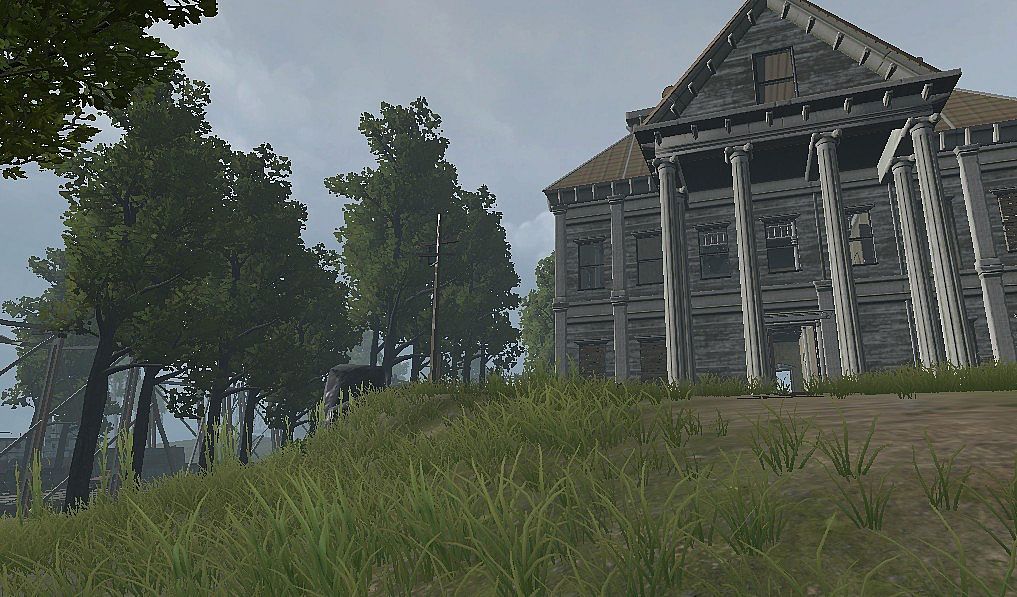
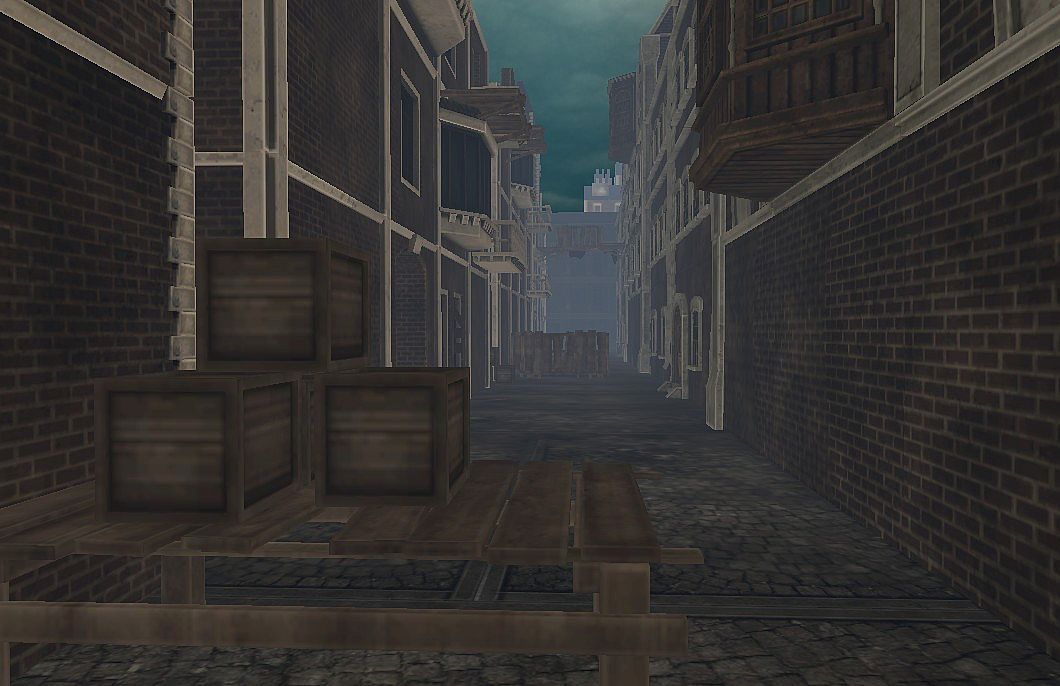
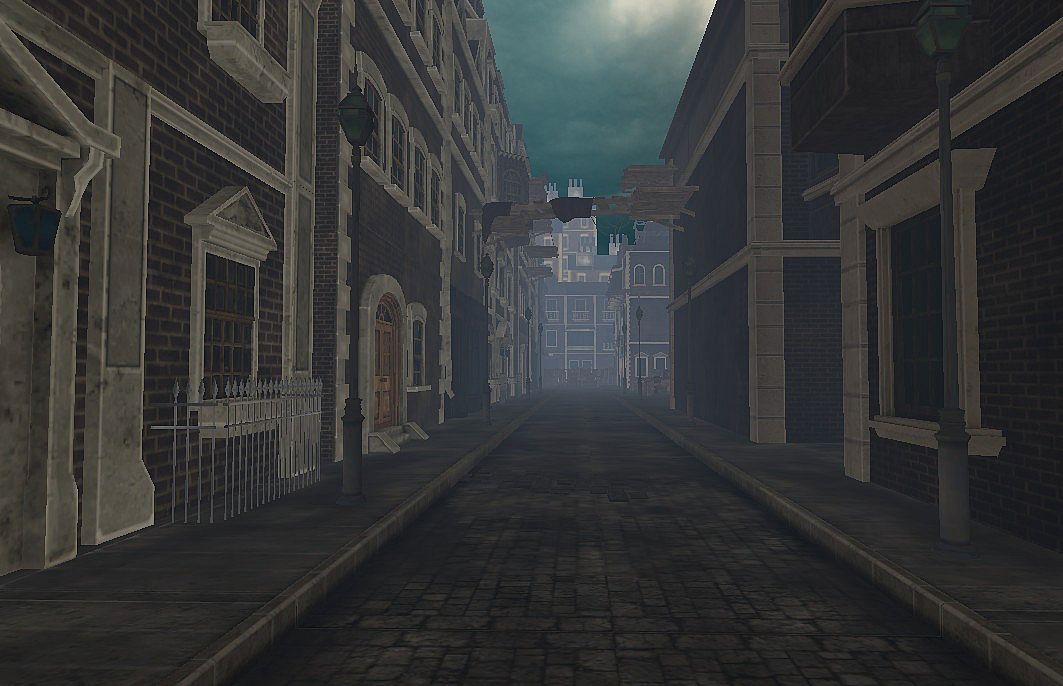
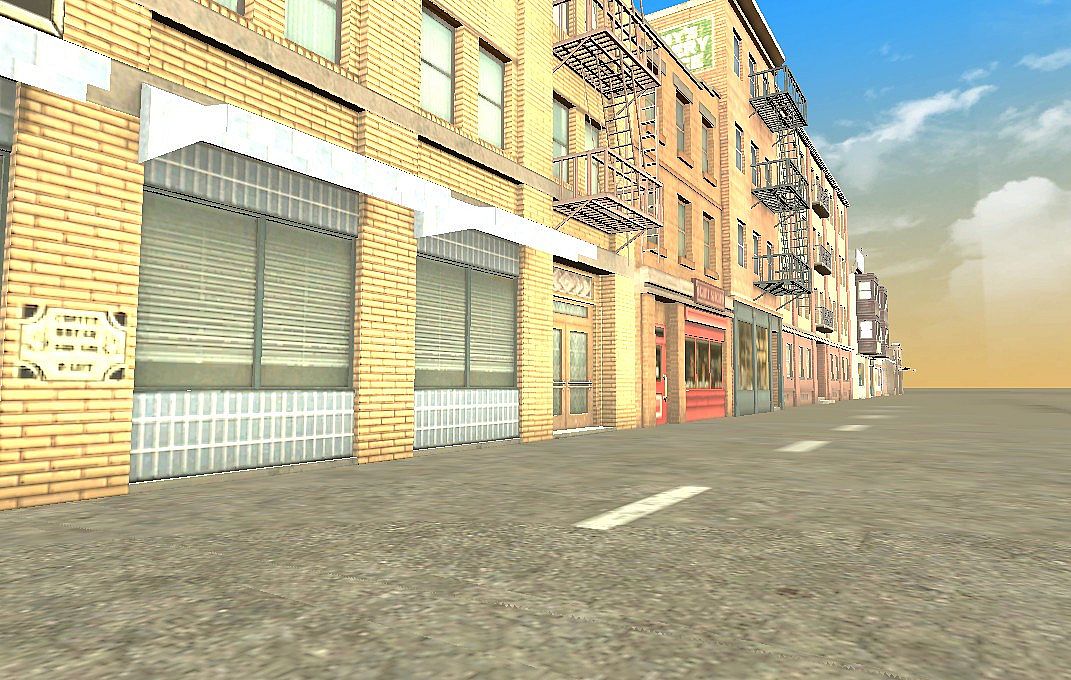
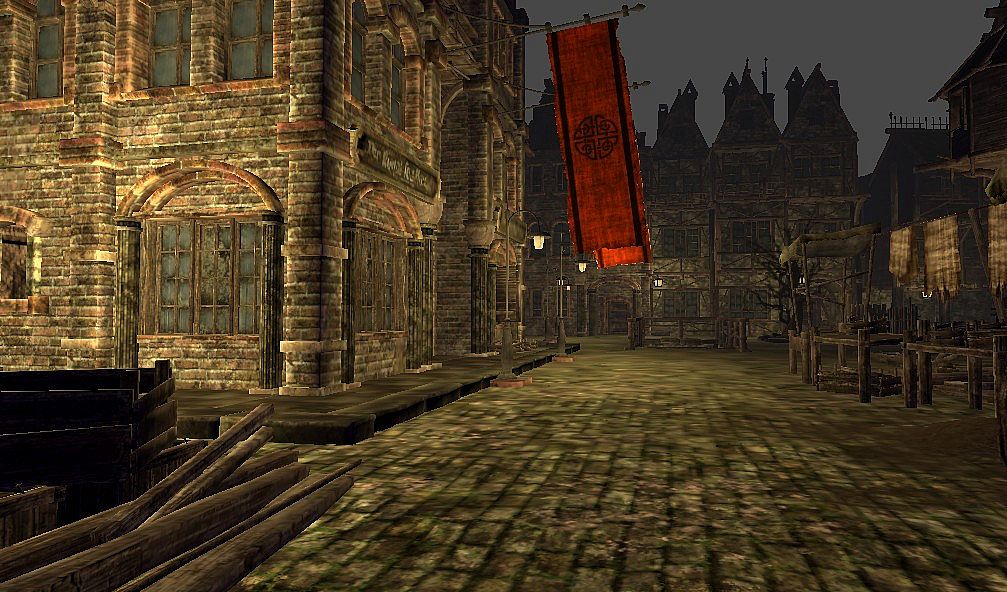
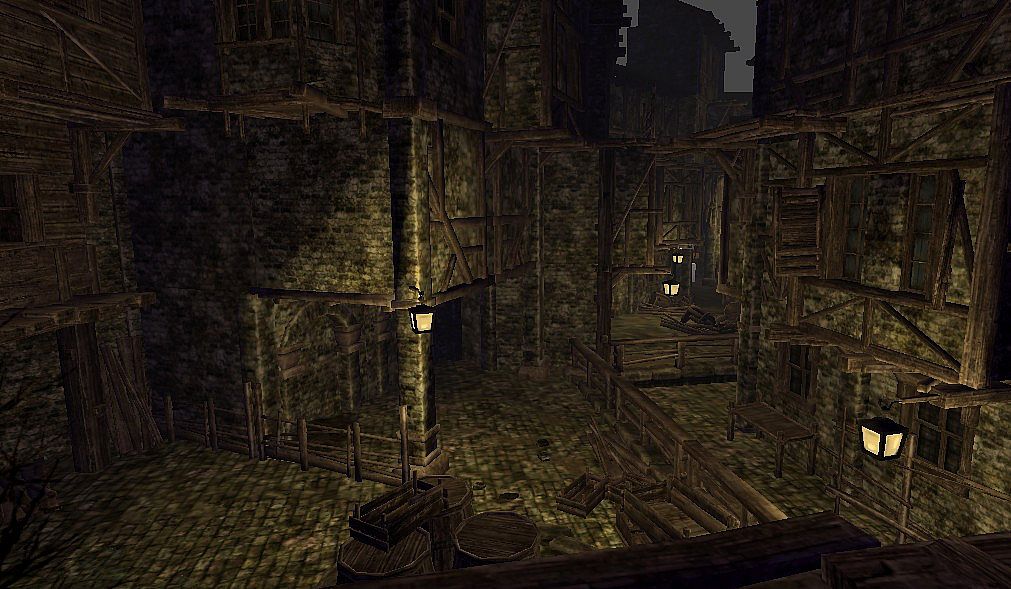
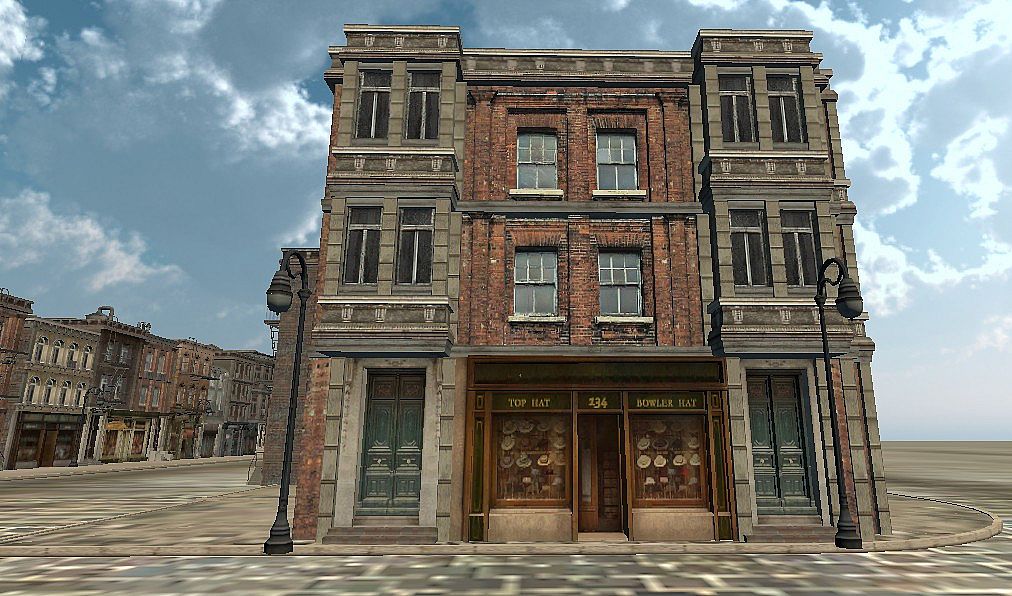
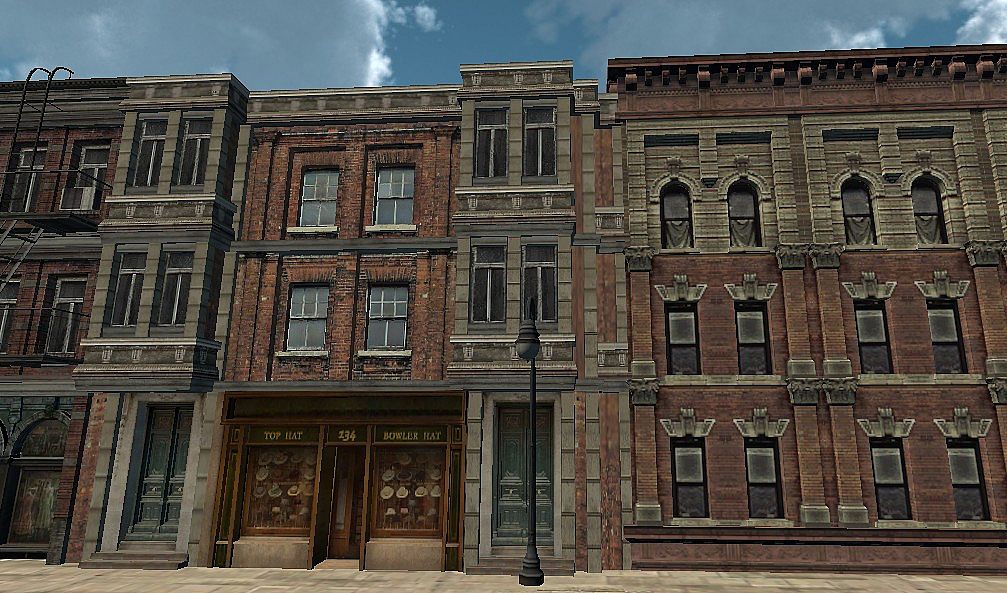
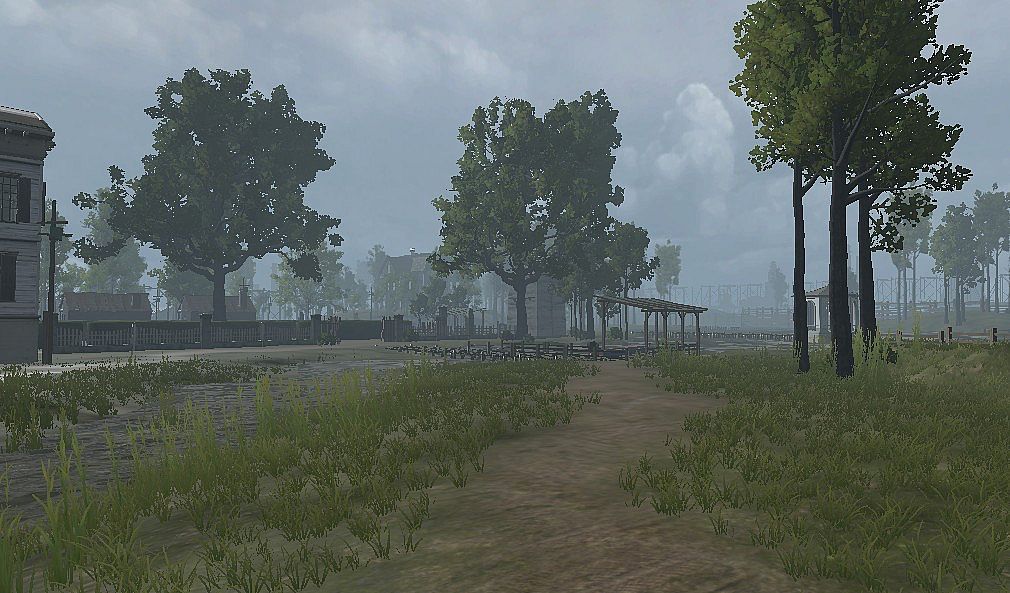
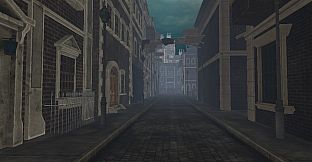
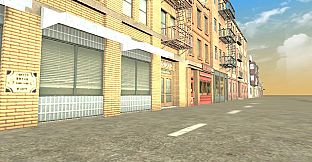
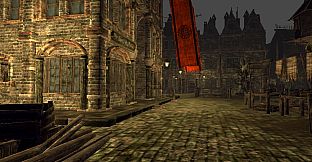
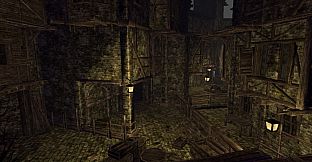
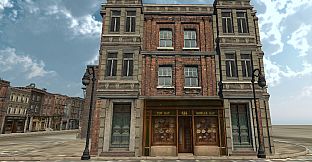
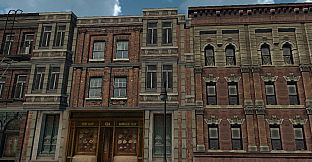
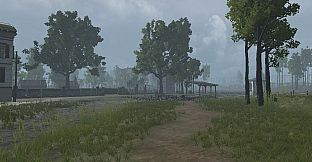
Our excursion game contains multiple sub-games and the three additional games of bow and arrow hunting, wooden fork fishing, and snake eating. Through these games, you can feel the development breath of the industrial revolution, and see a world that is completely different from the present and exists in history.
In the game, you can choose any of the sub-games we provide at will. You can walk freely in the game and visit any corner inside as long as you use the VR device. At the same time, in order to prevent you from being bored during the tour, we have also designed a game session to find the treasure chest to bring more fun to your tour. Every time you find a treasure chest, you will get different points. The more treasure chests you find, the more points you will accumulate; don’t underestimate this point, this point will bring you a huge surprise after the game is over Big gift package.
Of course, what I have to say is that the snake-eating game we gave out is very beneficial to our shoulder and neck health. While playing the game, we are also constantly exercising our cervical spine. It is really a very good game. .
You see, you only need to spend a very small amount of money to get so many things, it is really very cost-effective. If you have children in your family, you can let the children play this game together, so that the children can learn more about history and civilization. Compared with the knowledge in books, our games can make you feel more deeply about the development of Europe in the late 19th and 20th centuries. While entertaining, we also learned a wealth of historical knowledge.
The following is a brief description of the history of European development in the 19th to 20th centuries, I hope you like it.
The most notable thing in the 19th century was the technological and economic progress in Western Europe and North America due to the Industrial Revolution. Incidentally, various natural science disciplines, such as physics, chemistry, biology, geology, etc., have gradually taken shape, and have influenced the birth or reshaping of social sciences (including sociology, anthropology, history, etc.). But on the other hand, these industrial countries have successfully colonized most of the world through their powerful productivity and weapons, and destroyed many ancient civilizations, such as the existing social and economic systems of China, India, and Turkey, by means of dumping. The country was forced to "modernize". In addition, the rise of nationalism has enabled most European nations to establish their own modern countries and begin to build and preserve their own history and culture. In art, the popular classical art of the last century was gradually replaced by romanticism. Later, stimulated by the scientific and industrial revolutions, Europe began to develop towards realism, hoping to capture the various aspects of real life through painting, literature, music and photography. Kinds of situations and characters, among which Impressionism is the most famous. In society, a large number of social conflicts continue to occur, making the socialist trend of thought gradually fermented. Among them, Marxism, which has a profound influence on the next century, is the most famous.
On May 8, 1800, Napoleon attacked the Austrian troops in northern Italy. On June 14, he won the Battle of Marengo and occupied Italy. On February 9, 1801, he signed the Fao Peace Treaty at Luneville, the request of France. Almost all satisfied. On March 26, 1802, France and Britain signed the Treaty of Amiens, and the second anti-French alliance disintegrated.
In May 1803, France and Britain reopened the war, and Napoleon occupied Hannover. Napoleon proclaimed himself emperor in 1804, as Napoleon I. In the same year, British Prime Minister W. Pitt organized the 3rd Anti-French Alliance. The participants were mainly Britain, Russia, and Austria. On August 27, 1805, France began to attack the Austrian-Russian coalition forces moving westward. On September 26, Napoleon I arrived in Strasbourg from Paris. The French army bound for Austria totaled 186,000. On October 20, the French army captured the Ulm Fortress. The Austrian army was defeated. The French army took advantage of the victory and pursued it. On November 13, it entered Vienna and immediately crossed the Danube. On December 2, Napoleon I personally commanded a decisive battle with the Russian-Austrian forces in Austerlitz (see the color picture [Camping on the eve of the Battle of Austerlitz (1805)]). About 15,000 Russian-Austrian forces were killed, 20,000 were captured, and the artillery was almost wiped out. The 80,000 French troops lost less than 9,000 people. On December 26, the two sides signed the "Plaisberg Peace Treaty." The third anti-French alliance disintegrated.
In order to consolidate his rule in the central and western regions of Germany, Napoleon I established the Rhine League in July 1806. The power of Napoleon I penetrated into the heart of Germany and directly threatened Prussia. Prussia turned to Russia for help. In September 1806, Britain, Russia, Prussia, and Saxony established the fourth anti-French alliance. The Franco-Prussian War began on October 8, 1806. The French army invested 195,000 and the Prussian army invested more than 175,000. Both sides fought twice in Jena and Olstedt, and Prussia was wiped out. Napoleon I entered Berlin on October 27, and a continental blockade was issued in Berlin on November 21 to wage an economic war against Britain. The continental blockade prevented Russian agricultural raw materials from being sold to the United Kingdom, leading to Russia's declaration of war on France, but the Russian army was losing ground. On June 19, 1807, the French army directly drove the Neman River. The Russian army suggested a truce. On July 7-9, 1807, France signed the "Tirsit Peace Treaty" with Russia and Prussia, and the fourth anti-French alliance collapsed. In order to effectively implement the continental blockade of Britain, Napoleon I decided to occupy Portugal, which was unwilling to sever relations with Britain. The French army entered Lisbon on November 29, 1807. It captured Madrid on March 23, 1808. On May 10th, Napoleon I appointed his brother Joseph as King of Spain. In January 1809, Britain and Austria formed the fifth anti-French alliance. On April 14, 1809, the Austrians entered Bavaria and fought fiercely with the French in Abensberg. The Austrians lost more than 13,000 people. At Ekmir on April 22, Napoleon I won. Napoleon I entered Vienna in May. On July 6th, the Austrian army was defeated in Wagram, the Austrian emperor requested a truce, and the "Vienna Peace Treaty" was signed on October 14. The fifth anti-French alliance disintegrated on its own.
In 1812, Napoleon I led an expedition to Russia with an army of 510,000. On June 24, he crossed the Neman River and occupied Kovno. The French-Russian War officially began. In the fierce battle in Borodino on September 5, both sides suffered heavy casualties. The French army entered Moscow on September 15. On October 19, Napoleon's army evacuated Moscow due to cold and starvation. The Russian army turned into a counterattack, and the French army retreated steadily. By December, nearly 450,000 troops were lost. Napoleon I returned to China on December 6. In the spring of 1813, Russia, Britain, Prussia, Spain, Portugal and Sweden formed the sixth anti-French alliance. Austria joined in August. The total number of coalition forces is 850,000, and Napoleon's army is about 550,000. On August 27th, a war broke out in Dresden, and Napoleon I won. The two sides fought in Leipzig from October 16th to 19th. All the Saxon troops in Napoleon's army turned their backs and the French army was defeated. In January 1814, allied forces crossed the Rhine. Marshal A.-F.-L Marmont, who was guarding Paris, surrendered on March 30, and the Allied forces entered Paris. On April 6, Napoleon I was forced to abdicate and was banished to Elba on the 20th. 1815 Napoleon I left Elba Island on February 26, 1815, entered Paris on the evening of March 20, and began his "Hundred Days" rule. In order to deal with the anti-French coalition forces, Napoleon I began to recruit troops to attack the coalition forces. At this time, Britain, Russia, Austria, Prussia organized the 7th Anti-French Alliance. On June 18, Napoleon I was defeated in Waterloo, and on the 22nd he abdicated for the second time and was exiled to St. Helena.
The early period of the Napoleonic Wars was mainly an anti-feudal national war, which was progressive; in the later period, it turned into a war of aggression, which was mainly to plunder and enslave other nations. The military art of Napoleon I was mainly to concentrate superior forces, to attack as the main means, and to destroy the enemy's forces as the main goal. His method of warfare is flexible, adaptable, and does not stick to rules. Napoleon's military thought occupies an important position in military history.
From April 1861 to April 1865, the war between the South and the North of the United States was also called the American Civil War. The bourgeoisie led the war in the north, and the fighting forces were the broad masses of workers, peasants, and blacks. In the South, only plantation slave owners insisted on the war. The purpose of their war was to expand the slave system to the whole country. The purpose of the North was to defeat the South and restore national unity.
In the mid-nineteenth century, the contradiction between the free labor system in the north and the slave system in the south became irreconcilable. The slave system in the south became the main obstacle to the social and economic development of the United States. The struggle between the north and the south was particularly fierce in the struggle for land in the west. In the first half of the 19th century, during the westward expansion of American territory, new states were established one after another in the west. Whenever NSW was established, there was a struggle to allow or prohibit slavery in the state. The northern bourgeoisie and peasants advocated the prohibition of slavery in NSW and demanded that NSW be a free state. Southern slave owners tried to expand slavery to the west, advocating that NSW should be a state that allowed slavery to exist. Slave owners took advantage of their dominant position in Congress and the government to win consecutive victories and aroused the indignation of the people in the north. The Republican Party was formed in the North in 1854. In the same year, southern slave owners attempted to use force to expand slavery to Kansas, so an armed struggle broke out in Kansas between western farmers and immigrants from the Free State against southern slave owners. The struggle lasted until 1856, when the Civil War began. In 1857, slave owners used the Scott sentence to try to extend slavery to all of the United States. This led to the John Brown uprising.
In 1860, Republican Lincoln was elected president, and the Democratic Party suffered a disastrous defeat, which became a signal for Southern slave owners to leave the Union and launch a rebellion. The southern slave state, South Carolina, first seceded from the Union, and then Georgia, Alabama, Florida, Mississippi, Louisiana, and Texas successively seceded. In February 1861, it announced the establishment of the "Southern League" and established J. Davis is the president's government. On April 12, 1861, the rebel government began to shell the Federal Sumter Fort in South Carolina, and it fell on the 14th. The Lincoln government issued a crusade on April 15, and the civil war broke out. Soon, the four states of Virginia, North Carolina, Tennessee, and Arkansas withdrew from the Union to join the Southern League.
At the beginning of the war, the strength of the North greatly exceeded that of the South. There were 22.34 million people in the North and 9.1 million in the South, and more than 3.8 million of them were black slaves. The north has developed industries, a well-connected railway network and abundant food, while the south has almost no industry and few railways. However, the South is fully prepared for military purposes, and has a well-equipped and well-trained army. Moreover, on the eve of the Civil War J. President Buchanan (the slave owner's agent) tried to send large amounts of weapons and money to the South. In the first phase of the Civil War, the North suffered successive military defeats. In the Battle of Manassas in July 1861 and the peninsula in the summer of 1862, the Northern Army suffered heavy losses. Although the Northern Army achieved a series of brilliant victories on the Western Front and seized several important strategic strongholds from the Southern Army, these victories were offset by the terrible defeat on the Eastern Front. In the case of repeated military failures in the North, radicals within the Republican Party and social abolitionists proposed to emancipate slaves and arm blacks. Lincoln also realized the necessity of emancipating slaves.
On September 23, 1862, Lincoln issued a preparatory declaration of liberation. Proclamation: If the southern rebels did not lay down their weapons before January 1, 1863, slaves in the rebellious states would be free from that day. After the news reached the south. Thousands of slaves fled to the north. The British working class also launched a campaign to support the North, forcing the British government to abandon its original intervention plan. The Lincoln government also implemented a series of revolutionary measures and policies: the policy of arming the blacks was implemented in 1862-1863. Thousands of blacks signed up to join the Northern Army, among which were fugitives from the South. The "Homestead Law" promulgated in May 1862 stipulated: All adults who are loyal to the Union can receive 160 acres of land in the west as long as they pay a $10 registration fee, and they can become the owner of this land after five years of cultivation on the land. The Lincoln government severely suppressed counter-revolutionaries and purged southern agents in the army. The enlistment law was introduced in 1863 to replace the recruitment system, thereby enhancing the strength of the north. At the same time, Lincoln adjusted the military leadership and implemented unified command. S. Grant is the commander-in-chief of the whole army.
In 1863, the North had a turning point in the military. The Gettysburg victory on July 1 of the same year became a turning point in the Civil War. The initiative on the battlefield was transferred to the northern army. In 1864, the Supreme Commander-in-Chief of the North adopted a new strategic policy: launching a powerful offensive simultaneously on the east and west fronts. On the eastern front, the main goal is to consume the enemy's power; on the western front, use powerful forces to penetrate into the enemy's hinterland and cut off the connection between the northeast and southwest of the "Southern League".
In September 1864, W. T. The Northern Army under General Sherman captured Atlanta in one fell swoop. Two months later, the famous "Marriage to the Sea" began. During the march, the enemy’s various military installations were completely destroyed and the enemy’s economic power was severely hit. The economy of the South is paralyzed. On the Eastern Front, General Grant led the Northern Army to drive the enemy forces near Richmond, the "capital" of the rebellion. In early 1865, slaves fled one after another, and the plantation economy was on the verge of collapse. The naval blockade imposed by the northern navy almost cut off trade between the South and Europe. At the same time, opposition groups also emerged in the South, and many small farmers joined the "Federalists" to engage in anti-war activities. The number of deserters in the south is increasing day by day. Food and daily necessities are scarce. On April 9, 1865, R. E. Li's troops were trapped by the northern army and were forced to ask Grant to surrender. The Civil War ended. The United States is restored to unity.
The new products and new technologies brought about by the Industrial Revolution also brought a great revolution in architecture.
It is the venue of the International Industry Fair. It was moved to South London in 1854. Unfortunately, because glass and metal were very intolerant of high temperatures, this spectacle was destroyed in a fire in 1936. The former British Prime Minister Churchill once said that its burning was "the end of an era."


in progress...