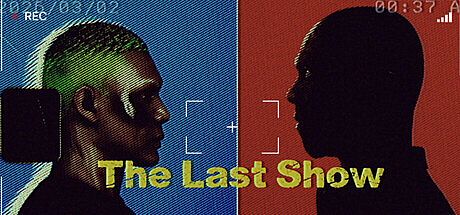



The Last Show
The game doesn’t start with an explosion.
It begins with silence.
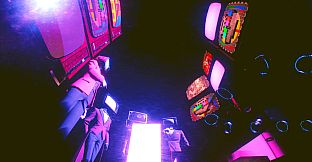
A man sits in a cinema inside a massive complex hosting a major tech event.
Screens, lights, life.
Then… a brief nap.
When he opens his eyes, no one is there.
No chaos.
No signs of escape.
Just complete absence… as if humanity itself had been pulled from the scene.
He didn’t flee from the world.
The world slid away from him.
From that moment, the player enters a space between realities.
It’s not the end of the world… nor a dream.
It is the Threshold.
Familiar places, but empty of people.
A luxury mall without sound.
Corridors spotless, without footsteps.
A theater without an audience.
Even beauty becomes unsettling.
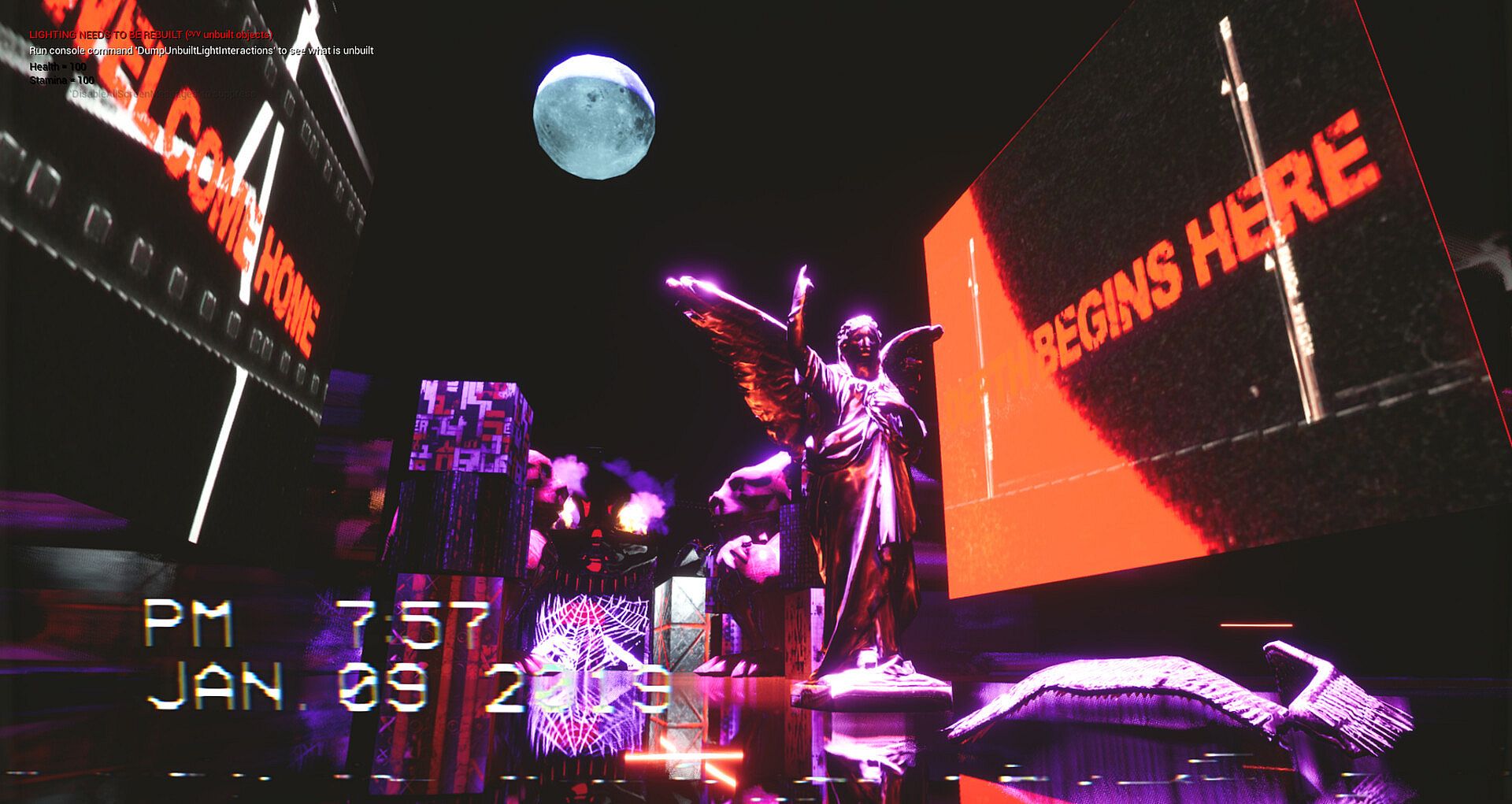
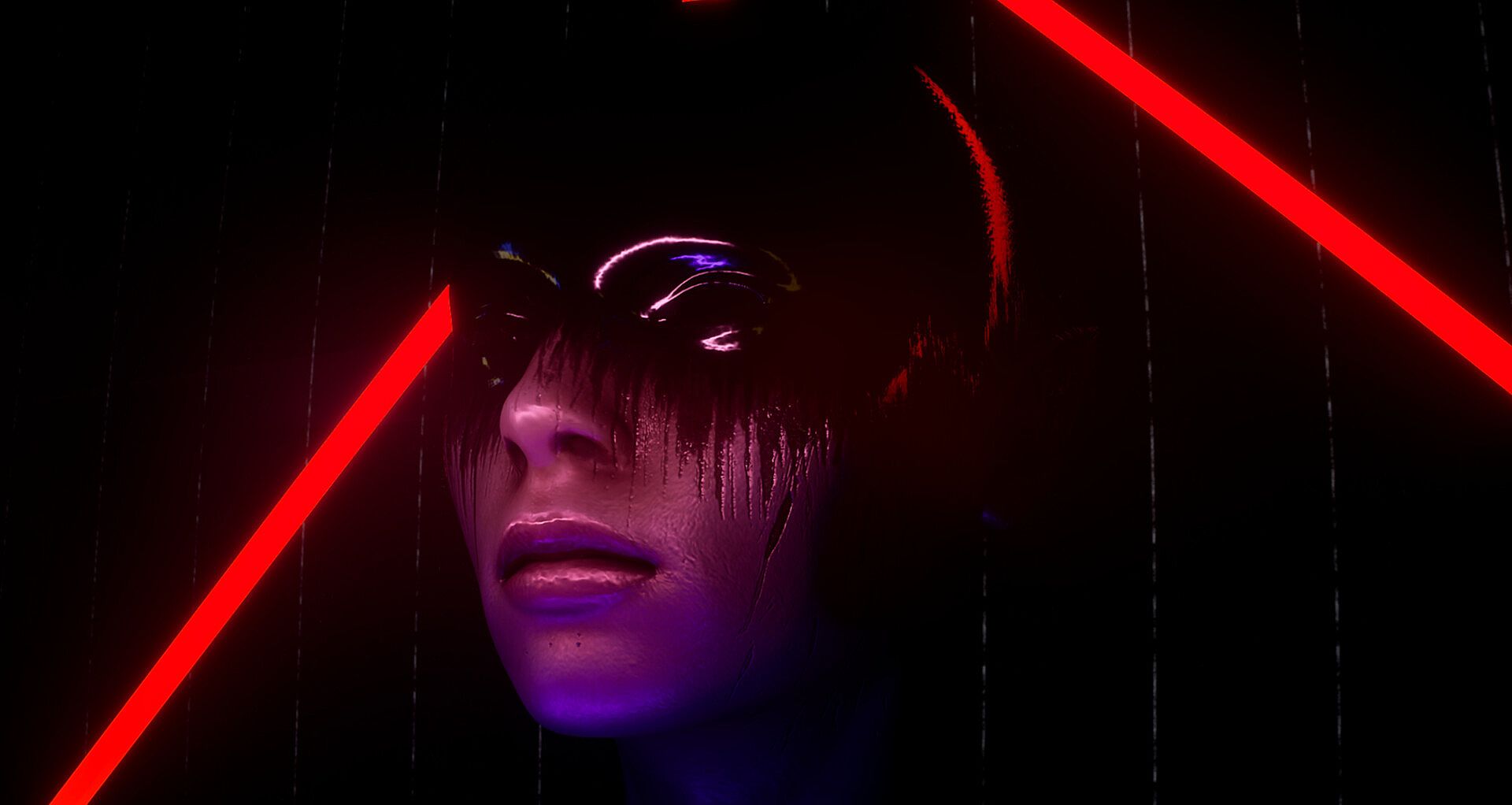
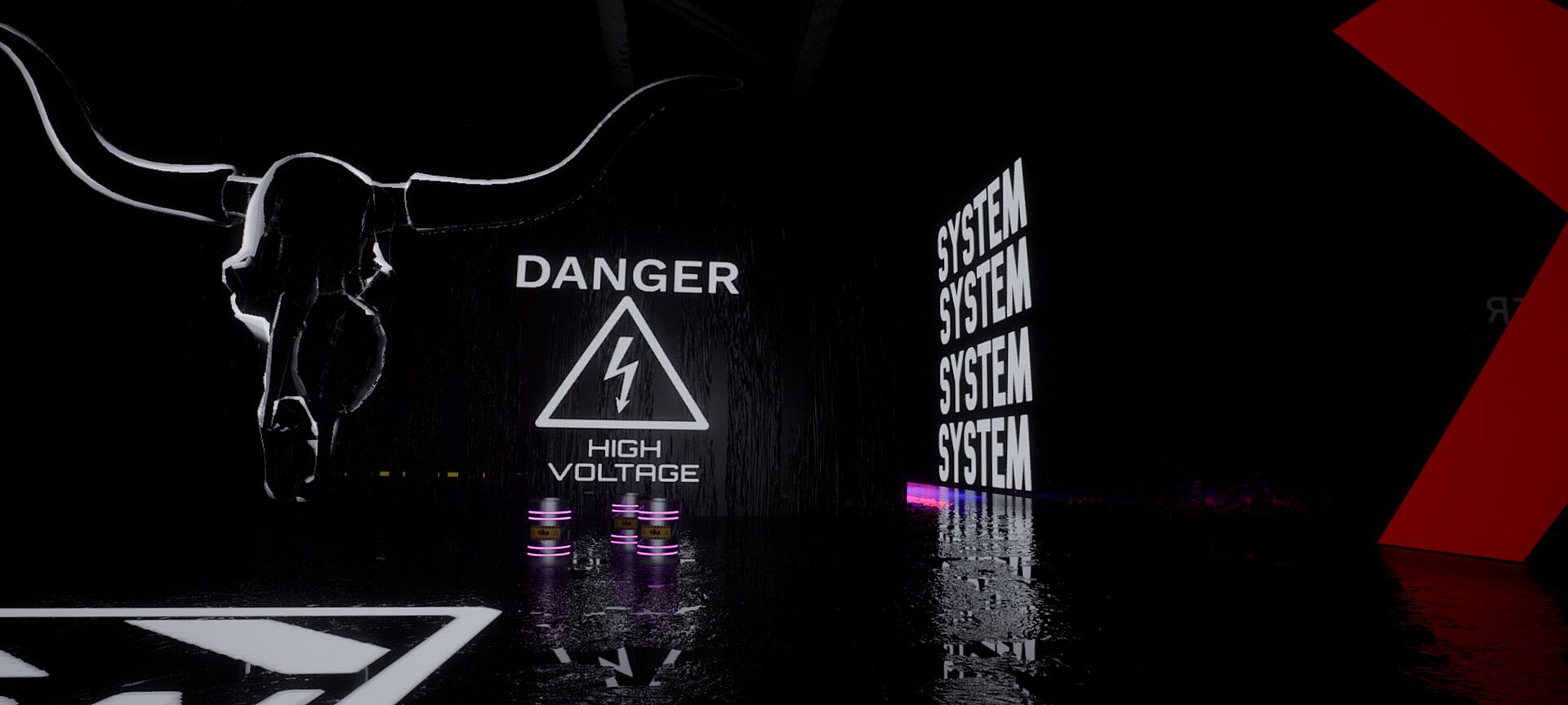
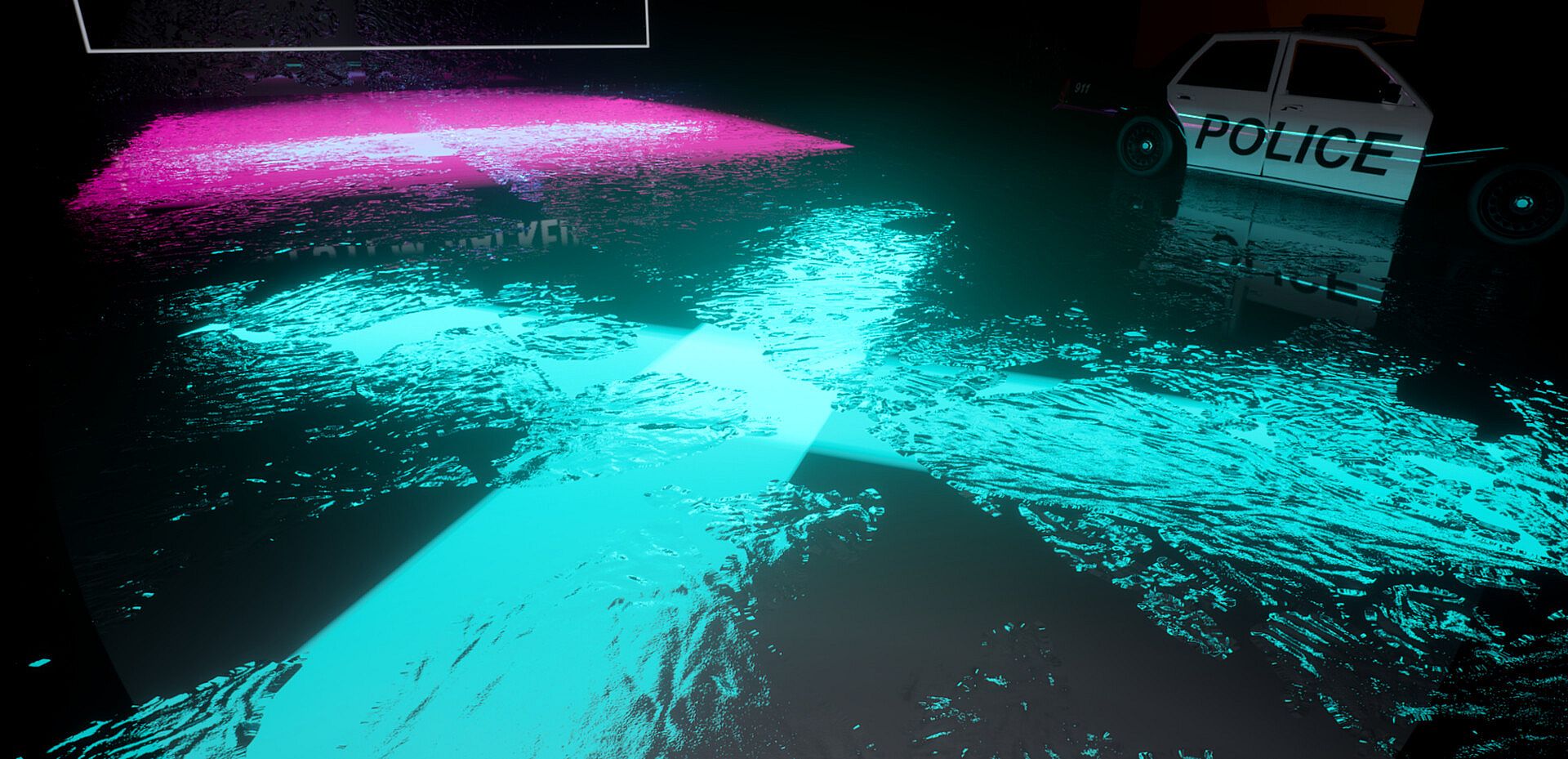
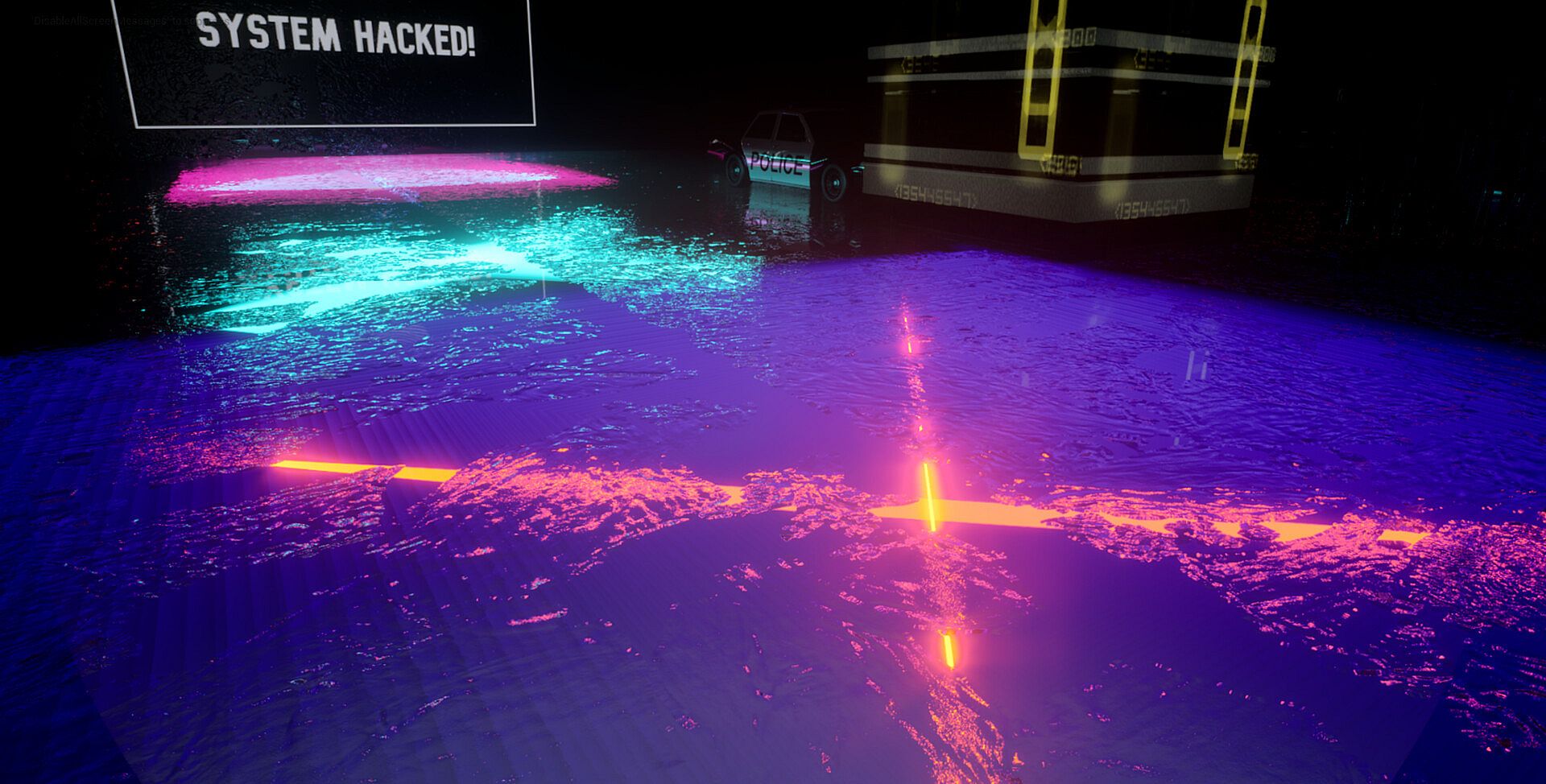
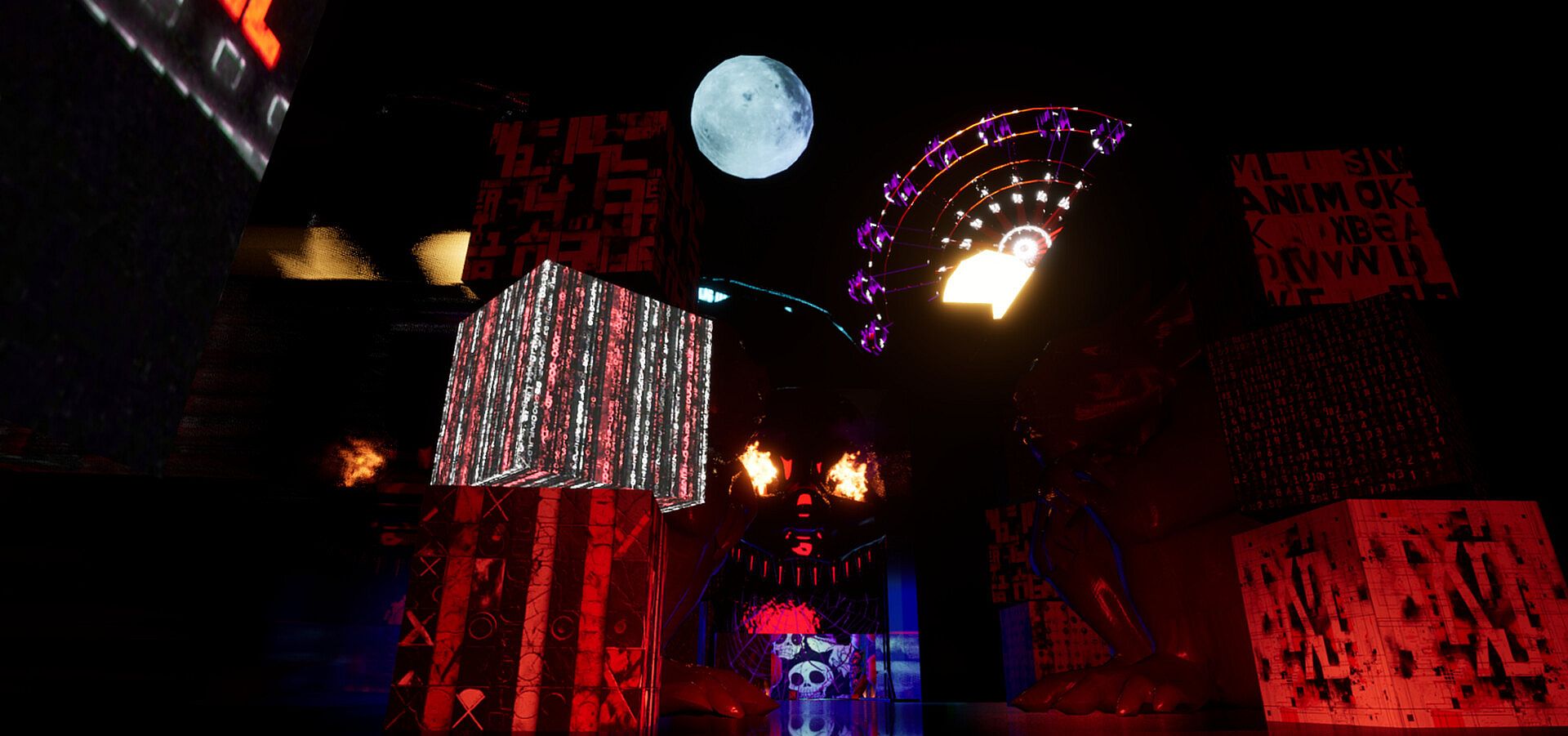
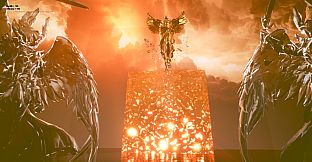
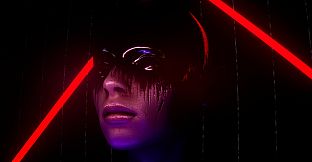
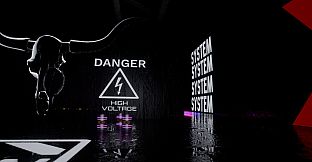
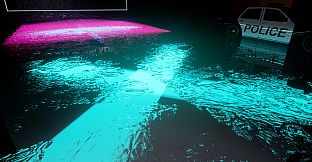
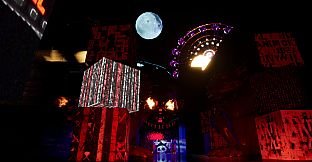
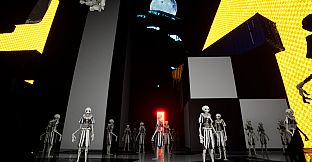
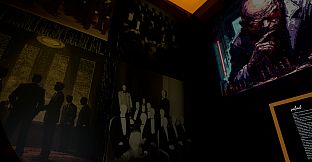
Visually, the world blends Cyberpunk aesthetics with sharp digital-matrix precision.
But the horror isn’t in darkness.
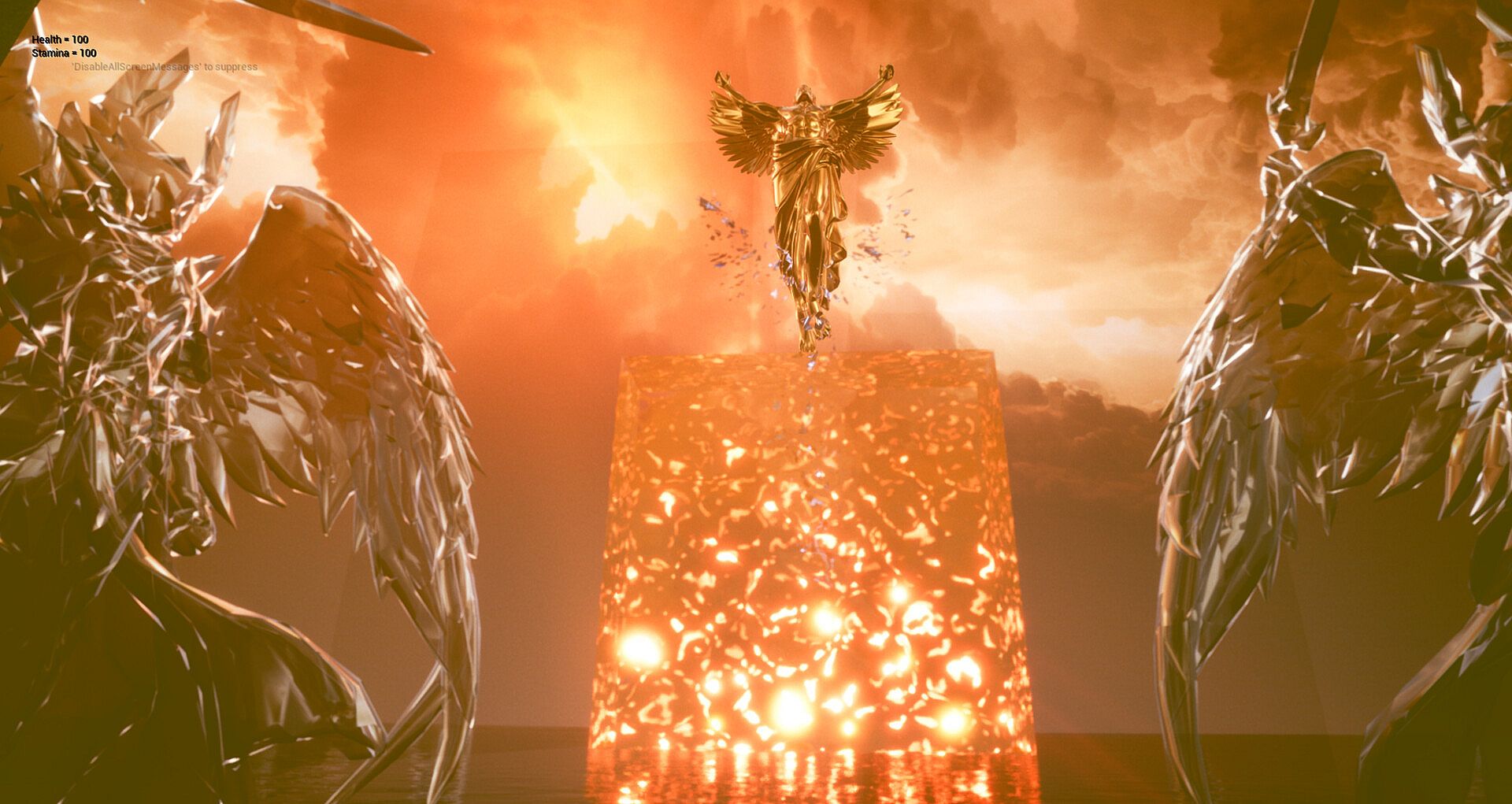
The horror is in light.
In order.
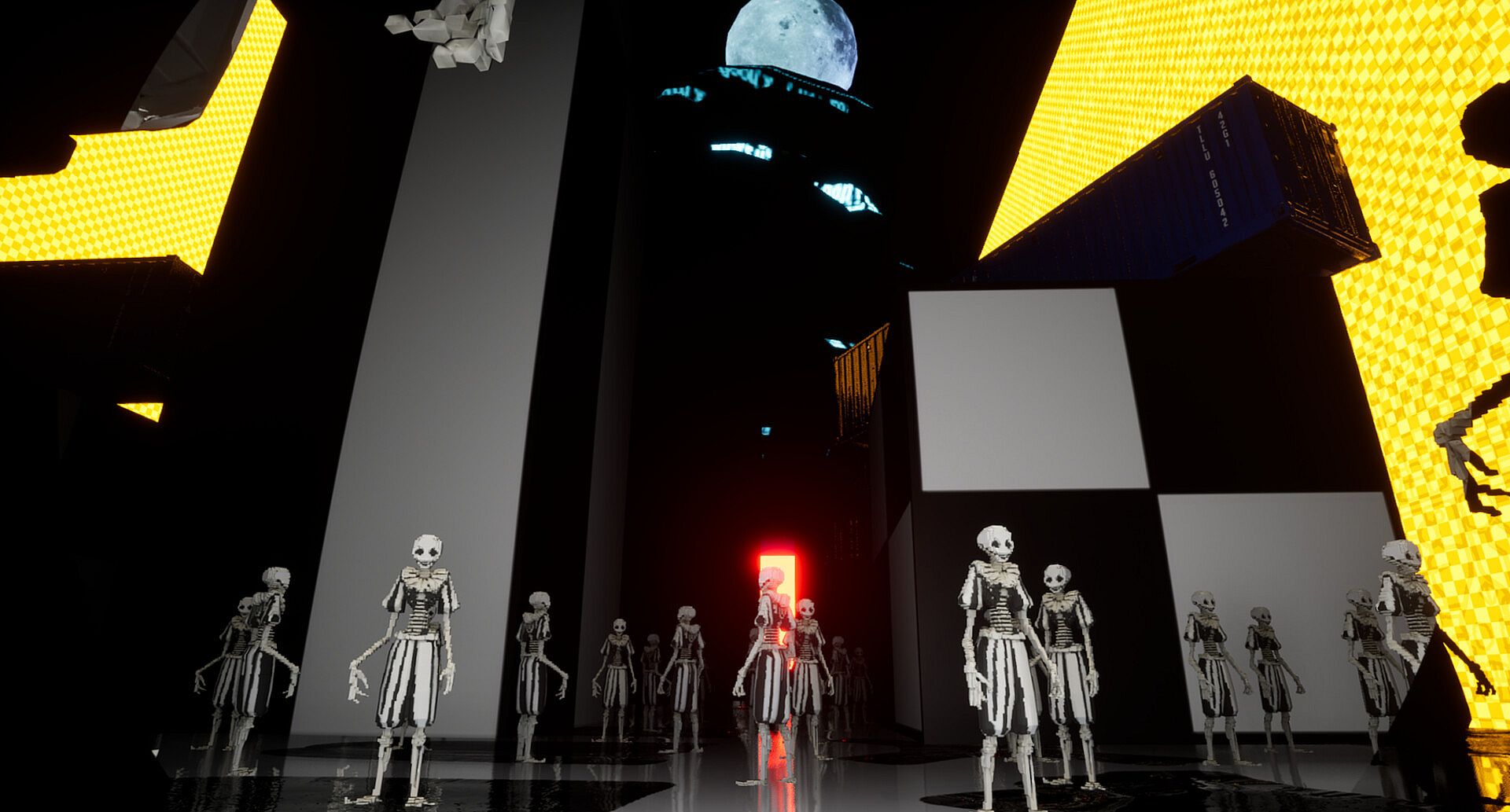
In excessive perfection.
This is not a haunted house.
It’s a whole civilization… without humans.
The game doesn’t ask:
"Is there a monster?"
It asks:
Have you always been part of the show… without noticing?
You start as a spectator.
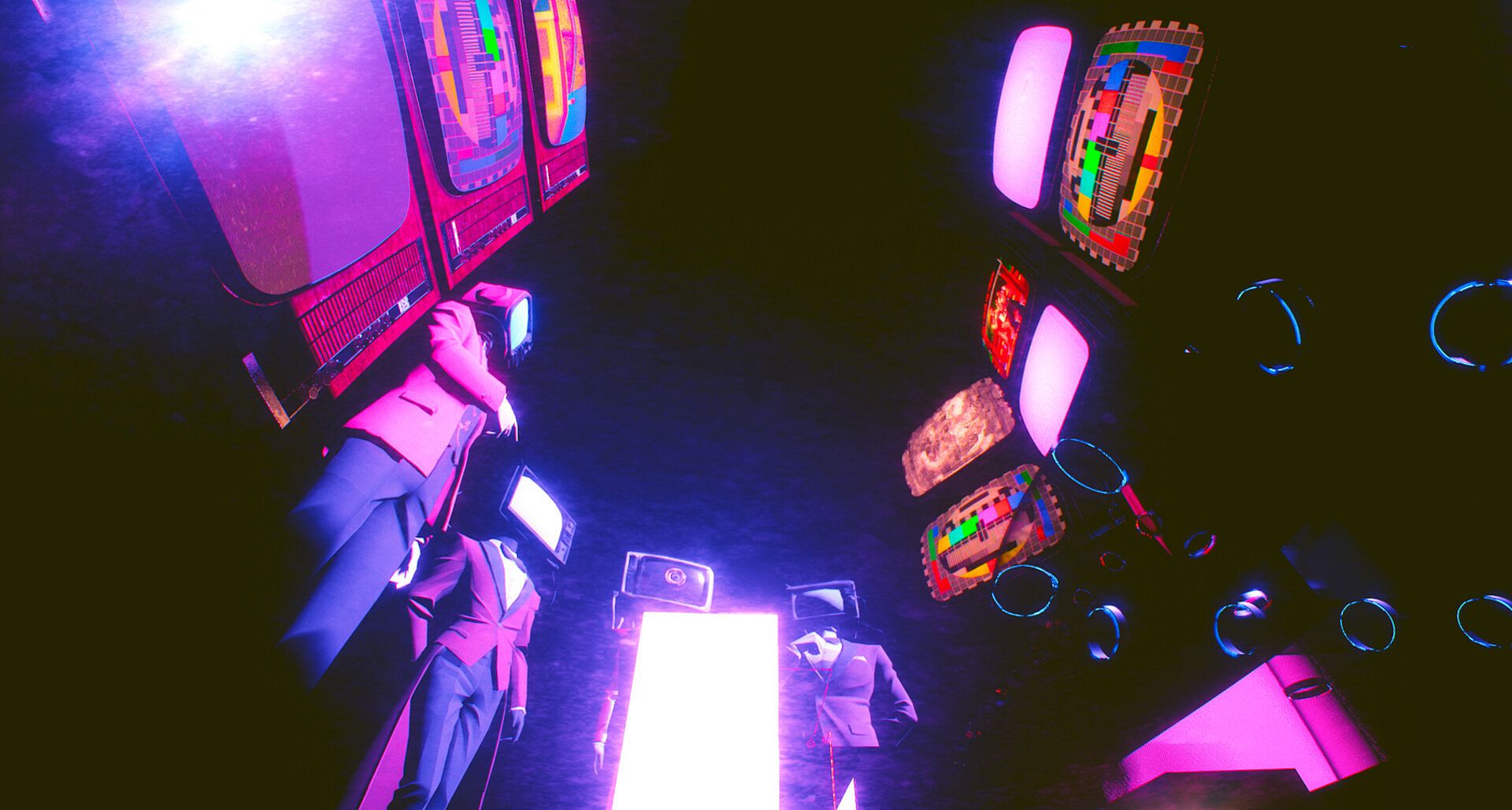
Walking among screens, codes, masks, cold systems.
Then, suddenly, the perception shifts.
You are no longer watching.
Something is watching you.
Are you observing the environment?
Or is the environment studying you?
Are you the player… or the specimen?
The Last Show isn’t about conventional fear.
It’s about:
Isolation after civilization.
Silence as a living entity.
Consciousness questioning its own boundaries.
Meaning behind order… and order behind meaning.
The masks we wear without knowing who put them on.
Time as a chain we trust.
The show we assume is real.
The opening cinema is no coincidence.
Life is a long performance.
A play we act in,
We applaud, leave, return.
But what if you never left?
What if the doors closed…
And you remained alone with the stage?
Every corner, every light, every symbol…
All developed intentionally — even if unexplained.
The game is meant to remain ambiguous.
Because ready-made answers close the door.
Ambiguity opens the mirror.
The meaning the player will take away
Won’t be the game’s message.
It will be their own reflection.
The game doesn’t give answers.
The answers are the questions themselves.