




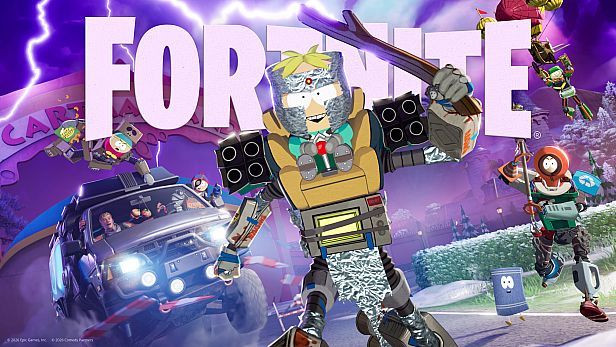


Fortnite stands as a prominent battle royale game that has evolved into a multifaceted online platform blending survival elements, competitive shooting, and creative building. Developed by Epic Games, it first launched in 2017 and continues to draw players with its mix of fast-paced action and user-generated content. Available on PC and various other platforms, Fortnite emphasizes scavenging, strategic combat, and environmental manipulation in a vibrant, ever-changing world.
Gameplay
At its core, Fortnite revolves around gathering resources, weapons, and items while navigating dynamic environments. Players drop into maps where they must survive against opponents or threats, often dealing with a shrinking safe zone enforced by a damaging storm. Building structures for defense or advantage plays a key role, though options like Zero Build remove this mechanic for those preferring pure shooting focus. Resources such as wood, brick, and metal allow quick construction of walls, ramps, or forts during encounters. Combat involves a range of weapons from close-quarters shotguns to long-range snipers, with items like shields or healing aids adding layers of strategy. Progression comes through experience points that unlock customizations, and cross-mode play ensures skills transfer between different experiences.
Mechanics extend to cooperative elements in some areas, where teamwork involves sharing resources or coordinating defenses. The game supports cross-platform matchmaking, letting PC users join friends on consoles seamlessly. Recent adjustments, including unified experience points across modes, make grinding for rewards more efficient.
Game Modes
Fortnite offers a variety of modes catering to different playstyles, from intense competitions to relaxed creation sessions. Battle Royale pits up to 100 players against each other in solo, duo, or squad formats, with variants like Ranked for competitive ladders, Reload featuring respawns on a compact map, and OG revisiting classic maps and weapons. Zero Build strips away construction for straightforward battles, while Blitz Royale shortens matches to five minutes with 32 participants.
Creative mode lets users design custom islands using assets from the main game, incorporating tools like Unreal Editor for advanced scripting. Lego Fortnite introduces survival in a blocky style, with sub-modes such as Odyssey for crafting and monster-fighting, Brick Life for social interactions, and Expeditions for team-based adventures. Rocket Racing focuses on high-speed vehicle races with boosts and obstacle navigation. Fortnite Festival brings rhythm-based challenges, including Main Stage for note-hitting performances and Battle Stage for score competitions. Save the World provides cooperative PvE action against zombie-like enemies, emphasizing tower defense and resource management, and it became free-to-play across most platforms in April 2026. Ballistic, a tactical first-person shooter, entered early access in late 2024, featuring 5v5 rounds centered on planting or defusing objectives.
Updates and Seasons
Fortnite receives regular updates that introduce new content and refine existing systems. Seasons typically refresh Battle Royale with themed maps, weapons, and events, often tied to crossovers or storylines. As of 2026, the game has integrated Unreal Engine 5 features into creative tools, enabling more complex user-made experiences. Price adjustments to V-Bucks occurred in March 2026, with bundles like the battle pass now costing 800 V-Bucks. Unified battle passes allow progress from any mode, including Festival and Lego variants, under subscriptions like Fortnite Crew.
The platform supports ongoing esports through events like the Fortnite Championship Series, maintaining a competitive scene. New modes continue to expand the ecosystem, with Ballistic adding tactical depth since its 2024 debut.
Is It Worth Playing?
Fortnite holds strong appeal for those who thrive in battle royale settings or enjoy creative freedom, commanding 77 percent of all battle royale playtime as of recent data. Its free-to-play model across most modes, including the newly accessible Save the World, lowers barriers for entry, making it easy to jump in for quick matches or extended sessions. Player feedback highlights its cultural impact, with awards for best ongoing game and community support underscoring sustained popularity despite some reports of bugs or monetization concerns.
If competitive shooting, building strategies, or collaborative creation suit your style, Fortnite delivers varied experiences worth exploring, especially with active updates keeping the content fresh. For casual players seeking social or rhythmic elements, modes like Festival or Party Royale provide lighter alternatives without high-stakes pressure.