



Clean Up Earth stands out as a relaxing action casual game focused on environmental restoration, blending satisfying cleanup mechanics with cooperative play. Available on Xbox Series and PC, this title invites players to tackle polluted landscapes using innovative tools, turning degraded areas into thriving ecosystems. Whether you're drawn to solo sessions or large-scale multiplayer efforts, the game emphasizes visible progress and community-driven change, making it a unique entry in the casual gaming space.
Gameplay
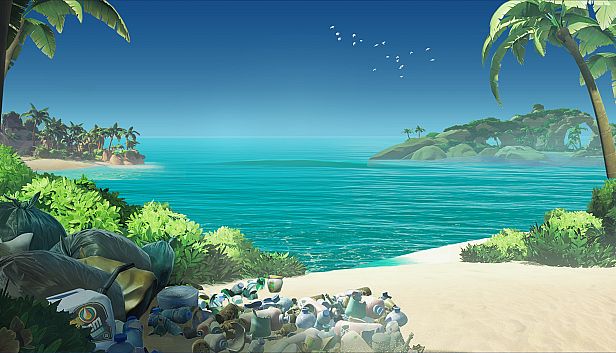
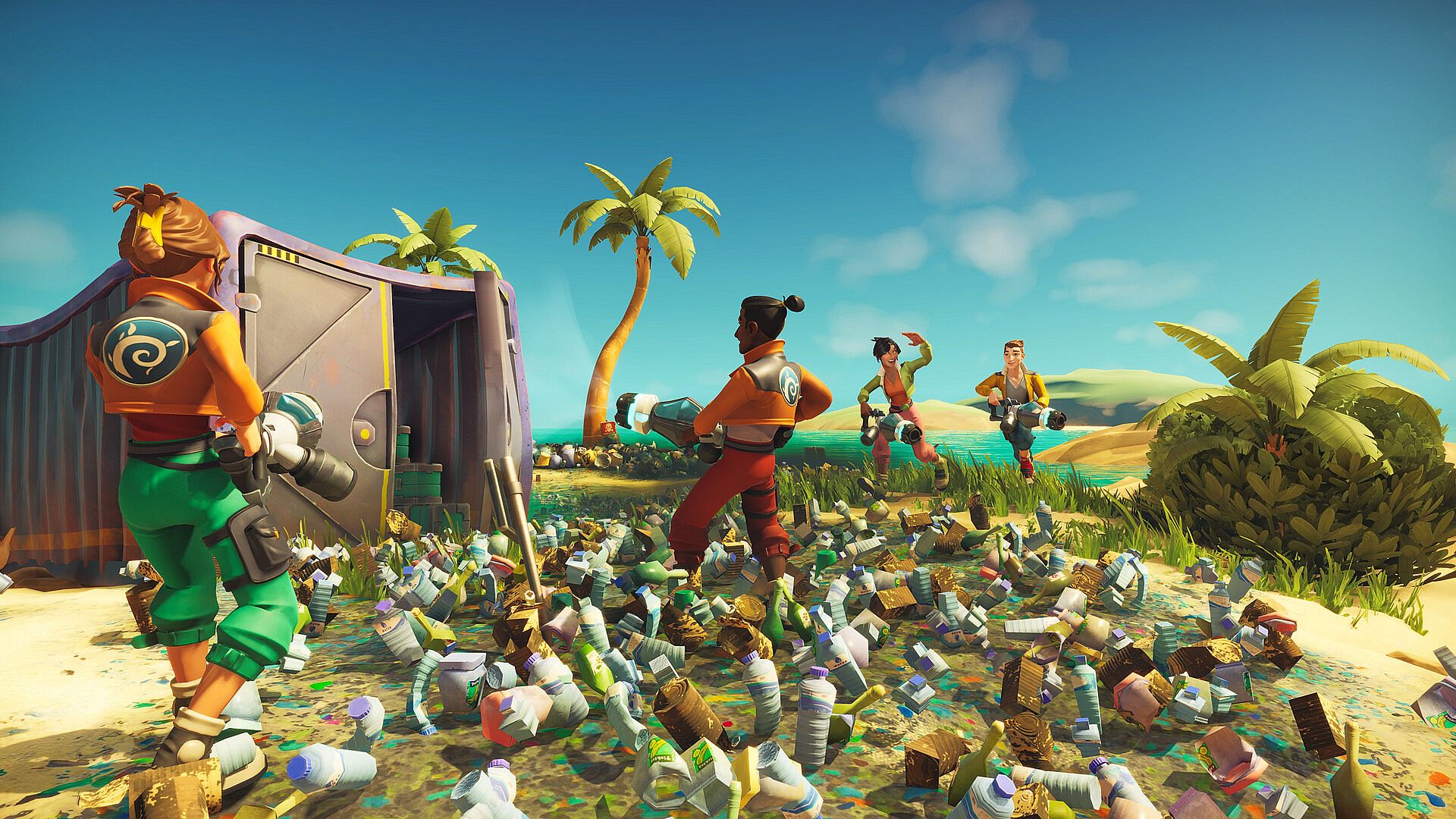
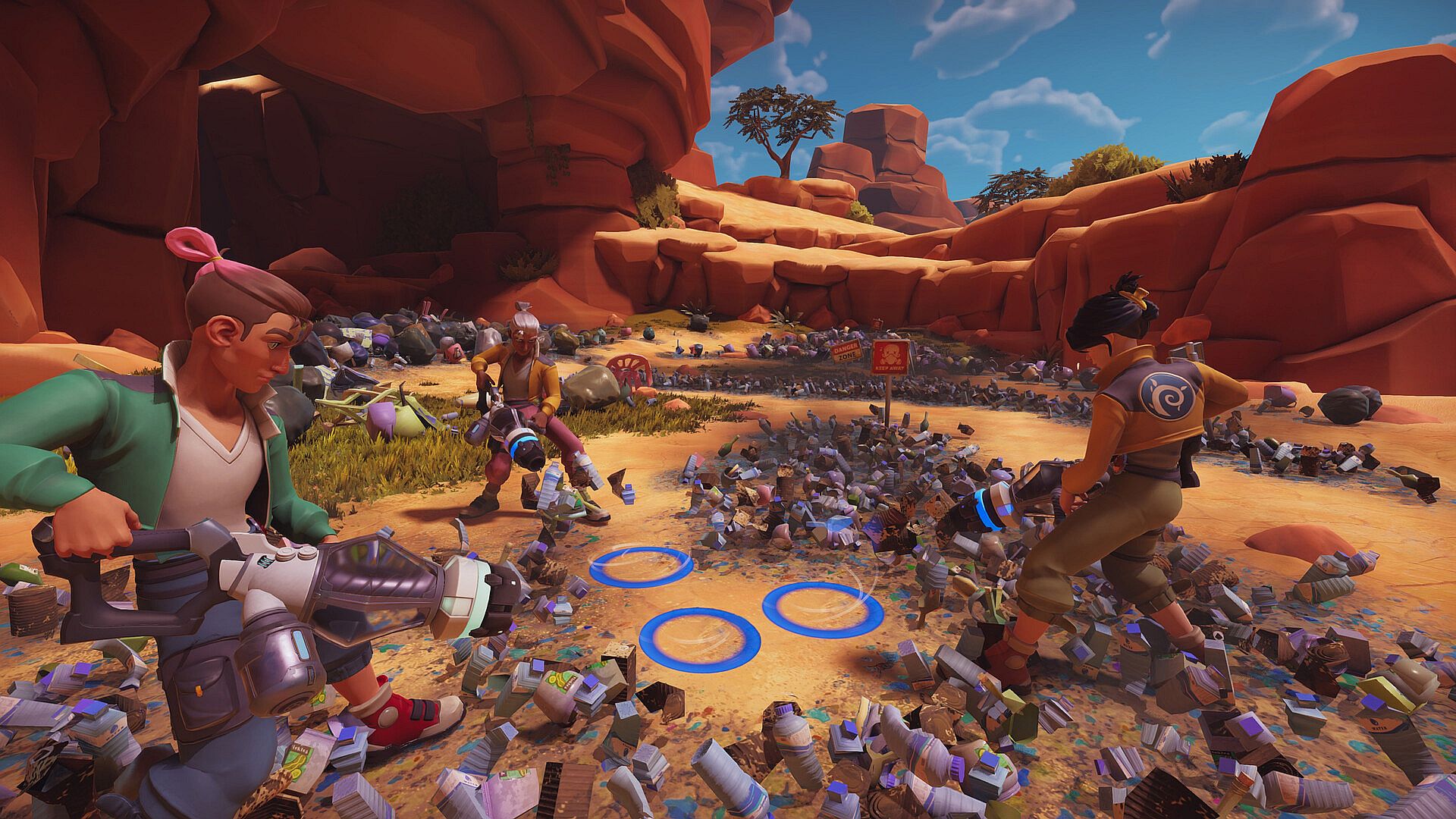
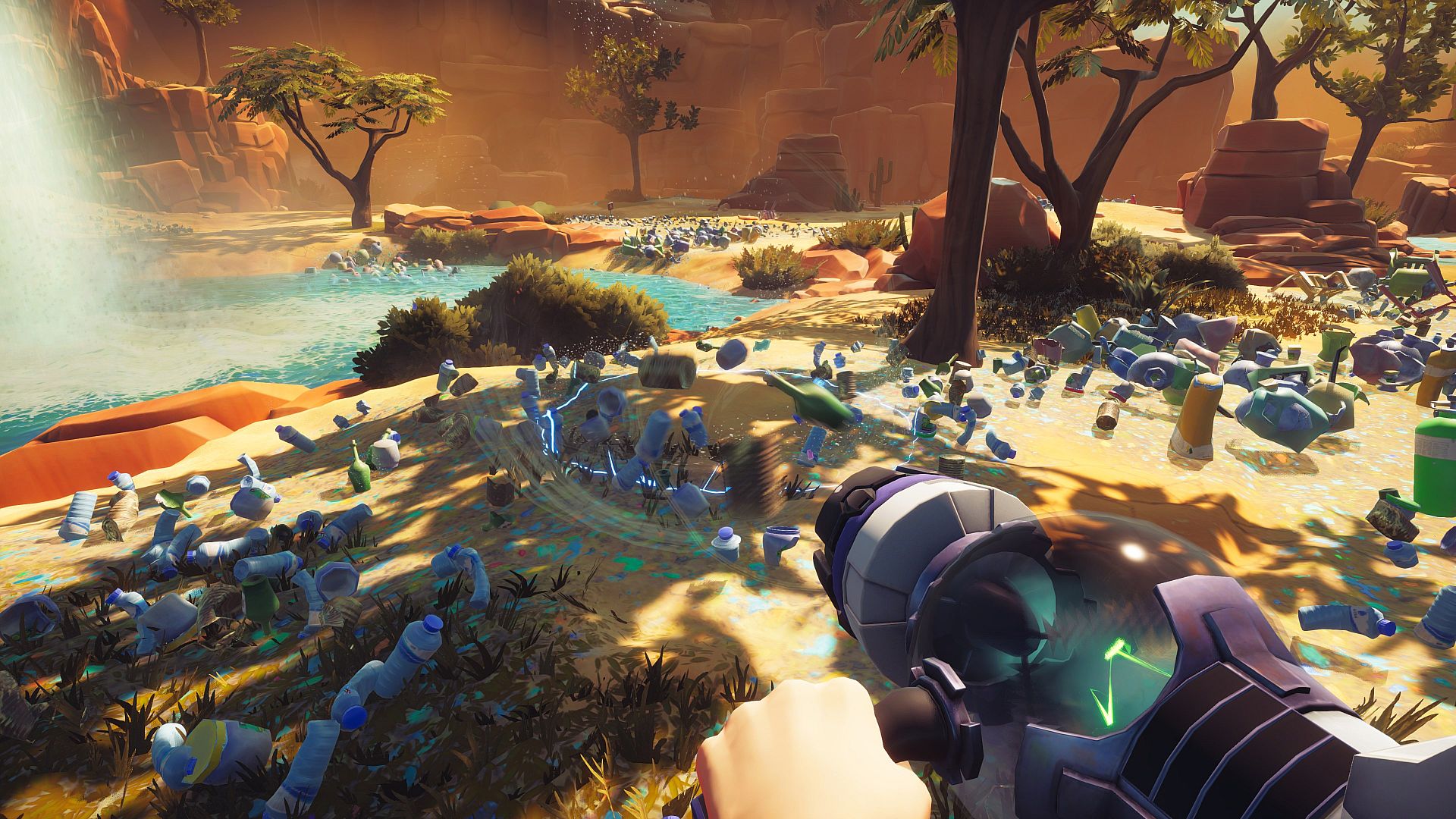
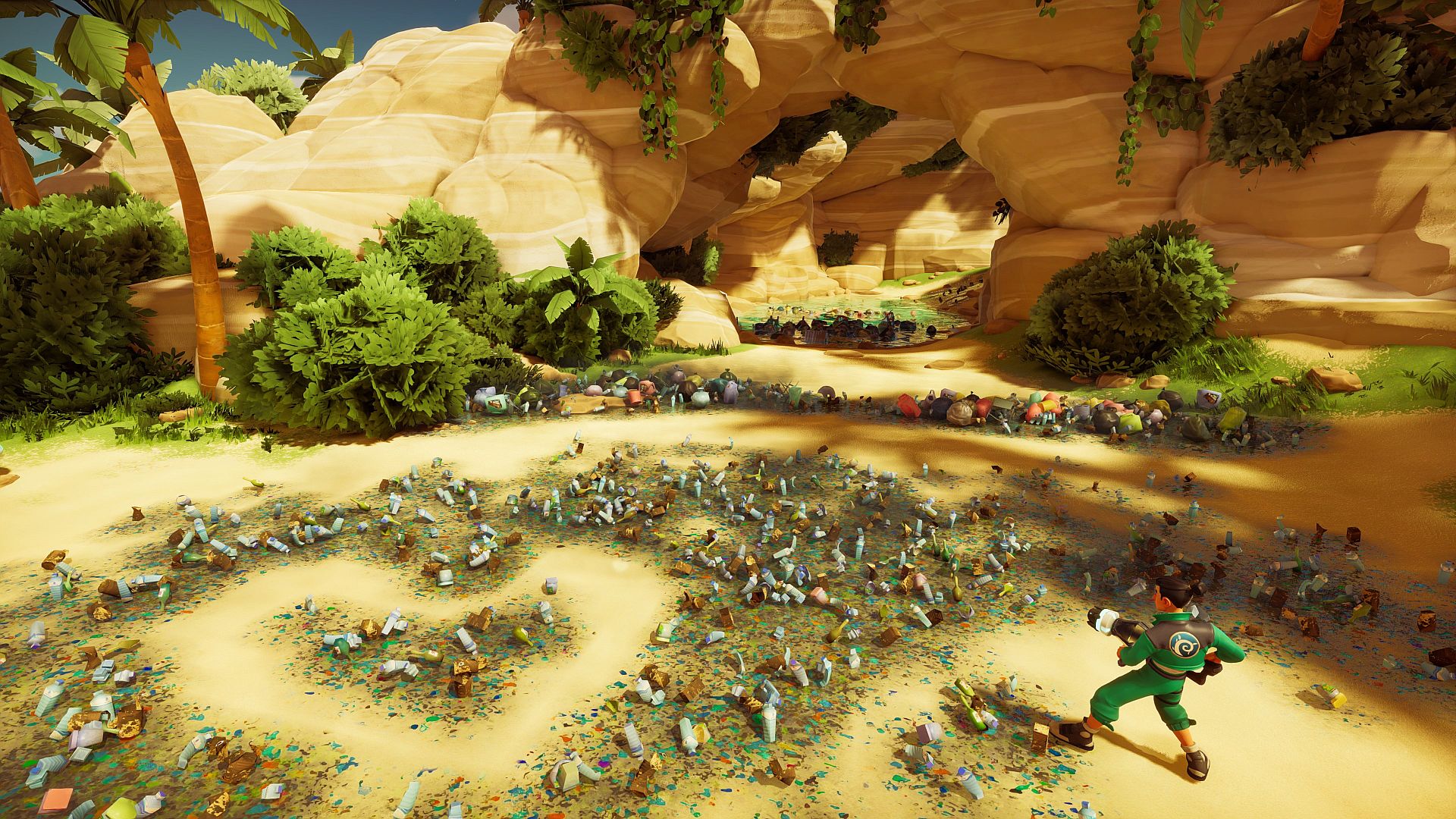
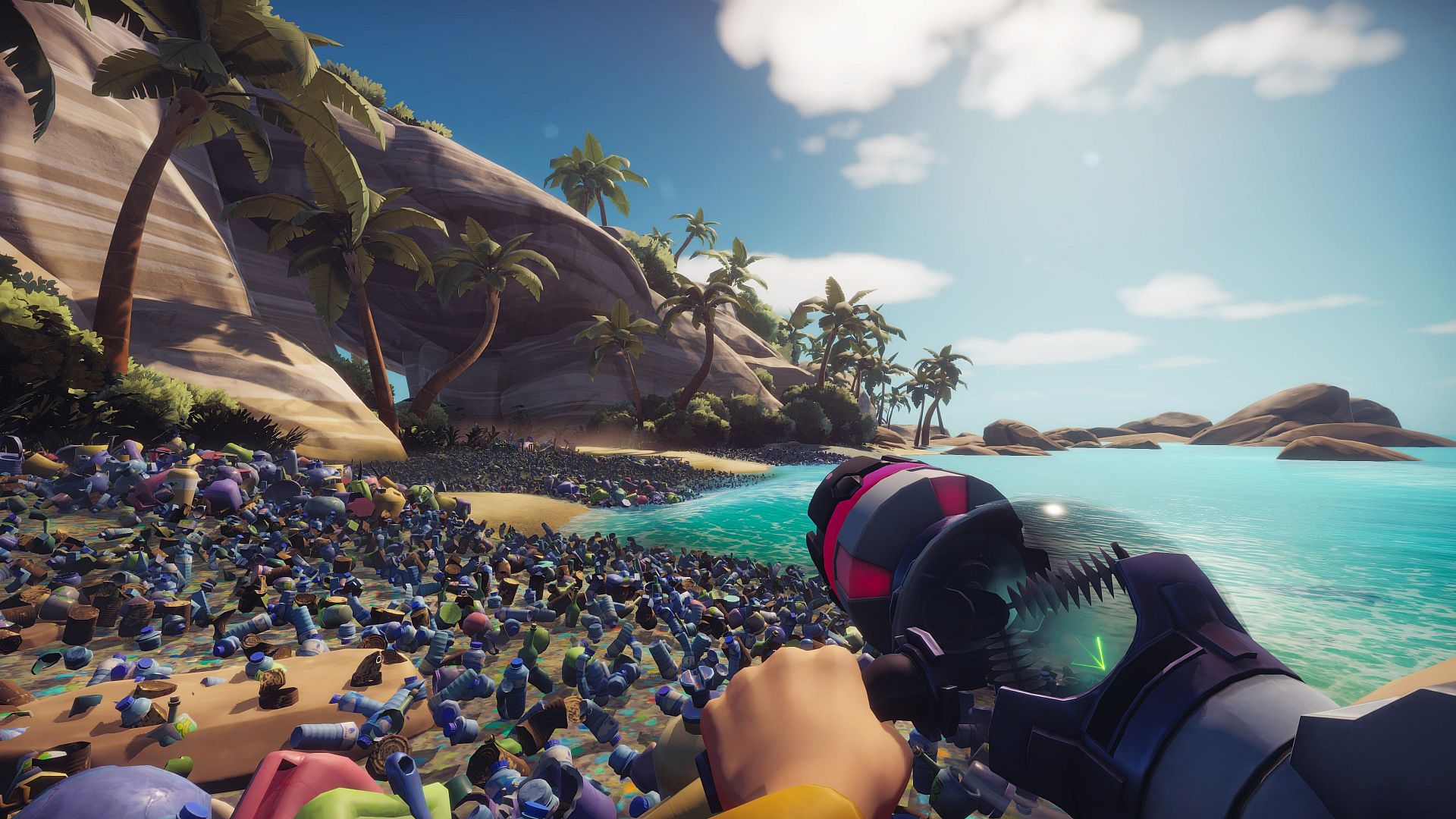
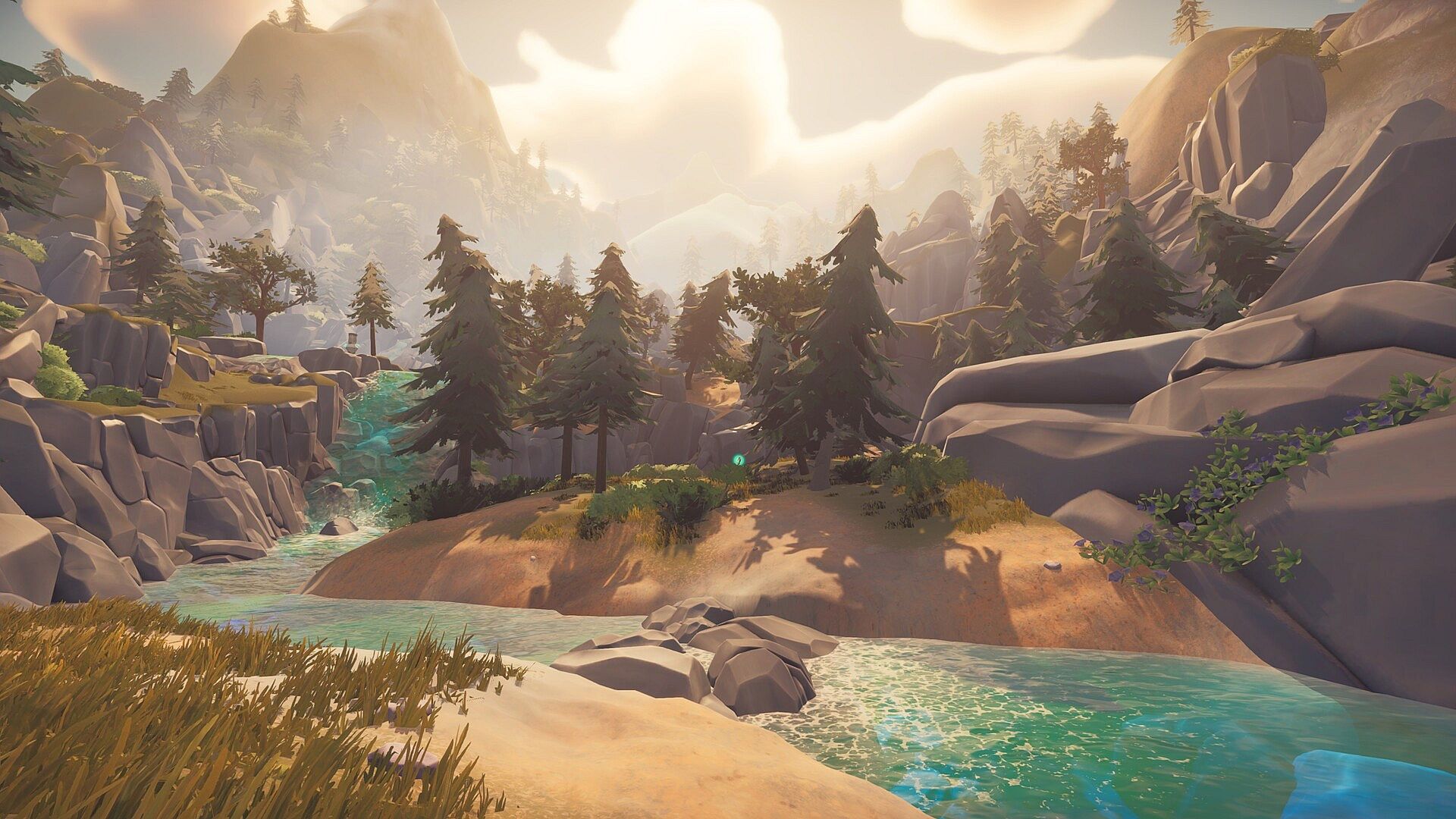
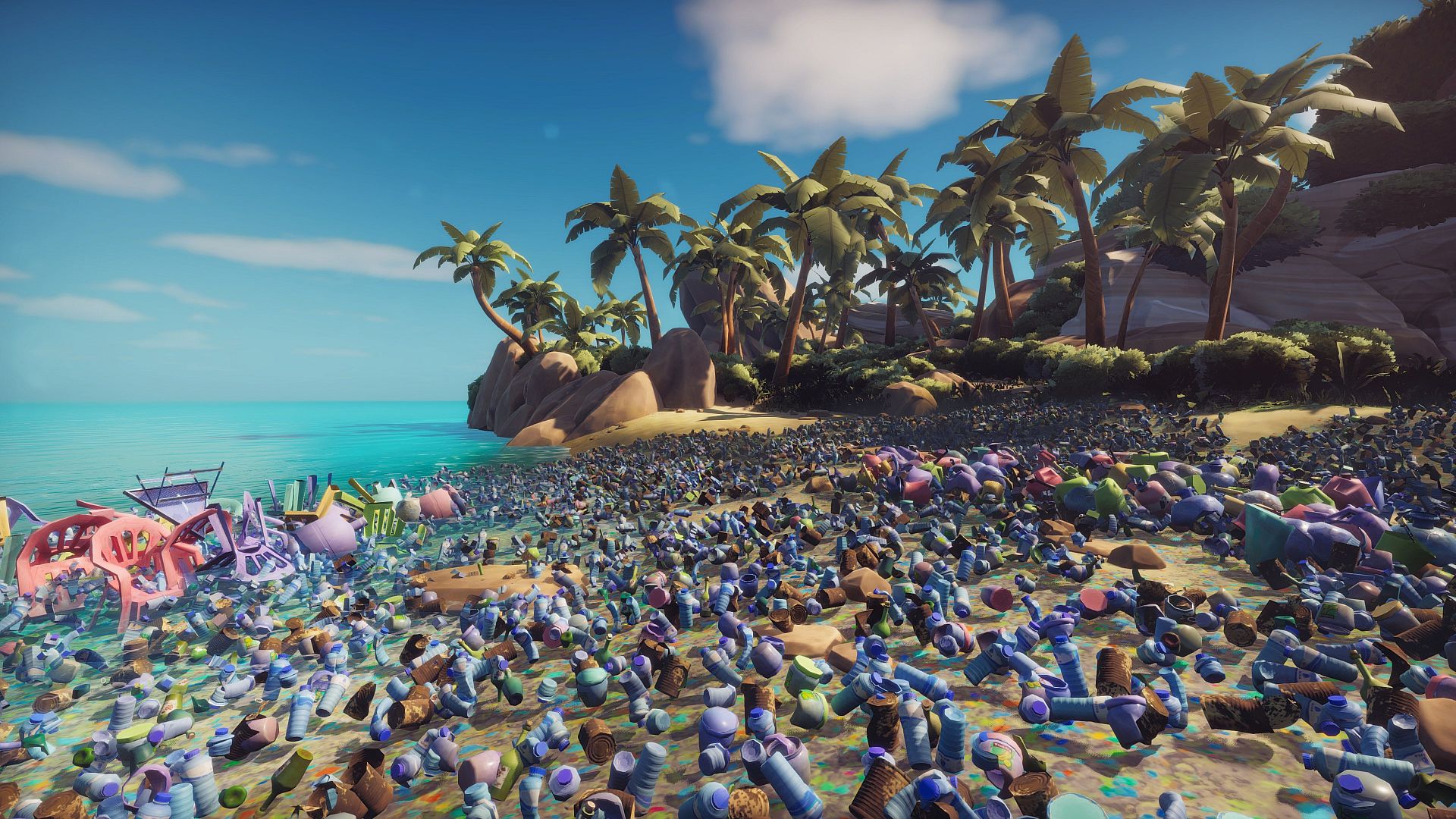
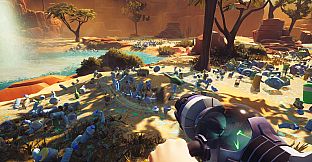
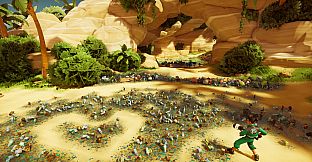
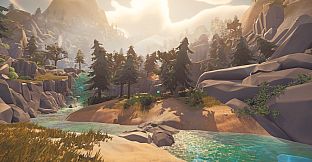
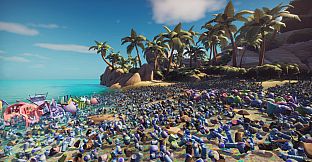
In Clean Up Earth, the core experience revolves around using a modular Terra Cleaner to vacuum up waste scattered across diverse environments. Players collect trash, recycle materials on the spot, and rebuild damaged structures, witnessing immediate transformations as plants sprout, wildlife reappears, and polluted zones regain their natural vibrancy. This process feels rewarding, with each action contributing to a larger restoration goal. Exploration adds depth, as cleaning reveals ancient artifacts and remnants of past civilizations hidden beneath the debris, turning routine tasks into moments of discovery in locations inspired by real-world mysteries like Area 51 or the Bermuda Triangle.
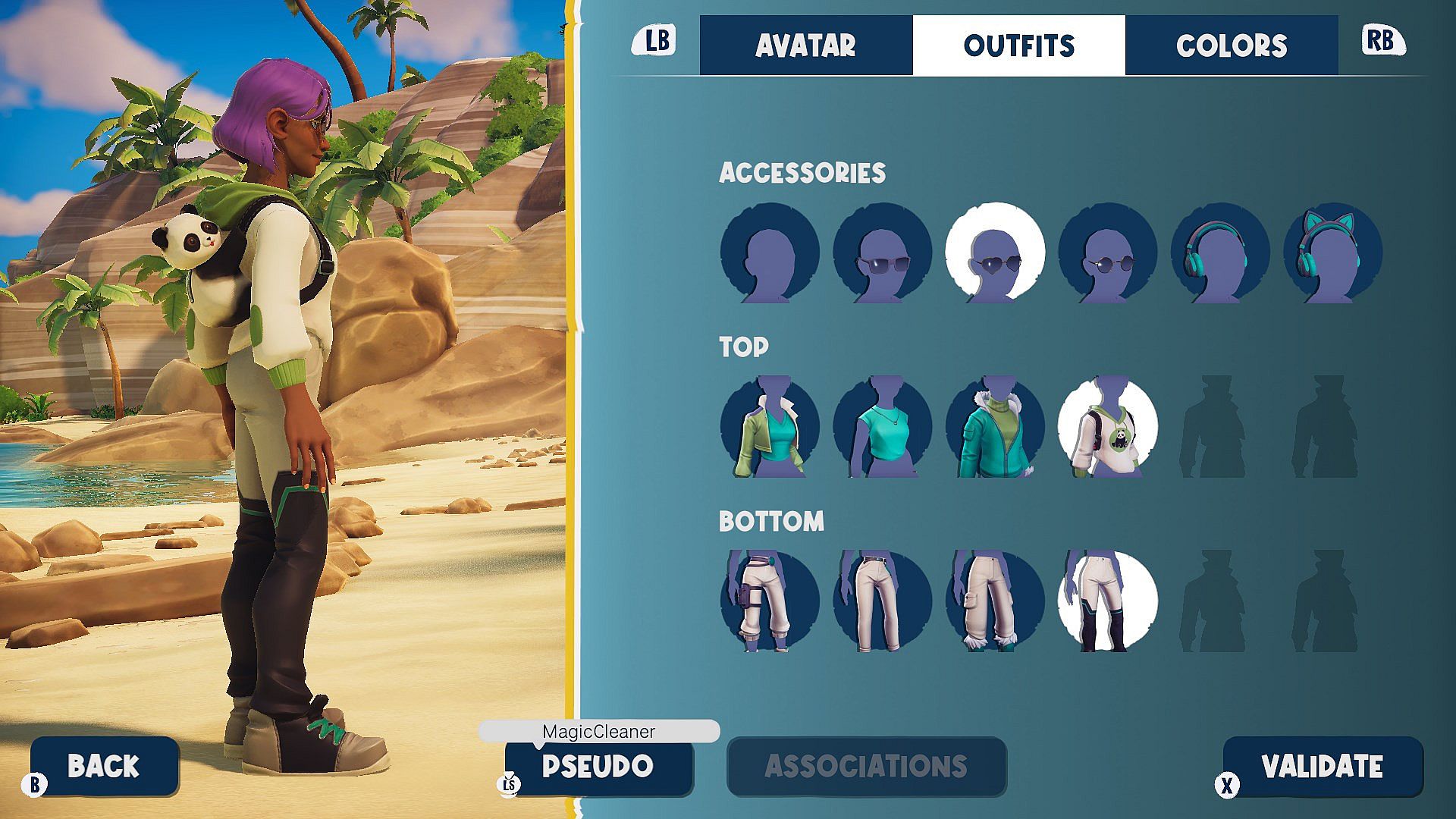
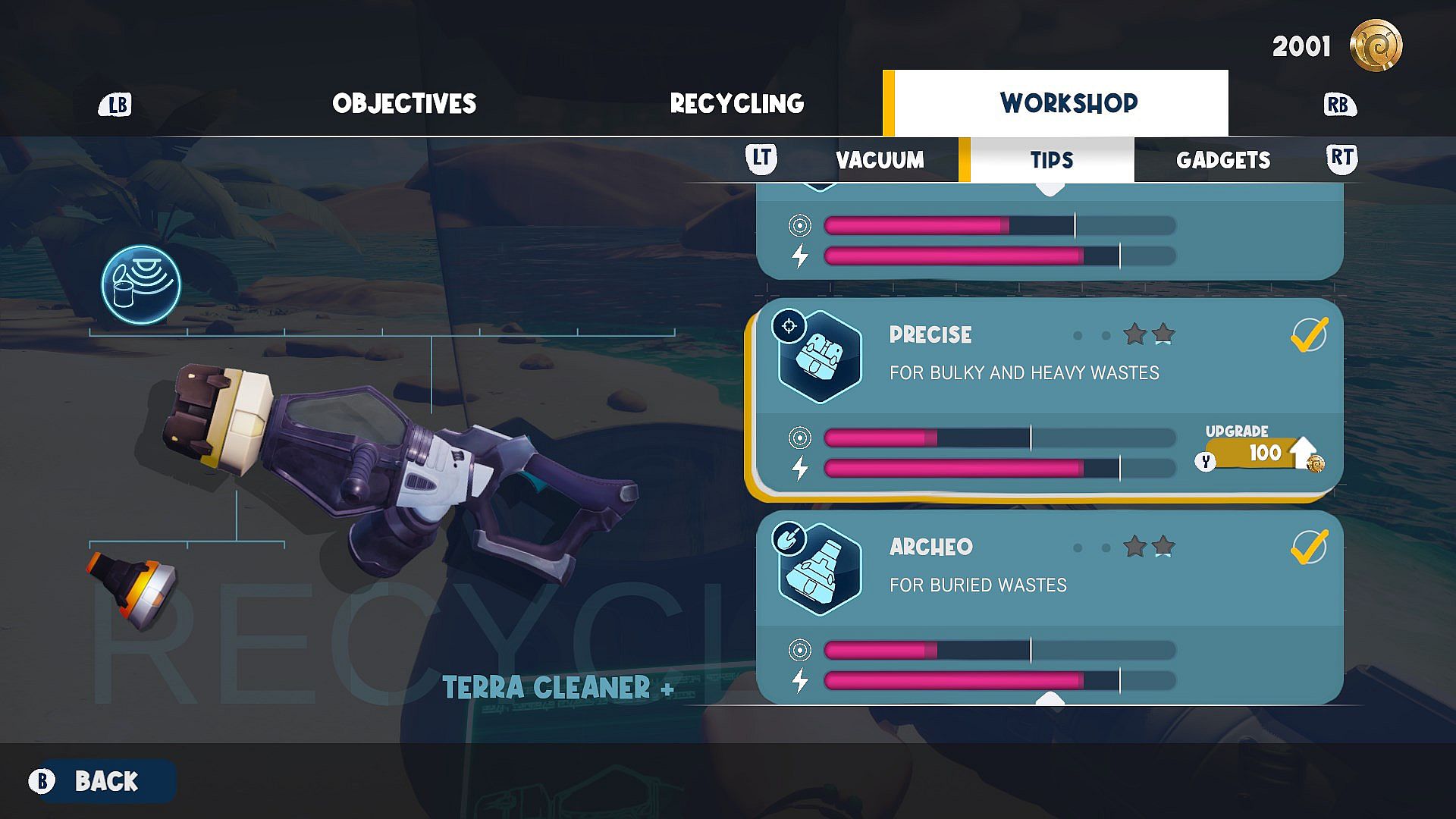
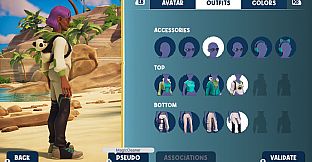
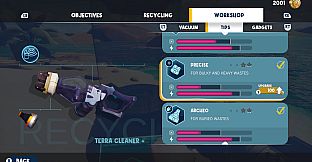
Mechanics encourage experimentation with the Terra Cleaner, which can be upgraded or customized for different tasks, such as handling specific types of waste or accelerating ecosystem recovery. The real-time feedback loop keeps sessions engaging, showing how individual efforts lead to broader environmental revival. For those who enjoy methodical progress, the game provides a sense of accomplishment without high-stakes pressure, balancing action elements with casual pacing.
Game Modes
Clean Up Earth offers flexible ways to engage, starting with solo play where you handle restorations at your own rhythm, focusing on personal goals and discoveries. For a more social approach, co-op mode allows up to eight friends to team up, coordinating efforts to tackle larger areas and share in the satisfaction of collective cleanup.
Community multiplayer expands this further, supporting sessions with up to 25 or more players in expansive shared zones. These modes turn massive waste removal and reconstruction projects into collaborative adventures, where participants can meet, strategize, and celebrate milestones together. The game scales seamlessly, respecting preferences for intimate or broad interactions while highlighting the power of group action in restoration tasks.
Real-World Impact and Updates
A standout feature is the integration of gameplay with actual environmental support. Players select partner organizations to represent, and in-game cleaning activities build toward real micro-donations during large online sessions, funded by community progress without requiring extra spending. This mechanic adds purpose, knowing virtual efforts contribute to on-the-ground initiatives.
As of early 2026, the game has seen demo releases that introduced core systems, with positive feedback on its relaxing vibe. Recent updates have refined multiplayer stability and added more customization options for the Terra Cleaner, ensuring smoother experiences in both solo and group play. The development team continues to roll out improvements based on player input, keeping the title fresh for ongoing sessions.
Is It Worth Playing?
For anyone seeking a low-pressure game that combines action with meaningful themes, Clean Up Earth delivers a compelling option. Early demo reviews highlight its satisfying mechanics and environmental focus, praising the visible transformations and cooperative elements. If you appreciate casual titles with co-op potential and a positive message, this one fits well, especially for short sessions or group play. It's particularly appealing to those who enjoy restoration simulations, offering replay value through discoveries and community events without overwhelming complexity.
- Strong suit for relaxed gamers looking for cooperative restoration.
- Real-world donation ties enhance the feel-good factor.
- Suitable for varied group sizes, from solo to large multiplayer.