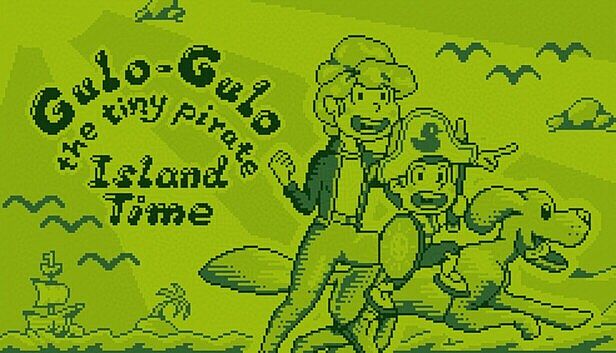


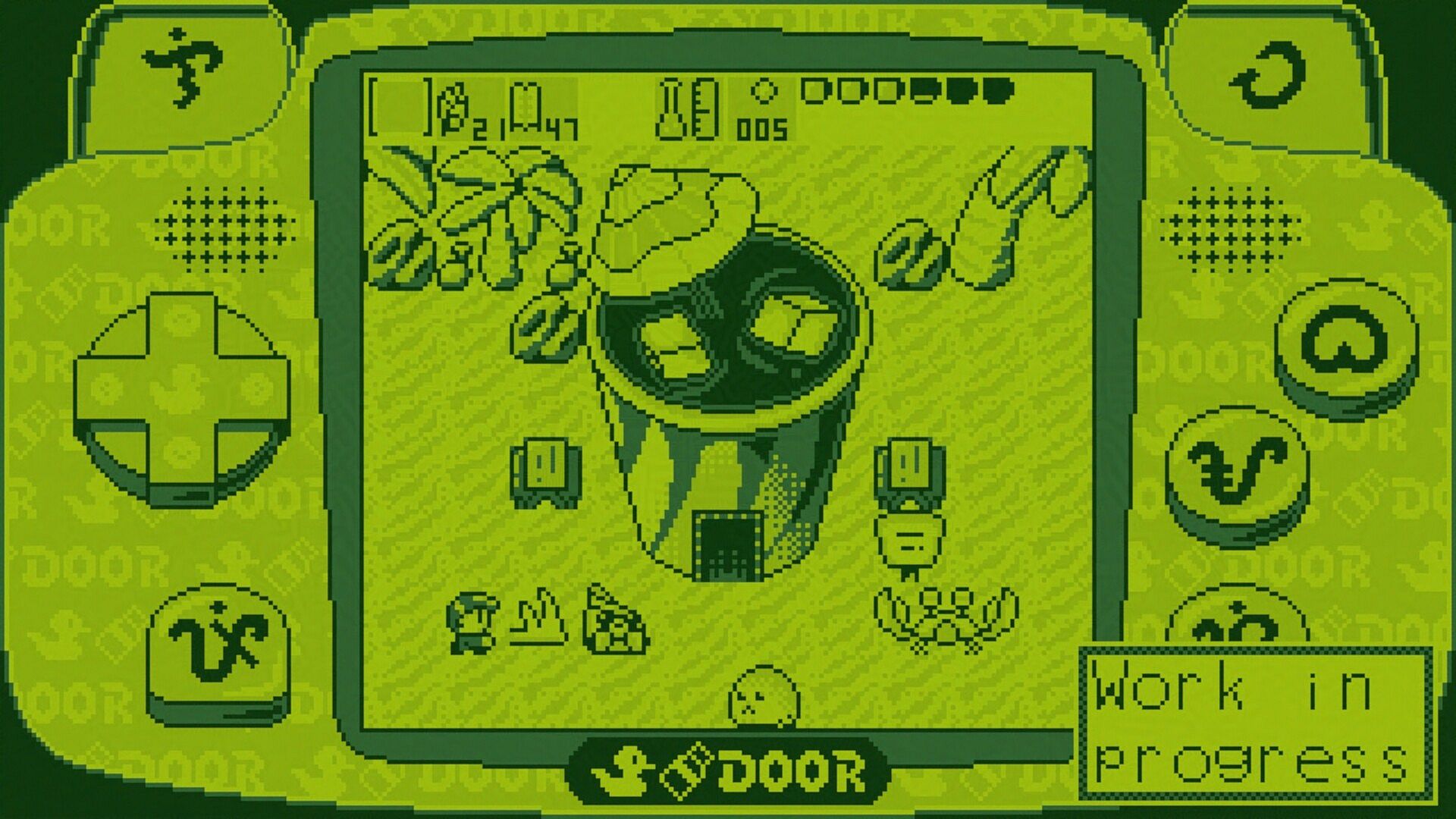
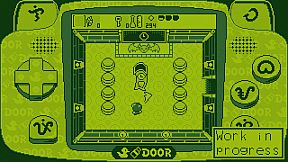
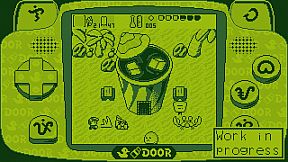
Oh, no!!! The poor islanders of Kulukuto are under attack!!! The evil Pirate Overlord Group is trying to take everybody’s stuff and force them to work for them!!! Luckily, Gulo-Gulo the Tiny Pirate is here, ready to save the day!!! Along the way, you will face many challenges! But you are certain that you can overcome anything they throw your way!
· Almost all NPCs have traditional, Filipino names
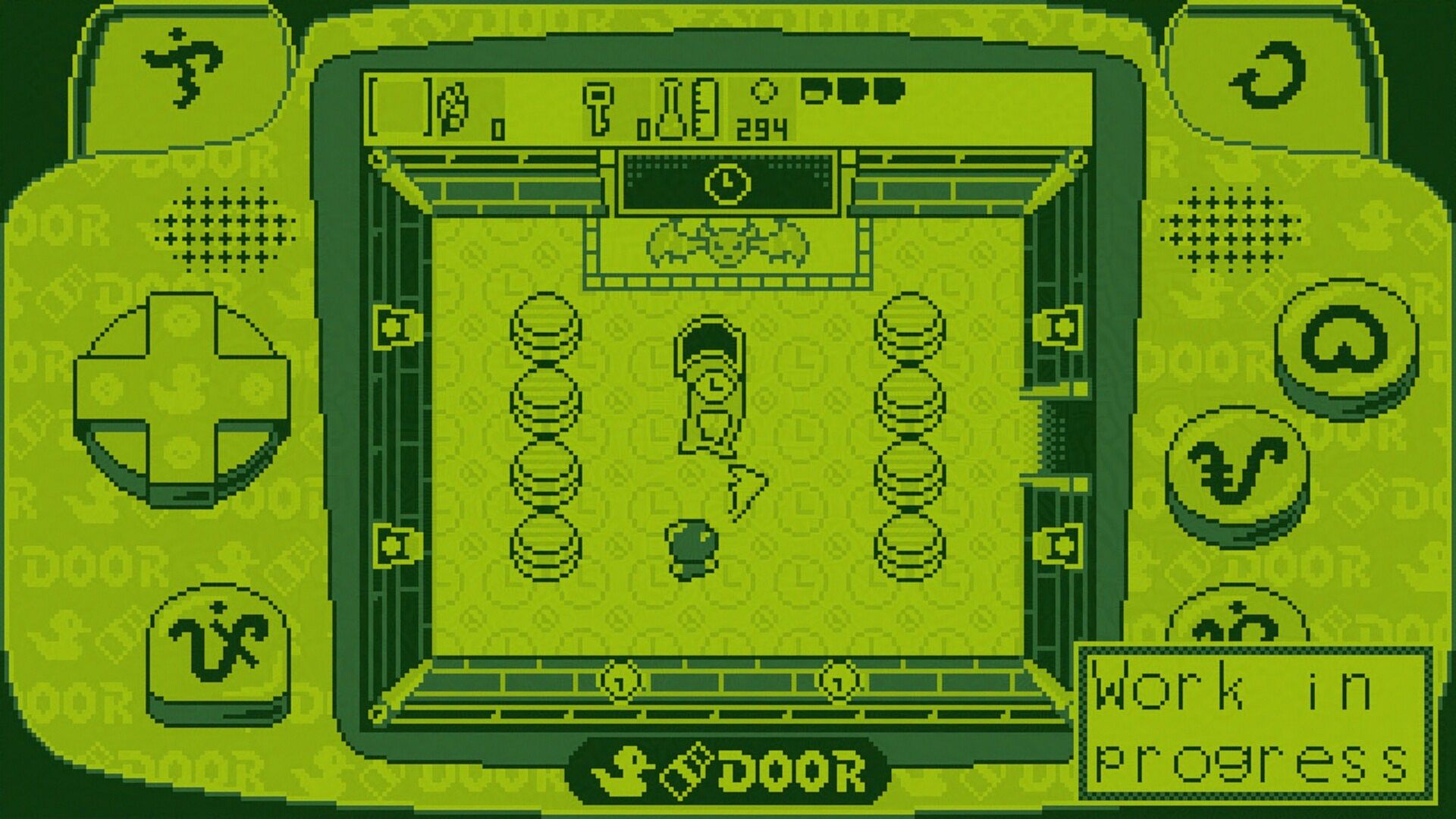
· 11 unique dungeons with distinct enemies and bosses!
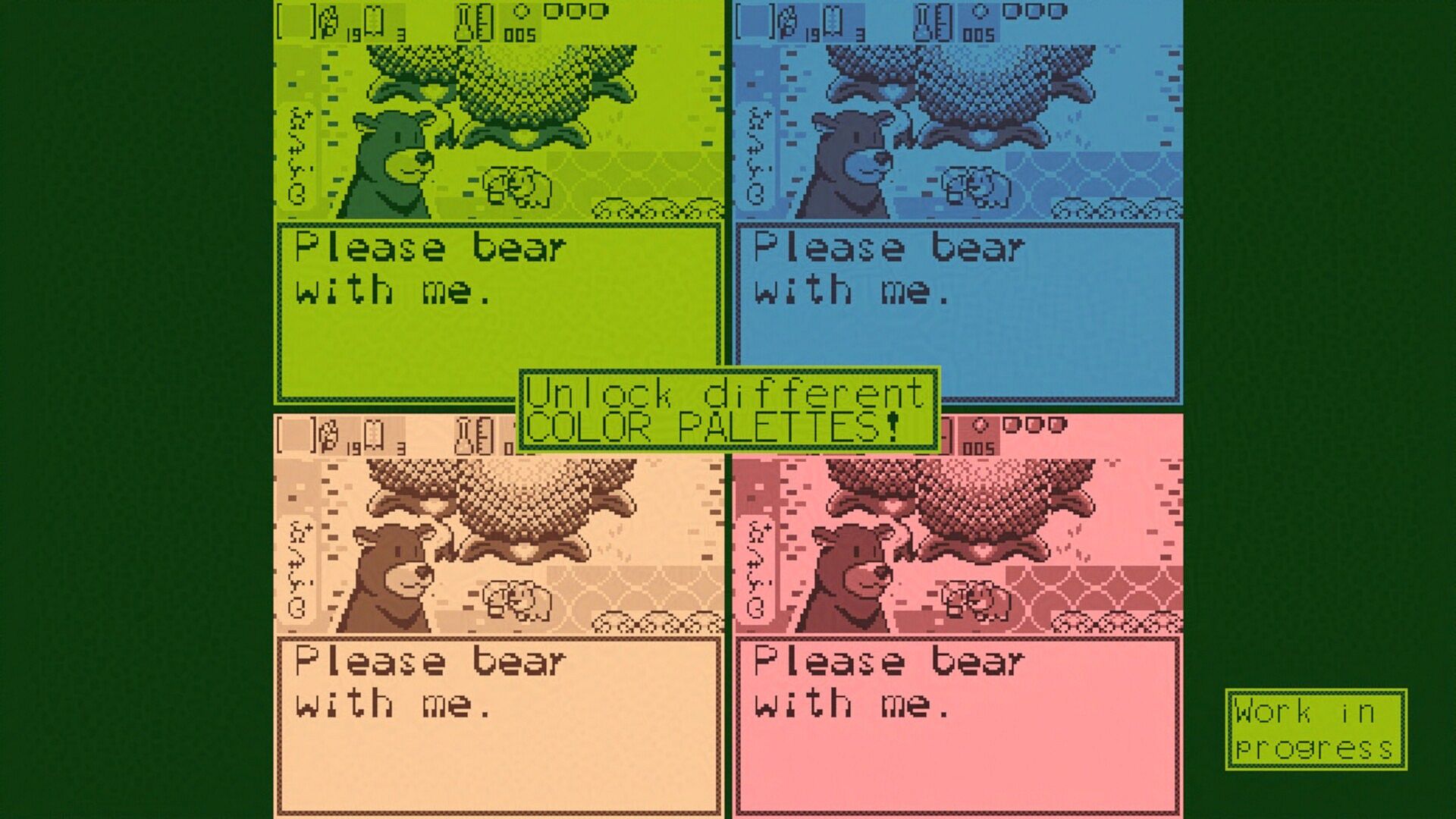
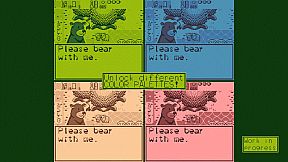
· Unlockable color palettes that help make the adventure more enchanting
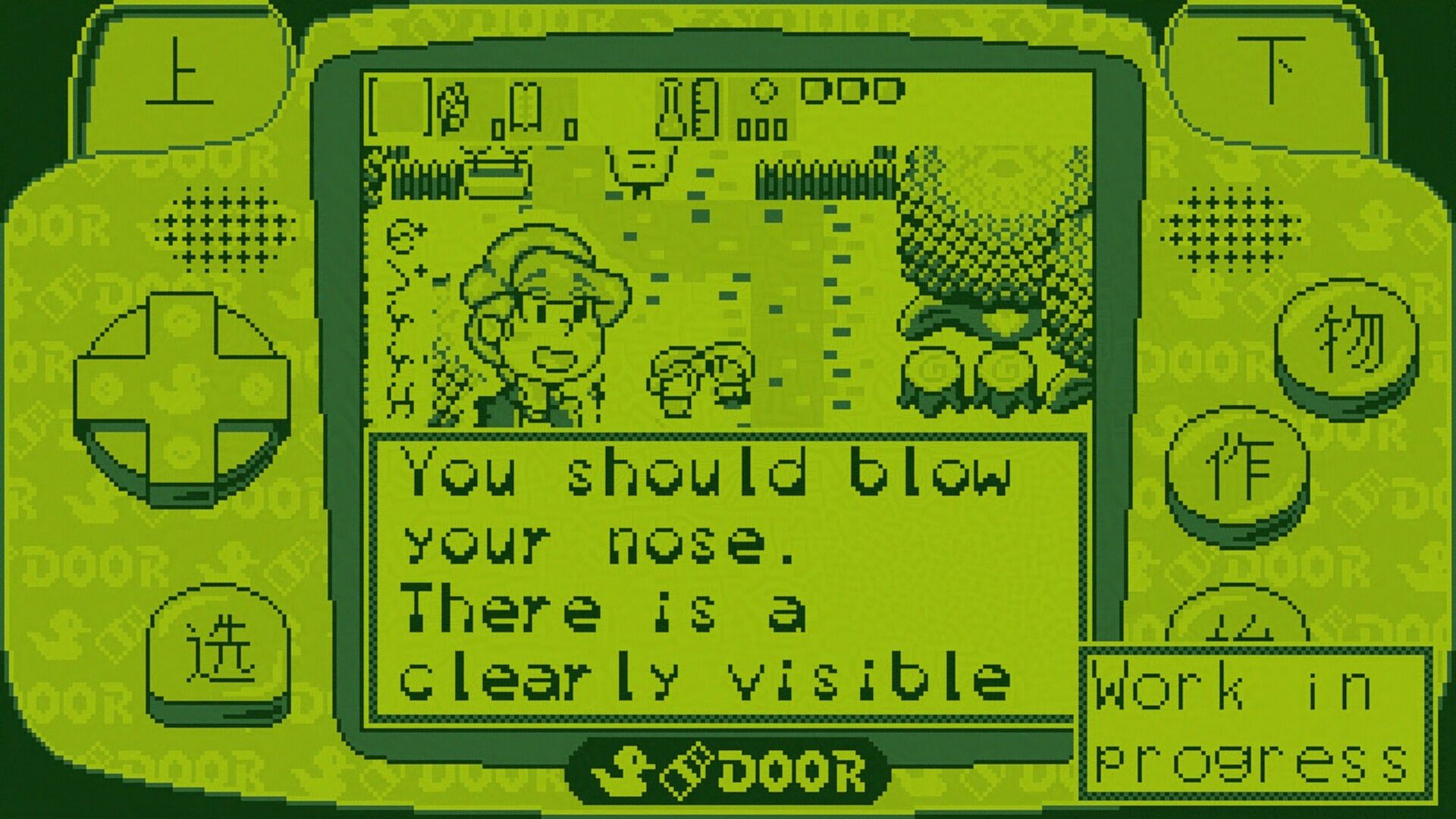
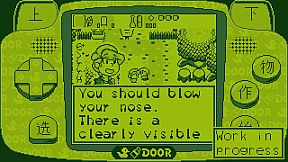
· Over 50 unique NPCs, each with their own profile images
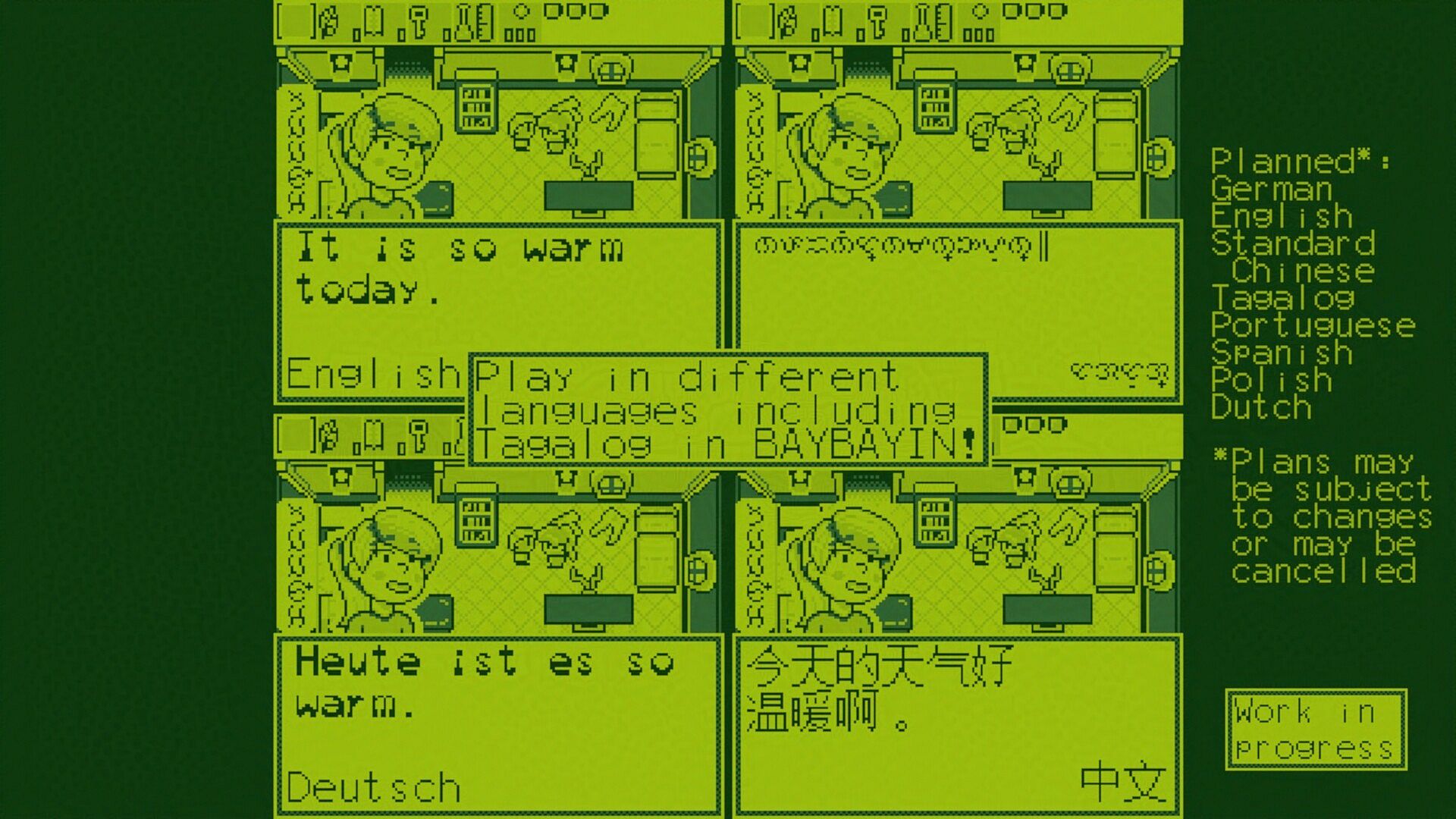
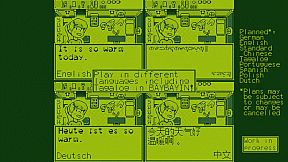
· Multi-language support, including latinized Tagalog as well as Tagalog in Baybayin
No artificial generation! All concepting, art, animation, as well as writing, music, as well as sound effects are made by the same person! Most of the development process from planning to execution is being live broadcast
Why is the main character called "Gulo-Gulo?"
ᜄᜓᜎᜓᜄᜓᜎᜓ (Gulo-Gulo) is a duplication of the Tagalog word ᜄᜓᜎᜓ (gulo). And “gulo” means "chaos" or "disorder." I know that some might think that duplications sound odd. And, while yes, one could use the absolute superlative ᜈᜉᜃ— (napaka-) or turn "gulo" into an adverb using the prefix ᜋ— (ma-) and then put the comparative ᜋᜐ᜕ — (mas-) or attach the relative superlative ᜉᜒᜈᜃ — (pinaka-) to get ᜈᜉᜃᜄᜓᜎᜓ (napakagulo, very chaotic) ᜋᜐ᜕ᜋᜄᜓᜎᜓ (masmagulo, more chaotic) or ᜉᜒᜈᜃᜋᜄᜓᜎᜓ (pinakamagulo, most chaotic). However, none of these would call attention to the relevant traits of the main character or the adventure!
Often times, Tagalog speakers use duplication to emphasize something, like in:
· Halo-halo ("halo" [ᜑᜎᜓ] means to mix) a type of dessert that mixes many ingredients
· Dahan-dahan ("dahan" [ᜇᜑᜈ᜕] means "slow" and "gentle" at the same time) "slow and steady"
· Unti-unti ("unti" [ᜂᜈ᜕ᜆᜒ] means "a little") "little by little"
So, in our case "Gulo-Gulo" means "extremely chaotic."