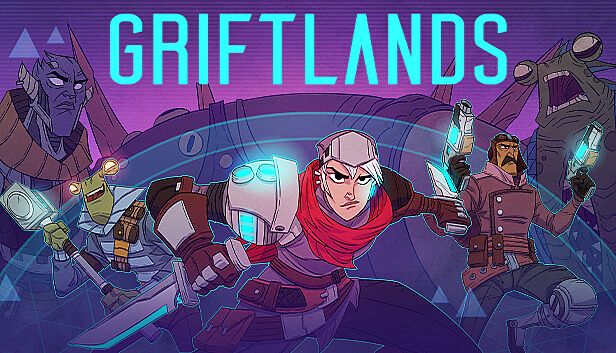










Griftlands stands out as a deck-building roguelite set in a gritty sci-fi universe where every choice shapes your path through negotiation and combat. Developed by Klei Entertainment, this indie title combines strategic card play with branching narratives, letting you navigate a world of shady deals and brutal confrontations on PC.
Gameplay
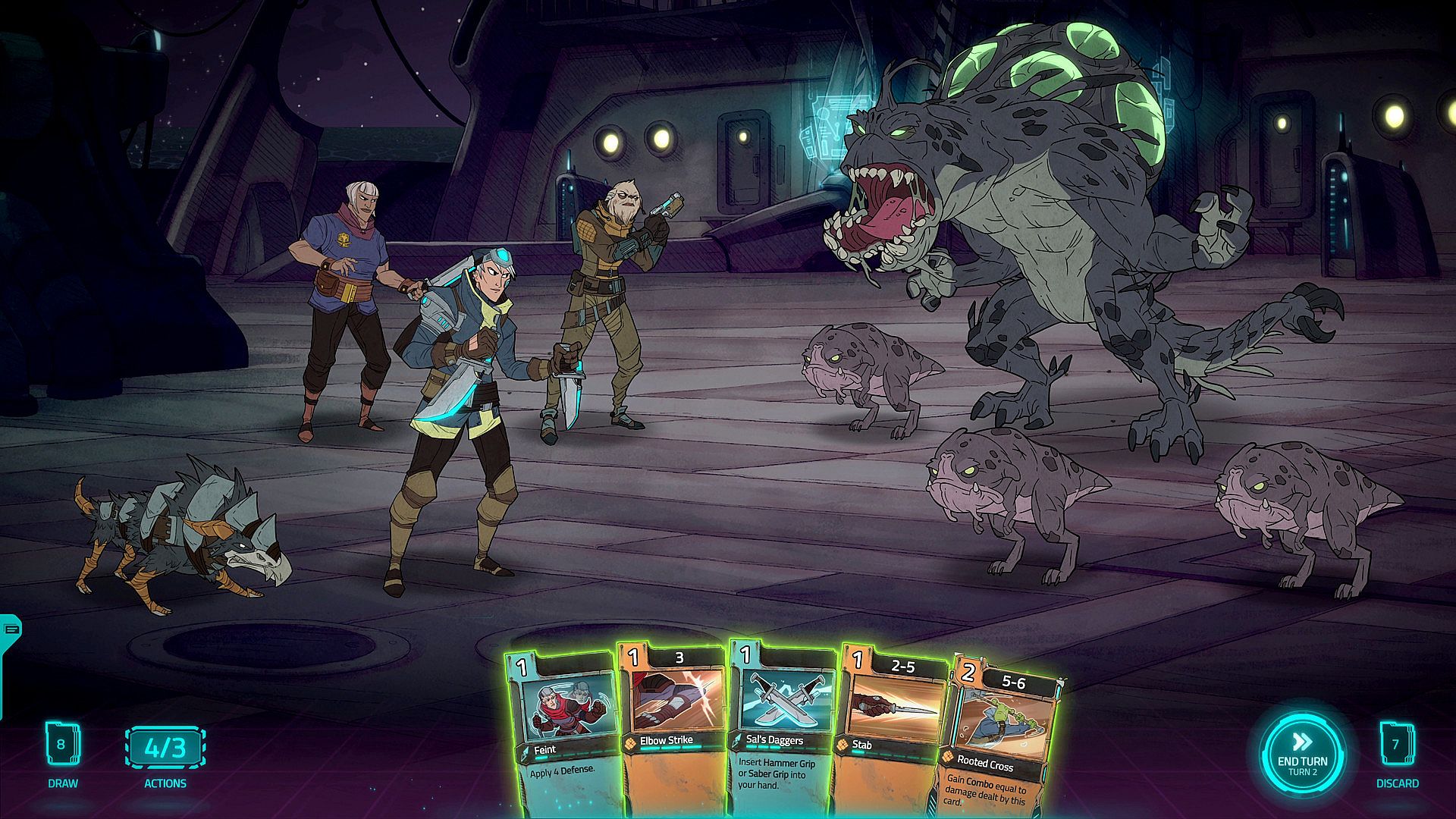
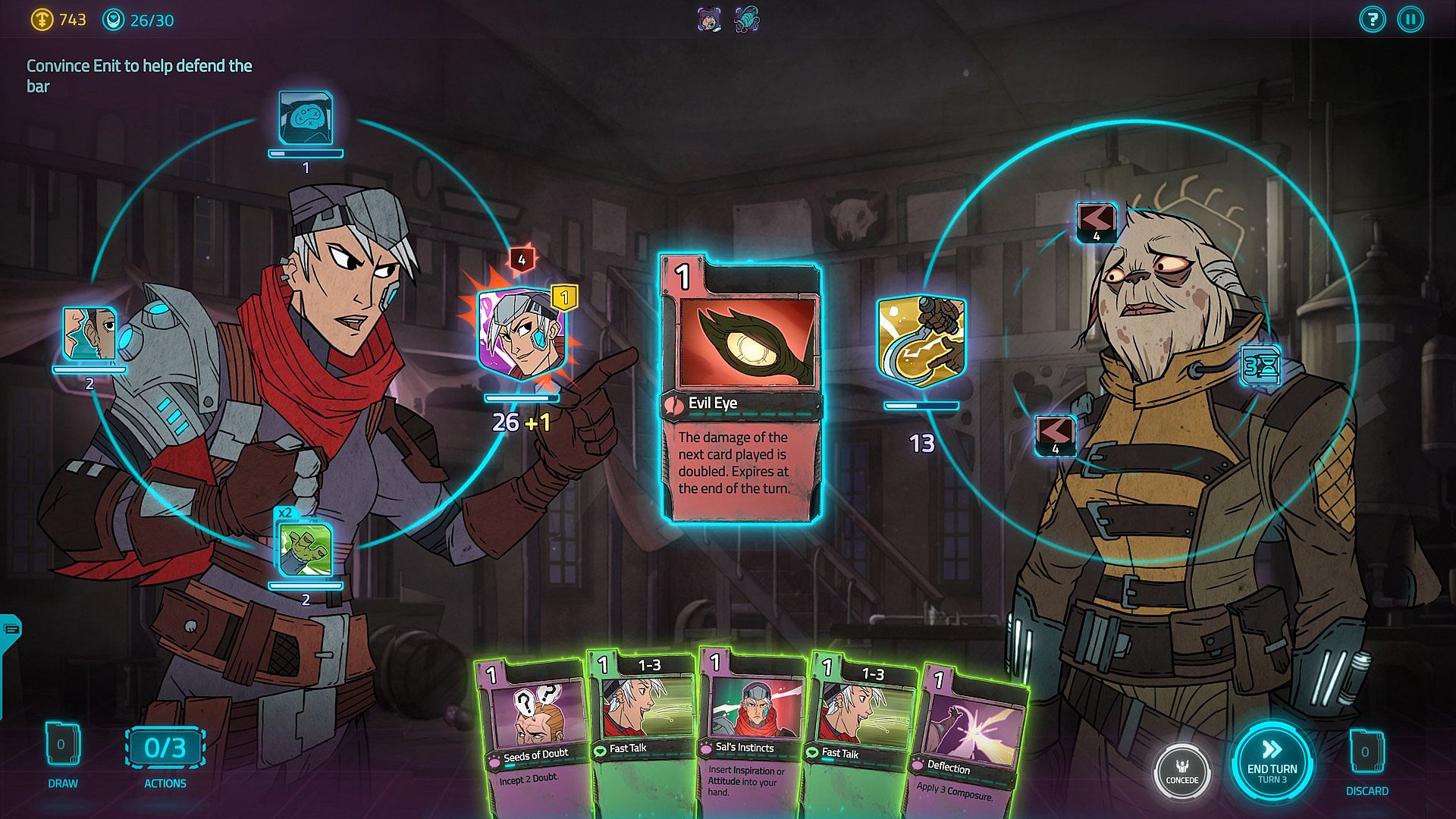
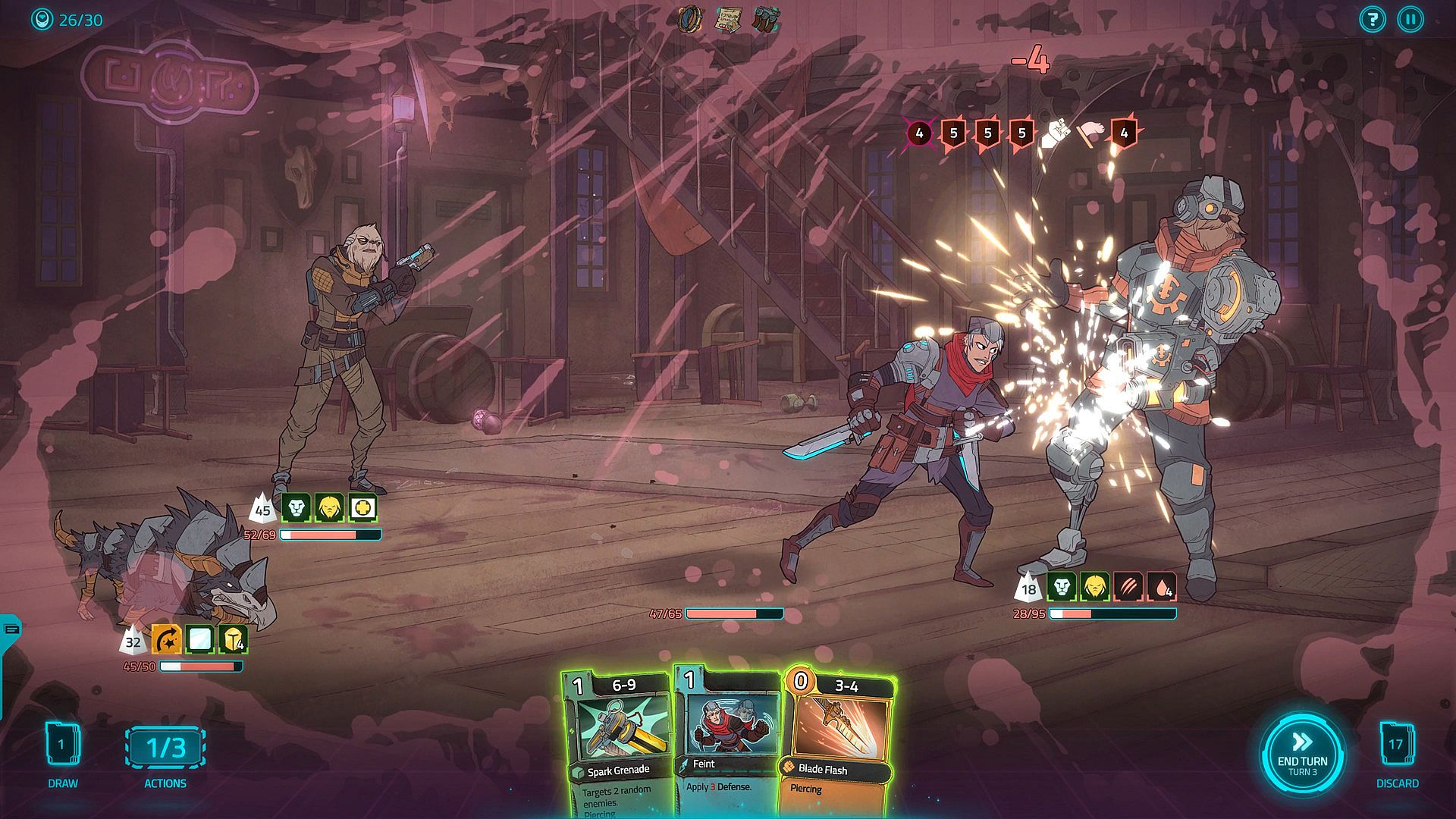
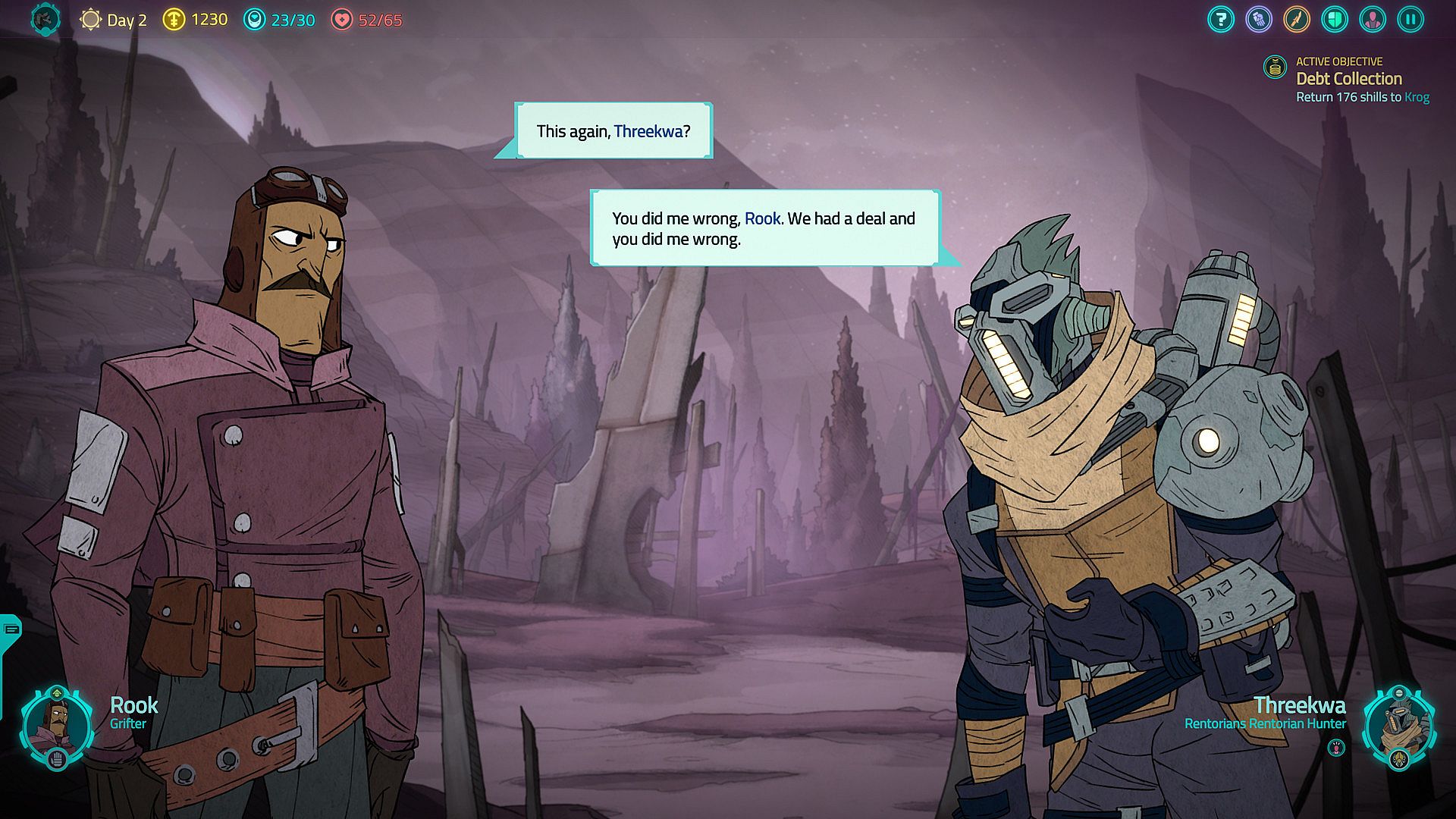
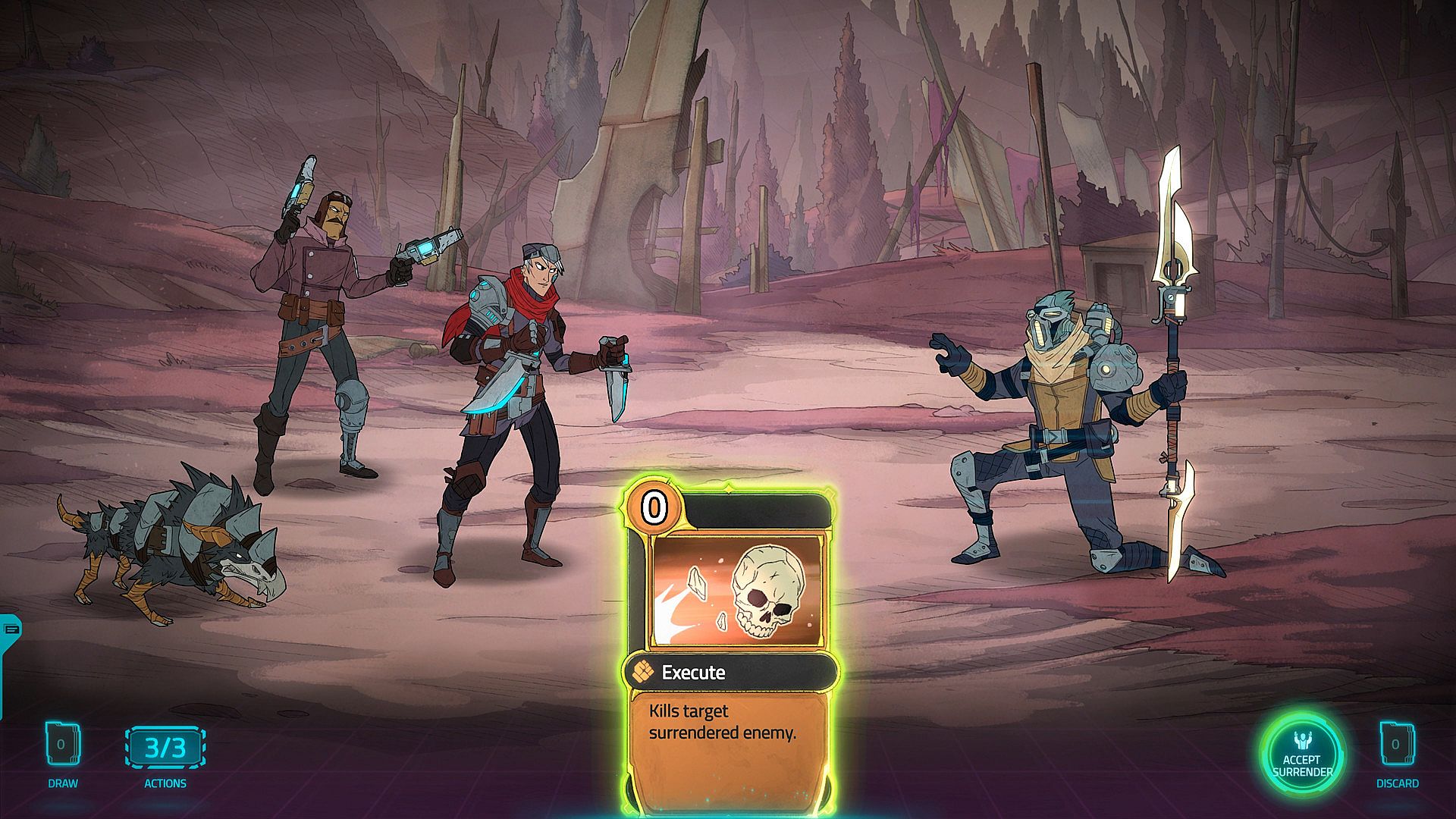
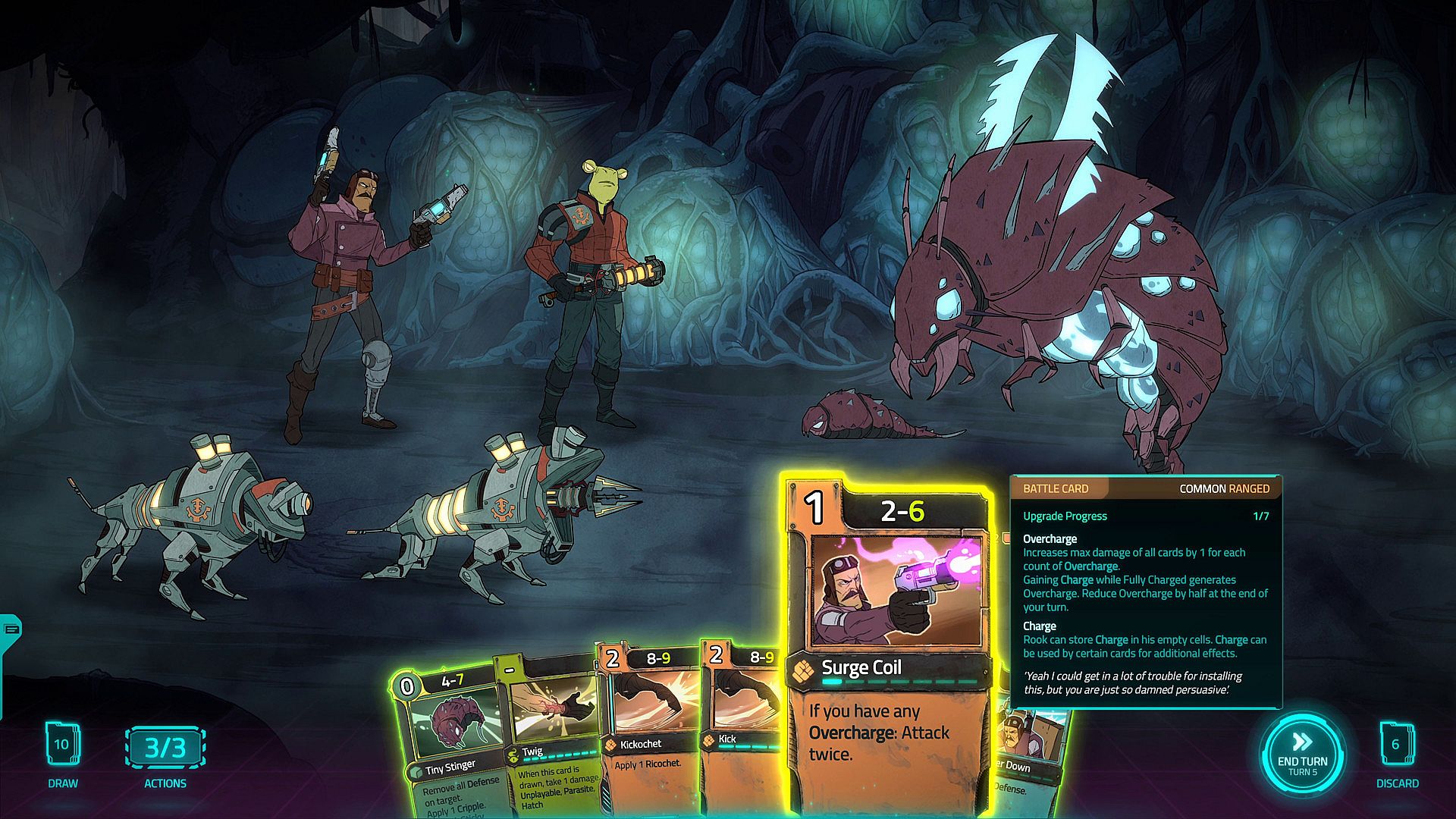
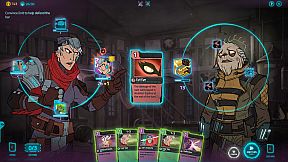
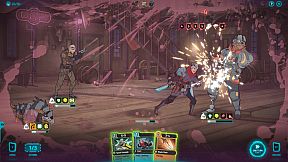
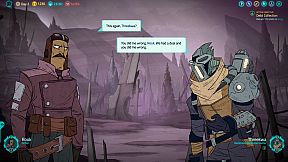
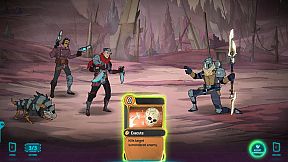
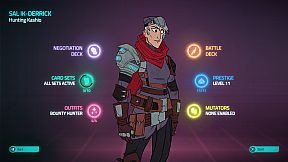
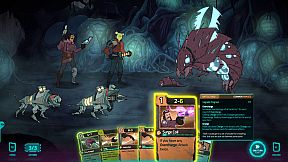
In Griftlands, you build and manage two separate decks: one for combat and another for negotiation. Combat encounters play out in turn-based battles where you deploy cards to attack, defend, or apply status effects like bleed damage, aiming to reduce your opponent's health to zero. Allies and pets can join the fray, adding layers to your strategy. Negotiation works similarly but focuses on whittling down an opponent's resolve through persuasion or coercion cards, such as building influence or launching verbal attacks. Decisions outside of these systems ripple through the game, affecting relationships with characters and factions, which can grant boons or trigger vendettas in future encounters.
The roguelite structure means runs are procedural, with permadeath forcing restarts that unlock new perks and modifiers over time. You collect cards from defeated enemies or as rewards, drafting them into your decks to balance tradeoffs between offense, defense, and utility. Each character's unique abilities influence how these mechanics unfold, like special perks that enhance card effects or manipulate outcomes.
Game Modes
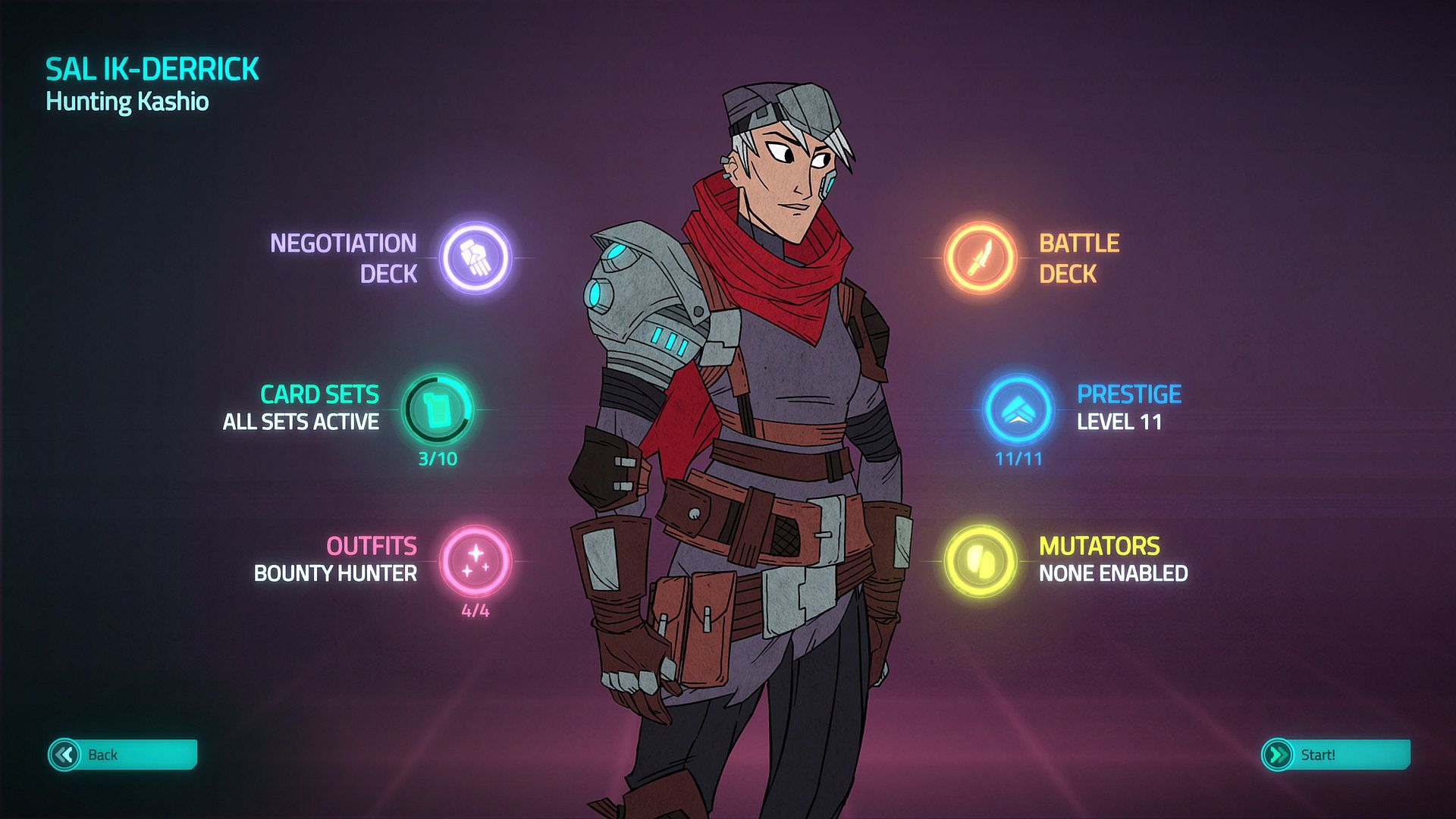
The core experience revolves around three distinct campaigns, each tied to a playable character with their own story and environment. Sal's campaign centers on revenge and profit as a mercenary, Rook's involves espionage and personal agendas as an aging spy, and Smith's focuses on redemption and world-saving potential as a laid-back wanderer. These modes feature procedural elements, ensuring varied quests, enemies, and events per playthrough.
Beyond the campaigns, Brawl mode offers a streamlined option with consecutive battles and negotiations minus the narrative dialogue. Daily challenges provide structured runs with specific modifiers, while boss rush mode pits you against a series of tough opponents for focused combat practice.
World and Factions
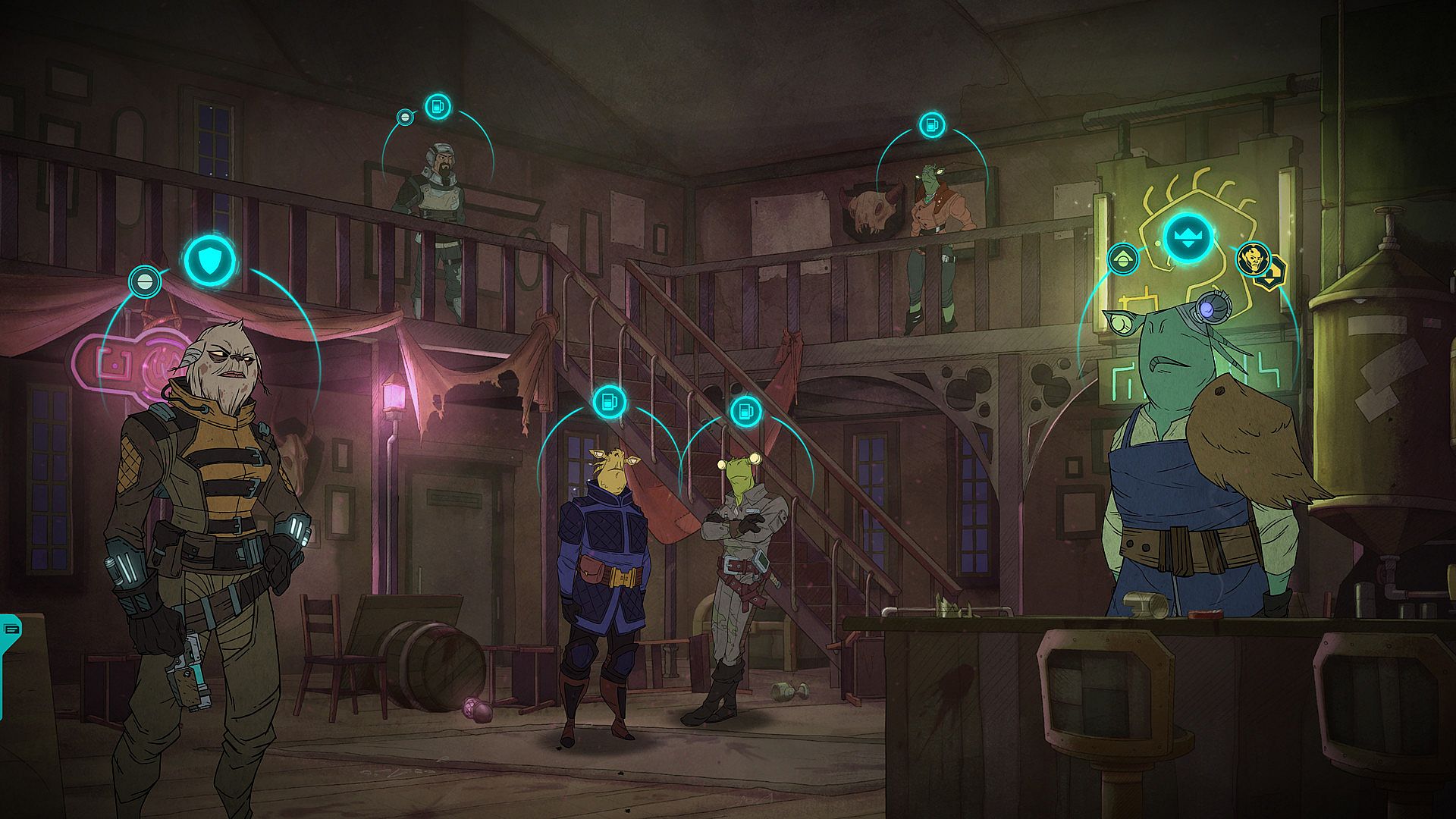
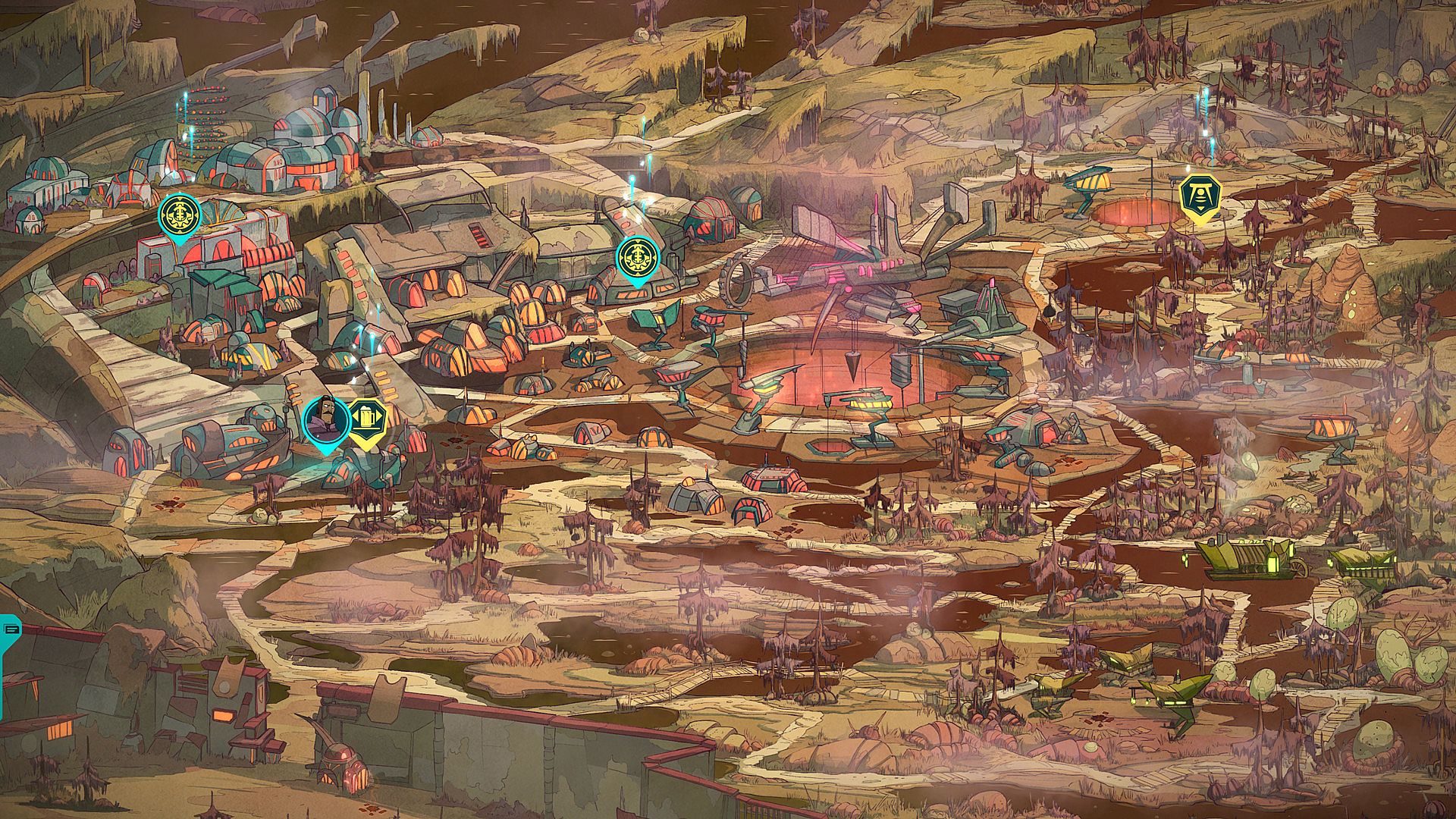
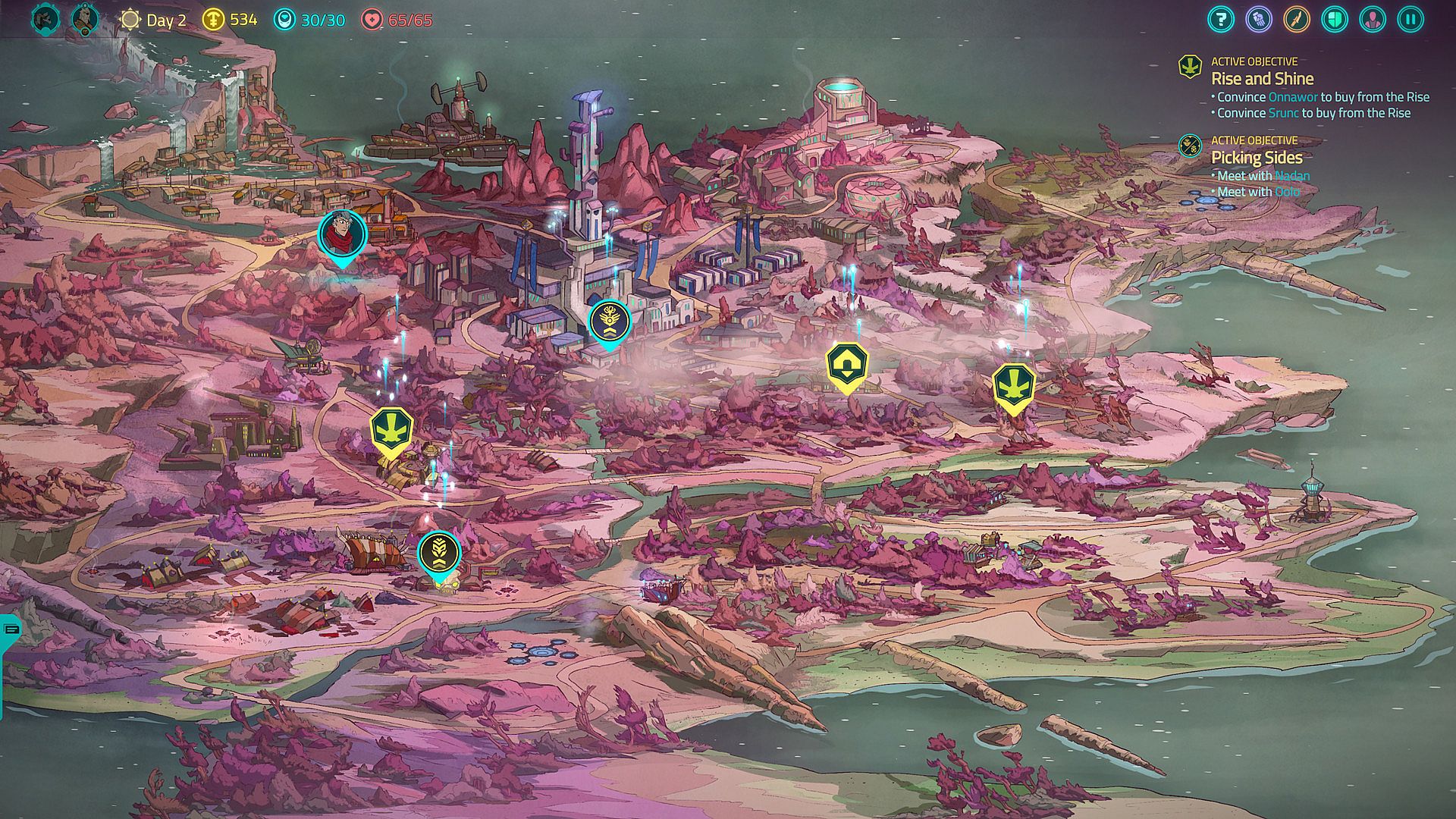
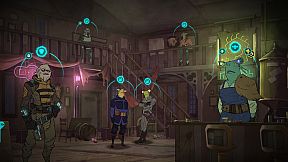
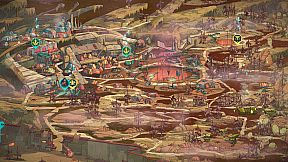
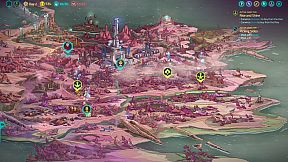
The setting of Havaria is a harsh, illustrated sci-fi landscape filled with diverse inhabitants, from anthropomorphic creatures to robotic foes. Factions play a key role, as your allegiance and actions toward groups like rebels or thugs determine alliances and rivalries. Building friendships can recruit help in fights, but betrayals lead to lasting grudges that complicate runs.
Is It Worth Playing?
Griftlands earns strong praise for its innovative blend of deck-building and storytelling, holding a Metacritic critic score of 84 and a Steam rating of Very Positive with 93 percent approval from over 5,000 reviews. Players appreciate the replayability and depth, though some note the steep learning curve in negotiations. If you enjoy strategic roguelites like Slay the Spire but want added narrative weight and social mechanics, this game delivers a compelling experience. It's particularly suited for those who value choice-driven runs and tactical card play, making it a solid pick for PC gamers seeking something fresh in the genre.