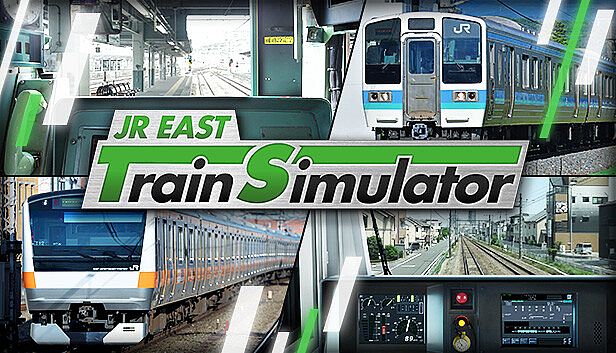



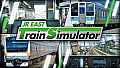
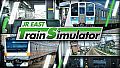
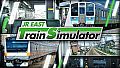
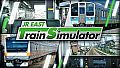
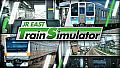
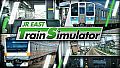
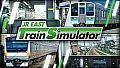
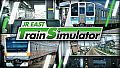
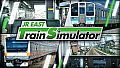
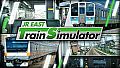
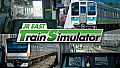
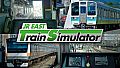
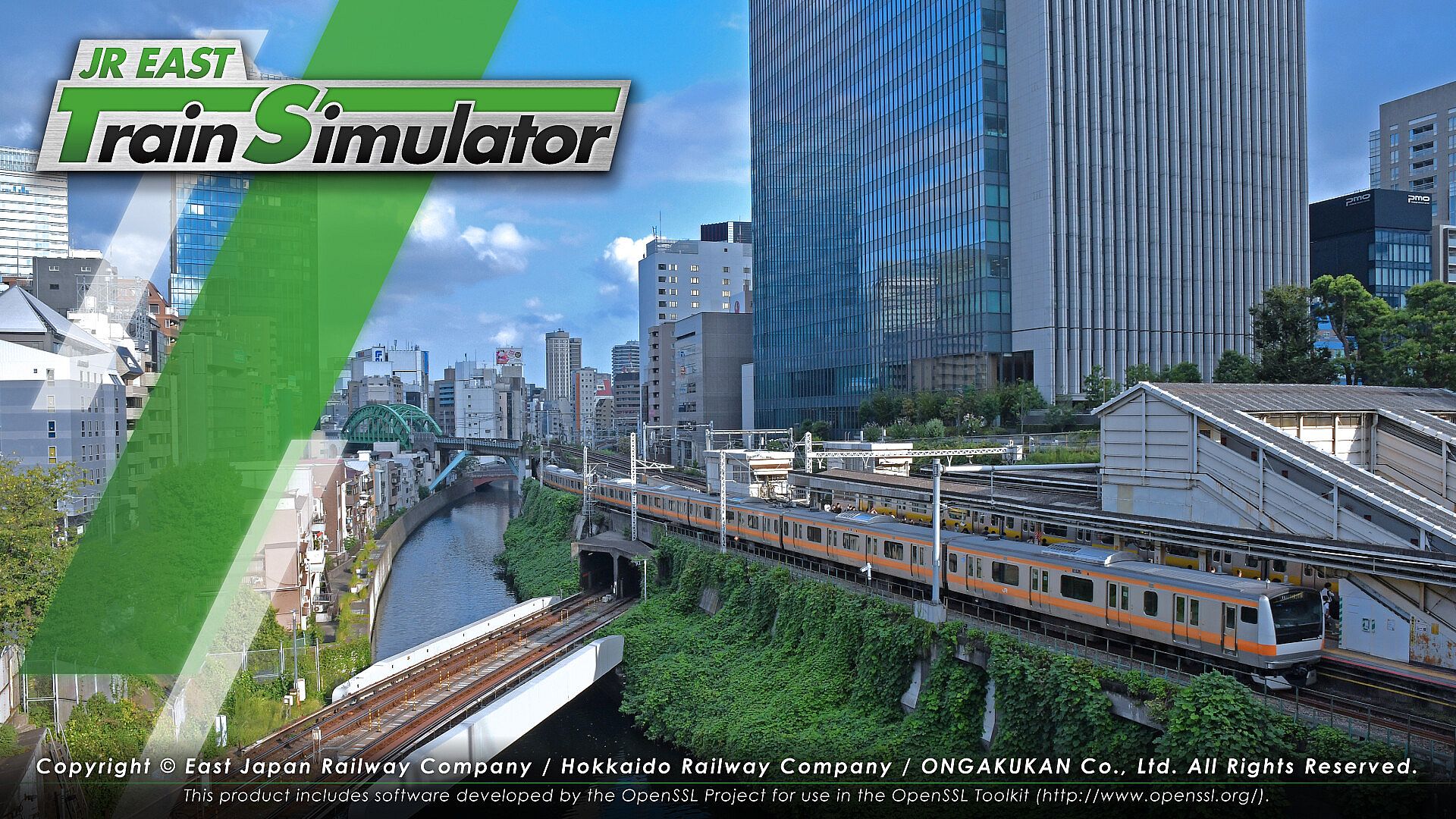

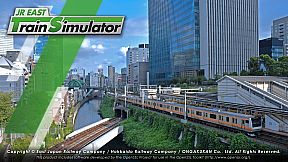
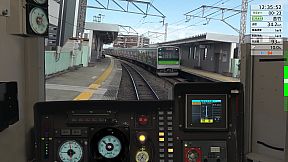
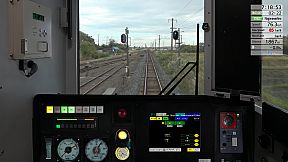
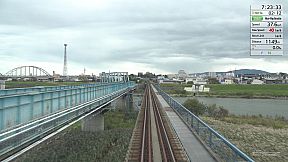
JR EAST Train Simulator stands out as a detailed train simulation game that puts you in the driver's seat of real Japanese railway lines. Developed through a collaboration between Ongakukan and JR East, this PC title uses actual footage and sounds from JR East trains to create an authentic experience. Whether you're navigating bustling commuter routes or quieter regional lines, the game focuses on realistic train operation, making it a niche favorite for simulation enthusiasts.
Gameplay
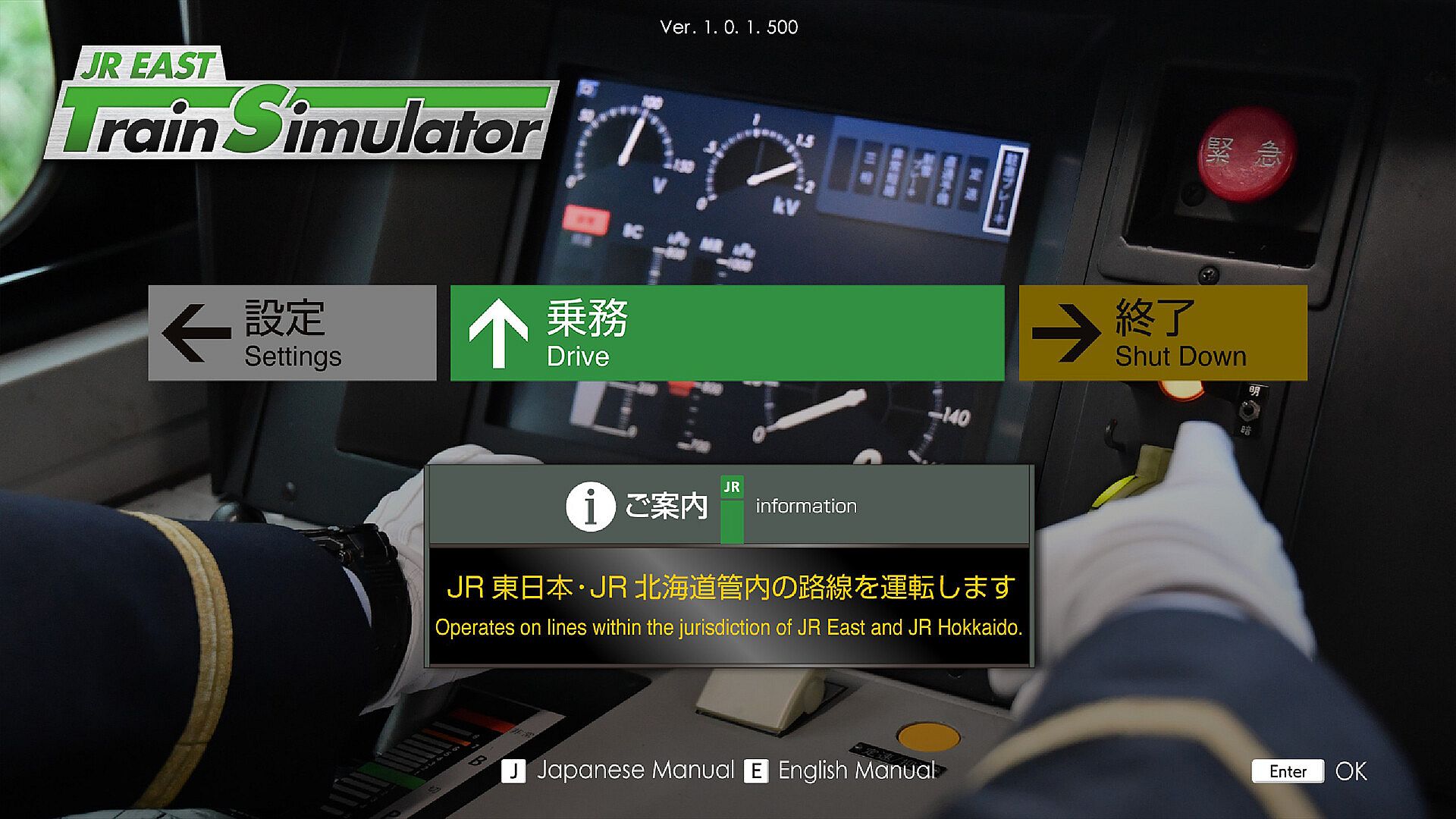
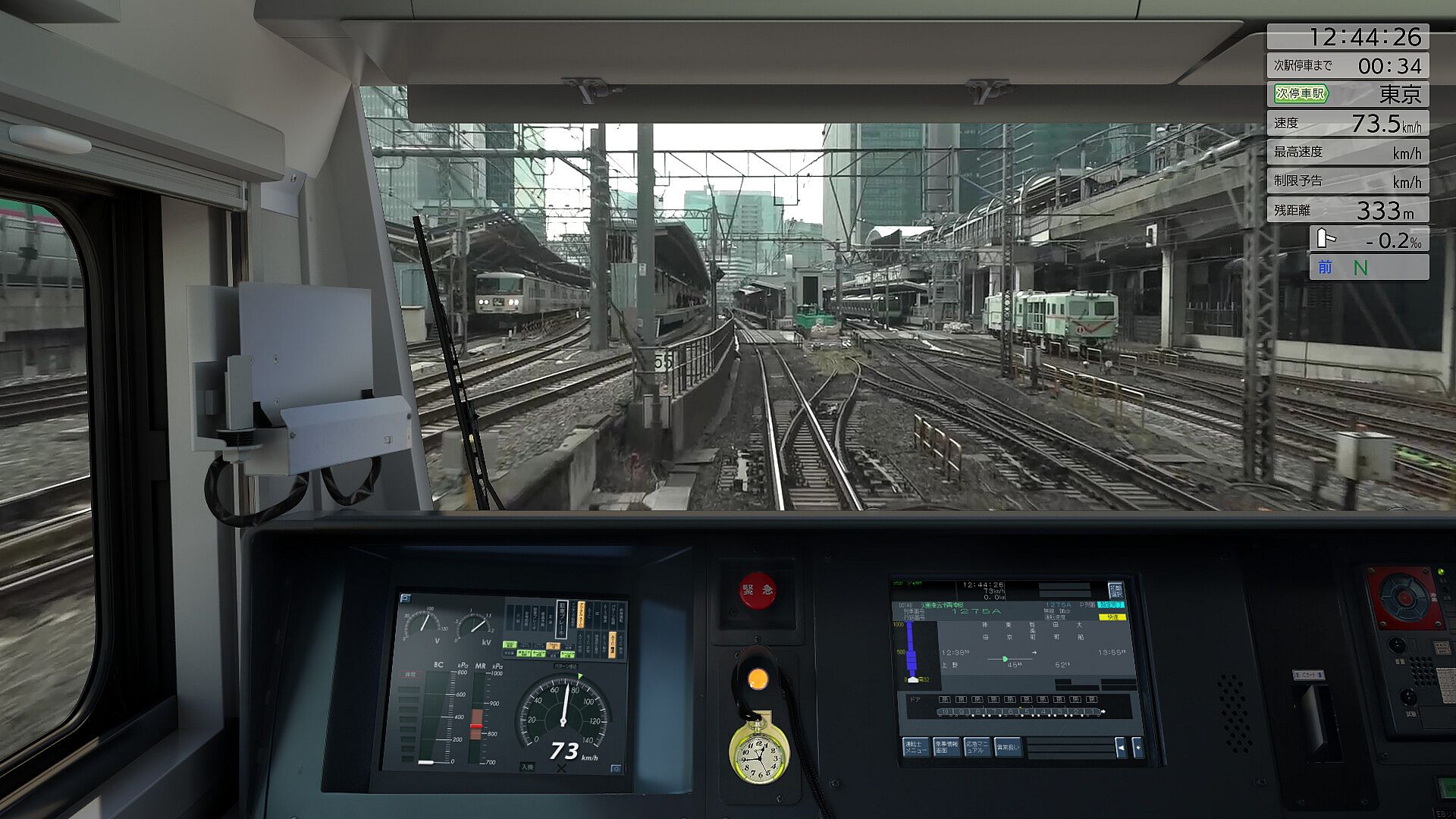
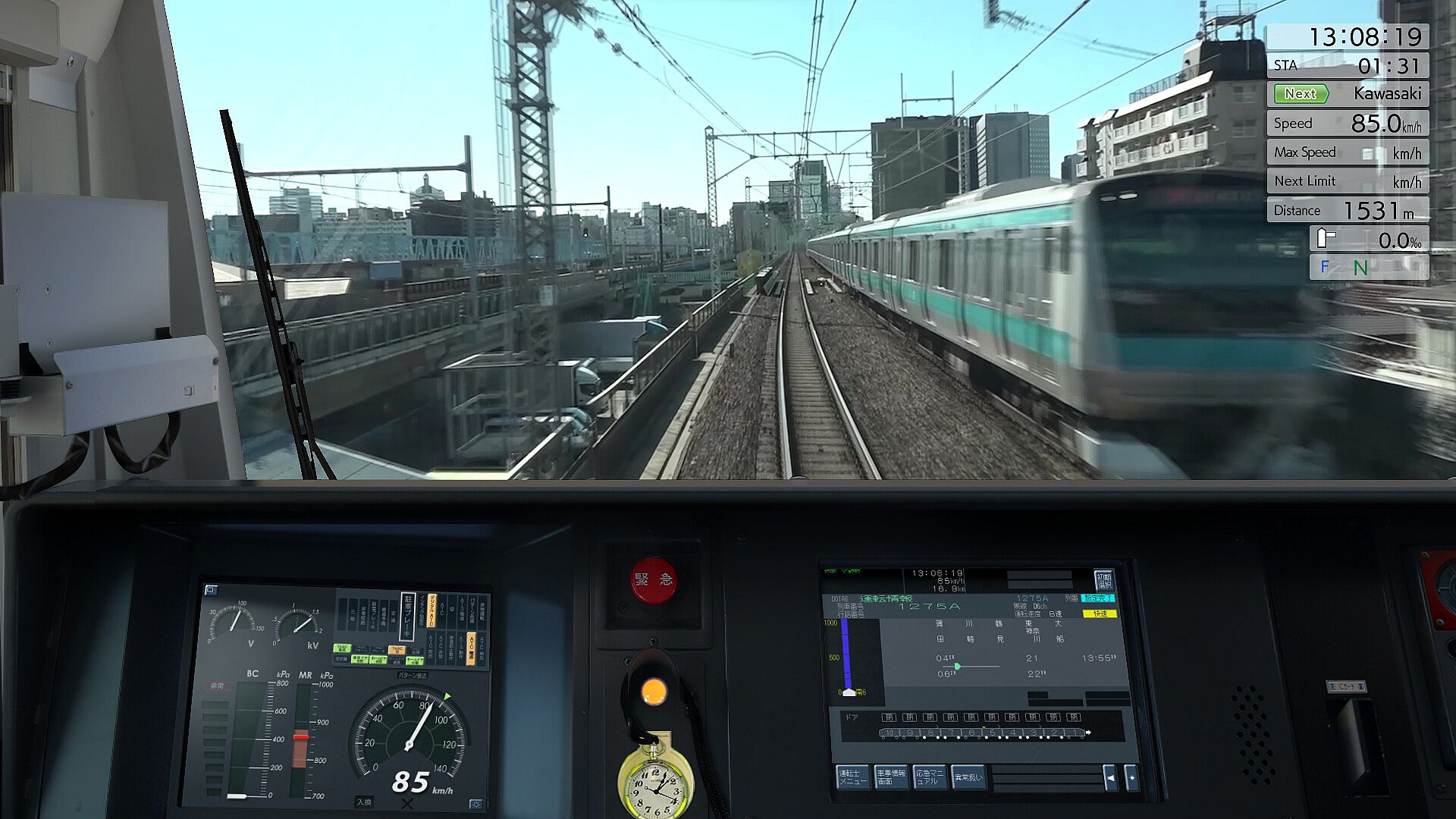
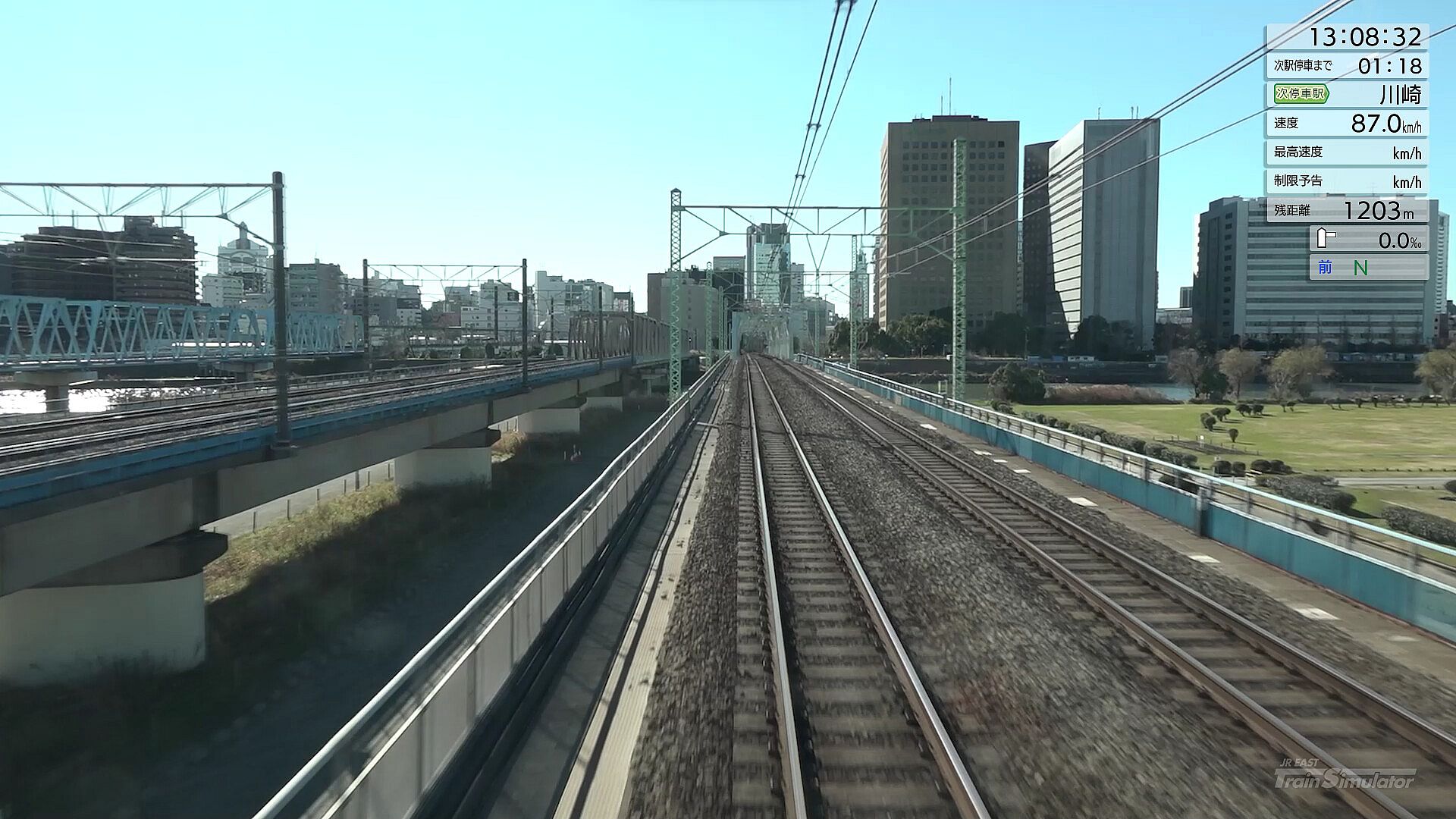
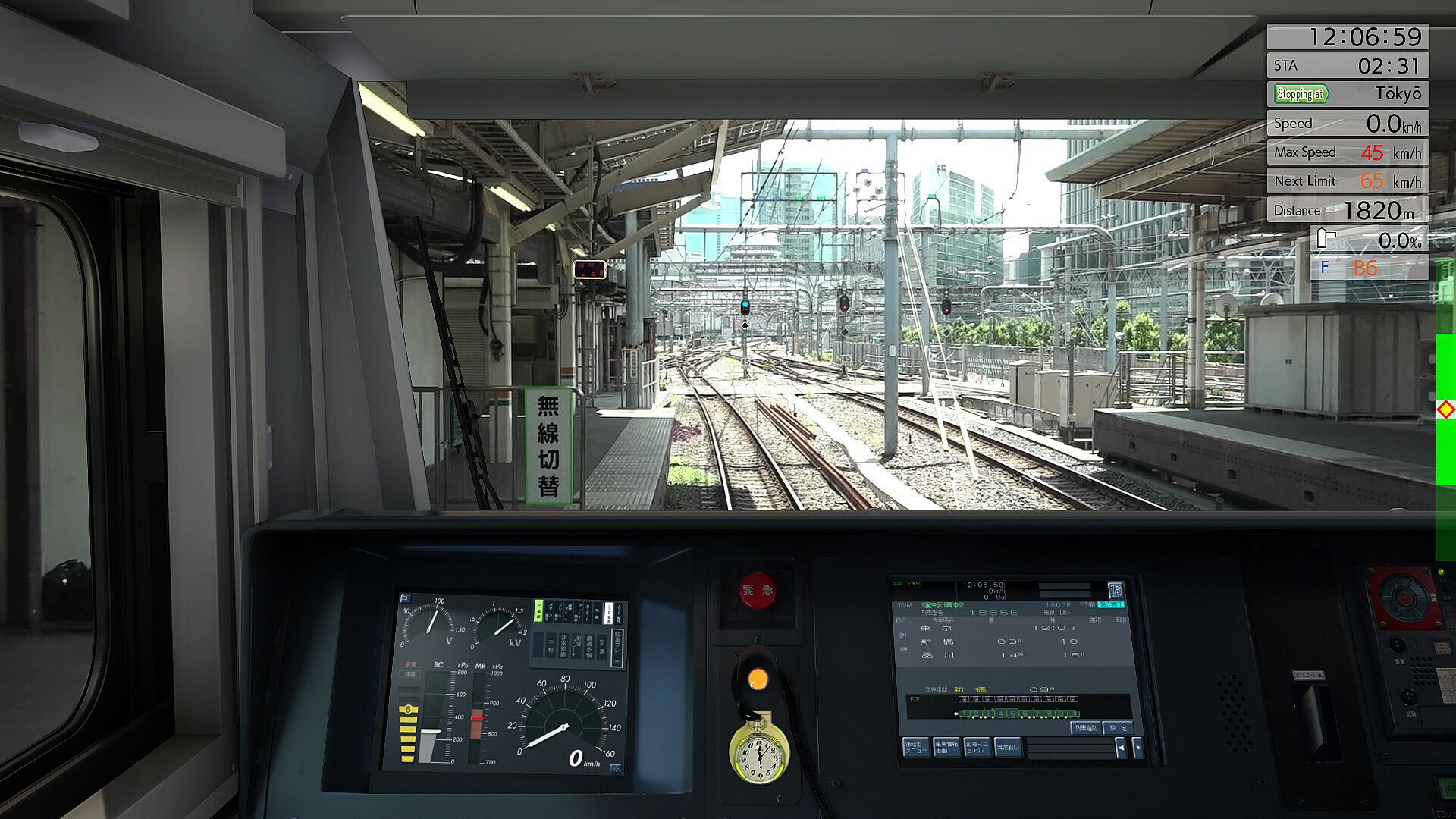
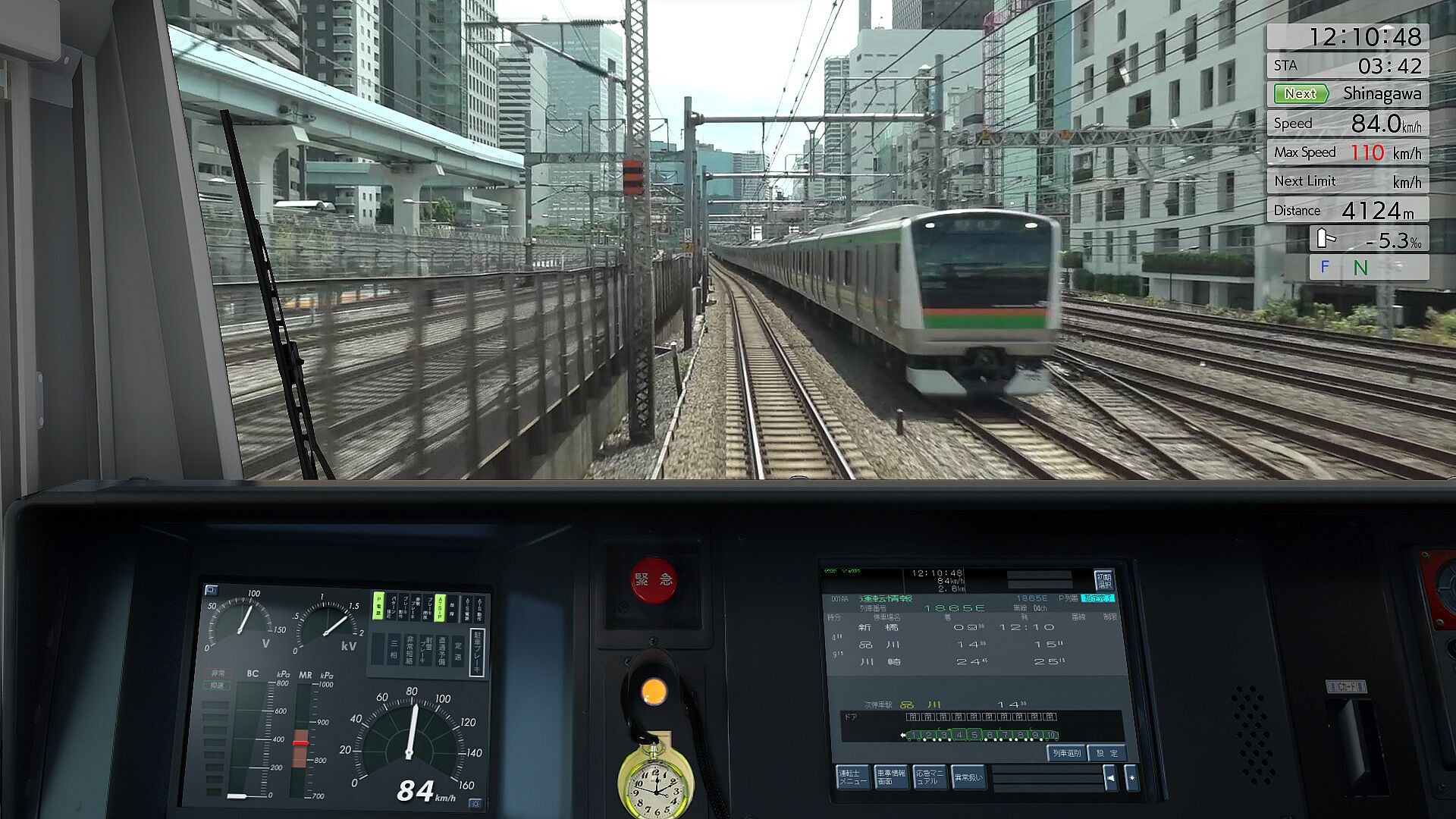
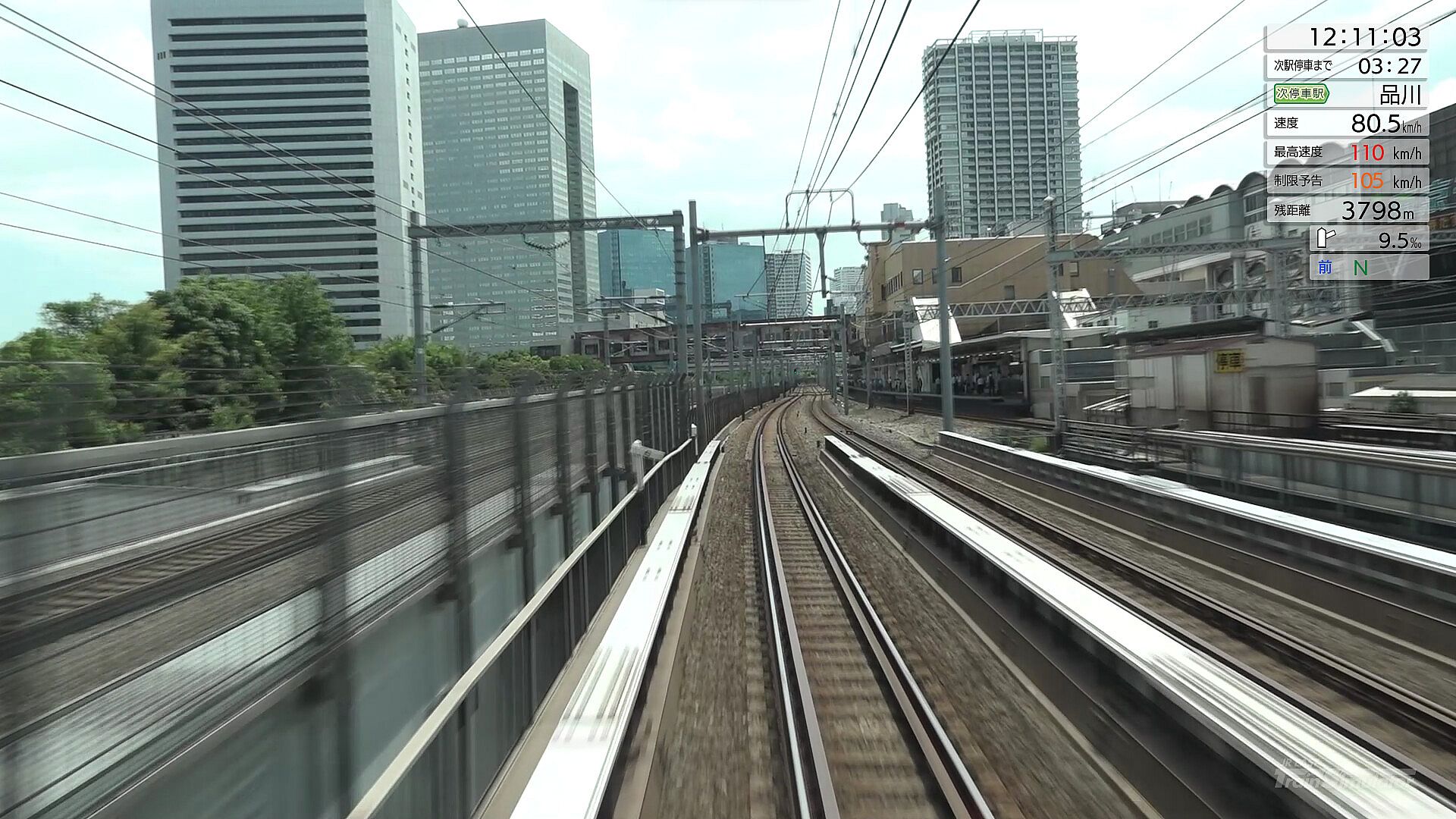
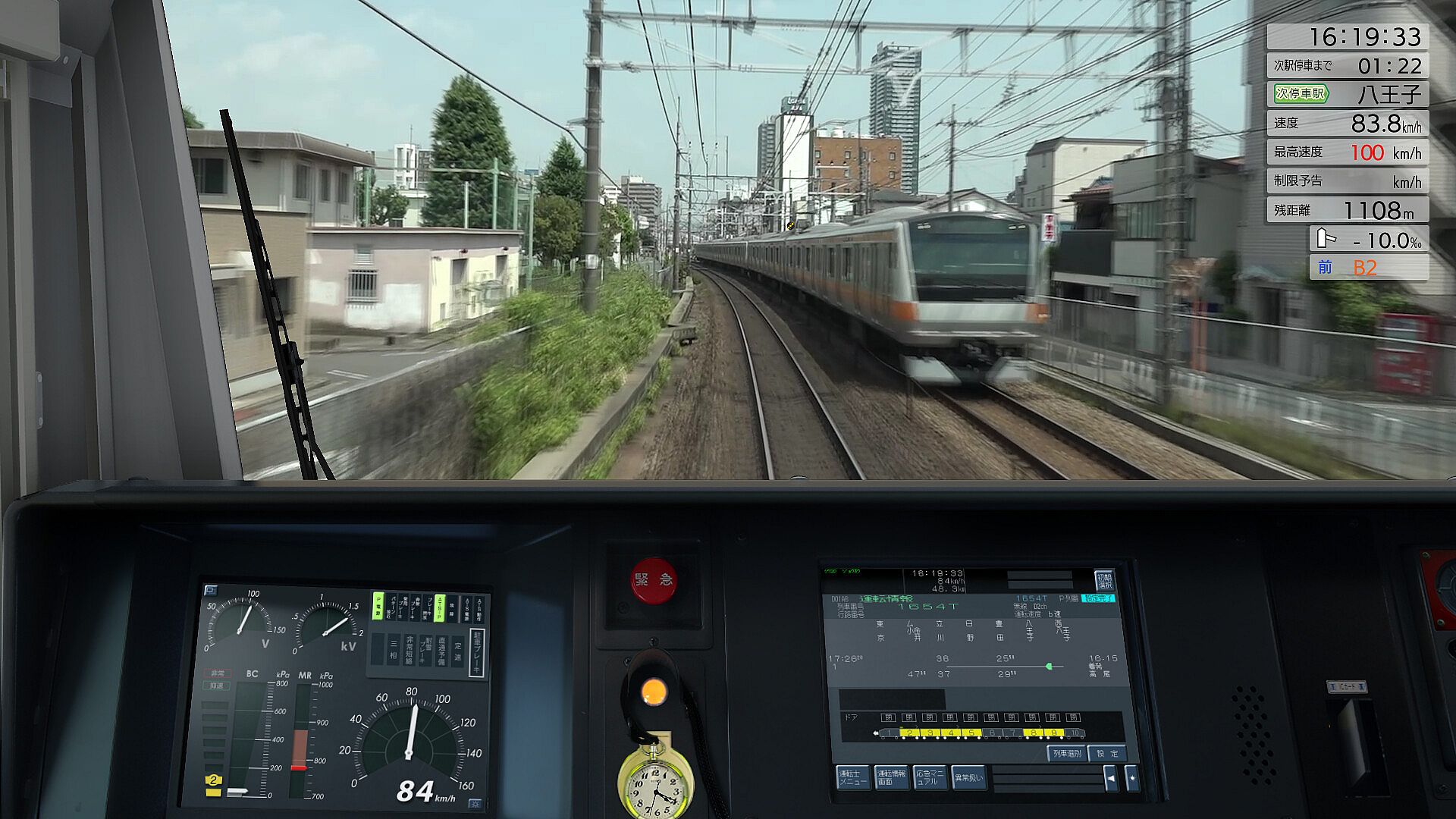
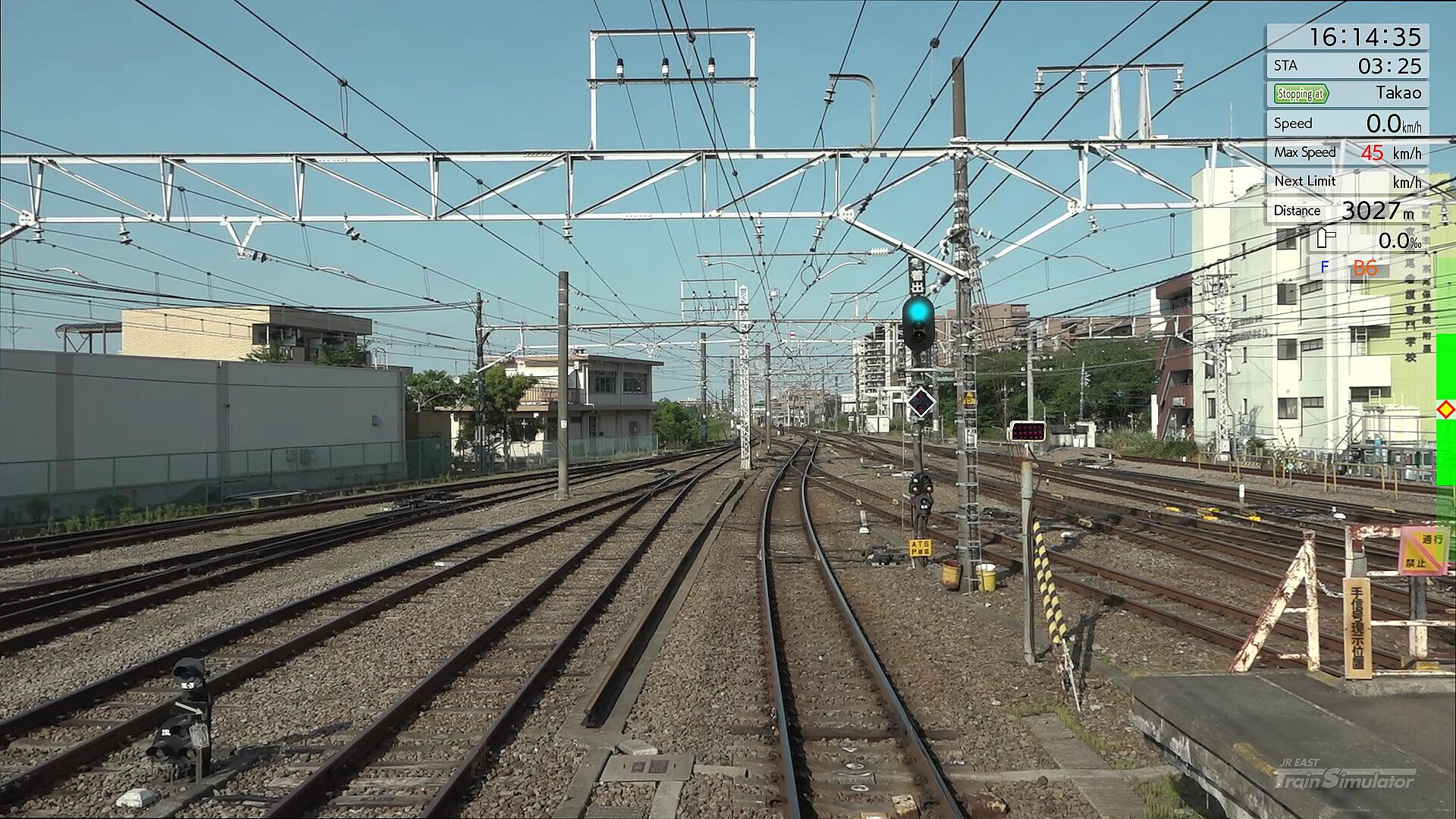
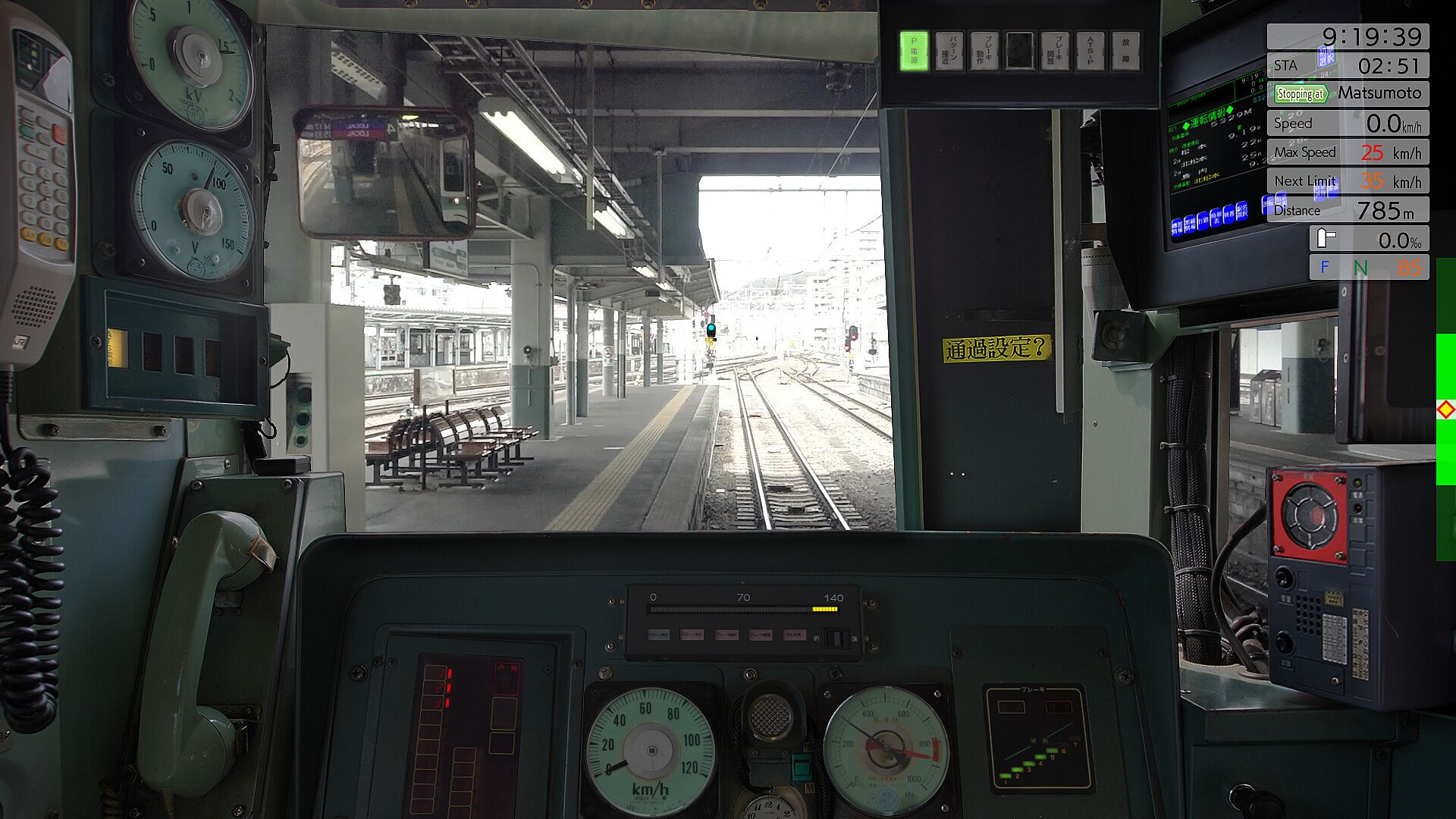
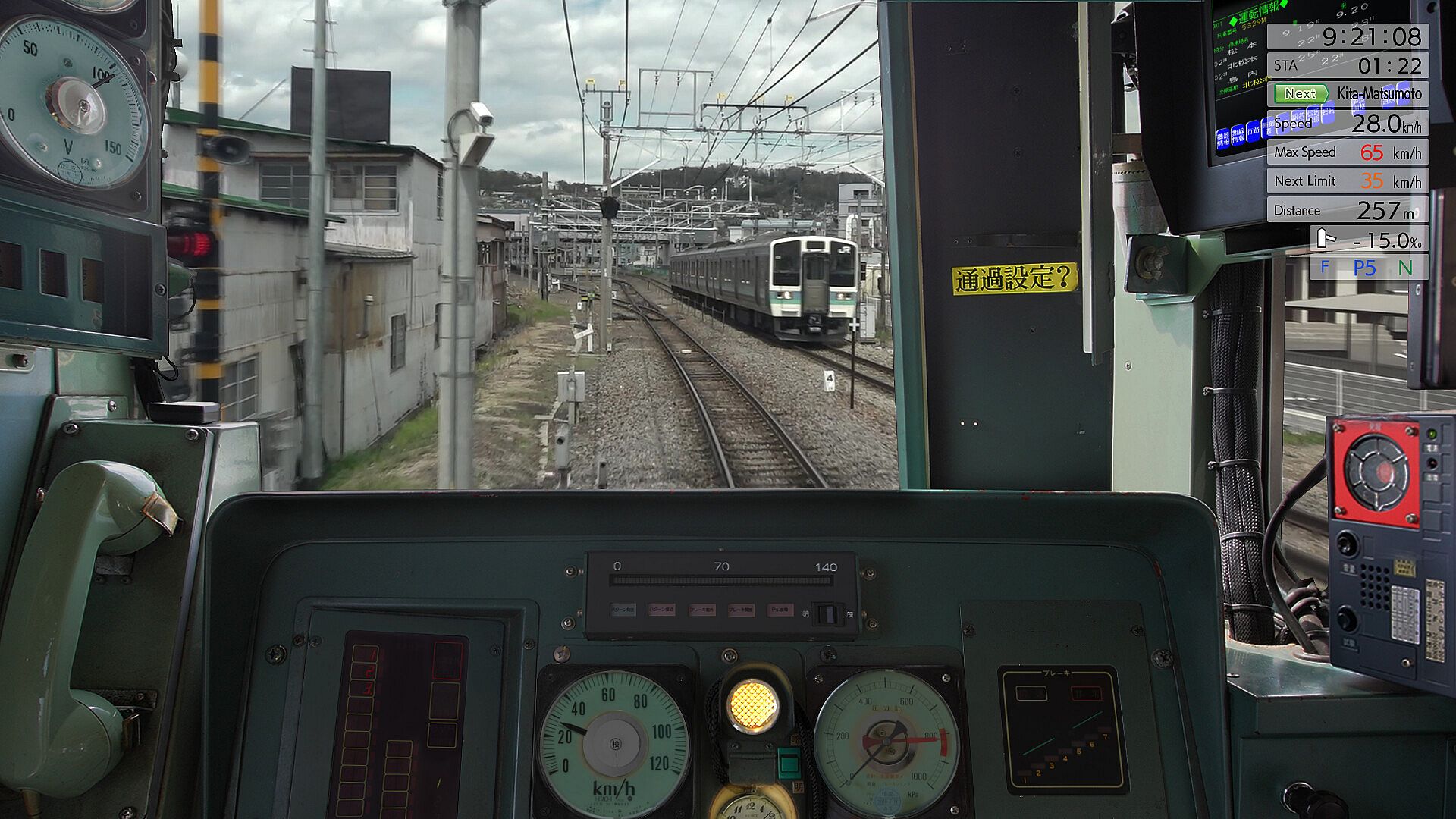
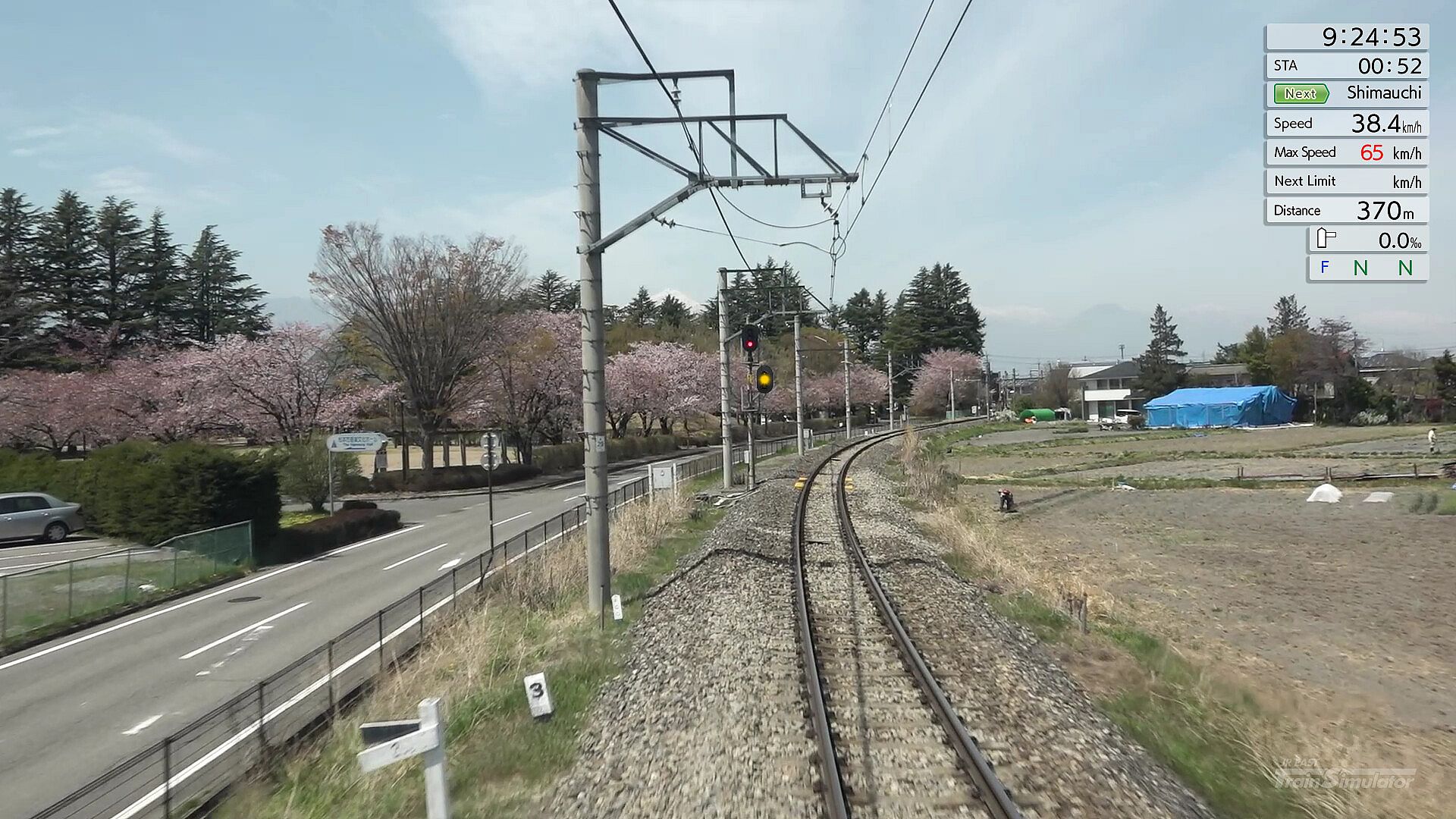
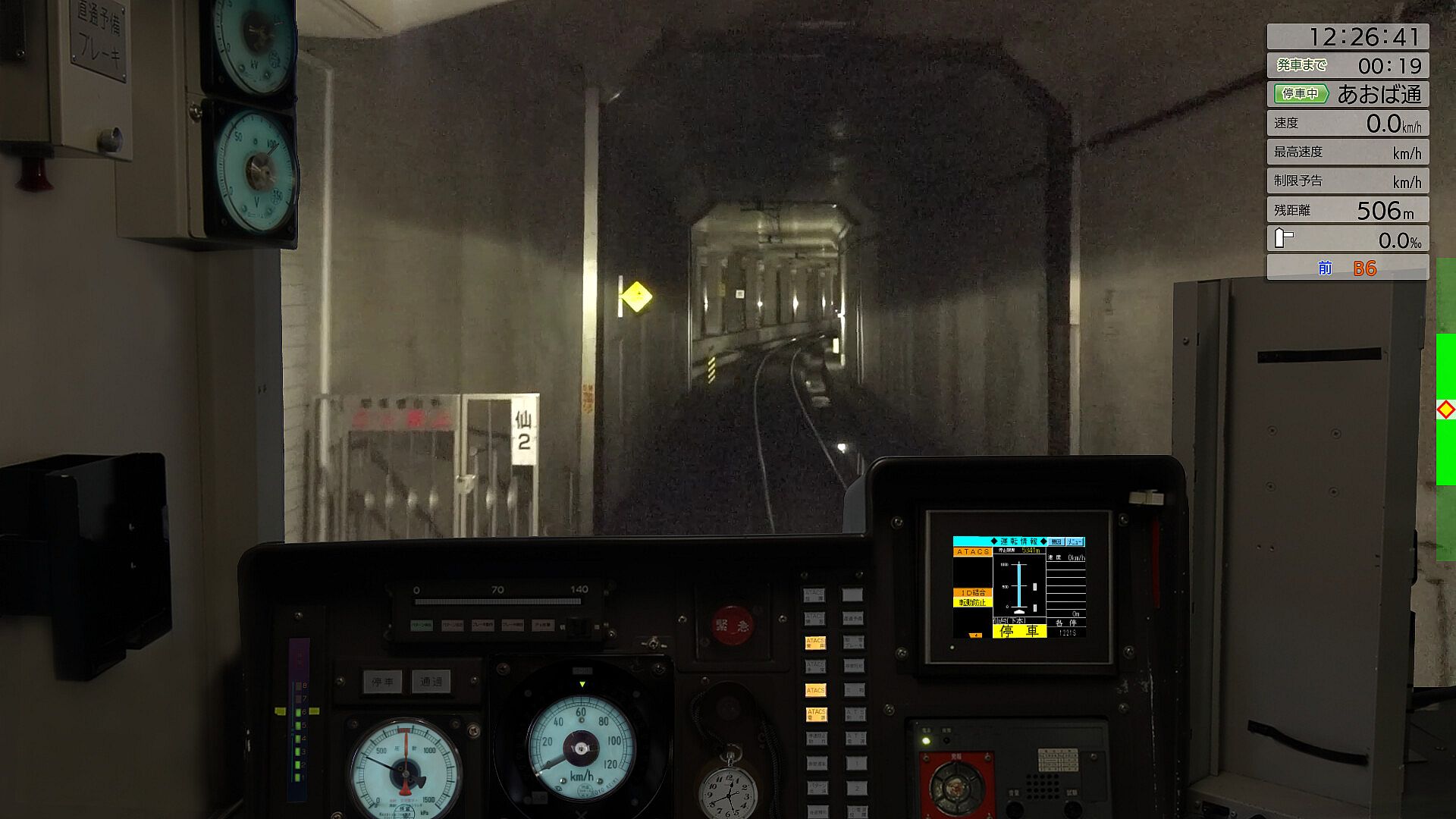
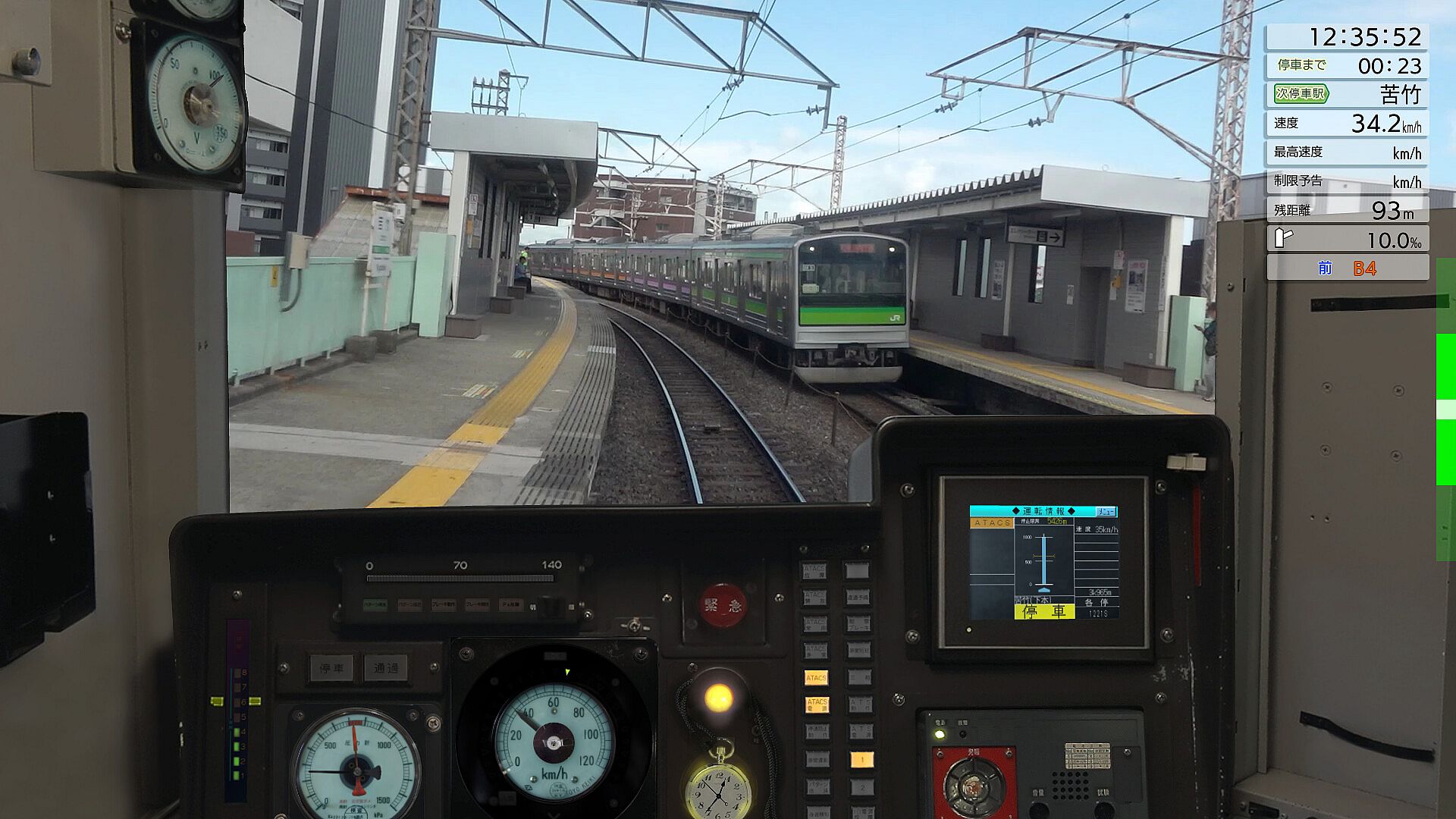
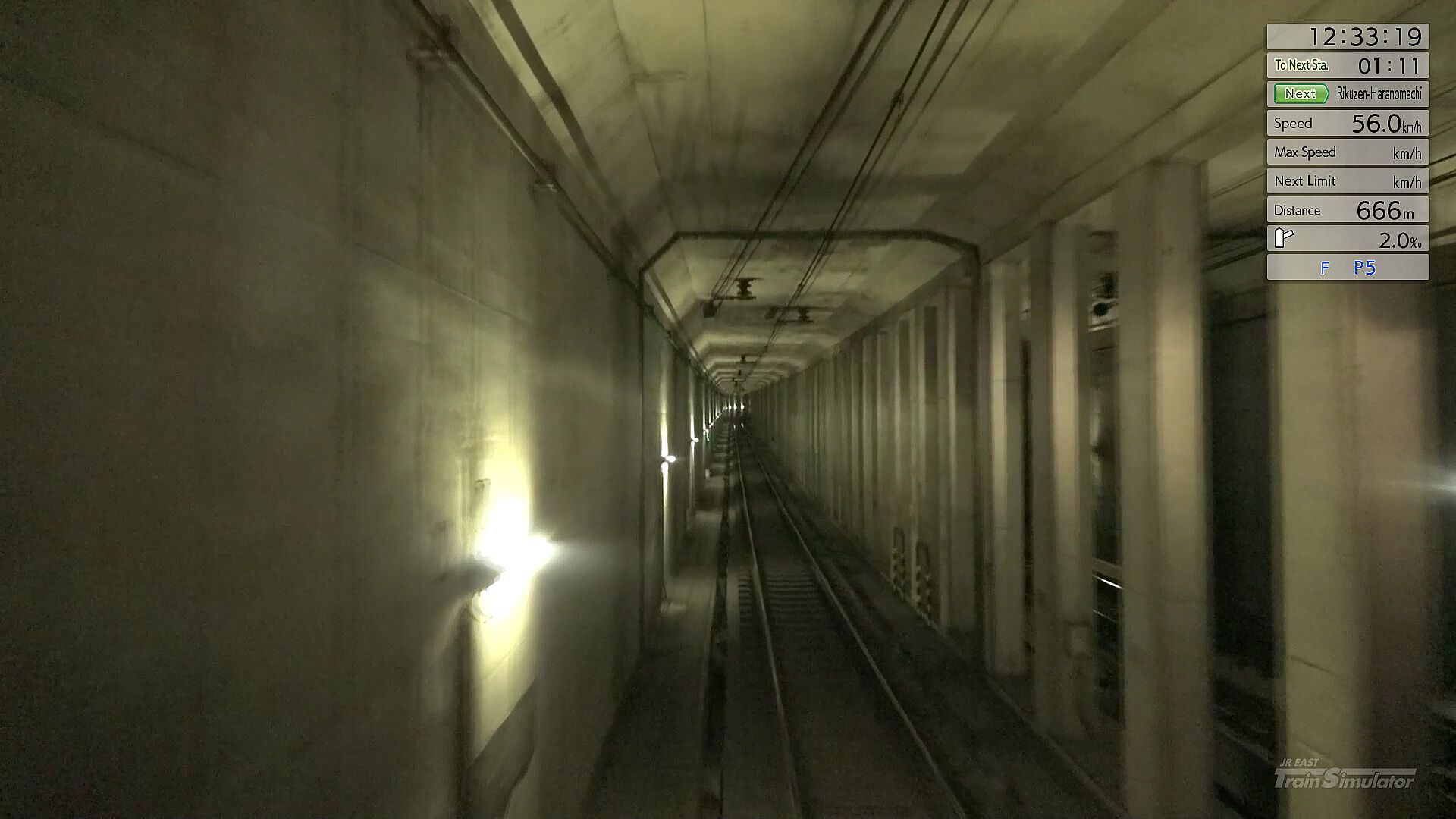
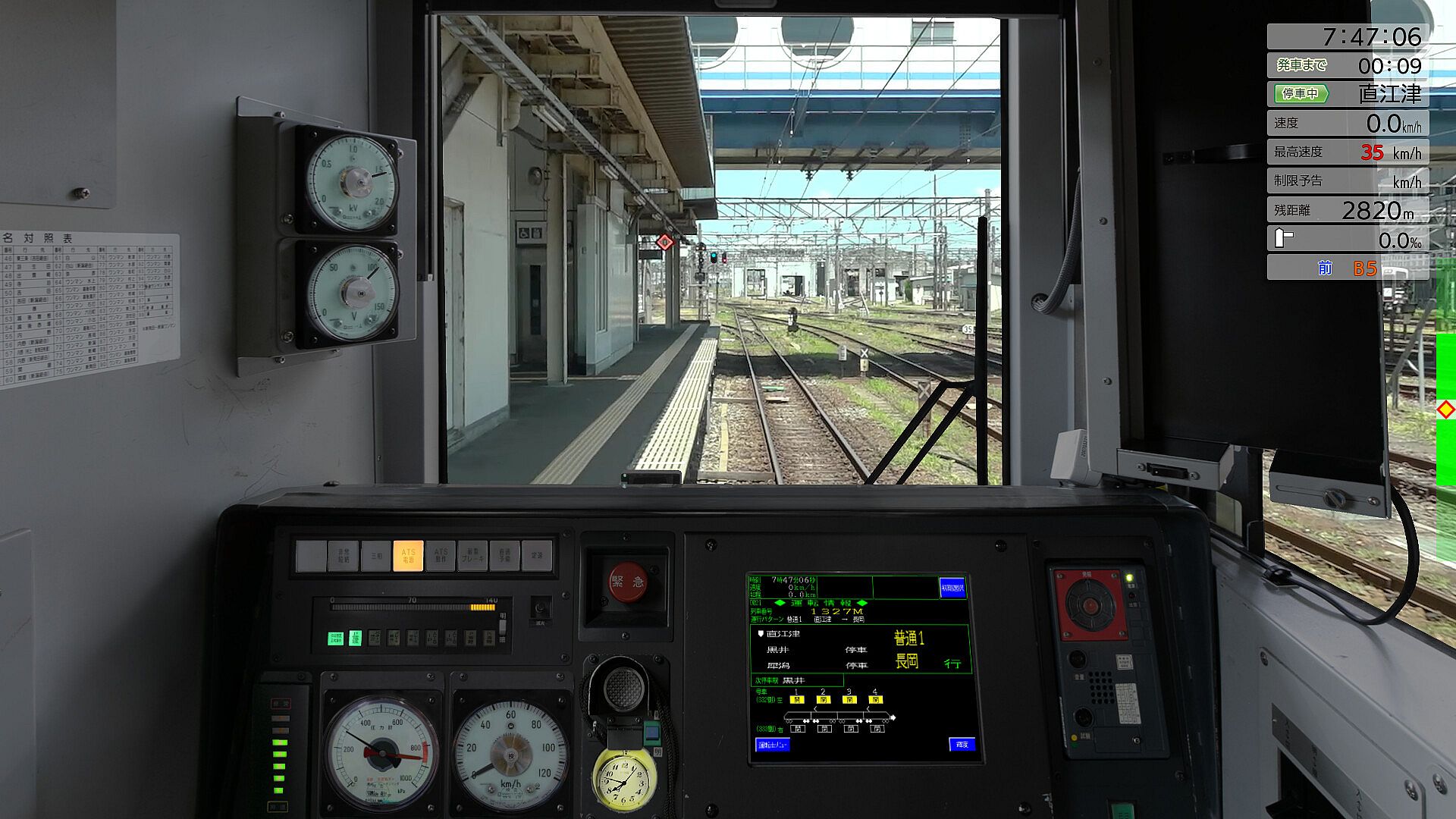
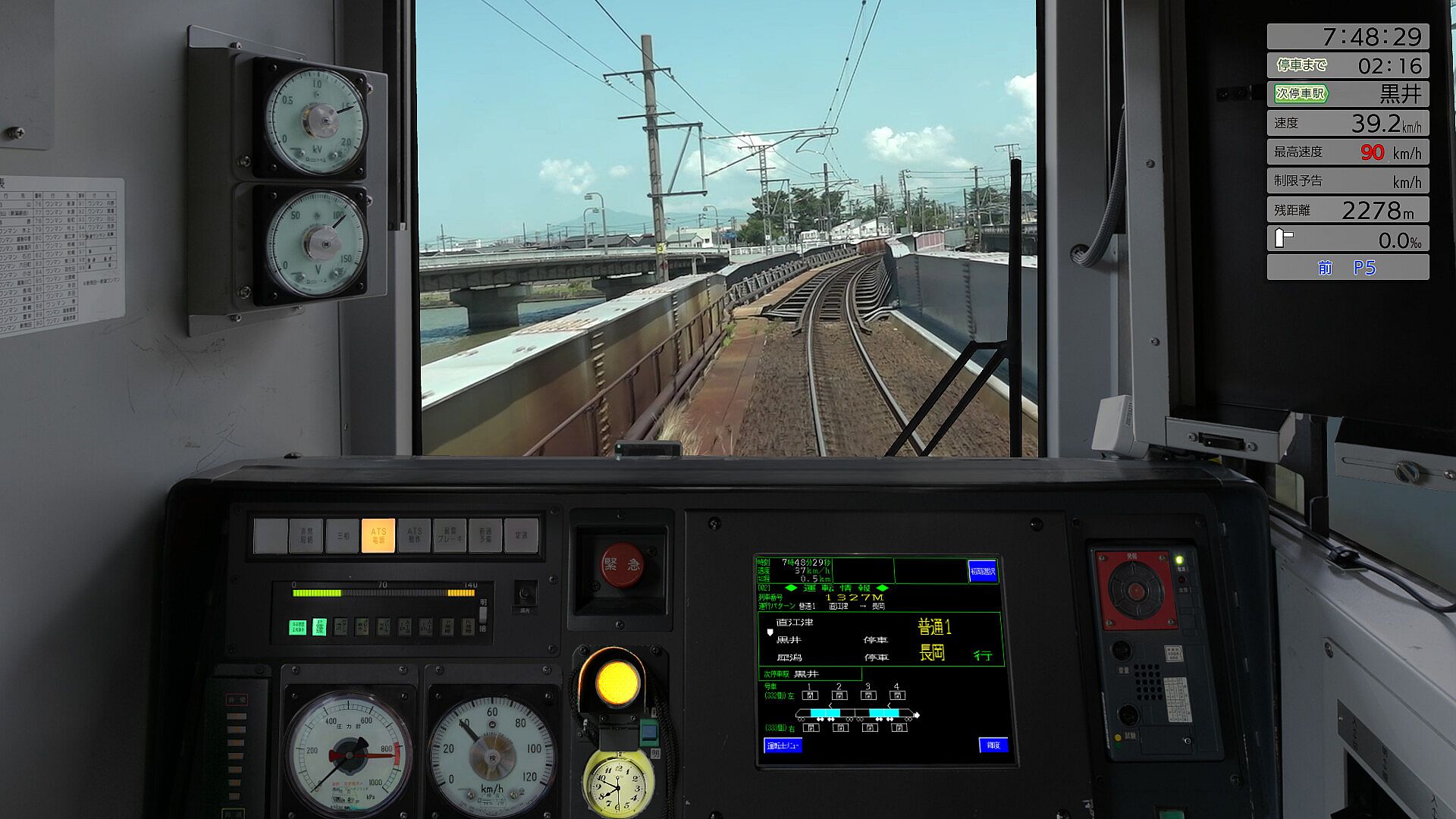
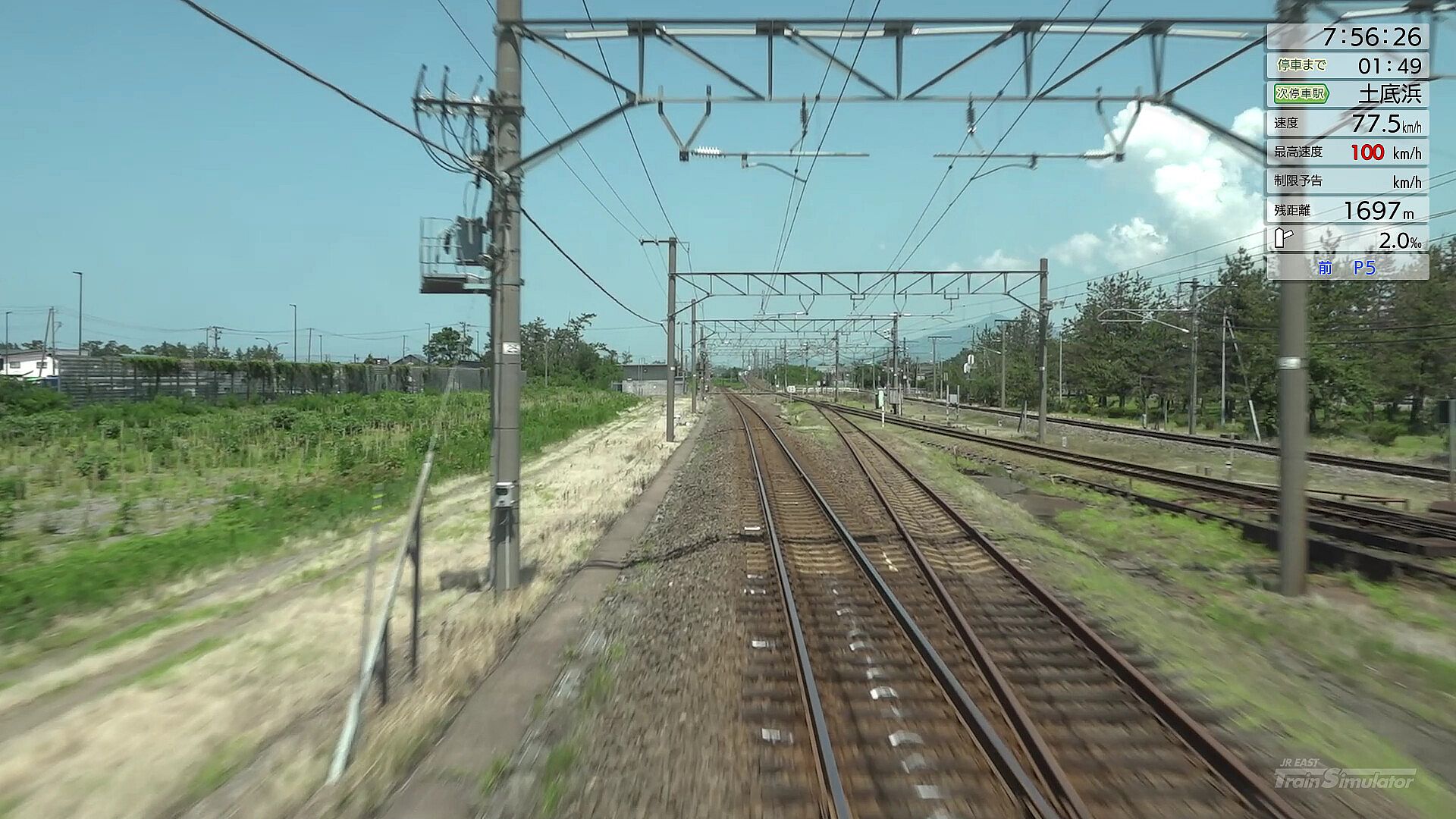
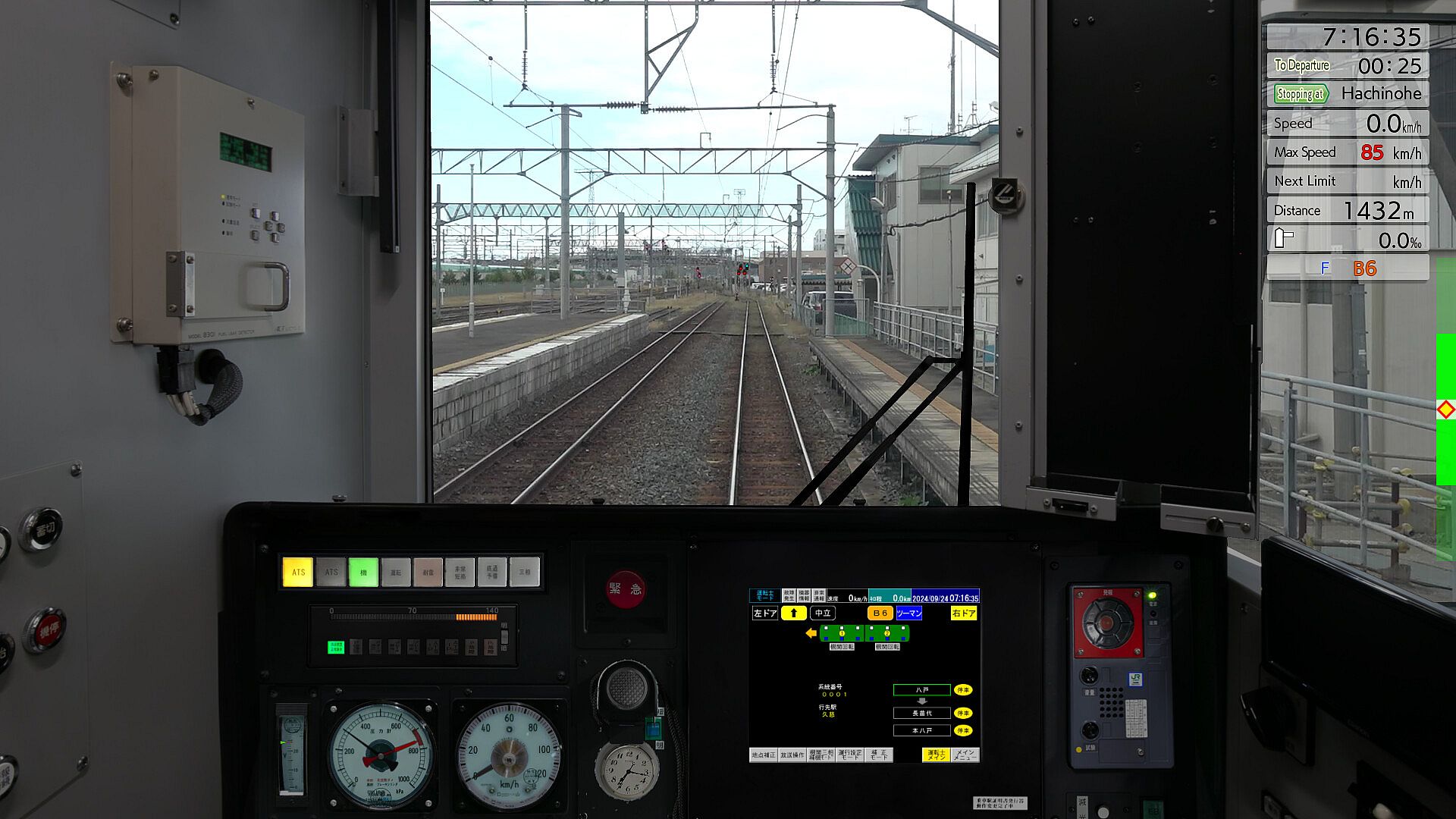
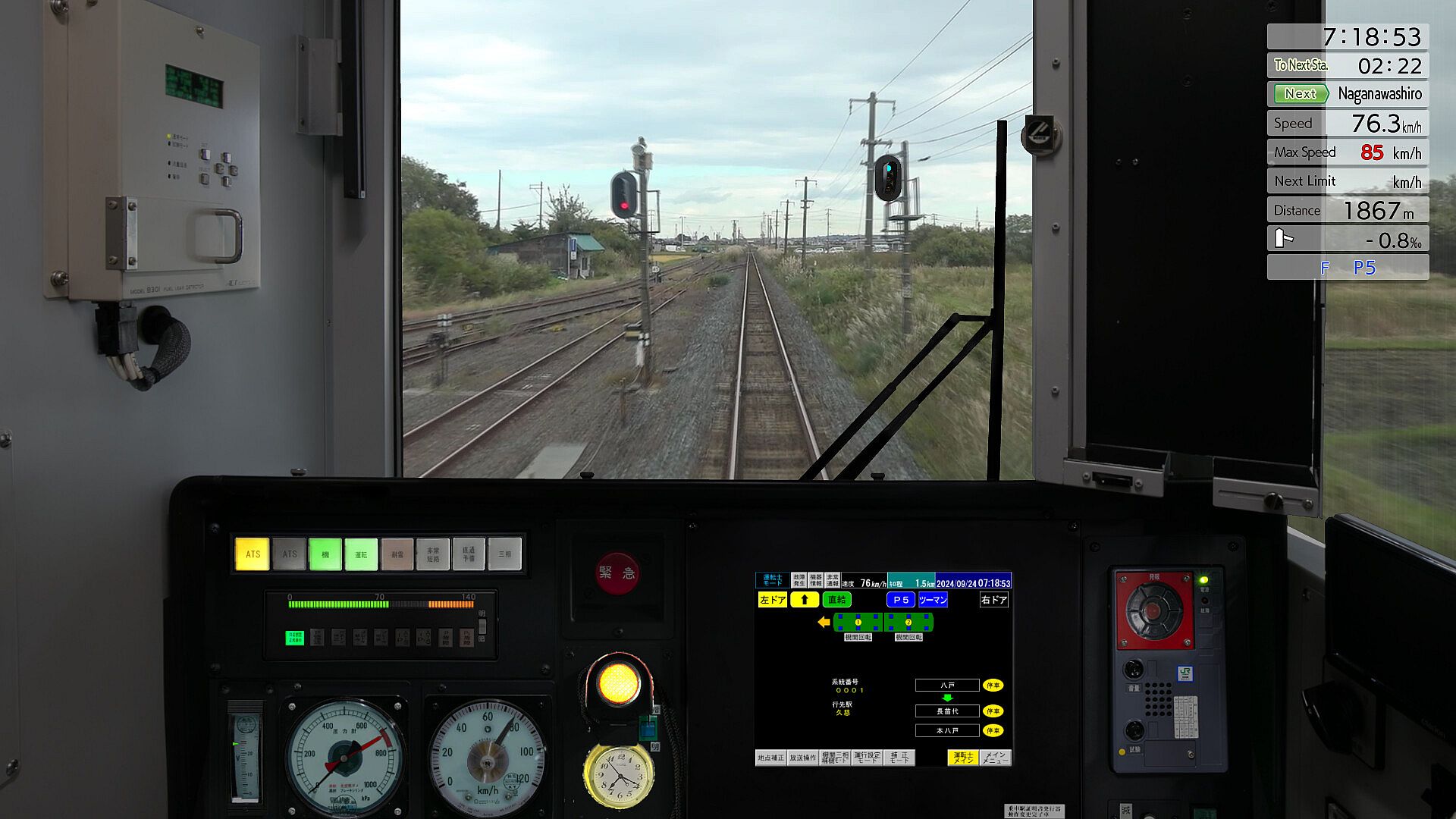
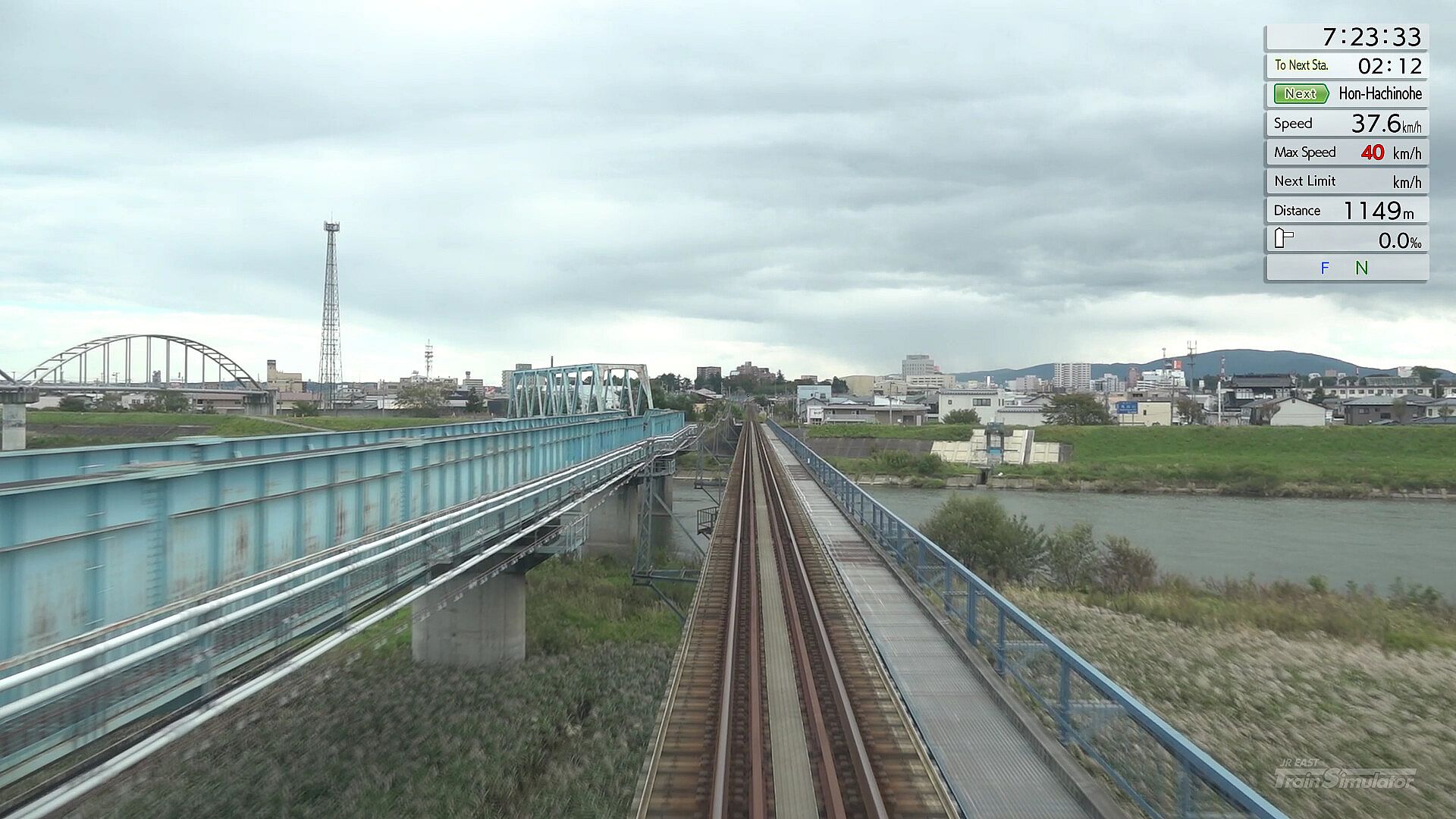
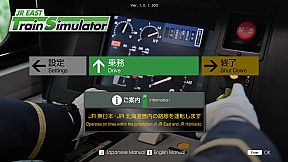
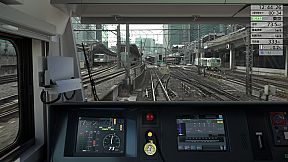
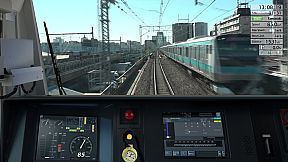
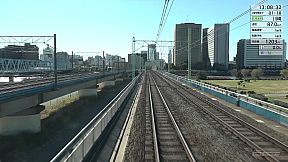
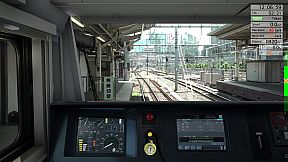
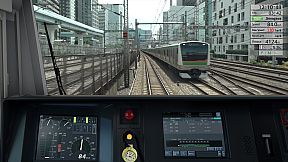
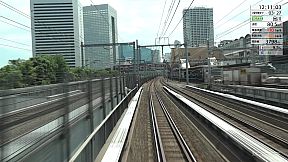
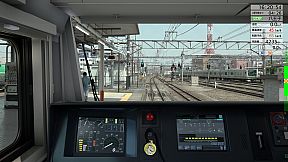
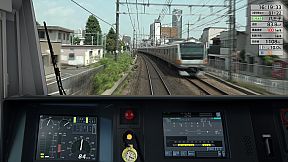
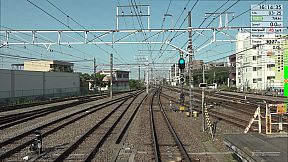
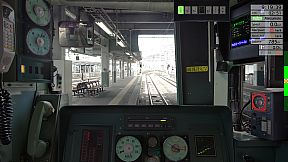
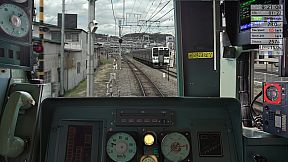
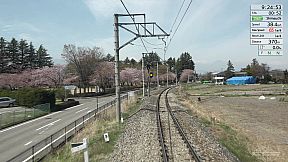
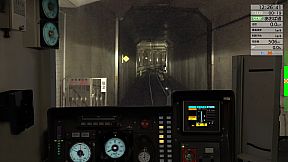
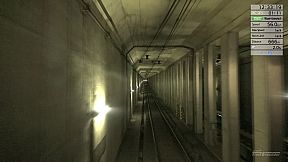
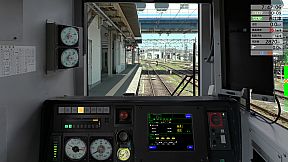
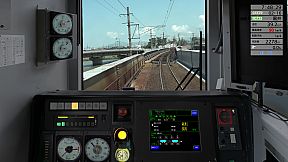
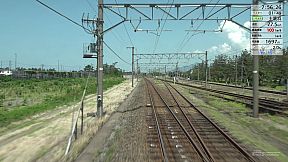
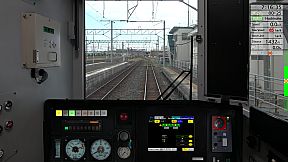
In JR EAST Train Simulator, the core gameplay revolves around controlling trains on predefined routes with precision. You handle acceleration, braking, and speed management while adhering to signals and schedules, all viewed from the driver's perspective. The simulator incorporates live-action video footage captured from real JR East lines, providing high-definition visuals that shift seamlessly with your actions. Realistic audio, recorded directly from actual trains and tracks, enhances the immersion, including engine noises and rail sounds that respond to your driving. The instrument panel mirrors real vehicles, displaying speedometers and other indicators that update in real time based on your inputs. Switching between train types alters the sounds and displays accordingly, adding variety to each run.
Mechanics emphasize accuracy over speed, with no scoring systems or competitive elements; instead, the challenge comes from mastering smooth operations and avoiding errors like overspeeding or missing stops. Controls are straightforward, using keyboard or controller inputs for throttle, brakes, and other functions, though the game rewards attention to detail for a true-to-life feel.
Game Modes
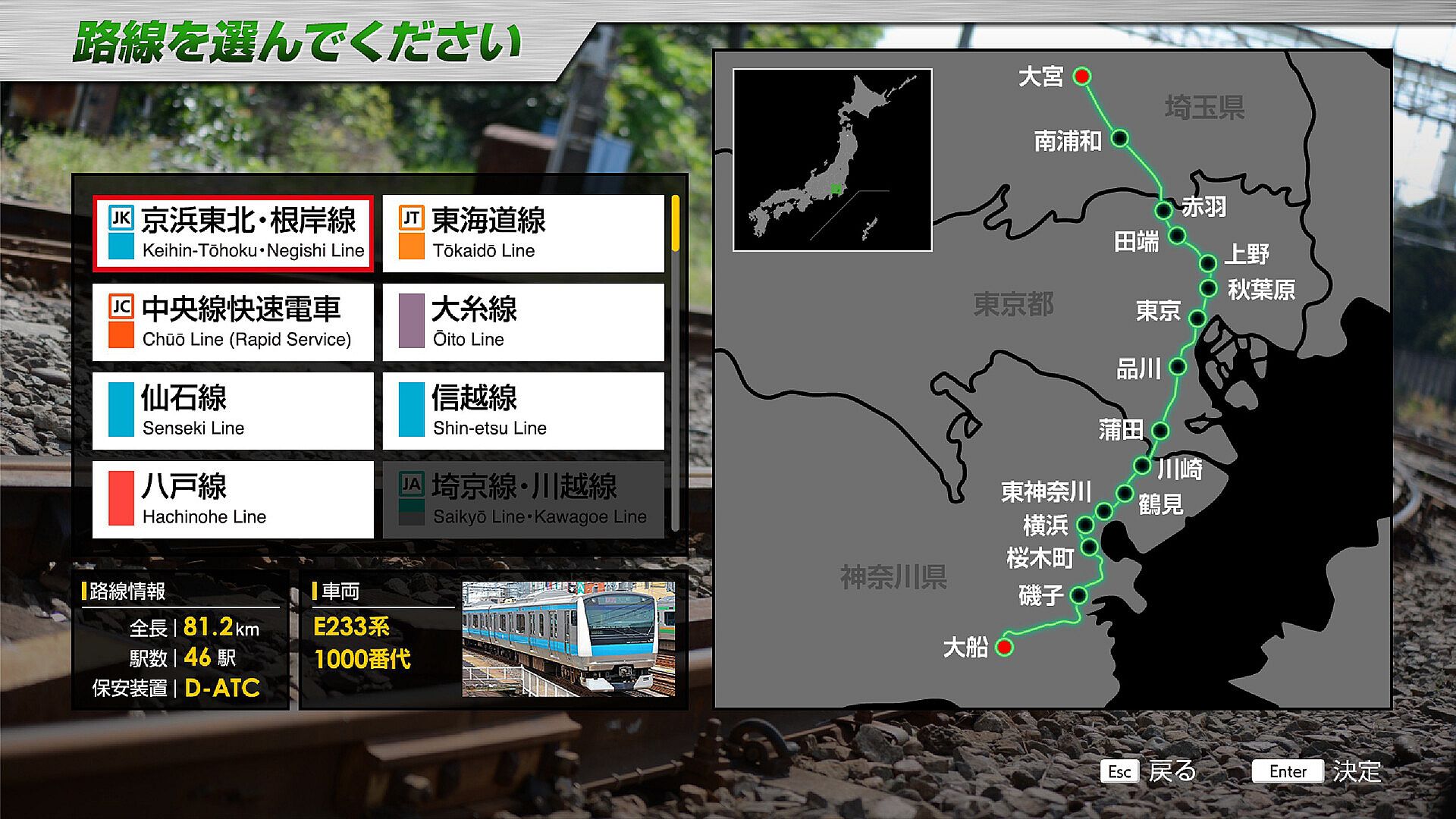
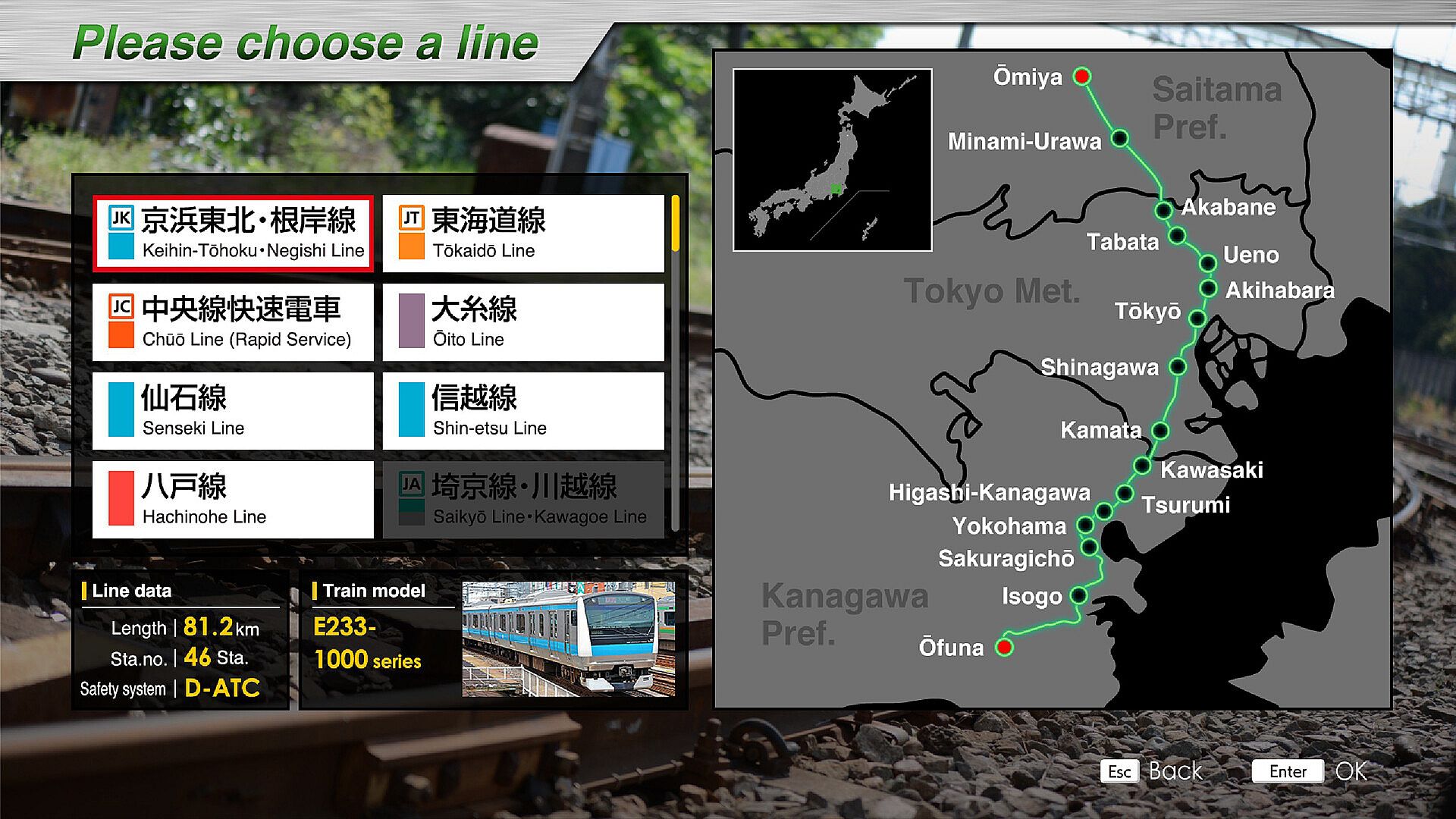
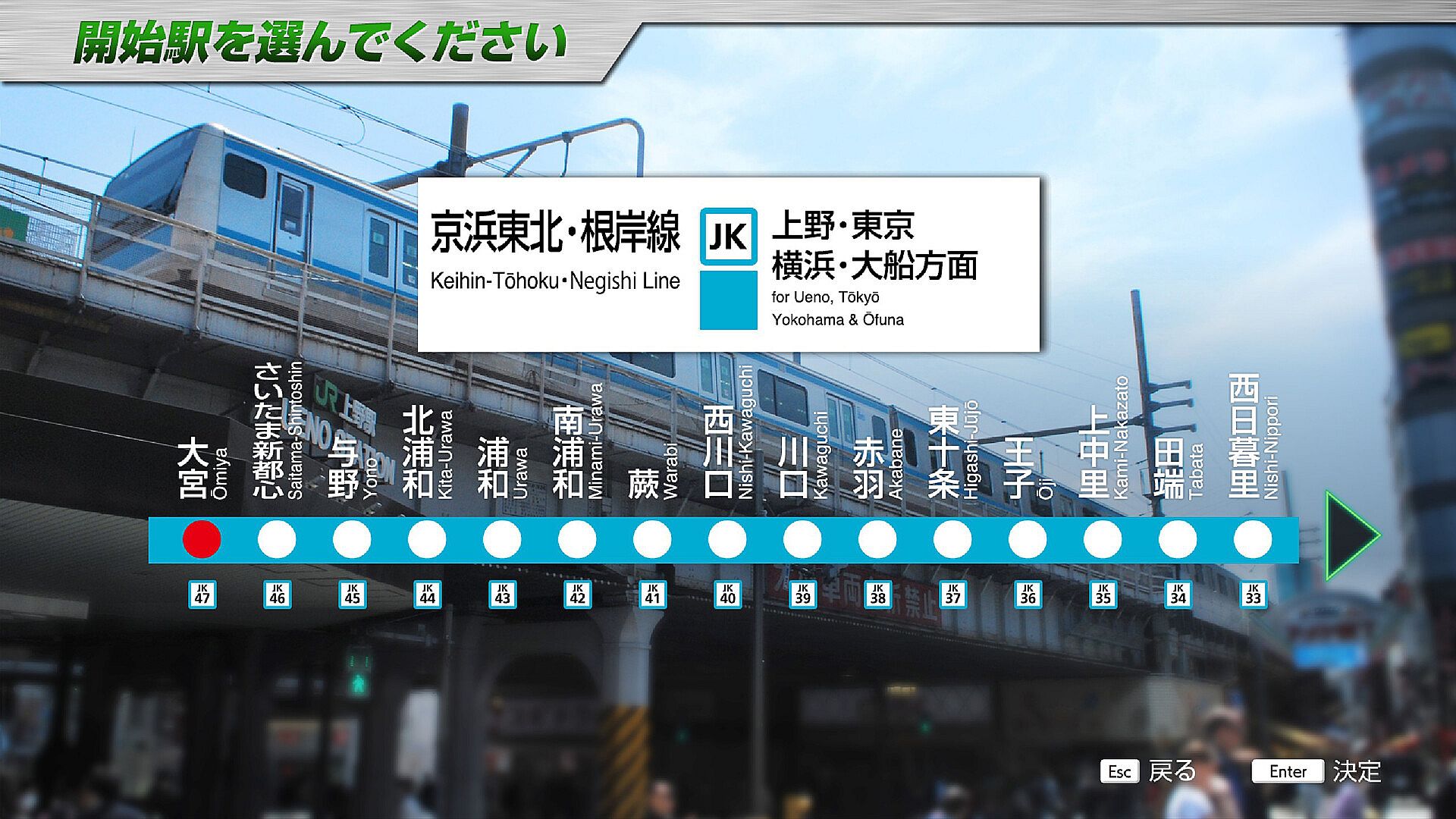
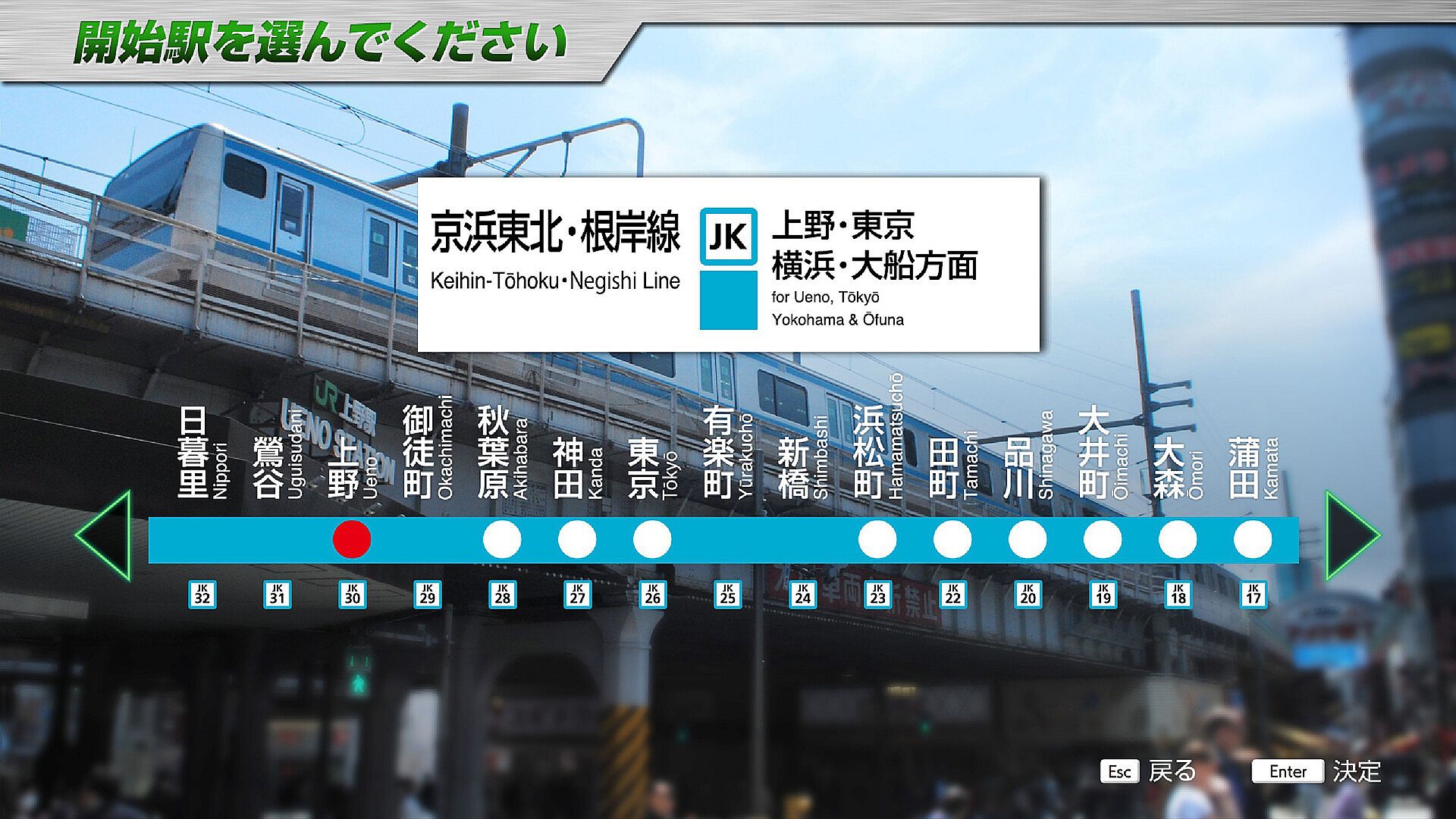
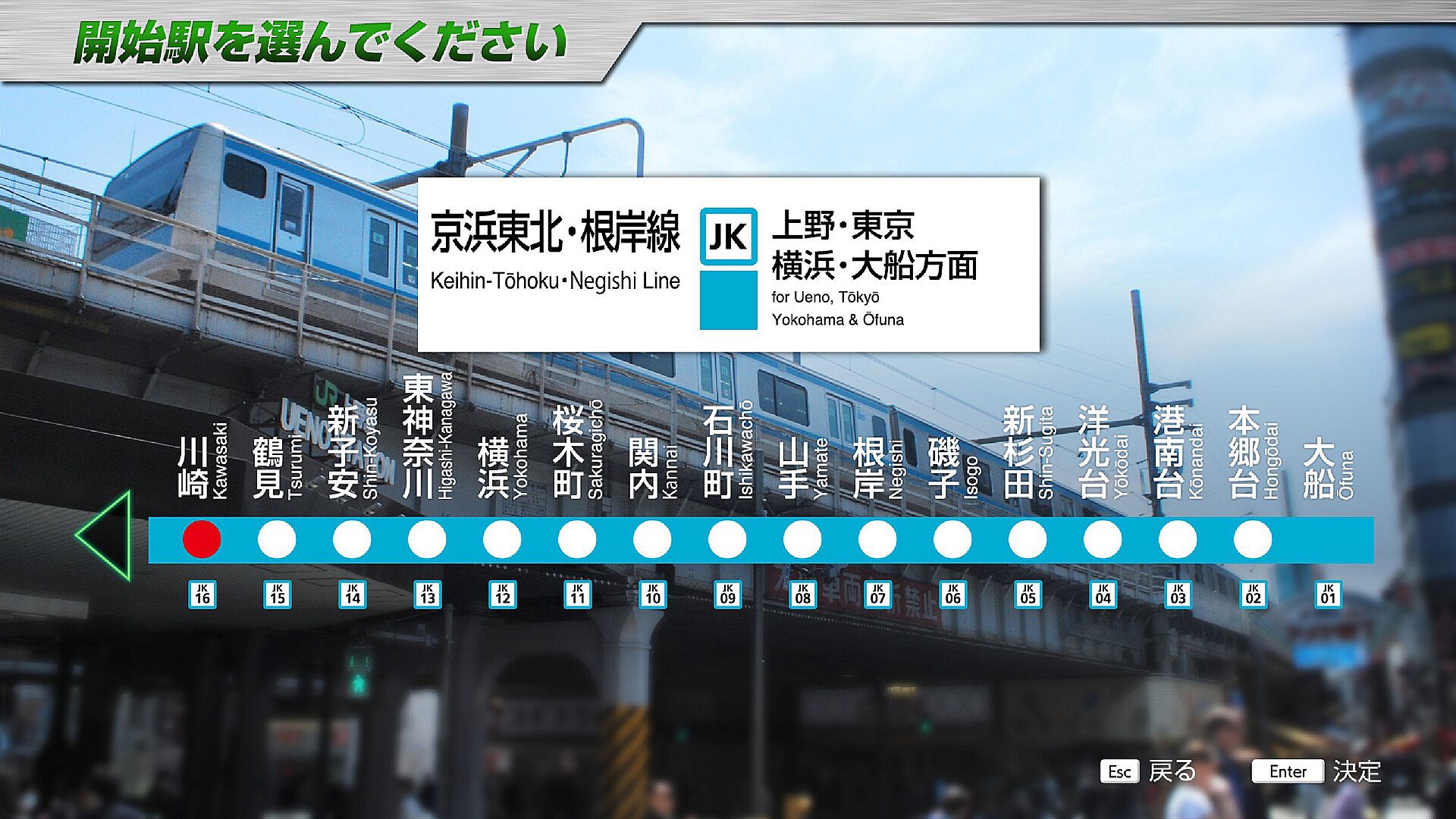
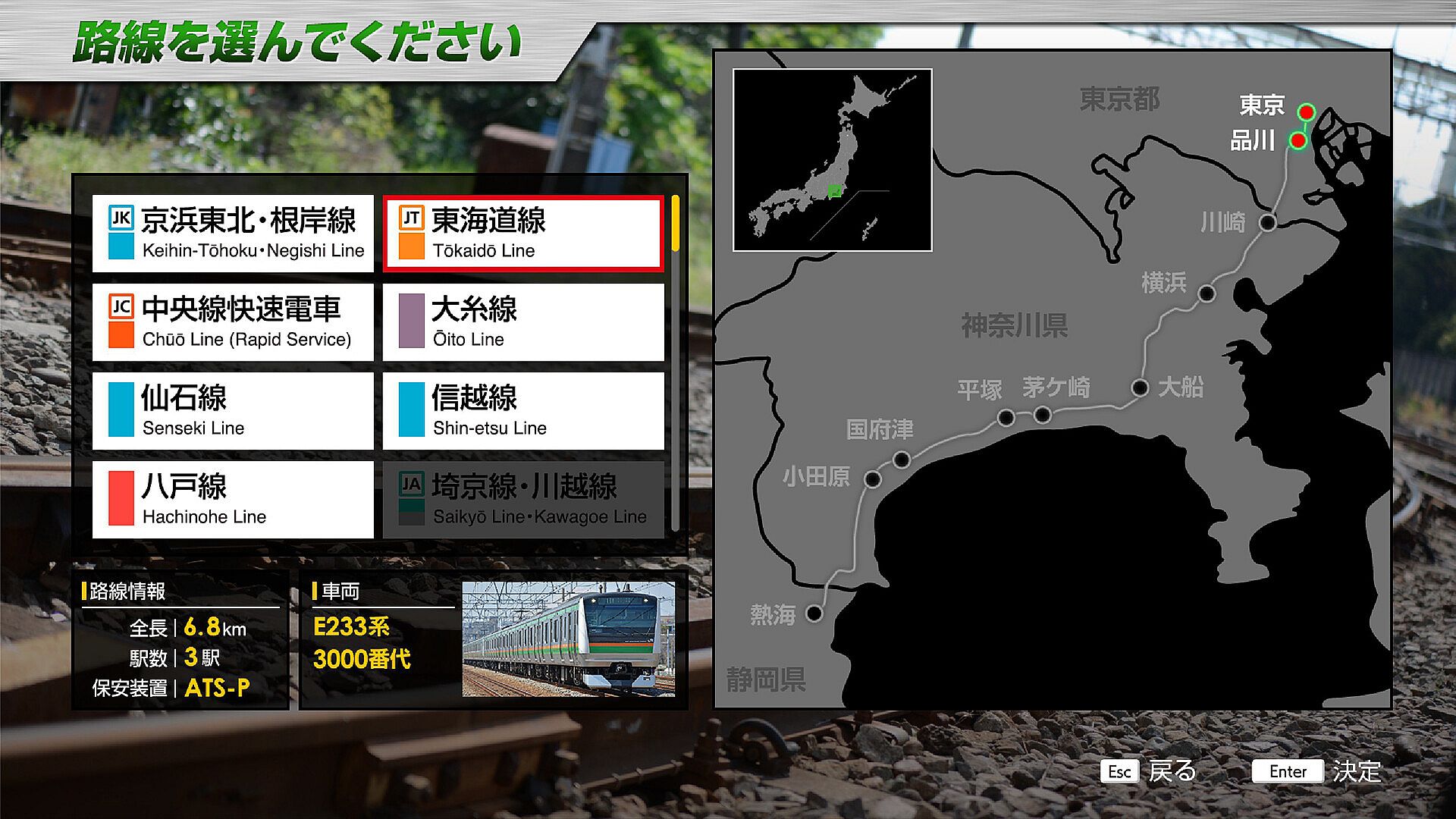
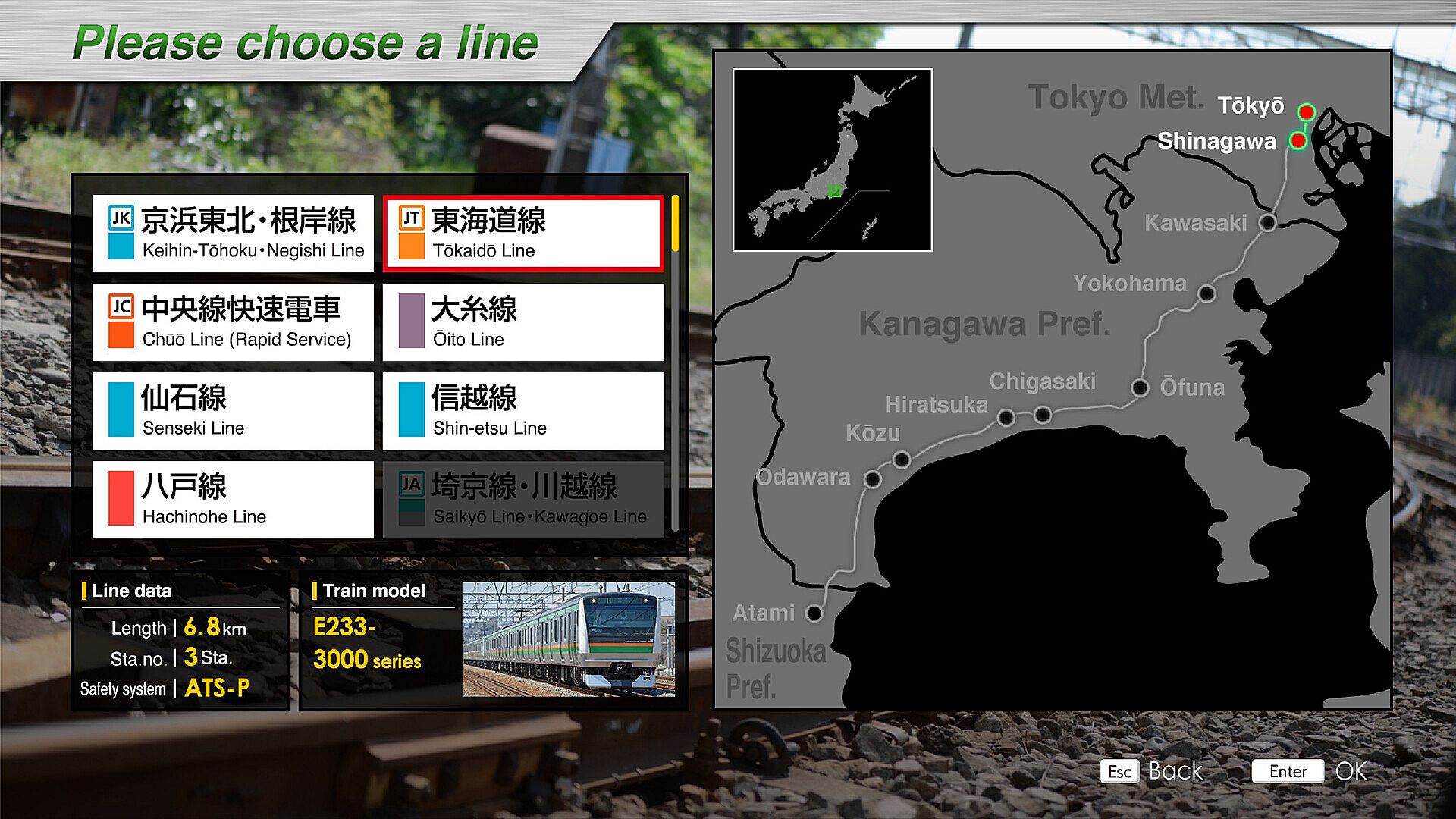
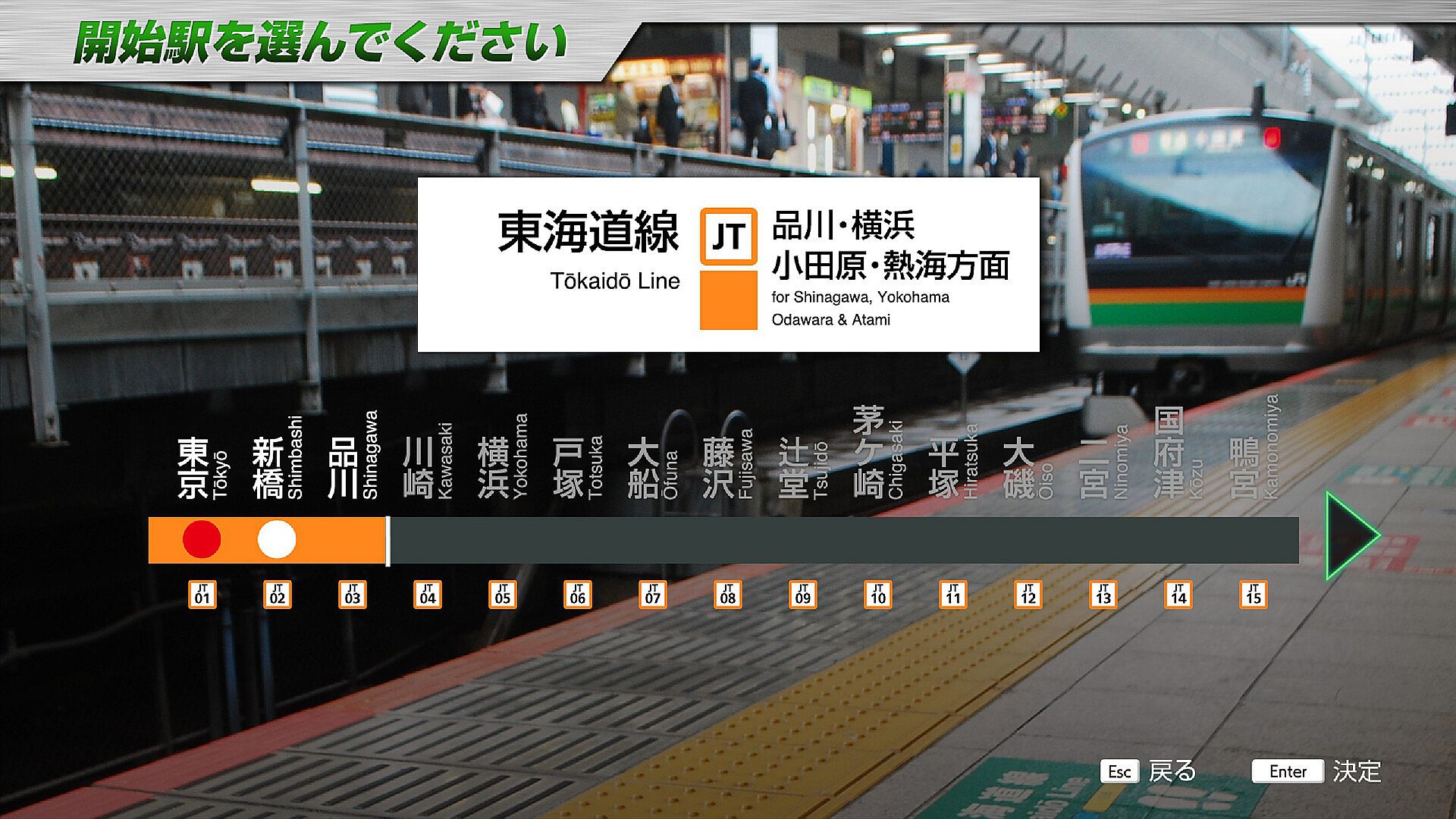
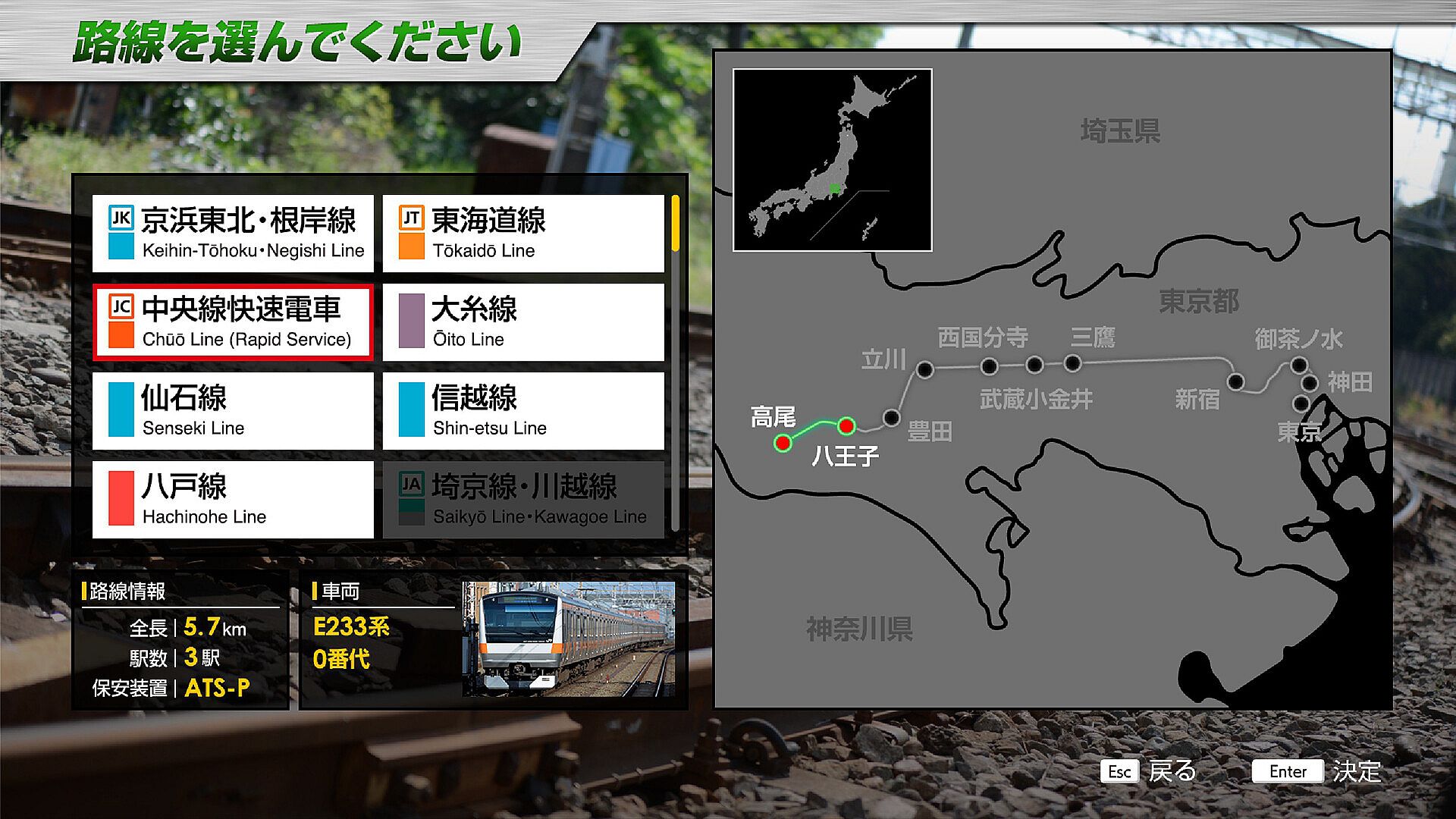
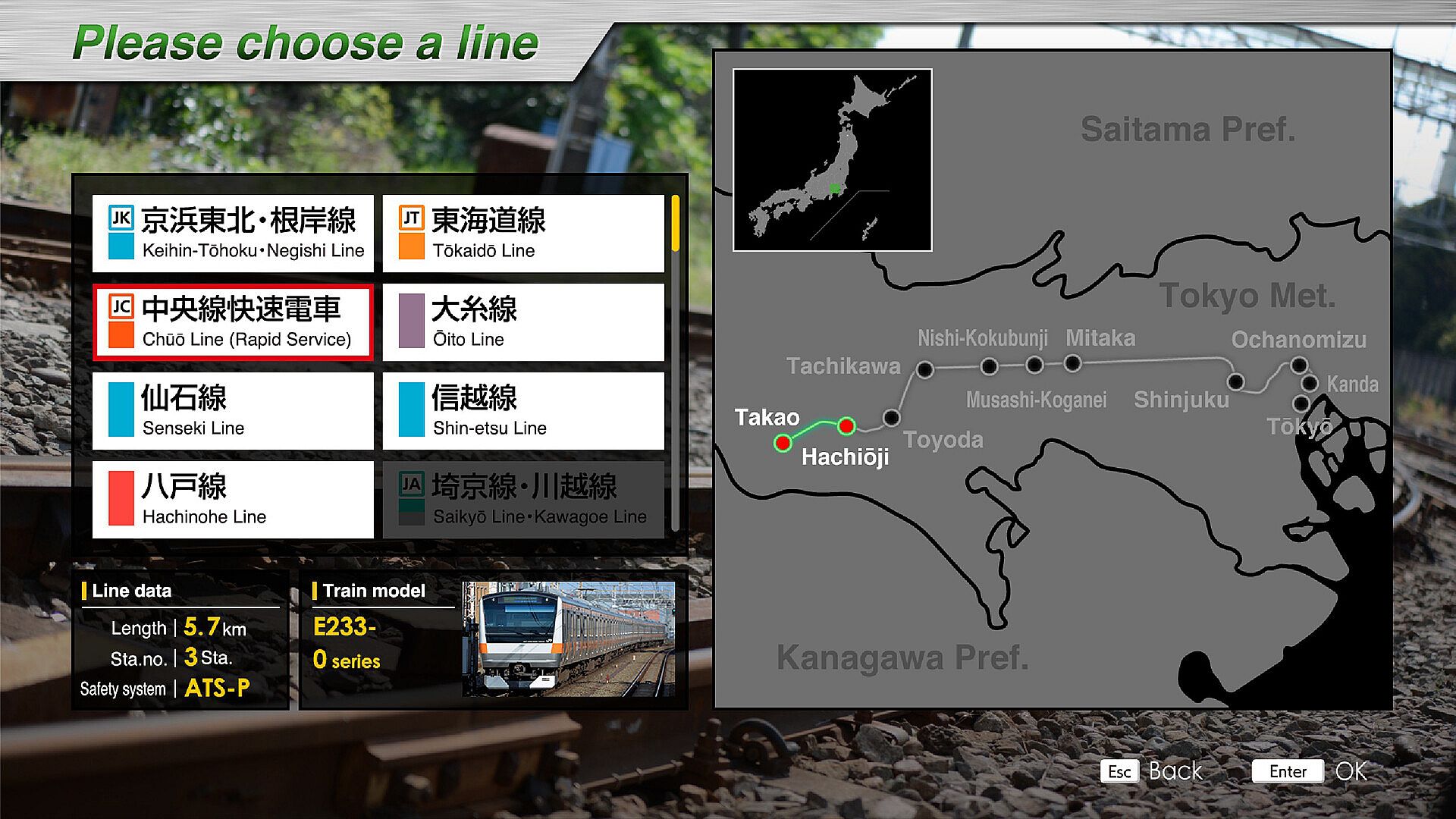
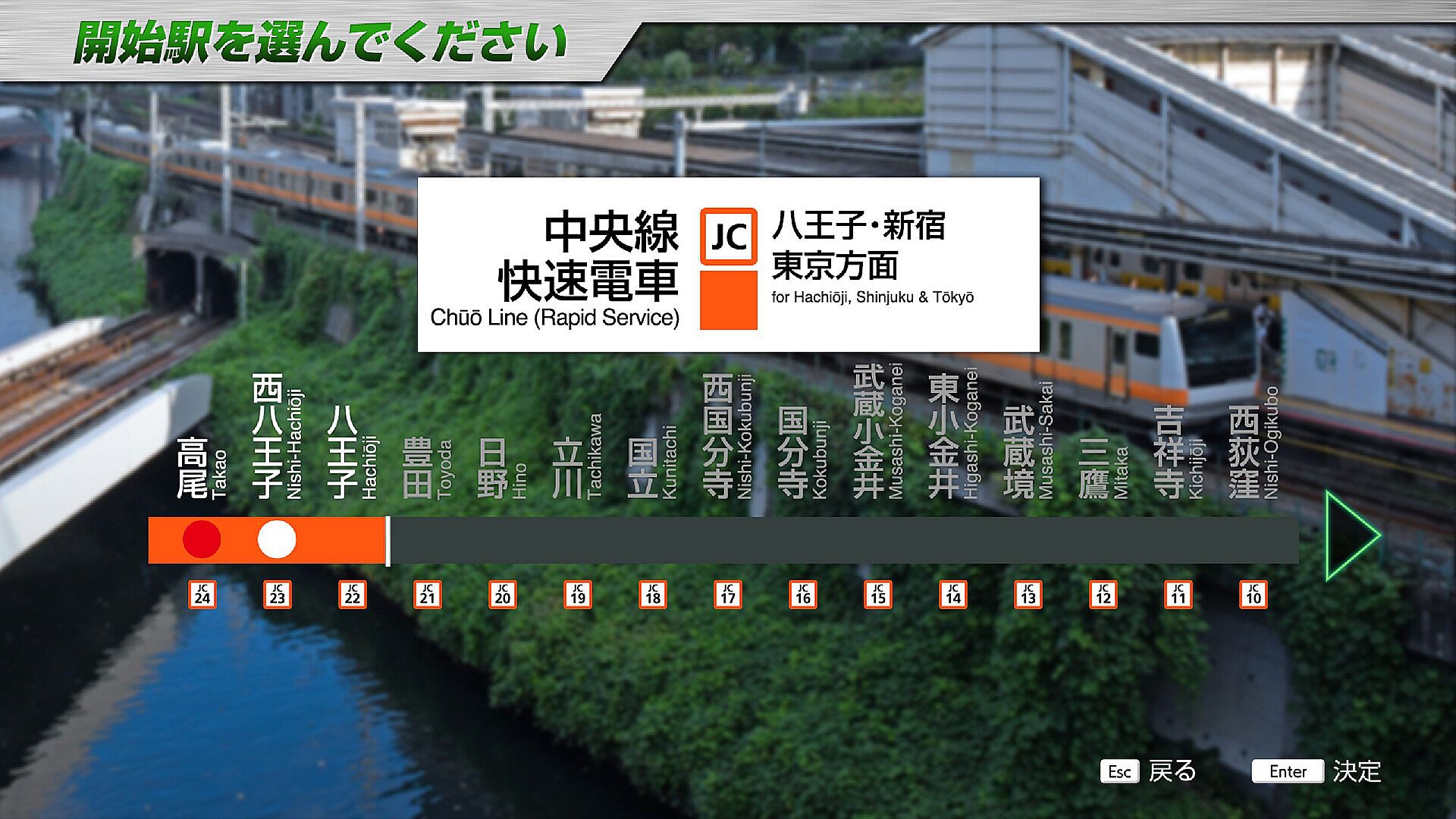
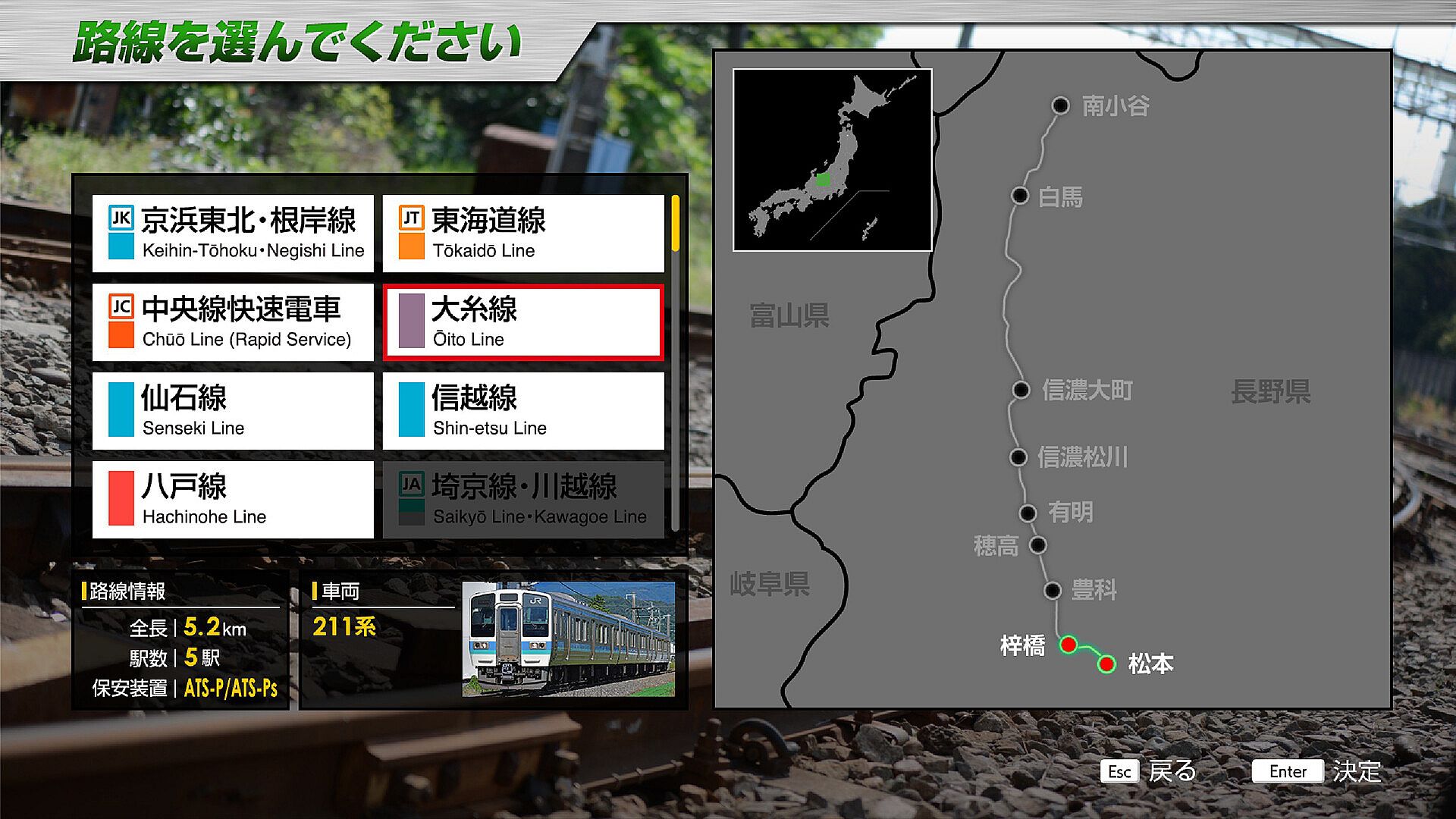
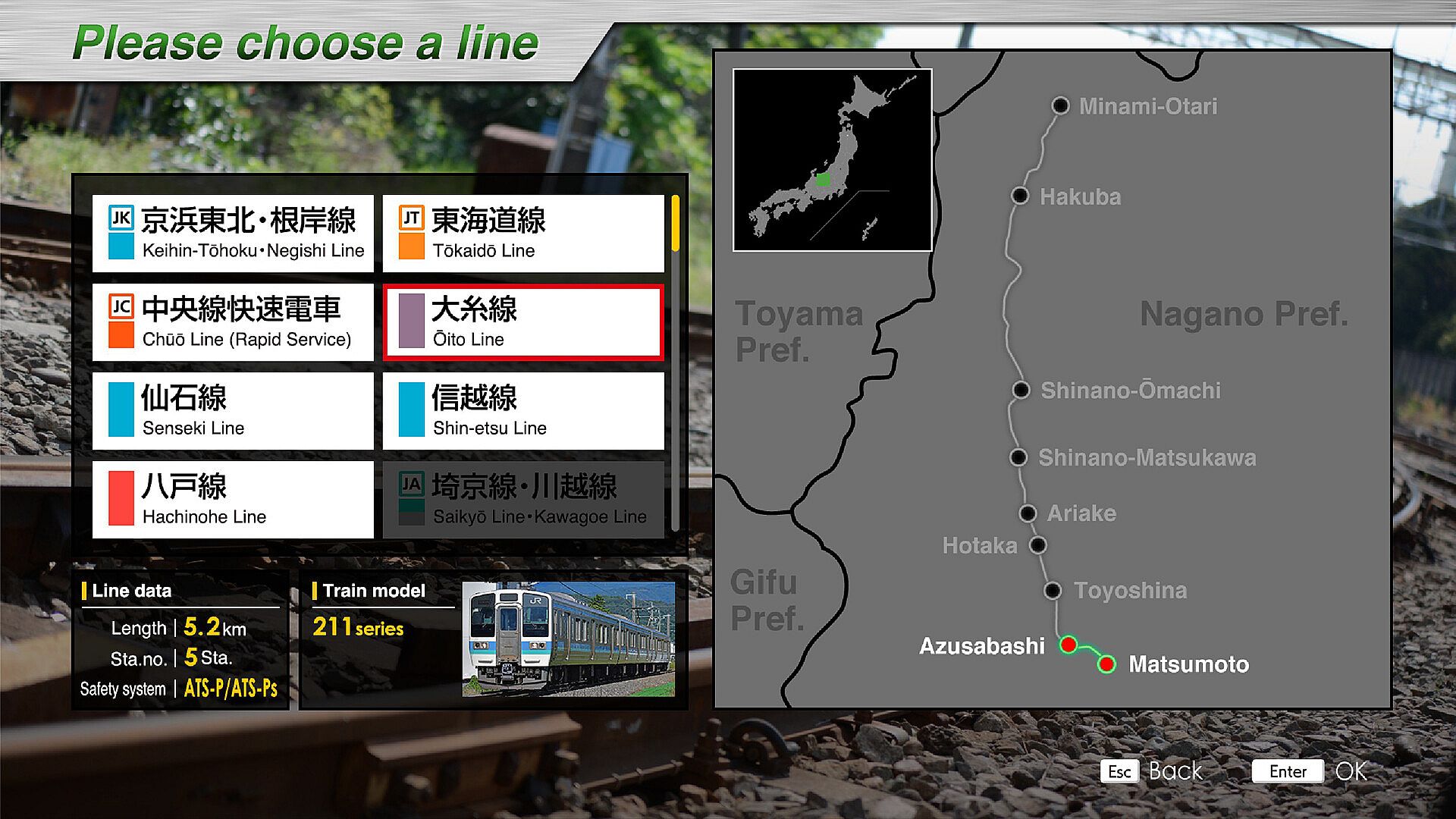
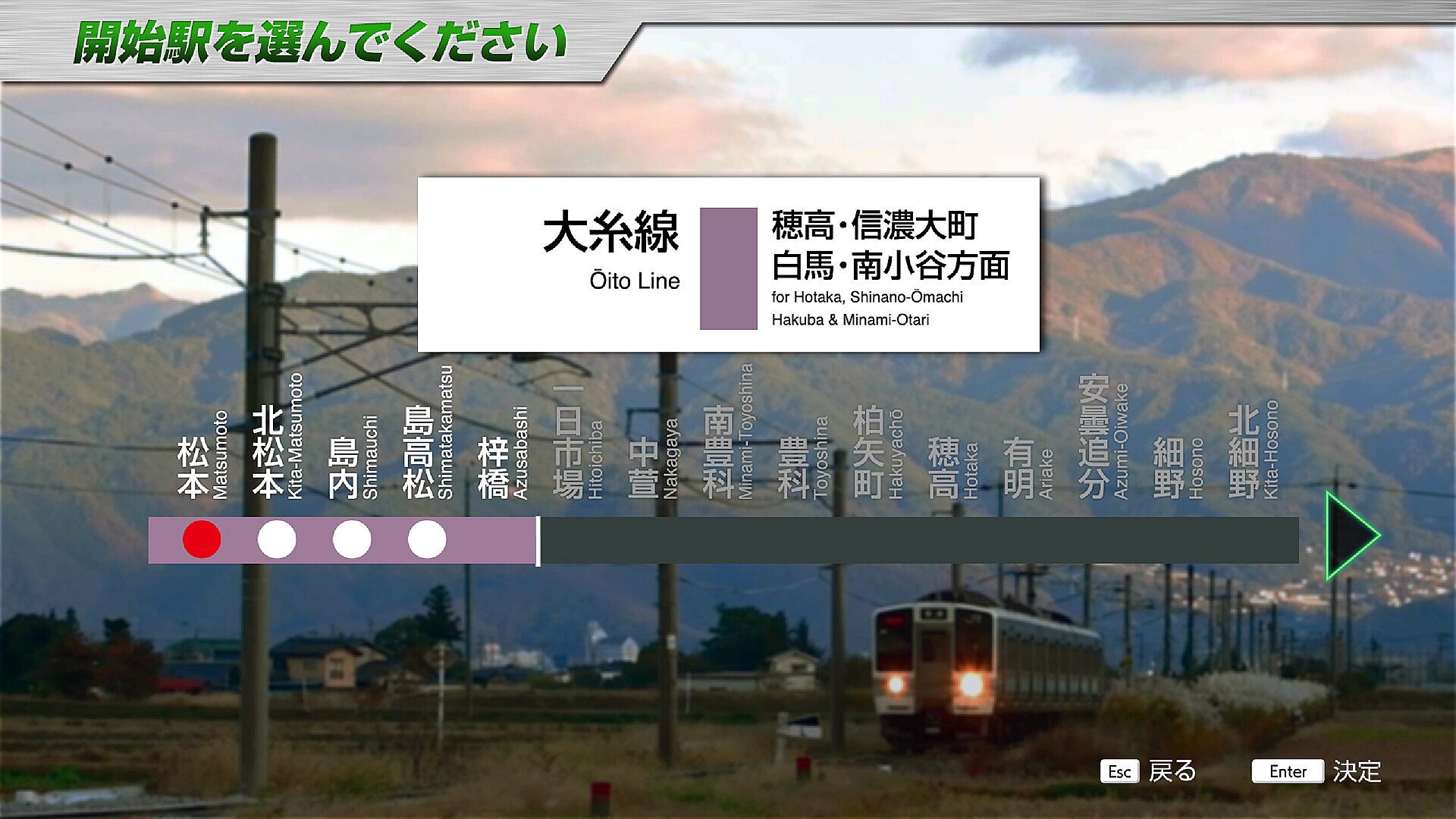
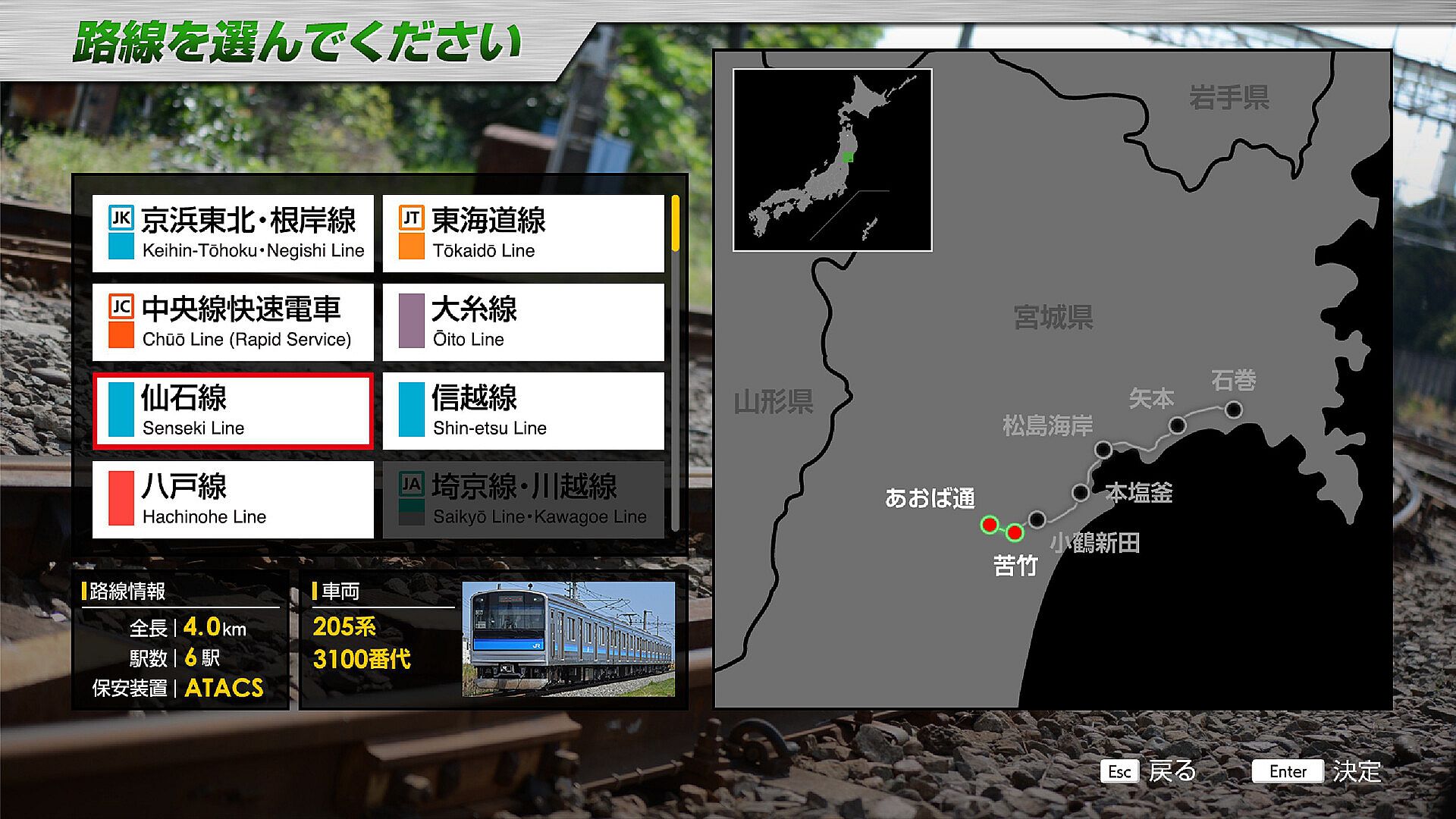
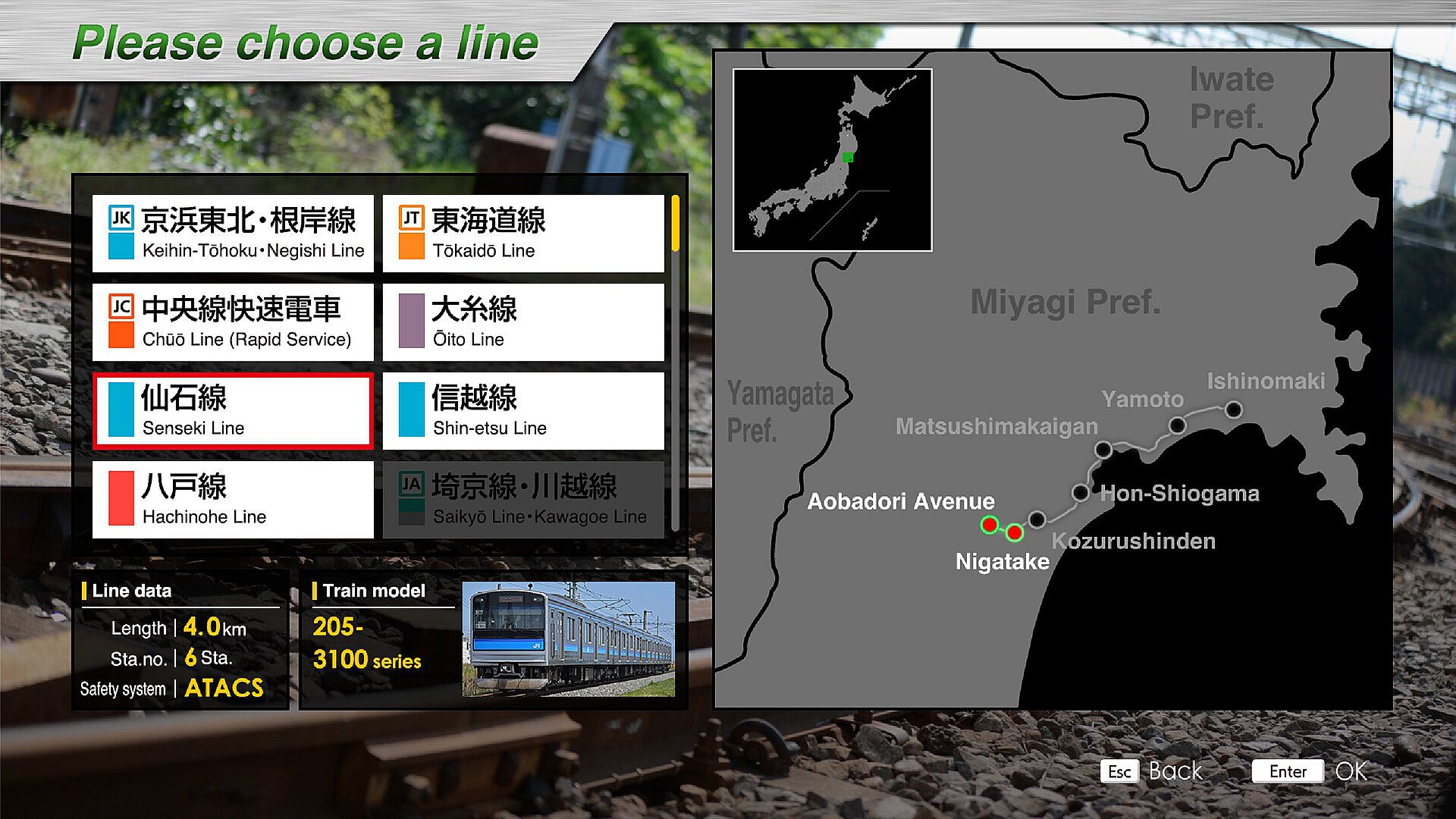
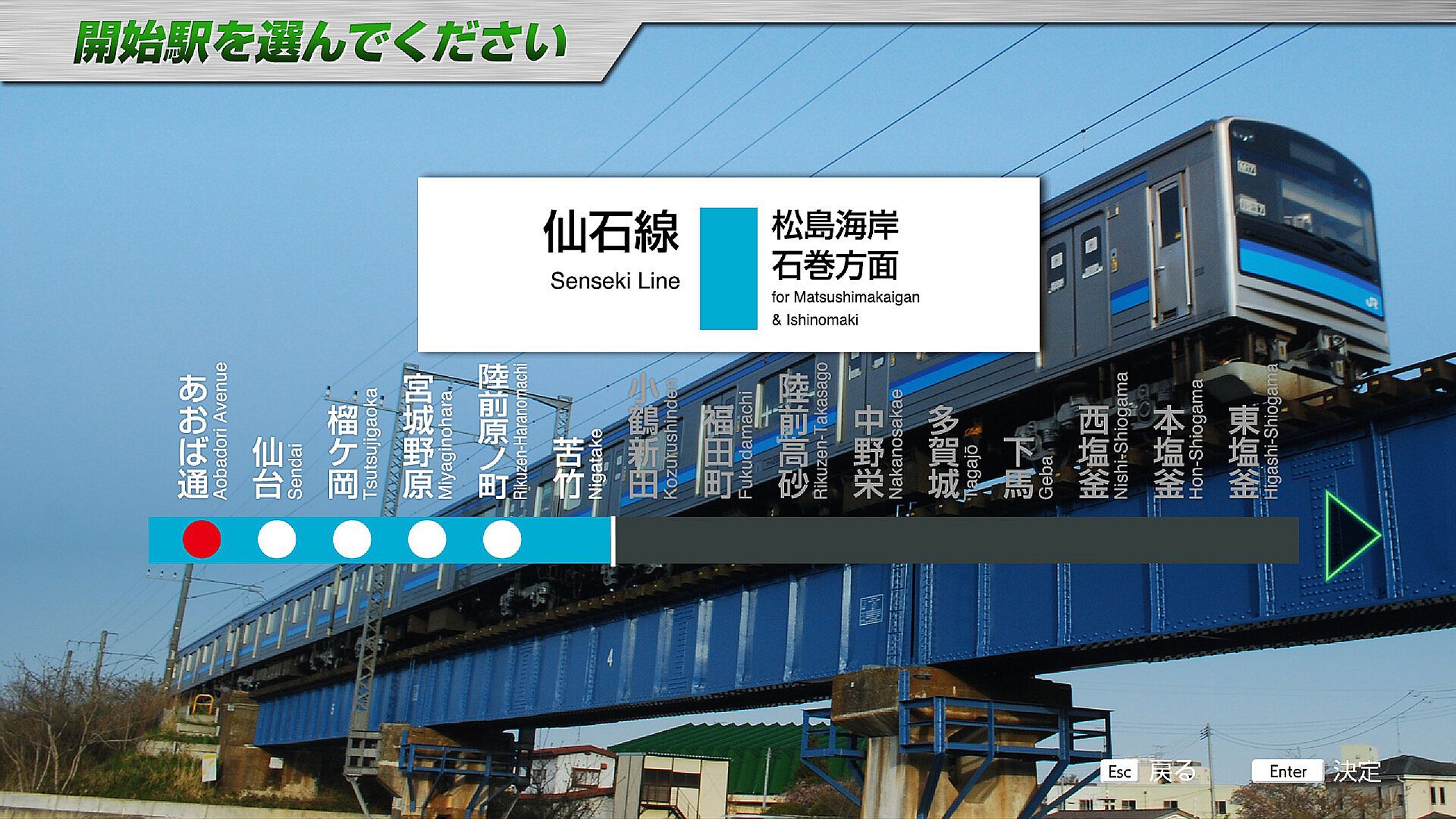
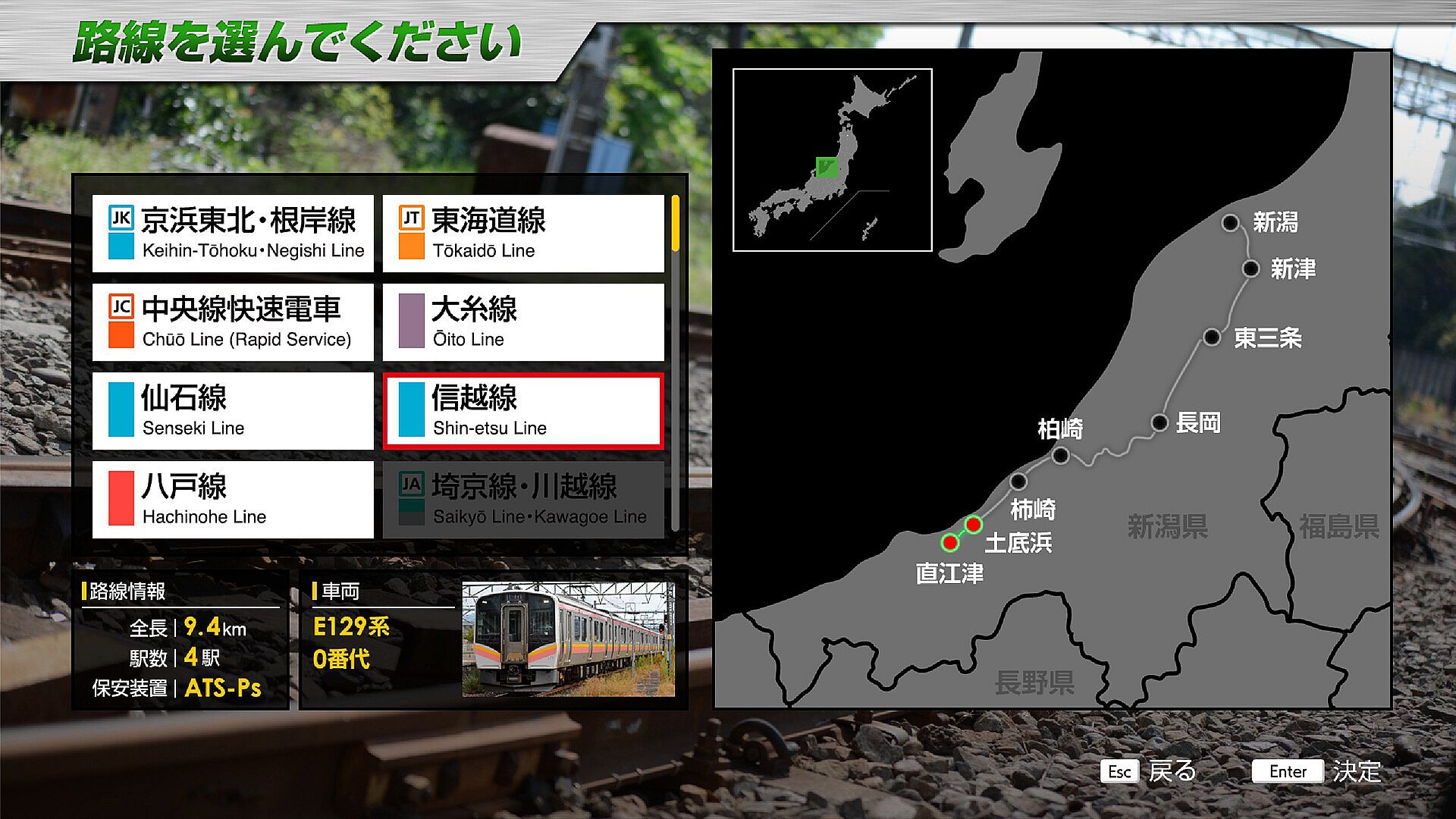
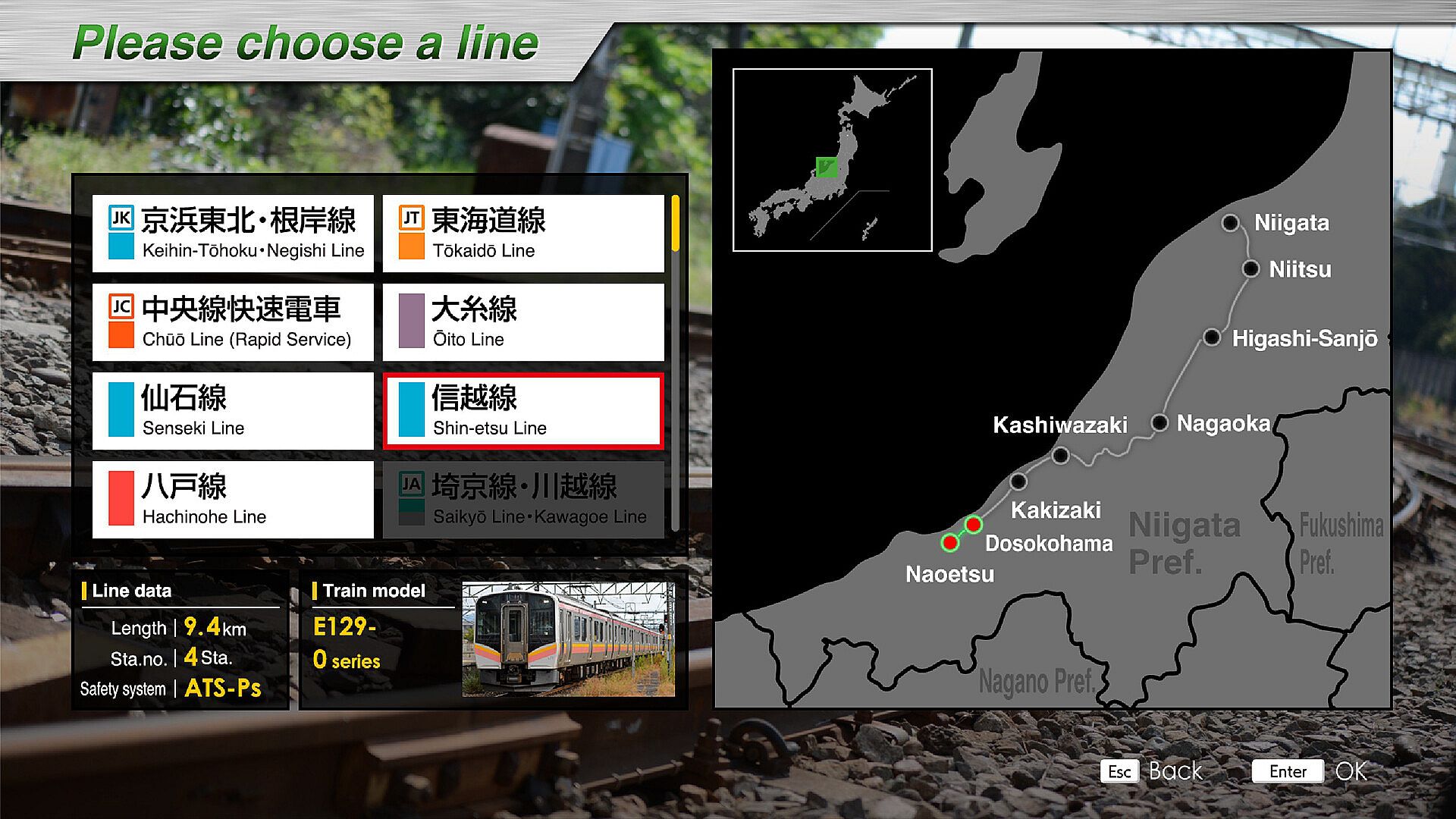
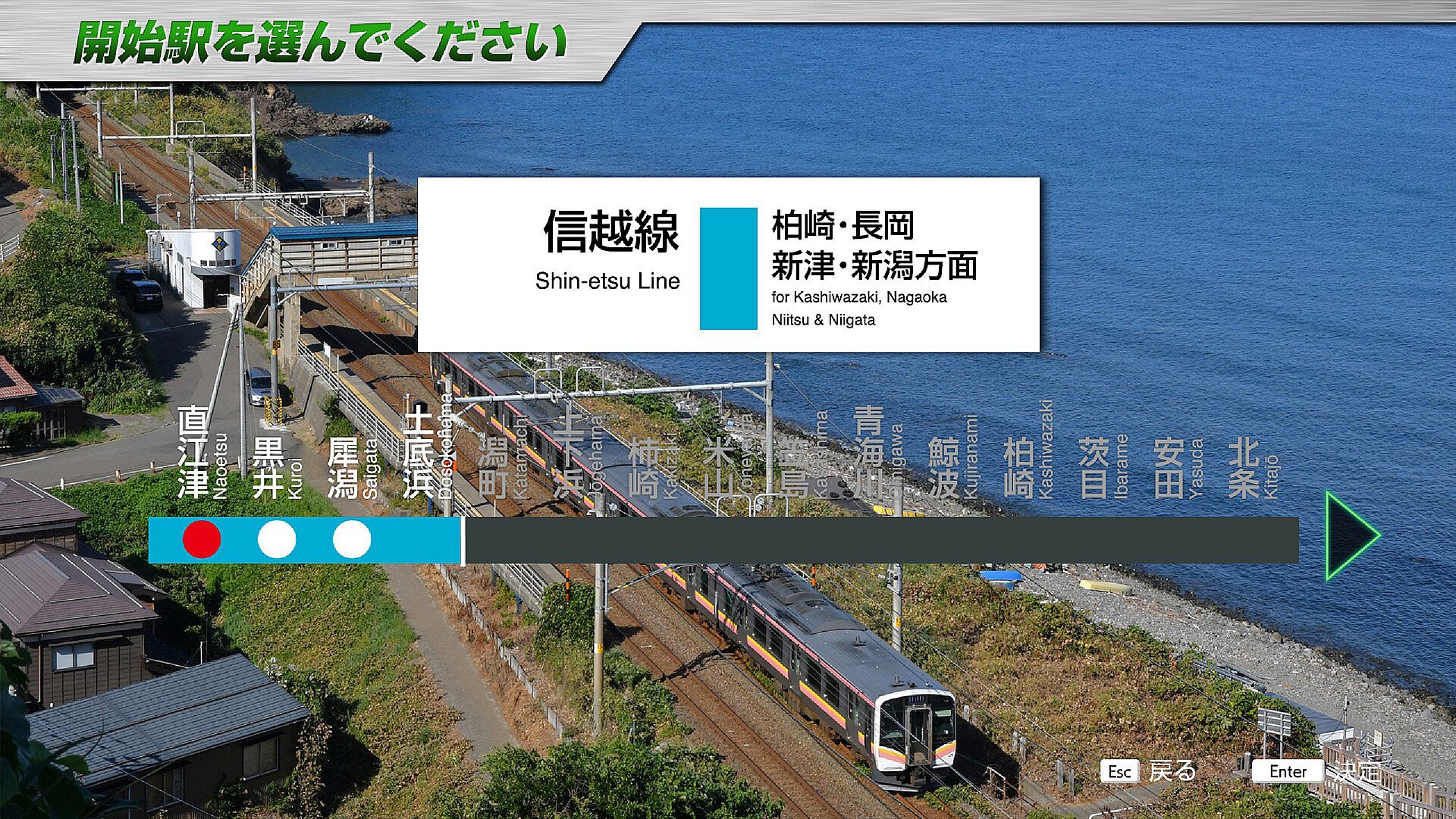
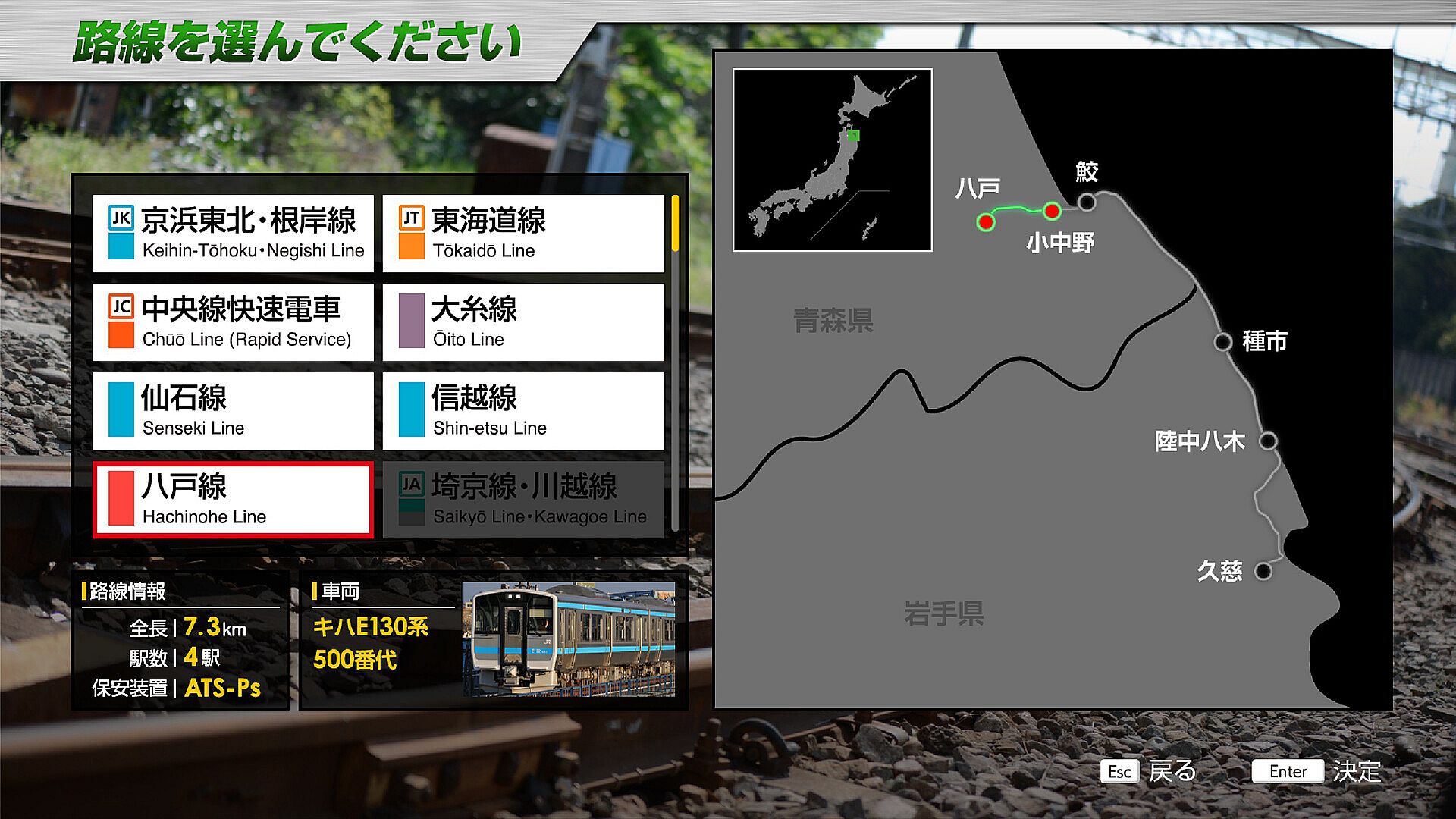
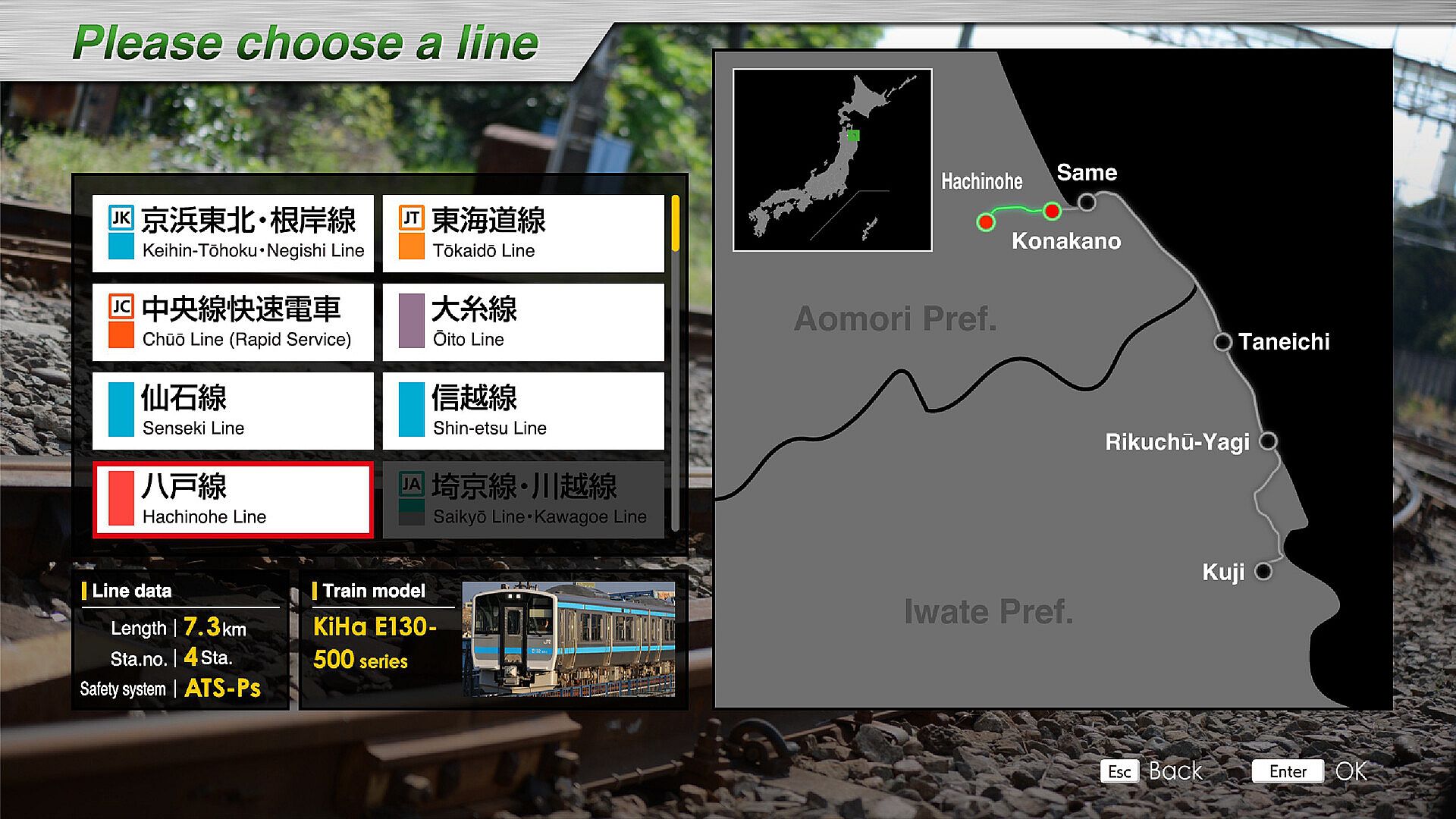
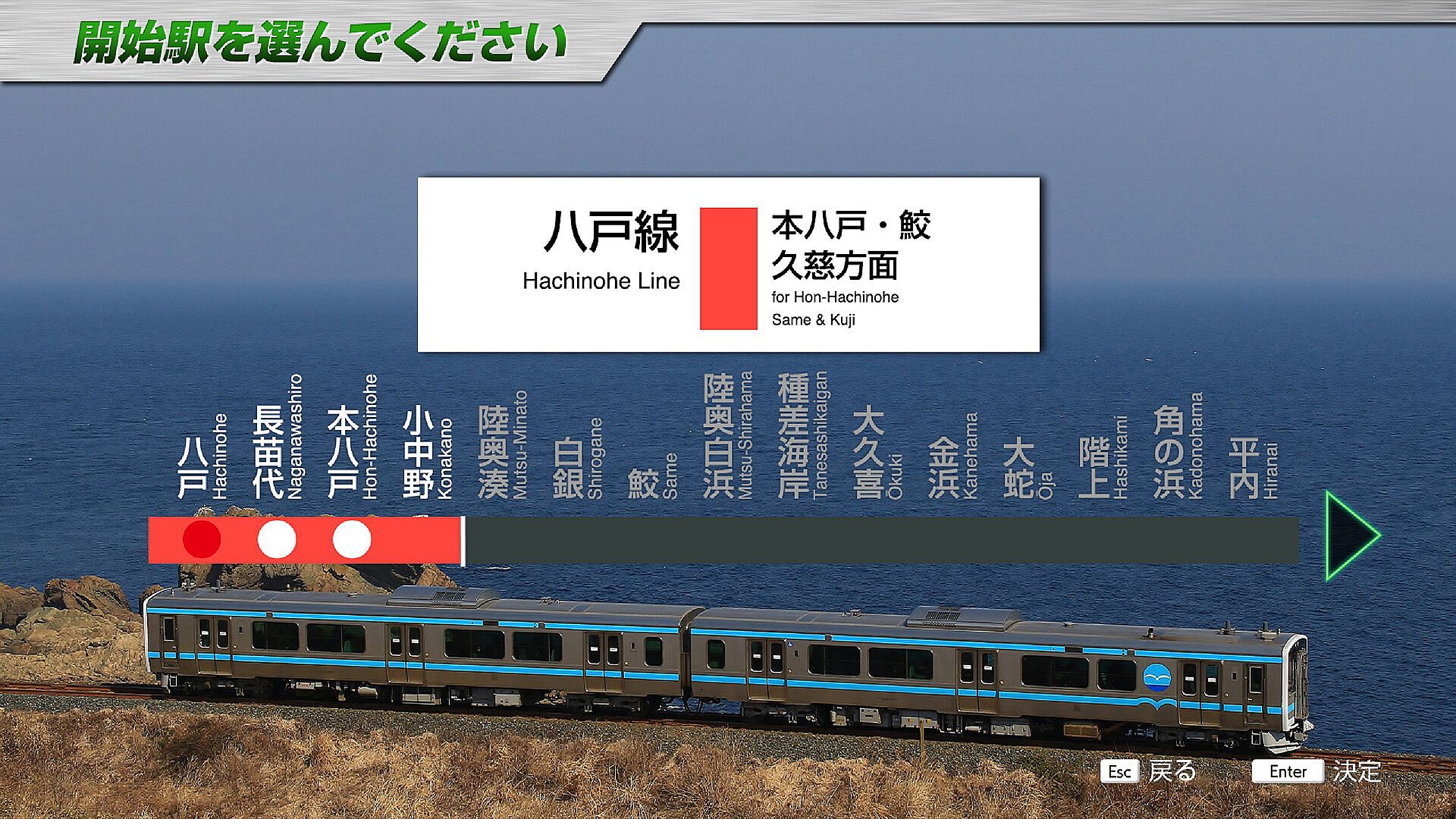
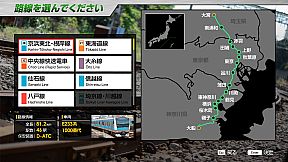
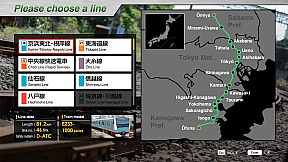
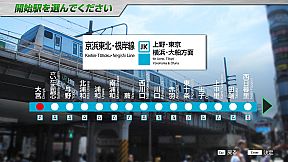
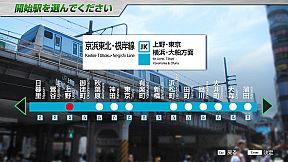
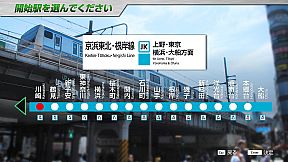
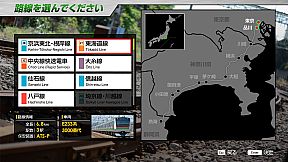
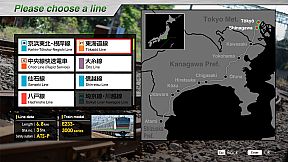
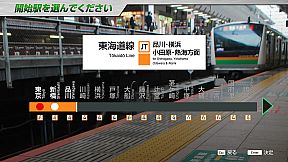
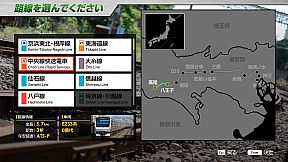
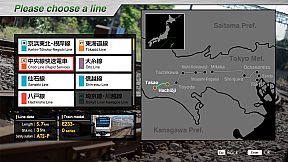
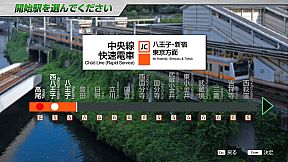
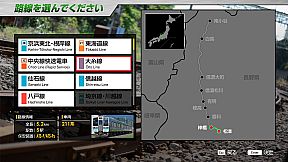
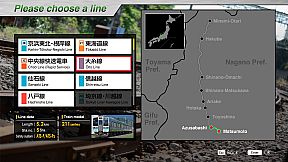
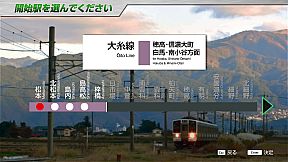
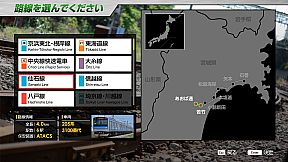
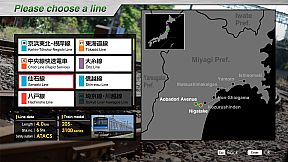
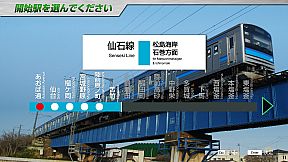
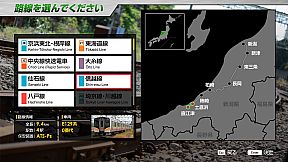
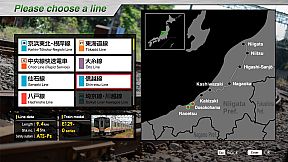
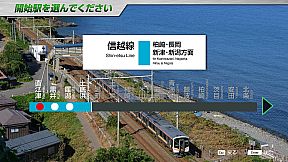
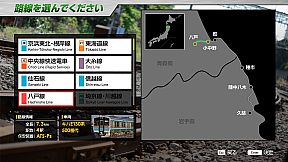
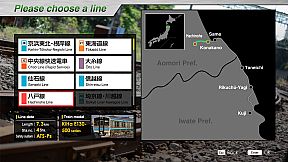
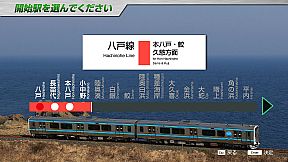
The game offers a selection of routes as its primary modes, each focusing on specific lines and directions. In the basic pack, you can drive the Keihin-Tohoku Negishi Line southbound from Omiya to Ofuna, covering 81.2 km across 40 stations with the Series E233-1000 train. Shorter segments include the Tokaido Line outbound from Tokyo to Shinagawa, Chuo Line Rapid Service inbound from Takao to Hachioji, Oito Line outbound from Matsumoto to Azusabashi, Senseki Line outbound from Aobadori to Nigatake, Shinetsu Line outbound from Naoetsu to Dosokohama, Hachinohe Line outbound from Hachinohe to Konakano, and Hachiko Line inbound from Takasaki to Gumma-Fujioka.
These modes are single-player experiences centered on route simulation, with options to choose train types like Series E233-3000, Series E233-0, Series 211, Series 205-3100, Series E129, Series Kiha E130-500, and Series Kiha 110-200. Additional full routes for lines like Tokaido, Chuo Rapid, Oito, Senseki, Shinetsu, Hachinohe, and Hachiko become available through separate DLC purchases, expanding the playable content.
Available Routes and Expansions
Beyond the base content, JR EAST Train Simulator supports expansions via DLC, which unlock complete sections of various lines. This setup allows for progressive exploration of Japan's rail network, with each addition bringing new challenges tied to terrain, station density, and train models. The game's structure encourages repeated plays to refine techniques on familiar routes or tackle fresh ones.
Is It Worth Playing?
For those passionate about trains or simulation games that prioritize realism, JR EAST Train Simulator delivers a compelling experience grounded in authentic JR East operations. Player reception has been mostly positive, with 76% of 1,134 reviews favorable, and recent feedback even stronger at 93% positive from 15 reviews in the last 30 days. The title continues to receive support through DLC releases, keeping the content fresh for dedicated users. If you enjoy methodical, low-stakes simulations that replicate professional training tools, this game offers solid value, especially for learning about Japanese railways. However, it may feel limited for players seeking action or multiplayer features, as its appeal lies in solitary, precise driving sessions.