




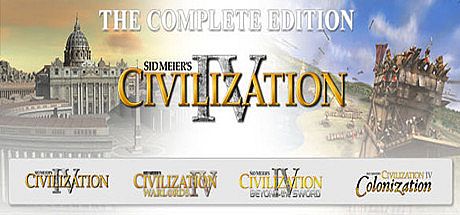
















Sid Meier's Civilization IV: The Complete Edition é um jogo de estratégia por turnos centrado na construção de impérios 4X. O jogador começa com um único colono e um explorador na era antiga e conduz uma civilização por milhares de anos de desenvolvimento até alcançar uma das condições de vitória disponíveis.
Jogabilidade
O ciclo principal gira em torno da gestão de cidades, da pesquisa tecnológica e da expansão por um mapa gerado proceduralmente. A cada turno é possível construir edifícios, treinar unidades, melhorar terrenos com fazendas ou minas e avançar na árvore tecnológica que libera novas possibilidades. Recursos como comida, produção e comércio determinam o crescimento e o rendimento das cidades, enquanto os sistemas de felicidade e saúde afetam a produtividade dos cidadãos.
A diplomacia permite trocar tecnologias, recursos e ouro com outros líderes, cada um com personalidade e objetivos próprios. O combate utiliza um único valor de força por unidade, modificado por terreno, promoções e unidades de apoio, sem estatísticas separadas de ataque e defesa. Dezoito civilizações estão presentes no jogo, cada uma com unidades e edifícios exclusivos que incentivam estilos de jogo diferentes, e vários líderes oferecem bônus adicionais por meio de seus traços.
Trabalhadores cuidam das melhorias nos terrenos e podem cortar florestas para gerar produção imediata. Sistemas de espionagem e religião acrescentam camadas estratégicas nas eras mais avançadas, permitindo influenciar rivais ou garantir estabilidade interna. O jogo oferece opções de personalização por meio de configurações de velocidade que alteram o número de turnos necessários para pesquisa e construção.
Modos de Jogo
O modo padrão pode ser jogado individualmente contra a IA ou em sessões multiplayer, com suporte a hot seat e partidas online. As condições de vitória definem os objetivos principais: conquista exige eliminar todas as outras civilizações, dominação foca em limites de território e população, a corrida espacial envolve o lançamento de uma nave até Alpha Centauri, cultura exige que três cidades alcancem o status lendário e diplomacia depende de votos na Organização das Nações Unidas.
Os cenários oferecem alternativas estruturadas com ambientações históricas ou alternativas, como eras específicas ou campanhas de líderes. A Complete Edition inclui conteúdo adicional que amplia o número de civilizações, unidades e mecânicas disponíveis, sem alterar a estrutura fundamental por turnos.
Mecânicas e Sistemas Principais
A aquisição de tecnologia impulsiona o progresso, com mais de oitenta opções que vão da era antiga até a futura. Os civics substituem os antigos sistemas de governo e permitem escolhas flexíveis de políticas que afetam economia, exército e cultura. Melhorias nos terrenos e acesso a recursos continuam sendo elementos centrais, exigindo edifícios específicos ou ações de trabalhadores para aproveitar os bônus.
A especialização das cidades surge por meio das escolhas de construção e da geração de grandes personagens, que podem acelerar pesquisa, produção ou cultura. A ausência de restrições de uma unidade por hexágono permite exércitos empilhados que interagem com as regras de dano colateral em combate.
Vale a Pena Jogar?
O jogo continua a atrair jogadores que valorizam planejamento estratégico profundo e campanhas longas. Seus sistemas recompensam a alocação cuidadosa de recursos e as manobras diplomáticas ao longo de muitas horas. A disponibilidade no PC mantém o título acessível para quem busca uma experiência clássica de estratégia por turnos com alta rejogabilidade, graças às diferentes civilizações e configurações de mapa. Fãs de gerenciamento de impérios e progressão histórica encontram engajamento duradouro em suas mecânicas, enquanto as expansões incluídas adicionam variedade sem necessidade de compras separadas. Quem prefere ritmo mais acelerado ou interfaces mais modernas pode achar a apresentação mais antiga menos imediata, mas a profundidade estratégica permanece intacta para entusiastas do gênero.


