




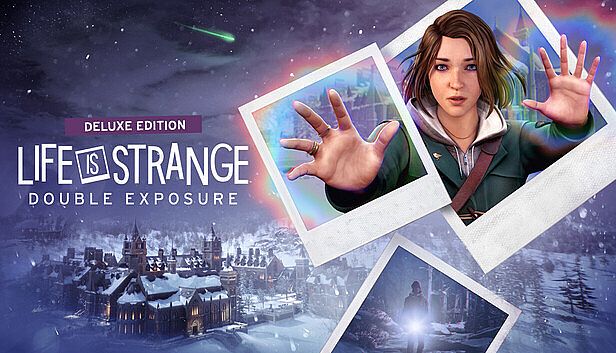












Life is Strange: Double Exposure is a narrative adventure game centered on Max Caulfield as she investigates a murder at Caledon University using a new ability to shift between parallel timelines. Released on PC in late 2024, the title continues the series focus on character-driven storytelling, meaningful decisions, and supernatural elements while introducing fresh mechanics tied to two distinct realities.
Gameplay
Players control Max in third-person perspective across campus locations, examining objects, photographing scenes, and engaging in conversations that branch based on prior actions. The core loop revolves around gathering information in one timeline and applying it in the other to progress investigations or unlock new dialogue options. Shifting between realities alters environmental details, character positions, and available paths, creating opportunities for puzzle solutions that rely on these differences rather than traditional inventory management or combat.
Exploration remains contained within key areas that repeat across chapters, encouraging repeated visits to notice changes over time. Dialogue trees emphasize emotional nuance and relationship building, with outcomes influencing later events in both timelines. Photography returns as a recurring activity, allowing players to capture moments that tie into the narrative or provide additional context during key sequences.
Game Modes
The experience consists entirely of a single-player story campaign structured across five chapters. There are no separate multiplayer components, competitive modes, or side activities detached from the main narrative. Progression follows a linear path with occasional choice points that affect character interactions and certain story beats, though the overall structure remains focused on sequential chapter completion.
Story and Setting
Max returns as a photographer-in-residence at a prestigious university where a close friend is found dead, prompting the discovery of her timeline-shifting power. The plot unfolds as a supernatural murder mystery that requires piecing together clues from two versions of events. One reality shows the aftermath of the incident while the other presents events before it occurs, forcing Max to navigate social dynamics and investigations in both simultaneously.
Supporting characters populate the campus environment, each with distinct personalities and backstories that intersect with the central case. The narrative builds through chapter-specific developments that heighten tension around the identity of the perpetrator and the consequences of timeline alterations.
Visuals, Audio, and Technical Aspects
The game runs on Unreal Engine 5 and presents detailed campus environments with strong lighting and character animations. Voice performances anchor the emotional weight of scenes, particularly in extended dialogue exchanges. The soundtrack features licensed tracks that complement the introspective tone and key moments of revelation.
On PC, performance can vary depending on hardware configuration, with some reports noting occasional visual inconsistencies or frame rate fluctuations in certain areas. Accessibility options include customizable controls and subtitle adjustments to support different play styles.
Is It Worth Playing?
Reception has been mixed among critics and players, with praise directed at the writing, voice work, and innovative use of the timeline mechanic for both puzzles and storytelling. Some reviews highlight strong pacing in early chapters and satisfying character arcs, while others note inconsistencies in later pacing and limited scope of exploration compared to expectations for the genre.
Steam user reviews settled into the mixed category following launch, citing performance concerns on certain PC setups alongside appreciation for the core mystery. The title suits players who prioritize narrative depth, choice consequences, and supernatural drama over action or open-world freedom. Those drawn to the series previous entries will find familiar strengths in dialogue and atmosphere, though newcomers can approach it as a standalone story without prior knowledge.
Overall, it delivers a complete single-player campaign best experienced by fans of slow-burn mysteries and emotional decision-making. Availability on PC makes it accessible for those with compatible systems, and the absence of ongoing live-service elements means the full story remains available from the initial release without additional seasonal content.


