

Xen'Fonia: Path of Fortune is a strategy indie game for PC that blends roguelite structure with trading, deck-building, inventory management, and turn-based card combat. Players take on the role of a merchant navigating a continent under the Dragon Constellation amid fragile peace, focusing on economic decisions and tactical fights rather than heroic quests.
Gameplay
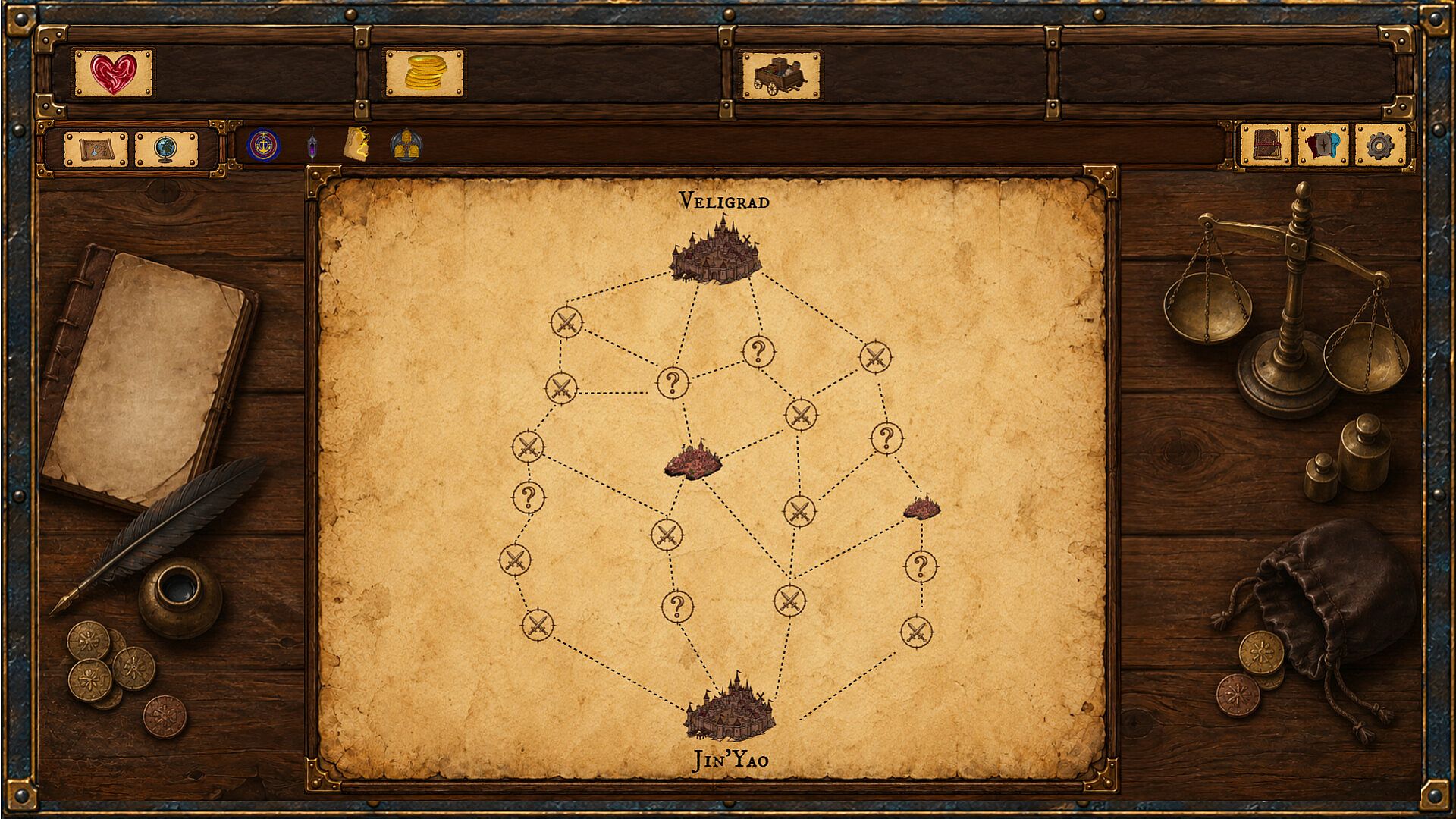
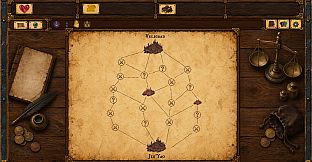
The core loop centers on traveling node-based routes across the Nine Realms. At each step, shifting markets require monitoring prices to buy low and sell high while space in the limited inventory remains a constant constraint. Goods carried influence both profit margins and available combat options, forcing trade-offs between cargo value and battle readiness.
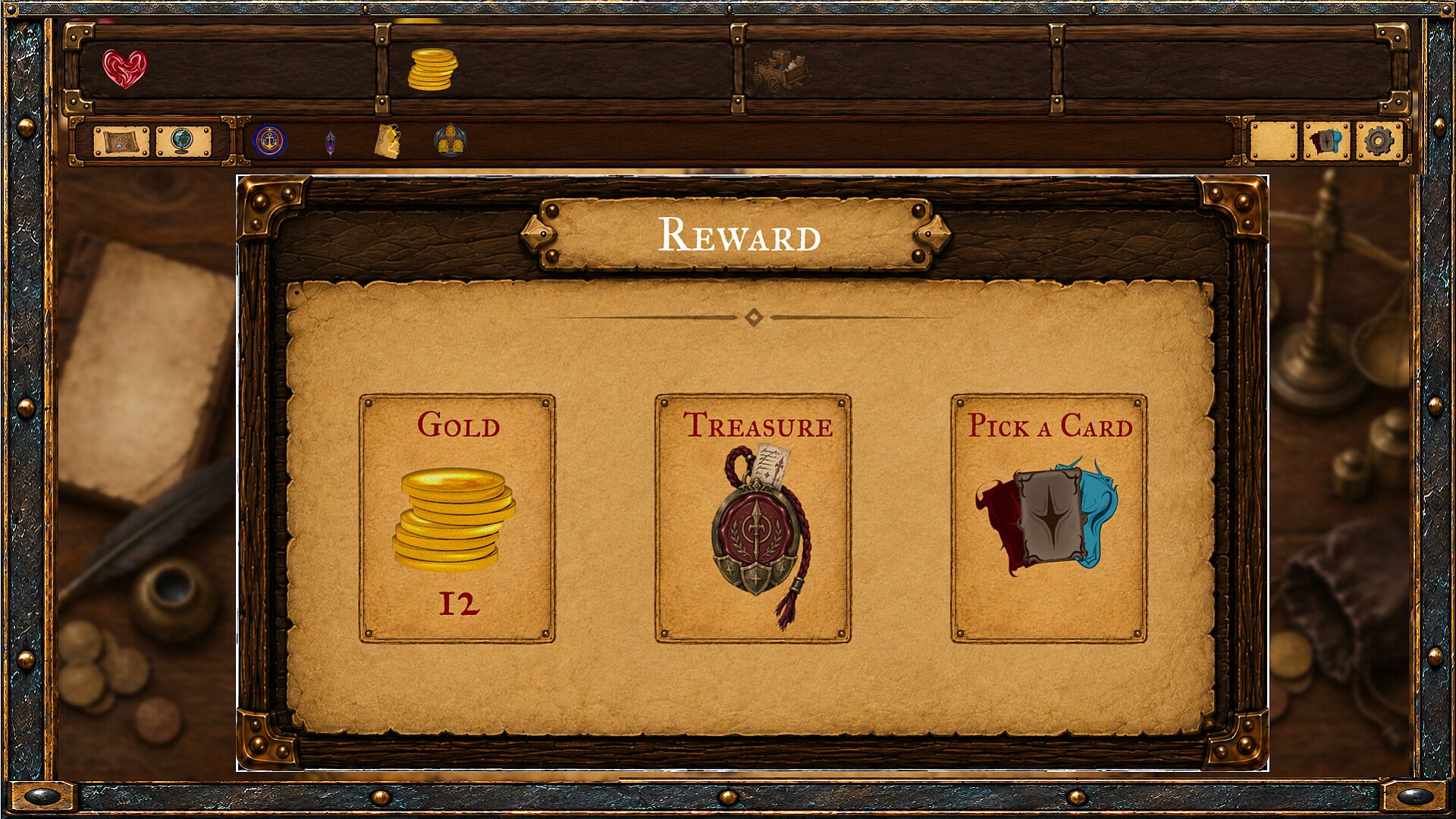
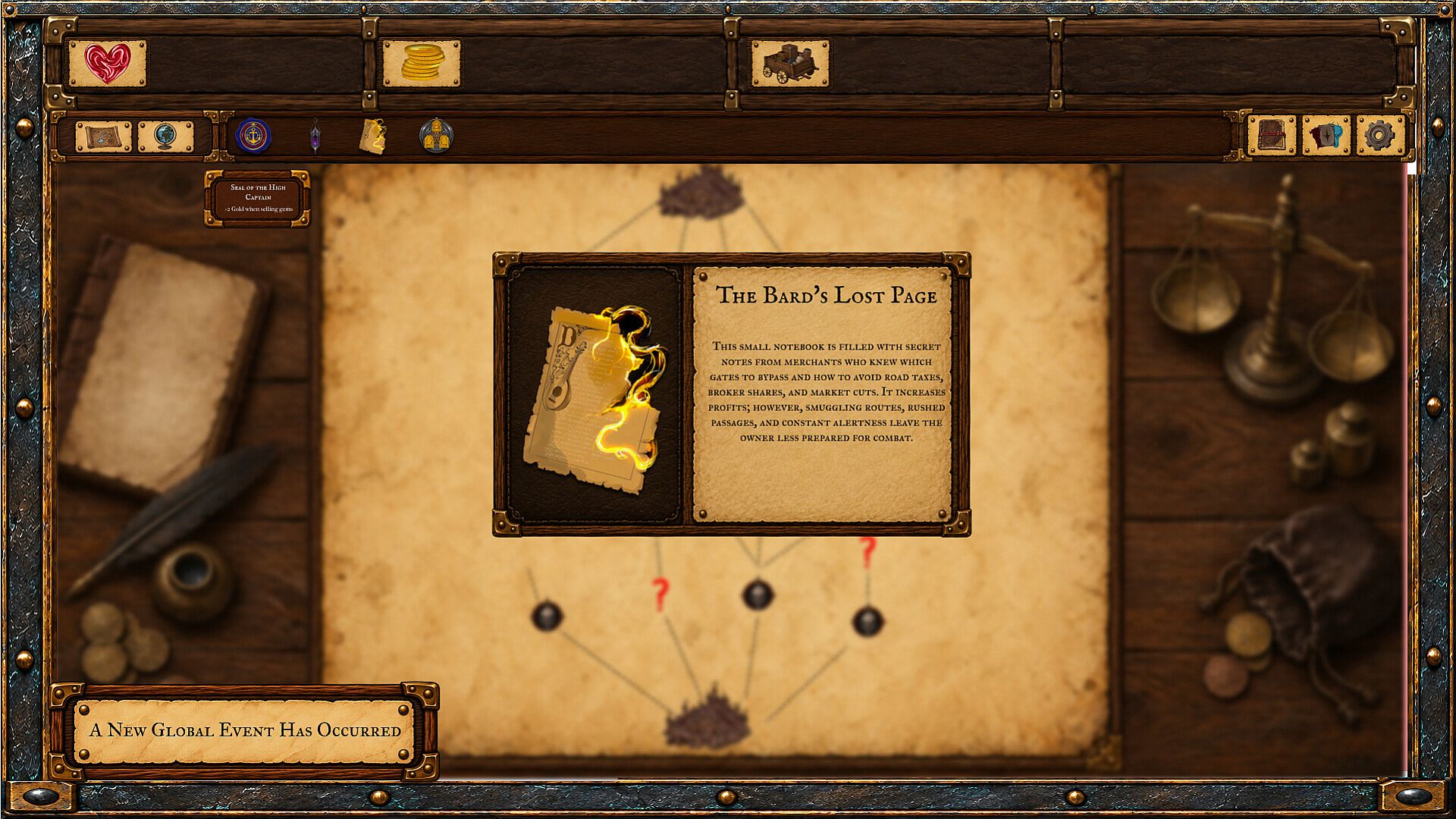
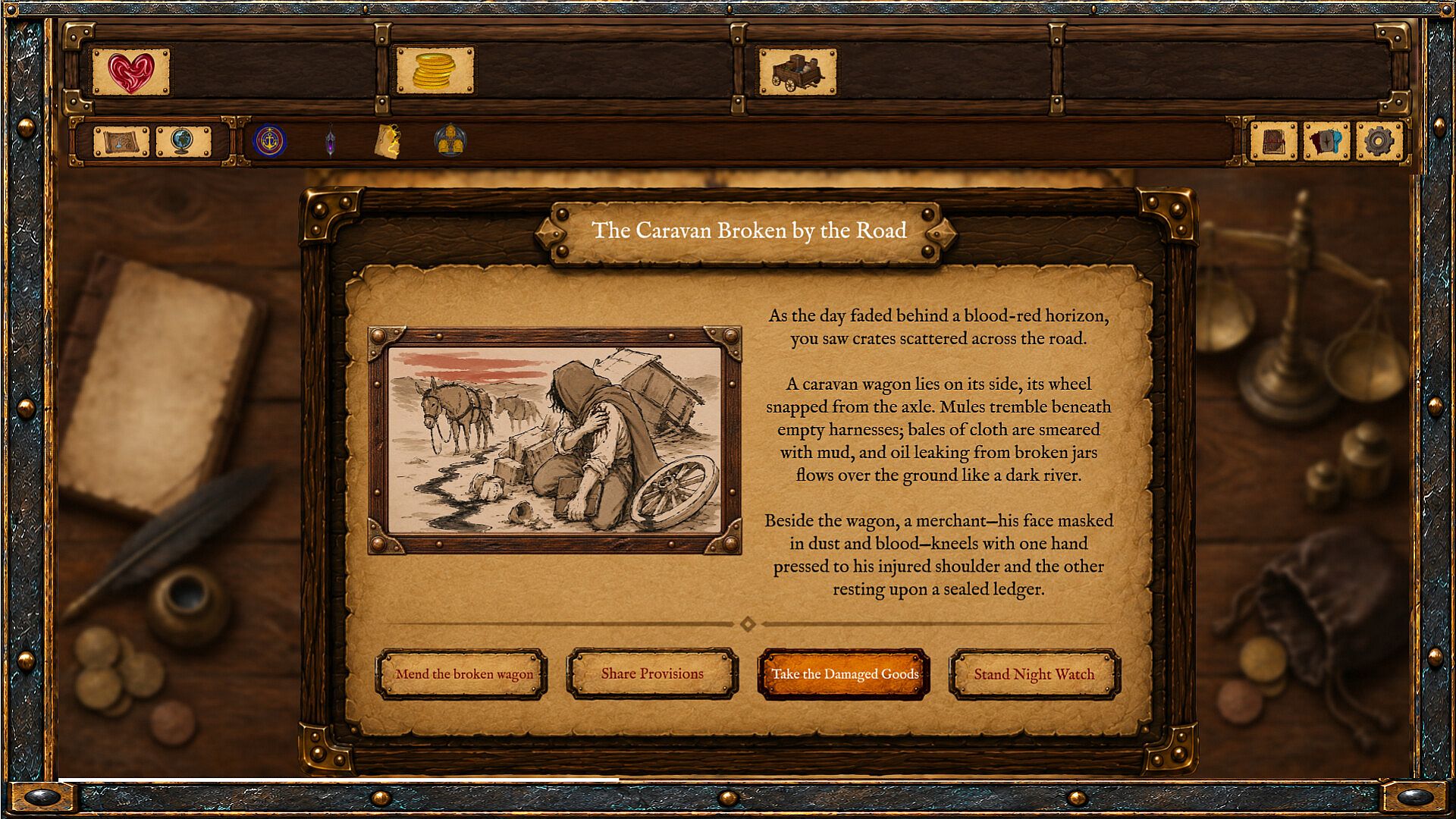
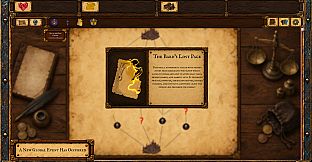
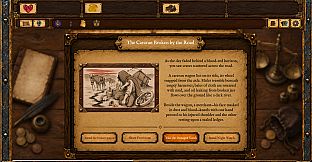
Encounters include battles, merchant interactions, and choice-driven events that branch the path forward. Deck-building elements let players acquire new cards and treasures to shape their capabilities over time. Combat unfolds in turns where positioning, card selection, and resource use determine outcomes against varied opponents. Inventory decisions carry forward, as overloaded or specialized loads can limit flexibility in fights or future trades.
Each journey emphasizes planning around market fluctuations and enemy patterns. The roguelite format means progress resets between attempts, but acquired cards and treasures carry potential for new combinations on subsequent efforts. This creates a focus on adapting strategies to different route layouts and resource distributions.
Game Modes
The game operates through repeated runs that generate fresh routes, market conditions, and event sequences each time. No separate modes exist beyond this single-player roguelite framework, where the emphasis stays on individual merchant progression and build experimentation.
Players manage one continuous journey per run, balancing trading stops with combat preparation. The absence of multiplayer or co-op elements keeps attention on personal decision-making across the node network. Variability comes from procedural route generation and the accumulating card pool that supports different approaches to profit and survival.
Core Mechanics
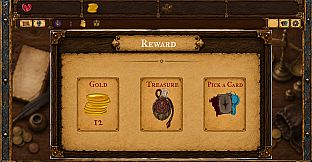
Trading forms the economic backbone, with real-time market shifts demanding quick responses to price changes. Inventory slots act as a shared resource pool that directly ties into combat power, since carried items can provide cards or modifiers during fights. Deck construction happens incrementally through merchant purchases and event rewards, allowing specialization in aggressive trading builds or defensive combat setups.
Turn-based card combat requires sequencing actions around enemy behaviors and available resources. Treasures add permanent or situational effects that reward careful selection during runs. The combination of limited carrying capacity and expanding options encourages experimentation with loadouts that maximize both earnings and tactical options.
Is It Worth Playing?
This title suits players who enjoy strategy games that merge economic simulation with deck-building and tactical combat in a roguelite package. The focus on inventory trade-offs and market timing provides a distinct loop compared to pure combat or exploration titles. Those drawn to merchant simulations or card-driven battles may find the integration of these systems engaging across multiple runs.
Without confirmed updates or player metrics available, the experience stands on its described systems of route navigation, cargo management, and build crafting. It appeals most to fans of indie strategy experiences that prioritize thoughtful resource allocation over fast-paced action.