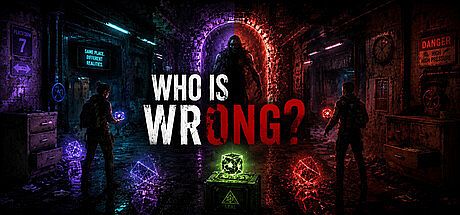


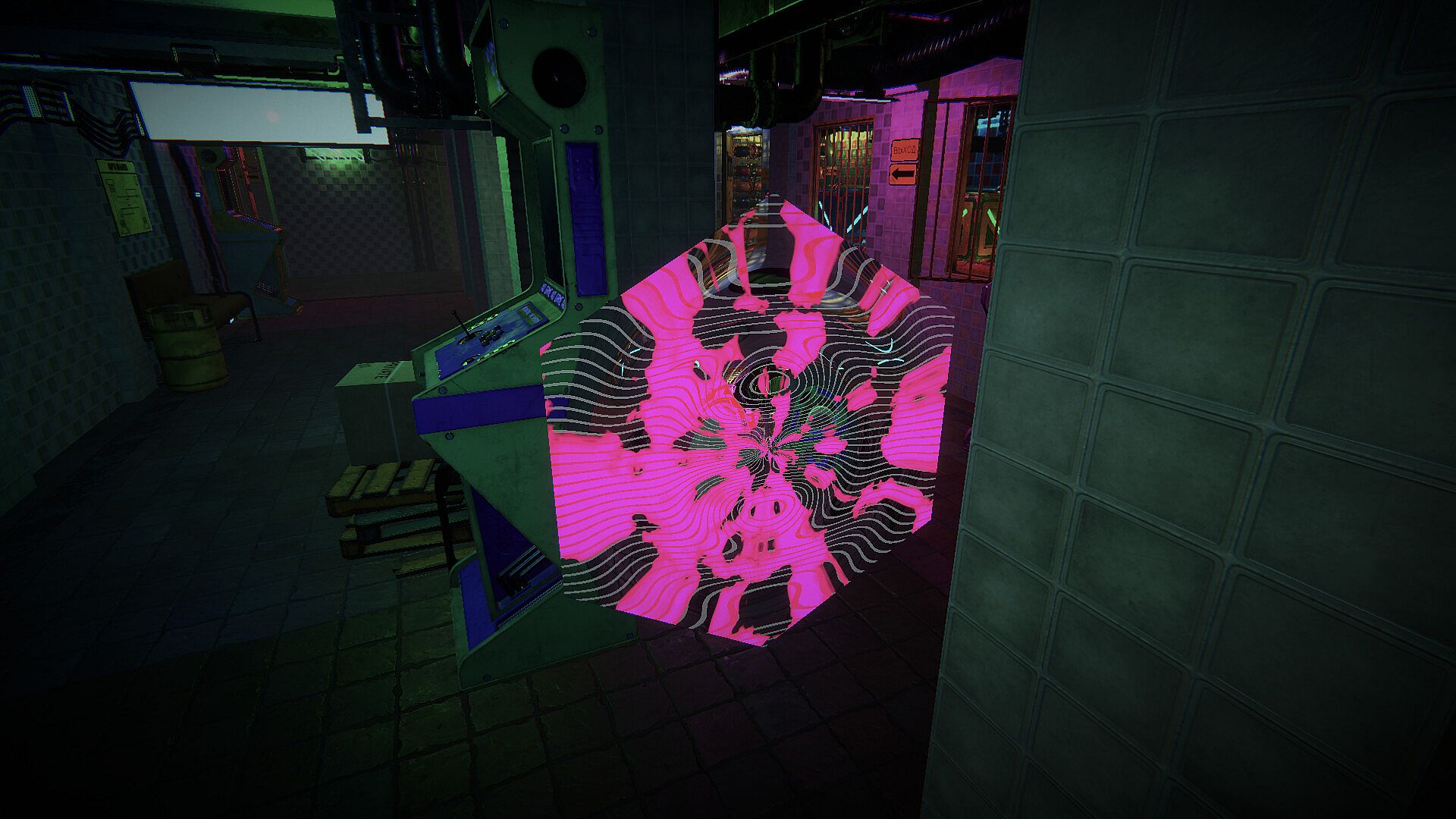
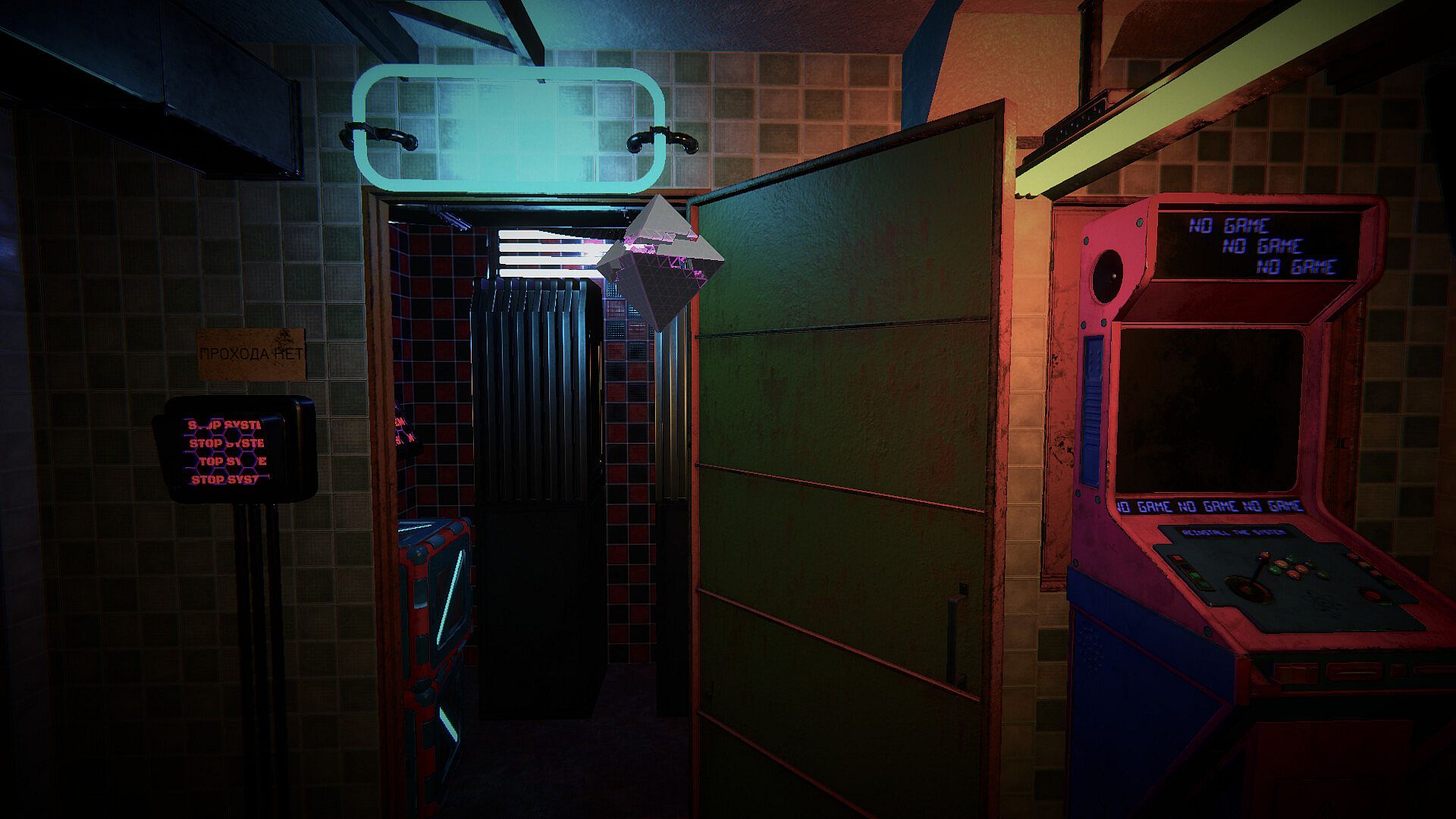
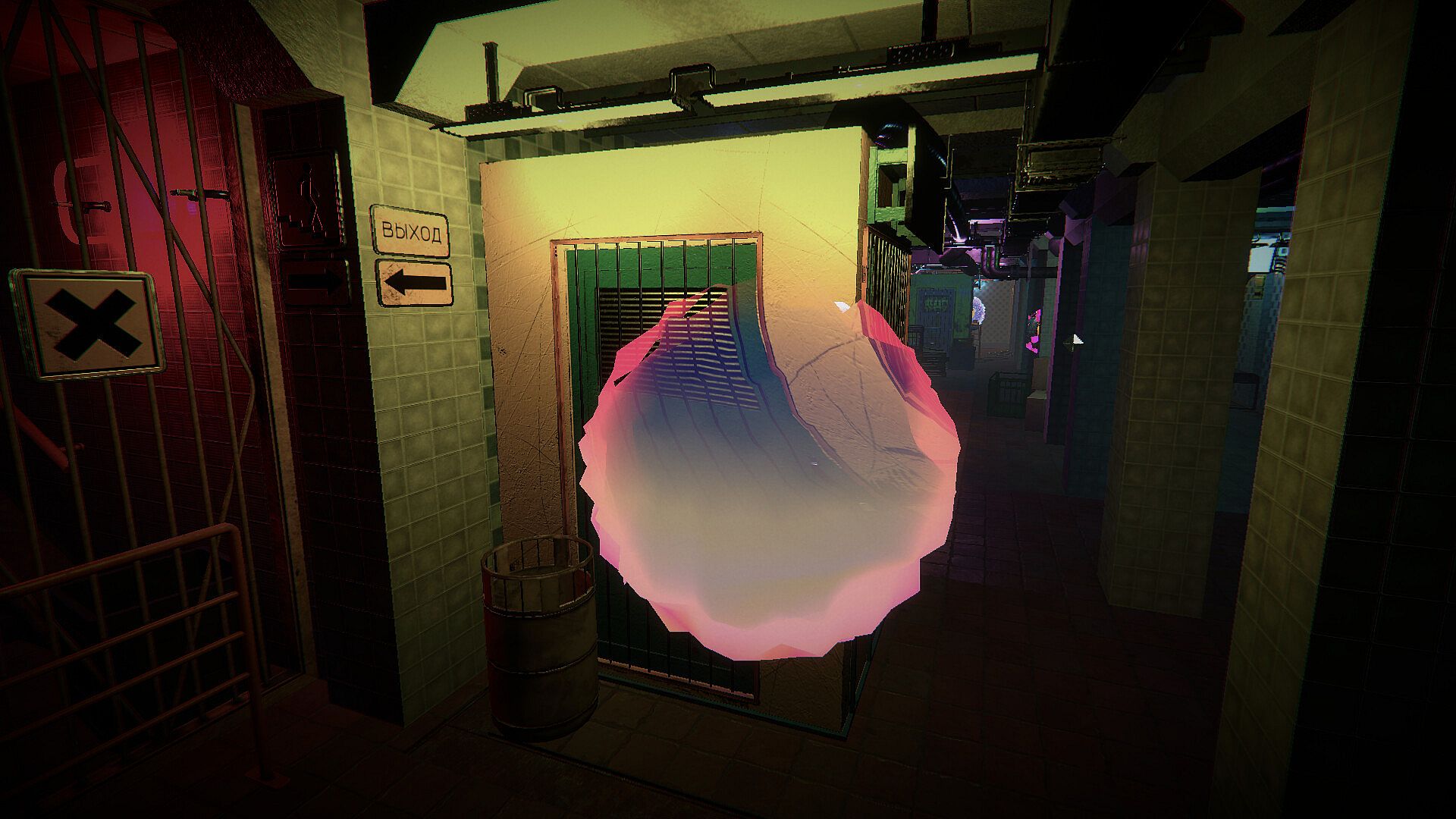
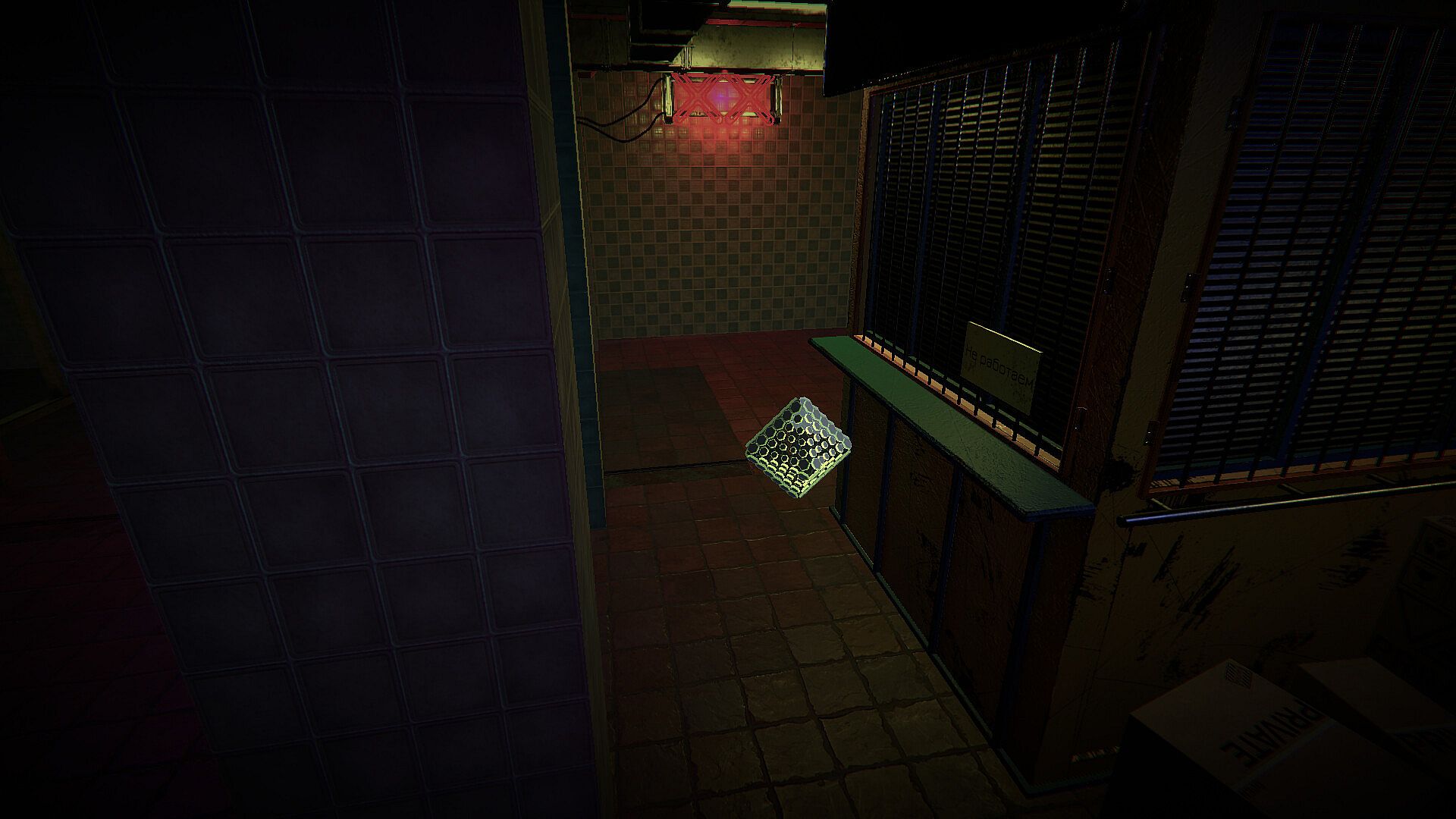
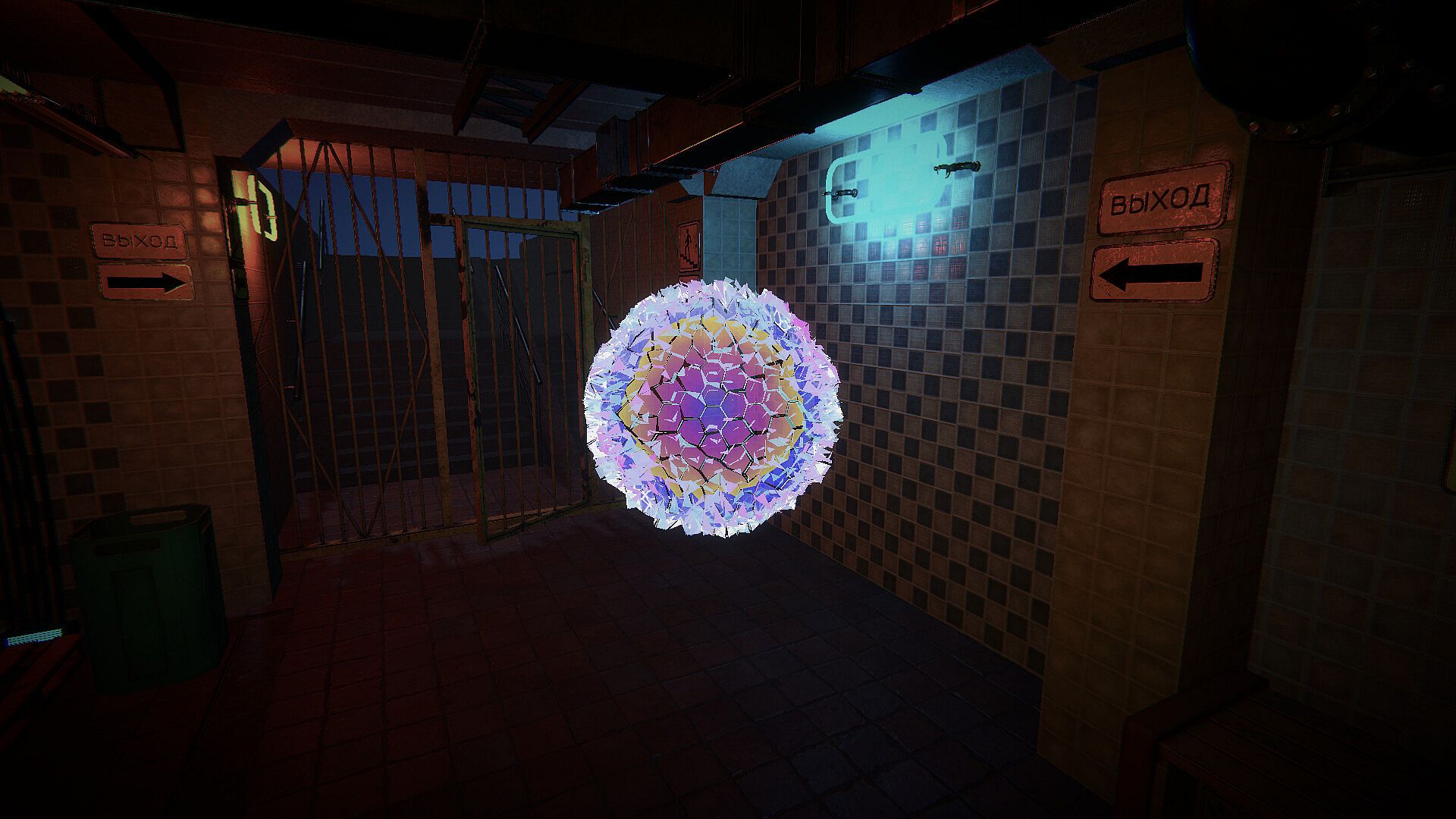
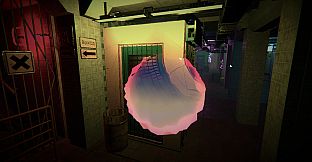
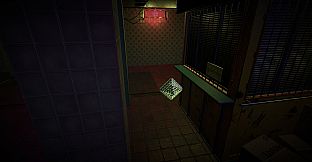

Who Is Wrong is an action, indie, and adventure game for PC that places two to four players in a shared online co-op session built around asymmetric perception. Everyone starts in the same room with identical corridors and furniture, yet each person sees a different version of that space. One player might notice a red valve while another sees blue, or count three drawers in a cabinet when others count two. Communication through voice becomes the only reliable tool for sorting out the differences and locating anomalies that do not match the majority view.
Gameplay
Players wake together and must explore the environment while describing what they see to the group. Each person holds a certain number of seals that represent anomalies hidden in their personal layer of reality. The group discusses findings and decides which areas to search first, knowing that the majority perception defines what counts as real. Placing a seal on an object does not provide immediate feedback, so decisions remain uncertain until the session ends.
A shared fifteen-minute timer governs every round. During that window the team argues over evidence, counts objects, and tries to identify which player carries the most anomalies. The longer an anomaly goes unaddressed, the more visibly distorted it becomes on the affected screen. When time expires or the group signals readiness, everyone returns to the starting room for judgment. Correct seals activate and fade while incorrect ones stay dark, and the portal outcome determines whether a player exits safely or faces an incoming threat that the others can observe.
Game Modes
The experience centers on a single core session type that supports two to four participants in online co-op. Voice chat drives every decision because no visual information is shared. Sessions run on a fixed timer with persistent progression elements that track contracts, equipment, and an anomaly catalogue across multiple plays. Locations feature shifting lock layouts and numerous object variants, so each round presents fresh visual discrepancies even in familiar spaces. The majority-vote system replaces traditional consensus, forcing players to accept the most common observation as truth and isolate the odd one out.
Core Mechanics and Progression
Asymmetric perception forms the foundation of every interaction. Players can hear one another but never see the same objects or colors at the same time. Seals serve as the physical currency for marking anomalies, and the number each person carries directly influences how many discrepancies appear in their layer. The system rewards careful observation and clear verbal reporting rather than individual skill with controls. Over repeated sessions the anomaly catalogue grows, giving returning players more context for the distortions they encounter.
Rotting anomalies add pressure as unresolved issues become more obvious and disruptive on the affected player's screen. Equipment and contracts provide long-term goals that carry between rounds, encouraging groups to refine their communication and deduction habits. The absence of visual confirmation until the portal phase keeps tension high throughout the fifteen-minute window.
Is It Worth Playing?
Who Is Wrong suits players who enjoy deduction, argument, and voice-driven cooperation in small groups. The mechanics reward clear description and logical reasoning over reflexes or individual performance. Groups that communicate well can improve their success rate over time through the persistent catalogue and equipment systems. Those who prefer solo play or visual feedback will find the design less appealing because the core loop depends entirely on shared discussion and majority rule. The game remains in active development with ongoing location and object variety updates that keep sessions distinct.